Category: mental health

  • An Astonishing Look Into A Day With Chronic Illness

    An Astonishing Look Into A Day With Chronic Illness

    An Astonishing Look Into A Day With Chronic Illness

    Ever wondered what a day living with chronic illness and disability looks like? Today I’m taking you on an astonishing look into the highs and lows that can occur day to day, as well as some insight into the strategies that work for me.

    From the moment I wake up, I’m already facing barriers. My chronic illnesses make it hard to get out of bed, often leaving me exhausted and in pain. Every day is a balancing act where I have to be mindful of my energy levels and make sure that I’m taking time to rest. 

    This behind the scenes, focused, look into a day of my life with chronic illnesses, pain, and fatigue is part of a Linkup blog organised by Sheryl Chan from A Chronic Voice. Sheryl has written these questions which I’ve answered to write this blog.  


    An Introduction To My Chronic Illnesses

    In 2009 I was diagnosed with migraine disease after 20 years of undiagnosed attacks. My migraine became chronic in 2013, diagnosed when you have 15+ headache days a month. Every weekend was ruined by migraine attacks. 

    In early 2014 I fell ill with migraine-like symptoms, which my doctors thought was a month-long migraine attack. When it didn’t show signs of stopping, I noticed whooshing in my ears. My GP told me this new symptom was pulsatile tinnitus. I knew at once this was more than an extended migraine attack.

    My local neurologists wouldn’t look into this, and feeling frustrated, I sought specialist treatment in Cambridge. I was diagnosed with Idiopathic Intracranial Hypertension or IIH, a rare brain disease, 9 months after my symptoms started. 

    IIH medication didn’t help and it became apparent that I had an atypical presentation of this rare disease. The Cambridge specialists were working on a trial treatment for people with the same outlook as myself but I’d missed the deadline. 

    I had to wait another year for this controversial surgical treatment which I found incredibly stressful but had the support of my GP. Meanwhile I tried every migraine preventative to appease my various neurologists, who were all against my treatment plan, but to no avail. 

    I became depressed and had anxiety because of grief from losing my Career and active life, disagreements with doctors, as well as worries about experimental treatment. If you’d like to know more about my IIH treatment, please read this blog.

    What My Day Looks Like 

    When I first wake up I am confronted with the pain in my face that I live with constantly, this quickly translates to nausea. My thoughts quickly go to when I can take my medications to combat the worst symptoms, which I have to take with food. 

    Sometimes I wake very early because the pain is off the charts and I have to take a dose of Oramorph to get me through until breakfast. This is the next barrier as I can’t function until my medications kick in. So my husband, Joel, makes me breakfast and brings it to me in bed. Joel prioritises caring for me into his busy morning. Read Joel’s point of view as my Carer here. 

    My morning is then dedicated to rest as I take many heavy duty pain relief and preventative medications. I usually fall back to sleep while watching television, either a series of snoozes or a block of sleep, depending upon how high the pain is. 

    On the highest pain days my body simply can’t rest enough to sleep so I will force rest with meditation which is a brilliant restorative practice. So even if I can’t sleep I get some complete rest, often with the help of an oramorph dose. Thankfully on low pain days I don’t even think about taking any oramorph as sleep is enough of a boost on its own.

    My Carer, Sam, arrives late morning and brings me a cup of herbal tea and opens my curtains, to help me wake up at noon. Joel does this at the weekend as it’s vital in helping me become operational. They also get clothes out for me so I don’t have to bend down as this increases my intracranial pressure. 

    Sam or Joel bring me lunch at 1:30pm so I can take my next lot of medicine, both helping me gather enough energy to shower. Some days are easier than others but I use a shower stool to save energy for getting dressed. It’s painful and tiring to wash my hair so I only do this once a week. 

    On my better days, I’m usually functioning at my best around 3-6pm, so this is when I usually focus on writing my blogs, coaching journal and self-help downloads. I also write for patients at Teva’s Life Effects which you can find here.

    My favourite part of the day is spending time with my family when I manage to make it down to the sofa for a change of scenery. This routine only started at the beginning of 2023 as I’ve been building up my stamina by swimming regularly for over a year. 

    I head down around 6pm and curl up on the long seat, sometimes napping. Then we eat dinner and watch TV as a family which has really helped my mental health as I feel more connected. 

    I stay down until about 9pm when I take my nighttime medication which is even stronger than my morning regime. I wind down watching TV in bed with Joel, when we get a chance to hold hands and snuggle. 

    When I actually settle down to sleep, I play Wordle and other puzzles to help keep my brain working. Then I settle down, wearing my frozen ice hat that helps soothe my pain so I can sleep as my pain is always at its worst at night. 

    An Eye-opening View Of A Day Living With Chronic Illness

    What I consider a daily self-care must do.

    Writing about what I’m grateful for in my journal helps me remember the positives, even on days that are awful. Living in constant pain is so exhausting and can be very negative if the pain gets on top of you. 

    Are you are able to do any exercise? If so, what do you enjoy and does it help with managing your pain?

    I started swimming in 2022, when my social worker organised for my Carer to take me. I’ve gradually built up to twice weekly. I find swimming helps my pain levels, unless I can’t get out of bed. I have to take Oramorph when I’ve finished, as showering and dressing wipes me out, despite having help.

    Things that help me de-stress in my everyday life.

    Things that improve my mental health are essential oils, doing my make-up, organising anything, and swimming. I have to pace myself so everything takes longer than someone without chronic illness.

    The household chore I have the most trouble with.

    Everything! Luckily I have a Carer and cleaners but I’m gradually doing little chores now that I’m downstairs more, such as plumping cushions, drawing curtains and wiping down the surfaces in the kitchen. The worst chore is when the hoover comes out (I don’t do it) but I struggle with the noise.

    What’s breakfast, lunch and dinner typically like. Any diet protocols?

    My nausea and pain levels dictate my diet and I crave certain foods whilst my body is going from zero to functional. I always have toast and marmalade for breakfast, and this is my go-to when I’m in lots of pain. For lunch I usually have a sandwich and fruit. Dinner is quite varied as this is my best time of day.  

    I went vegan in 2021 which I believe has contributed to my overall health being slightly improved. I plan the menu for the week so my family, who are pescatarians, generally eat vegan meals as we eat lots of vegetables, lentils or chickpeas and some meat substitutes. Sam preps or cooks a meal in the slow cooker and Joel finishes it off and serves so it’s a team effort.

    People I see most often and my favourite activities to do with them.

    Sam comes for 2 hours every weekday and Joel works at home so I love having a good natter and a giggle, although this increases my pain levels. I love going out with my family on my best days, which is usually quite spontaneous to make the most of low pain levels. 

    Joel is my best friend so we plan date nights at home, visits to the village pub and live music and comedy in the last few years. Music has always been our thing so this is vital to our healthy relationship, although I know I will put myself into a week or so of high pain afterwards.

    Do you have any pets and how are they a part of your life?

    Having rescue cats has rescued me since I became ill in 2014. The wonderful Salmiakki and Finleaf came to live with us in 2019. Salmiakki (a Swedish liquorice) owns me. He knows when I’m in high pain and demands to sit on me so I rest. They are house cats so they always keep me company. 

    If I could leap out of bed pain free for ONE day within my current environment and circumstances, I would…

    tidy and clean the whole house as I’m a control freak. Letting other people organise my house and leaving things that aren’t as tidy as I’d like, has been one of the hardest things to learn since getting sick. I would also see my best friends more often.

    Is there anything else you’d like to share about daily living with chronic illness/disability?

    I hope people will realise that we never know what someone else is really going through. Whether it’s how much help I need to get going each day, sleeping all morning or going to bed wearing an ice hat, I’m in pain for every second. Some of the time it’s barely noticeable but I feel it dragging me down. 

    By sharing what my day to day life is like I hope I can raise awareness of the bigger picture as people only see snippets of me online or see me on my best days in person. I am not sharing this for pity or sympathy and I am not complaining.

    The Takeaway

    Writing about my day living with chronic illness has been quite shocking to me to see how much help I still need even on the days when I’m able to manage more. I feel strongly the need to celebrate the connectivity I have with my loved ones, 

    Writing this has made me see how much progress I’ve made since I last wrote about my chronic pain conditions. However, my progress is still very small which has reminded me that I still need care every day to function.

    I hope that you have found this blog an insight into life with chronic pain. I would love to hear about what surprised you or if you have any questions about anything I’ve mentioned. Just leave a comment below. 
    #block-d5972ebefb99f0449a79 .sqs-gallery-block-grid .sqs-gallery-design-grid { margin-right: -20px; }
    #block-d5972ebefb99f0449a79 .sqs-gallery-block-grid .sqs-gallery-design-grid-slide .margin-wrapper { margin-right: 20px; margin-bottom: 20px; }

    ✋ Hey there! I hope you’re feeling stronger now. If so, sharing the love will help me help other mums with chronic invisible illnesses.⬆  Hit one of those sharing buttons or save these images to Pinterest and I will do a bed-bound happy dance – there’s an image for you!
  • How To Boost Self Confidence With Inexpensive Activities

    How To Boost Self Confidence With Inexpensive Activities

    How To Boost Self Confidence With Inexpensive Activities

    Every woman should have access to valuable and inexpensive tools and techniques to help them navigate life’s struggles and boost self-esteem. Many of us don’t ever access these though, instead, struggle on with low self confidence because there’s always someone or something that we feel we need to put first.

    When we face challenges, such as chronic illness, our body and mind work together, in what often feels like a plot against us. This often results in our mental health being put last, which makes it so easy to get stuck in a negative mindset.

    Simply put this can lead to a disastrous knock on effect where we actually fail to build self confidence due to negative thinking. This triggers high stress, low self-belief and impacts relationships amongst other outcomes.

    Journaling can help you to change your mindset so I have written a self awareness book dedicated to understanding your emotions so that you can engage with your inner voice. The journal prompts in the book are designed to nurture a positive mindset. Find out more by visiting my Strength Of Tears Shop.

    It’s so important that you feel empowered to take back control of your mental wellbeing and break through any barriers that may be preventing you from reaching your goals. It doesn’t have to be expensive to build self-confidence so in this blog I’m sharing 10 ways that you can do this. 

    5 Ways You Can Fail To Build Self Confidence

    Before we can discuss activities to build self-confidence, we need to look at what the barriers to doing this are. By this, I mean, our inner talk and thought processes. Negative thoughts are a common companion to chronic illness and can erode your self-esteem, making you feel unworthy. 

    When negative thoughts and self-talk build up over time, they can have significant effects on your mental and emotional well-being. This can lead to a lack of belief in your abilities and you may begin to doubt yourself. so we have to recognise these thoughts and learn how to build self confidence. 

    When you engage in negative self-talk, you engage in an internal conversation that can hinder your self worth and prevent you from believing in your own abilities. Negative self-talk is stressful, but journaling can help you. Read this blog about how to identify and change negative self talk. 

    Negative self-talk could be any thought that undermines your ability and faith to bring positive change in your life. Here are five potential consequences:

    1. Increased stress and anxiety: Negative thoughts and self-talk often revolve around self-criticism, doubt, and pessimism. Constantly bombarding yourself with such thoughts raises stress levels and leads to heightened anxiety.

    2. Persistent negative mindset: A buildup of negative thoughts can form a pattern of thinking that becomes a habit. This can influence how you see the world, causing you to focus on the negatives and overlook the positives. This can lead to a distorted view of reality and further reinforce negativity.

    3. Impaired problem-solving: Negative self-talk can cloud your judgment, affecting your ability to make effective decisions or find solutions. When your mind is overwhelmed by negativity, it becomes challenging to think clearly which can lead to a host of unsolved problems.

    4. Impact on relationships: Negative self-talk will affect your relationships as you are likely to project your negativity onto others. It becomes challenging to connect with others, leading to strained relationships and potential isolation.

    5. Mental health issues: Left unaddressed negative thoughts and self-talk contributes to the development or worsening of mental health conditions such as depression or anxiety disorders. Seeking professional help is crucial if you find yourself struggling with persistent negative thoughts.

    It’s essential to be aware of the impact that negative thoughts and self-talk can have on your overall well-being. Recognising and addressing these patterns is an important step towards cultivating a more positive and constructive mindset.

    10 Self Confidence Boosting Activities

    These inexpensive activities are easy to access but may need to be adapted according to your chronic illness and mental health. But if you want to build your confidence you will need to make it and yourself a priority so that you can engage in these suggested exercises:

    1. Exercise:

    Engaging in physical activity releases endorphins, improves your mood, and enhances your overall well-being. You can go for a walk, swim or do home workouts using online resources where you can adapt the exercises to your needs.

    2. Practice positive affirmations:

    This is a way to kickstart some self-love where you need to repeat positive statements to yourself daily, such as “I am confident,” or “I believe in myself.” This can help rewire your mindset and boost self-confidence.

    “The thoughts we choose to think are the tools we use to paint the canvas of our lives.” Louise Hay

    3. Set achievable goals:

    Break down your larger goals into smaller, manageable tasks. If you need support with this, download my free guide to setting well-being goals here. Accomplishing these smaller tasks gives you a sense of achievement and boosts your confidence.

    4. Learn something new:

    Taking up a new hobby or learning a new skill is an act of self-care that is so important, yet many of us don’t make time for this. There are many free online resources that can help you learn something new and build your confidence in the process.

    5. Rewarding success:

    Celebrating successes, however small, boosts confidence and self-esteem. Recognising your achievements and focusing on the things you’ve done well can help you develop more confidence in your abilities.

    6. Create a support network:

    Spend time with supportive and positive individuals who uplift you and believe in your abilities. Their encouragement can significantly boost your self-esteem.

    7. Improve your body language:

    Power poses are a fun way to do this as written about in this article. Stand tall with your feet wide apart, hands on your hips, and shoulders back before doing something you’re anxious about. Research shows that these postures have a positive impact on your self-confidence.

    8. Dress for success:

    Wear clothes that make you feel good about yourself. I find this one of the most effective ways to boost my self-confidence and have even started wearing make-up on a regular basis again. Dressing well can positively influence your self-perception and boost your confidence.

    9. Celebrate your achievements:

    Take time to acknowledge and celebrate your successes, no matter how small. I plan rewards for completing goals, triggering a dopamine rush which gives a surge of pleasure. This article explains how rewarding your accomplishments boosts your self-confidence.

    10. Practice self-care:

    Take care of your physical, mental, and emotional well-being. Prioritise activities that make you feel good, such as your sleep routine, practicing mindfulness or meditation, journaling or getting creative.

    In conclusion 

    Building your self-confidence is not something that will happen overnight but with small steps, time and effort you will develop feelings of self assurance. Remember to be patient with yourself, practice self-care and smile.

    Be kind to yourself whilst you work on changing a negative inner narrative to one that supports your growth. Years of negative self-talk can’t be undone quickly but by being aware of what is holding you back from having positive thoughts, you will be able to address and gradually change your mindset.

    By grabbing the issues holding you back with both hands you will allow yourself more success. These 10 inexpensive or free activities are crucial for your journey of growth and will boost self esteem. Remember that this isn’t a quick fix so you have reasonable expectations for your progress and you’ll get there.

    You can find a variety of activities to increase your self-esteem in the Strength Of Tears resources, such as my self-awareness journal and life coaching to help you build healthy habits, improve communication skills, and manage stress levels. 

    #block-yui_3_17_2_1_1686704569563_18210 .sqs-gallery-block-grid .sqs-gallery-design-grid { margin-right: -20px; }
    #block-yui_3_17_2_1_1686704569563_18210 .sqs-gallery-block-grid .sqs-gallery-design-grid-slide .margin-wrapper { margin-right: 20px; margin-bottom: 20px; }

    ✋ Hey there! I hope you’re feeling stronger now. If so, sharing the love will help me help other mums with chronic invisible illnesses.⬆  Hit one of those sharing buttons or save these images to Pinterest and I will do a bed-bound happy dance – there’s an image for you!
  • What You Need To Know About The Mental Health Benefits Of Journaling

    What You Need To Know About The Mental Health Benefits Of Journaling

    What You Need To Know About The Mental Health Benefits Of Journaling

    A white woman’s hands and black sleeves show her writing in a journal with a silver pen. The writing over the top says What You Need To Know About The Mental Health Benefits Of Journaling

    Journaling is a way of recording your thoughts, feelings, habits, and gaining insights for your personal development. It can look different for each individual, some record digitally and some use paper, and it can be written or drawn. It takes work but it’s worth it for the good impact journaling has on mental health.

    Journaling has helped me cope with my Mental Health issues since I became chronically ill with migraine disease and was traumatised by the lack of support and, what I now know was, gaslighting from my neurology team. 

    The stress I was under as I tried for months to get a diagnosis, unable to work as a teacher, was immense. Even when I was diagnosed with IIH, a rare brain disease, I became depressed and had extreme anxiety as I had to wait for over a year for treatment so I had support from a mental health professional. 

    Whilst facing these challenges I started journaling about my situation as a way of exploring the difficult feelings I had, for example, writing about grieving for the life and career I’d lost. 

    This helped me work through this extremely emotional phase and I was able to rant without my loved ones being in the crossfire. Writing about my difficult emotions, whilst living with chronic illness, helped me so much that I’ve written about the benefits journaling has on our mental health when done safely. 

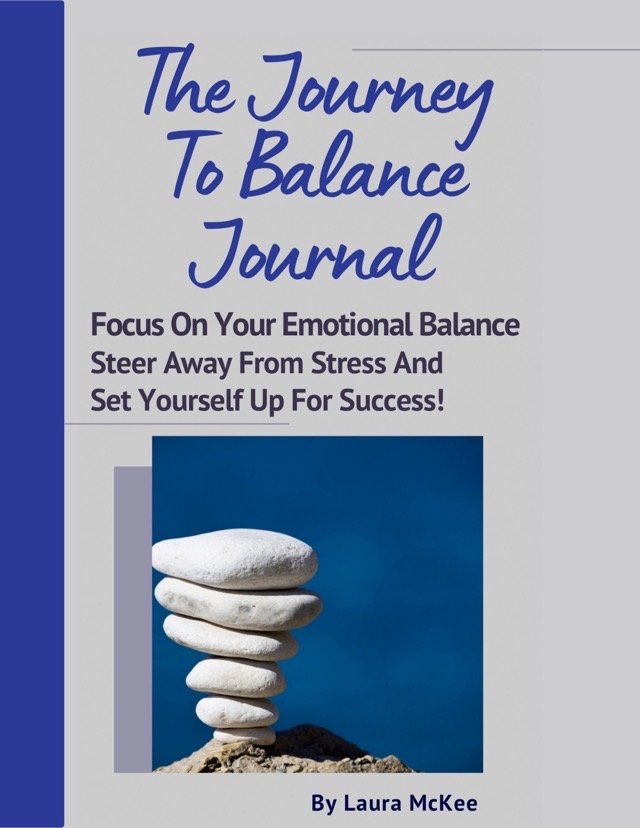
    I have also created an epic coaching journal for mental health that is written to ensure you’re not isolated in the process. The Journey To Balance Journal will help you understand yourself and your mental health needs better. You can buy the journal by clicking here. 

    You need this 400 page coaching journal!

    Forget the trends and get ready for the journal you need as a busy and stressed out mum.

    It is split into 4 sections:

    Emotional Health Coaching

    Goal Setting For Whole Well-being

    Undated Monthly and Weekly Planner

    Emotion Based Journal Prompt

    Journaling is different for everyone, some use it to record parts of everyday life, whilst others use it as an exercise to process experiences, negative thoughts and feelings. Putting these things on the page helps you take back a sense of control. Psych centra says in this article that:

    “journaling is a powerful, evidence-based strategy that you may find helpful for managing mental health conditions and stress.”

    The mental health benefits of journaling can be powerful, helping you process stress, trauma, and difficult emotions. These are some of the ways that journaling can support you:

    • Reduces stress and anxiety

    Writing about your thoughts and feelings can help you reduce their intensity and therefore loosen their hold over you, reducing symptoms of stress and anxiety.

    • Improves mood

    Journaling can help you focus on the positive aspects of your life, which can improve your mood and increase feelings of gratitude.

    • Enhances self-awareness

    Journaling can help you become more self-aware as you reflect on your thoughts and behaviors. This can help you identify patterns that are causing stress or holding you back.

    • Boosts creativity

    Writing can stimulate the creative parts of your brain and help you come up with new ideas and solutions to problems.

    • Increases mindfulness

    Mindfulness is being present in the moment. Journaling can help you practice this by focusing on your thoughts and feelings in a non-judgmental way.

    These mental health benefits of journaling show that it’s simple and effective to use journaling to improve your mental health. Regularly taking time out to reflect on your thoughts and emotions helps you develop strategies for coping with stress.

    What Should A Mental Health Journal Feature?

    Here are some elements that can are often utilised for each individual’s needs in a mental health journal:

    1. Mood tracking is one of the most important features, involving recording your mood each day so that you can analyse patterns and look at what may affect your mood. By identifying triggers, you can evolve strategies to manage them.

      This is a key feature in the Journey To Balance Journal, based on the theme of the journal and the emotion coaching in the self-help section of the journal. Over a month you record your daily mood on this graphic, colouring in using the key. There’s also space to document how triggers impact your mood.

    2. Daily gratitude log allows you to practice gratitude, which is important in promoting mental wellbeing. This exercise helps you beat negative self-talk which can stifle your personal development and impact your mood. Learn more about how to overcome this by reading my blog about beating toxic self-talk.

    I set out to ensure that the ‘Journey To Balance’ mental health journal encourages positive self-talk by having a segment where you write down what you are grateful for each day. It’s a quick and easy way to help you maintain good mental health. 

    3. Self-care habits are one of the mental health benefits of journaling, building self worth by tracking your self-care activities. Using a habit tracker can help you set goals for things that make you feel good and improve your well being. You can adopt and keep up habits such as exercise, meditation or any other activities that promote self-care.

    Recording your self-care activities on the habit tracker in the Journey To Balance Journal will help you feel motivated and committed to doing self-care. In the long run, achieving your goal to make these activities habits will improve your whole life.

    “In a nutshell, your health. wealth, happiness, fitness, and success depend on your habits.” – Joanna Jast

    4. Thought records, according to this NHS information, is a common cognitive behavioural therapy (CBT) exercise. It is explained in full here as the practice of recording and studying your thoughts and feelings about a situation so you can understand the link between your thoughts and behaviours. 

    As explained in the daily gratitude section this is a helpful tool that allows you to identify and challenge negative thought patterns. The gratitude log is part of this section of the Journey To Balance Journal for mental health. Record the thoughts and feelings you have throughout the day, so that you can process your emotions and reframe negative thoughts and feelings.

    5. Regular Reflections is a core self care activity. I discuss how this activity and others lead to emotional development in this blog (link). I explain how self reflection is vital for meeting our goals and improving ourselves through regular self care.

    In the Journey To Balance Journal for mental health, I’ve ensured that there are activities in the prompts section and space for deep work in the monthly reflection area. This is what makes it a powerful self awareness book as it helps you gain real insight into your thoughts and feelings. 

    These features should be personalised to your specific needs and goals in a mental health journal. They can be a powerful tool for promoting self-awareness, identifying patterns, and working towards positive mental health outcomes.

    Quick Guide: How Is Journaling Good For Mental Health? 

    From my own experiences with chronic conditions, I have found journaling a helpful tool for balancing my mental health. I used it as an opportunity to explore the difficult feelings I was experiencing as I grieved the life I’d known pre chronic illness. 

    Journaling helped my mental health during this difficult time period and has continued to do so as I manage the challenges of chronic illness. Journaling gives me space to shout about it without aiming my negative emotions at my loved ones. 

    It isn’t just me using journaling to process big emotions, in fact it’s well documented that journaling is good for mental health. I found research, such as this WebMD article, that explains that the mental health benefits of journaling include reducing stress, building self-awareness, regulating emotions, and breaking the cycle of obsessing over negative experiences. 

    In Conclusion…

    Journaling is good for your mental health. Recording your thoughts and feelings can be therapeutic, helping you process difficult emotions and experiences. Writing about stressful events can help you make sense of them. 

    Journaling helps you gain a deeper understanding of yourself, your values, and your priorities. It can help you explore new ideas and perspectives and can be a helpful tool for tracking progress towards goals and reflecting on personal growth.

    I know that writing about my difficult emotions whilst living with chronic illness helped me, so I have written the Journey To Balance Journal to include the 5 key features of a good mental health journal: Mood tracking, gratitude journaling, self care habits, thought records and reflections. 

    This journal for improving mental health puts emotional development front and centre, so that it has a positive impact on your mental health. Chronic illness life comes with many difficult feelings so the Balance Journal allows you to: 

    • Write freely to help you understand yourself better

    • Rant about difficult situations without it being aimed at loved ones

    • Use the coaching aspect of the journal to create a safe space to explore your emotions

    Overall, journaling can be a valuable tool for improving mental health and well-being. It’s a simple and accessible practice that can be tailored to meet your unique needs and preferences.

    #block-cb49c1408f6e510e0199 .sqs-gallery-block-grid .sqs-gallery-design-grid { margin-right: -20px; }
    #block-cb49c1408f6e510e0199 .sqs-gallery-block-grid .sqs-gallery-design-grid-slide .margin-wrapper { margin-right: 20px; margin-bottom: 20px; }

    ✋ Hey there! I hope you’re feeling stronger now. If so, sharing the love will help me help other mums with chronic invisible illnesses.⬆  Hit one of those sharing buttons or save these images to Pinterest and I will do a bed-bound happy dance – there’s an image for you!
  • An Exclusive Look At The Challenge An Unpaid Carer Faces

    An Exclusive Look At The Challenge An Unpaid Carer Faces

    An Exclusive Look At The Challenge An Unpaid Carer Faces

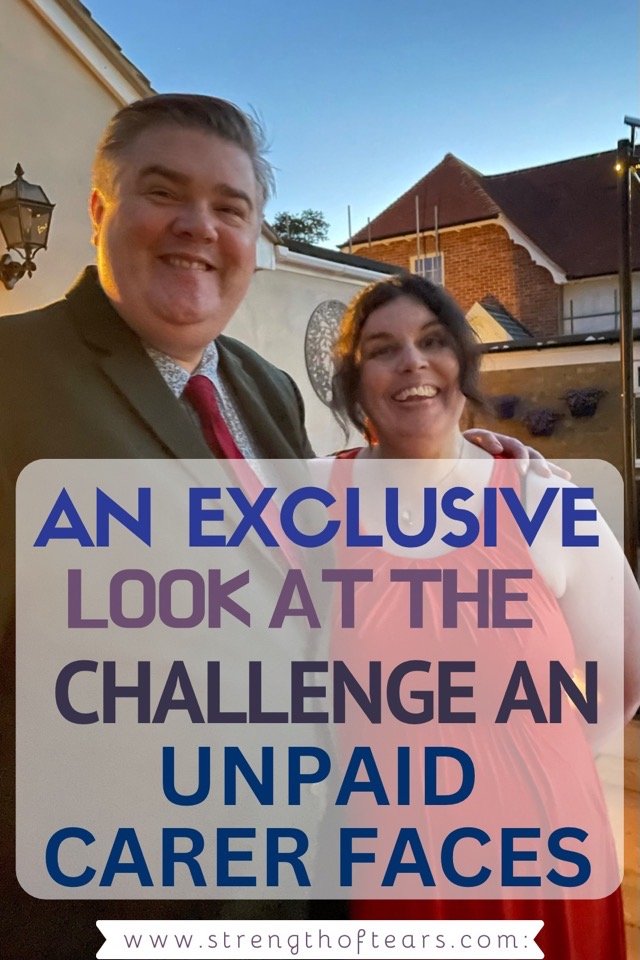
    A lavender and heart soap image with the title of the blog over it. An exclusive look at the challenge an unpaid carer faces.

    As part of this year’s Carers Rights Day on the 24th November, I have taken over my wife’s blog and am going to provide an exclusive look at life as an unpaid carer, how I manage the challenge of balancing demands on my time and energy, and what has changed as our relationship evolved to include caring for one of us with a chronic illness.

    When Laura became chronically ill in 2014, read about this here, and it eventually dawned on me that my role as Husband, Father, best friend and confidante would now be expanded to that of prime and unpaid Carer, life would become a little more complicated, especially as this would need to be balanced with being the main financial provider in the household.

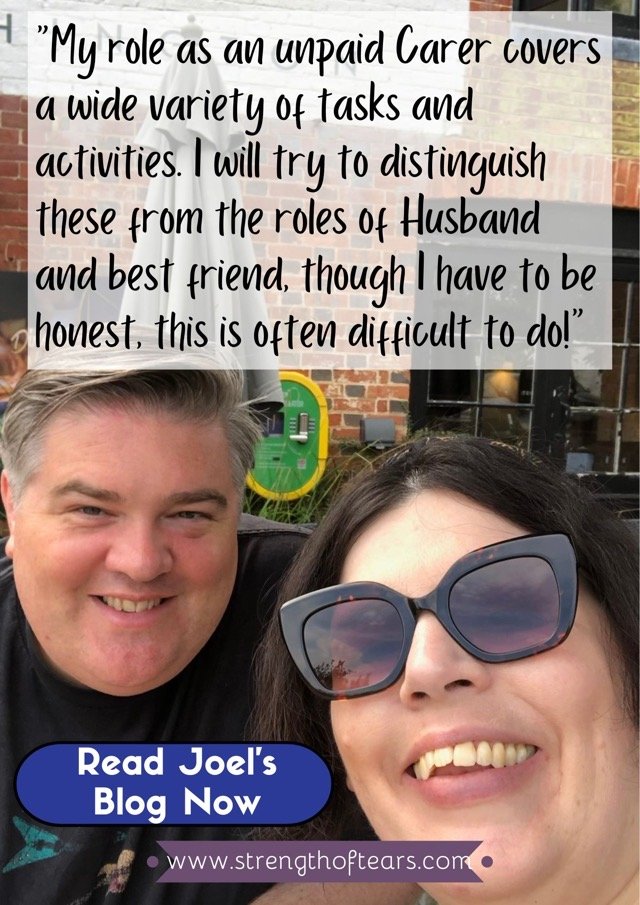
    My role as unpaid Carer covers a wide variety of tasks and activities. I will try to distinguish these from the roles of Husband and best friend, though I have to be honest, this is often difficult to do!  

    As an unpaid Carer for Laura, I need to consider her needs at all times, ensuring that her physical needs are met and that I am aware of those needs at all times of the day and night.  At a very basic level I need to ensure that Laura has taken her medicines, eaten regularly, has access to clean water and is washed and clothed every day.  

    I need to ensure Laura can access essential services, such as getting to a toilet safely. I need to be there to help if she falls or passes out, getting her to safety or calling the emergency services if needed. It sounds very mechanical listing it out but this is how I can distinguish my role as unpaid Carer from that of husband. As the person I love the most and have chosen to spend my life with, she is much more than just this list of needs.

    In addition, as Laura’s condition impacts her cognitive function, I handle the more complex elements of her care and help her organise and attend medical appointments and understand the risks and potential benefits of procedures to help her make decisions right for her. 

    As well as helping Laura with the more complex elements of her care, I also help her in her role as equal partner running the household, making sure she can perform her role in key decisions around finances, household maintenance, childcare and the general running of a family. 

    I also help her to understand what is happening when, and what decisions need to be taken.  As an unpaid Carer, I need to be mindful of Laura’s needs, breaking complex information down into easily understood pieces so she can make decisions that affect her and the family.

    What A Normal Day Looks Like For Me

    After my alarm I ensure the youngest is on track for college, then I’ll have a quick shower, and while brushing my teeth will check my work emails and calendar for the day.  

    My first caring concern is making sure Laura has her breakfast ready to take her medicines, so will prepare her favourite toast and marmalade, a cool cup of tea (too hot could burn her, or worse still melt a medicine capsule and release some horrid flavours!) and take her breakfast upstairs, to where I often have to wake her. 

    I’ll turn on her light, place everything she needs within reach, making sure the handle of the tea cup is where she can’t knock it over. I will then ensure she has her medicines, checking that she takes them, and has enough water for the morning.  

    Only then will I move onto my needs, getting dressed and ready for my day. Once she puts on her lifeline device, and has taken her medicines, I know she’s safe to be left as her medicines mean she often sleeps most of the morning.

    We are really lucky and have a paid Carer who attends daily around lunchtime. Read about how Sam fits into our team here. On the days when she is on holiday, or at weekends, I will give Laura a cup of tea close to lunchtime, and put out her clothes for the day, and prepare her some lunch.

    On the (thankfully) rare occasions that her condition and pain levels flare up, I will need to help Laura to shower, wash her hair, help to dry and dress her, as well as help with her access to her variety of beauty and medicinal creams.

    Throughout the day I am on hand to pick things up that Laura may have dropped, handle some cat related incident, or answer any questions when Laura is struggling to understand something.  As her Carer I’m there to listen to her emotional needs, be patient when her pain affects her mood, offer a listening ear, and a giggle or a hug. These are essential parts of caring for Laura and their impact cannot be underestimated.

    Let’s not forget our sons.  Eldest is now at University but youngest may well need picking up from college early, or late, depending on his schedule. I’m also there if he needs my taxi service for any appointments or social engagements.

    Later I will prepare dinner, again something our paid Carer will have prepared or put in the slow cooker. and sort any washing, cleaning or household task that needs doing.  I normally give the youngest the job of delivering Laura her dinner, which saves a trip up the stairs.

    Once we are all tidied away after dinner, I like to enjoy an evening watching TV with Laura, where we will chat about our day, catch up on anything important and just enjoy each other’s company.  Before bed-time, I ensure Laura’s bed is re-made, she has her nightwear to change into, has taken all of her medicines for the day and has enough water to drink. I make sure she has a small packet of biscuits to combat nausea if it comes on in the night, and that she has her ‘ice hat’ which she normally falls asleep with, as it helps manage her pain.

    As Laura can at times be prone to passing out, I tend to sleep lightly, always being alert to when she uses the toilet or if she needs me in the night. Should anything happen, as her unpaid Carer I can help to get her to safety.

    Did I mention work?  I am very fortunate to be able to work from home, and have access to work communications on my mobile phone too.  As a Systems Director I manage a small team of data managers across Europe. It is complicated work, and draws upon my many years of experience.

    I have many virtual meetings with people around the world, periods of intense concentration, people to support and invariably problems to solve.  I tend to think of my working hours as 8am – 4pm but this flexes as needed around my caring responsibilities. I am always able to catch up in the evenings in that window between dinner and time with Laura.

    My main responsibilities as an unpaid Carer are that Laura’s needs are first known and understood. These change daily and it is so important to never assume I know what these needs are, but rather ask Laura to ensure her voice is heard and that her needs are shaping her care.  

    Then it is to ensure these needs are met, from medication, food, water, cleaning, clothing to medical appointments, setting up household systems and communication with the family and support network.  As Laura’s prime Carer, being with her and on hand to help 24 hours a day I take it as my responsibility to consider how I can help to meet these needs wherever she requires my help.

    How Caring For Laura Impacts My Well-being

    Having hopefully painted a picture of how my day-to-day life works, and my main caring responsibilities for Laura and our family, I also have to think about myself! The transition to accepting the role of unpaid Carer for my wife has not been an easy one. Realising that our family life would be changed forever affected me tremendously.

    I am quite a positive person, always looking for solutions and trying to find the best in every situation, but seeing the person I love the most in so much pain, and their life going from a busy Mum and teacher, to being bed-bound and struggling with the simplest of things really hit hard, especially as I felt so helpless.  

    Being Laura’s unpaid Carer has been hard emotionally, and my mental wellbeing has suffered. Adjusting to a new life, while grieving for a lifestyle lost, with all the freedoms and spontaneity being compromised by putting someone else’s needs first took me through a difficult emotional journey. 

    Finding my role as Carer, however, gave me a focus and activity that I could understand in helping to work with something I couldn’t find a solution for. Realising that being an unpaid Carer was my way of helping, coupled with being the Father/Husband/Earner helped me to reconcile with a problem that I couldn’t solve, and adjust slowly to our new life.

    I have always been able to find positive perspectives, and I am thankful that I still have my wife, that we are together and we’re able to support each other through this transition in roles, and most importantly provide strong role models for our sons.

    My physical well-being has suffered a little over the years, especially as my work is quite sedentary, being office based, and with the onset of years and being overweight I am definitely not as fit as I used to be. When your partner is mainly bed bound, inevitably time spent together is also a sedentary experience too. So a renewed focus on fitness and activity is my latest goal in trying to address my well-being needs, and make sure I am fit enough for me, and importantly for Laura too!

    How My Caring Role Affects My Work-life

    My work-life as an unpaid Carer has had to become ever more flexible.  As I say, I am very lucky in that I can work from home, and flex my time around work and caring responsibilities.

    The main thing though is that I have to be a strong and confident advocate for my needs. What I mean by that is that I am always clear and confident in communicating how I will be the best employee while also balancing the needs of those who rely on me.

    I am always open and honest about my role as an unpaid Carer and when I am available and not. My employers don’t suffer from compromising with the time I need to dedicate to my caring duties. In fact, my employers benefit from my perspective, approach to prioritising, time management and ability to focus wholly on any problem or solution I work on.

    Being aware of ‘reasonable adjustment’ rights in the workplace is also something that has served me well. When I became a Father I worked compressed hours to care for my sons one day a week, which was so valuable to us as a young family, with high childcare costs. It ensured we felt we had balanced time and it became a real cornerstone for what I wanted in my work life, especially as an unpaid Carer for Laura.

    In the past I have been able to represent the needs of parents and Carers in setting up and running an award-winning colleague network, something I will forever be immensely proud of, as well as being a role model for other leaders with caring responsibilities.

    What My Support Network Is Like As An Unpaid Carer

    My support network is small but strong. I have relied at times on my father-in-law for contingency taxi or childcare. My emotional support though is what gets me through the tough times, with close friends to lean on, and becoming close to Laura’s paid Carer. 

    I am also part of a band, and music is such an escape valve for the hurricane of emotions I balance in my life. The release it gives me to just have to think about the next note in a song, comfortable in the knowledge that Laura is happy and safe, means that the emotional elastic band gets a chance to flex and not snap.

    Most importantly though, is the network of support we have created as a family.  We focus on the positives of life, balancing against the challenges and we remain solution focused. It feels like we work well as a team, each supporting the other. As a whole our family life is happy and fulfilled, which nourishes us all as we each achieve our ambitions.

    If I Could Have One Wish Granted To Make Caring Easier…

    I would wish that all of my wife’s illnesses and conditions would be alleviated and we could go back to a time where chronic illness was not a part of our family life. This is not wholly true, though, as we have all learnt so much about who we are as individuals, what great teamwork looks and feels like, and how we all can work together to succeed in the face of adversity.

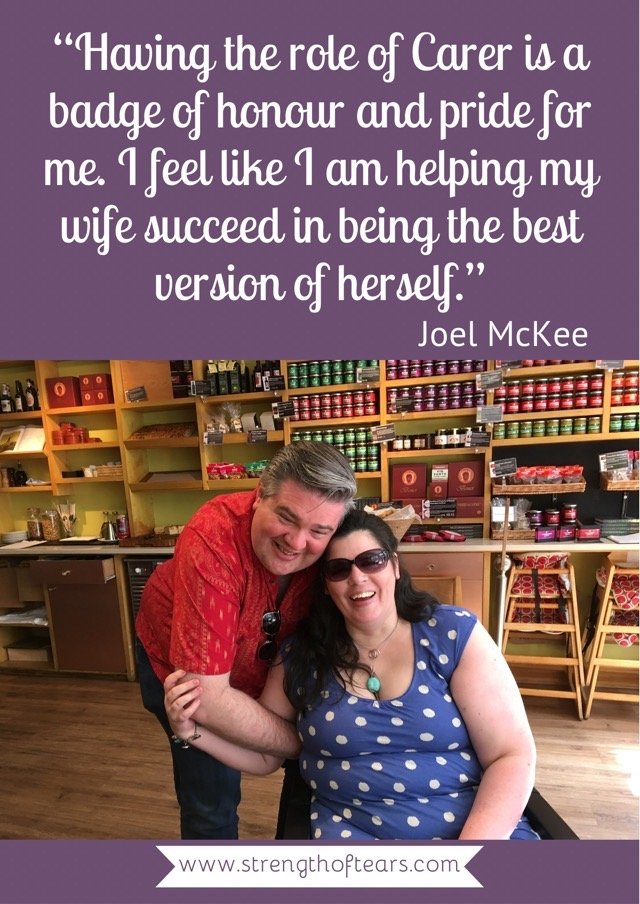
    Having the role of Carer is a badge of honour and pride for me.  I feel like I am helping my wife succeed in being the best version of herself, and that my role as her unpaid Carer also helps me be the most resilient, empathetic, understanding and above all most caring version of myself that I can be.

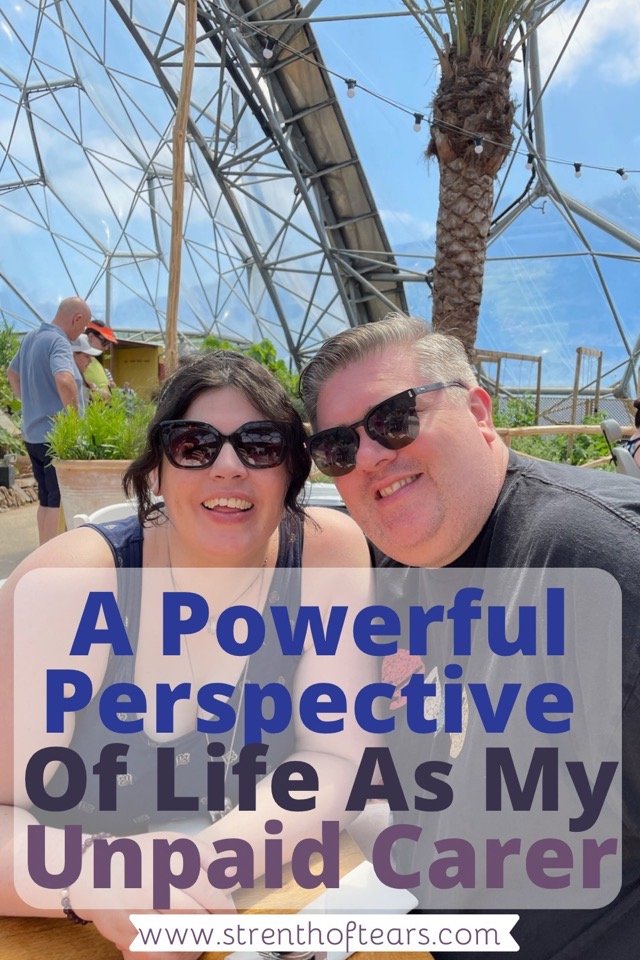
    A Powerful Perspective Of Life As My Unpaid Carer

    It’s been wonderful, challenging and entertaining to read my husband’s perspective about his role as my Carer, especially being one who isn’t paid at all. It’s eye-watering to read about the list of jobs he has to do in the morning before work, whilst I lay sleeping or waking casually to the smell of toast. I can honestly say I’ve never thought of it that way and this will hopefully help me to be more patient and show my gratitude even more than I do already. 

    My lack of awareness comes from both being in bed, isolated from the real world for the majority of the time, and due to my brain condition. My brain reacts to the extra pressure in my skull, the same way it would if I had a brain tumour so I can struggle to see things from others perspectives unless they tell me repeatedly how they feel. 

    I also think it’s partly down to the husband-wife relationship. Come on, you know we don’t always listen to what our spouse says! However, Joel hasn’t told me about a lot of what he’s written here about how he felt transitioning into the role of an unpaid Carer. 

    I was very unwell at the time and could not hold a conversation or retain any information. Thankfully my brain surgeries have allowed this aspect to right itself quite well so I can now take this on. I just wish I’d asked Joel how he felt more, I knew he was struggling of course, but I didn’t know how much. 

    I too am able to look at the positives of our situation now and know we’ve been able to teach our sons so much more about how to flex and grow to cope with challenging situations. As a team, we’re unstoppable and that includes my paid Carer Sam, who often acts as my proxy in the physical activities of running a household. I couldn’t be prouder of Joel and the boys for how they cope with ALL the challenges they face as unpaid Carers. 

    I would like to thank Joel for taking the time to write this piece, guided by my questions that came from this year’s Carers Rights Day campaign. Each year Carers Rights Day helps carers in the community know their rights and find out how to get the support they’re entitled to. The West Sussex Carers Support page says: 

    “This year our campaign will focus on the ways in which Caring Costs unpaid carers. From carers’ well-being and ability to access health services, to costs to their finances and employment options, to the current cost of living crisis which is being felt even more acutely by carers throughout the UK.”

    National Carer support organisations that help unpaid Carers know their rights are:

    Carers UK

    Carers Trust

    The UK government also have support materials for Carers

    There is also information on the new Carers Leave Bill that was passed in October 2022 here. We’ve found our local carers organisation very helpful, and highly recommend searching what is going on in your local area this Carers Rights Day. 

    Finally I want to publicly share how grateful I am to Joel for everything he does for me, everything he sacrifices and mostly everything he does to put a smile on my face, and my son’s face every single bloody day. He is an incredible human being and I love him even more after reading this article. In our 25 years together he has only ever shown me kindness and generosity and this seeps through the words on the page here. I am so honoured that you’ve shown another side of me to those who take time to read this blog. I appreciate you taking even more of your precious time to write about your perspective as my unpaid Carer

    #block-3522ab9dfd053e687057 .sqs-gallery-block-grid .sqs-gallery-design-grid { margin-right: -20px; }
    #block-3522ab9dfd053e687057 .sqs-gallery-block-grid .sqs-gallery-design-grid-slide .margin-wrapper { margin-right: 20px; margin-bottom: 20px; }

    ✋ Hey there! I hope you’re feeling stronger now. If so, sharing the love will help me help other mums with chronic invisible illnesses.⬆  Hit one of those sharing buttons or save these images to Pinterest and I will do a bed-bound happy dance – there’s an image for you!

  • How To Know If You Have Significant Mental Health Issues

    How To Know If You Have Significant Mental Health Issues

    How To Best Manage Agony If Your Pain Relief Medication Isn’t Approved

    Why do they refuse to treat you when they know the agony you experience without your chronic pain medications? Is it something you did? These are genuine concerns in the chronic pain community right now. 

    The NICE guidelines were introduced formally in 2021, possibly impacting on professionals treating patients. There are legitimate concerns about this leading to many doctors refusing pain relief medication to patients with chronic pain.

    Alongside this, the media are portraying those in the chronic illness community negatively. So I want to address some of these awful stereotyped viewpoints and share how living with chronic pain can impact those who are isolated. 

    People living with chronic pain symptoms have to manage if they aren’t prescribed pain relief medication or have it removed and social media provides a community that benefits you. It is a platform for sharing your experiences and solutions. 

    What Are The Guidelines For Chronic Pain Management

    The World Health Organisation classes chronic primary pain “as pain that persists for longer than three months and is associated with significant emotional distress or functional disability that cannot be explained by another chronic condition.”

    NICE only recommends exercise, antidepressants, Acceptance and Commitment Therapy, Cognitive Behaviour Therapy and Acupuncture for treatment and management of chronic primary pain. Read my article about the NICE guidelines for the details.

    The guidelines state there was no evidence that pain management programmes, therapies or preventative medications were effective, however, the research used did not use large studies which leaves the guidelines woefully inadequate. Read about The British Pain Society’s view here.

    There’s a long list of pain relief medications the guidelines state as being ineffective for chronic pain, including opioids, paracetamol and many commonly used painkillers. Yet they do recommend antidepressants which seem lacking overall. 

    The Faculty of Pain Medicine states there is a “real risk that those classed as having “chronic primary pain” will include large numbers of people… to whom this guidance should not apply.” The likelihood is that Doctors will misunderstand and misuse these guidelines in managing pain and patients.

    The NICE Guidelines And Chronic Pain Symptoms 

    As I read these guidelines I felt sick with the idea that others may have my experience of debilitating pain and not get help. Let’s be real, I’m consumed with chronic pain symptoms so my GP does prescribe pain relief medication so I can function, and I am still stuck in bed nearly every day due to the severe pain. 

    The guidelines aren’t rules, so you can advocate for individual treatment for your chronic pain symptoms, using this section of the guidelines: “When exercising their judgement, professionals and practitioners… [have] the responsibility to make decisions appropriate to the circumstances of the individual”.

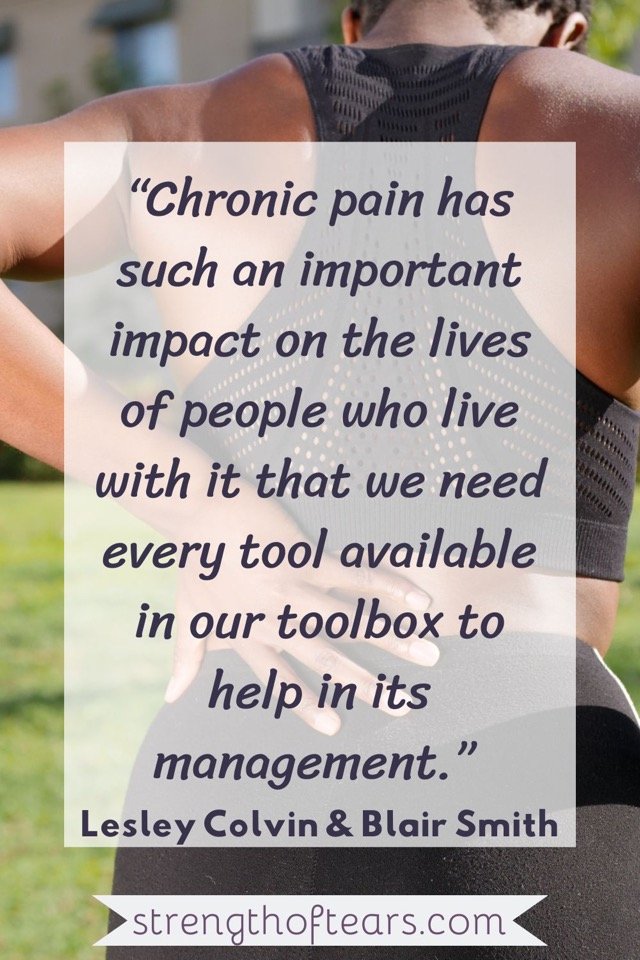
    This Pain Concern statement shares concerns raised by Blair Smith and Lesley Colvin that “chronic pain has such an important impact on the lives of people who live with it that we need every tool available in our toolbox to help in its management.”

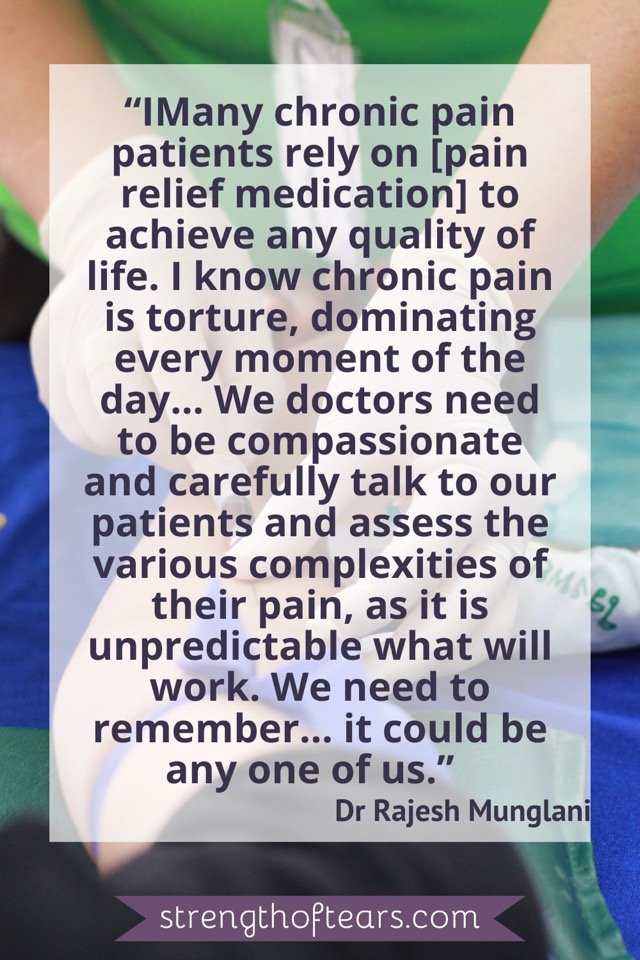
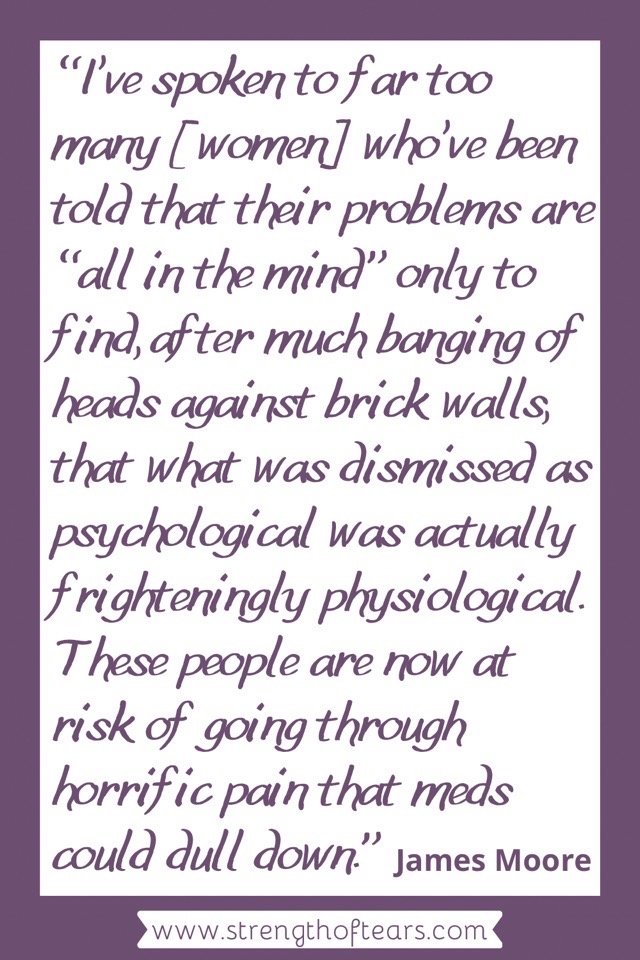
    Many chronic pain patients rely on [pain relief medication] to achieve any quality of life. I know chronic pain is torture, dominating every moment of the day… We doctors need to be compassionate and carefully talk to our patients and assess the various complexities of their pain, as it is unpredictable what will work. We need to remember… it could be any one of us.

    Dr Rajesh Munglani

    These guidelines are causing patients real distress when they are already living an unpredictable life consumed with chronic pain symptoms. Many patients already feel isolated and misunderstood. With such a complex symptom we still need to access pain management clinics and pain relief medication.

    What Is The Media Saying About Pain Relief Medication 

    The BBC have asked over 4,000 adults aged 16-75 about chronic pain experiences. The results suggest 1 in 4 people in the UK live with chronic pain and 45% say their daily life is affected by chronic pain symptoms. 

    It goes on to talk sensationally about someone’s experience of persistent daily pain and how their experience was made worse by taking pain relief medications. In my opinion this is clickbait, one-sided journalism. It goes on to say: “It’s so easy to sit at home and take a pill and fall asleep. The other way to go is to… basically have a laugh – because while you’re laughing you’re not crying.’” Kev Howard, organiser of a peer support group at a pain clinic says. Read the full article here.

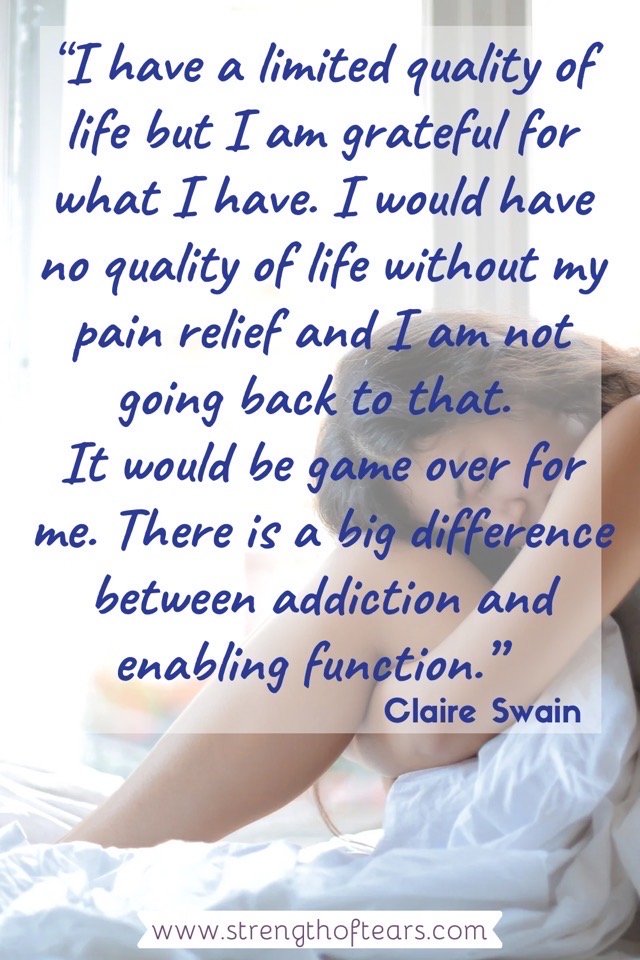
    This infuriates me, as taking pain relief medication is the only way I’m able to get out of bed and have low enough pain to laugh. If I go to the hospital I have to take painkillers to get to the car and sit in a waiting room. In fact, taking pills actually enables many people to function. There is no one size fits all solution. 

    A second article by the BBC, quotes Dr Mark Hainsworth who “wants to see a different approach to dealing with chronic or persistent pain, to help prevent the rise in “opiate hermits”, people unable to work or exercise.”

    This, in my opinion, is a damning view of those in chronic pain. It doesn’t recognise that those with extreme chronic pain symptoms do not choose to live isolated lives, nor that most try alternatives to pain relief medication. In fact, I’m now able to exercise again, because I have the right balance of opiate medication and because I’ve had Physiotherapy to help myself. 

    The commentary on prescription opioids seemingly aims to shame those of us whose pain is life limiting, despite trying or still using alternatives to pain relief medication. There is little recognition of a patient’s individual needs in these cringe worthy pieces of journalism. But the media hasn’t finished yet.

    How Social Media Benefits Those With Chronic Pain Symptoms 

    On the 7th September 2022 The Daily Mail published an incredibly negative story that offended nearly everyone I know in the chronic illness community. The clickbait headline said – Addicted to being sad; and it gave another one sided article. Vulnerable young adults’ social media posts were shared without consent. The author writes that teenage girls are posting online as ‘Spoonies’, conspiring together, faking their illness or twisting their chronic pain symptoms to get the diagnosis they want, for attention and seemingly fame. 

    This article questions the actions of thousands of people living with chronic pain symptoms and complex conditions. As you can imagine, the repercussions of this article rocked the chronic illness community. I was hurt that the ableist society was louder again, judging those of us who are in pain.

    The ‘spoon theory’ helped me in the first months of my illness. Written in 2003, it explains how spoons represent the energy you have for a day, with each activity taking away a spoon until you run out. It’s a well recognised explanation of chronic fatigue for any condition. Read about the ‘spoon theory’ here.

    One weekend during this time, when I was seeking answers, I was struck down by unbearable pain and new, strange chronic pain symptoms. My husband was out and I started panicking but managed to contact a friend I’d made in a Facebook support group. She helped me until my husband got home.  I ended up in A&E, prescribed multiple pain relief medications by my GP, including opiates. I couldn’t have managed without her support, that of someone who understood exactly how I was feeling. My husband is amazing but he, thankfully, doesn’t know what it’s like to be in so much pain, for so long. Read about my story here.

    As I reflected back on my world, I realised how lonely I would be without the support I’ve found on social media. From when I was first ill and found answers by sharing my chronic pain symptoms to the amazing friends I’ve made along the way.

    The thought of that not being available to others with chronic pain symptoms is horrifying. You learn from each other by sharing your conditions and stories on your own terms. There’s no pressure to share as a ‘victim’ or to exchange pain for likes.

    What is there, in fact, is a genuine community supporting each other, looking out for those with new diagnoses and a collective effort to educate people about invisible illnesses and chronic pain symptoms. I know that I, and many others, share for awareness, not sympathy and that this benefits everyone. 

    Without this I doubt I would have had the treatments and surgeries that have given me back my ability to communicate, and more. I probably wouldn’t be invested in alternative therapies which help me alongside my pain relief medication, and I wouldn’t have a job as a patient advocate writer. 

    The Takeaway 

    I am incredibly thankful that my GP works with me to create an individualised treatment plan. I feel that everywhere I turn options that help me are being taken away from others and it makes me feel so angry that one piece of guidance can do this. 

    I’m concerned that the pain relief medication that helps me sit up, could be taken away at any time, which is distressing. The media’s imagery of opioid hermits makes this possibility more real for me, and everyone else out there in constant pain. 

    Picture-perfect snapshots on social media can be harmful for vulnerable people but I don’t accept the Spoonie community encourages harmful content. In fact, those with chronic illness find others who understand and support each other. Sharing images of your authentic experience of being chronically ill, shows the world your reality which helps raise awareness.

    I’d love to know what you think about this? If you are a part of the Spoonie or invisible illness community, does social media help you? 

    Join my Strength Of Tears Instagram community now.

    #block-4cf50a27523afd803ccb .sqs-gallery-block-grid .sqs-gallery-design-grid { margin-right: -20px; }
    #block-4cf50a27523afd803ccb .sqs-gallery-block-grid .sqs-gallery-design-grid-slide .margin-wrapper { margin-right: 20px; margin-bottom: 20px; }

    ✋ Hey there! I hope you’re feeling stronger now. If so, sharing the love will help me help other mums with chronic invisible illnesses.⬆  Hit one of those sharing buttons or save these images to Pinterest and I will do a bed-bound happy dance – there’s an image for you!
  • How To Know If You Have Significant Mental Health Issues

    How To Know If You Have Significant Mental Health Issues

    How To Know If You Have Significant Mental Health Issues

    Trigger Warning: This post discusses mental health problems, including suicidal thoughts, self-harm and eating disorders. 

    Do you feel as if something isn’t right but can’t pinpoint it? Don’t worry you’re not alone as you may be displaying mental health symptoms. In fact, millions of people struggle with these conditions daily. 

    Mental illness affects everyone at some point in life, whether it’s for a few days or years.  It can be difficult to identify due to the many different types of mental health issues. So it’s important to know what mental illness looks like to get support.

    I’m not a mental health expert but I know what it feels like to live with depression, anxiety and trauma. I’ve had bouts of depression since becoming a Mum and when I first became chronically ill, grieving the loss of the life and career I loved. 

    I want others to know they’re not alone with mental ill health so I share warning signs and a mental health symptoms checklist. Then I explore 3 symptoms that get overlooked which could help you identify what mental health treatment you may need. 

    Some Warning Signs Of Mental Health Issues

    They’re are many different mental illness symptoms, but there are some general warning signs for anxiety, depression, and stress; as symptoms vary between people and sometimes even for an individual. The most common symptoms include changes in sleeping habits, isolation and sudden mood swings.

    Self-harming is one of the common mental health symptoms but I haven’t experienced this myself but know people who have. If any of these symptoms persist and interfere with your ability to study, work or relate to others, please seek help.

    Anxiety disorders involve excessive fear and worry. Some people feel anxious all the time, while others experience panic attacks that come on suddenly. Anxiety may also cause sleep disruption with people struggling to put the day’s worries away.

    Anxiety is when you worry about things you cannot control. It can make you feel tense, nervous, restless, and irritable, and avoid social situations.

    I created a free Anxiety Busting Exercises Download based on strategies I use myself. Just click below to get your copy now!


    Depression is characterised by unwavering sadness and loss of interest in activities that once brought pleasure, it can take over everything and has a significant impact on your life, affecting your eating habits, energy and concentration. 

    Many symptoms of depression are well known but it can also make you feel sick with guilt, have low sex drive, and lack of energy. If you worry someone you know may have a mental health issue you need to ask a few times how they are and just listen to them fully. Simply be there. Read more about depression warning signs here so you know.

    Mental Health Symptoms Checklist 

    One or two symptoms alone don’t mean you have a mental illness but it may indicate a need for further evaluation. If you experience several at one time and the symptoms are causing serious problems you should see a doctor or mental health professional. 

    I was a young teenager when I first experienced anxiety but I had no idea that’s what it was. I struggled in social situations and was argumentative. I worried all the time, often laying awake worrying but I thought I was just being fussy. 

    Then when my baby was born sick and he was in NICU, I was a mess. My husband tried to take me out for a walk but I had trouble breathing. The Dr checked to see if it was a pulmonary embolism but they said I’d had a panic attack. 

    Once home, I couldn’t cope and my anxiety spiraled. I couldn’t cope and pushed my husband away so I could be in control of what I had to do, being mum to our boys who were both under 2. The traumatic experience was extended and I began having suicidal thoughts so I got mental illness treatment quickly.

    I saw a counsellor immediately, which (I didn’t realise) meant they were genuinely concerned I may try to take my life. I was mostly in a daze but doing the mental health symptoms checklist, helped me see the severity of my situation. My past trauma and this one had collided and triggered my anxiety.

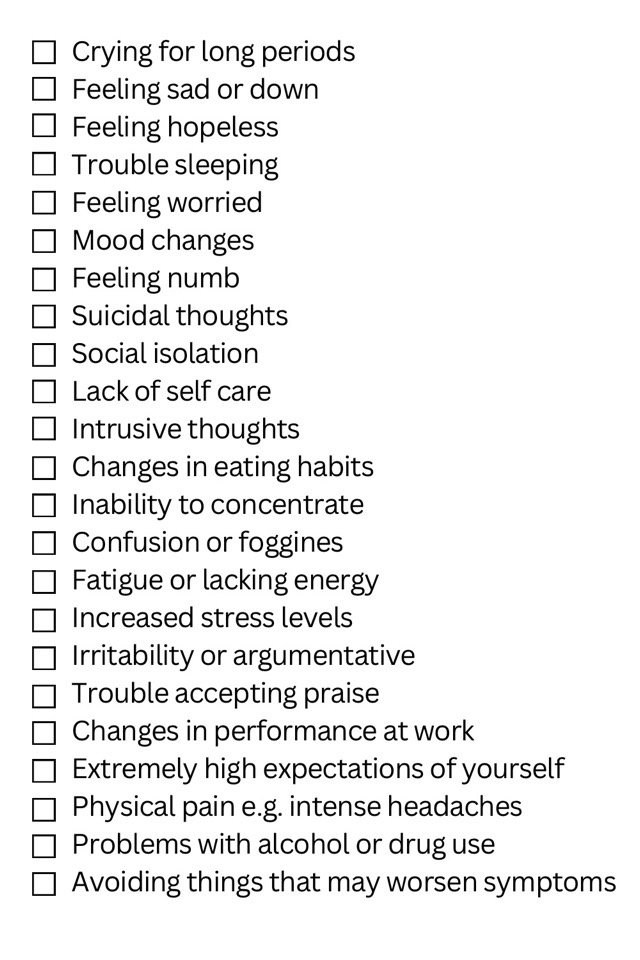
    Symptoms vary widely depending on the tests, some being free online test. These are helpful to gain perspective, rather than for self diagnosis. The most common issues are in this mental health symptoms checklist. Please only use it as a kick-start to a professional test for mental illness treatment.

    Rate these based on how often and strongly you experience these symptoms. Rate from 0 being never and 5 being always:

    Remember you will experience some of these in the course of everyday life. It is meant to help you take a few steps back and look at the bigger picture to see if these signs are likely to be caused by depression, anxiety or other mental health disorder.

    Being honest with your health care provider is crucial to improving your mental illness symptoms. But if you rated highly for suicidal thoughts or have had any intention to harm yourself or others, seek immediate medical attention. Call 999 (UK), your doctor or speak to your country’s mental health helpline. 

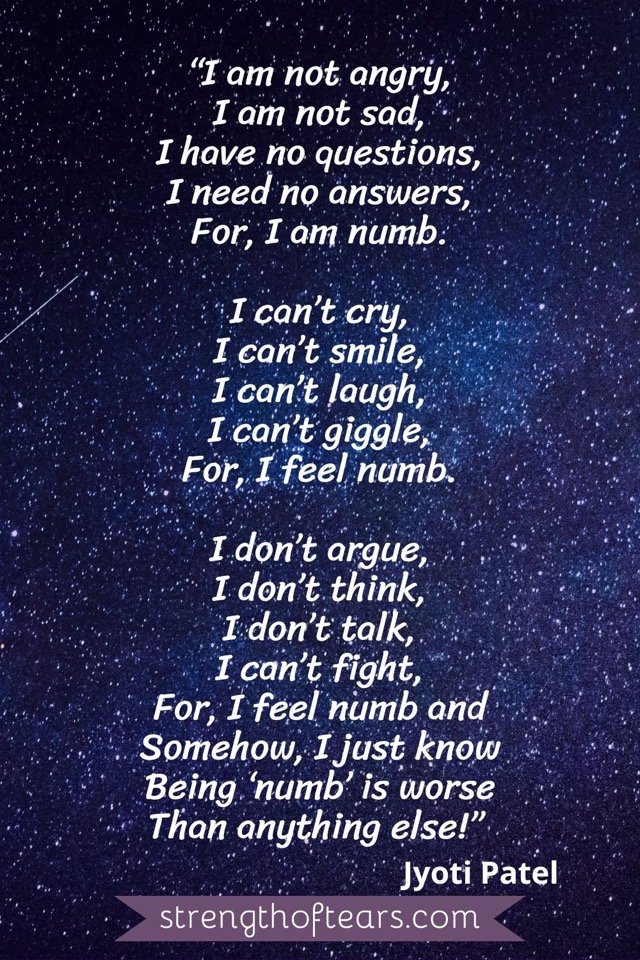
    Another symptom on this mental health symptoms checklist that needs fast intervention is feeling numb. This is also called Emotional numbing and can leave you desperate. You may want to feel so much that you self harm or seek danger.

    Emotional Numbing

    If you relate to this you need urgent care!

    If you relate to this not feeling; emotional numbing, you’re not alone but you need urgent care. This feeling can be managed with mental health treatment. Read the full article on here.

    3 Toxic Mental Health Symptoms That Are Being Overlooked

    Some mental health symptoms can be a warning sign for early intervention, but are often overlooked. Everyone has heard of these aspects of emotional well-being but they are not usually associated with serious mental health problems. 

    These 3 traits can become toxic. Toxic behaviour is when a person’s behaviour and actions cause harm physically or mentally. This is usually a toxic person spreading negative behaviour, stressors or trauma. Toxic behaviour isn’t considered a mental health disorder but is caused by mental ill health. 

    Sometimes that person can be you! It can happen because others around you also exhibit toxic characteristics, adding negativity and stress to your life. Here I look into 3 traits that can become toxic to yourself so you can get help quickly.

    Toxic Stress

    Toxic, or chronic stress, occurs when the brain’s fight or flight response is triggered too often, for too long, or is triggered by multiple sources. Toxic stress normally only happens when there are many, persistent and severe stress factors.

    The stress response is designed to warn us when there is a perceived threat. This activates the release of hormones such as adrenaline and cortisol. Learn more about the stress response in this blog about anxiety.

    If you experience prolonged stressful events you may find a negative influence on your physical health and mental health symptoms, such as substance abuse and inability to focus. 

    Research shows that supportive, responsive relationships with caring adults, especially in early life, can prevent the damaging effects of toxic stress. Relaxation, like meditation and yoga, counteract high stress levels and reduce the physical aspects of the stress response such as heart rate and breathing. 

    Change in appetite

    Toxic hunger is a physical addiction to a diet high in processed or ‘junk’ foods that are excessively sugary, salty or oily. These ingredients aren’t found naturally and are designed to give you a dopamine high. You become more likely to avoid natural, nutritious food. 

    Mental health symptoms can lead to a loss of appetite or to binge eating comfort food for short term relief. Toxic hunger symptoms are usually feelings you’ve learnt to interpret as hunger but are actually signs of your body’s toxicity: 

    • Headaches

    • Cravings

    • Dizziness

    • Nausea

    • Shakiness

    • Irritability

    • Fatigue

    • Brain fog

    Toxic hunger can be accredited to the time of day, food cravings and alcohol intake. It’s very easy to slip an extra snack in, if you eat outside of your normal routine. Cravings can also be linked to activities, such as having popcorn at the movies, or a kebab after a drink at the pub.

    Simply put, this means you need to check your hungry status and ask if you’re really hungry as toxic hunger comes from the head and stomach. Don’t replace mental health treatment with eating your feelings or starving your anxiety. 

     Toxic Perfectionism

    This is often only alluded to on mental health symptoms checklists but the 24/7 world of filters and perfect pictures can easily distort your view of an ‘ideal life’. This can lead to setting goals influenced by the outside world, instead of meeting your needs. 

    Perfectionists often think that ‘perfect’ is an achievable goal so have unrealistic expectations. If there’s any deviation from the perfect end-point it is seen as a grievous failure. Researchers link perfectionism to mental ill health as you become convinced that others expect you to be perfect. 

    Once you set yourself these goals, it inevitably leads to an expectation of everyone around you meeting your standards. As nobody can meet these, it makes it difficult to maintain a healthy relationship. 

    As a recovering ’perfectionist’, I’ve felt empowered to leave certain practices behind by reading Brené Brown’s work. She talks about perfectionism being a shield we use to stop us being hurt but instead we hide fearing we’re going to be caught out as not perfect. 

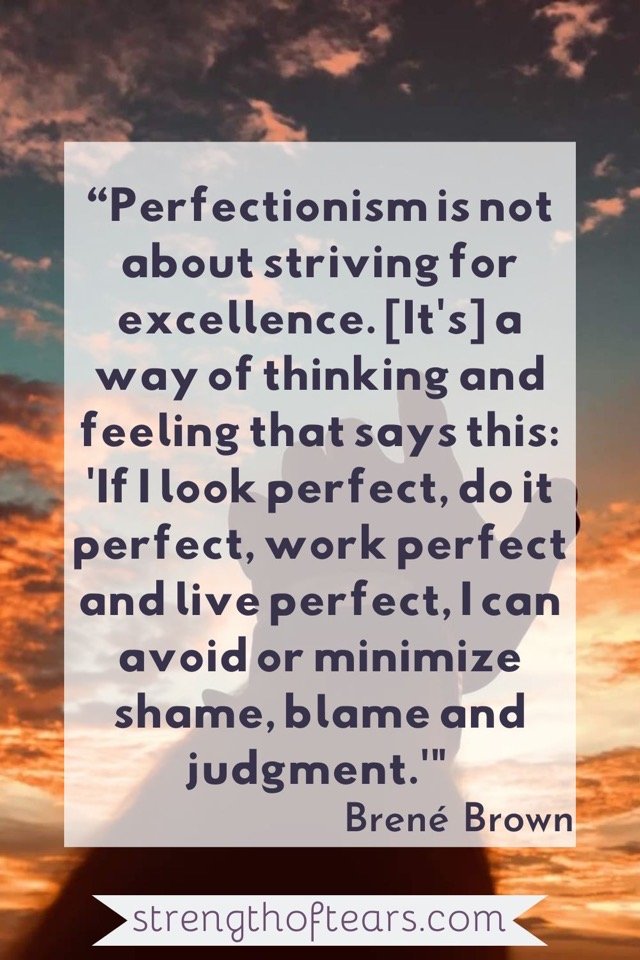
    Perfectionism is not about striving for excellence. [It’s] a way of thinking and feeling that says this: ‘If I look perfect, do it perfect, work perfect and live perfect, I can avoid or minimize shame, blame and judgment.’”

    Brené Brown

    How Toxic Living Affects Your Mental Illness Treatment?

    The hallmarks of a toxic person include unsupportive and unpleasant behaviour, being manipulative, judgemental and controlling. If this is you, you’re living in a cycle of negative self-talk which affects everyone around you.

    You will probably experience mental illness symptoms and are likely to have either depression, anxiety, PTSD, BPD, etc. If you recognise this in yourself please seek mental health treatment. You can start practices to kick out toxic behaviour. 

    My Journey To Balance Journal can help you develop self awareness of your behaviour; develop your values and live by them, grow empathy and compassion; evolve into a person who thinks before they act and explore your vulnerability. Learn more about journaling to re-frame negative self-talk here.

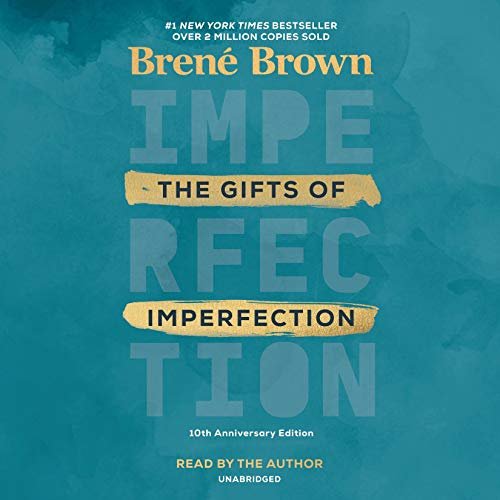
    Buy The Gifts Of Imperfection Book

    This #1 New York Times bestseller is about effective daily practices are the ten guideposts to wholehearted living.

    These practices will change our lives and walk us through our expectations that get in the way.

    In conclusion

    Mental health symptoms are hard to identify. If you’ve ever felt like there is something wrong with you or tried to combat anxiety or depression, you’re not alone. You can look for warning signs, such as sleep routine or appetite changes, mood swings and irritability; which are all things you can track.

    There are many online tests and informative articles to help you. In this article I’ve included a list of the most common issues in a mental health symptoms checklist. However, this is not a replacement for professional mental health support. 

    Many symptoms get overlooked, here I focused on eating habits, stress management and perfectionism to help you spot if you or a loved one is developing unhealthy or toxic habits that could become toxic and lead to mental health conditions. 

    I’d like to link to some other key articles that I hope can help you identify the signs and symptoms of mental health issues. This can help anyone experiencing mental illness symptoms so please feel free to share this post with them.

    I’m not a mental health professional so this article is based on research and my own experiences. I’ve struggled in the past to ask for help but as soon as I did reach out, I got help. I’ve been lucky to have support at home too so please share this so others can learn what to look out for to be that trusted friend,

    If you think it could be time to seek support for your emotional  well-being or someone you know may be struggling, it is crucial to seek help from a mental health professional, doctor or by contacting a crisis line. Please check out the links below. 

    Click here to check out these NHS curated articles and video to help you be kind to your mind. 

    It’s always okay to ask for help. Seeking help is often the first step towards getting and staying well. Click here to read this Mind guide about getting help for a mental health problem.

    The Mental Health Foundation looks out for people like you,  by researching how mental health issues affect an array of different people. Their resources are designed to give you information about how to cope with symptoms and even prevent mental illness developing. Click here to read more. 

    Most people recover from mental ill health with support. There are many UK services, providing therapies and counselling for free. Help with other aspects of life, such as claiming benefits, services to help is provided by a community mental health team (CMHT). Access this via the Citizens Advice Bureau. 

    The Samaritans offer emotional support 24 hours a day – in full confidence. Email jo@samaritans.org.uk or Call 116 123, free in the UK. 

    #block-yui_3_17_2_1_1666020770891_15428 .sqs-gallery-block-grid .sqs-gallery-design-grid { margin-right: -20px; }
    #block-yui_3_17_2_1_1666020770891_15428 .sqs-gallery-block-grid .sqs-gallery-design-grid-slide .margin-wrapper { margin-right: 20px; margin-bottom: 20px; }

  • 6 Reasons To Be Grateful For My Amazing PA This Good Care Month

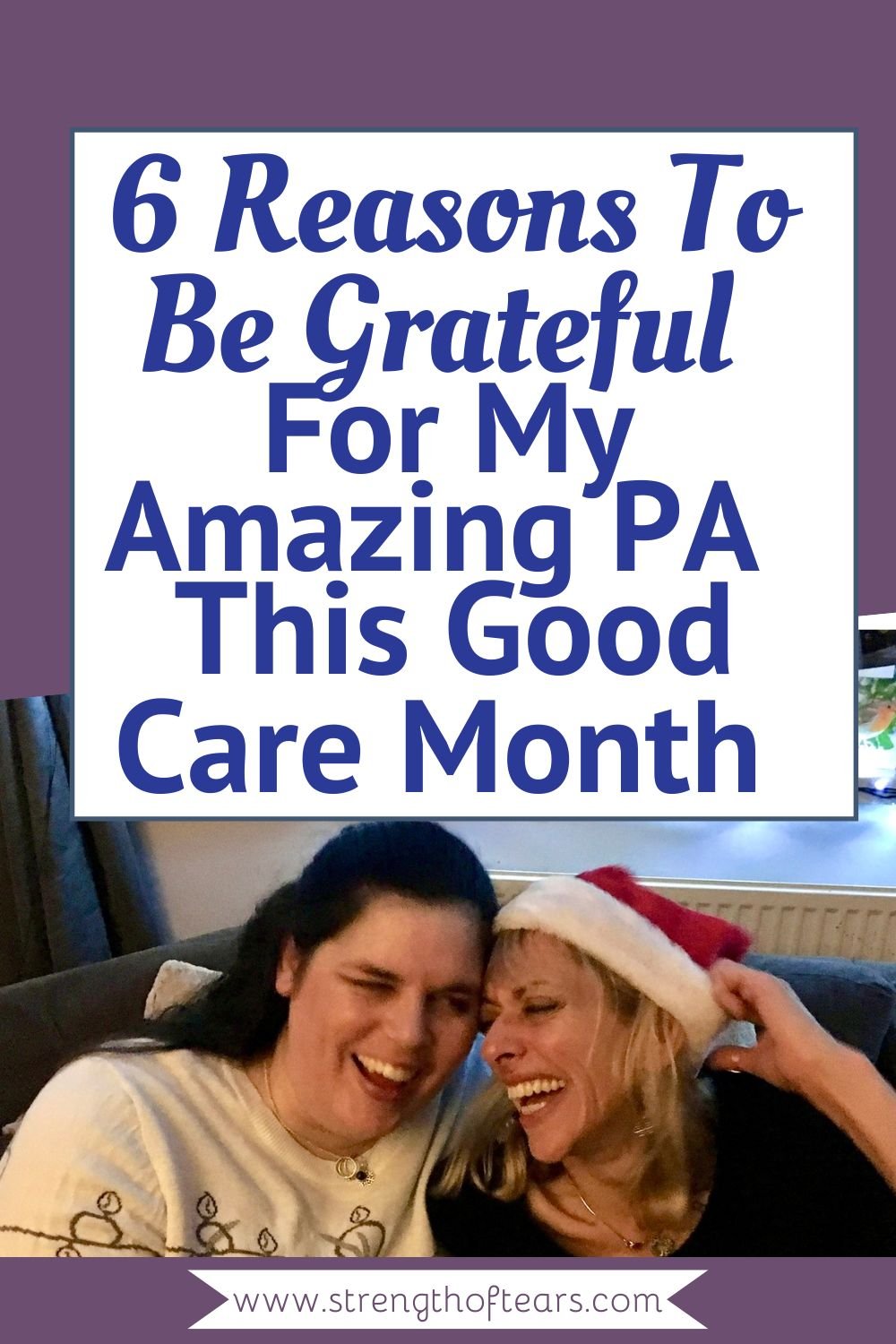
    6 Reasons To Be Grateful For My Amazing PA This Good Care Month

    How Will The New Guidelines Affect People With Chronic Pain In The UK

    The NICE guidelines for managing chronic pain in the UK only recommend CBT; ACT; antidepressants; Acupuncture and exercise programmes. Pain relief is no longer recommended, although changes should be managed with the patient. Instead we’re losing quality of life because the guidelines for the chronic pain treatment UK is unclear. 

    6 Reasons To Be Grateful For My Amazing PA This Good Care Month

    Every July Hertfordshire Care Providers Association (HCPA) raises awareness of the caring profession in the UK, hoping to boost recruitment, thank those in social care and break some of the stigma attached to caring. Read about it here.

    During Good Care Month those who are cared for and caregivers share their stories. I want to illuminate Carer’s skills and qualities when working with vulnerable adults. Having a government assisted Carer has changed my family’s lives as it gives everyone a break from the harsh reality of life with a disabling condition.

    Unpaid care is becoming more common with the pressures on the care sector but social care can change lives for everyone, including unpaid carers already in place. This blog is a look at being an unpaid Carer from the perspective of a friend who cares for her husband.

    This blog is mainly a thank you letter to my amazing personal assistant (PA) or Carer, Sam. I share the reasons I’m grateful for her in my examples of the 6 Carer’s skills I see as a gift. My aim is for other Mums to feel that having a Carer isn’t giving in or not an option for them. 

    This open letter will surprise Sam but I want to shout from the rooftops about how she supports me and my family and recognise how grateful I am personally for how she employs her expertise to give me the support and friendship I need as a younger adult client. 

    The guidelines are written for patient care by a committee of healthcare professionals. I’ll break down the guidelines and share how they affect patient’s quality of life from the perspective of medical professionals and those in the chronic illness community

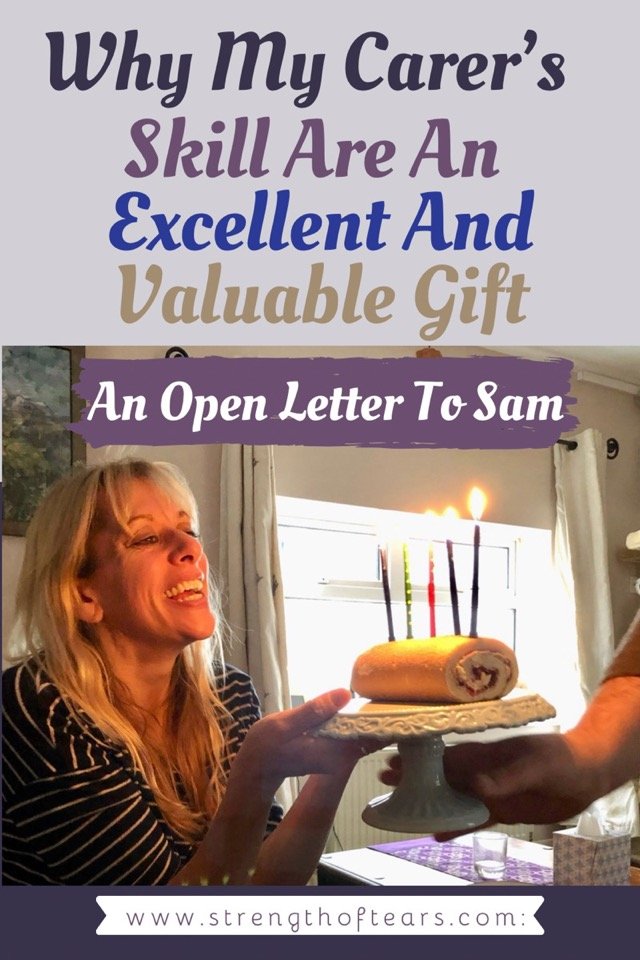
    Why My Carer’s Skills Are An Excellent And Valuable Gift

    The latest NICE guidelines recommend group based exercise, psychological therapies (ACT or CBT), antidepressants and acupuncture. Pain killers are no longer recommended for managing chronic primary pain.

    Dear Sam,

    As the author Amy Leigh Mercree once said “Kindness can transform someone’s dark moment with a blaze of light. You’ll never know how much your caring matters.” These words are so important for you, and every dedicated caregiver, to hear from the person you care for. 

    How often do the people you aid get the chance to tell you exactly how valuable you are to them? I’ve needed care for nearly 8 years, due to a rare and debilitating brain disease. I feel privileged to have the support of a professional Carer and feel incredibly lucky that that person, for the last 5 years, has been you. 

    I learnt of Good Care Month this year. As I feel strongly about shining a light on what Carers do, so when I saw a suggestion to write a thank you note to your Carer, I knew I had to write an open letter. This is my way of raising awareness of Carers skills and worth.

    Accepting you need help as a 37 year old Mum with chronic illness is tough. There are many stigmas around social care and caregivers but those linked to care for those in the 18-64 age group, stand out to me. There’s an even stronger barrier for me as a Disabled Mum. 

    One reason for this is that younger adults are more likely to receive local authority assistance for learning disabilities and mental health issues than physical disabilities. This means that most Carers who’ve worked with me haven’t really known how to engage with me or my family or I’d feel them pitying me. 

    I love that you’ve never done this Sam, you simply treat me like an equal. What you do for me and my family means so much more than I can write. However, some things are just between me and you, and can’t be shared in an open letter. So let’s just say that what I love most about you is our shared filthy sense of humour! 

    This Good Care Month, I’m sharing just 6 of the reasons that make me value you as my Carer:

    1. Building Strong Relationships

      As parents, it means so much that you’ve taken the time to build strong connections with us all, especially our boys. We all feel we can be ourselves and the boys don’t feel like there’s a stranger in their home and safe space. Feeling we can be ourselves is a gift. 

      You’ve thrown yourself into being a part of the team, realising that this is our way of having some control. We take pride in working together and as we prioritise listening to each other and solving problems together, you prioritise this too. Sam, you’re part of our family because, honestly, you’re as much of a weirdo as we are. 

      For others caring for adults under 65, please take the time to look at the family as a whole. One of the most valuable Carer’s skills is to build good relationships. If you’re coming into the family’s space make sure everyone feels comfortable when you’re there. 

    2. Helping With The Little Things

      By taking care of my needs you help me stay organised so I manage to stay on top of things. The small things you do for me matter, such as, getting my clothes out, ensuring I have enough water and helping me get dressed. This allows me to save my energy to use elsewhere. 

      You making lunch for me is the difference between me being able to write or needing rest on my better days. I can be Mum AND focus on my goals when I have energy, which is why this matters. I can’t imagine trying to keep everything straight without your help, although your clumsiness is an add-on I’m not sure I asked for – teehee! 

      Some skills are just a part of the job but this Good Care Month is the perfect time to recognise just how crucial doing the little things are for those of us with chronic illnesses and disabilities. Creating a routine is pivotal so that we don’t have to ask you, which takes energy itself. 

    3. Having Emotional Support

      Sam, you’re a huge support during tough times, whether I’m feeling low, having a pain flare or just need someone to talk to, I know you’re there for me. You’re switched on to how I am when you walk into the room; a rare gift that only those closest to me have. Being aware of this calms me as much as your excellent cuddles do. 

      We’re so lucky to have found the right fit with you, it hasn’t always been this easy. Knowing you’ll make sure I’m taking care of myself takes some of the pressure off of Joel. This just makes me value you more and so you’ve become like a sister to me. 

      Being emotionally supportive is one of the most vital Carer’s skills. As a sick and Disabled Mum, there’s always something to worry about and being ill is exhausting. Being aware that communication with a Carer will be easy helps every family member’s mental health.  

    4. Lending A Hand

      You’re always willing to get stuck in Sam, be it normal jobs around the house or the odd jobs that come up. Being mindful of this helps me take care of myself. I love sending a recipe and being sure you’ll prepare or cook dinner as my proxy, giving Joel one less job.

      However, it’s even more important to notice the things you do for us if Joel has a meeting or is away on business, like cleaning up after the cats, picking the boys up from school or taking me to appointments. Of all these Carer’s skills, this has the biggest impact on family life. 

      In Good Care Month it’s important to appreciate the smaller things as these often just happen. If someone has become part of the family, there’s often an open offer to grab essentials or check in when off duty. As long as boundaries aren’t crossed then this is a real gift. 

    5. Creating More Life Balance

      Sam, you help me create more balance in my life, both emotionally and getting the balance between work, goals and rest. For me, being certain that my family has less chores helps me feel less of a burden, supporting my mental health. It also gives my family more balance. 

      You help me keep a positive attitude by making me laugh, even if it’s you being daft. Yes this hurts when I’m in pain but it’s what I need. If you’re having a bad day you still make sure we giggle at something. Having you around is a tonic and we appreciate you more than you know. 

      A Carer’s skills at bringing more opportunities for life balance into the life of the person they’re caring for is incredible and important to mention in this Good Care Month blog. This is an unexpected outcome for the whole family, especially when things are tough.

    6. Supporting Goals and Dreams

    Sam, you take on board my goals and future vision when I’m speaking to you about unrelated things or even thinking out loud. You know my goals, such as building up my social life, and you’ve seen the frustration I feel when my illness holds me back. 

    This year my social worker helped me get back to swimming again regularly but I can only do that with your support. I look forward to our swim sessions, being confident you’ll keep me safe. To top this all off, you’re an amazing friend and I can’t imagine going through life without you by my side.

    This isn’t something you naturally consider when hiring a PA, but it makes such a difference to my life that I have to mention it. Be it having help with planning a rare trip out, holiday packing or talk of things you dream of or aspire to, a Carer can help you achieve. 

    Beyond these 6 Carer’s skills I want to thank you for the extra gifts you bring that are personal to us, Sam. You listen when I wander down my Wonderland rabbit hole chats, aware that my brain has to get from a to b, even if there’s a long detour. I appreciate your patience. 

    Thank you for driving more slowly when I’m in your car. I know you find it hard because you let me know every 10 minutes of the journey! I’m grateful for the effort you go to (and the panic that follows) when I’m nauseous and ask for something to eat you’ve never made.


    I wish I’d known 8 years ago what I know now. I felt I wasn’t sick enough for support and didn’t know what skills or qualities I needed to look for. Some Carers haven’t been right for us but thankfully you fitted in immediately and it’s a gift that we found you when we did. 

    My aim for this letter is to show how, when these 6 Carer’s skills are used well, a Carer is an invaluable resource. I hope PAs and Carers consider how to develop these in their own practice and that we break the stigma that Carers are only for ‘old people’.

    This Good Care Month, I also want to acknowledge those who could receive care. Your concerns about having a PA as a Mum are valid but know that excellent Carers are out there for us. I now see care as an opportunity to have someone help me be a more engaged Mum. 

    Looking back at the quote I shared at the beginning of this letter, I hope you can all see that having the right support matters. Sam, your kindness does allow light into some of my darkest moments and this means more to me and my family than you’ll ever truly comprehend. 

    I want you to know you’re a vital and valuable member of our team. Thank you Sam for all you do for me, Joel and the boys.

    Yours, Laura 💜💜

    In Conclusion…

    Good Care Month aims to raise the profile of the social care sector and promote career opportunities. It’s important because it’s a chance to give Carers the recognition they deserve. It takes a special kind of person to work in social care with these Carer’s skills. 

    The core qualities a Carer needs are passion, courage, dedication and compassion. One day it could be you needing care or caring for a loved one, so I want to make it clear that caring isn’t just wiping arses. However you may find yourself in strange situations, so a sense of humour is the quality I rank highest.

    Unpaid Carers are another topic but I want to mention it as the 2 hours of support I get each weekday from the local authority gives respite for Joel and my sons. They can take a break without any guilt and Joel feels assured as he knows I’m not alone and isolated. 

    My children have become young Carers and it’s fascinating to hear their perspective, which you can read in this blog I wrote recently. They’ve developed compassion and empathy, which are skills for life, and the way we communicate as a family has evolved greatly.As a family we’re found that the root of good care is in building strong relationships and working as a team so everything else falls into place. I hope I’ve shown that having a paid PA or Carer as a young Mum is worth it, if you take time to find the right fit for you. 

    There are so many Carer’s skills that I haven’t highlighted here but at the core is the ability to listen as everything is built around the needs of that person in their specific situation. Sometimes a Carer is faced with difficult decisions and this deserves our praise and respect. What is key is that the Carer works with us on our goals and priorities.

    If you would like some support with planning your wellbeing priorities please download my free guide to setting achievable goals that you can work on with your Carer.

    “As #GoodCareMonth comes to a close, it is important to recognise the silent care and compassion given every day in households, care homes, hospitals, hospices, and schools up and down the UK.” Read about what is happening in social care right now here.

    — Unknown (see link below)

    Read more in this Good Care Month Article by UK Community Foundations

    Carers deserve our appreciation everyday, however, I’m glad to have had this opportunity to show my appreciation for Sam. Learn more about Good Care Month here and find out how to get involved yourselves, I hope these photos show how much joy can be found by having a Carer.

    Best Wishes to you all,

    Laura 💜

    #block-6d92efcbcbe02759f200 .sqs-gallery-block-grid .sqs-gallery-design-grid { margin-right: -20px; }
    #block-6d92efcbcbe02759f200 .sqs-gallery-block-grid .sqs-gallery-design-grid-slide .margin-wrapper { margin-right: 20px; margin-bottom: 20px; }

    ✋ Hey there! I hope you’re feeling stronger now. If so, sharing the love will help me help other mums with chronic invisible illnesses.⬆️  Hit one of those sharing buttons or save these images to Pinterest and I will do a bed-bound happy dance – there’s an image for you!
    P.S. if you’re a Carer or looking to hire a paid Carer or are given the opportunity to do so by your social worker, find out what you need to know with these resources: 

    Are You A Carer – www.england.nhs.uk/commissioning/comm-carers/carers

    Carer’s UK – www.carersuk.org

    Carers Trust – carers.org

    Support for Carers – www.nhs.uk/conditions/social-care-and-support-guide/support-and-benefits-for-carers

    Young Carers – carers.org/about-caring/about-young-carers

    Carers Mental Health www.northtynesideCarers.org.uk/looking-after-your-wellbeing-as-a-Carer

  • How Will New Guidelines Affect People With Chronic Pain In The UK

    How Will New Guidelines Affect People With Chronic Pain In The UK

    How Will The New Guidelines Affect People With Chronic Pain In The UK

    This is the first of two articles I’m writing to highlight concerns about the chronic pain treatment UK. I first became aware of Claire Swain’s campaign to petition the government to review the draft NICE guidelines during the one year consultation period. 

    Although these guidelInes affect millions of patients with chronic pain in the UK, it didn’t get enough signatures in the alloted time. So a new petition was started and helps raise more awareness. 

    The guidelines are written for patient care by a committee of healthcare professionals. I’ll break down the guidelines and share how they affect patient’s quality of life from the perspective of medical professionals and those in the chronic illness community.

    What Are The NICE Guidelines For Chronic Pain Treatment UK

    The National Institute for Health and Care Excellence (NICE) published these guidelines in April 2021 on the assessment of “all chronic pain (chronic primary pain, chronic secondary pain or both)” and the management of chronic primary pain in over 16s.”

    The guidelines clarify that “Chronic primary pain is pain with no clear underlying cause, or pain (or its impact) that is out of proportion to any observable injury or disease.” Chronic pain in the UK is defined as persistent pain, lasting longer than 3 months. 

    Conditions of chronic pain in the UK classed as ‘primary’ pain are given as: “fibromyalgia (chronic widespread pain), complex regional pain syndrome, chronic primary headache and orofacial pain, chronic primary visceral pain and chronic primary musculoskeletal pain.” 

    This response from the British Pain Society concludes that “Chronic primary pain… is difficult to diagnose, even for specialists… Yet the guidance recommends that such patients should only be offered ‘antidepressants’, psychological therapies, acupuncture or group-based exercise.”

    Recommendations for managing chronic primary pain in a “collaborative and supportive relationship” are based on evidence from clinical trials, forming chronic pain treatment UK. However, professionals have raised concerns over the quality of this evidence. 

    The Faculty Of Pain Medicine gave this response to the guidelines. They note their concerns about the risk to patient care for those with chronic pain in the UK, stating the need for ongoing review of “how pain is managed… [for] the full spectrum of patients” 

    Section 1 of the guidelines focus on person-centred assessment, which is largely welcomed for the chronic pain treatment UK. It suggests patients are asked to “describe how chronic pain affects their life, and that of their family, carers and significant others.”

    Sadly, the message that the guidelines for assessing chronic pain in the UK should meet the unique needs of the individual are eclipsed by potential consequences of misinterpreted guidelines. It’s likely that this will become a blanket policy for all with chronic pain in the UK.

    This makes it highly likely that underlying conditions will be missed and pain relief will be withdrawn or not approved for those in desperate need. The guidelines are not mandatory but the chronic pain treatment UK could leave many with little or no quality of life.

    This petition is now closed as there weren’t enough signatures. It said that “A number of commonly used and vital treatments for pain relief and management are no longer recommended, and we believe the new guidelines do not meet the needs of people suffering from chronic pain.”

    Medical Professionals On The Guidelines Impact On Life Quality

    The NICE guidelines have been called out as cruel by experts, such as Pain Concern, who released this response, stating “As we feel the guidance is based upon crafted-together evidence rather than scientifically-strong evidence, then to remove much of the current toolbox seems to be poor timing in our view.”

    The Faculty Of Pain Medicine, The British Pain Society, The Chronic Pain Policy Coalition and the Royal College of General Practitioners released this joint statement in response to the NICE guidelines. It highlights the process for patients with chronic pain in the UK, who already take medication.

    “If the patient declares benefit from the medication then a shared plan can be developed using shared decision making processes, explaining any risks and the lack of evidence. 

    If the patient has no benefit from the medication, then using the same process, a staged reduction plan can be formulated. In all cases, additional or alternative methods of managing pain (as outlined in the guidance) can be explored.”

    This comprehensive response from the Cochrane Pain, Palliative and Supportive Care (PaPaS) focuses on the evidence used by NICE for the chronic pain treatment UK guidelines. It notes how hard it is to measure how treatment affects people with chronic pain.

    Their response says “The committee rightly identified throughout the document that quality of life was of key importance.” But go on to highlight the data chosen and how it was presented in the guidelines, is average due to such a small difference in pain levels.  

    Saying this makes it unlikely to show much difference in areas such as quality of life or sleep for those with chronic pain in the UK. But they add that “There is abundant evidence that large degrees of pain relief are associated with large benefits… in terms of quality of life.”

    They affirm this with clinical trial data from almost 2,000 participants, saying “For fibromyalgia there is good evidence from individual patient-level analysis that those with good pain relief have large benefits in quality of life…(sleep, depression), and their ability to work.” 

    These responses clearly state the potential impact on life quality. It’s clear that the chronic pain treatment UK should be, in most cases, a combination of pain relief and additional methods.

    However, these statements by professional bodies suggest serious concerns about the poor choice of evidence to support these latest NICE guidelines, which is incredibly frustrating. This opens the guidelines up to misinterpretation of the chronic pain treatment UK. 

    The guidelines clearly refer to changes to medication already taken by patients with chronic pain in the UK. Where it’s beneficial, medication shouldn’t be removed. Sadly we’re seeing this isn’t the case for many chronic pain patients, leading to a poorer quality of life.

    How Will Poor Chronic Pain Treatment UK Impact Quality Of Life

    I’m sharing how these guidelines have already affected those with chronic pain in the UK, despite this campaign now being closed. With Claire’s permission I’m using evidence from the campaign, Claire’s experience and comments from my own posts about this. Visit my Instagram here.

    One experience shared via the campaign was a woman who’d experienced medical gaslighting where her pain management team had told her GP to stop her pain medication. In this post she says that her “medication supports her ability to function so she has a quality of life.”

    Here, Spoonie Mama writes “I spoke to my Dr this morning then cried for ages. She was rude and questioned my pain. She told me she wants me off all opiates and I have been taking it for 6 years to help me with breakthrough pain with no problems. On top of that I had major surgery recently and my pain is sky high.”

    These changes in the chronic pain treatment UK, show how the guidelines are being misused and causing distress. There are myriad reports from those who’ve had, or been told, their pain relief will be removed or their pain has been dismissed (Medical Gaslighting). 

    What’s clear from these experiences from the chronic pain in the UK community is that the NICE guidelines are to blame for the impact on patient’s quality of life. When patients, especially women’s, ability to function is questioned they feel the need to prove their pain is real. 

    “I’ve spoken to far too many [women] who’ve been told that their problems are “all in the mind” only to find, after much banging of heads against brick walls, that what was dismissed as psychological was actually frighteningly physiological. These people are now at risk of going through horrific pain that meds could dull down.

    — James Moore

    Writing in the Independent Moore comments on the NICE guidelines recommendations for managing chronic pain in the UK: CBT; ACT; antidepressants; Acupuncture and exercise programmes. He says “the idea that a run around the block will zap the torment of people in chronic pain is patently ridiculous.”

    Claire Swain is navigating and sharing her own experiences. She wants to be clear that it isn’t that the approved treatments are bad as they may work for some, but there’s vast numbers for whom they don’t work or only work in combination with pain relief medicine. In this post she says:

    “I have a limited quality of life but I am grateful for what I have. I would have no quality of life without my pain relief and I am not going back to that. It would be game over for me. There is a big difference between addiction and enabling function.” Claire Swain

    On one of my own posts to raise awareness of this campaign, Karen commented: “Taking these pain medications away has already led to suicides! We are not saying alternatives, such as acupuncture (although it didn’t for me) don’t work but in conjunction with pain relief, not instead of!!” Check out her profile here.

    When I think about what quality of life is for me, I think of being a Mum, wife, writer and friend despite spending most of my days in bed. What’s most important to me is connection, love, laughter and being there for my kids. I can do it all if I have the support I need.

    None of this would be possible for me without pain relief. Managing my pain means that I can be engaged in life. But if I didn’t have this pain relief I wouldn’t be able to move, not even lift my head off the pillow! How’s that for quality of life?

    I’ve experienced chronic pain since 2014, saying in this blog “After I’d blacked out… my pain levels were so high, I was shaking… My GP prescribed a cocktail of pain relief, including Oramorph… My chronic pain conditions [leave] me unable to do anything.

    The Takeaway…

    These testimonies show that patients with chronic pain in the UK are losing their quality of life because the NICE guidelines aren’t clear about the withdrawal of medication. Doctors are already treating the guidelines as a blanket approach and removing pain relief incorrectly.

    This statement from the Faculty Of Pain Medicine highlights that healthcare professionals must make these “decisions appropriate to the circumstances of the individual patient, in consultation with the patient and/or guardian or carer.”

    The recommended alternatives to pain medication won’t work for many patients with chronic pain in the UK but if used alongside pain relief they may enable better function. It’s vital that GPs know chronic pain is torture and for many of us, painkillers are vital for our sanity.

    All we really want from the chronic pain treatment UK is the ability to individualise how we manage our pain with the support of medical professionals. We should not need to prove our pain is real for this to happen. With support we have a quality of life, which is priceless.

    And Finally…

    I’d like to thank Claire and her team who have worked so hard on this campaign. She said “The campaign has a Team that I am beyond grateful for their support and hard work.”

    • Sasha Twinham

    • Ann Sinclair

    • Kelly Brownell

    • Terri Hester

    • Niki Boswell

    • Leanne Robson

    • Jackie Low

    • Georgia Siobhan

    • Julie Andromeda Mao

    Laura 💜

    #block-819524691f83f63e5f85 .sqs-gallery-block-grid .sqs-gallery-design-grid { margin-right: -20px; }
    #block-819524691f83f63e5f85 .sqs-gallery-block-grid .sqs-gallery-design-grid-slide .margin-wrapper { margin-right: 20px; margin-bottom: 20px; }

    ✋ Hey there! I hope you’re feeling stronger now. If so, sharing the love will help me help other mums with chronic invisible illnesses.⬆️  Hit one of those sharing buttons or save these images to Pinterest and I will do a bed-bound happy dance – there’s an image for you!
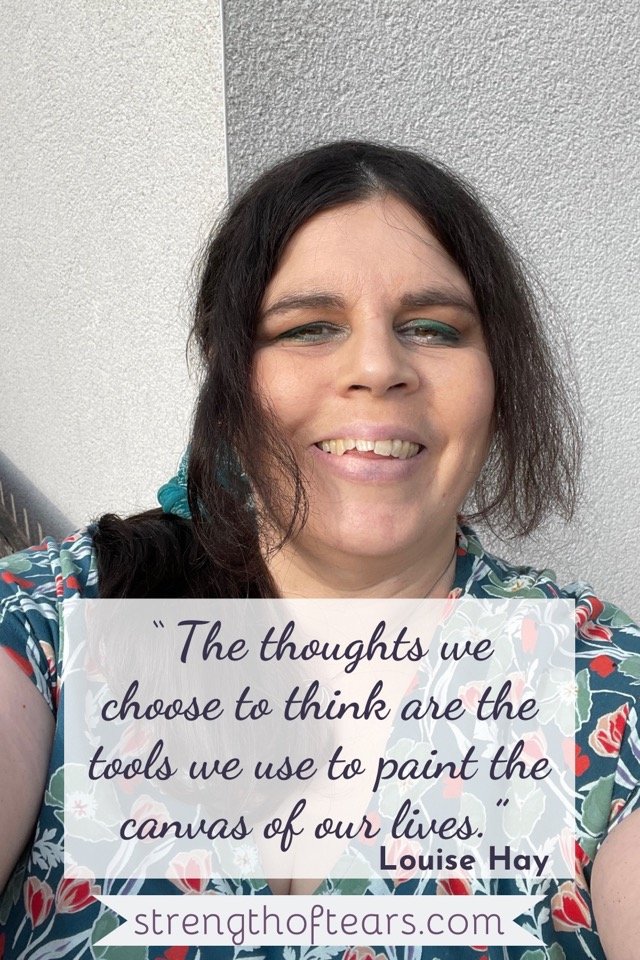
  • Why You Need An Instructive Journaling Guide To Beat Toxic Negative Self Talk

    Why You Need An Instructive Journaling Guide To Beat Toxic Negative Self Talk

    Why You Need An Instructive Journaling Guide To Beat Toxic Negative Self Talk

    Do you ever obsess over a mistake or unkind word? Do you feel shame for being vulnerable or dismiss negative emotions? These are self-talk examples from your inner critic or Judgy McJudge voice – the toxic voice in your head that can hold you back from success.

    You’re either an optimistic or pessimistic person, and this determines whether your self-talk is positive or negative. It influences how you see yourself and the world around you. But ‘all or nothing’ thinking is how your inner voice becomes toxic, so you need to find balance. 

    I can help you identify your first step to change. Learn how to silence the devil on your shoulder by getting down and dirty with your inner critic. The journaling guide I’m writing will help you spot targets for your toxic negativity, use positive self-talk phrases and much more.

    This blog explores negative and positive self-talk, negativity bias and how to balance your inner narrative. I share my experience of taking out my toxic thought cycle and discovering my inner guide. Finally I share strategies on how to develop balanced positive self-talk phrases. 

    Beat Toxic Negativity And Find Positive Self Talk Phrases 

    Negative self-talk can be suffocating and affect us and those around us. When I was first sick, I felt immense guilt which seeped toxicity into my family life. This guilt came from my inner critic which, to me, sounded like a critical parent, but this sounds different for everyone. 

    Positive self-talk can also become toxic, if you force positive thinking. Suppressing or dismissing negative emotions is an example of toxic positivity and is not what I’m recommending. We need to find balance and therefore, we know that we learn from making mistakes. 

    Self-talk is, however, more likely to become toxic negativity so I’m focusing on how to conquer this. It’s probably the most important act of self care you can do. Although it’s manageable, it will take time and patience so using a journaling guide helps you find your way.

    Finding your positive inner voice or inner guidance can change how you approach life’s challenges. This isn’t ignoring negative thoughts, rather, reframing your viewpoint. To find the positive self-talk phrases you need, you first need to identify your self-talk styles. 

    Negative Self-talk can sound like:

    • Catastrophising – thinking of worst case scenarios all the time or taking what someone has said and going all in e.g. “She was right, I’m not a good mum, I’m always shouting.”

    • Personalising – where you blame yourself e.g. “I’m unfriendly” if someone communicates badly or ‘I’m a failure’ when you make one tiny error. 

    • Polarising – where you only see the world in black and white, ignoring any positives in a situation e.g. “I messed up that new system at work today so my boss is annoyed with me.”

    • Magnifying – leading your mind into a fear-based fantasy e.g. “I’m never going to get that promotion.”

    Your negative inner voice can be useful, warning you of the negative impact something may have. An instructive journaling guide shows us how this self-talk type can help us achieve a goal. It also ensures that you keep your self-talk balanced with positive self-talk phrases. 

    However, negative self-talk can have severe affects on your mental health such as increased anxiety, lower motivation, missed opportunities because you talk yourself out of doing something that would be a success. This blog from anxiety-gone.com explores this is more detail.

    Positive Self-talk can sound like: 

    • Minimising – reducing the impact of something someone has said or done to you, or of how you feel about something e.g, “It doesn’t matter what she said, I know I’m a good mum.”

    • Absolution – where you forgive yourself e.g. “It’s not my fault if they didn’t communicate what they wanted to me” or “It’s okay, I’ll try again’ if you make a mistake. 

    • Connecting – where you see the grey areas in a situation, seeing both positives and negatives e.g. “I messed up that new system at work so we can all learn from my mistake.”

    • Self awareness – talking yourself down from a disaster e.g. “I might embarrass myself, but the interview is experience.” Or it makes you think twice e.g. “I shouldn’t feel like this.”

    The journaling guide I’m creating is focused on exploring negative and positive emotions which are interlinked with your inner voice. To find your inner guide; try different approaches to see what works for you, identify patterns and switch it up with positive self-talk phrases. 

    “When you start paying attention to the type of self-talk you are using, you can take the steps to overcome the effects.
    With awareness of the self-talking pattern, you can modify your thinking, improve your mental health, and reduce negative feelings.”
    Heather Rashal

    The Negativity Bias And Its Impact On Your Wellbeing  

    Before self-talk can become your guide, you must be aware of how negative bias affects your inner voice. Subconsciously you’ll lean toward negative thoughts, actions and beliefs from infancy, due to a primal need to focus on the danger all around us, for survival. 

    Negative bias pushes the pain of disapproval more strongly than the comfort of appreciation. The absence of positive self-talk phrases influences your behaviour, decisions and relationships negatively. 

    “Our brains are hardwired to remember negative experiences over positive ones, so we recall the times we didn’t quite get it right more than the times we do. We then replay these messages in our minds, fuelling negative feelings.” Gregory L. Jantz – 2016

    For example, we will: 

    • Retain memories and sensory links to past traumas.

    • Hold on to blame, even if we were praised for the same event

    • Think about negative things more often than positive ones

    • Learn more from negative events and reactions.

    Negative self-talk affects your mental wellbeing, often damaging your confidence, increasing stress levels, triggering feelings of shame or self-blame and crushing your self-love. It can also lead to or worsen mental health issues, such as anxiety, depression and PTSD. 

    In my case, I had a life-long tendency towards guilt and self-blame, but this worsened considerably when I got sick. My breakthrough was working with my life coach, who used journaling guided exercises to help me gain awareness of my self-blame and guilt. 

    The work revolved around making my thought process adaptable. I imagined a creature saying these negative phrases and named it the Guilt Goblin. Doing this helped me push the negative away and use positive self-talk phrases to tip the scales for more balance. 

    My Guilt Goblin

    I nicknamed this imaginary figure to tell my brain that I don’t have to agree.
    It shows me that my critical thoughts are ridiculous.

    Using this nickname for the feelings of guilt and self-blame in my negative thought cycle have helped me break from away from this toxic negative self-talk.

    Your brain craves stimulation to challenge negative self-talk. Having a journaling guide helps acknowledge these negative thoughts so you can challenge them and create a more positive outlook, which results in inner guidance that builds your self worth. 

    An effective journaling guide creates space to reflect on your negative experiences, so you can find patterns and learn from them, halting negative toxicity. This allows you to change how you talk to yourself, which has a roll-on effect in how you behave with others.

    I’m often asked how I keep positive, living with unrelenting pain. I use positive self-talk phrases or affirmations, to provide inner guidance to help me focus on the journey, not the destination. I learn from the negatives and preserve positive experiences, letting go of the rest. 

    How Targeted Journaling Can Really Boost Your Positive Self Talk Phrases

    Establishing practices to create balance has driven my creation of the targeted journaling guide. Focusing on positive and negative thoughts allows you to tune into your inner guide and believe you can achieve. Initiating positive self-talk phrases promotes an optimistic outlook.

    Studies have shown that optimistic thinkers are more successful, do better academically and recover more quickly from surgery. You can develop a positive mindset using a targeted journaling guide that focuses on self-belief and meeting your goals.

     Negative bias means you’ll listen more to the devil than the Angel on your shoulder. This allows self-doubt, shame, guilt and misguided worry to tip the scales the wrong way for your mental health. But you can stop toxic negative self-talk dominating your mind if you work at it. 

    I don’t mean ignoring life’s challenges, rather finding productive ways to cope with stress. By redistributing positive self-talk phrases you can develop a constructive inner dialogue. Balancing your mind and the world around you, enables you to develop a steadier inner guide. 

    Here’s how to start your journey to reframe your thoughts: 

    1. Your internal narrative is constant so you need to develop self awareness of your thoughts. Pause to tune in to your brain’s frequency, remembering that not every thought you have is true. 

    2. Learn to recognise negative self-talk or when you dwell on an issue. Don’t try to stop your thoughts, this has the opposite effect, but try to think of solutions. You won’t always need to act but going over the steps you’d take helps you to move on.

    3. Recognise your own negative bias by considering both sides of an argument, then ask if your thoughts are accurate. Make time to reflect on the patterns to show you the opposite is true when your thoughts become overly negative. 

    4. Switch gears – when a negative thought enters your mind, stop and think how to flip the phrase using positive language. For example, ‘this is too much change’ to ‘I’ll tackle this one bit at a time’ or ‘I can’t do this’ to ‘I’ll learn the next step.’ 

    5. Use positive self-talk phrases or affirmations regularly. Such as “I am capable and strong, I can do this’ or ‘I am proud of myself for having the courage to try”. Say these out loud for full effect and have visual cues, such as in a journaling guide.

    6. Consider the advice you’d give a friend in a negative frame of mind. You wouldn’t tell them they’re stupid or a loser, so why say this to yourself? Offer yourself the same kindness and encouragement you’d show a loved one.

    7. Check-in with your emotions regularly, identifying different feelings can be tricky as there are blurred lines. My journaling guide has a system for looking at opposite emotions so you can balance them. 

    8. Try “thought-stopping”, where you use an action to change to another thought if you have extremely critical thoughts. Try pinging a rubber band on your wrist, read aloud positive self-talk phrases or affirmation cards or visualise a stop sign.

      The following methods are for longer term changes. This is where the Journey To Balance Journal, your targeted journaling guide, will help you plan long term strategies for finding a balanced inner guide.

    • Identify your negative self-talk traps, such as feeling anxious in large social events. Knowing which areas of your life you lean more negatively to, allows you to make a focused plan of when and how to approach each area more positively.

    • Create boundaries by reducing or removing contact with people who encourage negative talk. Strong boundaries are essential in life so teach your inner voice how to say no by collecting phrases that help you stick to your own lane.

    • Go with your worst case scenario so you can see that the catastrophe you’re predicting is very unlikely. Remind yourself of real situations where things haven’t gone well, so you know that you can handle difficult outcomes, 

    • Work on accepting your flaws and plan how to address the things you want to change at the same time. Remember that the process of using this targeted journaling guide is to help you find balance in life and your inner voice. 

    • Plan uplifting activities to break the cycle of negative self-talk. Examples of this – breathing exercises, dancing, singing, going for a walk or talking to a friend about something else.

    • Show gratitude for positive moments, big or small, using your journaling guide to record them. Your brain needs more positive experiences to make them count so record and make time to re-read your journal often to reinforce this.

    Look out for my new journaling guide, coming soon. The core focus is on balancing your emotions but with my top positive self-talk phrases, it’s perfect to kickstart finding your inner voice balance. 

    If You’re Still Wondering…

    What is self-talk and why does it matter? 

    Self-talk is the voice in your head and can be positive or negative. Your inner voice is personal but most of us have experienced getting stuck on a thought about your own or another’s actions or comments. It can become all-consuming, leading to toxic negativity. 

    If you let this voice become heavier on one side it takes much more work to reframe it. Positive self-talk is thought to lead to self-esteem, healthier relationships and problem-solving skills. It has even been linked to lower stress levels and better general wellbeing. 

    The mind is like Velcro for negative thoughts and Teflon for positive ones

    — Rick Hanson

    Negative bias is where negative interactions stick over positive ones of equal weight. This leaves negative self-talk as the more prominent voice and it can easily become toxic. If you put in the work to reframe your inner narrative you can develop a strong inner guidance.

    Dull the devil on your shoulder and develop the strategies you need with your journaling guide. The Journey To Balance Journal engages your inner narrative so you can find your inner guide at your own pace, 

    Whether you’re fresh faced and fancy free, a contrary, crumbling crank or a ready and raring rebel, pause for a moment. Take every opportunity to check your self-talk and give yourself some love today! 
    And Finally…

    If you are suffering from a toxic negative-self talk cycle you may need more than my advice. I am a trained mentor and because of my own experience, I can guide you from personal experience, in confidence. However I am not a trained, mental health professional.

    If you feel unsafe due to persistent and invasive, negative thoughts, or are having difficulty looking after yourself, please seek a medical professional’s opinion:

    • Talk to your doctor about the first steps to help when negative self-talk takes over. They can connect you with the right help.

    • Therapists can help you explore how and why you’ve learnt negative ways of thinking, usually from parents or caregivers. They can provide effective and customised ways to improve your relationship with yourself and others. 

    • Cognitive behavior therapy (CBT) or acceptance or commitment therapy (ACT) will teach you the skills you need to manage false logic or overestimated threat.

    • If you feel that you need support because you’re worrying more than usual, having thoughts and feelings that are difficult to deal with or aren’t enjoying life and need support, I recommend this guide from mind.org.uk.

    #block-yui_3_17_2_1_1651422700122_25194 .sqs-gallery-block-grid .sqs-gallery-design-grid { margin-right: -20px; }
    #block-yui_3_17_2_1_1651422700122_25194 .sqs-gallery-block-grid .sqs-gallery-design-grid-slide .margin-wrapper { margin-right: 20px; margin-bottom: 20px; }

    ✋ Hey there! I hope you’re feeling stronger now. If so, sharing the love will help me help other mums with chronic invisible illnesses.⬆️  Hit one of those sharing buttons or save these images to Pinterest and I will do a bed-bound happy dance – there’s an image for you!