Tag: Brain Condition

  • The Cruel Impact Of Being In Agony With Brain Fog & IIH Headaches

    The Cruel Impact Of Being In Agony With Brain Fog & IIH Headaches

    The Cruel Impact Of Being In Agony With Brain Fog And IIH Headache

    An Asian woman with long black hair is wearing a green blouse and has her head in her hands in pain. The writing on the left says 'the cruel impact of being in agony with brain fog and IIH headaches

    This IIH Awareness Month, I want to share how brain fog affects me as someone with IIH headache. IIH or Idiopathic Intracranial Hypertension is a rare brain disease affecting 1-3 in 100,000 people. I’ve had IIH for over 8 years and it has improved a bit with treatment.

    IIH., which you can read about here, has no known cause (idiopathic) and is focused in the brain (intracranial) where it raises pressure (hypertension). Headache is my most severe symptom, my second is brain fog, a type of cognitive dysfunction.

    The name gives it away, but it’s literally a foggy brain state! Brain fog and headaches are both constant for me. Never getting a break from these symptoms is exhausting. Initially my memory was so poor, to have a conversation was a challenge for me, as a mum, and my family. It’s less extreme now but still affects me daily.  

    Here I’m going to tell you about the symptoms of a foggy brain and  how long it can last. I’m also going to explain how this affects me, as someone with IIH headache and migraines. Then I’ll share tips for better managing brain fog and headaches as a tired mum.

    What Are The Symptoms Of Brain Fog? 

    Brain fog is not a medical term, but a term for those who experience a groggy mind. Read more about brain fog causes here. The most common symptoms of brain fog are short term memory loss, mental fatigue, unclear thoughts, trouble finding words and a sense of non-reality.

    For those with chronic illnesses, such as my brain fog and headache conditions of IIH and migraine, foggy brain also often occurs as an inability to follow simple instructions, extreme tiredness, difficulty processing information, being easily distracted and confused. 

    My symptoms of brain fog show up as all the above but I also have difficulty following a conversation, I struggle to find the words I need and multitasking is hard work! I feel as though I’m wading through treacle, everything slowing down and information is stuck hard. 

    Others will encounter their symptoms differently, as it can change from day to day and even fluctuate over the same day. My husband, Joel, is often dragged into twilight discussion as I try to share a story from the day. I often lose my place, go off track and then go back a step or restart, finding I’ve forgotten the point of the story anyway! 

    How Long Does Brain Fog Last? 

    There isn’t one answer for this, usually symptoms of brain fog are temporary or happen in short bouts over more time; it’s different for everybody. Those with brain fog and headache conditions often have persistent mental fog, which is felt on a sliding scale of severity. 

    The Coronavirus pandemic shone a spotlight on brain fog and research has shown that those with long Covid will have the symptoms of brain fog for weeks or up to many months. They did find that brain fog decreased in severity over time. 

    Prior research into mental fog was sparse, but with new scientific studies we’re learning more about brain fog and so improvements for symptom management are more likely. It’s vital to reassure anyone with constant brain fog, that they will not have lasting brain damage.
    Mental Fog

    Brain fog is like walking through a dense forest that doesn’t seem real. This analogy of brain fog shows how much it can impact your ability to function when a foggy bran is persistent.

    How Brain Fog and IIH Headaches Impacts My Life

    I believe it’s crucial to raise awareness of IIH symptoms, so I released this blog last year. became very unwell, overwhelmingly with brain fog and headaches, and had to leave my 15 year career as a teacher. These symptoms of brain fog dominate my life with IIH.

    I am one of less than 6% of patients with IIH who have IIH without Papilloedema. This is swelling of the optic nerve that can lead to blindness if untreated. IIH symptoms are debilitating and impact quality of life, especially as the most common symptom for us in the 6% is headaches.

    The cruel IIH headache I have on both sides of my head and around, below and behind my right eye, is like permanent brain freeze, migraines and facial neuralgia all at once. However, I also have constant, debilitating mental fog which affects every aspect of life.

     Brain fog surrounds all of my IIH symptoms:

    • Before the pain heightens, I feel agitated and confused 

    • When it eases I’m dopey and slow to process information 

    • High pain means poor sleep which leaves me even more tired

    • The medication I take makes me sluggish and confused

    • Living in the dark due to light sensitivity affects my sense of time

    • Hyperacusis (magnified sound) and vertigo makes the world not seem real

    When brain fog and headaches work together, my IIH symptoms are incapacitating. When I was first ill these symptoms were so severe I lived in an almost fugue state, impacting all my relationships, even my marriage, as I just couldn’t maintain a conversation.

    “Pain like this, felt at the core of one’s being, in the brain, carries an added challenge in interfering with how you think,” Paula Kamen 

    I’ve had 6 surgeries in the last 7 years, including having brain stents implanted on both sides of my brain. My brain fog improved a little with each surgery as the intracranial pressure reduced a little. It still affects me daily but now I’m able to write coherently.

    I’ll always have impaired brain function but now I can see the funny side when the pain eases a little. Brain fog can lead to humorous but frustrating events, such as when I put hand cream on my face or wear a top inside out all day. You just have to laugh!

    A woman with Down's Syndrome is wearing black leggings and sleeveless top with white trainers. She sits in steps in front of a wooden door as the wind blows her hair. The writing says 'How Tired Mums Can Better Manage Brain Fog And Headache

    How Tired Mums Manage Brain Fog

    Tiredness can slow your thought process but a mental fog affects the brain’s ability to think clearly. Brain fog is more than tiredness and makes life more even more challenging.

    How Tired Mums Can Better Manage Brain Fog And Headaches

    All mums experience exhaustion but no amount of sleep will ease a foggy brain migraine or IIH headache.  When we have IIH symptoms, life can be extremely limiting and tiresome but any headache condition exposes us to fatigue. This adds to mental fog and makes life even harder to manage.

    As someone with IIH headache and a chronic migraine sufferer, I have daily brain fog. I’ve particularly noticed my inability to remember details, have conversations, manage my time and multitask; so I’ve collated this list of tips to better manage brain fog and headaches:

    • Sleep Routine – this is often the first thing to go as Mums but with brain fog too we need good quality sleep. I’m not suggesting 8 hours a night, as we’re all different but sleep hygiene is crucial for us all. Keep track of your sleep and what helps you sleep better. 

    • Eat Healthily – nutrition deficiencies can worsen brain fog so we need a balanced diet. My mental fog has improved a little now I’m vegan and more aware of nutrients. Supplements can also help, read more about that here.

    • Exercise – gentle exercise, like a short walk, can help. I don’t mean going to the gym or for a run. Physio got me more mobile and it’s helped my symptoms of brain fog. Now that I swim often, I’ve noticed even more improvements. Walking round the house and doing the washing counts as exercise! 

    • Keep Hydrated – Regular fluid is important for brain health, but alcohol and caffeine is dehydrating. I drink 3-4 litres to combat dry mouth side effects of my medication, but your body is unique. Try to drink about 2 litres of water a day. 

    • Relax – listening to my body means I tune in to when I need to rest, usually meditating or doing gentle yoga. To manage your stress you need to do positive self-care acts for yourself. This could be a long bath or catching up with friends.

    • Take a Break – regular short breaks from activity, helps us manage better. I use the Pomodoro technique when working,  25 mins focus, then a 5-10 minute break to do my physio or meditate, anything mindful is rejuvenating.

    • Get Organised – This is tough but essential for all mums! I struggle to plan a day, now I have IIH symptoms. I start with the simple act of getting up, following the same simple routine. Having a clear plan and structure gives focus.

    • Time Checks – pain results in our dopamine levels dropping to make us stop and rest but this also affects our memory. So use your phone for alarm reminders and memory prompts.

    • Focus – prioritise tasks so you can focus on one thing at a time and remove distractions. I have real difficulty multitasking, made worse by tiredness. Avoid doing things when tired or anxious so you can focus more.

    • Make Connections – It can be easy to feel isolated when we are struggling with mental fog. Connecting with those who understand what you’re going through can be incredibly helpful, whether it’s online or in person it gives you support

    I’ve created this free wellness planner to help you prioritise for better life balance, which will help you organise your way through brain fog and plan for dealing with the symptoms of brain gog ad headaches. Simply click on this link to sign up for your free copy. Please feel free to ask me any questions you have.

    If you’re struggling to cope with brain fog, it’s important to speak to your doctor or seek professional help from a therapist, counsellor or life coach. They can help you manage your symptoms, emotions and focus on finding solutions.

    In conclusion…

    The symptoms of brain fog affect people differently, depending on the cause and symptoms you experience, so what helps can be different for each person. As women and Mums, we may also be affected by hormonal changes which is important to be aware of. 

    For me, brain fog and headaches, especially my IIH headache, has impacted my brain function from the day my symptoms started. It affected my ability to have conversation, and even now after six surgeries, I often still don’t join the dots when processing information. 

    There are lots of things you can try to help ease symptoms. To find the combination that works for you, track your symptoms and what you use to work out what helps you. Many treatments involve lifestyle changes and day-to-day management of the symptom.  This IIH awareness month, see how I experience IIH by checking out my blogs. You can see how another mum found managing IIH symptoms in this wonderful guest blog.


    ✋ Hey there! I hope you’re feeling stronger now. If so, sharing the love will help me help other mums with chronic invisible illnesses.⬇  Hit one of those sharing buttons or save these images to Pinterest and I will do a bed-bound happy dance – there’s an image for you!


    #block-yui_3_17_2_1_1663686217746_56882 .sqs-gallery-block-grid .sqs-gallery-design-grid { margin-right: -20px; }
    #block-yui_3_17_2_1_1663686217746_56882 .sqs-gallery-block-grid .sqs-gallery-design-grid-slide .margin-wrapper { margin-right: 20px; margin-bottom: 20px; }


  • How To Challenge And Overcome Resistance To Change In Life

    How To Challenge And Overcome Resistance To Change In Life

    How To Challenge And Overcome Resistance To Change In Life

    How To Challenge And Overcome Resistance To Change In LifeWhen I became chronically ill, I believed I was a burden, with little self worth. My family supported me in fighting this and taking back control of my life where I could. To challenge and ov…


    Life with chronic illness isn’t easy for anyone, especially a mum with anxiety. I lack control over my own life due to chronic migraine and my rare brain condition, IIH. This life has challenged my whole family but has motivated us to adapt. With hard work, emotional strength, patience and trusted support we’ve been able to change. 

    Knowing I have power over my thoughts and actions made me see how my mind can get stuck going over past events when I’m feeling low or depressed. I’d tell myself ‘I’m a burden’ or ‘It’s all in my head’, only confiding in my husband, Joel. However, dealing with so much at once tested us. 

    We needed to discuss our feelings with someone neutral so we’d have full support from each other and our loved ones moving forward. I knew effective change would take time and support so I swallowed my pride and asked for help. I’ve learnt to be present with my thoughts and that honest self-talk is vital to my ability to cope.

    To challenge and overcome resistance to change I also needed to appreciate how my brain and body work together. By studying my patterns of behaviour in the past and present, I could plan for sustainable change. This has helped give me the mental strength to accept development and disarm any power this held over my self worth. 

    The four key ways I’ve developed my attitude towards positive change are:

    • Accepting you can only control how you think and act

    • Listening to the stories you tell yourself 

    • Knowing with whom to discuss how you feel 

    • Changing your behaviour patterns over time

    As this covers 4 ways you can take practical action and improve your mental health, I recommend downloading my free journal prompts to support you in looking at behavioural patterns and developing self worth so that any and all changes you make are effective.

    _Disclaimer this blog post contains affiliate links and any purchases made through such links will result in a small reward for me and my crafting habits. Oh and there’s some free recommendations too, Im nice like th - Edited (1).JPG

    Accepting You Can Only Control How You Think And Act

    Big changes in our lives impact our thoughts, and subsequently our mental health, because of what we are exposed to. Our minds are wired to respond to stress with primal instincts, as if facing physical threats. This can lead to strong reactions to emotions, such as my anxiety when adjusting to new situations.

    When I became chronically ill my world changed from an active life to a confined one  overnight. My world became my family, house and garden which was okay but as my health deteriorated further, my world became even smaller. At the time I wanted to run from it all. I talk in detail about my chronic illness journey in this blog.

    I believed I was a burden to my family, especially to Joel, as I could no longer play the role I always had. I became depressed with little self worth, even wondering if my family would be better off without me. But I knew I had to fight to be the mother and wife my family needed, even if it was different. 

    I learnt how the brain and body responds to stress and that mine was trying to protect me from threat, which helped me manage stress. This article explains ways to can manage and reduce stress. I learnt that to overcome resistance to change my negative thinking, I had to take control. Only I had the power to make the changes I needed to live the best life I could.

    You Can Only Control Your Attitude and Actions Quote.jpeg


    Listening To The Stories You Tell Yourself 

    To do this I needed to unpack how my past experiences impacted my current thoughts. I exposed vulnerabilities in my relationship with chronic illnesses. Due to many absences from secondary school due to undiagnosed migraine, I’d been labelled a hypochondriac. Now I was struggling to believe my own pain was real.

    I’d been diagnosed with atypical migraine after 20 years so I was stuck in a negative thought pattern whilst trying to get my IIH diagnosis. I’d buried embarrassment and regret more deeply with each misdiagnosis, convinced nobody believed me. I needed help to navigate my journey so found my life coach, Josie, to help me unpick it all

    These truths may be uncomfortable, but they can be the basis of meaningful change. Figuring out your own story could take 20 minutes or 20 years. And you may not make one big transformation; maybe it’s a series of incremental changes. You just have to feel your way through.

    — Brené Brown

    Being aware of this helps me reinforce my truth and grow stronger. My past has less control over my narrative and I have more power to overcome resistance to change. I may still take small steps forward but my self belief continues to grow. 


    Knowing With Whom To Discuss How You Feel 

    I’ve had to reshape my life from necessity which makes change a bigger challenge. My brain condition stole my ability to communicate well and many of my supposed close friends dropped out of my life. I felt guilty for letting others down and because my judgement was impaired, I didn’t know who to trust with how I felt. 

    However, my true friends showed themselves when they rallied to help and comfort me when I had my first treatments. Their loyalty gave me strength to set boundaries to protect myself from those who didn’t support me as I navigated this new life.

    But I was still grieving my old life and needed reassurance that it was okay to feel angry, sad and lost. The four of us built our communication skills in family counselling so we could discuss our feelings whilst respecting each other. We built strong support systems with others who we trusted over time, which was crucial for each of us. 

    Having confidantes has helped us cope with every surgery I’ve had, each one giving me back more of my old self. We developed ways to discuss our feelings as a family and I grew to trust those who were there for me without doubts or conditions again. This helped me overcome resistance to change and be grateful for what I now have.


    Changing Our Behaviour Patterns Over Time   

    It’s normal to resist change, we usually run from it but accepting we’re scared helps us embrace the inevitability of change. Exploring why past experiences made us feel this way, can help grow our ability to adapt. Change is most likely during our career, so this Forbes article shares 12 ways to successfully manage change in business.

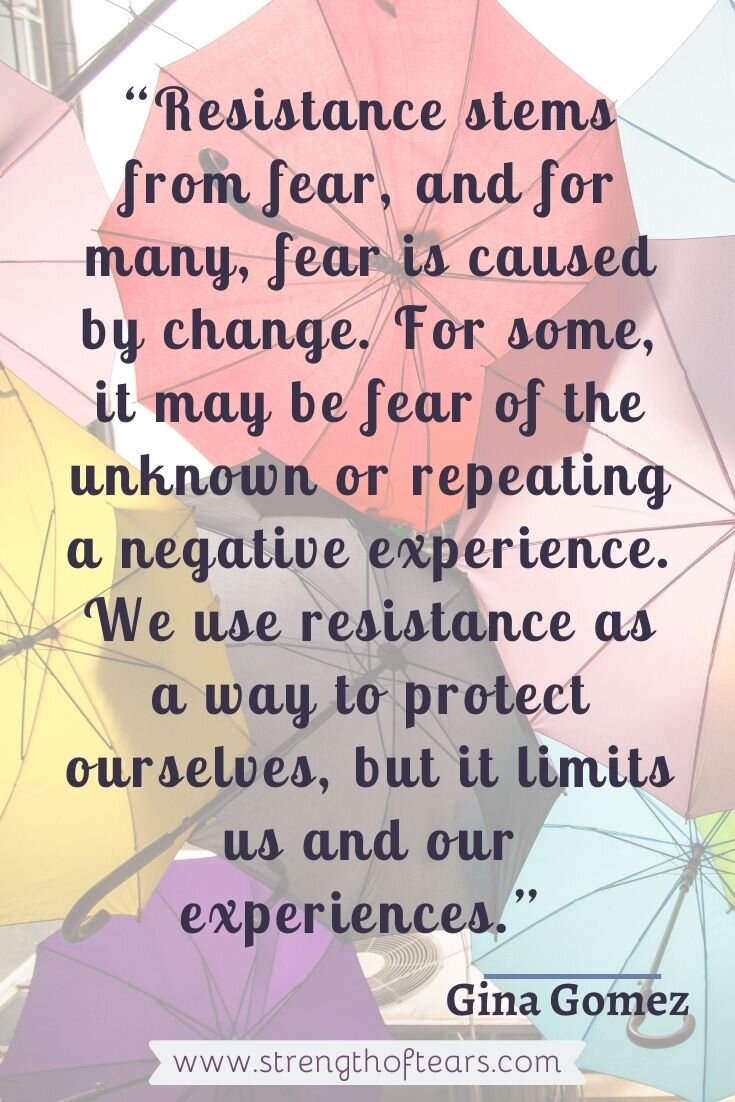
    resistance stems from fear, and for many, fear is caused by change quote.jpg

    Make it stand out

    Whatever it is, the way you tell your story online can make all the difference.

    I managed change in my role as lead teacher but I had no idea how much change I was capable of until my situation left me no choice. To embrace my new life, I looked at my emotional reactions to positive and negative changes in my past. This enabled me to transform feelings of blame and guilt into pride and self respect. 

    When trying to adapt established behaviours we need to set our intentions and know it will make a positive difference to our lives. Click here to read my blog about how I developed my ‘Growth Mindset’ for going through change. Our brains continue to develop throughout life, forming new connections through repetitive actions or habits.

    As a worrier, my brain is wired to release dopamine to reinforce connections each time I worry. This feel-good chemical is released whether the action is good or bad, making it hard to stop worrying and difficult to overcome resistance to change.

    However, when we recognise that changing our habits will bring a huge difference to our lives, we can use the same wiring. Creating new behaviour patterns also releases dopamine each time we repeat an action. Focusing on small steps forward leads to more success, so with willpower and time it becomes our default behaviour. 

    Serotonin is released to communicate our desire to change. I use journaling to reflect on daily progress with new habits and to celebrate my small wins. Each win releases these feel-good hormones and helps us establish positive change. If you’re interested in journaling to support your own growth and mental health, try my free prompts.   


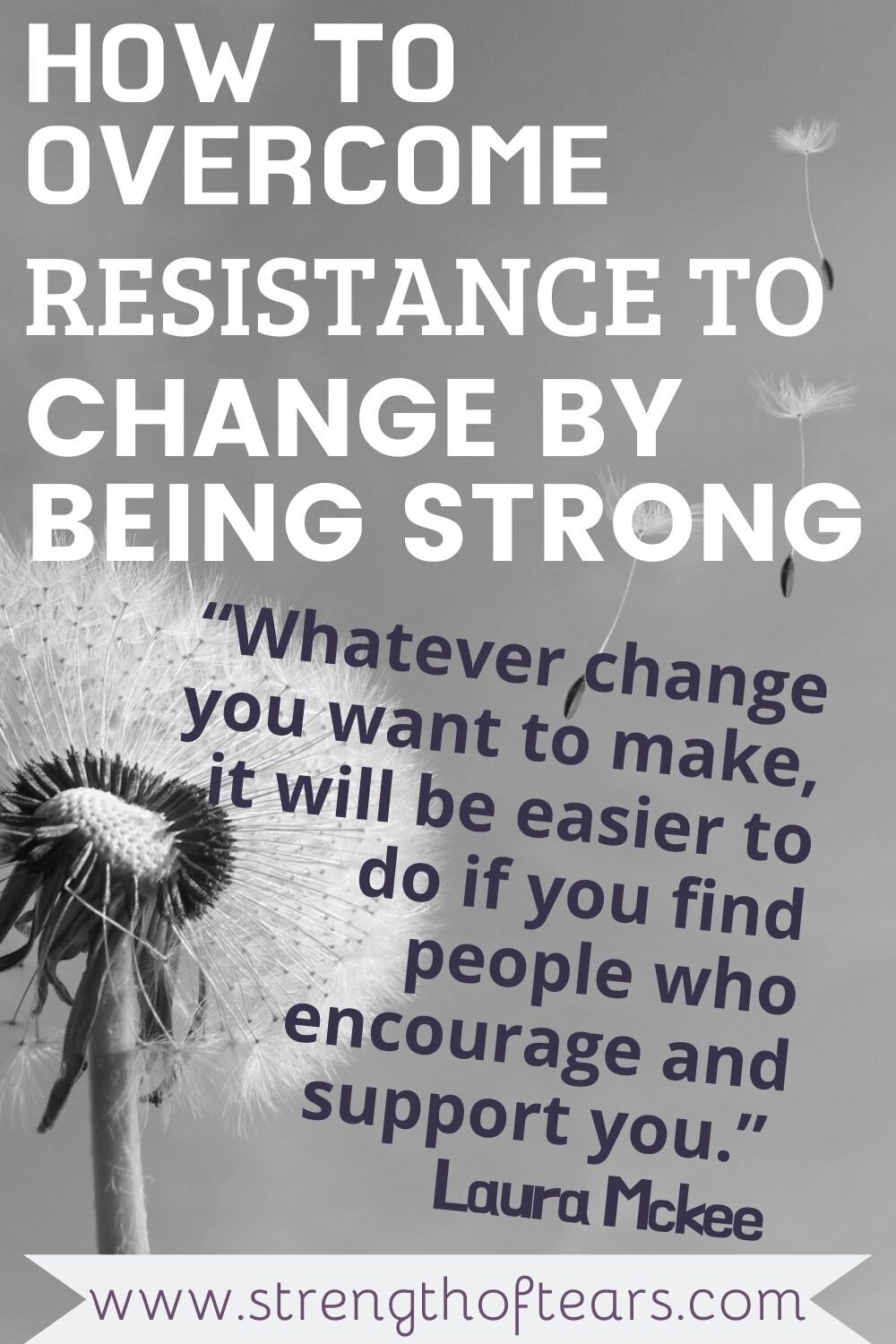
    How To Overcome Resistance To Change By Being Strong

    How to overcome resistance to change by being Strong.jpeg

    Everything in my life changed with my IIH and this has been difficult to accept because I have such little control over the situation. I’ve learnt to focus on changes I can control and now focus on making positive transformations despite my illnesses.

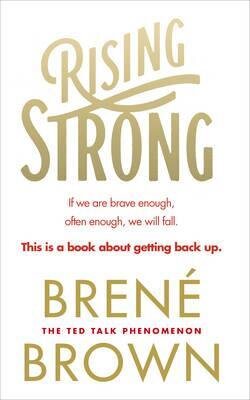
    Despite getting through the darkest days, self-talk held me back, making it harder to overcome resistance to change. Brené Brown’s perspective on the stories we tell ourselves was a revelation for me and was critical in helping me adapt successfully. 

    Now I’m usually able to reject negative thoughts that could slow my progress as I understand the link between the brain and changing behaviour patterns. My recognition of the science behind this has helped me be better prepared for future developments. However, big life changes still have potential to upset my emotions. 

    Whatever change you want to make, it will be easier to do if you find people who encourage and support you.

    — Laura McKee

    The difference in my life nowadays has helped me learn when, who and how to talk about my feelings. Having boundaries has meant removing people from my life who hold me back and making room for those who genuinely encourage and support me. 

    I believe I’ll keep moving forward by accepting what I can control, promoting positive self-talk, having authentic support and recognising that change won’t happen quickly. These steps have given me the strength to persevere and push myself to overcome my resistance to change; even on the hardest days.

    Stay safe,

    Laura 💜

    P.S. If you just want the main points…

    When my world changed overnight, I had to embrace a life with chronic illnesses. So I set boundaries with myself and others so I had support to focus on what I could control. I learnt that my negative self-talk was making it harder for me to change. So I looked at my brain and behaviour patterns to adapt my habits for making sustainable change for a better life.

    #block-6bab4cdb0c7118445fe1 .sqs-gallery-block-grid .sqs-gallery-design-grid { margin-right: -20px; }
    #block-6bab4cdb0c7118445fe1 .sqs-gallery-block-grid .sqs-gallery-design-grid-slide .margin-wrapper { margin-right: 20px; margin-bottom: 20px; }

    If you find it hard to make changes to habits or struggle to cope with change, I can help you create small, achievable goals using my free well-being plan in my VIP resources area. This will help you develop your self-worth and stop doubting yourself.

    Or if you want to wait for my upcoming ‘Thrive Not Survive Journal’, and be the first to know when it’s for sale, sign up to my Strong Mums mailing list here.

    #block-15ceb995cfb3d016c8ab .sqs-gallery-block-grid .sqs-gallery-design-grid { margin-right: -20px; }
    #block-15ceb995cfb3d016c8ab .sqs-gallery-block-grid .sqs-gallery-design-grid-slide .margin-wrapper { margin-right: 20px; margin-bottom: 20px; }

    ✋ Hey there! I hope you’re feeling Able to Start Making changes to support your own and Your Families well-being. By sharing this Post You’ll help mums with mental health and/or chronic illnesses. ⬆️ Hit one of these sharing buttons for social media and I’ll do a bed-bound happy dance – there’s an image for you.