
My Breakthrough To Protect My Sensitive Mind Using Emotional Vulnerability

When someone enters the room can you feel when something’s up?
I can. I feel the vibes as soon as someone walks into the room which makes me a highly sensitive person but I wasn’t always aware of what that meant. My intuition or gut just got me into a pickle as I didn’t understand everything I was feeling. I’d bury my stronger emotions, in a poor attempt to protect my inner self.
Pushing down our feelings like this only leads to explosive interactions. It can be helpful to think of emotions as different types of weather, some extreme, some mild and some regular, everyday weather that just happens. We have no ability to control the weather and we cannot control our emotions.
Just as we study the weather, we can study our emotions so we can protect ourselves from the storms and pollution to make a calm decision about how to react. Stepping outside our comfort zone, embracing emotional vulnerability and facing our fears, leaves us exposed but shows us the courage we actually have.
Journaling has helped me spot patterns, work through problems and plan how to cope with strong emotions. I’ve created a free journal prompts download as a sneak peek of one section of the journal I’m creating (coming soon). I’ve designed the journal, including these prompts, around what’s helped me during years of experience, research and personal breakthroughs.
The shaky feeling we get when we step outside on a stormy day is down to physical vulnerability. It makes us want to turn around and go home, escaping the danger, wondering why we ever thought we could do it. But if we just push ourselves to take one step, then another and so on, we’ll feel invigorated for it.
That same strange feeling, our heart rate increasing and our palms growing sweaty, is there when we put ourselves in potential emotional harm because of feeling shame or insecurity. It may feel like protection to hold back, but it would prevent us finding joy on a new adventure on an icy path or love from kissing in the pouring rain.
In this blog I’m going to share my story of learning about emotional vulnerability and the impact this has had on my life choices. I will explore what I’ve learnt about emotions and vulnerability and how stepping outside our comfort zone can help us find belonging, joy, love and courage and how to create a plan to do this yourself.
-
Empath Or Highly Sensitive Person?
-
Protecting Myself By Setting Boundaries
-
The Path Of Vulnerability
-
Exploring Emotions
-
Creating A Plan For Coping Emotionally
Empath Or Highly Sensitive Person?
My life coach has been crucial to my story, guiding me toward understanding my emotional responses to big life events. Identifying how my highly sensitive nature affects me, allowed me to plan for how to safely be emotionally vulnerable and cope with knowing what a friend or loved one is feeling, before they’ve even said a word.
Highly Sensitive People (HSP) can experience empathy and even absorb others’ emotions. This can be incredibly tiring on you, but also an asset when dealing with people. HSPs usually hate drama and conflict because it’s emotionally draining. Read this blog post to see if you’re one of the 20% of the population who are HSP.
Empaths are highly sensitive too, but not all highly sensitive people are Empaths. Studies show that Empaths are drawn to caring professions, such as counselling or teaching, due to getting others needs. They let their gut lead them through life and may feel they have psychic or healing powers. Read more about Empaths here.
These labels are useful for understanding our behaviour patterns. Understanding I’m an Empath helped me move out of my comfort zone to face new challenges. Labels themselves don’t define us, they’re just one piece of the puzzle that makes you, you! This information has helped me form a coping plan and create personal boundaries.
Protecting Myself By Setting Boundaries
Being highly sensitive means that when something is wrong with someone in my company, I take on the vibe or mood created by their emotions. This often happens without us being aware. So I’ve had to develop my self awareness and learn how to protect myself by setting boundaries with myself and others.
Having this trait means I strongly empathise with others but a lack of awareness meant I didn’t always deal with this well and could lead to arguments. With Joel, my husband, this would stem from me asking hiwhat was up? He’d reply ‘nothing’ so I’d tell myself it was my fault and my sensitivities took over until we ended up arguing.
We’d never argue for long and we’ve now learnt from behaviour patterns and worked on understanding our feelings and changing how we communicate. This helps us know how to take care of how we’re feeling individually and together so we can be more open with each other, especially when we might be wrong.
Like many other Empaths, I knew in my gut I had to teach and when my health meant I had to stop teaching, this didn’t go away. I joined chronic illness support groups and would offer to help. However, I didn’t look out for myself and absorbing their emotions was exhausting. I had to learn how to do what I loved without taking a personal hit.
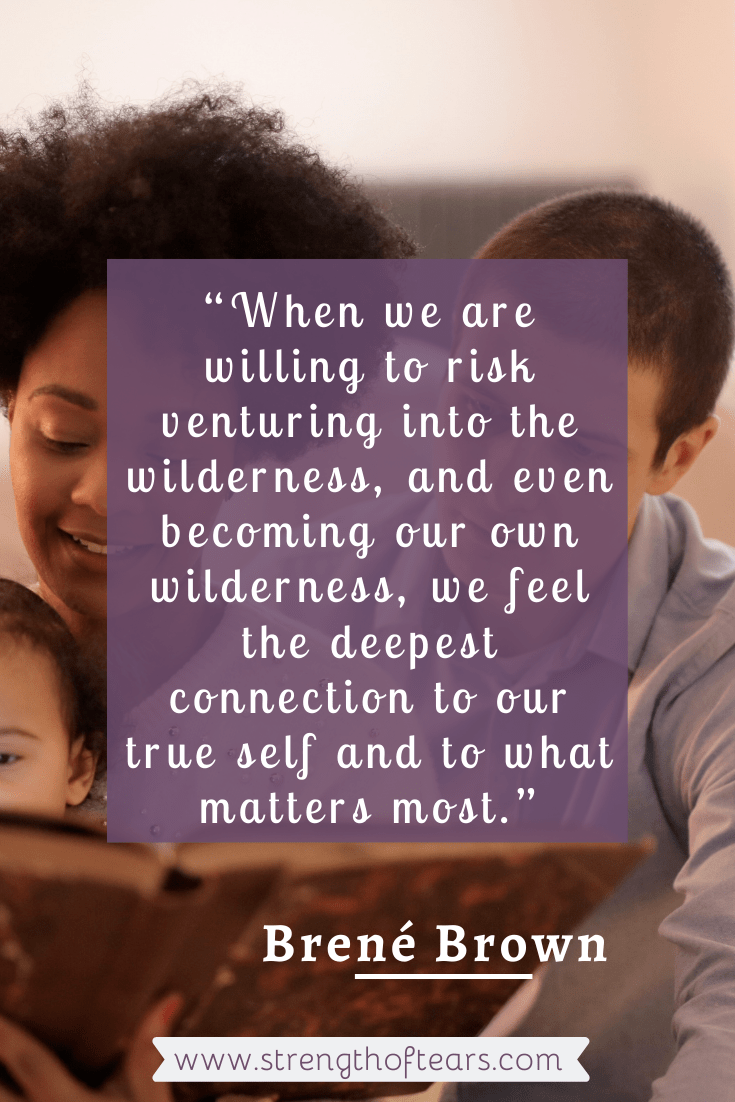
“Love yourself enough to set boundaries. Your time and energy are precious. You get to choose how to use it. You teach people how to treat you by deciding what you will and won’t accept.”
I’ve put time into learning how to be vulnerable by pushing myself out of my comfort zone, which has allowed me to grow. I had to let go of control and allow negative feelings in, before letting them go to find a sense of calm. Finding this balance has meant protecting myself from burnout whilst still supporting others.
The Path Of Vulnerability
Vulnerability is the core of all emotions and feelings, particularly the emotional experiences we crave, even if we don’t know it yet. Too often vulnerability is seen as weakness but if we beat down that wall, we’ll see the path of emotional vulnerability. If we take this path it can lead us to our goals and ambitions or our life’s purpose.
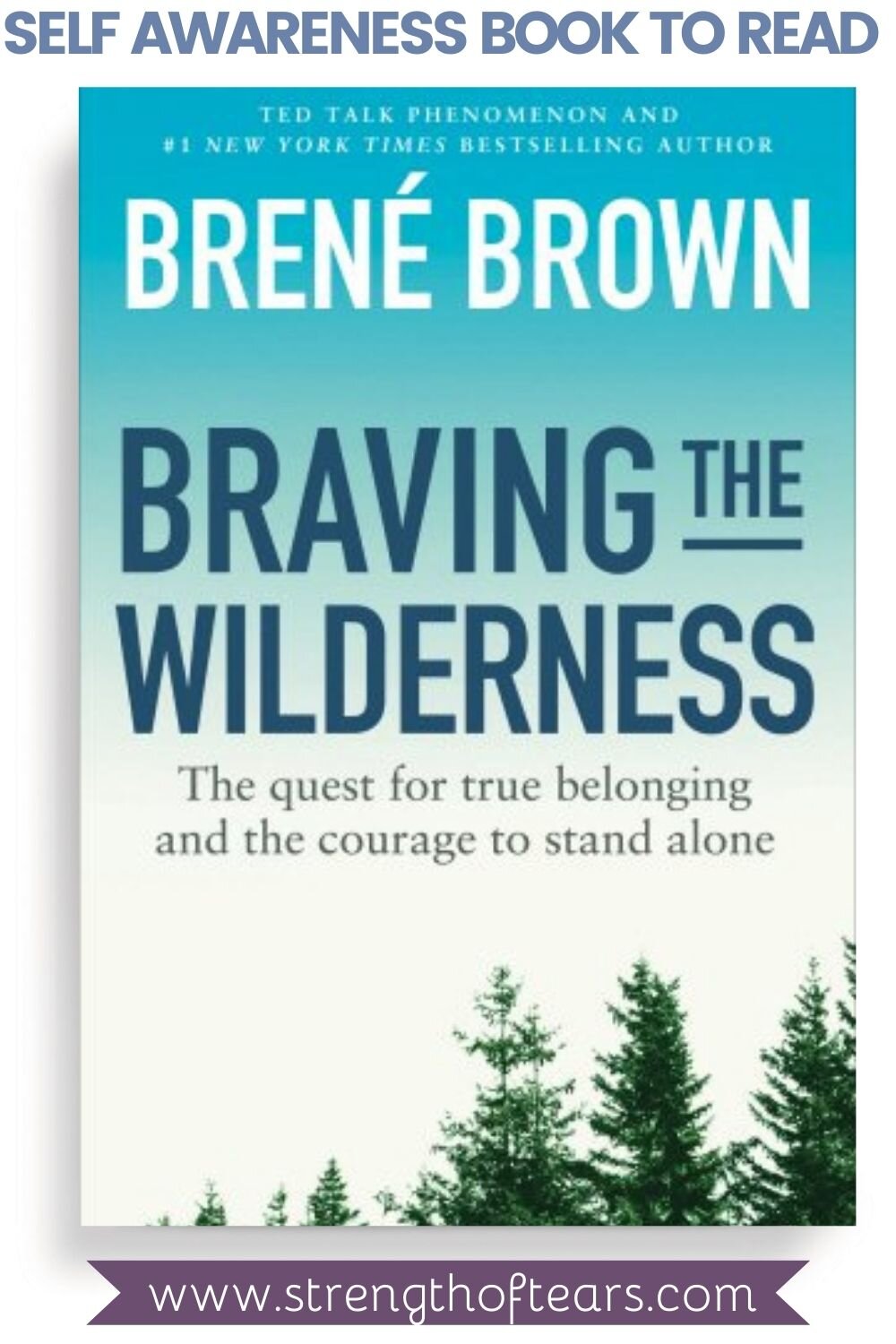
It explains her findings as a researcher when her academic work reached across the divide and connected with millions of views. She is now celebrated as a leader in exploring our emotions, particularly shame, guilt, courage, and empathy.

The path of vulnerability is my terminology for this concept, as Brené’s words helped me walk this path myself. I believe the path starts with our negative feelings and moves us through a process of working through these, which takes a while. In time, we find we can accept these feelings as part of life and no longer an obstacle in reaching our goal of courage and finally joy.
The stepping stones you follow on this path may be small moments that pop up, such as feeling anxious or may be huge life events that reveal strong emotions and change our course. It’s vital we don’t skip the steps that make us feel exposed, but work through the barriers. Being open to fragility allows the path to stay open for you.
Emotional vulnerability makes us feel unsteady and off-balance, which can be scary. Most of us put on protective armour to avoid feeling uncertainty, shame, fear and anxiety. This changes from person to person, but Brené says this revolves around a) striving for perfection, b) numbing ourselves or b) self sabotaging joyful moments.
Instead of protecting ourselves this leaves us with a build up of negative emotional behaviour patterns. We need to recognise emotions we’d rather avoid and be open to exploring them. Looking at when they appear, why they have such an impact and what triggers the walls going up, means we can learn to break the walls down.
This means being more aware of our environment, social interactions, physical and economic factors, which all affect our emotional well-being. This awareness will help us feel more sure about the changes we’d like to see in our life. When we have this knowledge we can remove the barriers and head with confidence to the finish line.
Exploring Emotions
To do any of this we need to explore and understand our emotions, which means being mindful of how we’re feeling. This can simply be in those small moments or when strong emotions rush at us during huge life events. Feelings can complicate how your brain reacts to a stressful situation.
Initially we need to be able to notice, name and respond appropriately to any emotions we’re feeling. Even if you’ve been raised to talk through your feelings, intense mixed emotions can leave you in a bind if you can’t regulate your emotional response.
Knowing how to break down what we’re feeling helps us develop self awareness. We need to explore how to recognise, feel and react to good, bad and in-between feelings before moving on to this with mixed emotions. Strong feelings can confuse our process but we can get there by developing self awareness.
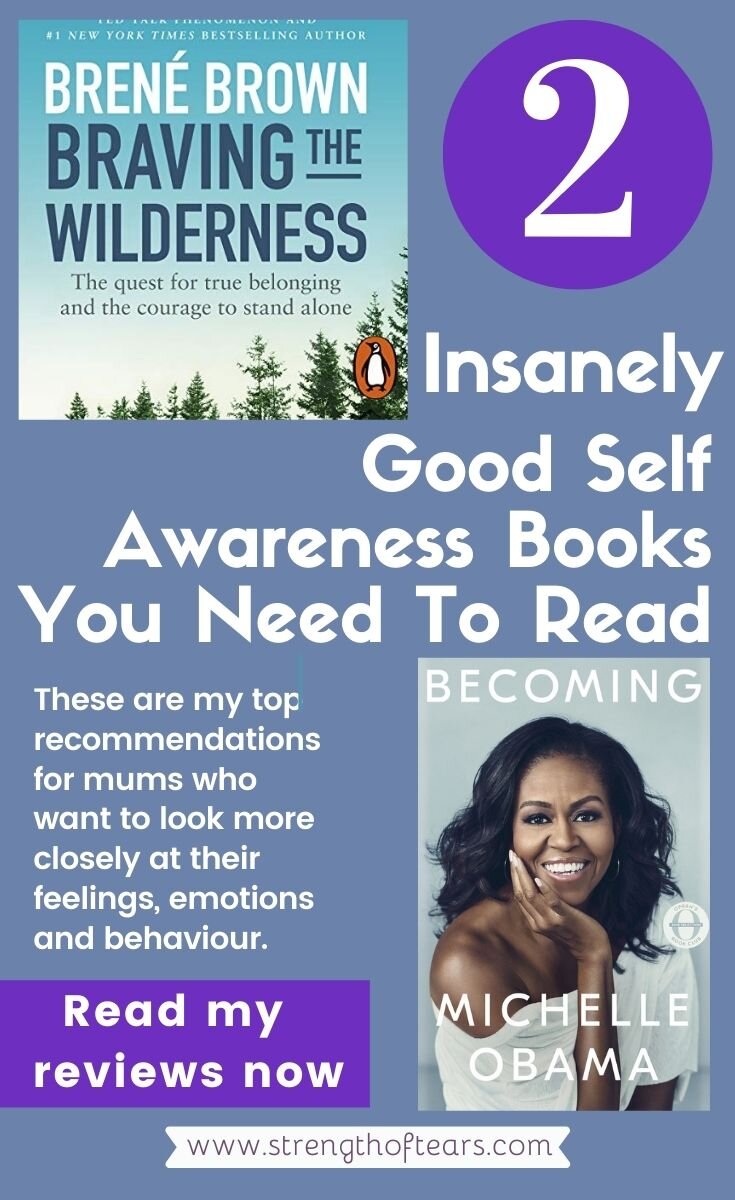
Read this blog on my top 2 self awareness books.
Our emotions can tell us what others are feeling, especially if we’re highly sensitive. Our emotional vulnerability allows us to sense how someone feels without being told. This is where our senses come into play. We can compare other’s smiles and frowns and the tension or calm in a room because of our understanding of our own feelings.
If we develop self awareness, self control and empathy for others, we will be more effective in all our relationships, both professional and personal. These traits allow us to move out of our comfort zone because we can read a situation and deploy appropriate reactions, helping us to grow in many ways and find emotional wellness.
Creating A Plan For Coping Emotionally
Simply using a two pronged approach can help. Take time during the day to be mindful of how you feel by regularly stopping and taking a few deep breaths to check in with your body and mind. Once present, ask yourself ‘What am I feeling right now?’ ‘How is my body reacting to that feeling?’. Notice calm, chaos, concern, content etc.
Using a journal is a great way to make time to explore what works best. It can help us spot patterns, narrow in on the exact feeling we’re experiencing and plan how to react appropriately. It takes time, especially if we’ve not been raised to talk about our feelings, but it’s worth the time and energy.
This process will make us experience emotional vulnerability so we need to be aware that our brain becomes overwhelmed and we can’t regulate our response. If this happens, use the tools you’ve developed for dealing with your emotions. After doing this regularly we can formulate a plan for dealing with our feelings in all situations.
As our feelings are both external and internal we also need to take into account the response from our gut, which can be physical. Being aware of this is very useful for mixed emotions, which can be explosive. This needs to be part of the plan so we can manage stressful situations without becoming overwhelmed or stuck in a rut.
Why Emotional Vulnerability Is An Enormous Help For Sensitive People
As a highly sensitive person, it’s so important that I’ve learnt to focus on my own emotions as my spidey sense is most often triggered by other people’s emotions. I’ve always been quicker to pick up on someone else’s emotional confusion than my own, which may be because I’ve always been a people watcher.
Knowing that I have someone to check in with me each day to ask how I’m feeling, is vital in my self care routine, as well as asking myself through the day. Over the years my family has developed a habit of daily check-ins, between ourselves and with the boys. This helped us cope with the strong, mixed emotions after I became ill.
I’ve learnt not to push what I think they’re feeling and simply ask how they’re feeling, listen fully and then ask how I can help. By being empathetic and being able to accept my emotional vulnerability, I can feel I can support them much better. I need others to show me empathy so I want to offer to others that respect.
I also need someone to make me level with them, as if the pain is bad I’d hide it or at most say ‘meh’! I still tend to say ‘I’m okay’ as I’m always in some amount of pain and hate being negative. My sensitive mind means I’d tend to feel guilt or shame but I’ve learnt not to protect myself from those feelings. Being more vulnerable has allowed me to reconnect with my feelings and accept that negative emotions are okay.
In Oprah’s interview with Brené Brown they discuss the importance of talking about feeling shame. “If you want to see a shame cyclone turn deadly, throw one of these at it: ‘Oh, you poor thing.’ Or the incredibly passive-aggressive… version of sympathy: ‘Bless your heart.’” We need friends who show empathy as shame can’t survive that.
Having a highly sensitive nature means that emotions are all about how we sense our own and other’s feelings. This makes the weather the perfect metaphor for talking about feelings. Most people are scared of extreme weather conditions which can’t be controlled, which is the same as being afraid to let go of your emotional response.
““Being afraid, ashamed of, or embarrassed by your feelings is like being afraid of the weather, because emotions (tears, panic attacks, angry outbursts, withdrawal, depression, elation, lust, romantic excitement, euphoria) are the weather conditions of the inner self.””
Read this article where the weather is used to describe different feelings. It says that there are extreme weather conditions, such as volcanoes, earthquakes and floods that we do need to protect ourselves from. However, like the weather, most emotional climates are mild.
-
Sunshine – your smile, like the sun can come out behind a heavy cloud or after a storm, once pressure is equalised.
-
Rain – just as rain comes with a change in pressure, tears usually come with an inner release of tension or pain.
-
Rainbows – after tears have streamed down our cheeks we feel hopeful again, just as the rainbow brings hope after the rain.
-
Storms – The build up of emotions coming to their peak can be violent like a storm but when they clear they bring calm.
-
Fog – we may feel foggy when we don’t really know what we’re feeling. The dark clouds reflect our emotions but can clear quickly.
-
Smog – if we get lost in unclear, dark thoughts we can sink into a depressive spiral when shame or fear pollute our thoughts.
This is why we need to explore our emotions and travel the path of emotional vulnerability so that our feelings of shame, guilt and discomfort don’t sink us into a deep depression. Instead it can take us outside of our comfort zone where we can find our sense of belonging, love and courage.
We need to take time to understand our emotions and how they affect us. Journaling about how we’re feeling is the perfect way to keep track each day and find our emotional patterns and create our own coping plans. We can even do this with our kids so check out the ideas in this blog from last year.
Understanding how natural and normal all feelings are is so important and these metaphors and practical ideas can help us find our patterns and forecasts. It’s so important to know that it’s okay to be vulnerable so that difficult emotions are less feared, because we know that this path will help us find our truth.

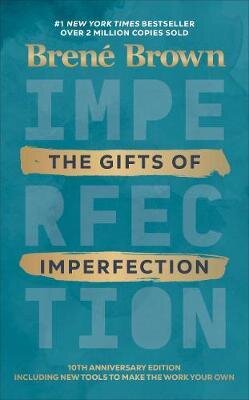
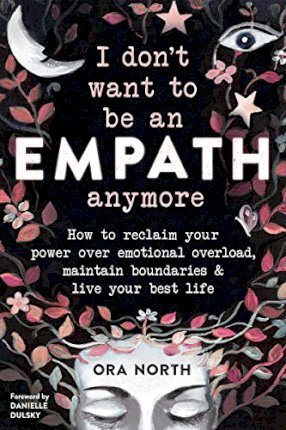
I’m recommending these books to you, to help you develop your awareness of emotions or emotional intelligence, understand more about the role vulnerability has in us living a balanced life. I’ve also chosen a book for those of you who are highly sensitive so you can build boundaries to protect yourself.

#block-7a2f74c82c9f09742361 .sqs-gallery-block-grid .sqs-gallery-design-grid { margin-right: -20px; }
#block-7a2f74c82c9f09742361 .sqs-gallery-block-grid .sqs-gallery-design-grid-slide .margin-wrapper { margin-right: 20px; margin-bottom: 20px; }
How much time to you spend understanding your emotions and how to respond to them?
Are you an Empath and if so, how do you cope with absorbing other’s emotions?
Tell me in the comments.
I’ve created a free download of journal prompts for you. These prompts are a taster of one aspect of my unique journal I’m creating for emotional wellness (coming soon). These prompts will help you create a more balanced and purposeful life! So grab a pen and paper now and start using one of these 18 prompts today.
Simply click on the link below to get your free copy and access to all my resources. Tell me how you found them in the comments and ask me any questions you have about this topic.
Stay safe,
L 💜


#block-bb979239498f49b30809 .sqs-gallery-block-grid .sqs-gallery-design-grid { margin-right: -20px; }
#block-bb979239498f49b30809 .sqs-gallery-block-grid .sqs-gallery-design-grid-slide .margin-wrapper { margin-right: 20px; margin-bottom: 20px; }




 Strength Of Tears