Tag: Carers rights day

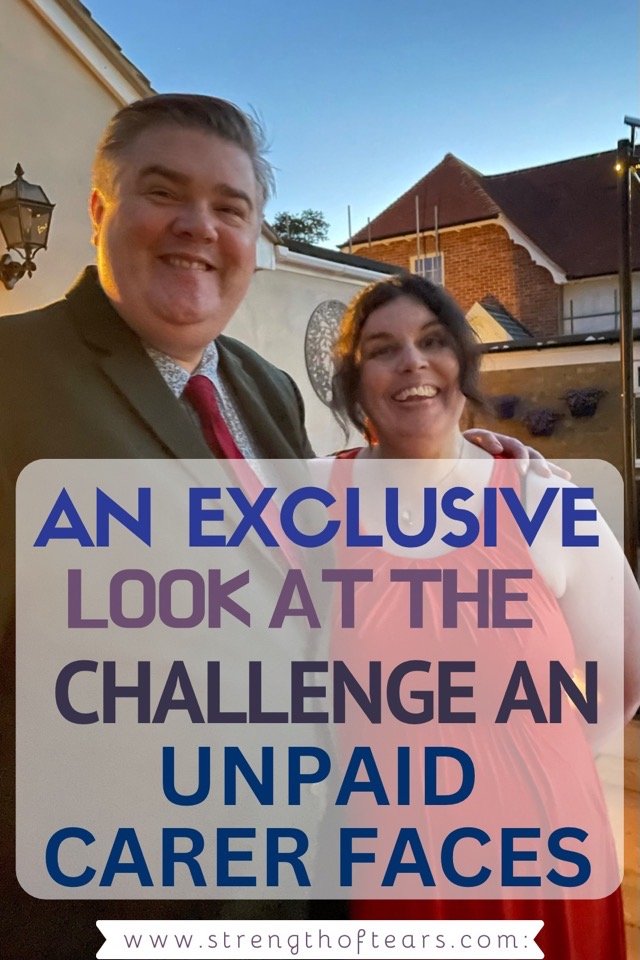
  • An Exclusive Look At The Challenge An Unpaid Carer Faces

    An Exclusive Look At The Challenge An Unpaid Carer Faces

    An Exclusive Look At The Challenge An Unpaid Carer Faces

    A lavender and heart soap image with the title of the blog over it. An exclusive look at the challenge an unpaid carer faces.

    As part of this year’s Carers Rights Day on the 24th November, I have taken over my wife’s blog and am going to provide an exclusive look at life as an unpaid carer, how I manage the challenge of balancing demands on my time and energy, and what has changed as our relationship evolved to include caring for one of us with a chronic illness.

    When Laura became chronically ill in 2014, read about this here, and it eventually dawned on me that my role as Husband, Father, best friend and confidante would now be expanded to that of prime and unpaid Carer, life would become a little more complicated, especially as this would need to be balanced with being the main financial provider in the household.

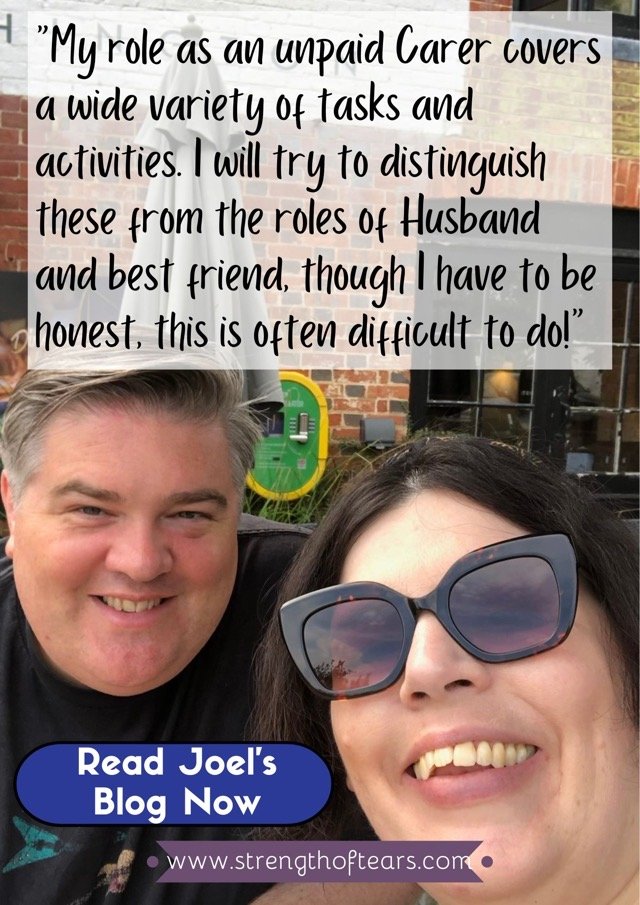
    My role as unpaid Carer covers a wide variety of tasks and activities. I will try to distinguish these from the roles of Husband and best friend, though I have to be honest, this is often difficult to do!  

    As an unpaid Carer for Laura, I need to consider her needs at all times, ensuring that her physical needs are met and that I am aware of those needs at all times of the day and night.  At a very basic level I need to ensure that Laura has taken her medicines, eaten regularly, has access to clean water and is washed and clothed every day.  

    I need to ensure Laura can access essential services, such as getting to a toilet safely. I need to be there to help if she falls or passes out, getting her to safety or calling the emergency services if needed. It sounds very mechanical listing it out but this is how I can distinguish my role as unpaid Carer from that of husband. As the person I love the most and have chosen to spend my life with, she is much more than just this list of needs.

    In addition, as Laura’s condition impacts her cognitive function, I handle the more complex elements of her care and help her organise and attend medical appointments and understand the risks and potential benefits of procedures to help her make decisions right for her. 

    As well as helping Laura with the more complex elements of her care, I also help her in her role as equal partner running the household, making sure she can perform her role in key decisions around finances, household maintenance, childcare and the general running of a family. 

    I also help her to understand what is happening when, and what decisions need to be taken.  As an unpaid Carer, I need to be mindful of Laura’s needs, breaking complex information down into easily understood pieces so she can make decisions that affect her and the family.

    What A Normal Day Looks Like For Me

    After my alarm I ensure the youngest is on track for college, then I’ll have a quick shower, and while brushing my teeth will check my work emails and calendar for the day.  

    My first caring concern is making sure Laura has her breakfast ready to take her medicines, so will prepare her favourite toast and marmalade, a cool cup of tea (too hot could burn her, or worse still melt a medicine capsule and release some horrid flavours!) and take her breakfast upstairs, to where I often have to wake her. 

    I’ll turn on her light, place everything she needs within reach, making sure the handle of the tea cup is where she can’t knock it over. I will then ensure she has her medicines, checking that she takes them, and has enough water for the morning.  

    Only then will I move onto my needs, getting dressed and ready for my day. Once she puts on her lifeline device, and has taken her medicines, I know she’s safe to be left as her medicines mean she often sleeps most of the morning.

    We are really lucky and have a paid Carer who attends daily around lunchtime. Read about how Sam fits into our team here. On the days when she is on holiday, or at weekends, I will give Laura a cup of tea close to lunchtime, and put out her clothes for the day, and prepare her some lunch.

    On the (thankfully) rare occasions that her condition and pain levels flare up, I will need to help Laura to shower, wash her hair, help to dry and dress her, as well as help with her access to her variety of beauty and medicinal creams.

    Throughout the day I am on hand to pick things up that Laura may have dropped, handle some cat related incident, or answer any questions when Laura is struggling to understand something.  As her Carer I’m there to listen to her emotional needs, be patient when her pain affects her mood, offer a listening ear, and a giggle or a hug. These are essential parts of caring for Laura and their impact cannot be underestimated.

    Let’s not forget our sons.  Eldest is now at University but youngest may well need picking up from college early, or late, depending on his schedule. I’m also there if he needs my taxi service for any appointments or social engagements.

    Later I will prepare dinner, again something our paid Carer will have prepared or put in the slow cooker. and sort any washing, cleaning or household task that needs doing.  I normally give the youngest the job of delivering Laura her dinner, which saves a trip up the stairs.

    Once we are all tidied away after dinner, I like to enjoy an evening watching TV with Laura, where we will chat about our day, catch up on anything important and just enjoy each other’s company.  Before bed-time, I ensure Laura’s bed is re-made, she has her nightwear to change into, has taken all of her medicines for the day and has enough water to drink. I make sure she has a small packet of biscuits to combat nausea if it comes on in the night, and that she has her ‘ice hat’ which she normally falls asleep with, as it helps manage her pain.

    As Laura can at times be prone to passing out, I tend to sleep lightly, always being alert to when she uses the toilet or if she needs me in the night. Should anything happen, as her unpaid Carer I can help to get her to safety.

    Did I mention work?  I am very fortunate to be able to work from home, and have access to work communications on my mobile phone too.  As a Systems Director I manage a small team of data managers across Europe. It is complicated work, and draws upon my many years of experience.

    I have many virtual meetings with people around the world, periods of intense concentration, people to support and invariably problems to solve.  I tend to think of my working hours as 8am – 4pm but this flexes as needed around my caring responsibilities. I am always able to catch up in the evenings in that window between dinner and time with Laura.

    My main responsibilities as an unpaid Carer are that Laura’s needs are first known and understood. These change daily and it is so important to never assume I know what these needs are, but rather ask Laura to ensure her voice is heard and that her needs are shaping her care.  

    Then it is to ensure these needs are met, from medication, food, water, cleaning, clothing to medical appointments, setting up household systems and communication with the family and support network.  As Laura’s prime Carer, being with her and on hand to help 24 hours a day I take it as my responsibility to consider how I can help to meet these needs wherever she requires my help.

    How Caring For Laura Impacts My Well-being

    Having hopefully painted a picture of how my day-to-day life works, and my main caring responsibilities for Laura and our family, I also have to think about myself! The transition to accepting the role of unpaid Carer for my wife has not been an easy one. Realising that our family life would be changed forever affected me tremendously.

    I am quite a positive person, always looking for solutions and trying to find the best in every situation, but seeing the person I love the most in so much pain, and their life going from a busy Mum and teacher, to being bed-bound and struggling with the simplest of things really hit hard, especially as I felt so helpless.  

    Being Laura’s unpaid Carer has been hard emotionally, and my mental wellbeing has suffered. Adjusting to a new life, while grieving for a lifestyle lost, with all the freedoms and spontaneity being compromised by putting someone else’s needs first took me through a difficult emotional journey. 

    Finding my role as Carer, however, gave me a focus and activity that I could understand in helping to work with something I couldn’t find a solution for. Realising that being an unpaid Carer was my way of helping, coupled with being the Father/Husband/Earner helped me to reconcile with a problem that I couldn’t solve, and adjust slowly to our new life.

    I have always been able to find positive perspectives, and I am thankful that I still have my wife, that we are together and we’re able to support each other through this transition in roles, and most importantly provide strong role models for our sons.

    My physical well-being has suffered a little over the years, especially as my work is quite sedentary, being office based, and with the onset of years and being overweight I am definitely not as fit as I used to be. When your partner is mainly bed bound, inevitably time spent together is also a sedentary experience too. So a renewed focus on fitness and activity is my latest goal in trying to address my well-being needs, and make sure I am fit enough for me, and importantly for Laura too!

    How My Caring Role Affects My Work-life

    My work-life as an unpaid Carer has had to become ever more flexible.  As I say, I am very lucky in that I can work from home, and flex my time around work and caring responsibilities.

    The main thing though is that I have to be a strong and confident advocate for my needs. What I mean by that is that I am always clear and confident in communicating how I will be the best employee while also balancing the needs of those who rely on me.

    I am always open and honest about my role as an unpaid Carer and when I am available and not. My employers don’t suffer from compromising with the time I need to dedicate to my caring duties. In fact, my employers benefit from my perspective, approach to prioritising, time management and ability to focus wholly on any problem or solution I work on.

    Being aware of ‘reasonable adjustment’ rights in the workplace is also something that has served me well. When I became a Father I worked compressed hours to care for my sons one day a week, which was so valuable to us as a young family, with high childcare costs. It ensured we felt we had balanced time and it became a real cornerstone for what I wanted in my work life, especially as an unpaid Carer for Laura.

    In the past I have been able to represent the needs of parents and Carers in setting up and running an award-winning colleague network, something I will forever be immensely proud of, as well as being a role model for other leaders with caring responsibilities.

    What My Support Network Is Like As An Unpaid Carer

    My support network is small but strong. I have relied at times on my father-in-law for contingency taxi or childcare. My emotional support though is what gets me through the tough times, with close friends to lean on, and becoming close to Laura’s paid Carer. 

    I am also part of a band, and music is such an escape valve for the hurricane of emotions I balance in my life. The release it gives me to just have to think about the next note in a song, comfortable in the knowledge that Laura is happy and safe, means that the emotional elastic band gets a chance to flex and not snap.

    Most importantly though, is the network of support we have created as a family.  We focus on the positives of life, balancing against the challenges and we remain solution focused. It feels like we work well as a team, each supporting the other. As a whole our family life is happy and fulfilled, which nourishes us all as we each achieve our ambitions.

    If I Could Have One Wish Granted To Make Caring Easier…

    I would wish that all of my wife’s illnesses and conditions would be alleviated and we could go back to a time where chronic illness was not a part of our family life. This is not wholly true, though, as we have all learnt so much about who we are as individuals, what great teamwork looks and feels like, and how we all can work together to succeed in the face of adversity.

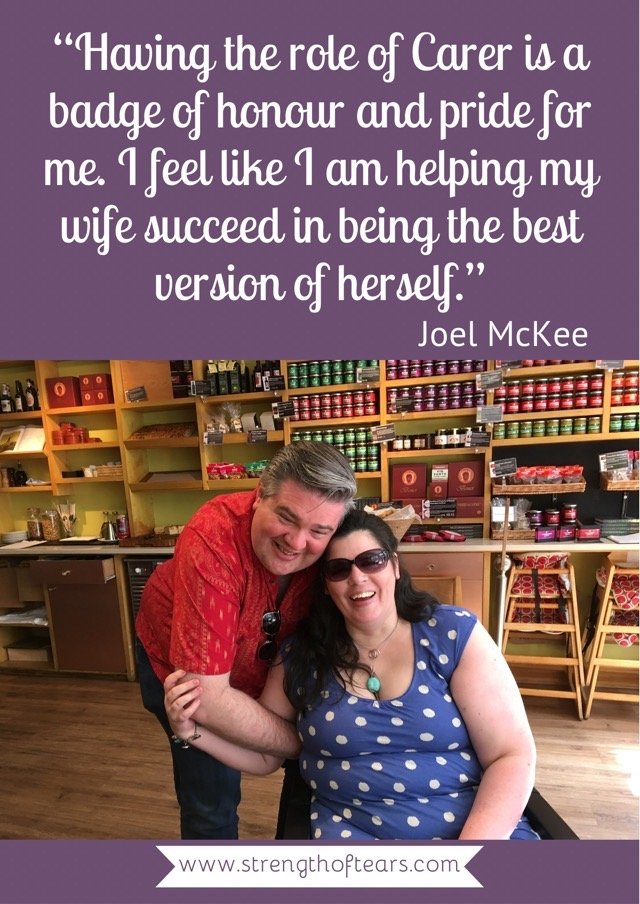
    Having the role of Carer is a badge of honour and pride for me.  I feel like I am helping my wife succeed in being the best version of herself, and that my role as her unpaid Carer also helps me be the most resilient, empathetic, understanding and above all most caring version of myself that I can be.

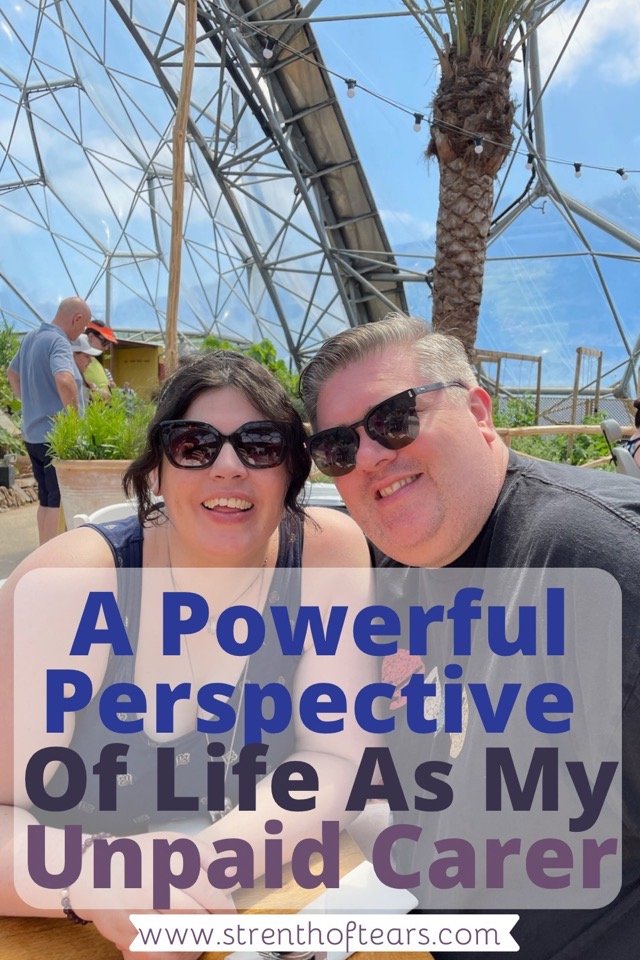
    A Powerful Perspective Of Life As My Unpaid Carer

    It’s been wonderful, challenging and entertaining to read my husband’s perspective about his role as my Carer, especially being one who isn’t paid at all. It’s eye-watering to read about the list of jobs he has to do in the morning before work, whilst I lay sleeping or waking casually to the smell of toast. I can honestly say I’ve never thought of it that way and this will hopefully help me to be more patient and show my gratitude even more than I do already. 

    My lack of awareness comes from both being in bed, isolated from the real world for the majority of the time, and due to my brain condition. My brain reacts to the extra pressure in my skull, the same way it would if I had a brain tumour so I can struggle to see things from others perspectives unless they tell me repeatedly how they feel. 

    I also think it’s partly down to the husband-wife relationship. Come on, you know we don’t always listen to what our spouse says! However, Joel hasn’t told me about a lot of what he’s written here about how he felt transitioning into the role of an unpaid Carer. 

    I was very unwell at the time and could not hold a conversation or retain any information. Thankfully my brain surgeries have allowed this aspect to right itself quite well so I can now take this on. I just wish I’d asked Joel how he felt more, I knew he was struggling of course, but I didn’t know how much. 

    I too am able to look at the positives of our situation now and know we’ve been able to teach our sons so much more about how to flex and grow to cope with challenging situations. As a team, we’re unstoppable and that includes my paid Carer Sam, who often acts as my proxy in the physical activities of running a household. I couldn’t be prouder of Joel and the boys for how they cope with ALL the challenges they face as unpaid Carers. 

    I would like to thank Joel for taking the time to write this piece, guided by my questions that came from this year’s Carers Rights Day campaign. Each year Carers Rights Day helps carers in the community know their rights and find out how to get the support they’re entitled to. The West Sussex Carers Support page says: 

    “This year our campaign will focus on the ways in which Caring Costs unpaid carers. From carers’ well-being and ability to access health services, to costs to their finances and employment options, to the current cost of living crisis which is being felt even more acutely by carers throughout the UK.”

    National Carer support organisations that help unpaid Carers know their rights are:

    Carers UK

    Carers Trust

    The UK government also have support materials for Carers

    There is also information on the new Carers Leave Bill that was passed in October 2022 here. We’ve found our local carers organisation very helpful, and highly recommend searching what is going on in your local area this Carers Rights Day. 

    Finally I want to publicly share how grateful I am to Joel for everything he does for me, everything he sacrifices and mostly everything he does to put a smile on my face, and my son’s face every single bloody day. He is an incredible human being and I love him even more after reading this article. In our 25 years together he has only ever shown me kindness and generosity and this seeps through the words on the page here. I am so honoured that you’ve shown another side of me to those who take time to read this blog. I appreciate you taking even more of your precious time to write about your perspective as my unpaid Carer

    #block-3522ab9dfd053e687057 .sqs-gallery-block-grid .sqs-gallery-design-grid { margin-right: -20px; }
    #block-3522ab9dfd053e687057 .sqs-gallery-block-grid .sqs-gallery-design-grid-slide .margin-wrapper { margin-right: 20px; margin-bottom: 20px; }

    ✋ Hey there! I hope you’re feeling stronger now. If so, sharing the love will help me help other mums with chronic invisible illnesses.⬆  Hit one of those sharing buttons or save these images to Pinterest and I will do a bed-bound happy dance – there’s an image for you!
  • What Are Young Carers Capable Of With Focused Vision For The Future

    What Are Young Carers Capable Of With Focused Vision For The Future

    What Are Young Carers Capable Of With Focused Vision For The Future

    Families living with chronic illness come across many obstacles so many develop new ways of working when a parent or sibling becomes ill. The complexity of each family’s situation is unique and wide-ranging but I believe every family can have joyful moments. 

    Our family has worked as a team since I became disabled and mostly bed-bound due to chronic illness. We’ve found the importance of effective communication crucial to our family going beyond just coping. We chose to be open and honest and prioritising our well-being, so we can thrive individually and as a family. Read this blog about putting your well-being first.

    In late 2014, after my condition had worsened significantly, I was allocated a social worker who wanted me to have paid care to take the pressure off of Joel. My boys remember key moments from that time and can now articulate their feelings and reflect on their journey. 

    By seeing life through the eyes of young carers, we can recognise  the obstacles to an enriched future and empathise with them. By listening to young carers’ views we can adapt negative situations into positive experiences and focus on their individual needs. 

    What Are Young Carers?

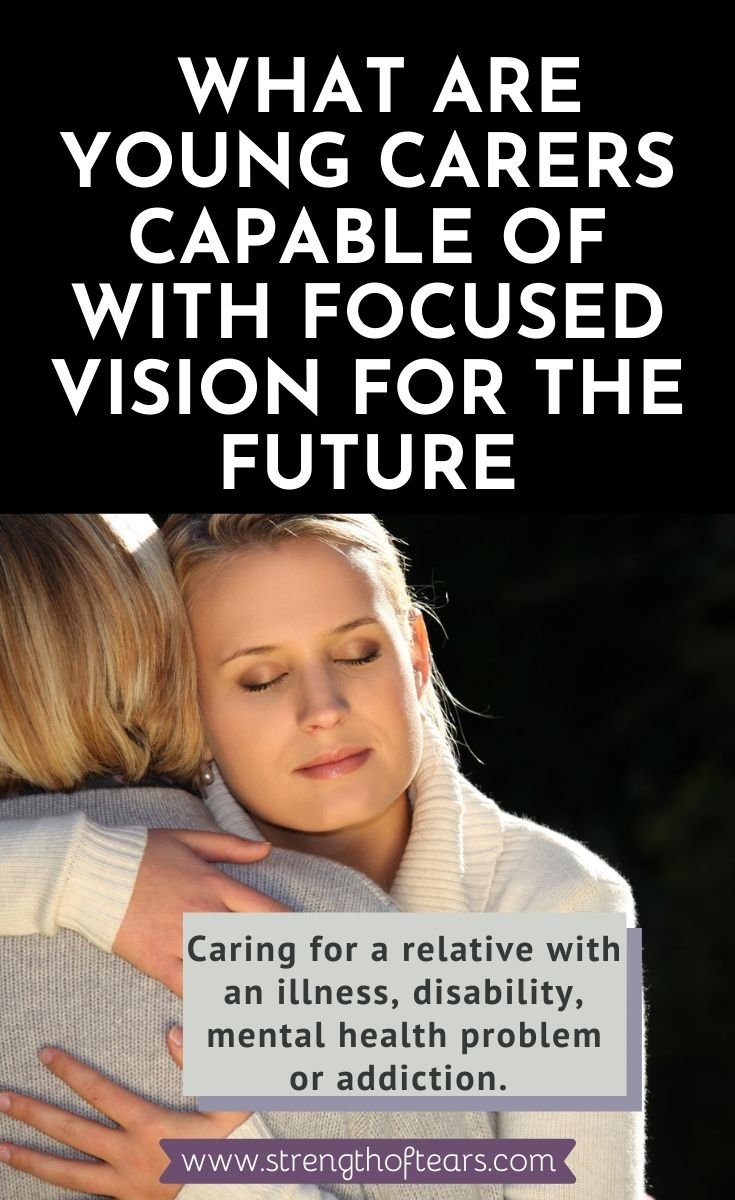
    Young carers are under 18 or young adults who help to look after a relative with a disability, illness and mental health or addiction problems. Caring can be an isolating experience but with the right support there’s a much better chance of future success. 

    Young carers are likely to achieve at a level significantly lower than the expected levels for their stage in schooling. Covid19 has urgently increased the support Young carers need to narrow the gap. 

    It’s thought that as many as one in five young people are young carers (University of Nottingham 2018), with the COVID-19 pandemic many more children are taking on care responsibilities.

    What are Young carers tasks? 

    • Practical tasks, like cooking, cleaning or shopping.

    • Physical care, such as aiding someone with poor mobility.

    • Emotional support, including talking to someone in a panic.

    • Personal care, such as helping someone get dressed.

    • Organisation, including sorting mail and bills.

    • Managing collecting prescriptions or sorting medication.

    • Communication support, such as making phone calls.

    • Home help including looking after siblings.

    Young carers may be giving care from a young age and don’t know any difference, but others may become carers overnight. Children usually want to help loved ones but it’s your choice how much and the type of care you give, or whether you should be a carer at all.

    Young carers shouldn’t be caring for someone in the same way as an adult carer, some jobs just aren’t appropriate. Read this blog about caring, an interview with an adult carer. It’s vital that they don’t spend too much time as this can affect their achievement at school and keep them from normal childhood activities, isolating them.

    What Rights Are There For Young Carers UK

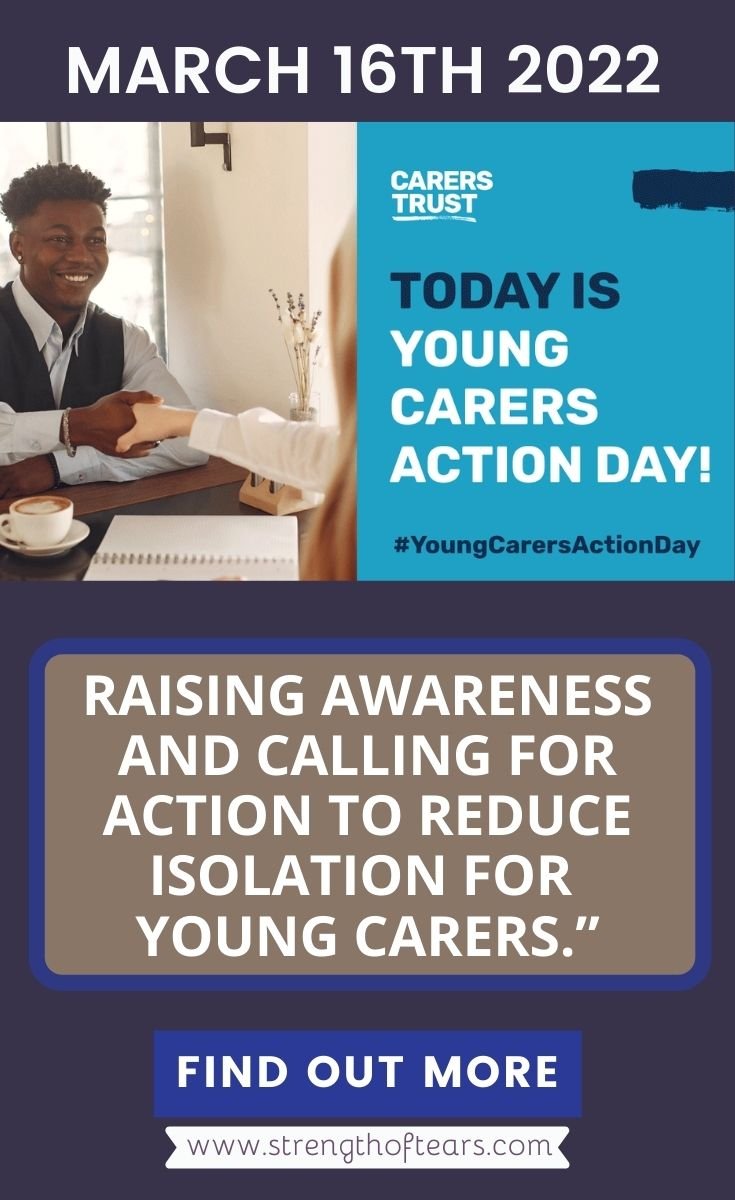
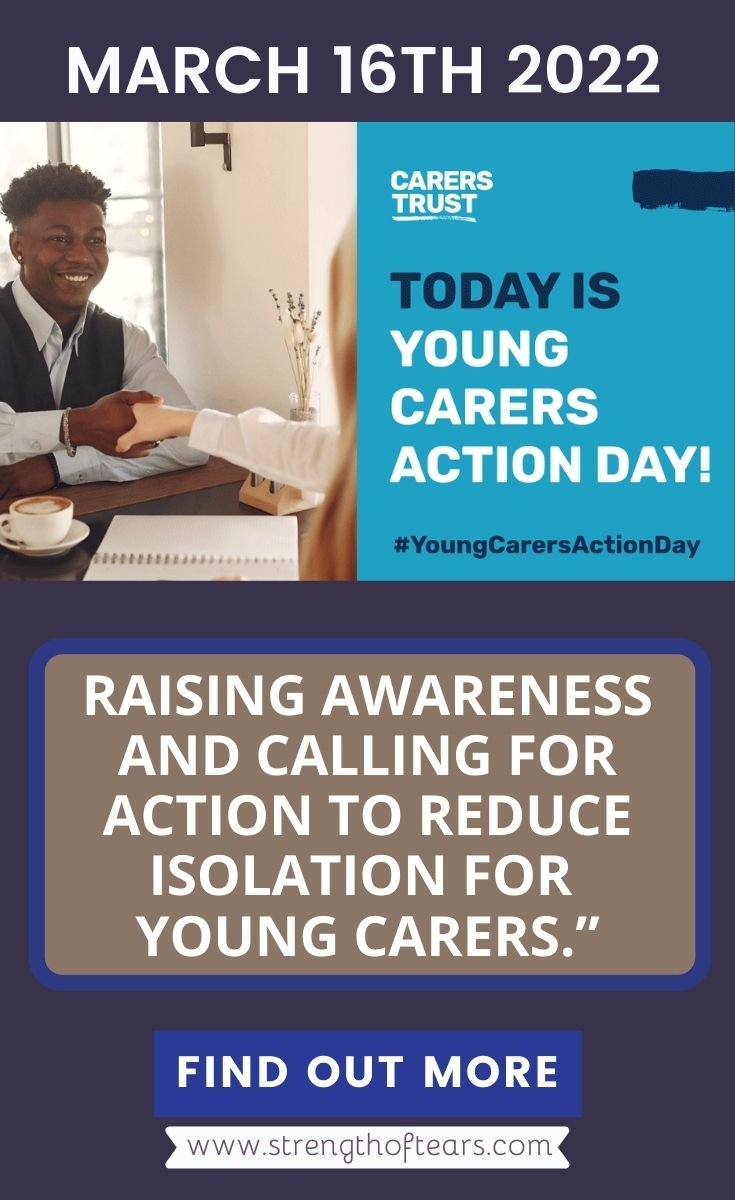
    Young Carers Action Day raises awareness and calls for action to increase support for young people with caring responsibilities. The recent 2022 action day put focus is on reducing isolation for young and young adult carers including access to short breaks from home and school. Read more here.

    Young Carers UK

    When good practice is in place, Young carers have access to essential freedom from caring responsibilities. This supports what are Young carers education, training, work and leisure opportunities for a better future.

    These actions are important support for young carers uk. When good practice is in place, Young carers have access to essential freedom from caring responsibilities. This supports what are Young carers education, training, work and leisure opportunities for a better future.

    “A young carer’s assessment can determine whether it’s appropriate for you to care for someone else, and takes into account whether you want to be a carer.”

    — NHS

    A whole family approach is expected practice and considers how care needs impact all affected, carer or not. It places an emphasis on the young carer’s views and identifies the required support so they know they can reach their full potential and thrive!

    What Support Is Available For Young Carers 

    Young carers need to know someone is looking out for them so there are vital services that help young people balance caring with being a child or young adult. This can be achieved by providing regular breaks and fun activities with other carers and even as a family. 

    These organisations help young carers acknowledge their parent’s or other family member’s illness or condition and are supported so that they can achieve like their peers. They are taught how to cope, build positive relationships, avoid isolation and plan for their future.

    One enterprise is the ME-WE project aiming to strengthen 15-17 year old Carers’ resilience as they become adults. The goal is to impact positively on their mental health and well-being and ease the negative influence of social and environmental factors in their lives. 

    What are Young carers, able to access as support is wide ranging. The support offers information, advice and practical support. I’ve listed links to many of these at the end of this blog, including pages that have invaluable information themselves.

    My Children’s Views On Caring For Me

    What are young carers’ views? This has become a crucial question in working with the whole family in UK formal assessments. I think all families caring for someone should ask this question every day. Being open and honest builds family connection and empathy

    Children have a unique insight into what happens in their family but it’s hard to know when and how to talk about so much around chronic illnesses. Hearing my boys talk about crisis times when they were so young has shown me how seeing my pain must have affected them. 

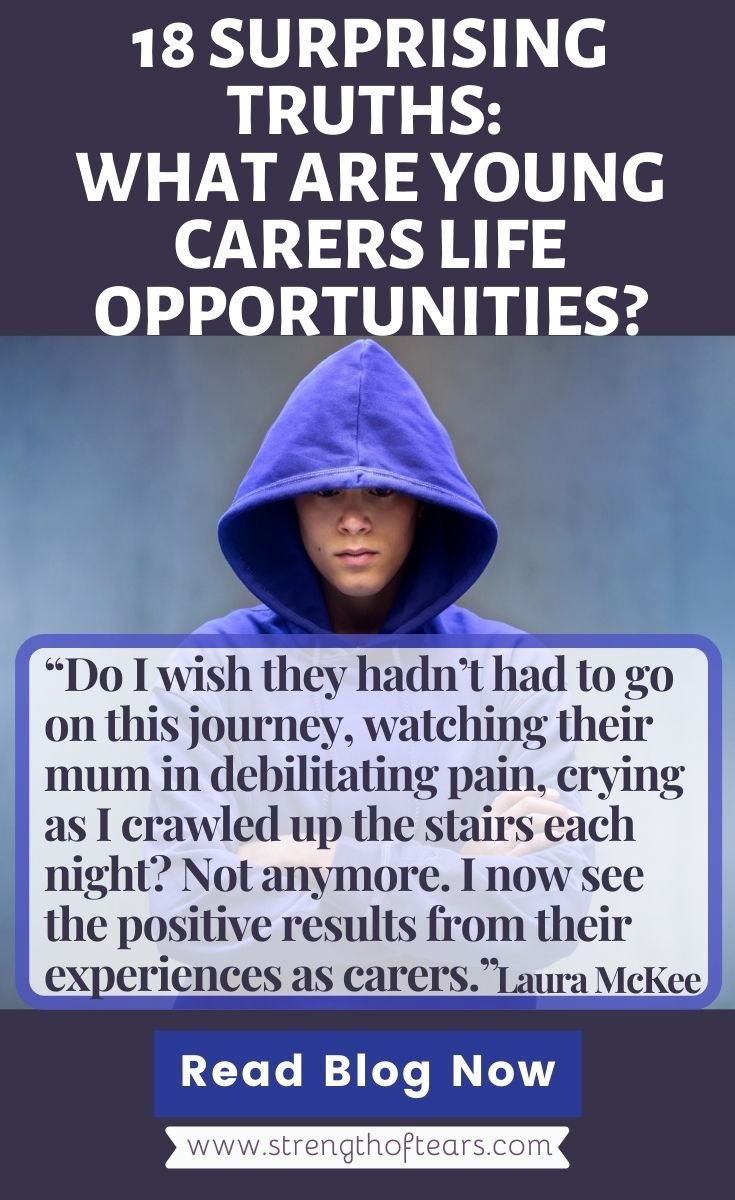
    Do I wish they hadn’t had to go on this journey, watching their mum in debilitating pain, crying as I crawled up the stairs each night? Do I wish they could have had opportunities I couldn’t offer? Not anymore. I now see the positive results from their experiences as carers.

    What are young carers able to benefit from that their peers can’t? 

    As a family we’ve developed trust and transparency in every facet of our lives. The boys will be able to cope with any obstacles they’ll face and I’m always here to help them focus on the vision for their futures. 

    The strategies we’ve developed over time have been shaped by family therapy and my research. But it takes time and effort to get to a point where your child can speak frankly about their experiences.

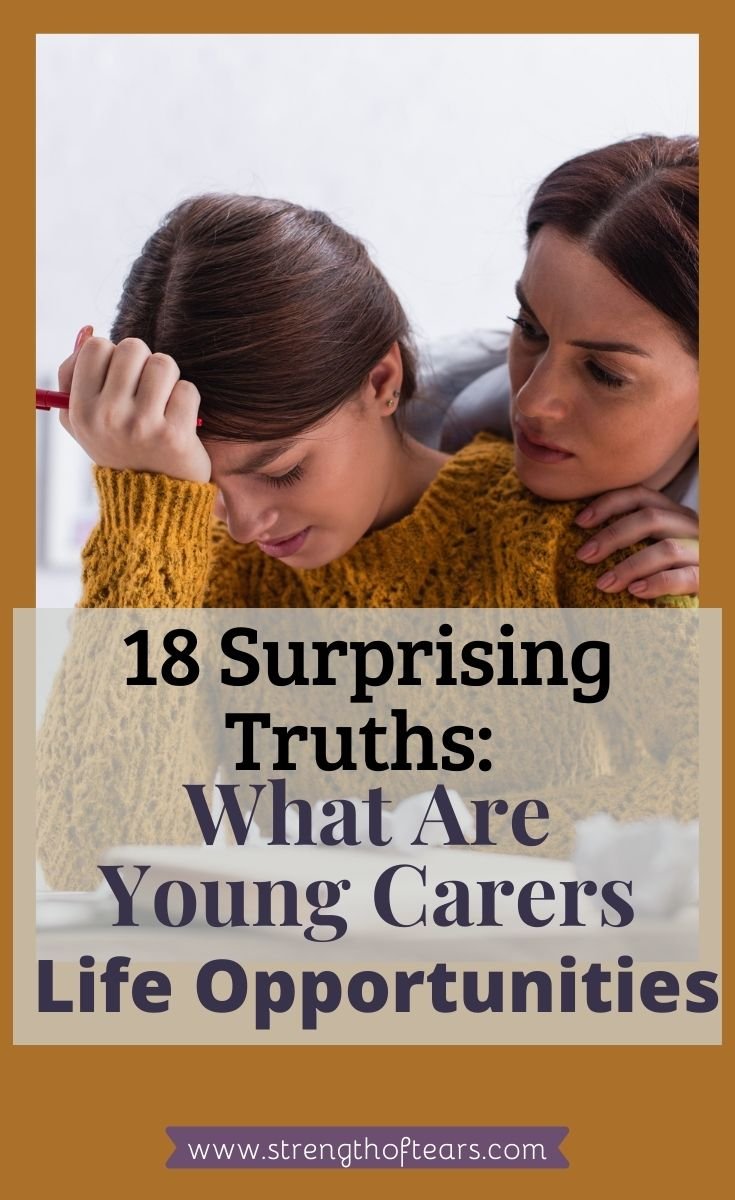
    18 Surprising Truths:

    What Are Young Carers Life Opportunities

    Young Carer’s Opportunities

    Families living with chronic illness come across many obstacles so develop new ways of working when a parent or sibling becomes ill. The complexity of each family’s situation is unique but I believe every family can have joyful moments.

    My Eldest son turned 18 last month, so here are 18 truths based on anecdotal evidence in the chronic illness community and my boys’ views as young carers. The quotes are from my interview with my boys and are cited here as E for Eldest and Y for Youngest. 

    Young Carers are statistically likely to achieve less academically and we know they’re affected emotionally. However families of any size or make-up, that use caregiver support and focus on joyful moments, can guide young carers towards a future full of opportunities. 

    Negative acts consume our innermost thoughts and are a part of life, especially when living with pain, illness or disability. If we zoom in on the positives we create balance but we learn from both. Making time to reflect on both and set goals is one of our regular family activities.

    As a parent being cared for, teaching my boys core life skills has been rewarding for me. I believe that effective communication and problem solving are key for a young person’s vision for the future. These truths show the positive impact caring can have.

    1. Teamwork – share chores to support the main adult carer and recognise your contribution. Develop a culture of gratitude and appreciation, where everyone feels listened to. 

    2. Connections – Prioritise and enjoy time with loved ones, making the most of every day. Create feel-good moments, joy and laughter for the whole family. 

    3. Communication – establish honesty so you can really listen to and work with each other to avoid conflict. “To talk about it openly to both Mum and Dad has helped my wellbeing.” (E)

    4. Empathy – Encourage others by being caring, supportive,  kind and compassionate. Be aware of other’s pain and know you can help them.

    5. Resilience – the ability to recover from setbacks and cope with difficult conditions. Young carers become very capable at coping with experiences that most young people wouldn’t. 

    6. Boundaries – know your limits and what behaviour you will accept. Know when to ask for help and what your roles are. “I was confident in Daddy’s ability to look after Mummy.” (Y)

    7. Self awareness – know the skills you have and the tools you need to help you cope in any situation. Know what triggers negative responses so you can switch to positive self-talk.

    8. Make connections – recognise behaviour patterns to pre-empt when to step in and offer more support. Be aware of accessibility by assessing adaptations, how noisy it is etc.

    9. Self control – regulate your emotions and choose what you want to happen and where to be. Learn to stand up for yourself and how to remain calm when angry or anxious etc. 

    10. Problem solving – make informed decisions alone or together and see it’s okay to make mistakes. Identify how to help someone who’s scared, confused, worried or panicking. 

    11. Perspective – appreciate others by learning not to judge and think how someone feels in any situation. “We’re more aware of other’s differences so we don’t discriminate.” (Y)

    12. Socialising- make time to see friends so you have a break from caring. Know who to talk to about different situations. 

    13. Self esteem – know your worth, be proud of your  achievements and recognise your value. “I’m proud of how I deal with Mummy’s illness and how mature I am.” (Y)

    14. Critical thinking – learn new skills and how to use them. Think creatively about your response to new or difficult situations. 

    15. Focus – know routines, feel secure and be willing to learn new things to understand the world around you. Learn to handle distractions so you can thrive.

    16. Adaptability – learn to cope when plans change “We go and see Mummy if she’s too ill to come downstairs.” (Y)

    17. Self reflection – think about the choices you made and how you responded to situations – “I have to be more responsible. I can’t just sit back, I have to help.” (E)

    18. Goal setting – use self reflection to recognise the skills you want to develop. Consider the steps you need to take, the help you’ll need and have a timeframe. Choose a reward, it doesn’t have to cost anything e.g. do something new.

    In conclusion…

    All children caring for a relative face restricted lives and most will suffer academically. The difficulties one family faces will be vastly different to another, so I’ve used anecdotes to represent this. I’m mostly sharing my boys’ personal narrative and our family’s truth.

    We’ve always included the boy’s feelings and viewpoints in decisions we’ve made about living with chronic illness. As they’ve grown older they’ve expressed themselves clearly due to the strategies we put in place. Working as a team, we remove isolation as we follow our path.

    As a family we continue to reflect and adapt as we reinforce positives and learn from the negatives. It’s vital for anyone living with someone who needs care, to listen to each other and be patient. In time you’ll see your children grow around the idea of pain, illness or disability. 

    “The two things you absolutely need to be a carer are compassion and a sense of humour.”

    — Sam – My paid carer

    All children want to help so if you live with someone needing care they will support them. It’s essential that they feel appreciated and part of the team. Your family deserves the positive impact of caring so utilise the help that’s out there for your child’s life opportunities, like these.

    Visit Carers Trust here.

    Visit Carers UK here.

    Visit Action For Children here.

    Visit Young Minds here.

    And please help raise awareness on Young Carers Action Day on the 16th March 2022. See the resources here.

    Because mental and emotional well-being are crucial to a young carers success, I want to share this free wellness planner I’ve created to help you prioritise for better life balance too. This is also a taster of the the Thrive Not Just Survive Journal, for mums with invisible illnesses coming out soon. Simply click on this link to sign up for your free copy. Please feel free to ask me any questions you have about using this resource.


    ✋ Hey there! I hope you’re feeling stronger now. If so, sharing the love will help me help other mums with chronic invisible illnesses.⬇  Hit one of those sharing buttons or save these images to Pinterest and I will do a bed-bound happy dance – there’s an image for you!
    #block-yui_3_17_2_1_1647359695975_63406 .sqs-gallery-block-grid .sqs-gallery-design-grid { margin-right: -20px; }
    #block-yui_3_17_2_1_1647359695975_63406 .sqs-gallery-block-grid .sqs-gallery-design-grid-slide .margin-wrapper { margin-right: 20px; margin-bottom: 20px; }

  • A Powerful Exclusive: A Carers Mental Health Exposed

    A Powerful Exclusive: A Carers Mental Health Exposed

    A Powerful Exclusive: A Carers Mental Health Exposed

    A Powerful Exclusive: A Carers Mental Health ExposedCarers Rights Day is a day for making Carers aware of their rights, where they can get help and support, as well as raising awareness of the impact caring has. The theme for Carers Rights Day 2020 …

    An Introduction To Lesley’s Interview

    Carers Rights Day 2020 is on Thursday 26 November. It’s an important way to ensure Carers are aware of their rights, where they can get help and support, as well as raising awareness of the impact caring has. The theme for Carers Rights Day 2020 is ‘Know Your Rights’. Read more about it by clicking here.

    This year I wanted to raise awareness of Carers mental health by talking directly to a Carer other than my husband. It’s important that I do this for myself to understand the impact caring has, so that I can bring a more objective viewpoint for my readers. 

    Lesley offered to be interviewed about the stress she experiences as a Carer. She’s always shown me kindness and empathy so I was interested to see how she coped with being a Carer, and share her viewpoint in this exclusive interview. 

    Lesley, who lives in Preston, is mum to Maddie (15) and Xander (11). She is a Carer to her husband Jerry, who is mainly affected by chronic osteoarthritis. After a work incident 2 years ago, Jerry had to stop work and their lives changed completely. 

    Lesley now runs her business, Digital Fixers, from home with her work-wife, Nic. They help small businesses grow using digital platforms, which is how we met. Read Lesley’s Blogs for Digital Fixers here, where she talks in more detail about how they support small businesses with Websites, SEO and Digital Growth.

    This blog will share: 

    • Information about Carers Rights Day

    • The Interview

    • Why It’s An Important Time To Spotlight Carers Mental Health

    • How You Can Help Raise Awareness And Donate To Support Carers

    _Disclaimer this blog post contains affiliate links and any purchases made through such links will result in a small reward for me and my crafting habits. Oh and there’s some free recommendations too, Im nice like th - Edited (1).JPG

    About Carers Rights Day

    Carers Rights Day is a specific campaign that Carers UK runs annually to help make life better for Carers. They “believe that it’s important that you understand your rights and are able to access the support that is available to you as soon as you need it.” This is vital for a Carers mental health, even if they don’t feel they need it now. 

    When my husband Joel first started caring for me, it was on top of his full time job, being a dad, doing all of my jobs and dealing with all my medical appointments. I recognised this, although my brain condition was so bad I couldn’t see the full extent of the stress it put on him. 

    We had no idea of the support available for a Carer’s mental health but I spoke to my GP to see what help was available and we were lucky enough to get funding for a part time Carer. This relieved some of the stress Joel was under. Read more in this blog about my story and how caring affected Joel and my boys.

    In both mine and Lesley’s families, the Carers are providing care for their partner. A recent survey found that four out of five Carers care for a relative. This makes the campaign even more important so Carers know how to stand up for their rights if they’re not being met. 

    It’s been equally fascinating and devastating to read Lesley’s exclusive interview and find out about her background, the circumstances that led to her becoming a Carer, and how it’s changed the lives of her entire family. 

    An Interview with Lesley from Digital Fixers for Carers Rights Day 2020.jpg

    The Interview

    Tell me a little about you

    I was born in Edinburgh but moved around England after moving to Milton Keynes as an 11-year-old, before moving to Preston with Jerry at 31 years old. I spend a lot of time online, both for business and socialising and my guilty pleasure is true crime podcasts.  

    How did you meet your husband and how did you get married? 

    Jerry and I met when I was 30 and he was 31, so quite late really.  His ex was my workmate who tried to set us up, then we met at a work’s do. A week later we ran into each other in a pub in Shepherds Bush and moved in with each other the next day.   

    We were never going to get married, aiming to be the non-conformists who lived together forever.  When Maddie was 2, Jerry had a mad moment and proposed! I said yes but wasn’t sure I’d made the right decision – we were OK, why change it! But then we went to find his decree nisi and they couldn’t find it. 

    I suddenly realised how much I did want to marry him!  So, we waited a couple of hours while they searched, and they found it. It had been misfiled. We’d also set out a very fine timeline with 5 weeks until we had a weekend away booked, with Maddie staying with my in-laws for the weekend.  

    What are your husband’s illnesses? 

    Jerry’s first illness was a Hiatus Hernia that took 2 years to diagnose. By the time he had the operation he was so ill, physically and mentally, it took 6 months for him to recover to a point where he could work again. Xander was a baby so he hadn’t really had a great deal of quality time with his dad.  

    About 5 years ago he had to have a shoulder replacement due to chronic osteoarthritis. The surgeon had only done it on 1 younger person – a tennis pro! He doesn’t have much mobility in it anymore, and the other one is going too.  His back hips and ankles are also bad.  

    The final straw, which almost broke the camel’s back, came two years ago. While doing a part time job, in an effort to feel like he was still contributing, Jerry was involved in an accident. An alloy wheel was spinning in a CNC lathe and it flew out and hit him on the head and chest. 

    When did you become a Carer and what do you do in your role? 

    The last two years have been when the caring has kicked in. I was working full time, doing the school stuff, cooking, DIY, and generally holding everyone together. Doing everything got too much and although it meant a reduction in income, I quit.  

    As well as Jerry and his illness, one of the kids has Dyspraxia and Hypermobility and that means hospital appointments most months. We can’t go for walks anymore, and we had to get rid of all the motorbikes, this has been the hardest part for Jerry.

    What is an average day like for you? 

    I get the kids up and get them to school. When I’m back I try to cram an hour of work in before I wake Jerry with his tablets.  He used to take them himself, but started forgetting and if he doesn’t take them on time, he gets very groggy very quickly, but doesn’t realise why!  

    I try to spend some time each day chatting as I know he gets lonely but it’s hard as I’m busy. Some days he comes downstairs for lunch, so we can spend time together but he mostly stays upstairs as he can’t keep going up and downstairs. When the kids get in from school he’ll come down again, sometimes waiting until dinner time.  

    He wants to try and do things he used to, like car jobs and DIY. But he can’t, so finds it frustrating, and I can’t do a lot of them. We end up trying to do them together, which can cause hilarity, or arguments, in equal measure. Afterwards he has to sleep and is in pain for 2-3 days so it makes me wonder if it was worth it? 

    How has being a Carer changed you? 

    I’ve always been the caregiver. I hadn’t planned to have to take such a big role on so soon after finishing caring for babies, but it is what it is. I’d like to say it has made me more patient, but it hasn’t; I just bite my tongue more when he is trying to do something I could do quicker! 

    A Carer’s mental health can be affected by these changes, how are you? 

    I find it hard caring for the person I assumed would care for me equally. 

    Have you been given support in any way as a Carer and are you aware of your rights and how to get help? 

    I’m not sure I qualify for much in the way of financial support. We’re still fighting to get more than basic PIP (Personal Independence Payment). I’m lucky to have friends that I can talk to and support me, as that’s what I need the most.

    What things do you need to make your life easier and help with your Carer’s mental health? 

    It’s not even something I think about! What would help me most would be Jerry being in less pain but I’m not sure that’s something we can do. 

    My caregiver mantra is to remember: The only control you have is over the changes you choose to make.

    — Nancy L. Kriseman,

    I recently suggested discussing hip surgery with the doctor now that he’s a bit older, but he admitted that he fears the surgery. Unfortunately it took him a while to recover from his second surgery. As both major surgeries have had such a devastating effect, he really doesn’t want to have more. 

    What’s been the biggest change in your life since you became a Carer? 

    Everything has changed.  We ran a business for 15 years, but we lost it and then lost the house. We were very lucky to get a brand-new housing association house. But a depression set in over Jerry as he blames himself.  

    We used to go for walks daily, and often went to the Lake District for long weekends.  We also went to Motorsports events on a regular basis, but that involved camping, or at the very least a day of being on your feet. 

    It’s hard on the kids too. Xander can’t remember his dad being well and as the gaming computer is in our room, he can only game when Jerry’s up. Maddie sees a counsellor at school, which has really helped. She’s talking more to me about it, but I can’t change it. I can’t give them back the life we had, and that is the hardest thing.

    How does your business and your role as a Carer affect your working life? 

    I run Digital Fixers, with my great friend Nic, from home. We help small businesses who often have to change plans and ideas at the last minute, which I can totally sympathise with! To find out more about what Digital Fixers do, click here to check out their website.

    I don’t feel too much pressure to get things done now, so what works for me is doing a bit of work, caring for Jerry, or doing house stuff, more work, sorting the kids and dinner, then doing more work. Some days nothing tangible has been done work wise at the end of the day. I have to learn to live with that and hope the next day is better.

    Regarding Carers mental health, how do you cope with the stress?

    I just do, I don’t know how sometimes. I think you don’t know how strong you are until the shit shizz actually hits the fan, and then most people find they’re stronger than they ever thought they could be. I’m a problem solver, so I find it difficult when it’s a problem I can’t solve.

    You Are Stronger Than You Know' Tag Necklace.jpeg

    ‘You Are Stronger Than You Know’ Tag Necklace

    You never know how strong you are until being strong is your only choice.

    — Bob Marley

    Does being a Carer affect your relationships? 

    I believe a couple’s relationship changes throughout their life, and you have to grow and change to survive. We’ve switched roles back and forward over the years as to who is the stronger and who needs support.  This feels more permanent though. 

    My parents live in Spain but we can’t get out to see them very often. The last time I went I was on my own, just 2 weeks after Jerry’s head injury accident, so I worried a lot when I was away. The kids are great and help a lot but I feel bad that they have to do that.  

    Most friends are online these days, especially since the kids started high school. We talk daily in WhatsApp groups and I have a couple of friends I meet for actual coffee (before lockdown).  Sometimes I feel I do nothing but moan to some friends, but they moan to me about their problems. We all need someone we can vent to!

    How do you find other people react to you having a chronically ill husband? 

    Hmmm! I’m not sure this is even something I think about. My friends are supportive but if they weren’t they wouldn’t really be friends! I have people I call if I can’t get out and need something, others if I can’t do the school run. If I need help I ask, people feel good helping others. Once I learned that, I was more open to asking for help. 

    Is there anything that you wish you’d known when you first became a Carer and do you know your rights?

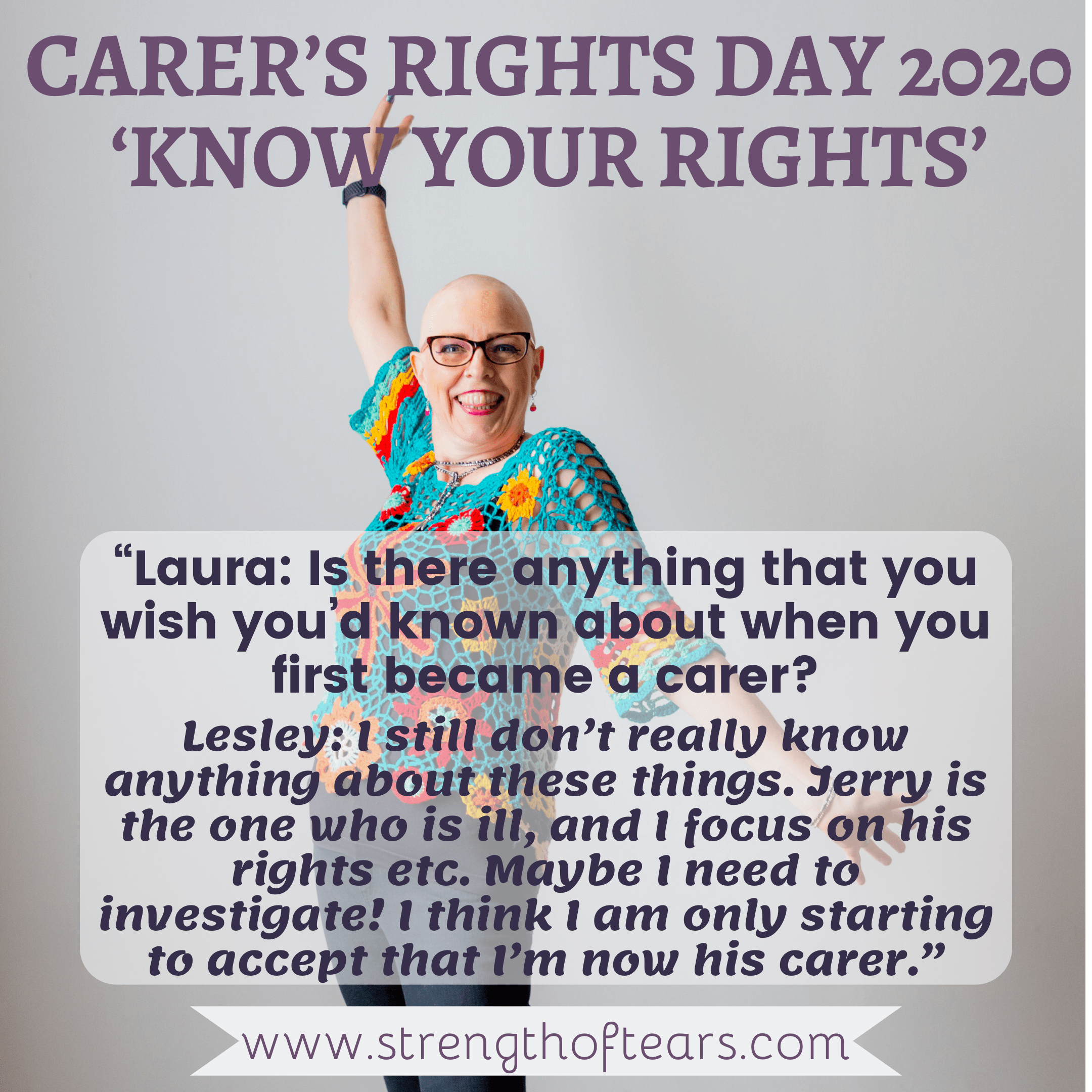
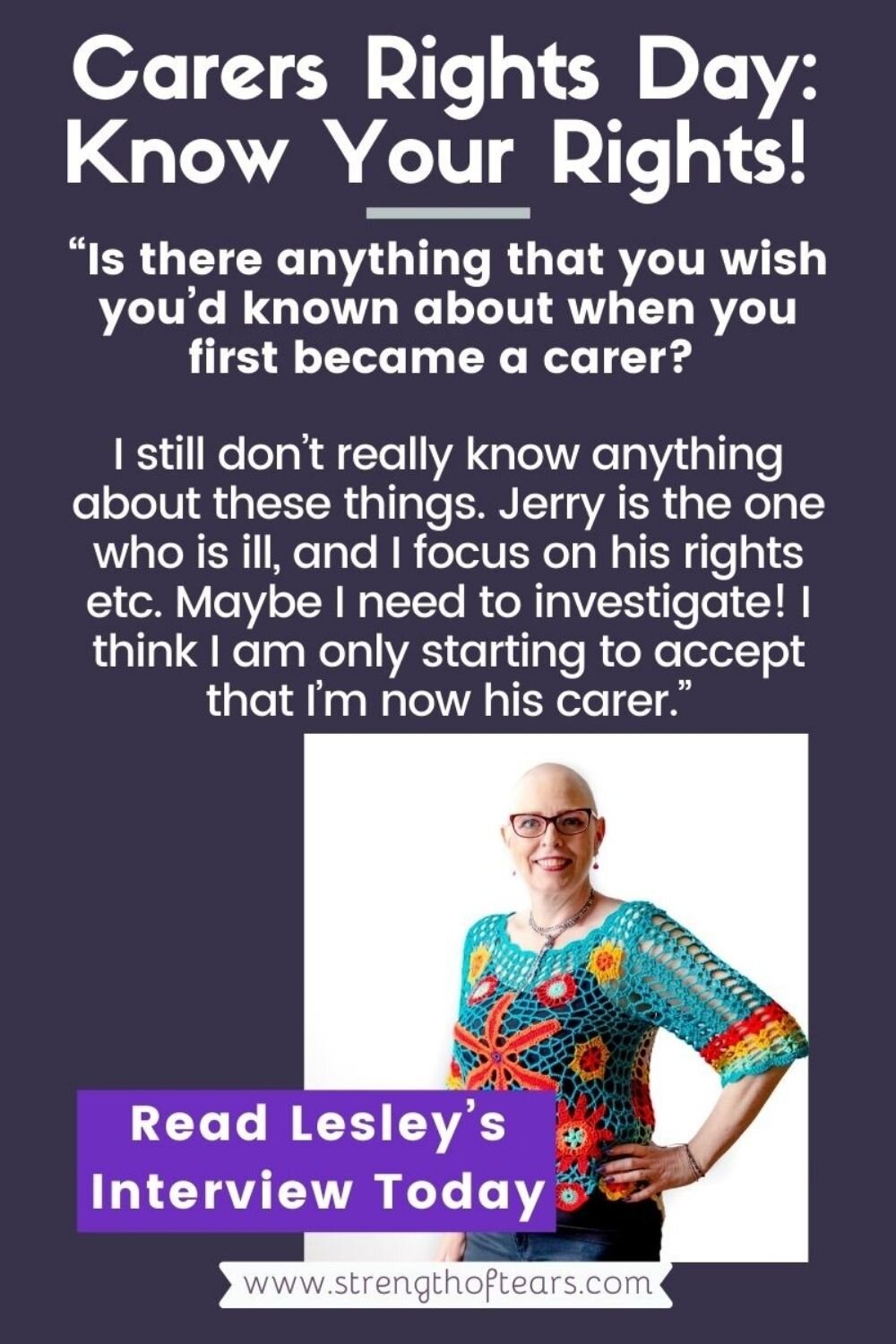
    I still don’t really know anything about these things. Jerry is the one who is ill so I focus on his rights. Maybe I need to investigate! I think I’m only starting to accept that now I am his Carer.

    If you had a superpower what would it be and why? 

    I have a superpower – it’s holding everything together single handed! The only other superpower I would like, would be the power to fix Jerry.  

    Not All Heroes Wear Capes' Thank You Gift.jpeg

    Buy this Gift for your superhero

    Not All Heroes Wear Capes’ Thank You Gift.

    What do you want to achieve in life that you think may be difficult now you’re a Carer?

    To travel. I really hadn’t finished that.

    Is there anything else you want to say about being a Carer? 

    It sneaked up on me. I didn’t realise. Even now, I just see everything I do as a part of being his wife, so am I his Carer or his wife? 

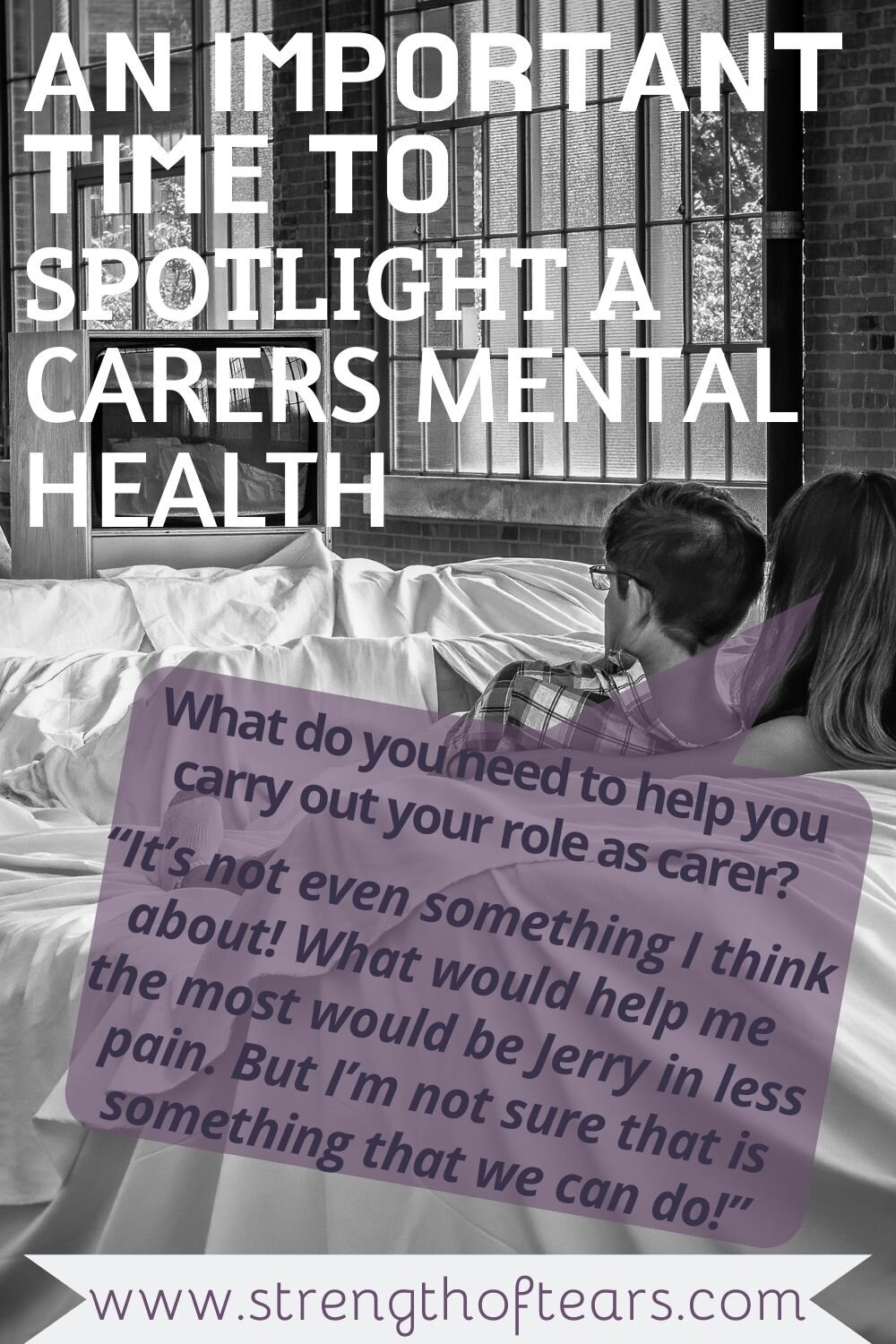
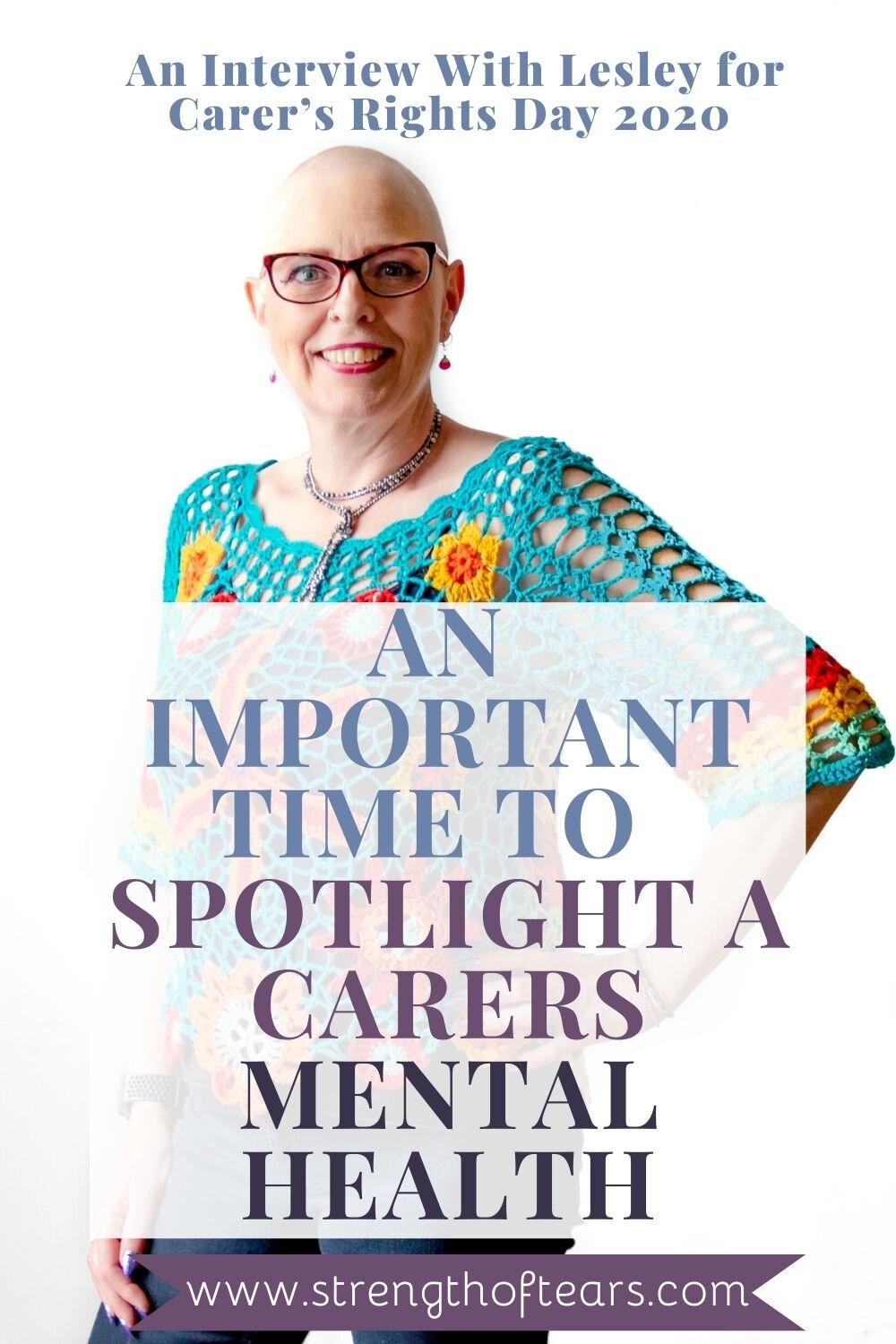
    An Important Time To Spotlight A Carers Mental Health.jpeg

    A Important Time To Spotlight A Carers Mental Health

    Lesley’s been kind enough to answer my questions about her role as a Carer. They got her thinking about some aspects of her role for the first time. After sending me her answers she went on the Carers UK website to start investigating what might be available for her. 

    Lesley has a great network of friends that make up her support system which is so important for a Carers mental health. The impact of caring for a partner within a family, can also affect the children’s mental health. Lesley’s comment about not being able to give her kids the life they had before, hit home for me. 

    However her teenage daughter is seeing a counsellor which helps her communicate her feelings, so important for her emotional well-being. Joel, myself and the boys had family therapy which gave us tools to communicate how we feel in a constructive way. To read more about emotional well-being for families, click here to read my blog.

    Caring can place a big strain on families. Carers sometimes say that friends and family disappear once caring begins. This can lead to feelings of isolation and resentment.”

    — Carers UK

    We have to recognise the strain caring can put on a relationship. When we commit to one another we think we have all the time in the world, so when a partner’s health changes and they need care, the other is never ready to take on the role. Like Lesley’s travelling plans, both partners’ lives change, which may lead to feeling bitter.

    However, many couples are brought closer and Lesley’s love for Jerry shines through this interview. I totally agree that her superpower is holding everything together, in a way that works for her family. But we all differ and Carers juggle so much, they often don’t find time for themselves. This is why a Carers mental health is so important. 

    As we head towards the end of 2020, it is more important than ever that we shine a spotlight on the support available for Carers. A recent survey found that 78% reported “the needs of the person they care for have increased during the pandemic” with worries it would worsen with further Lockdowns and restrictions.

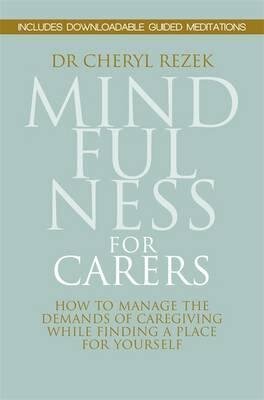
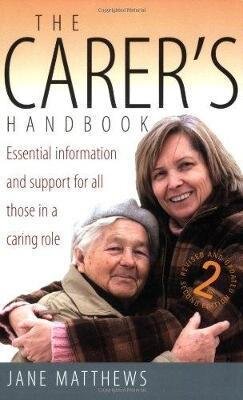
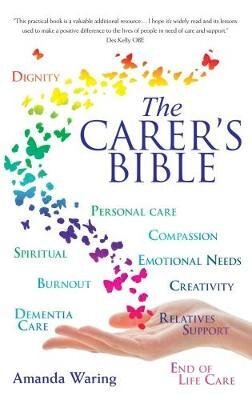
    My Recommended Reading List

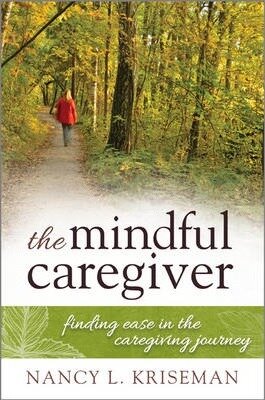
    These books are my recommendations on this topic. These books are all about a Carer’s well-being which will help any Carers mental health. Mindfulness may sound a bit woo-woo but t’s just spending some time being present. For extra ideas refer to my emotional well-being blogs to get started. I hope these help you as a carer or you can pass these ideas on to your carer, to cope with the stress of being a carer.

    #block-yui_3_17_2_1_1606249649953_43498 .sqs-gallery-block-grid .sqs-gallery-design-grid { margin-right: -20px; }
    #block-yui_3_17_2_1_1606249649953_43498 .sqs-gallery-block-grid .sqs-gallery-design-grid-slide .margin-wrapper { margin-right: 20px; margin-bottom: 20px; }

    How You Can Help Raise Awareness And Donate To Support Carers

    “This Carers Rights Day, we want to empower Carers with information and support, so they can feel confident asking for what they need.” This information to support Carers Mental Health and more, is for Carers in any setting. If you want to know more, click here to read the Carers UK guide to looking after someone.

    We would both love this blog to do even more than raise awareness so would both be very grateful if you could donate whatever you can to the charity Carers UK. To donate please click on this button and follow the instructions. Thank you so much. 

    Lesley has shared her story in the hope of raising awareness of the stress that being a Carer has on you. We would both be so grateful if you could share this blog on your social media using the links at the end of this post.  A note from the Carers UK website about how your donation can help them support Carers in the UK.

    Across the UK today 6.5 million people are carers, supporting a loved one who is older, disabled or seriously ill. That’s 1 in 8 adults who care, unpaid, for family and friends… Carers UK makes life better for carers. Caring will affect us all at some point in our lives. We’ll be here for you when that happens. With your help, we can be there for the 6,000 people who start looking after someone each day.

    How Carers UK supports carers:

    • We give expert advice, information and support.

    • We connect carers so no-one has to care alone.

    •  We campaign together for lasting change.

    • We innovate to find new ways to reach and support carers.

    To enable CARERS UK to do this please follow the instructions on their DONATE page by clicking here. 

    To help us raise awareness please share this blog on your social media with friends and use #CarersRightsDay. To help us raise money for Carers UK on Facebook please add the donate button and choose Carers UK when you share this post.

    Stay safe,

    Laura 💜

    P.S

    If you care for someone and find it hard to prioritise your own needs, I can help you create better well-being strategies using my free well-being plan. This will help prioritise your own needs, such as better sleep patterns, self care or doing the things you love. Or if you want to get on a waiting list for updates on my first ever well-being journal, please sign up to my Strong Mums mailing list here.

    #block-4d8af7fb6b72bf879948 .sqs-gallery-block-grid .sqs-gallery-design-grid { margin-right: -20px; }
    #block-4d8af7fb6b72bf879948 .sqs-gallery-block-grid .sqs-gallery-design-grid-slide .margin-wrapper { margin-right: 20px; margin-bottom: 20px; }

    ✋ Hey there! I hope you’re feeling stronger now. If so, sharing the love will help me help other mums with mental health and/or chronic invisible illnesses and those who care for them.⬇ Hit one of those sharing buttons or save the images to Pinterest and I will do a bed-bound happy dance – there’s an image for you.