
Tag: caring for a partner

  • 6 Reasons To Be Grateful For My Amazing PA This Good Care Month

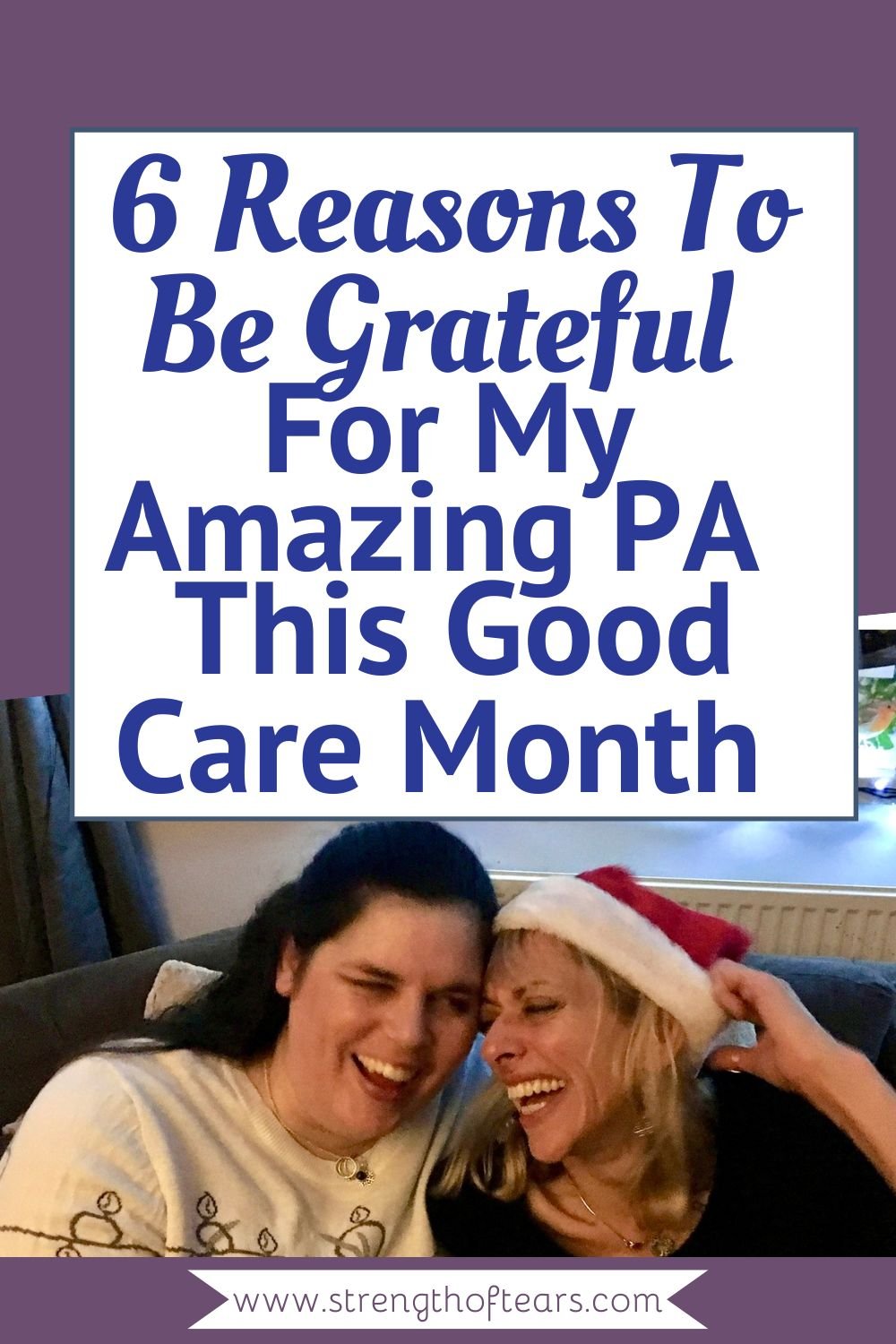
    6 Reasons To Be Grateful For My Amazing PA This Good Care Month

    How Will The New Guidelines Affect People With Chronic Pain In The UK

    The NICE guidelines for managing chronic pain in the UK only recommend CBT; ACT; antidepressants; Acupuncture and exercise programmes. Pain relief is no longer recommended, although changes should be managed with the patient. Instead we’re losing quality of life because the guidelines for the chronic pain treatment UK is unclear. 

    6 Reasons To Be Grateful For My Amazing PA This Good Care Month

    Every July Hertfordshire Care Providers Association (HCPA) raises awareness of the caring profession in the UK, hoping to boost recruitment, thank those in social care and break some of the stigma attached to caring. Read about it here.

    During Good Care Month those who are cared for and caregivers share their stories. I want to illuminate Carer’s skills and qualities when working with vulnerable adults. Having a government assisted Carer has changed my family’s lives as it gives everyone a break from the harsh reality of life with a disabling condition.

    Unpaid care is becoming more common with the pressures on the care sector but social care can change lives for everyone, including unpaid carers already in place. This blog is a look at being an unpaid Carer from the perspective of a friend who cares for her husband.

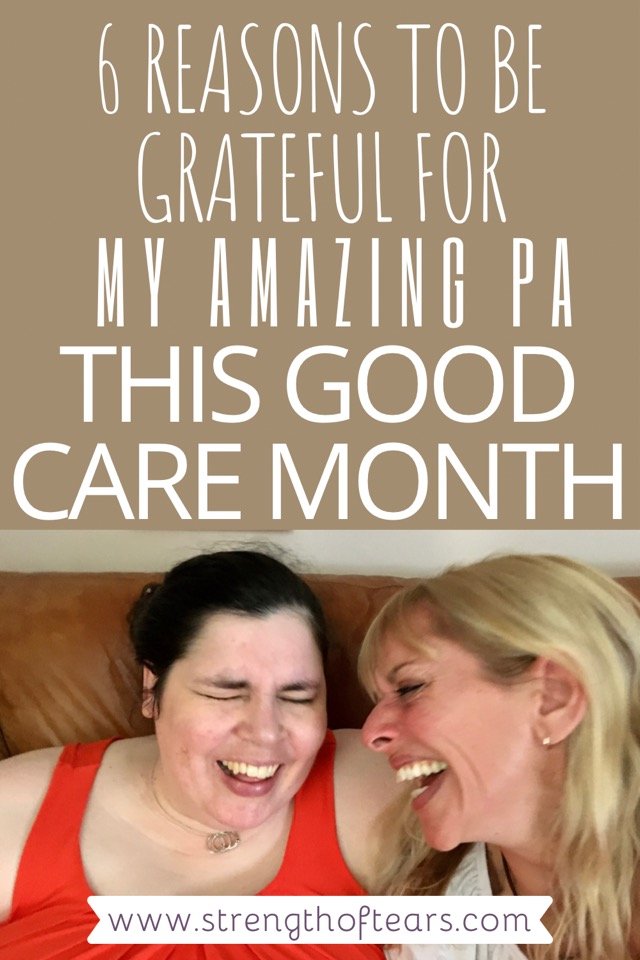
    This blog is mainly a thank you letter to my amazing personal assistant (PA) or Carer, Sam. I share the reasons I’m grateful for her in my examples of the 6 Carer’s skills I see as a gift. My aim is for other Mums to feel that having a Carer isn’t giving in or not an option for them. 

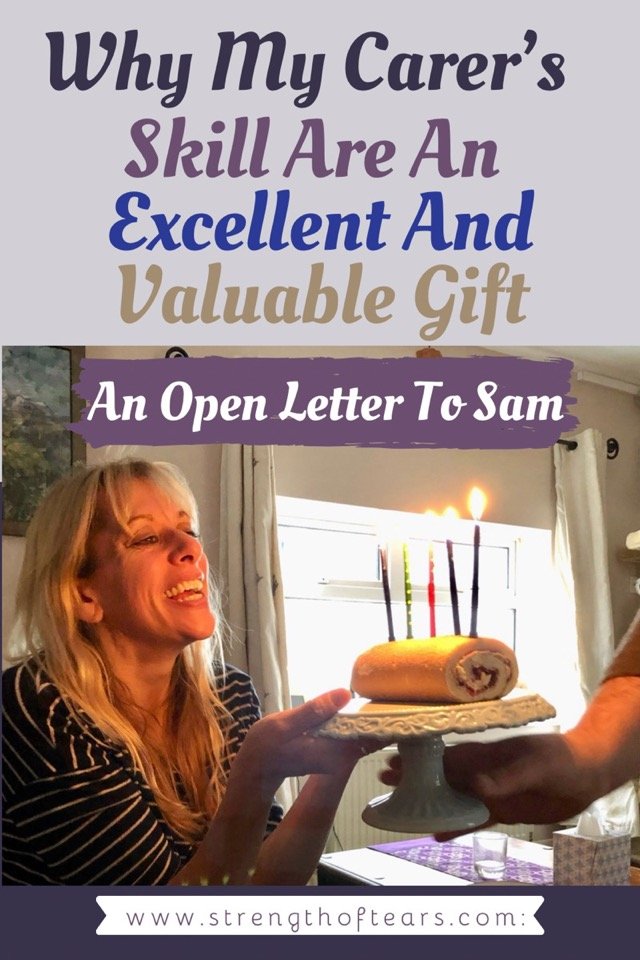
    This open letter will surprise Sam but I want to shout from the rooftops about how she supports me and my family and recognise how grateful I am personally for how she employs her expertise to give me the support and friendship I need as a younger adult client. 

    The guidelines are written for patient care by a committee of healthcare professionals. I’ll break down the guidelines and share how they affect patient’s quality of life from the perspective of medical professionals and those in the chronic illness community

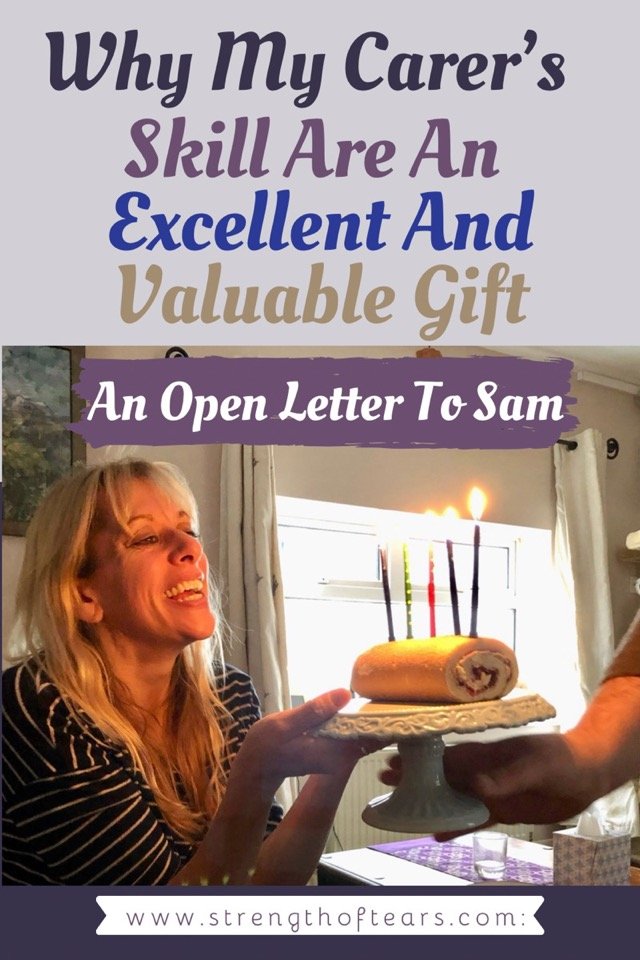
    Why My Carer’s Skills Are An Excellent And Valuable Gift
    The latest NICE guidelines recommend group based exercise, psychological therapies (ACT or CBT), antidepressants and acupuncture. Pain killers are no longer recommended for managing chronic primary pain.

    Dear Sam,

    As the author Amy Leigh Mercree once said “Kindness can transform someone’s dark moment with a blaze of light. You’ll never know how much your caring matters.” These words are so important for you, and every dedicated caregiver, to hear from the person you care for. 

    How often do the people you aid get the chance to tell you exactly how valuable you are to them? I’ve needed care for nearly 8 years, due to a rare and debilitating brain disease. I feel privileged to have the support of a professional Carer and feel incredibly lucky that that person, for the last 5 years, has been you. 

    I learnt of Good Care Month this year. As I feel strongly about shining a light on what Carers do, so when I saw a suggestion to write a thank you note to your Carer, I knew I had to write an open letter. This is my way of raising awareness of Carers skills and worth.

    Accepting you need help as a 37 year old Mum with chronic illness is tough. There are many stigmas around social care and caregivers but those linked to care for those in the 18-64 age group, stand out to me. There’s an even stronger barrier for me as a Disabled Mum. 

    One reason for this is that younger adults are more likely to receive local authority assistance for learning disabilities and mental health issues than physical disabilities. This means that most Carers who’ve worked with me haven’t really known how to engage with me or my family or I’d feel them pitying me. 

    I love that you’ve never done this Sam, you simply treat me like an equal. What you do for me and my family means so much more than I can write. However, some things are just between me and you, and can’t be shared in an open letter. So let’s just say that what I love most about you is our shared filthy sense of humour! 

    This Good Care Month, I’m sharing just 6 of the reasons that make me value you as my Carer:

    1. Building Strong Relationships

      As parents, it means so much that you’ve taken the time to build strong connections with us all, especially our boys. We all feel we can be ourselves and the boys don’t feel like there’s a stranger in their home and safe space. Feeling we can be ourselves is a gift. 

      You’ve thrown yourself into being a part of the team, realising that this is our way of having some control. We take pride in working together and as we prioritise listening to each other and solving problems together, you prioritise this too. Sam, you’re part of our family because, honestly, you’re as much of a weirdo as we are. 

      For others caring for adults under 65, please take the time to look at the family as a whole. One of the most valuable Carer’s skills is to build good relationships. If you’re coming into the family’s space make sure everyone feels comfortable when you’re there. 

    2. Helping With The Little Things

      By taking care of my needs you help me stay organised so I manage to stay on top of things. The small things you do for me matter, such as, getting my clothes out, ensuring I have enough water and helping me get dressed. This allows me to save my energy to use elsewhere. 

      You making lunch for me is the difference between me being able to write or needing rest on my better days. I can be Mum AND focus on my goals when I have energy, which is why this matters. I can’t imagine trying to keep everything straight without your help, although your clumsiness is an add-on I’m not sure I asked for – teehee! 

      Some skills are just a part of the job but this Good Care Month is the perfect time to recognise just how crucial doing the little things are for those of us with chronic illnesses and disabilities. Creating a routine is pivotal so that we don’t have to ask you, which takes energy itself. 

    3. Having Emotional Support

      Sam, you’re a huge support during tough times, whether I’m feeling low, having a pain flare or just need someone to talk to, I know you’re there for me. You’re switched on to how I am when you walk into the room; a rare gift that only those closest to me have. Being aware of this calms me as much as your excellent cuddles do. 

      We’re so lucky to have found the right fit with you, it hasn’t always been this easy. Knowing you’ll make sure I’m taking care of myself takes some of the pressure off of Joel. This just makes me value you more and so you’ve become like a sister to me. 

      Being emotionally supportive is one of the most vital Carer’s skills. As a sick and Disabled Mum, there’s always something to worry about and being ill is exhausting. Being aware that communication with a Carer will be easy helps every family member’s mental health.  

    4. Lending A Hand

      You’re always willing to get stuck in Sam, be it normal jobs around the house or the odd jobs that come up. Being mindful of this helps me take care of myself. I love sending a recipe and being sure you’ll prepare or cook dinner as my proxy, giving Joel one less job.

      However, it’s even more important to notice the things you do for us if Joel has a meeting or is away on business, like cleaning up after the cats, picking the boys up from school or taking me to appointments. Of all these Carer’s skills, this has the biggest impact on family life. 

      In Good Care Month it’s important to appreciate the smaller things as these often just happen. If someone has become part of the family, there’s often an open offer to grab essentials or check in when off duty. As long as boundaries aren’t crossed then this is a real gift. 

    5. Creating More Life Balance

      Sam, you help me create more balance in my life, both emotionally and getting the balance between work, goals and rest. For me, being certain that my family has less chores helps me feel less of a burden, supporting my mental health. It also gives my family more balance. 

      You help me keep a positive attitude by making me laugh, even if it’s you being daft. Yes this hurts when I’m in pain but it’s what I need. If you’re having a bad day you still make sure we giggle at something. Having you around is a tonic and we appreciate you more than you know. 

      A Carer’s skills at bringing more opportunities for life balance into the life of the person they’re caring for is incredible and important to mention in this Good Care Month blog. This is an unexpected outcome for the whole family, especially when things are tough.

    6. Supporting Goals and Dreams

    Sam, you take on board my goals and future vision when I’m speaking to you about unrelated things or even thinking out loud. You know my goals, such as building up my social life, and you’ve seen the frustration I feel when my illness holds me back. 

    This year my social worker helped me get back to swimming again regularly but I can only do that with your support. I look forward to our swim sessions, being confident you’ll keep me safe. To top this all off, you’re an amazing friend and I can’t imagine going through life without you by my side.

    This isn’t something you naturally consider when hiring a PA, but it makes such a difference to my life that I have to mention it. Be it having help with planning a rare trip out, holiday packing or talk of things you dream of or aspire to, a Carer can help you achieve. 

    Beyond these 6 Carer’s skills I want to thank you for the extra gifts you bring that are personal to us, Sam. You listen when I wander down my Wonderland rabbit hole chats, aware that my brain has to get from a to b, even if there’s a long detour. I appreciate your patience. 

    Thank you for driving more slowly when I’m in your car. I know you find it hard because you let me know every 10 minutes of the journey! I’m grateful for the effort you go to (and the panic that follows) when I’m nauseous and ask for something to eat you’ve never made.


    I wish I’d known 8 years ago what I know now. I felt I wasn’t sick enough for support and didn’t know what skills or qualities I needed to look for. Some Carers haven’t been right for us but thankfully you fitted in immediately and it’s a gift that we found you when we did. 

    My aim for this letter is to show how, when these 6 Carer’s skills are used well, a Carer is an invaluable resource. I hope PAs and Carers consider how to develop these in their own practice and that we break the stigma that Carers are only for ‘old people’.

    This Good Care Month, I also want to acknowledge those who could receive care. Your concerns about having a PA as a Mum are valid but know that excellent Carers are out there for us. I now see care as an opportunity to have someone help me be a more engaged Mum. 

    Looking back at the quote I shared at the beginning of this letter, I hope you can all see that having the right support matters. Sam, your kindness does allow light into some of my darkest moments and this means more to me and my family than you’ll ever truly comprehend. 

    I want you to know you’re a vital and valuable member of our team. Thank you Sam for all you do for me, Joel and the boys.

    Yours, Laura 💜💜

    In Conclusion…

    Good Care Month aims to raise the profile of the social care sector and promote career opportunities. It’s important because it’s a chance to give Carers the recognition they deserve. It takes a special kind of person to work in social care with these Carer’s skills. 

    The core qualities a Carer needs are passion, courage, dedication and compassion. One day it could be you needing care or caring for a loved one, so I want to make it clear that caring isn’t just wiping arses. However you may find yourself in strange situations, so a sense of humour is the quality I rank highest.

    Unpaid Carers are another topic but I want to mention it as the 2 hours of support I get each weekday from the local authority gives respite for Joel and my sons. They can take a break without any guilt and Joel feels assured as he knows I’m not alone and isolated. 

    My children have become young Carers and it’s fascinating to hear their perspective, which you can read in this blog I wrote recently. They’ve developed compassion and empathy, which are skills for life, and the way we communicate as a family has evolved greatly.As a family we’re found that the root of good care is in building strong relationships and working as a team so everything else falls into place. I hope I’ve shown that having a paid PA or Carer as a young Mum is worth it, if you take time to find the right fit for you. 

    There are so many Carer’s skills that I haven’t highlighted here but at the core is the ability to listen as everything is built around the needs of that person in their specific situation. Sometimes a Carer is faced with difficult decisions and this deserves our praise and respect. What is key is that the Carer works with us on our goals and priorities.

    If you would like some support with planning your wellbeing priorities please download my free guide to setting achievable goals that you can work on with your Carer.

    “As #GoodCareMonth comes to a close, it is important to recognise the silent care and compassion given every day in households, care homes, hospitals, hospices, and schools up and down the UK.” Read about what is happening in social care right now here.

    — Unknown (see link below)

    Read more in this Good Care Month Article by UK Community Foundations

    Carers deserve our appreciation everyday, however, I’m glad to have had this opportunity to show my appreciation for Sam. Learn more about Good Care Month here and find out how to get involved yourselves, I hope these photos show how much joy can be found by having a Carer.

    Best Wishes to you all,

    Laura 💜
    #block-6d92efcbcbe02759f200 .sqs-gallery-block-grid .sqs-gallery-design-grid { margin-right: -20px; }
    #block-6d92efcbcbe02759f200 .sqs-gallery-block-grid .sqs-gallery-design-grid-slide .margin-wrapper { margin-right: 20px; margin-bottom: 20px; }

    ✋ Hey there! I hope you’re feeling stronger now. If so, sharing the love will help me help other mums with chronic invisible illnesses.⬆️  Hit one of those sharing buttons or save these images to Pinterest and I will do a bed-bound happy dance – there’s an image for you!

    P.S. if you’re a Carer or looking to hire a paid Carer or are given the opportunity to do so by your social worker, find out what you need to know with these resources: 

    Are You A Carer – www.england.nhs.uk/commissioning/comm-carers/carers

    Carer’s UK – www.carersuk.org

    Carers Trust – carers.org

    Support for Carers – www.nhs.uk/conditions/social-care-and-support-guide/support-and-benefits-for-carers

    Young Carers – carers.org/about-caring/about-young-carers

    Carers Mental Health www.northtynesideCarers.org.uk/looking-after-your-wellbeing-as-a-Carer
  • A Powerful Exclusive: A Carers Mental Health Exposed

    A Powerful Exclusive: A Carers Mental Health Exposed

    A Powerful Exclusive: A Carers Mental Health Exposed

    A Powerful Exclusive: A Carers Mental Health ExposedCarers Rights Day is a day for making Carers aware of their rights, where they can get help and support, as well as raising awareness of the impact caring has. The theme for Carers Rights Day 2020 …

    An Introduction To Lesley’s Interview

    Carers Rights Day 2020 is on Thursday 26 November. It’s an important way to ensure Carers are aware of their rights, where they can get help and support, as well as raising awareness of the impact caring has. The theme for Carers Rights Day 2020 is ‘Know Your Rights’. Read more about it by clicking here.

    This year I wanted to raise awareness of Carers mental health by talking directly to a Carer other than my husband. It’s important that I do this for myself to understand the impact caring has, so that I can bring a more objective viewpoint for my readers. 

    Lesley offered to be interviewed about the stress she experiences as a Carer. She’s always shown me kindness and empathy so I was interested to see how she coped with being a Carer, and share her viewpoint in this exclusive interview. 

    Lesley, who lives in Preston, is mum to Maddie (15) and Xander (11). She is a Carer to her husband Jerry, who is mainly affected by chronic osteoarthritis. After a work incident 2 years ago, Jerry had to stop work and their lives changed completely. 

    Lesley now runs her business, Digital Fixers, from home with her work-wife, Nic. They help small businesses grow using digital platforms, which is how we met. Read Lesley’s Blogs for Digital Fixers here, where she talks in more detail about how they support small businesses with Websites, SEO and Digital Growth.

    This blog will share: 

    • Information about Carers Rights Day

    • The Interview

    • Why It’s An Important Time To Spotlight Carers Mental Health

    • How You Can Help Raise Awareness And Donate To Support Carers

    _Disclaimer this blog post contains affiliate links and any purchases made through such links will result in a small reward for me and my crafting habits. Oh and there’s some free recommendations too, Im nice like th - Edited (1).JPG

    About Carers Rights Day

    Carers Rights Day is a specific campaign that Carers UK runs annually to help make life better for Carers. They “believe that it’s important that you understand your rights and are able to access the support that is available to you as soon as you need it.” This is vital for a Carers mental health, even if they don’t feel they need it now. 

    When my husband Joel first started caring for me, it was on top of his full time job, being a dad, doing all of my jobs and dealing with all my medical appointments. I recognised this, although my brain condition was so bad I couldn’t see the full extent of the stress it put on him. 

    We had no idea of the support available for a Carer’s mental health but I spoke to my GP to see what help was available and we were lucky enough to get funding for a part time Carer. This relieved some of the stress Joel was under. Read more in this blog about my story and how caring affected Joel and my boys.

    In both mine and Lesley’s families, the Carers are providing care for their partner. A recent survey found that four out of five Carers care for a relative. This makes the campaign even more important so Carers know how to stand up for their rights if they’re not being met. 

    It’s been equally fascinating and devastating to read Lesley’s exclusive interview and find out about her background, the circumstances that led to her becoming a Carer, and how it’s changed the lives of her entire family. 

    An Interview with Lesley from Digital Fixers for Carers Rights Day 2020.jpg

    The Interview

    Tell me a little about you

    I was born in Edinburgh but moved around England after moving to Milton Keynes as an 11-year-old, before moving to Preston with Jerry at 31 years old. I spend a lot of time online, both for business and socialising and my guilty pleasure is true crime podcasts.  

    How did you meet your husband and how did you get married? 

    Jerry and I met when I was 30 and he was 31, so quite late really.  His ex was my workmate who tried to set us up, then we met at a work’s do. A week later we ran into each other in a pub in Shepherds Bush and moved in with each other the next day.   

    We were never going to get married, aiming to be the non-conformists who lived together forever.  When Maddie was 2, Jerry had a mad moment and proposed! I said yes but wasn’t sure I’d made the right decision – we were OK, why change it! But then we went to find his decree nisi and they couldn’t find it. 

    I suddenly realised how much I did want to marry him!  So, we waited a couple of hours while they searched, and they found it. It had been misfiled. We’d also set out a very fine timeline with 5 weeks until we had a weekend away booked, with Maddie staying with my in-laws for the weekend.  

    What are your husband’s illnesses? 

    Jerry’s first illness was a Hiatus Hernia that took 2 years to diagnose. By the time he had the operation he was so ill, physically and mentally, it took 6 months for him to recover to a point where he could work again. Xander was a baby so he hadn’t really had a great deal of quality time with his dad.  

    About 5 years ago he had to have a shoulder replacement due to chronic osteoarthritis. The surgeon had only done it on 1 younger person – a tennis pro! He doesn’t have much mobility in it anymore, and the other one is going too.  His back hips and ankles are also bad.  

    The final straw, which almost broke the camel’s back, came two years ago. While doing a part time job, in an effort to feel like he was still contributing, Jerry was involved in an accident. An alloy wheel was spinning in a CNC lathe and it flew out and hit him on the head and chest. 

    When did you become a Carer and what do you do in your role? 

    The last two years have been when the caring has kicked in. I was working full time, doing the school stuff, cooking, DIY, and generally holding everyone together. Doing everything got too much and although it meant a reduction in income, I quit.  

    As well as Jerry and his illness, one of the kids has Dyspraxia and Hypermobility and that means hospital appointments most months. We can’t go for walks anymore, and we had to get rid of all the motorbikes, this has been the hardest part for Jerry.

    What is an average day like for you? 

    I get the kids up and get them to school. When I’m back I try to cram an hour of work in before I wake Jerry with his tablets.  He used to take them himself, but started forgetting and if he doesn’t take them on time, he gets very groggy very quickly, but doesn’t realise why!  

    I try to spend some time each day chatting as I know he gets lonely but it’s hard as I’m busy. Some days he comes downstairs for lunch, so we can spend time together but he mostly stays upstairs as he can’t keep going up and downstairs. When the kids get in from school he’ll come down again, sometimes waiting until dinner time.  

    He wants to try and do things he used to, like car jobs and DIY. But he can’t, so finds it frustrating, and I can’t do a lot of them. We end up trying to do them together, which can cause hilarity, or arguments, in equal measure. Afterwards he has to sleep and is in pain for 2-3 days so it makes me wonder if it was worth it? 

    How has being a Carer changed you? 

    I’ve always been the caregiver. I hadn’t planned to have to take such a big role on so soon after finishing caring for babies, but it is what it is. I’d like to say it has made me more patient, but it hasn’t; I just bite my tongue more when he is trying to do something I could do quicker! 

    A Carer’s mental health can be affected by these changes, how are you? 

    I find it hard caring for the person I assumed would care for me equally. 

    Have you been given support in any way as a Carer and are you aware of your rights and how to get help? 

    I’m not sure I qualify for much in the way of financial support. We’re still fighting to get more than basic PIP (Personal Independence Payment). I’m lucky to have friends that I can talk to and support me, as that’s what I need the most.

    What things do you need to make your life easier and help with your Carer’s mental health? 

    It’s not even something I think about! What would help me most would be Jerry being in less pain but I’m not sure that’s something we can do. 

    My caregiver mantra is to remember: The only control you have is over the changes you choose to make.

    — Nancy L. Kriseman,

    I recently suggested discussing hip surgery with the doctor now that he’s a bit older, but he admitted that he fears the surgery. Unfortunately it took him a while to recover from his second surgery. As both major surgeries have had such a devastating effect, he really doesn’t want to have more. 

    What’s been the biggest change in your life since you became a Carer? 

    Everything has changed.  We ran a business for 15 years, but we lost it and then lost the house. We were very lucky to get a brand-new housing association house. But a depression set in over Jerry as he blames himself.  

    We used to go for walks daily, and often went to the Lake District for long weekends.  We also went to Motorsports events on a regular basis, but that involved camping, or at the very least a day of being on your feet. 

    It’s hard on the kids too. Xander can’t remember his dad being well and as the gaming computer is in our room, he can only game when Jerry’s up. Maddie sees a counsellor at school, which has really helped. She’s talking more to me about it, but I can’t change it. I can’t give them back the life we had, and that is the hardest thing.

    How does your business and your role as a Carer affect your working life? 

    I run Digital Fixers, with my great friend Nic, from home. We help small businesses who often have to change plans and ideas at the last minute, which I can totally sympathise with! To find out more about what Digital Fixers do, click here to check out their website.

    I don’t feel too much pressure to get things done now, so what works for me is doing a bit of work, caring for Jerry, or doing house stuff, more work, sorting the kids and dinner, then doing more work. Some days nothing tangible has been done work wise at the end of the day. I have to learn to live with that and hope the next day is better.

    Regarding Carers mental health, how do you cope with the stress?

    I just do, I don’t know how sometimes. I think you don’t know how strong you are until the shit shizz actually hits the fan, and then most people find they’re stronger than they ever thought they could be. I’m a problem solver, so I find it difficult when it’s a problem I can’t solve.

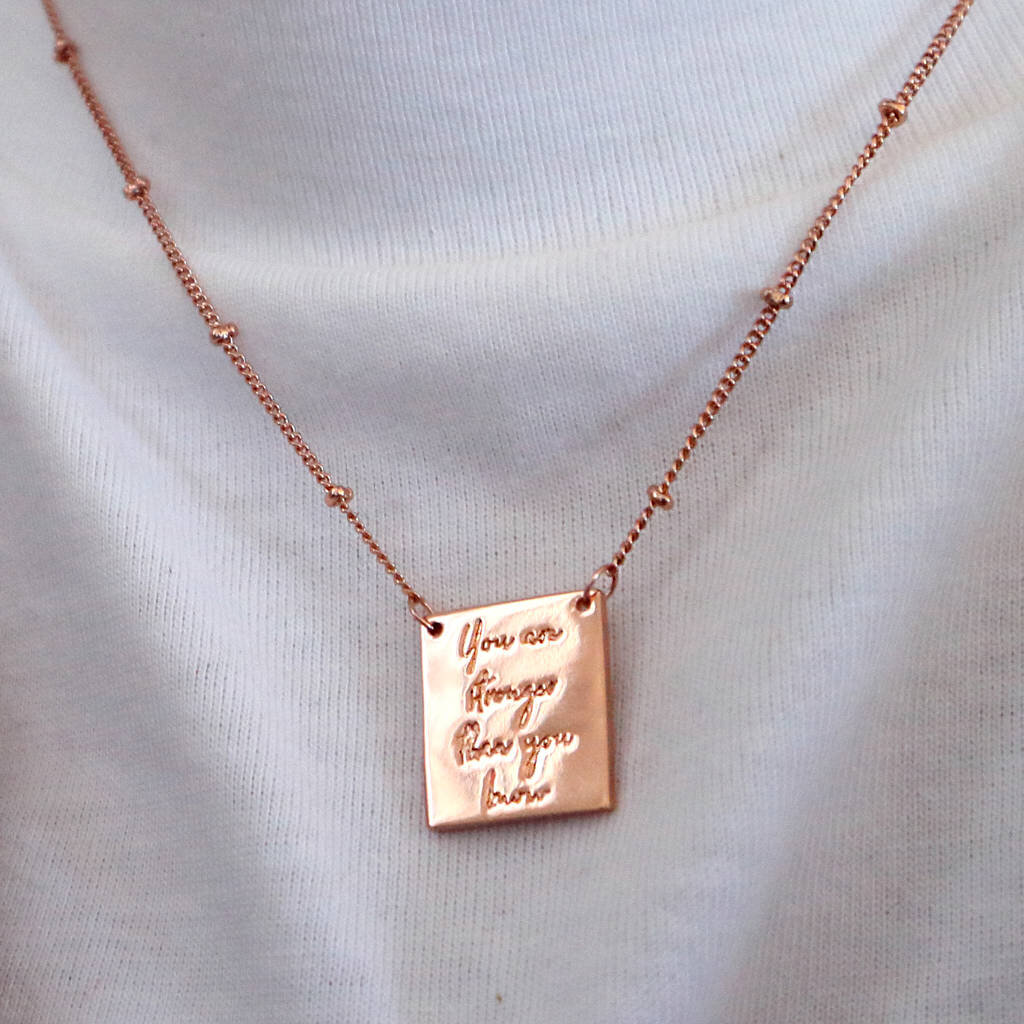
    You Are Stronger Than You Know' Tag Necklace.jpeg

    ‘You Are Stronger Than You Know’ Tag Necklace

    You never know how strong you are until being strong is your only choice.

    — Bob Marley

    Does being a Carer affect your relationships? 

    I believe a couple’s relationship changes throughout their life, and you have to grow and change to survive. We’ve switched roles back and forward over the years as to who is the stronger and who needs support.  This feels more permanent though. 

    My parents live in Spain but we can’t get out to see them very often. The last time I went I was on my own, just 2 weeks after Jerry’s head injury accident, so I worried a lot when I was away. The kids are great and help a lot but I feel bad that they have to do that.  

    Most friends are online these days, especially since the kids started high school. We talk daily in WhatsApp groups and I have a couple of friends I meet for actual coffee (before lockdown).  Sometimes I feel I do nothing but moan to some friends, but they moan to me about their problems. We all need someone we can vent to!

    How do you find other people react to you having a chronically ill husband? 

    Hmmm! I’m not sure this is even something I think about. My friends are supportive but if they weren’t they wouldn’t really be friends! I have people I call if I can’t get out and need something, others if I can’t do the school run. If I need help I ask, people feel good helping others. Once I learned that, I was more open to asking for help. 

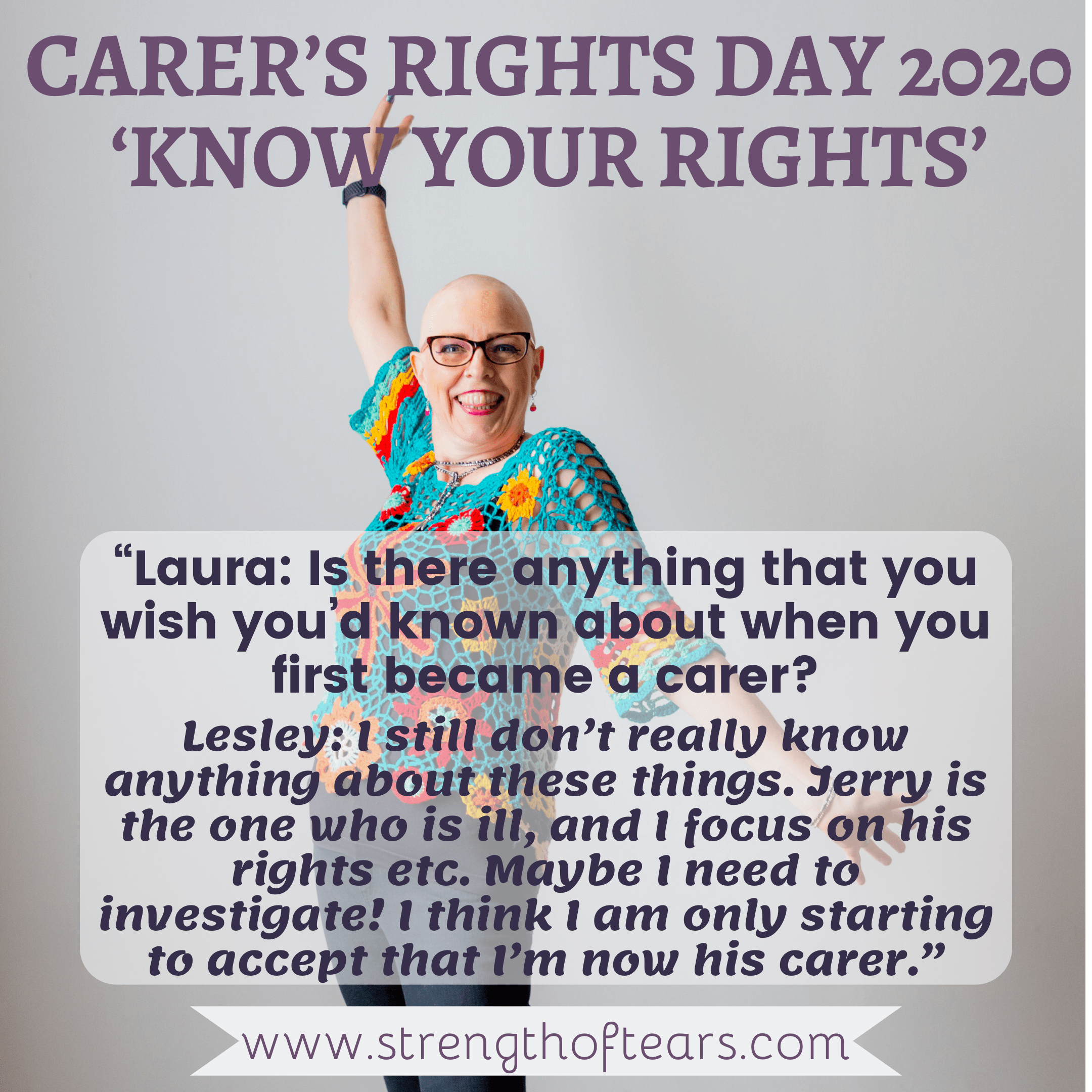
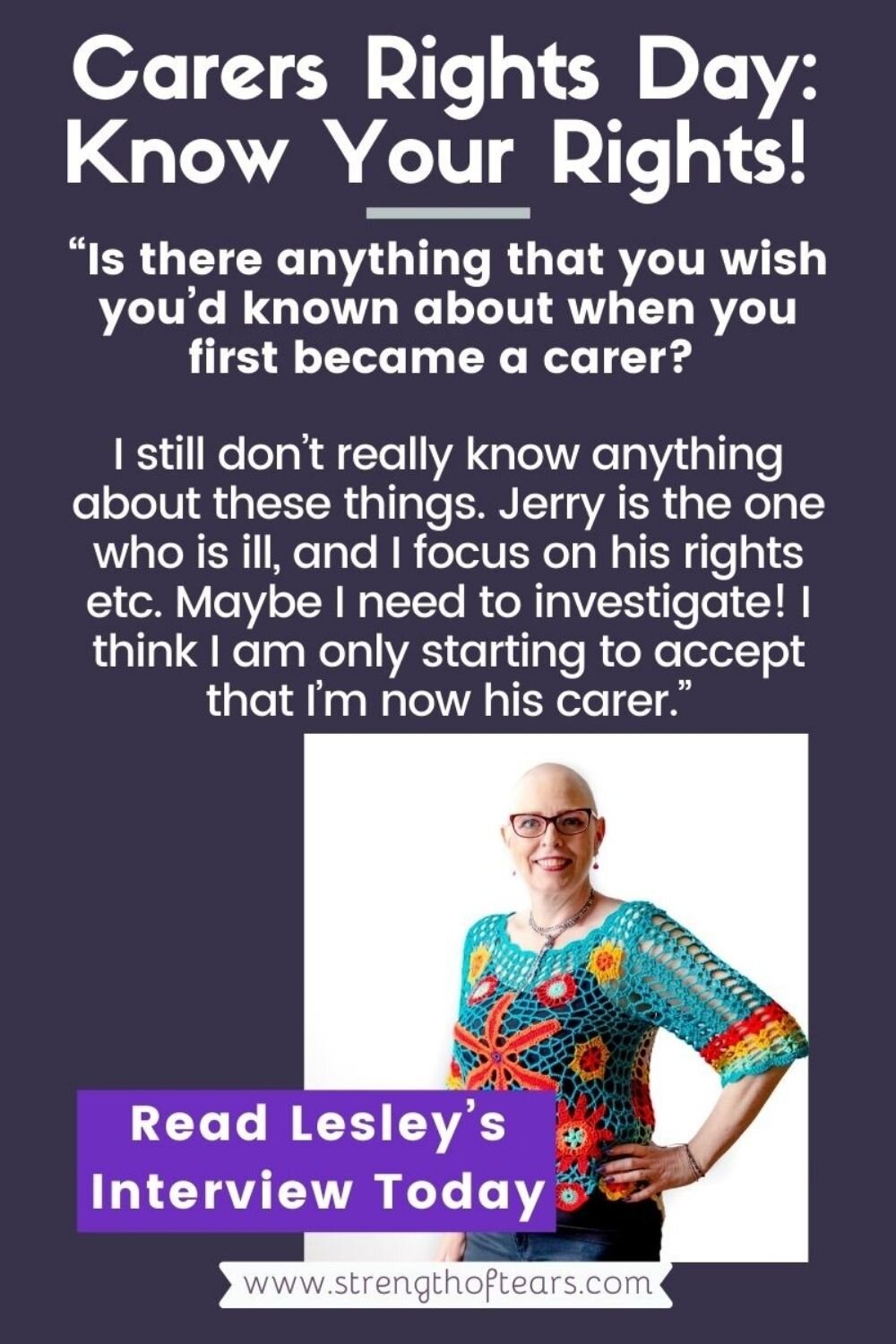
    Is there anything that you wish you’d known when you first became a Carer and do you know your rights?

    I still don’t really know anything about these things. Jerry is the one who is ill so I focus on his rights. Maybe I need to investigate! I think I’m only starting to accept that now I am his Carer.

    If you had a superpower what would it be and why? 

    I have a superpower – it’s holding everything together single handed! The only other superpower I would like, would be the power to fix Jerry.  

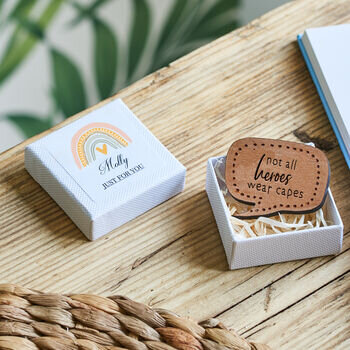
    Not All Heroes Wear Capes' Thank You Gift.jpeg

    Buy this Gift for your superhero

    Not All Heroes Wear Capes’ Thank You Gift.

    What do you want to achieve in life that you think may be difficult now you’re a Carer?

    To travel. I really hadn’t finished that.

    Is there anything else you want to say about being a Carer? 

    It sneaked up on me. I didn’t realise. Even now, I just see everything I do as a part of being his wife, so am I his Carer or his wife? 

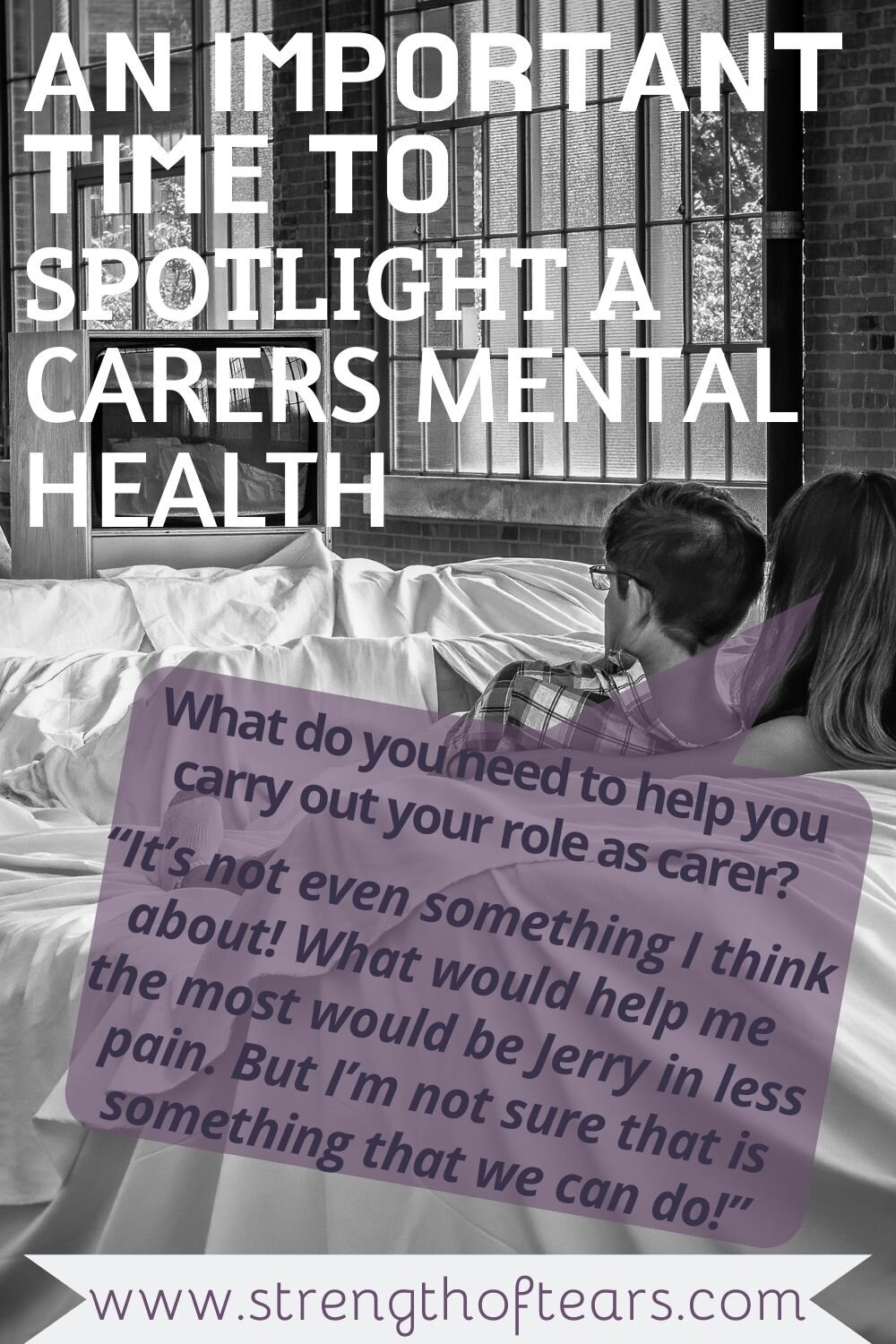
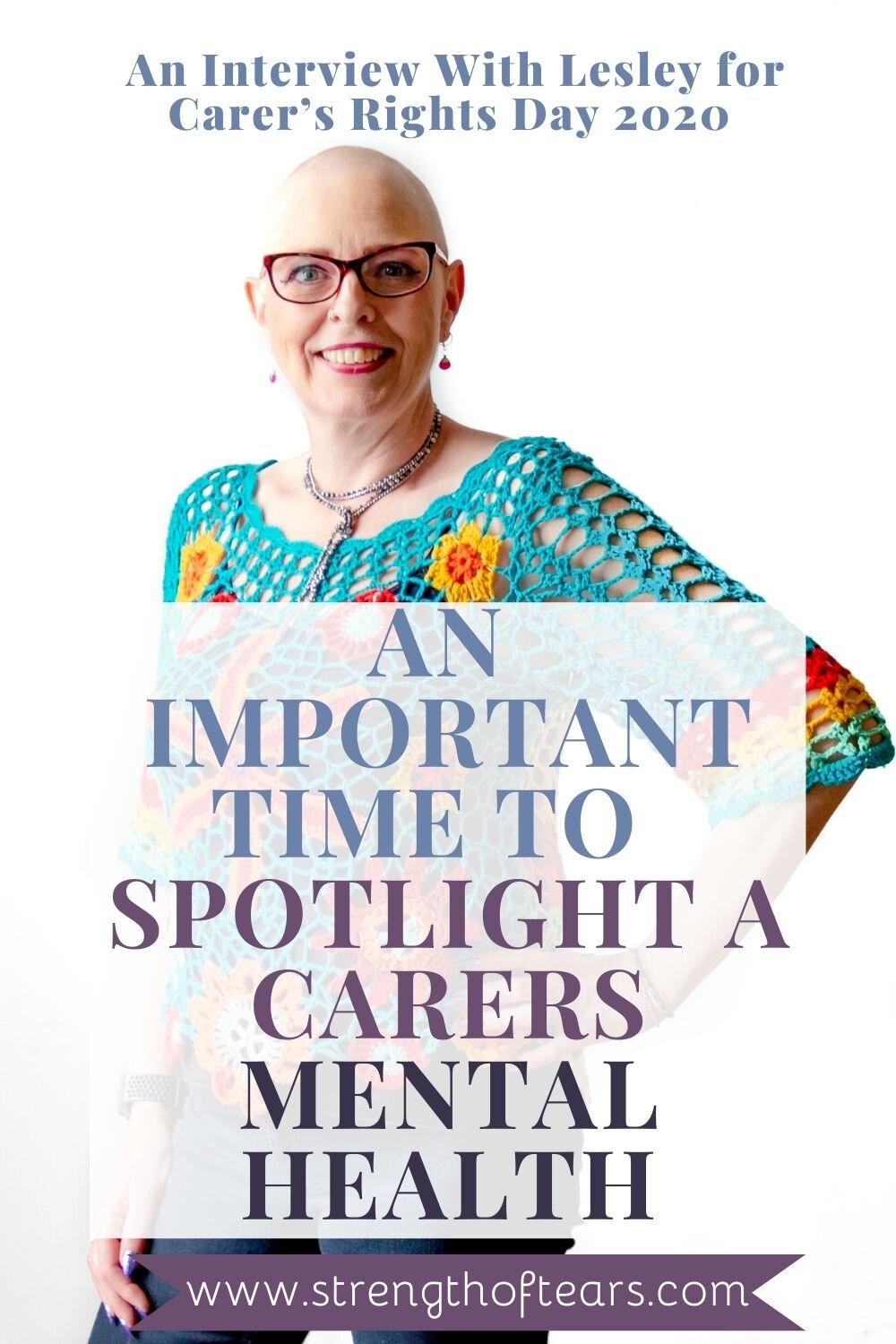
    An Important Time To Spotlight A Carers Mental Health.jpeg

    A Important Time To Spotlight A Carers Mental Health

    Lesley’s been kind enough to answer my questions about her role as a Carer. They got her thinking about some aspects of her role for the first time. After sending me her answers she went on the Carers UK website to start investigating what might be available for her. 

    Lesley has a great network of friends that make up her support system which is so important for a Carers mental health. The impact of caring for a partner within a family, can also affect the children’s mental health. Lesley’s comment about not being able to give her kids the life they had before, hit home for me. 

    However her teenage daughter is seeing a counsellor which helps her communicate her feelings, so important for her emotional well-being. Joel, myself and the boys had family therapy which gave us tools to communicate how we feel in a constructive way. To read more about emotional well-being for families, click here to read my blog.

    Caring can place a big strain on families. Carers sometimes say that friends and family disappear once caring begins. This can lead to feelings of isolation and resentment.”

    — Carers UK

    We have to recognise the strain caring can put on a relationship. When we commit to one another we think we have all the time in the world, so when a partner’s health changes and they need care, the other is never ready to take on the role. Like Lesley’s travelling plans, both partners’ lives change, which may lead to feeling bitter.

    However, many couples are brought closer and Lesley’s love for Jerry shines through this interview. I totally agree that her superpower is holding everything together, in a way that works for her family. But we all differ and Carers juggle so much, they often don’t find time for themselves. This is why a Carers mental health is so important. 

    As we head towards the end of 2020, it is more important than ever that we shine a spotlight on the support available for Carers. A recent survey found that 78% reported “the needs of the person they care for have increased during the pandemic” with worries it would worsen with further Lockdowns and restrictions.

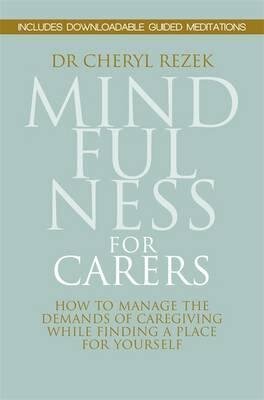
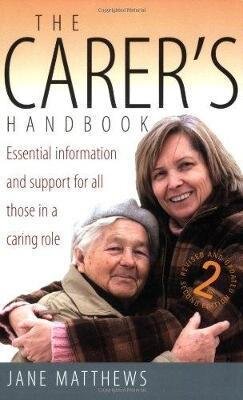
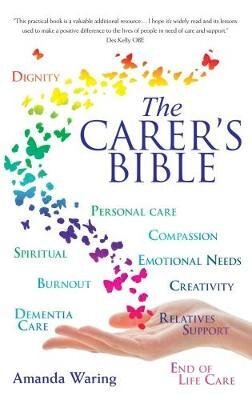
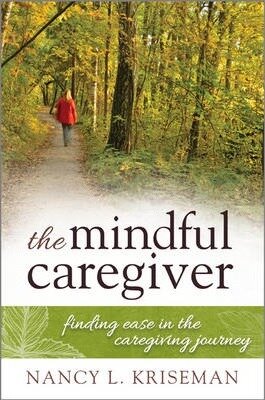
    My Recommended Reading List

    These books are my recommendations on this topic. These books are all about a Carer’s well-being which will help any Carers mental health. Mindfulness may sound a bit woo-woo but t’s just spending some time being present. For extra ideas refer to my emotional well-being blogs to get started. I hope these help you as a carer or you can pass these ideas on to your carer, to cope with the stress of being a carer.

    #block-yui_3_17_2_1_1606249649953_43498 .sqs-gallery-block-grid .sqs-gallery-design-grid { margin-right: -20px; }
    #block-yui_3_17_2_1_1606249649953_43498 .sqs-gallery-block-grid .sqs-gallery-design-grid-slide .margin-wrapper { margin-right: 20px; margin-bottom: 20px; }

    How You Can Help Raise Awareness And Donate To Support Carers

    “This Carers Rights Day, we want to empower Carers with information and support, so they can feel confident asking for what they need.” This information to support Carers Mental Health and more, is for Carers in any setting. If you want to know more, click here to read the Carers UK guide to looking after someone.

    We would both love this blog to do even more than raise awareness so would both be very grateful if you could donate whatever you can to the charity Carers UK. To donate please click on this button and follow the instructions. Thank you so much. 

    Lesley has shared her story in the hope of raising awareness of the stress that being a Carer has on you. We would both be so grateful if you could share this blog on your social media using the links at the end of this post.  A note from the Carers UK website about how your donation can help them support Carers in the UK.

    Across the UK today 6.5 million people are carers, supporting a loved one who is older, disabled or seriously ill. That’s 1 in 8 adults who care, unpaid, for family and friends… Carers UK makes life better for carers. Caring will affect us all at some point in our lives. We’ll be here for you when that happens. With your help, we can be there for the 6,000 people who start looking after someone each day.

    How Carers UK supports carers:

    • We give expert advice, information and support.

    • We connect carers so no-one has to care alone.

    •  We campaign together for lasting change.

    • We innovate to find new ways to reach and support carers.

    To enable CARERS UK to do this please follow the instructions on their DONATE page by clicking here. 

    To help us raise awareness please share this blog on your social media with friends and use #CarersRightsDay. To help us raise money for Carers UK on Facebook please add the donate button and choose Carers UK when you share this post.

    Stay safe,

    Laura 💜

    P.S

    If you care for someone and find it hard to prioritise your own needs, I can help you create better well-being strategies using my free well-being plan. This will help prioritise your own needs, such as better sleep patterns, self care or doing the things you love. Or if you want to get on a waiting list for updates on my first ever well-being journal, please sign up to my Strong Mums mailing list here.

    #block-4d8af7fb6b72bf879948 .sqs-gallery-block-grid .sqs-gallery-design-grid { margin-right: -20px; }
    #block-4d8af7fb6b72bf879948 .sqs-gallery-block-grid .sqs-gallery-design-grid-slide .margin-wrapper { margin-right: 20px; margin-bottom: 20px; }

    ✋ Hey there! I hope you’re feeling stronger now. If so, sharing the love will help me help other mums with mental health and/or chronic invisible illnesses and those who care for them.⬇ Hit one of those sharing buttons or save the images to Pinterest and I will do a bed-bound happy dance – there’s an image for you.