
Tag: chronic illness

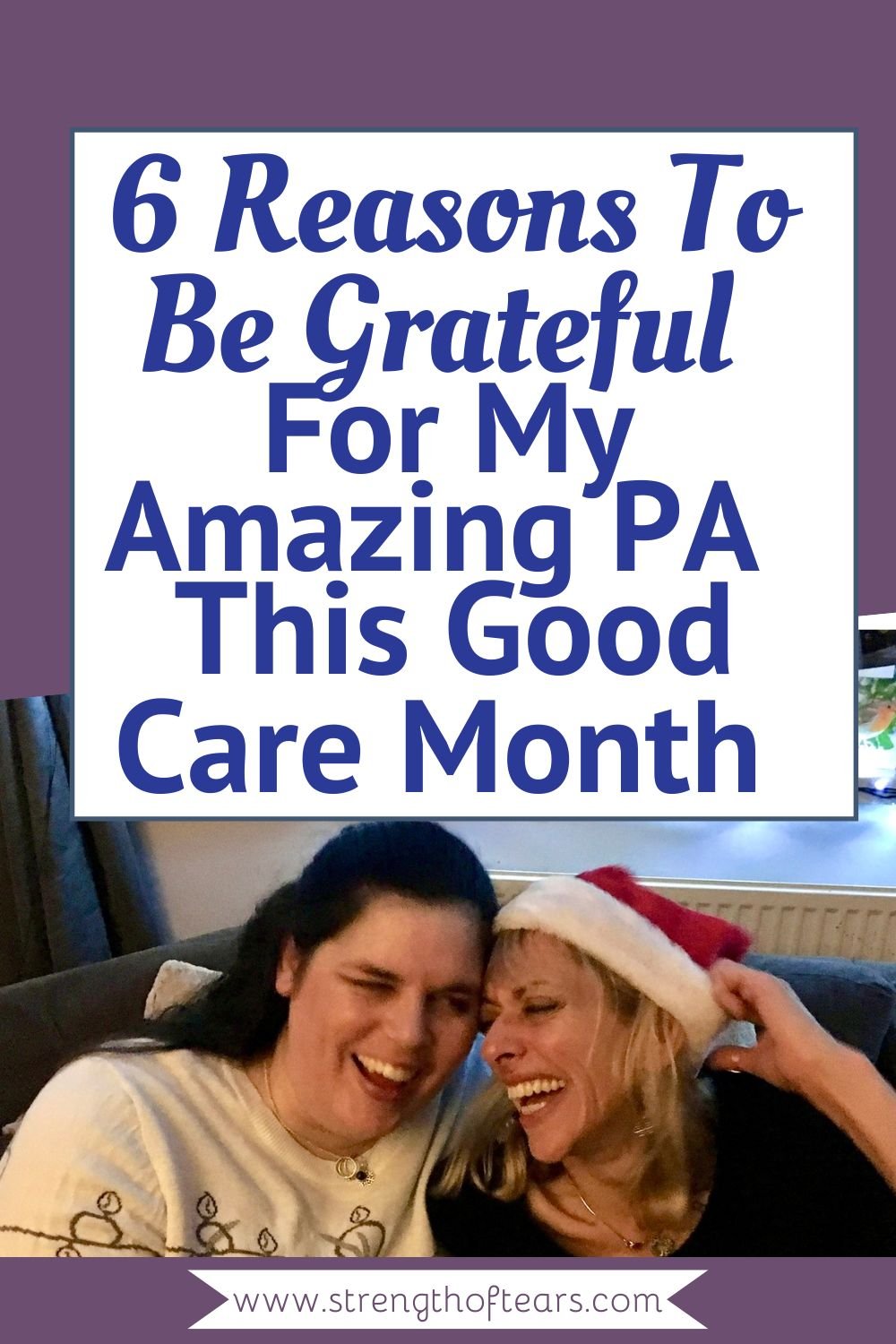
  • 6 Reasons To Be Grateful For My Amazing PA This Good Care Month

    6 Reasons To Be Grateful For My Amazing PA This Good Care Month

    How Will The New Guidelines Affect People With Chronic Pain In The UK

    The NICE guidelines for managing chronic pain in the UK only recommend CBT; ACT; antidepressants; Acupuncture and exercise programmes. Pain relief is no longer recommended, although changes should be managed with the patient. Instead we’re losing quality of life because the guidelines for the chronic pain treatment UK is unclear. 

    6 Reasons To Be Grateful For My Amazing PA This Good Care Month

    Every July Hertfordshire Care Providers Association (HCPA) raises awareness of the caring profession in the UK, hoping to boost recruitment, thank those in social care and break some of the stigma attached to caring. Read about it here.

    During Good Care Month those who are cared for and caregivers share their stories. I want to illuminate Carer’s skills and qualities when working with vulnerable adults. Having a government assisted Carer has changed my family’s lives as it gives everyone a break from the harsh reality of life with a disabling condition.

    Unpaid care is becoming more common with the pressures on the care sector but social care can change lives for everyone, including unpaid carers already in place. This blog is a look at being an unpaid Carer from the perspective of a friend who cares for her husband.

    This blog is mainly a thank you letter to my amazing personal assistant (PA) or Carer, Sam. I share the reasons I’m grateful for her in my examples of the 6 Carer’s skills I see as a gift. My aim is for other Mums to feel that having a Carer isn’t giving in or not an option for them. 

    This open letter will surprise Sam but I want to shout from the rooftops about how she supports me and my family and recognise how grateful I am personally for how she employs her expertise to give me the support and friendship I need as a younger adult client. 

    The guidelines are written for patient care by a committee of healthcare professionals. I’ll break down the guidelines and share how they affect patient’s quality of life from the perspective of medical professionals and those in the chronic illness community

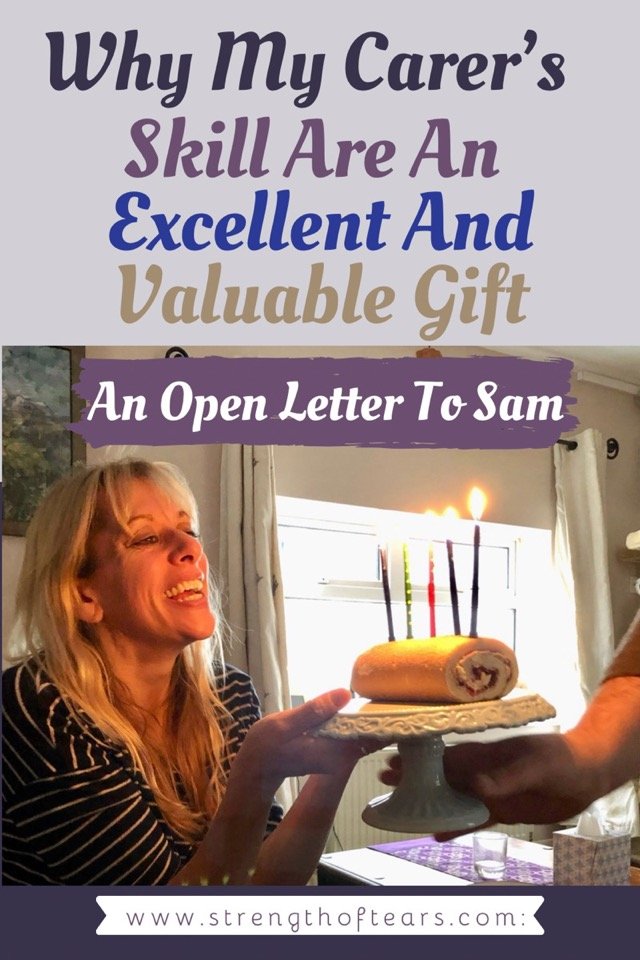
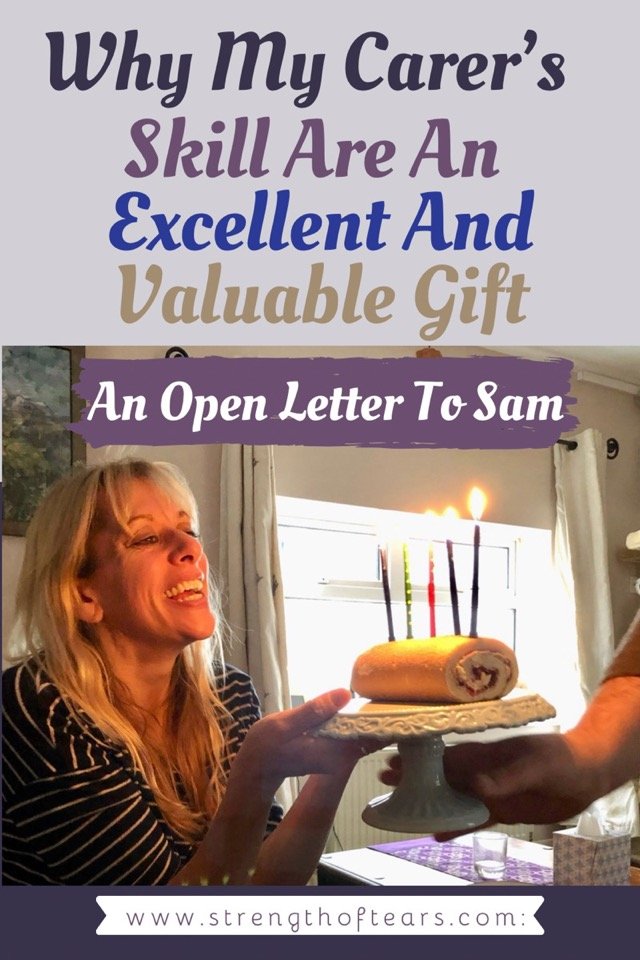
    Why My Carer’s Skills Are An Excellent And Valuable Gift
    The latest NICE guidelines recommend group based exercise, psychological therapies (ACT or CBT), antidepressants and acupuncture. Pain killers are no longer recommended for managing chronic primary pain.

    Dear Sam,

    As the author Amy Leigh Mercree once said “Kindness can transform someone’s dark moment with a blaze of light. You’ll never know how much your caring matters.” These words are so important for you, and every dedicated caregiver, to hear from the person you care for. 

    How often do the people you aid get the chance to tell you exactly how valuable you are to them? I’ve needed care for nearly 8 years, due to a rare and debilitating brain disease. I feel privileged to have the support of a professional Carer and feel incredibly lucky that that person, for the last 5 years, has been you. 

    I learnt of Good Care Month this year. As I feel strongly about shining a light on what Carers do, so when I saw a suggestion to write a thank you note to your Carer, I knew I had to write an open letter. This is my way of raising awareness of Carers skills and worth.

    Accepting you need help as a 37 year old Mum with chronic illness is tough. There are many stigmas around social care and caregivers but those linked to care for those in the 18-64 age group, stand out to me. There’s an even stronger barrier for me as a Disabled Mum. 

    One reason for this is that younger adults are more likely to receive local authority assistance for learning disabilities and mental health issues than physical disabilities. This means that most Carers who’ve worked with me haven’t really known how to engage with me or my family or I’d feel them pitying me. 

    I love that you’ve never done this Sam, you simply treat me like an equal. What you do for me and my family means so much more than I can write. However, some things are just between me and you, and can’t be shared in an open letter. So let’s just say that what I love most about you is our shared filthy sense of humour! 

    This Good Care Month, I’m sharing just 6 of the reasons that make me value you as my Carer:

    1. Building Strong Relationships

      As parents, it means so much that you’ve taken the time to build strong connections with us all, especially our boys. We all feel we can be ourselves and the boys don’t feel like there’s a stranger in their home and safe space. Feeling we can be ourselves is a gift. 

      You’ve thrown yourself into being a part of the team, realising that this is our way of having some control. We take pride in working together and as we prioritise listening to each other and solving problems together, you prioritise this too. Sam, you’re part of our family because, honestly, you’re as much of a weirdo as we are. 

      For others caring for adults under 65, please take the time to look at the family as a whole. One of the most valuable Carer’s skills is to build good relationships. If you’re coming into the family’s space make sure everyone feels comfortable when you’re there. 

    2. Helping With The Little Things

      By taking care of my needs you help me stay organised so I manage to stay on top of things. The small things you do for me matter, such as, getting my clothes out, ensuring I have enough water and helping me get dressed. This allows me to save my energy to use elsewhere. 

      You making lunch for me is the difference between me being able to write or needing rest on my better days. I can be Mum AND focus on my goals when I have energy, which is why this matters. I can’t imagine trying to keep everything straight without your help, although your clumsiness is an add-on I’m not sure I asked for – teehee! 

      Some skills are just a part of the job but this Good Care Month is the perfect time to recognise just how crucial doing the little things are for those of us with chronic illnesses and disabilities. Creating a routine is pivotal so that we don’t have to ask you, which takes energy itself. 

    3. Having Emotional Support

      Sam, you’re a huge support during tough times, whether I’m feeling low, having a pain flare or just need someone to talk to, I know you’re there for me. You’re switched on to how I am when you walk into the room; a rare gift that only those closest to me have. Being aware of this calms me as much as your excellent cuddles do. 

      We’re so lucky to have found the right fit with you, it hasn’t always been this easy. Knowing you’ll make sure I’m taking care of myself takes some of the pressure off of Joel. This just makes me value you more and so you’ve become like a sister to me. 

      Being emotionally supportive is one of the most vital Carer’s skills. As a sick and Disabled Mum, there’s always something to worry about and being ill is exhausting. Being aware that communication with a Carer will be easy helps every family member’s mental health.  

    4. Lending A Hand

      You’re always willing to get stuck in Sam, be it normal jobs around the house or the odd jobs that come up. Being mindful of this helps me take care of myself. I love sending a recipe and being sure you’ll prepare or cook dinner as my proxy, giving Joel one less job.

      However, it’s even more important to notice the things you do for us if Joel has a meeting or is away on business, like cleaning up after the cats, picking the boys up from school or taking me to appointments. Of all these Carer’s skills, this has the biggest impact on family life. 

      In Good Care Month it’s important to appreciate the smaller things as these often just happen. If someone has become part of the family, there’s often an open offer to grab essentials or check in when off duty. As long as boundaries aren’t crossed then this is a real gift. 

    5. Creating More Life Balance

      Sam, you help me create more balance in my life, both emotionally and getting the balance between work, goals and rest. For me, being certain that my family has less chores helps me feel less of a burden, supporting my mental health. It also gives my family more balance. 

      You help me keep a positive attitude by making me laugh, even if it’s you being daft. Yes this hurts when I’m in pain but it’s what I need. If you’re having a bad day you still make sure we giggle at something. Having you around is a tonic and we appreciate you more than you know. 

      A Carer’s skills at bringing more opportunities for life balance into the life of the person they’re caring for is incredible and important to mention in this Good Care Month blog. This is an unexpected outcome for the whole family, especially when things are tough.

    6. Supporting Goals and Dreams

    Sam, you take on board my goals and future vision when I’m speaking to you about unrelated things or even thinking out loud. You know my goals, such as building up my social life, and you’ve seen the frustration I feel when my illness holds me back. 

    This year my social worker helped me get back to swimming again regularly but I can only do that with your support. I look forward to our swim sessions, being confident you’ll keep me safe. To top this all off, you’re an amazing friend and I can’t imagine going through life without you by my side.

    This isn’t something you naturally consider when hiring a PA, but it makes such a difference to my life that I have to mention it. Be it having help with planning a rare trip out, holiday packing or talk of things you dream of or aspire to, a Carer can help you achieve. 

    Beyond these 6 Carer’s skills I want to thank you for the extra gifts you bring that are personal to us, Sam. You listen when I wander down my Wonderland rabbit hole chats, aware that my brain has to get from a to b, even if there’s a long detour. I appreciate your patience. 

    Thank you for driving more slowly when I’m in your car. I know you find it hard because you let me know every 10 minutes of the journey! I’m grateful for the effort you go to (and the panic that follows) when I’m nauseous and ask for something to eat you’ve never made.


    I wish I’d known 8 years ago what I know now. I felt I wasn’t sick enough for support and didn’t know what skills or qualities I needed to look for. Some Carers haven’t been right for us but thankfully you fitted in immediately and it’s a gift that we found you when we did. 

    My aim for this letter is to show how, when these 6 Carer’s skills are used well, a Carer is an invaluable resource. I hope PAs and Carers consider how to develop these in their own practice and that we break the stigma that Carers are only for ‘old people’.

    This Good Care Month, I also want to acknowledge those who could receive care. Your concerns about having a PA as a Mum are valid but know that excellent Carers are out there for us. I now see care as an opportunity to have someone help me be a more engaged Mum. 

    Looking back at the quote I shared at the beginning of this letter, I hope you can all see that having the right support matters. Sam, your kindness does allow light into some of my darkest moments and this means more to me and my family than you’ll ever truly comprehend. 

    I want you to know you’re a vital and valuable member of our team. Thank you Sam for all you do for me, Joel and the boys.

    Yours, Laura 💜💜

    In Conclusion…

    Good Care Month aims to raise the profile of the social care sector and promote career opportunities. It’s important because it’s a chance to give Carers the recognition they deserve. It takes a special kind of person to work in social care with these Carer’s skills. 

    The core qualities a Carer needs are passion, courage, dedication and compassion. One day it could be you needing care or caring for a loved one, so I want to make it clear that caring isn’t just wiping arses. However you may find yourself in strange situations, so a sense of humour is the quality I rank highest.

    Unpaid Carers are another topic but I want to mention it as the 2 hours of support I get each weekday from the local authority gives respite for Joel and my sons. They can take a break without any guilt and Joel feels assured as he knows I’m not alone and isolated. 

    My children have become young Carers and it’s fascinating to hear their perspective, which you can read in this blog I wrote recently. They’ve developed compassion and empathy, which are skills for life, and the way we communicate as a family has evolved greatly.As a family we’re found that the root of good care is in building strong relationships and working as a team so everything else falls into place. I hope I’ve shown that having a paid PA or Carer as a young Mum is worth it, if you take time to find the right fit for you. 

    There are so many Carer’s skills that I haven’t highlighted here but at the core is the ability to listen as everything is built around the needs of that person in their specific situation. Sometimes a Carer is faced with difficult decisions and this deserves our praise and respect. What is key is that the Carer works with us on our goals and priorities.

    If you would like some support with planning your wellbeing priorities please download my free guide to setting achievable goals that you can work on with your Carer.

    “As #GoodCareMonth comes to a close, it is important to recognise the silent care and compassion given every day in households, care homes, hospitals, hospices, and schools up and down the UK.” Read about what is happening in social care right now here.

    — Unknown (see link below)

    Read more in this Good Care Month Article by UK Community Foundations

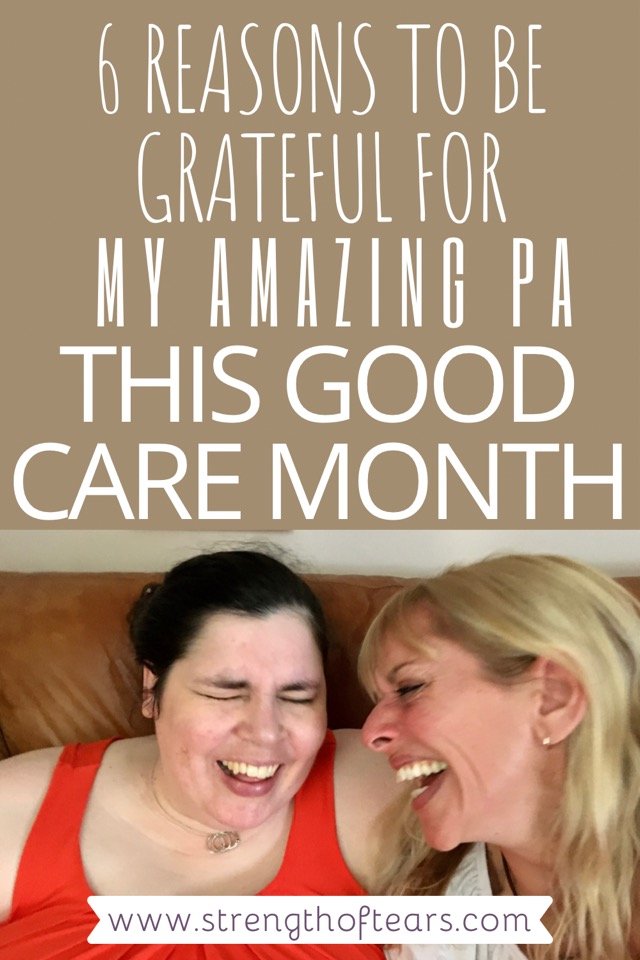
    Carers deserve our appreciation everyday, however, I’m glad to have had this opportunity to show my appreciation for Sam. Learn more about Good Care Month here and find out how to get involved yourselves, I hope these photos show how much joy can be found by having a Carer.

    Best Wishes to you all,

    Laura 💜
    #block-6d92efcbcbe02759f200 .sqs-gallery-block-grid .sqs-gallery-design-grid { margin-right: -20px; }
    #block-6d92efcbcbe02759f200 .sqs-gallery-block-grid .sqs-gallery-design-grid-slide .margin-wrapper { margin-right: 20px; margin-bottom: 20px; }

    ✋ Hey there! I hope you’re feeling stronger now. If so, sharing the love will help me help other mums with chronic invisible illnesses.⬆️  Hit one of those sharing buttons or save these images to Pinterest and I will do a bed-bound happy dance – there’s an image for you!

    P.S. if you’re a Carer or looking to hire a paid Carer or are given the opportunity to do so by your social worker, find out what you need to know with these resources: 

    Are You A Carer – www.england.nhs.uk/commissioning/comm-carers/carers

    Carer’s UK – www.carersuk.org

    Carers Trust – carers.org

    Support for Carers – www.nhs.uk/conditions/social-care-and-support-guide/support-and-benefits-for-carers

    Young Carers – carers.org/about-caring/about-young-carers

    Carers Mental Health www.northtynesideCarers.org.uk/looking-after-your-wellbeing-as-a-Carer
  • How Will New Guidelines Affect People With Chronic Pain In The UK

    How Will New Guidelines Affect People With Chronic Pain In The UK

    How Will The New Guidelines Affect People With Chronic Pain In The UK

    This is the first of two articles I’m writing to highlight concerns about the chronic pain treatment UK. I first became aware of Claire Swain’s campaign to petition the government to review the draft NICE guidelines during the one year consultation period. 

    Although these guidelInes affect millions of patients with chronic pain in the UK, it didn’t get enough signatures in the alloted time. So a new petition was started and helps raise more awareness. 

    The guidelines are written for patient care by a committee of healthcare professionals. I’ll break down the guidelines and share how they affect patient’s quality of life from the perspective of medical professionals and those in the chronic illness community.

    What Are The NICE Guidelines For Chronic Pain Treatment UK

    The National Institute for Health and Care Excellence (NICE) published these guidelines in April 2021 on the assessment of “all chronic pain (chronic primary pain, chronic secondary pain or both)” and the management of chronic primary pain in over 16s.”

    The guidelines clarify that “Chronic primary pain is pain with no clear underlying cause, or pain (or its impact) that is out of proportion to any observable injury or disease.” Chronic pain in the UK is defined as persistent pain, lasting longer than 3 months. 

    Conditions of chronic pain in the UK classed as ‘primary’ pain are given as: “fibromyalgia (chronic widespread pain), complex regional pain syndrome, chronic primary headache and orofacial pain, chronic primary visceral pain and chronic primary musculoskeletal pain.” 

    This response from the British Pain Society concludes that “Chronic primary pain… is difficult to diagnose, even for specialists… Yet the guidance recommends that such patients should only be offered ‘antidepressants’, psychological therapies, acupuncture or group-based exercise.”

    Recommendations for managing chronic primary pain in a “collaborative and supportive relationship” are based on evidence from clinical trials, forming chronic pain treatment UK. However, professionals have raised concerns over the quality of this evidence. 

    The Faculty Of Pain Medicine gave this response to the guidelines. They note their concerns about the risk to patient care for those with chronic pain in the UK, stating the need for ongoing review of “how pain is managed… [for] the full spectrum of patients” 

    Section 1 of the guidelines focus on person-centred assessment, which is largely welcomed for the chronic pain treatment UK. It suggests patients are asked to “describe how chronic pain affects their life, and that of their family, carers and significant others.”

    Sadly, the message that the guidelines for assessing chronic pain in the UK should meet the unique needs of the individual are eclipsed by potential consequences of misinterpreted guidelines. It’s likely that this will become a blanket policy for all with chronic pain in the UK.

    This makes it highly likely that underlying conditions will be missed and pain relief will be withdrawn or not approved for those in desperate need. The guidelines are not mandatory but the chronic pain treatment UK could leave many with little or no quality of life.

    This petition is now closed as there weren’t enough signatures. It said that “A number of commonly used and vital treatments for pain relief and management are no longer recommended, and we believe the new guidelines do not meet the needs of people suffering from chronic pain.”

    Medical Professionals On The Guidelines Impact On Life Quality

    The NICE guidelines have been called out as cruel by experts, such as Pain Concern, who released this response, stating “As we feel the guidance is based upon crafted-together evidence rather than scientifically-strong evidence, then to remove much of the current toolbox seems to be poor timing in our view.”

    The Faculty Of Pain Medicine, The British Pain Society, The Chronic Pain Policy Coalition and the Royal College of General Practitioners released this joint statement in response to the NICE guidelines. It highlights the process for patients with chronic pain in the UK, who already take medication.

    “If the patient declares benefit from the medication then a shared plan can be developed using shared decision making processes, explaining any risks and the lack of evidence. 

    If the patient has no benefit from the medication, then using the same process, a staged reduction plan can be formulated. In all cases, additional or alternative methods of managing pain (as outlined in the guidance) can be explored.”

    This comprehensive response from the Cochrane Pain, Palliative and Supportive Care (PaPaS) focuses on the evidence used by NICE for the chronic pain treatment UK guidelines. It notes how hard it is to measure how treatment affects people with chronic pain.

    Their response says “The committee rightly identified throughout the document that quality of life was of key importance.” But go on to highlight the data chosen and how it was presented in the guidelines, is average due to such a small difference in pain levels.  

    Saying this makes it unlikely to show much difference in areas such as quality of life or sleep for those with chronic pain in the UK. But they add that “There is abundant evidence that large degrees of pain relief are associated with large benefits… in terms of quality of life.”

    They affirm this with clinical trial data from almost 2,000 participants, saying “For fibromyalgia there is good evidence from individual patient-level analysis that those with good pain relief have large benefits in quality of life…(sleep, depression), and their ability to work.” 

    These responses clearly state the potential impact on life quality. It’s clear that the chronic pain treatment UK should be, in most cases, a combination of pain relief and additional methods.

    However, these statements by professional bodies suggest serious concerns about the poor choice of evidence to support these latest NICE guidelines, which is incredibly frustrating. This opens the guidelines up to misinterpretation of the chronic pain treatment UK. 

    The guidelines clearly refer to changes to medication already taken by patients with chronic pain in the UK. Where it’s beneficial, medication shouldn’t be removed. Sadly we’re seeing this isn’t the case for many chronic pain patients, leading to a poorer quality of life.

    How Will Poor Chronic Pain Treatment UK Impact Quality Of Life

    I’m sharing how these guidelines have already affected those with chronic pain in the UK, despite this campaign now being closed. With Claire’s permission I’m using evidence from the campaign, Claire’s experience and comments from my own posts about this. Visit my Instagram here.

    One experience shared via the campaign was a woman who’d experienced medical gaslighting where her pain management team had told her GP to stop her pain medication. In this post she says that her “medication supports her ability to function so she has a quality of life.”

    Here, Spoonie Mama writes “I spoke to my Dr this morning then cried for ages. She was rude and questioned my pain. She told me she wants me off all opiates and I have been taking it for 6 years to help me with breakthrough pain with no problems. On top of that I had major surgery recently and my pain is sky high.”

    These changes in the chronic pain treatment UK, show how the guidelines are being misused and causing distress. There are myriad reports from those who’ve had, or been told, their pain relief will be removed or their pain has been dismissed (Medical Gaslighting). 

    What’s clear from these experiences from the chronic pain in the UK community is that the NICE guidelines are to blame for the impact on patient’s quality of life. When patients, especially women’s, ability to function is questioned they feel the need to prove their pain is real. 

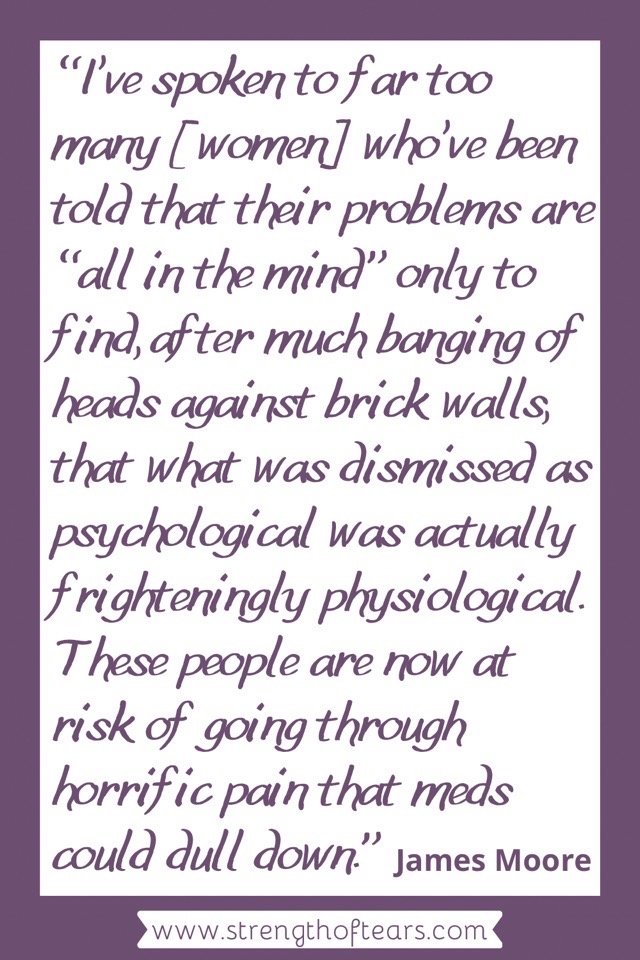
    “I’ve spoken to far too many [women] who’ve been told that their problems are “all in the mind” only to find, after much banging of heads against brick walls, that what was dismissed as psychological was actually frighteningly physiological. These people are now at risk of going through horrific pain that meds could dull down.

    — James Moore

    Writing in the Independent Moore comments on the NICE guidelines recommendations for managing chronic pain in the UK: CBT; ACT; antidepressants; Acupuncture and exercise programmes. He says “the idea that a run around the block will zap the torment of people in chronic pain is patently ridiculous.”

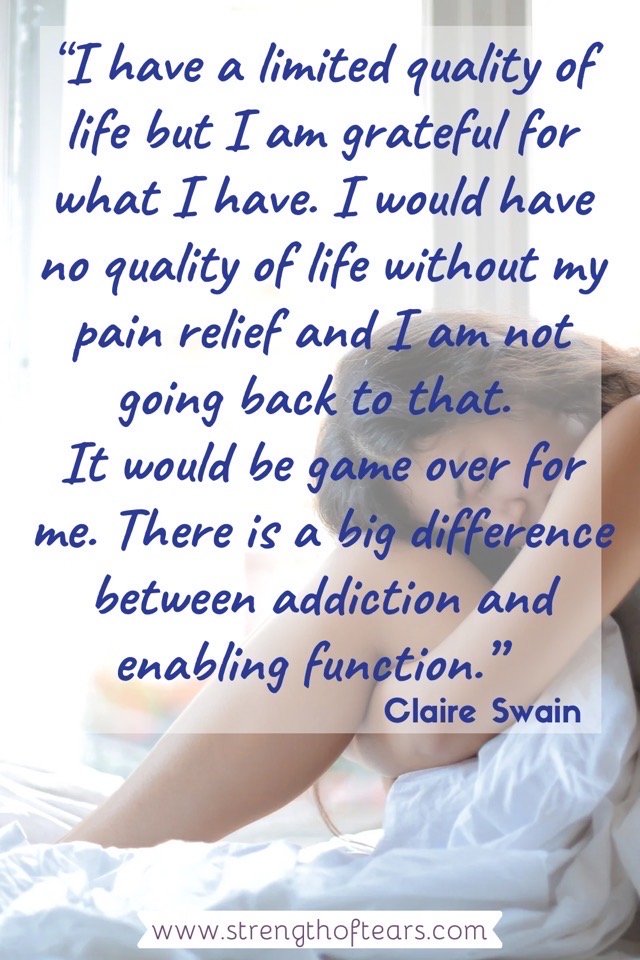
    Claire Swain is navigating and sharing her own experiences. She wants to be clear that it isn’t that the approved treatments are bad as they may work for some, but there’s vast numbers for whom they don’t work or only work in combination with pain relief medicine. In this post she says:

    “I have a limited quality of life but I am grateful for what I have. I would have no quality of life without my pain relief and I am not going back to that. It would be game over for me. There is a big difference between addiction and enabling function.” Claire Swain

    On one of my own posts to raise awareness of this campaign, Karen commented: “Taking these pain medications away has already led to suicides! We are not saying alternatives, such as acupuncture (although it didn’t for me) don’t work but in conjunction with pain relief, not instead of!!” Check out her profile here.

    When I think about what quality of life is for me, I think of being a Mum, wife, writer and friend despite spending most of my days in bed. What’s most important to me is connection, love, laughter and being there for my kids. I can do it all if I have the support I need.

    None of this would be possible for me without pain relief. Managing my pain means that I can be engaged in life. But if I didn’t have this pain relief I wouldn’t be able to move, not even lift my head off the pillow! How’s that for quality of life?

    I’ve experienced chronic pain since 2014, saying in this blog “After I’d blacked out… my pain levels were so high, I was shaking… My GP prescribed a cocktail of pain relief, including Oramorph… My chronic pain conditions [leave] me unable to do anything.

    The Takeaway…

    These testimonies show that patients with chronic pain in the UK are losing their quality of life because the NICE guidelines aren’t clear about the withdrawal of medication. Doctors are already treating the guidelines as a blanket approach and removing pain relief incorrectly.

    This statement from the Faculty Of Pain Medicine highlights that healthcare professionals must make these “decisions appropriate to the circumstances of the individual patient, in consultation with the patient and/or guardian or carer.”

    The recommended alternatives to pain medication won’t work for many patients with chronic pain in the UK but if used alongside pain relief they may enable better function. It’s vital that GPs know chronic pain is torture and for many of us, painkillers are vital for our sanity.

    All we really want from the chronic pain treatment UK is the ability to individualise how we manage our pain with the support of medical professionals. We should not need to prove our pain is real for this to happen. With support we have a quality of life, which is priceless.

    And Finally…

    I’d like to thank Claire and her team who have worked so hard on this campaign. She said “The campaign has a Team that I am beyond grateful for their support and hard work.”

    • Sasha Twinham

    • Ann Sinclair

    • Kelly Brownell

    • Terri Hester

    • Niki Boswell

    • Leanne Robson

    • Jackie Low

    • Georgia Siobhan

    • Julie Andromeda Mao

    Laura 💜

    #block-819524691f83f63e5f85 .sqs-gallery-block-grid .sqs-gallery-design-grid { margin-right: -20px; }
    #block-819524691f83f63e5f85 .sqs-gallery-block-grid .sqs-gallery-design-grid-slide .margin-wrapper { margin-right: 20px; margin-bottom: 20px; }

    ✋ Hey there! I hope you’re feeling stronger now. If so, sharing the love will help me help other mums with chronic invisible illnesses.⬆️  Hit one of those sharing buttons or save these images to Pinterest and I will do a bed-bound happy dance – there’s an image for you!

  • How To Challenge And Overcome Resistance To Change In Life

    How To Challenge And Overcome Resistance To Change In Life

    How To Challenge And Overcome Resistance To Change In Life

    How To Challenge And Overcome Resistance To Change In LifeWhen I became chronically ill, I believed I was a burden, with little self worth. My family supported me in fighting this and taking back control of my life where I could. To challenge and ov…


    Life with chronic illness isn’t easy for anyone, especially a mum with anxiety. I lack control over my own life due to chronic migraine and my rare brain condition, IIH. This life has challenged my whole family but has motivated us to adapt. With hard work, emotional strength, patience and trusted support we’ve been able to change. 

    Knowing I have power over my thoughts and actions made me see how my mind can get stuck going over past events when I’m feeling low or depressed. I’d tell myself ‘I’m a burden’ or ‘It’s all in my head’, only confiding in my husband, Joel. However, dealing with so much at once tested us. 

    We needed to discuss our feelings with someone neutral so we’d have full support from each other and our loved ones moving forward. I knew effective change would take time and support so I swallowed my pride and asked for help. I’ve learnt to be present with my thoughts and that honest self-talk is vital to my ability to cope.

    To challenge and overcome resistance to change I also needed to appreciate how my brain and body work together. By studying my patterns of behaviour in the past and present, I could plan for sustainable change. This has helped give me the mental strength to accept development and disarm any power this held over my self worth. 

    The four key ways I’ve developed my attitude towards positive change are:

    • Accepting you can only control how you think and act

    • Listening to the stories you tell yourself 

    • Knowing with whom to discuss how you feel 

    • Changing your behaviour patterns over time

    As this covers 4 ways you can take practical action and improve your mental health, I recommend downloading my free journal prompts to support you in looking at behavioural patterns and developing self worth so that any and all changes you make are effective.

    _Disclaimer this blog post contains affiliate links and any purchases made through such links will result in a small reward for me and my crafting habits. Oh and there’s some free recommendations too, Im nice like th - Edited (1).JPG

    Accepting You Can Only Control How You Think And Act

    Big changes in our lives impact our thoughts, and subsequently our mental health, because of what we are exposed to. Our minds are wired to respond to stress with primal instincts, as if facing physical threats. This can lead to strong reactions to emotions, such as my anxiety when adjusting to new situations.

    When I became chronically ill my world changed from an active life to a confined one  overnight. My world became my family, house and garden which was okay but as my health deteriorated further, my world became even smaller. At the time I wanted to run from it all. I talk in detail about my chronic illness journey in this blog.

    I believed I was a burden to my family, especially to Joel, as I could no longer play the role I always had. I became depressed with little self worth, even wondering if my family would be better off without me. But I knew I had to fight to be the mother and wife my family needed, even if it was different. 

    I learnt how the brain and body responds to stress and that mine was trying to protect me from threat, which helped me manage stress. This article explains ways to can manage and reduce stress. I learnt that to overcome resistance to change my negative thinking, I had to take control. Only I had the power to make the changes I needed to live the best life I could.

    You Can Only Control Your Attitude and Actions Quote.jpeg


    Listening To The Stories You Tell Yourself 

    To do this I needed to unpack how my past experiences impacted my current thoughts. I exposed vulnerabilities in my relationship with chronic illnesses. Due to many absences from secondary school due to undiagnosed migraine, I’d been labelled a hypochondriac. Now I was struggling to believe my own pain was real.

    I’d been diagnosed with atypical migraine after 20 years so I was stuck in a negative thought pattern whilst trying to get my IIH diagnosis. I’d buried embarrassment and regret more deeply with each misdiagnosis, convinced nobody believed me. I needed help to navigate my journey so found my life coach, Josie, to help me unpick it all

    These truths may be uncomfortable, but they can be the basis of meaningful change. Figuring out your own story could take 20 minutes or 20 years. And you may not make one big transformation; maybe it’s a series of incremental changes. You just have to feel your way through.

    — Brené Brown

    Being aware of this helps me reinforce my truth and grow stronger. My past has less control over my narrative and I have more power to overcome resistance to change. I may still take small steps forward but my self belief continues to grow. 


    Knowing With Whom To Discuss How You Feel 

    I’ve had to reshape my life from necessity which makes change a bigger challenge. My brain condition stole my ability to communicate well and many of my supposed close friends dropped out of my life. I felt guilty for letting others down and because my judgement was impaired, I didn’t know who to trust with how I felt. 

    However, my true friends showed themselves when they rallied to help and comfort me when I had my first treatments. Their loyalty gave me strength to set boundaries to protect myself from those who didn’t support me as I navigated this new life.

    But I was still grieving my old life and needed reassurance that it was okay to feel angry, sad and lost. The four of us built our communication skills in family counselling so we could discuss our feelings whilst respecting each other. We built strong support systems with others who we trusted over time, which was crucial for each of us. 

    Having confidantes has helped us cope with every surgery I’ve had, each one giving me back more of my old self. We developed ways to discuss our feelings as a family and I grew to trust those who were there for me without doubts or conditions again. This helped me overcome resistance to change and be grateful for what I now have.


    Changing Our Behaviour Patterns Over Time   

    It’s normal to resist change, we usually run from it but accepting we’re scared helps us embrace the inevitability of change. Exploring why past experiences made us feel this way, can help grow our ability to adapt. Change is most likely during our career, so this Forbes article shares 12 ways to successfully manage change in business.

    resistance stems from fear, and for many, fear is caused by change quote.jpg

    Make it stand out

    Whatever it is, the way you tell your story online can make all the difference.

    I managed change in my role as lead teacher but I had no idea how much change I was capable of until my situation left me no choice. To embrace my new life, I looked at my emotional reactions to positive and negative changes in my past. This enabled me to transform feelings of blame and guilt into pride and self respect. 

    When trying to adapt established behaviours we need to set our intentions and know it will make a positive difference to our lives. Click here to read my blog about how I developed my ‘Growth Mindset’ for going through change. Our brains continue to develop throughout life, forming new connections through repetitive actions or habits.

    As a worrier, my brain is wired to release dopamine to reinforce connections each time I worry. This feel-good chemical is released whether the action is good or bad, making it hard to stop worrying and difficult to overcome resistance to change.

    However, when we recognise that changing our habits will bring a huge difference to our lives, we can use the same wiring. Creating new behaviour patterns also releases dopamine each time we repeat an action. Focusing on small steps forward leads to more success, so with willpower and time it becomes our default behaviour. 

    Serotonin is released to communicate our desire to change. I use journaling to reflect on daily progress with new habits and to celebrate my small wins. Each win releases these feel-good hormones and helps us establish positive change. If you’re interested in journaling to support your own growth and mental health, try my free prompts.   


    How To Overcome Resistance To Change By Being Strong

    How to overcome resistance to change by being Strong.jpeg

    Everything in my life changed with my IIH and this has been difficult to accept because I have such little control over the situation. I’ve learnt to focus on changes I can control and now focus on making positive transformations despite my illnesses.

    Despite getting through the darkest days, self-talk held me back, making it harder to overcome resistance to change. Brené Brown’s perspective on the stories we tell ourselves was a revelation for me and was critical in helping me adapt successfully. 

    Now I’m usually able to reject negative thoughts that could slow my progress as I understand the link between the brain and changing behaviour patterns. My recognition of the science behind this has helped me be better prepared for future developments. However, big life changes still have potential to upset my emotions. 

    Whatever change you want to make, it will be easier to do if you find people who encourage and support you.

    — Laura McKee

    The difference in my life nowadays has helped me learn when, who and how to talk about my feelings. Having boundaries has meant removing people from my life who hold me back and making room for those who genuinely encourage and support me. 

    I believe I’ll keep moving forward by accepting what I can control, promoting positive self-talk, having authentic support and recognising that change won’t happen quickly. These steps have given me the strength to persevere and push myself to overcome my resistance to change; even on the hardest days.

    Stay safe,

    Laura 💜

    P.S. If you just want the main points…

    When my world changed overnight, I had to embrace a life with chronic illnesses. So I set boundaries with myself and others so I had support to focus on what I could control. I learnt that my negative self-talk was making it harder for me to change. So I looked at my brain and behaviour patterns to adapt my habits for making sustainable change for a better life.

    #block-6bab4cdb0c7118445fe1 .sqs-gallery-block-grid .sqs-gallery-design-grid { margin-right: -20px; }
    #block-6bab4cdb0c7118445fe1 .sqs-gallery-block-grid .sqs-gallery-design-grid-slide .margin-wrapper { margin-right: 20px; margin-bottom: 20px; }

    If you find it hard to make changes to habits or struggle to cope with change, I can help you create small, achievable goals using my free well-being plan in my VIP resources area. This will help you develop your self-worth and stop doubting yourself.

    Or if you want to wait for my upcoming ‘Thrive Not Survive Journal’, and be the first to know when it’s for sale, sign up to my Strong Mums mailing list here.

    #block-15ceb995cfb3d016c8ab .sqs-gallery-block-grid .sqs-gallery-design-grid { margin-right: -20px; }
    #block-15ceb995cfb3d016c8ab .sqs-gallery-block-grid .sqs-gallery-design-grid-slide .margin-wrapper { margin-right: 20px; margin-bottom: 20px; }

    ✋ Hey there! I hope you’re feeling Able to Start Making changes to support your own and Your Families well-being. By sharing this Post You’ll help mums with mental health and/or chronic illnesses. ⬆️ Hit one of these sharing buttons for social media and I’ll do a bed-bound happy dance – there’s an image for you.

  • A Powerful Exclusive: A Carers Mental Health Exposed

    A Powerful Exclusive: A Carers Mental Health Exposed

    A Powerful Exclusive: A Carers Mental Health Exposed

    A Powerful Exclusive: A Carers Mental Health ExposedCarers Rights Day is a day for making Carers aware of their rights, where they can get help and support, as well as raising awareness of the impact caring has. The theme for Carers Rights Day 2020 …

    An Introduction To Lesley’s Interview

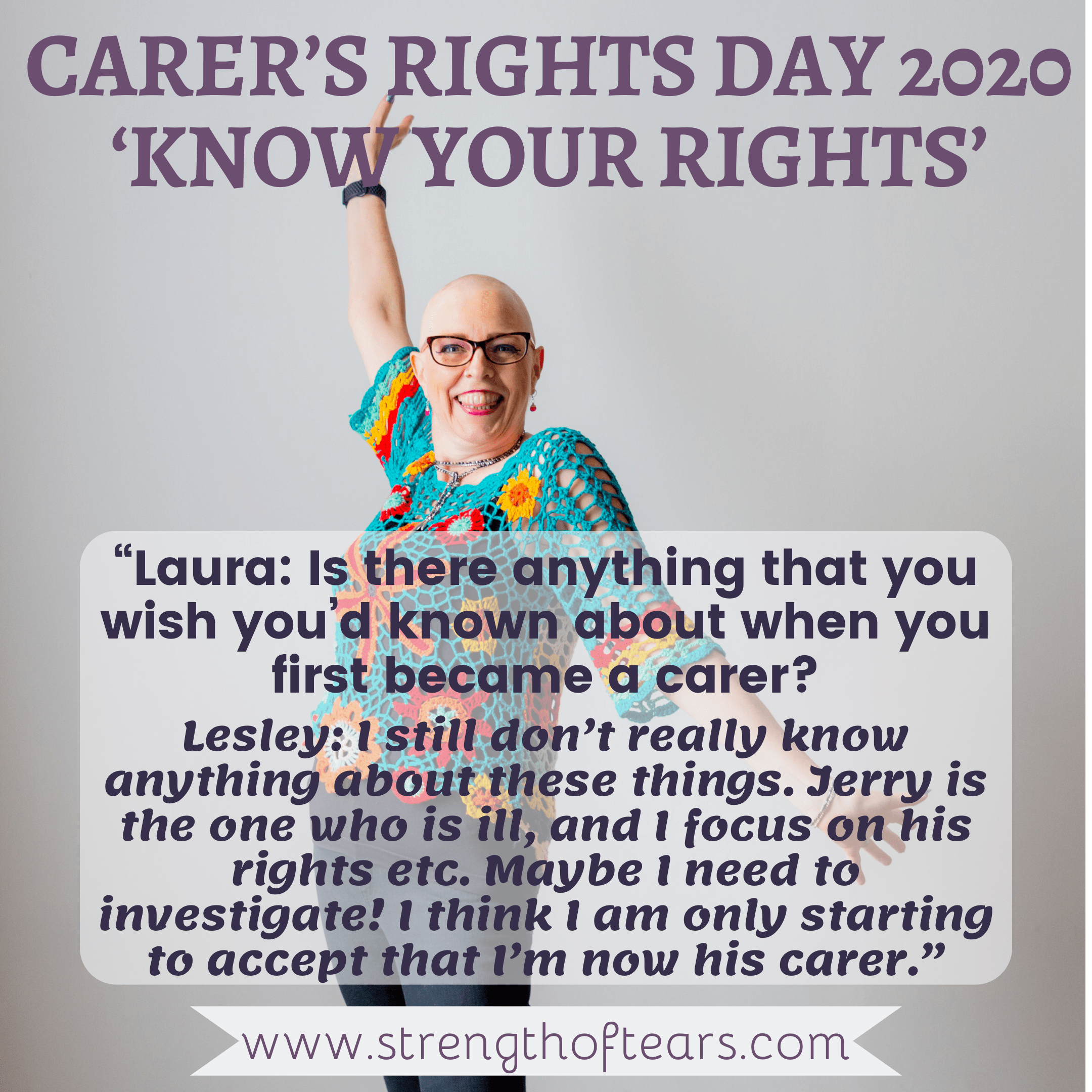
    Carers Rights Day 2020 is on Thursday 26 November. It’s an important way to ensure Carers are aware of their rights, where they can get help and support, as well as raising awareness of the impact caring has. The theme for Carers Rights Day 2020 is ‘Know Your Rights’. Read more about it by clicking here.

    This year I wanted to raise awareness of Carers mental health by talking directly to a Carer other than my husband. It’s important that I do this for myself to understand the impact caring has, so that I can bring a more objective viewpoint for my readers. 
    Lesley offered to be interviewed about the stress she experiences as a Carer. She’s always shown me kindness and empathy so I was interested to see how she coped with being a Carer, and share her viewpoint in this exclusive interview. 

    Lesley, who lives in Preston, is mum to Maddie (15) and Xander (11). She is a Carer to her husband Jerry, who is mainly affected by chronic osteoarthritis. After a work incident 2 years ago, Jerry had to stop work and their lives changed completely. 
    Lesley now runs her business, Digital Fixers, from home with her work-wife, Nic. They help small businesses grow using digital platforms, which is how we met. Read Lesley’s Blogs for Digital Fixers here, where she talks in more detail about how they support small businesses with Websites, SEO and Digital Growth.

    This blog will share: 

    • Information about Carers Rights Day

    • The Interview

    • Why It’s An Important Time To Spotlight Carers Mental Health

    • How You Can Help Raise Awareness And Donate To Support Carers

    _Disclaimer this blog post contains affiliate links and any purchases made through such links will result in a small reward for me and my crafting habits. Oh and there’s some free recommendations too, Im nice like th - Edited (1).JPG

    About Carers Rights Day

    Carers Rights Day is a specific campaign that Carers UK runs annually to help make life better for Carers. They “believe that it’s important that you understand your rights and are able to access the support that is available to you as soon as you need it.” This is vital for a Carers mental health, even if they don’t feel they need it now. 

    When my husband Joel first started caring for me, it was on top of his full time job, being a dad, doing all of my jobs and dealing with all my medical appointments. I recognised this, although my brain condition was so bad I couldn’t see the full extent of the stress it put on him. 

    We had no idea of the support available for a Carer’s mental health but I spoke to my GP to see what help was available and we were lucky enough to get funding for a part time Carer. This relieved some of the stress Joel was under. Read more in this blog about my story and how caring affected Joel and my boys.

    In both mine and Lesley’s families, the Carers are providing care for their partner. A recent survey found that four out of five Carers care for a relative. This makes the campaign even more important so Carers know how to stand up for their rights if they’re not being met. 

    It’s been equally fascinating and devastating to read Lesley’s exclusive interview and find out about her background, the circumstances that led to her becoming a Carer, and how it’s changed the lives of her entire family. 

    An Interview with Lesley from Digital Fixers for Carers Rights Day 2020.jpg

    The Interview

    Tell me a little about you

    I was born in Edinburgh but moved around England after moving to Milton Keynes as an 11-year-old, before moving to Preston with Jerry at 31 years old. I spend a lot of time online, both for business and socialising and my guilty pleasure is true crime podcasts.  

    How did you meet your husband and how did you get married? 

    Jerry and I met when I was 30 and he was 31, so quite late really.  His ex was my workmate who tried to set us up, then we met at a work’s do. A week later we ran into each other in a pub in Shepherds Bush and moved in with each other the next day.   

    We were never going to get married, aiming to be the non-conformists who lived together forever.  When Maddie was 2, Jerry had a mad moment and proposed! I said yes but wasn’t sure I’d made the right decision – we were OK, why change it! But then we went to find his decree nisi and they couldn’t find it. 

    I suddenly realised how much I did want to marry him!  So, we waited a couple of hours while they searched, and they found it. It had been misfiled. We’d also set out a very fine timeline with 5 weeks until we had a weekend away booked, with Maddie staying with my in-laws for the weekend.  

    What are your husband’s illnesses? 

    Jerry’s first illness was a Hiatus Hernia that took 2 years to diagnose. By the time he had the operation he was so ill, physically and mentally, it took 6 months for him to recover to a point where he could work again. Xander was a baby so he hadn’t really had a great deal of quality time with his dad.  

    About 5 years ago he had to have a shoulder replacement due to chronic osteoarthritis. The surgeon had only done it on 1 younger person – a tennis pro! He doesn’t have much mobility in it anymore, and the other one is going too.  His back hips and ankles are also bad.  

    The final straw, which almost broke the camel’s back, came two years ago. While doing a part time job, in an effort to feel like he was still contributing, Jerry was involved in an accident. An alloy wheel was spinning in a CNC lathe and it flew out and hit him on the head and chest. 

    When did you become a Carer and what do you do in your role? 
    The last two years have been when the caring has kicked in. I was working full time, doing the school stuff, cooking, DIY, and generally holding everyone together. Doing everything got too much and although it meant a reduction in income, I quit.  

    As well as Jerry and his illness, one of the kids has Dyspraxia and Hypermobility and that means hospital appointments most months. We can’t go for walks anymore, and we had to get rid of all the motorbikes, this has been the hardest part for Jerry.

    What is an average day like for you? 

    I get the kids up and get them to school. When I’m back I try to cram an hour of work in before I wake Jerry with his tablets.  He used to take them himself, but started forgetting and if he doesn’t take them on time, he gets very groggy very quickly, but doesn’t realise why!  

    I try to spend some time each day chatting as I know he gets lonely but it’s hard as I’m busy. Some days he comes downstairs for lunch, so we can spend time together but he mostly stays upstairs as he can’t keep going up and downstairs. When the kids get in from school he’ll come down again, sometimes waiting until dinner time.  
    He wants to try and do things he used to, like car jobs and DIY. But he can’t, so finds it frustrating, and I can’t do a lot of them. We end up trying to do them together, which can cause hilarity, or arguments, in equal measure. Afterwards he has to sleep and is in pain for 2-3 days so it makes me wonder if it was worth it? 

    How has being a Carer changed you? 

    I’ve always been the caregiver. I hadn’t planned to have to take such a big role on so soon after finishing caring for babies, but it is what it is. I’d like to say it has made me more patient, but it hasn’t; I just bite my tongue more when he is trying to do something I could do quicker! 

    A Carer’s mental health can be affected by these changes, how are you? 

    I find it hard caring for the person I assumed would care for me equally. 

    Have you been given support in any way as a Carer and are you aware of your rights and how to get help? 

    I’m not sure I qualify for much in the way of financial support. We’re still fighting to get more than basic PIP (Personal Independence Payment). I’m lucky to have friends that I can talk to and support me, as that’s what I need the most.

    What things do you need to make your life easier and help with your Carer’s mental health? 

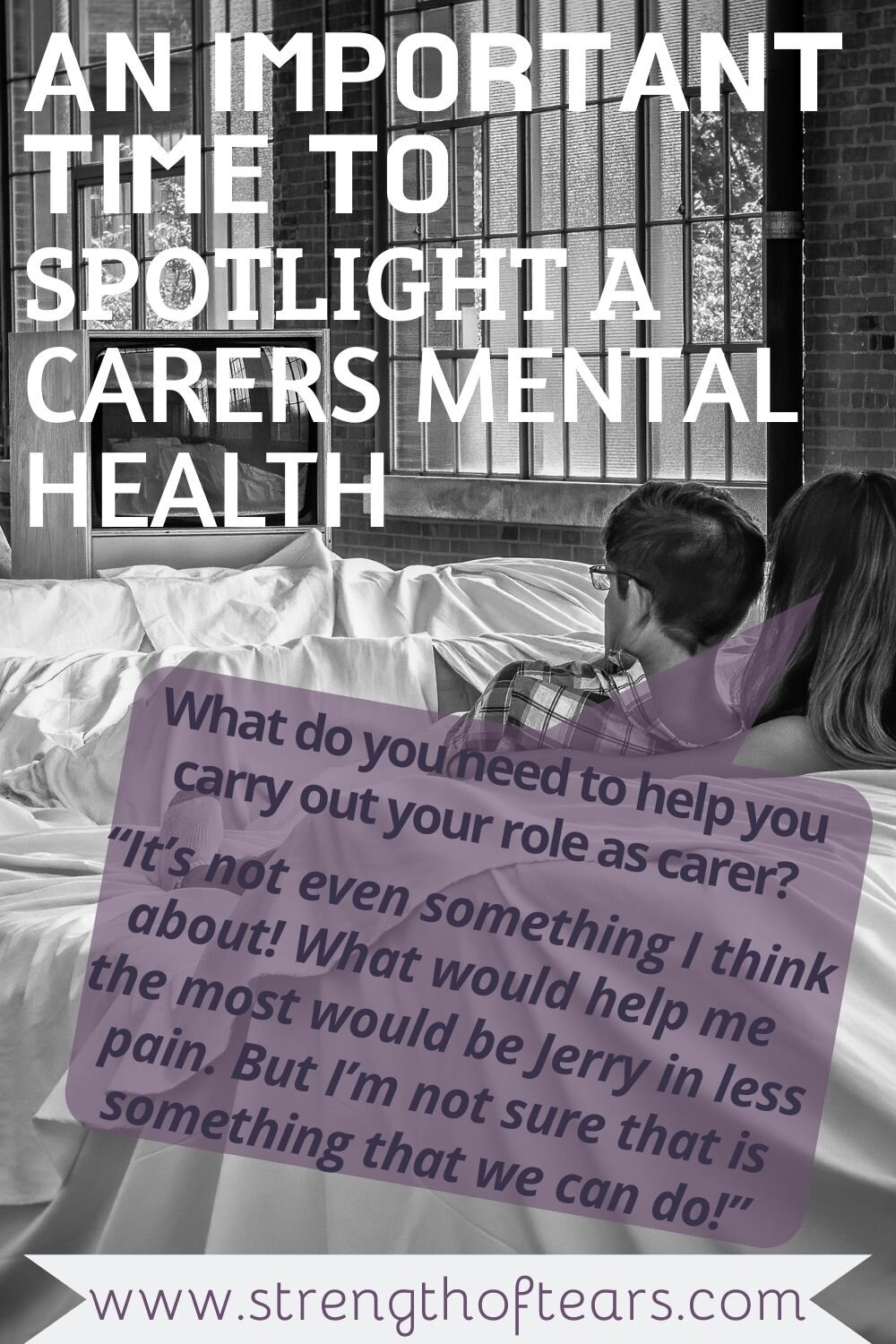
    It’s not even something I think about! What would help me most would be Jerry being in less pain but I’m not sure that’s something we can do. 

    My caregiver mantra is to remember: The only control you have is over the changes you choose to make.

    — Nancy L. Kriseman,

    I recently suggested discussing hip surgery with the doctor now that he’s a bit older, but he admitted that he fears the surgery. Unfortunately it took him a while to recover from his second surgery. As both major surgeries have had such a devastating effect, he really doesn’t want to have more. 

    What’s been the biggest change in your life since you became a Carer? 

    Everything has changed.  We ran a business for 15 years, but we lost it and then lost the house. We were very lucky to get a brand-new housing association house. But a depression set in over Jerry as he blames himself.  

    We used to go for walks daily, and often went to the Lake District for long weekends.  We also went to Motorsports events on a regular basis, but that involved camping, or at the very least a day of being on your feet. 

    It’s hard on the kids too. Xander can’t remember his dad being well and as the gaming computer is in our room, he can only game when Jerry’s up. Maddie sees a counsellor at school, which has really helped. She’s talking more to me about it, but I can’t change it. I can’t give them back the life we had, and that is the hardest thing.

    How does your business and your role as a Carer affect your working life? 

    I run Digital Fixers, with my great friend Nic, from home. We help small businesses who often have to change plans and ideas at the last minute, which I can totally sympathise with! To find out more about what Digital Fixers do, click here to check out their website.

    I don’t feel too much pressure to get things done now, so what works for me is doing a bit of work, caring for Jerry, or doing house stuff, more work, sorting the kids and dinner, then doing more work. Some days nothing tangible has been done work wise at the end of the day. I have to learn to live with that and hope the next day is better.

    Regarding Carers mental health, how do you cope with the stress?

    I just do, I don’t know how sometimes. I think you don’t know how strong you are until the shit shizz actually hits the fan, and then most people find they’re stronger than they ever thought they could be. I’m a problem solver, so I find it difficult when it’s a problem I can’t solve.

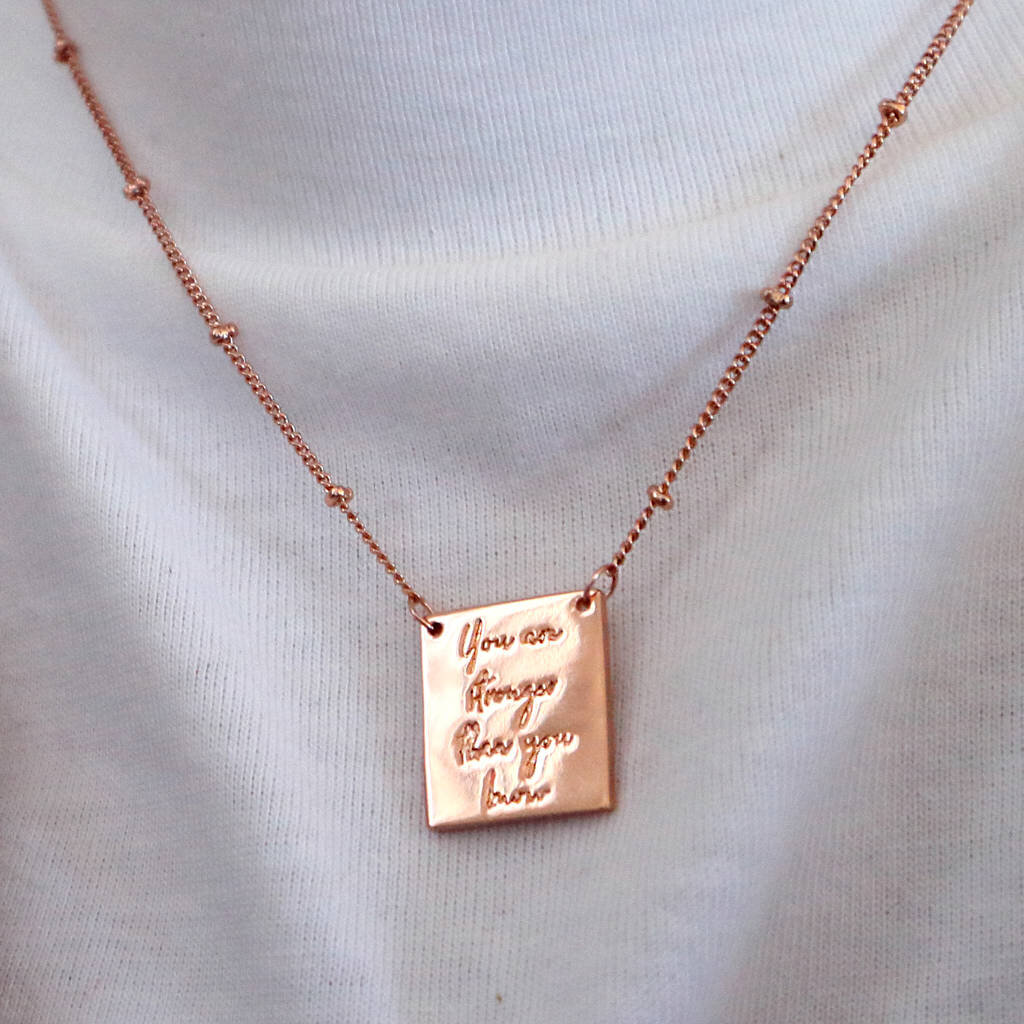
    You Are Stronger Than You Know' Tag Necklace.jpeg

    ‘You Are Stronger Than You Know’ Tag Necklace

    You never know how strong you are until being strong is your only choice.

    — Bob Marley

    Does being a Carer affect your relationships? 

    I believe a couple’s relationship changes throughout their life, and you have to grow and change to survive. We’ve switched roles back and forward over the years as to who is the stronger and who needs support.  This feels more permanent though. 

    My parents live in Spain but we can’t get out to see them very often. The last time I went I was on my own, just 2 weeks after Jerry’s head injury accident, so I worried a lot when I was away. The kids are great and help a lot but I feel bad that they have to do that.  

    Most friends are online these days, especially since the kids started high school. We talk daily in WhatsApp groups and I have a couple of friends I meet for actual coffee (before lockdown).  Sometimes I feel I do nothing but moan to some friends, but they moan to me about their problems. We all need someone we can vent to!

    How do you find other people react to you having a chronically ill husband? 

    Hmmm! I’m not sure this is even something I think about. My friends are supportive but if they weren’t they wouldn’t really be friends! I have people I call if I can’t get out and need something, others if I can’t do the school run. If I need help I ask, people feel good helping others. Once I learned that, I was more open to asking for help. 

    Is there anything that you wish you’d known when you first became a Carer and do you know your rights?

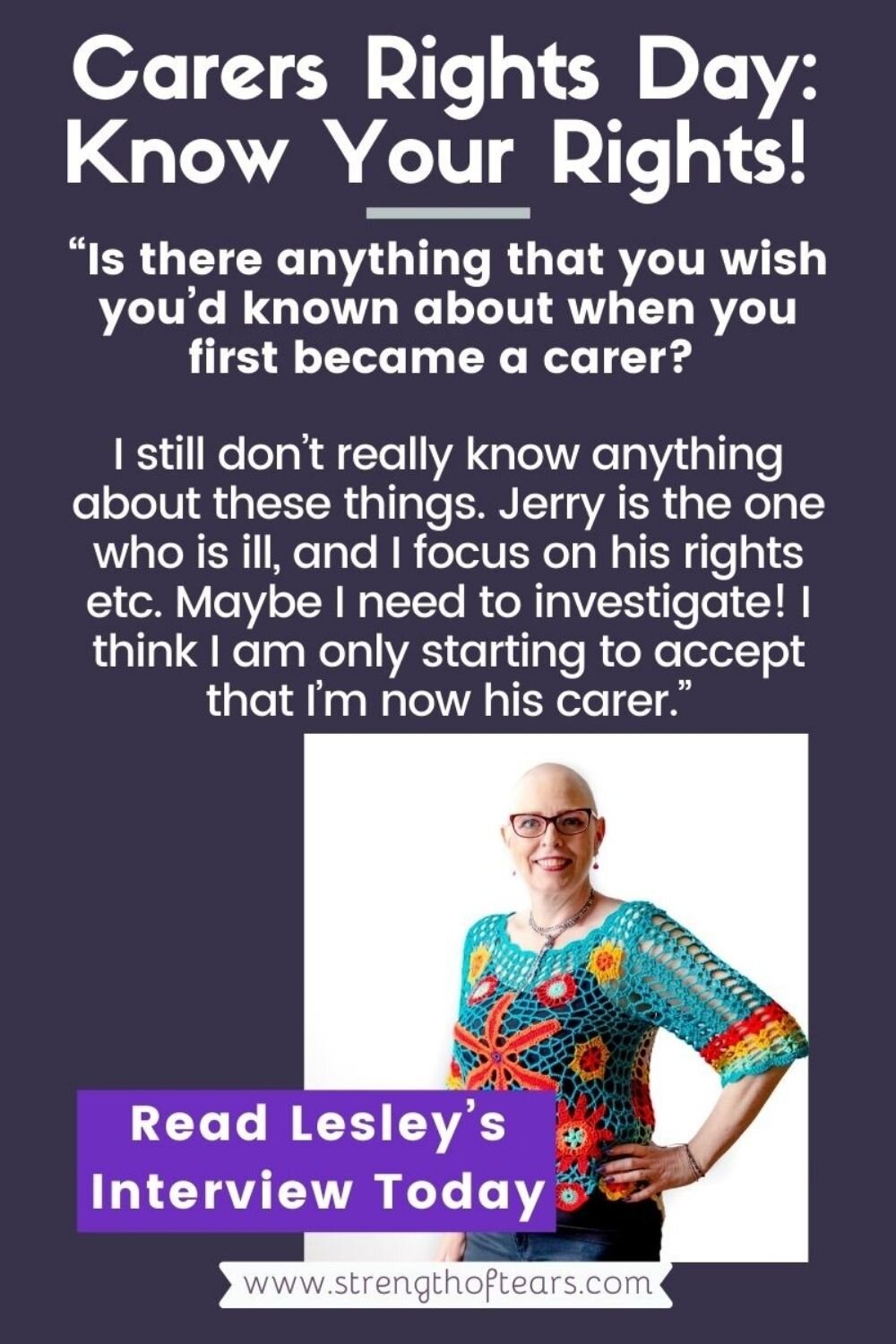
    I still don’t really know anything about these things. Jerry is the one who is ill so I focus on his rights. Maybe I need to investigate! I think I’m only starting to accept that now I am his Carer.

    If you had a superpower what would it be and why? 

    I have a superpower – it’s holding everything together single handed! The only other superpower I would like, would be the power to fix Jerry.  

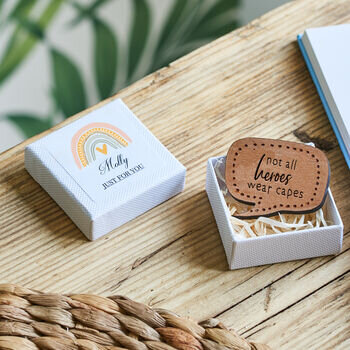
    Not All Heroes Wear Capes' Thank You Gift.jpeg

    Buy this Gift for your superhero

    Not All Heroes Wear Capes’ Thank You Gift.

    What do you want to achieve in life that you think may be difficult now you’re a Carer?

    To travel. I really hadn’t finished that.

    Is there anything else you want to say about being a Carer? 

    It sneaked up on me. I didn’t realise. Even now, I just see everything I do as a part of being his wife, so am I his Carer or his wife? 

    An Important Time To Spotlight A Carers Mental Health.jpeg

    A Important Time To Spotlight A Carers Mental Health

    Lesley’s been kind enough to answer my questions about her role as a Carer. They got her thinking about some aspects of her role for the first time. After sending me her answers she went on the Carers UK website to start investigating what might be available for her. 

    Lesley has a great network of friends that make up her support system which is so important for a Carers mental health. The impact of caring for a partner within a family, can also affect the children’s mental health. Lesley’s comment about not being able to give her kids the life they had before, hit home for me. 

    However her teenage daughter is seeing a counsellor which helps her communicate her feelings, so important for her emotional well-being. Joel, myself and the boys had family therapy which gave us tools to communicate how we feel in a constructive way. To read more about emotional well-being for families, click here to read my blog.

    Caring can place a big strain on families. Carers sometimes say that friends and family disappear once caring begins. This can lead to feelings of isolation and resentment.”

    — Carers UK

    We have to recognise the strain caring can put on a relationship. When we commit to one another we think we have all the time in the world, so when a partner’s health changes and they need care, the other is never ready to take on the role. Like Lesley’s travelling plans, both partners’ lives change, which may lead to feeling bitter.

    However, many couples are brought closer and Lesley’s love for Jerry shines through this interview. I totally agree that her superpower is holding everything together, in a way that works for her family. But we all differ and Carers juggle so much, they often don’t find time for themselves. This is why a Carers mental health is so important. 

    As we head towards the end of 2020, it is more important than ever that we shine a spotlight on the support available for Carers. A recent survey found that 78% reported “the needs of the person they care for have increased during the pandemic” with worries it would worsen with further Lockdowns and restrictions.

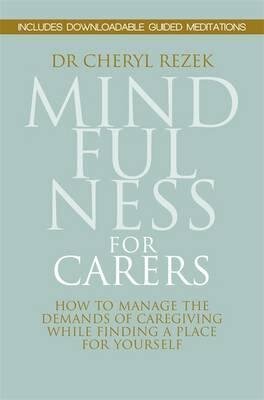
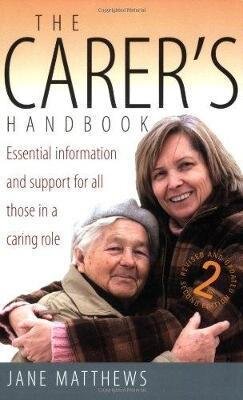
    My Recommended Reading List

    These books are my recommendations on this topic. These books are all about a Carer’s well-being which will help any Carers mental health. Mindfulness may sound a bit woo-woo but t’s just spending some time being present. For extra ideas refer to my emotional well-being blogs to get started. I hope these help you as a carer or you can pass these ideas on to your carer, to cope with the stress of being a carer.

    #block-yui_3_17_2_1_1606249649953_43498 .sqs-gallery-block-grid .sqs-gallery-design-grid { margin-right: -20px; }
    #block-yui_3_17_2_1_1606249649953_43498 .sqs-gallery-block-grid .sqs-gallery-design-grid-slide .margin-wrapper { margin-right: 20px; margin-bottom: 20px; }

    How You Can Help Raise Awareness And Donate To Support Carers

    “This Carers Rights Day, we want to empower Carers with information and support, so they can feel confident asking for what they need.” This information to support Carers Mental Health and more, is for Carers in any setting. If you want to know more, click here to read the Carers UK guide to looking after someone.

    We would both love this blog to do even more than raise awareness so would both be very grateful if you could donate whatever you can to the charity Carers UK. To donate please click on this button and follow the instructions. Thank you so much. 

    Lesley has shared her story in the hope of raising awareness of the stress that being a Carer has on you. We would both be so grateful if you could share this blog on your social media using the links at the end of this post.  A note from the Carers UK website about how your donation can help them support Carers in the UK.

    Across the UK today 6.5 million people are carers, supporting a loved one who is older, disabled or seriously ill. That’s 1 in 8 adults who care, unpaid, for family and friends… Carers UK makes life better for carers. Caring will affect us all at some point in our lives. We’ll be here for you when that happens. With your help, we can be there for the 6,000 people who start looking after someone each day.

    How Carers UK supports carers:

    • We give expert advice, information and support.

    • We connect carers so no-one has to care alone.

    •  We campaign together for lasting change.

    • We innovate to find new ways to reach and support carers.

    To enable CARERS UK to do this please follow the instructions on their DONATE page by clicking here. 

    To help us raise awareness please share this blog on your social media with friends and use #CarersRightsDay. To help us raise money for Carers UK on Facebook please add the donate button and choose Carers UK when you share this post.

    Stay safe,

    Laura 💜

    P.S

    If you care for someone and find it hard to prioritise your own needs, I can help you create better well-being strategies using my free well-being plan. This will help prioritise your own needs, such as better sleep patterns, self care or doing the things you love. Or if you want to get on a waiting list for updates on my first ever well-being journal, please sign up to my Strong Mums mailing list here.

    #block-4d8af7fb6b72bf879948 .sqs-gallery-block-grid .sqs-gallery-design-grid { margin-right: -20px; }
    #block-4d8af7fb6b72bf879948 .sqs-gallery-block-grid .sqs-gallery-design-grid-slide .margin-wrapper { margin-right: 20px; margin-bottom: 20px; }

    ✋ Hey there! I hope you’re feeling stronger now. If so, sharing the love will help me help other mums with mental health and/or chronic invisible illnesses and those who care for them.⬇ Hit one of those sharing buttons or save the images to Pinterest and I will do a bed-bound happy dance – there’s an image for you.

  • A Lonely Challenge: IIH Headache And A Baby

    A Lonely Challenge: IIH Headache And A Baby

    A Lonely Challenge: IIH Headache And A Baby

    A Lonely Challenge: IIH Headache And A BabyFor IIH Awareness Month, Amy has written this amazing guest blog about her experience as a 24 year old, newly single mum of a one year baby boy, recently diagnosed with Idiopathic Intracranial Hypertension …

    An Introduction To Amy’s Guest Blog

    For IIH Awareness Month, I want to raise awareness about Idiopathic Intracranial Hypertension or IIH through blogs with a range of patient voices. I’ve asked mums from the IIH UK Facebook support group to raise money for IIH UK, a charity supporting IIH patients and raising awareness.

    Please use the button below if you would like to donate to IIH UK through their Justgiving page.

    Amy has written an amazing guest blog about her experience as a 24 year old mum of a one year baby boy. She’s just moved back to Scotland to be closer to her family after being diagnosed with IIH fairly recently. 

    If you would like to understand  the symptoms, diagnosis and treatment of IIH from the perspective of other patients for IIH awareness month, read this blog post.

    She experiences crippling pain, with each severe Idiopathic Intracranial Hypertension headache which led to her diagnosis. However IIH is so much more than just a headache so here is Amy’s story, in this open letter to IIH.

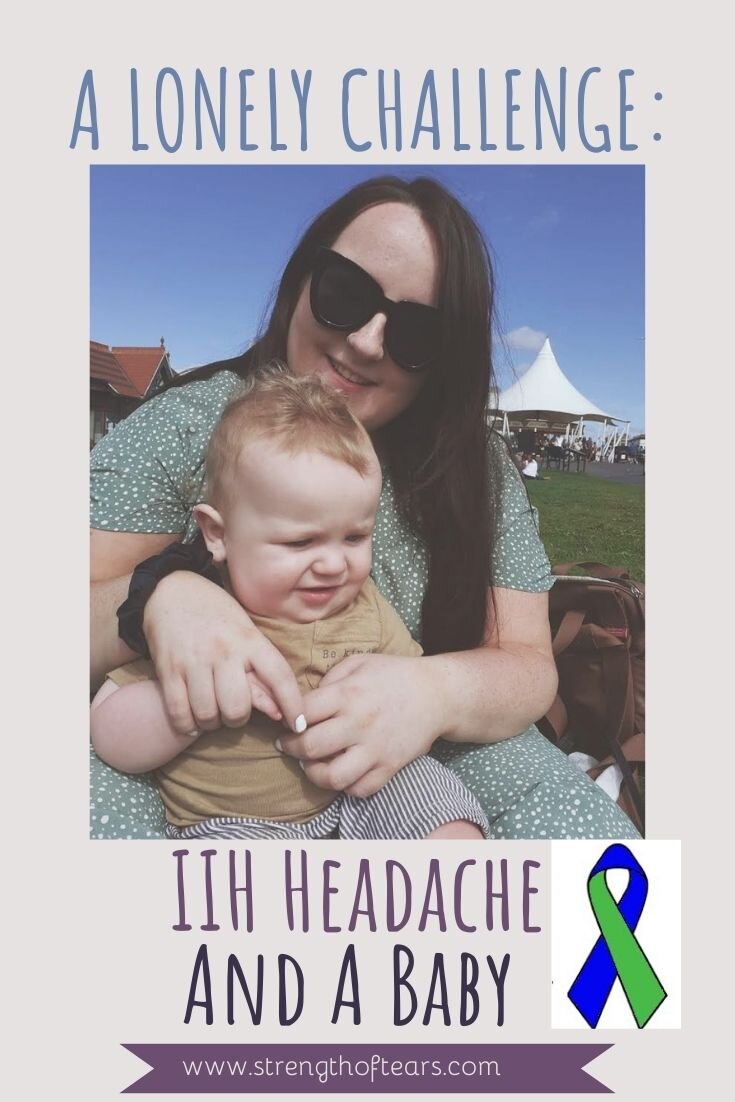
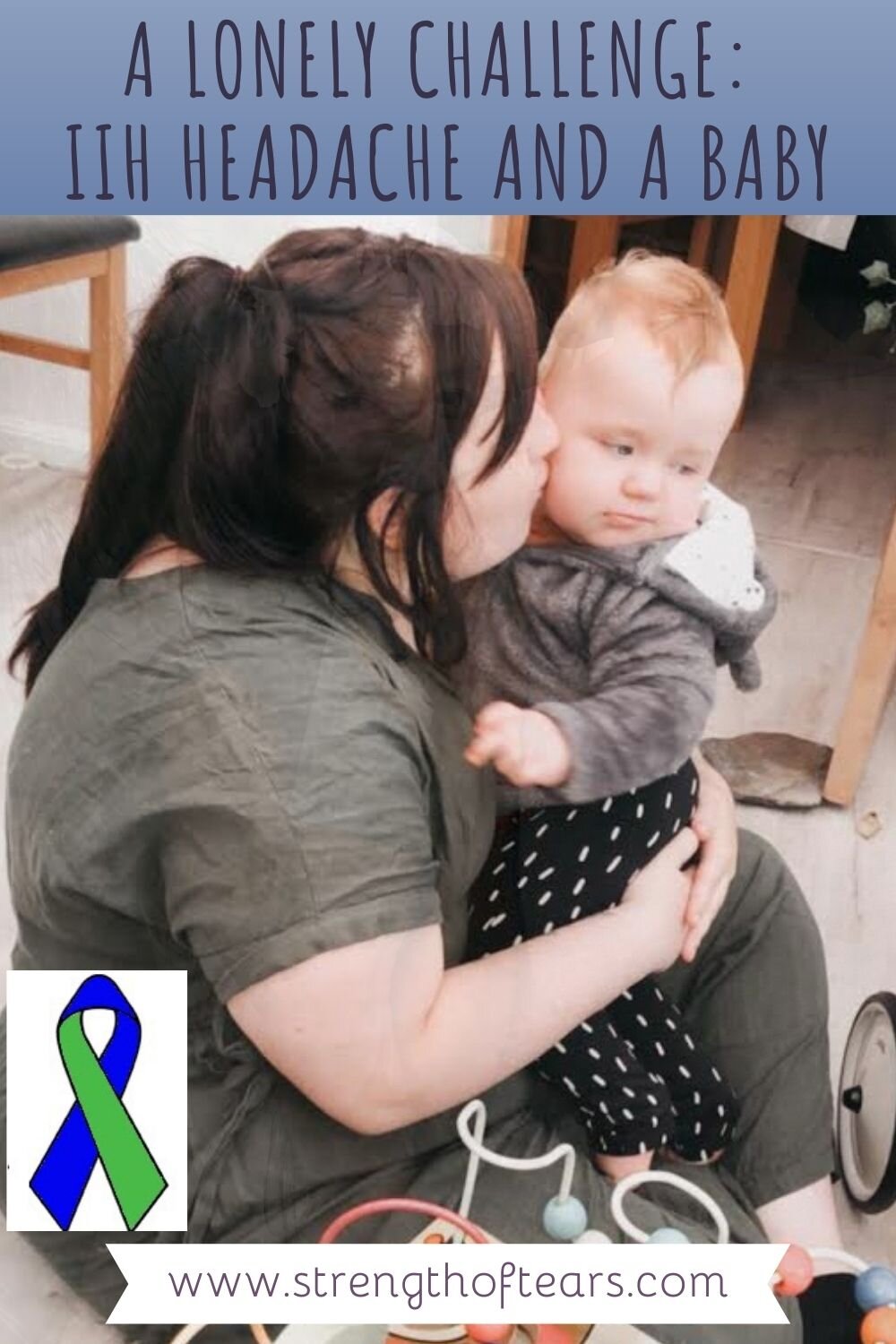
    A Lonely Challenge IIH headache and a baby.jpg

    An Open Letter For IIH Awareness Month

    To my IIH for finally teaching me how to let go. 

    You can’t hold on to anything when you’re awake every morning with an excruciating headache that can only be described as brain freeze mixed with a car crash.  

    With every day, the hypertension headaches grew stronger and longer. I wasn’t present in my life for weeks, I was zoned out on autopilot trying to protect myself from the pain. Nothing worked. I tried everything from pain killers to mindfulness to not eating this and that.

    Then came the whooshing (pulsatile tinnitus ) and blurry vision that fearfully shook me back into the present.  I wasn’t just in pain anymore. I was scared. Really really scared. I knew something was very wrong! I googled my symptoms in every free second I could and my results told me I was either  “faking it” or I had a brain tumour.

    When my phone rang, (sort of like the way my ears did when I got my first headache), my GP told me I had ‘Idiopathic Intracranial Hypertension’. Luckily I’d done my research, so at that point I knew what she knew. Find out what IIH is by reading this IIH UK leaflet.

    However I didn’t know that my boyfriend would end our relationship and move out of our family home leaving me alone with our 8 month old baby son and the lonely challenge of my new diagnosis and that Idiopathic Intracranial Hypertension headache. 

    No one knew I’d need a lumbar puncture in a hospital which had had many covid-19 related deaths or that the procedure would make me so ill I’d had to be driven 300 miles, to be admitted to hospital in Scotland near my family home. 

    The lumbar puncture hurt almost as much as when my partner left me, the pain was deep and repetitive. Read about lumbar punctures here. https://www.nhs.uk/conditions/lumbar-puncture/ It made me question what was wrong with me and why, like always, things could never be easy? 

    I screamed and howled that night as my high pressure hypertension headache was traded with a low pressure headache. My sister held my hair while I vomited almost in unison to my sons midnight cries. How I wished being a mother was the least of my problems.

    They Thought I’d Be Okay.

    They thought I’d be okay but if it had been possible, I’d have easily spent the rest of my life in bed hiding from the world, silently taking note of every little change in me. With every bout of nausea the panic set in and I often found myself reliving the pain of the Idiopathic Intracranial Hypertension headache I felt when I was first diagnosed. 

    They thought I’d be okay but with every visual disturbance I winced at the thought of losing my ability to care for my son, drive or even completely losing my sight. It’s very easy to see why depression is a symptom of IIH. I consider myself extremely lucky that I do have good days as I remember a time, not so long ago, when I didn’t.

    By the time I had to quit my job, I’d started to regain strength. I felt proud that I’d managed to keep myself and my son alive and that we had a wonderful week in Scotland. Looking back it was a parallel universe to what I’d been used to. 

    The days were bright, the family home was busy and the sound of my thoughts no longer rattled off of every surface. I became determined to prove to myself and everyone else that I could fight one of the hardest fights I’d ever faced. 

    I lost 10kg in weight in less than a month. Everyone congratulated me and acted as if, by magic, all my problems would be solved and I’d be okay. Stereotypicaly women are somehow (wrongly) convinced that the more weight they lose the more successful they’ll be. 

    Unfortunately when you’re overweight with an IIH diagnosis, you are even more convinced that losing weight will be a miracle cure. Read more about views on IIH and weight loss here.

    Everyone thought I’d be okay but bed time was the hardest. I recoiled at the sound of my son’s screeches which threatened an Idiopathic Intracranial Hypertension headache. Thankfully we gradually found a routine along with our ability to self soothe. 

    Here I was, a 23 year old newly single, unemployed mum with an 8 month old baby and 3 chronic health conditions; living three hundred miles away from my family and friends. So I’m grateful to the friends who were always a phone call away, even though no one truly knew what I was up against. 

    A New Perspective - My IIH Headache Taught Me To Be Strong 1.jpg

    A New Perspective – My IIH Headache Taught Me To Be Strong

    My Idiopathic Intracranial Hypertension headache and friends taught me to be strong. Not relying on the strength of others is the greatest gift I could have given myself. Fighting everyday just to survive is so, so tiring but I started to reap the rewards and found a new perspective. 

    Whilst becoming a single mother is the last thing anyone would wish upon themselves, over time, it has given me back the independence and self belief I’d lost during pregnancy. 

    Nothing is more rewarding than the bond I have with my son. We are inseparable. Things are different now that my son and I get out of the house whenever we can. I do this because I want to, not because I’d feel like a bad mother if I didn’t. However, I think I’ll always live with guilt and what if’s.

    I’ve realised that I am the best mother for my son and that as long as I don’t stop fighting, however much I want to, little else matters. Doing the dishes doesn’t matter, how I look when I step out the door doesn’t matter and thinking “I’ll be happy when…” doesn’t matter.

    Now I try to create as many meaningful memories as possible for us. Sometimes this will be as simple as going to the supermarket and engaging with as many people as possible. Sometimes it will be playing together and having cuddles on the sofa. 

    IIH has taken so much from me that I’m not sure I’ll get back. I’m troubled by confusion and concentration issues from brain fog and that pervasive Idiopathic Intracranial Hypertension headache. My love of knitting, baking, reading, colouring and watching TV & film is all just not possible for me right now. 

    Instead I found comfort in self care, something I did prior to my diagnosis but from my new perspective, I truly appreciate it. I love painting my nails, using face masks and taking long baths. 

    A New Perspective - My IIH Headache Taught Me To Be Strong “My IIH headache and friends taught me to be strong. Not relying on the strength of others is the greatest gift I could have given myself. Fighting everyday just to survive is so, so tiring …

    How I Feel Now It’s September

    We’ve just celebrated my son’s 1st birthday. It’s been six months since being diagnosed and it’s IIH awareness month. I don’t know how I feel about any of these things and that’s okay. 

    Still so many thoughts turn in my mind. How is my baby 1 year old already? Why have I spent half of his life fighting, almost literally, to keep my head above water? What’s the next challenge, now that my baby and I are here? 

    I do know that for every second I’ve fought, a second of my son’s love is earned. I do know that there are mums out there just like me, laying awake at night exhausted. I do know that we’ll both be praying tomorrow will be different, even though it rarely is.

    A part of me wants to roll up IIH awareness month into a very small ball and chuck it tremendously far away. A part of me wants to leave this challenge behind me and my son and not have to fight this anymore.

    However, I know that we should be taking this fight to the hills. We should be taking it to the roof tops and everywhere IIH has taken us. We must tell everyone we can about the fight we face every day, with IIH headache, the pressure, the pain and the vision problems we all face. 

    As diagnoses are rapidly increasing, we need everyone to know how living with this brain condition affects us. We need to raise awareness of how we’re up against losing our sight and how poor the quality of our lives is. 

    Sometimes it feels like the specialists don’t believe us when we describe how painful the pressure of an Idiopathic Intracranial Hypertension headache is. When doctors don’t understand how frightening this condition is, it can be frustrating. IIH is not immediately life threatening but it does threaten our way of life.

    Amy 💚💙


    A Final Note From Laura

    Thank you so much to Amy for sharing her story for me to share. If you’d like to read more of what Amy has to say, she’d love you to follow her on Instagram @amylrobbo

    I’d like to finish this insightful blog post by sharing some information about how to support IIH UK. If you’d like to read my personal story about IIH please click here. https://www.strengthoftears.com/mums-blog/my-chronic-pain-conditions

    IIH UK wishes “to preserve and protect the physical and mental health of sufferers” as well as carry out research and  educate both the public and “the medical community in particular on the subject of IIH.” To enable IIH UK to do this please follow the instructions below. 

    To help us raise awareness please share this blog on your social media with friends and use #IIHAwarenessMonth. We’d love to be able to raise money for IIH UK so..

    •  If you share this on Facebook please add the donate button and choose IIH UK

    • If you share this on Twitter or elsewhere please use this link to the justgiving page, asking your followers to donate https://www.justgiving.com/iihuk/donate/ 

    Or donate now by clicking the link below and making your one off donation!

    Stay safe,

    L 💜

    P.S

    If you have IIH or any other chronic illness or you’re suffering from depression or anxiety, I can help you create better wellbeing strategies using my free wellbeing plan. This will help prioritise your own needs, such as better sleep patterns, self care or doing the things you love. Or if you want to get on a waiting list for updates on my first ever well-being journal, please sign up to my Strong Mums mailing list here.

    #block-yui_3_17_2_1_1600425276730_92643 .sqs-gallery-block-grid .sqs-gallery-design-grid { margin-right: -20px; }
    #block-yui_3_17_2_1_1600425276730_92643 .sqs-gallery-block-grid .sqs-gallery-design-grid-slide .margin-wrapper { margin-right: 20px; margin-bottom: 20px; }

    ✋ Hey there! I hope you’re feeling stronger now. If so, sharing the love will help me help other mums with mental health and/or chronic invisible illnesses.⬇  Hit one of those sharing buttons or save the images to Pinterest and I will do a bed-bound happy dance – there’s an image for you!

  • Emerging Strong From My Chronic Pain Conditions Challenge

    Emerging Strong From My Chronic Pain Conditions Challenge

    Emerging Strong From My Chronic Pain Conditions Challenge

    Emerging Strong From My Chronic Pain Conditions Challenge This story is about the impact chronic pain conditions have had on my life. I have a rare brain disease called Idiopathic Intracranial Hypertension or IIH, as well as Migraine and Hypothyroid…

    This story is about the impact chronic pain conditions have had on my life. I have a rare brain disease called Idiopathic Intracranial Hypertension or IIH. I also have Migraine and Hypothyroidism and have bouts of depression and anxiety.

    I’ve worried about an unknown future as I’ve had the challenge of a rare condition and misunderstood diseases. I felt frustrated by the doctors who didn’t listen to me. Knowledge is power so I became my own advocate to find the right treatment plan.

    I feel like a strong Mum as I emerge with my story today. However, the reality is that I still face challenges every day. I do still have wobbles and mini meltdowns making occasional appearances but I have the strength to get through it, 

    My family and friend’s love enables me to embrace every day. I want you to feel empowered to raise awareness of your condition and challenges you face too. Anxiety is still what challenges me the most so read about my coping strategies here.

    Living with chronic pain or illness is different for everyone but by reassuring you and giving practical advice, I hope I can support you on your journey. The solutions and strategies I’ve tried, help me and my family live a mostly balanced life. 

    Disclaimer.jpeg

    My Life Before Chronic Illness

    I met my husband Joel at University when I was training to be a Primary School Teacher. I’d already trained and worked as a nanny and I loved being in the classroom, seeing the children grow. Joel’s ability to draw at midnight was a bonus. 

    We moved to Hove when I got my first job, teaching children ages 4-8 from mixed backgrounds. I stayed at the school for 11 years, working with multicultural children, children with special needs and integrating kids with autism from the specialist unit.

    Joel and I married in 2003 and had a baby boy a year later. Eldest taught me how different looking after other people’s children is than your own, but I was still strict in both roles. I adored being a mum and we had another baby boy 21 months later.

    We nearly lost Youngest at birth who was born quickly with the cord tight around his neck. He was taken to the special care ward whilst I was sent back to the maternity ward, surrounded by mums with their babies. I’d never felt a sense of loss like it. 

    That night he had a 4 hour seizure and we were told to prepare for the worst. Thankfully he just pulled through but they couldn’t find a cause. It was put down to trauma and 11 days later we came home. We had another 5 day stay weeks later. 

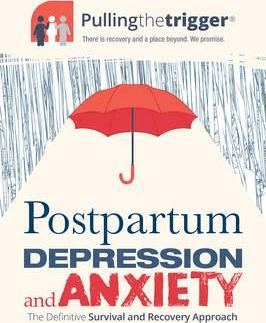
    Youngest was given the all clear aged one but it had taken its toll on Joel and I. I developed postnatal depression and severe panic attacks. I asked for help and went to counselling. Since then we’ve valued and always worked on our mental health.  Read this easy to use self help book about postnatal depression. 

    Postpartum Depression and Anxiety : The Definitive Survival and Recovery Approach

    Postpartum Depression and Anxiety : The Definitive Survival and Recovery Approach

    The Day My Physical Health Changed

    One day in 2009, aged 32, I woke with a sudden sharp pain around and behind my right eye. Standard painkillers didn’t help the pain, which was so severe I cried with every movement. I was signed off work for two months whilst my GP tried to help me. 

    I was misdiagnosed with infections and 2 chronic pain conditions before I was finally diagnosed with atypical migraine. I was given strong, preventative medication which my body took months to get used to. I had a phased return to my part time hours.

    Although the medication worked I still had low level constant pain, affecting family life and interfering with weekend plans. So I explored alternative therapies until I found a cranial osteopath who helped me live less painfully and our family more happily. 

    We could travel again and had many family adventures. The best thing was not being sensitive to sound so I could go to gigs, swim and watch the boy’s school shows. I aimed high and was promoted to an Early Years specialist and Senior teacher.

    Becoming A Chronic Pain Sufferer

    I started having migraine attacks every weekend. Then in January 2014 I had an attack that wouldn’t ease so my GP did an urgent referral to a neurologist who said my migraine had become chronic. Sadly that pain’s still with me years later. 

    I tried to push on but it was unbearable, I took sick leave, thinking I’d find a solution with traditional medication and natural therapies. Over the next 8 months I tried every migraine medication, elimination diets, reiki, reflexology and more but nothing helped.

    I couldn’t teach and began worrying about the future for myself and my family. I kept fighting it but the neurology team didn’t seem to care. I’d be upset on the phone to the nurse due to unbearable pain and she’d tell me to talk to my GP about ‘my mood’. 

    My tears fell from frustration of being unheard and the unrelenting pain that seemed different to the migraines I knew. So I researched constant headaches and a new symptom jumped out at me; the ‘whooshing’ in my ears was pulsatile tinnitus (PT).

    This was the first piece of the puzzle so I joined an online support group. I heard of a PT specialist in Cambridge and boy was that long car journey to see him worth it. He took my situation seriously and suspected Idiopathic Intracranial Hypertension or IIH

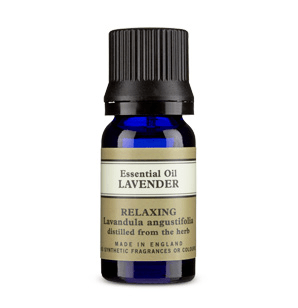
    I had to wait for the tests to confirm this and was told this would be a long process. I was on the migraine medication Merry Go Round, spending months weaning myself on and off of high doses of preventative medicine. Nothing improved my symptoms, although I got a little relief from using aromatherapy oils, especially this Neals Yard Lavender Essential Oil.

    My neurologist found out that I’d sought this second opinion and he refused to treat me. I knew I still had migraine so I was devastated. As the months went on, the ‘long process’ felt like forever. The pain lay heavy on me so I became severely depressed.

    I was losing my sense of self and felt left to rot. My GP was concerned so ran blood tests which showed I’d also developed Hypothyroidism. This explained the amplified feelings of hopelessness. My life became a chronic pain conditions balancing act.

    Idiopathic Intracranial Hypertension IIH Donate.jpeg

    Donate To IIH UK

    Improve the lives of sufferers

    What is IIH And Could I Have It? 

    IIH is associated with raised fluid pressure around the brain. The fluid that cushions the brain is called cerebrospinal fluid (CSF). It can cause disabling daily headaches and visual loss, which can be permanent.

    — iihuk.org.uk

    I started researching the symptoms of IIH, although I knew I didn’t have eye (optic) nerve swelling, called papilloedema. I was convinced I had it despite the headache specialist I saw shutting down my questions about IIH, as I didn’t have papilloedema. 

    IIH without Papilloedema (IIHWOP), is a very rare type of IIH. Less is known about it and many Doctors deny it exists. But the Cambridge team were working with other patients with similar symptoms to me so sticking with them was the best decision. 

    To be diagnosed with IIHWOP you need brain scans and a lumbar puncture (LP). Your explanation about the details of your symptoms is vital so I needed to document my experiences so I could give the specialists a clear picture of what was happening. 

    IIHWOP affects people differently so someone may have some or all of these most common symptoms. They may have additional symptoms too but all impact your quality of life. These are the most reported symptoms – read more about this here.

    • Headaches

    • Pulsatile tinnitus (PT)

    • Visual obscurations – temporary black outs or grey outs

    • Blurred or double vision 

    • Photopsias – short term flashes of light

    I still suffer with the same symptoms I had originally although the intensity changes. As well as PT, I have constant pain in my head, neck and around my right eye. I get very nauseous and have poor mobility; I can get dizzy, black out and stumble or fall. 

    I also suffer with brain fog, a type of cognitive dysfunction involving memory problems, lack of mental clarity and an inability to focus. This is linked to all of the chronic pain conditions I have but it has  improved with each surgery I’ve had for IIH. 

    IIH has left me disabled and bed-bound most of the time. I used to feel guilty about how this limits what I do but now I live day by day, saving my energy for family and friends. My family is about living a happy life, full of laughter and making memories.

    The Challenge To Get Treatment 

    My CT scans showed narrowing of blood vessels in the transverse sinus. This is part of the system acting as a conduit for the blood needed to oxygenate the brain. Watch how blood should drain into the dural sinuses through the internal jugular vein.

    This means I have restricted venous outflow so fluid builds up in my skull, causing a pressure cooker feeling. Headaches are a symptom of all my chronic pain conditions, so I’ve documented how they affect me to help me get the treatment I need. 

    However, getting the treatment for such a rare disease isn’t easy. Nothing was worse than a trip to A&E in late 2014 at the end of an intense weekend after I’d blacked out for the first time. When I finally saw a doctor she would only give me paracetamol! 

    My pain levels were so high, I was shaking as my legs felt like jelly.My GP prescribed a cocktail of pain relief, including oramorph, the following day. Of all my chronic pain conditions, IIH was the hardest to control, often leaving me I able to do anything. 

    This was a new level so Joel pushed for Cambridge to do the diagnostic tests. I was officially diagnosed with IIHWOP after the consultant listened carefully to how well the LP had temporarily reduced my pain levels, despite my LP result being low.

    My treatment plan, however, was delayed for over a year as their trial was under review. In 2017 I had my first of six surgical treatments. I’ve had skull and spine surgeries to create room for my veins and brain stents to reduce CSF build up. 

    The Truth About Living With Chronic Illness.jpeg

    The Truth About Living With Chronic Illness

    The truth is that living with chronic pain conditions tests your limits. We knew it would be a marathon, not a 10k race but I’ve had to accept that I need walkers, a stairlift, a wheelchair, and my gig ear plugs, to make it possible for me to go out on better days. 

    Joel’s my main carer and my boys are young carers for me. I also have a PA here each weekday lunchtime who is like a family member now. She ensures I eat and wash. She cooks, does laundry, keeps things tidy and is perfect company for me.

    Joel, myself and the boys have had to adjust how we live day to day with chronic illness in the mix. But by learning how to communicate effectively we’ve developed a stronger bond. The boys have become independent and resilient. 

    This is key to being able to thrive despite challenges. We work as a team to develop and encourage personal growth. My teaching skills have helped me facilitate finding solutions by making time to reflect on life whilst being mindful. 

    Joel’s always been more spontaneous than me so I’ve learnt how to make the best of my good days. I still love seeing friends or going out to eat but I have to be aware that all activity has consequences with high pain and sleep disturbances afterwards.

    We’ve created new routines to make the most of the time we have. We plan time together, such as family get-togethers and date nights. The boys tell me about their day and Joel and I make time to talk about how we’re feeling. This pays off long term.

    I know I’m so lucky to have Joel guide and stand by me through the toughest times and enjoy the good when we can. Chronic pain conditions impact your relationships so you have to make time for each other and find ways to release the stress. 

    The Chronic Pain Conditions Lifestyle Lowdown 

    Life can change overnight when you develop chronic pain conditions or mental health problems. When that involves family, your relationships change too. My story shows this and how we’ve succeeded by mixing plans with a day by day attitude. 

    Some people are diagnosed quickly with fairly common conditions, some spend years searching for a diagnosis. Wherever you are on your journey, it’s vital to learn about your condition and its symptoms so you make informed choices for treatment. 

    Any diagnosis leads to questions and concerns about the future. I believe that this is when you need a sense of purpose, especially when facing big changes and decisions. This is why I began blogging about my journey to raise awareness. 

    I’ve worked hard on my well-being to cope with the depression and pain that can hold me back. I refuse to let it win so I use distraction tactics. I am creative, I meditate and try to put myself first. Read about how I prioritise my wellness needs here.

    My husband struggled with his mental health and as our boys were young we chose to do family therapy. Thankfully my husband and children supported me in the good, bad and horrendous times. We built strategies to build good mental health for us all.

    Developing routines and structure leads to healthy communication which has made our family an awesome team. With their support I’m now emerging strong with hope and determination to get through hard times and enjoy the good.

    Stay safe
    L 💜

    P.S I can help you create better wellbeing strategies for living with chronic pain conditions. Download my free well-being planner here to prioritise your needs. If you want to get on a waiting list for updates on my first ever well-being product, please sign up to my newsletter below.


    ✋ Hey there! I hope you’re feeling stronger now. If so, sharing the love will help me help other mums with chronic invisible illnesses.⬇  Hit one of those sharing buttons or save the images to Pinterest and I will do a bed-bound happy dance – there’s an image for you!

    #block-yui_3_17_2_1_1599483536273_21920 .sqs-gallery-block-grid .sqs-gallery-design-grid { margin-right: -20px; }
    #block-yui_3_17_2_1_1599483536273_21920 .sqs-gallery-block-grid .sqs-gallery-design-grid-slide .margin-wrapper { margin-right: 20px; margin-bottom: 20px; }

  • MS Awareness Week: Insider Advice For A Quality Life

    MS Awareness Week: Insider Advice For A Quality Life

    MS Awareness Week: Insider Advice For A Quality Life

    MS Awareness Week 2020 began on Monday 20th April and finishes on the 26th. This week is a chance to raise awareness of Multiple Sclerosis or MS, so I’m sharing information about what MS is, the symptoms and how it affects those living with this invisible chronic condition. 

    This is the first of my awareness blog posts that I’ll be sharing regularly with you. So why do I want to start with MS?  As a young adult one of my best friends cared for her mother who had advanced MS. I remember the last day I visited clearly as she passed away soon after. 

    Our friendship gradually drifted apart but I’ve had other friends who’ve had a parent with MS and I’ve seen first hand some of the amazing fundraising efforts. Now I have a few friends (some of the first friends I made as a chronic warrior) who are fighting their own battles with MS. 

    This one’s personal so I’d love it if you share this blog, visit the blogs I recommend or look out for #ThisIsMS or #MSWeek on social media. I want to do what I can to help spread the word and would be thrilled if you too pass this on? For more details click here to visit this MS Society Awareness Week page.

    View fullsize

    MS Awareness Week Insider advice for a quality life. This MS Awareness Week the MS Society wants to raise awareness of life with MS.

    This MS Awareness Week the MS Society wants to raise awareness of life with MS. They want to show how someone may be feeling on the inside, when from the outside they ‘don’t look ill’. For all of us living with chronic invisible illnesses, we may struggle with anxiety or stress so I’m giving away my free grounding exercises for anxiety at the end of this post.

    If you just can’t wait, grab my free grounding techniques guide now. You’ll get this and all my free resources to help you develop your own coping strategies for your family well-being/living with chronic invisible illness. Click the button to download this guide from my VIP Resources Library now.

    An Overview of MS

    MS or Multiple Sclerosis is a disease affecting the central nervous system (the brain and spinal cord) and is a chronic or life long condition. Everyone affected by MS will experience it differently and will have varying degrees of symptoms across the three main types of MS.

    Approximately 130,000 people in the UK have MS, with nearly three times more women diagnosed with the condition than Men. Approximately 100 people are diagnosed each week, with most of these in their 20s and 30s, making it the most common Central Nervous System condition in young adults. 

    Our central nervous system consists of the brain and spinal cord and plays a vital role in the control of most bodily functions. Nerve cells exit the brainstem and spinal cord, processing information and sending messages to and from different areas of your body. 

    In MS patients, the central nervous system is attacked by mistake. The immune system attacks myelin, a membrane that insulates your nerves, causing lesions. These cause MS symptoms, due to the damage stopping messages from the brain travelling smoothly.

    When new MS lesions develop, you may experience a relapse. In the earlier stages, the body naturally repairs most of the damage and symptoms go away but eventually most people develop symptoms that worsen over time. 

    “Most people will usually experience only a small number [of symptoms] around the time of diagnosis… Symptoms vary from person to person and from day to day. This can make…MS rather unpredictable.”

    — The MS Society

    What are the symptoms of MS?

    MS Awareness Week 2020 wants to raise awareness of more than the physical symptoms that are experienced during an MS relapse so this is a short list of symptoms. If you wish to know more about symptoms and relapses then visit this section on the MS Trust’s website.

    Common symptoms around the time of diagnosis:

    • Fatigue

    • Pins and needles or numbness

    • Pain

    • Problems with eyesight

    • Memory problems

    • Walking difficulties e.g. tripping, stumbling, weakness or a heavy legs

    • Dizziness and vertigo

    Other possible symptoms:

    • Muscle stiffness and spasms

    • Bladder and bowel problems

    • Difficulty swallowing

    • Sexual difficulties

    • Migraines

    • Seizures

    • Speech problems

    • Hearing loss

    • Mood changes

    Medical Disclaimer - I am not a medical professional therefore the content on this blog is for informational purposes only.

    MS Awareness Week 2020

    This MS Awareness Week, the MS society wants to focus on raising awareness of the hidden side of this invisible illness, by asking people to share their stories of living with MS. They’re asking you to share what MS means to you, how it impacts your life and makes you feel.

    If you’re struggling due to living with a chronic illness and need support to cope with anxiety then please grab a copy of this free guide to grounding exercises for anxiety. It helps you to explore 5 simple exercises and learn which you want to recall during an anxiety or panic attack. 

    If you want to join in head to Get Involved MS Awareness Week for more details on how to share your story. If you want to read these stories then use the hashtags #ThisIsMS and #MSWeek on Twitter, Facebook or Instagram this week. 

    To help raise awareness I’m sharing my favourite articles about living with this condition by my top 5 MS bloggers. MS has many symptoms but not everyone will experience all of them, so I’m sharing stories from bloggers who experience a range of symptoms.

    The main message of MS Awareness Week is to show what is going on beneath the surface. As I can’t explain this to you myself, I’m going to leave that up to these 5 MS advocates. I hope you get an increased understanding of the impact MS has. This is MS…

    View fullsize

    5 Experts Share A Behind The Scenes Hope - MS Awareness Week. raising awareness of Multiple Sclerosis. information about what MS is, the symptoms and how it affects those living with this invisible chronic condition.

    5 Experts Share A Behind The Scenes Hope – MS Awareness Week

    1. https://stumblinginflats.com – Barbara from Stumbling In Flats is an established writer, author and blogger. I first came across her as a fellow Teva Life Effects contributor. She lives with ‘The Teenager’ in Cardiff and has been diagnosed with MS for 9 years. Her book, Stumbling In Flats, was short-listed for the International Rubery Book Award 2015.

    ‘We’ll Do What We Do Best’ seems like the perfect blog post to share for MS Awareness Week. She writes about how the MS community has come together, at a time when MS patients are ‘shielding’. This post has definitely made me think.

    Her observation on ‘doling out advice to normally-healthy people stuck at home, climbing the walls’, is familiar as I feel like I’ve been training for lockdown. Everyone is getting a glimpse of our lifestyle but we wish the many resources, like theatre at home, were available for us all the time. 

    Click here to read her post

    2. http://trippingthroughtreacle.com – Jen’s award winning blog – Tripping Through Treacle is about her attempt at a healthy lifestyle, parenting, mental health and more. She’s had MS for over 25 years and tries to stay positive with support from her family and friends.

    I recommend Jenny’s post – ‘Bravery’ in Chronic Illness which talks about both points of view on being told you’re brave, amongst the chronic illness community. I feel that I’m just living the hand I was dealt but I do understand how some feel like people are pitying you when they tell you you’re brave. 

    Others take it as a compliment, feeling like it gives them strength, especially on those days when they feel anything but brave. Jen observes that there’s actually a spectrum of opinion on how being called brave makes people feel.

    Personally I don’t feel that people are pitying me, rather that they cannot see themselves in my position so cannot envisage how they would cope. I struggle more with being called ‘inspirational’, for similar reasons but that’s a post for another day. 

    Click here to read her post

    3. https://www.anempoweredspirit.com – An Empowered Spirit is an award winning blog written by Cathy, who’s been living with MS since 1986. She wants to empower, inspire, and educate her readers so they can live a healthy and informed life while living with MS.

    As this year’s MS Awareness Week is aiming to raise awareness of the invisible side of MS, I’ve chosen to highlight her blog about relationships and MS. She writes of how having a support network reduces anxiety and stress but sadly many people lose this, after a chronic illness diagnosis. 


    After my diagnosis, my husband and I took action and asked for support. Through this we found how, as a family, we needed to work as a team. It’s made us all more resilient and empathetic. 

    I agree with Cathy when she says that successful relationships require learning how to voice your feelings in a caring way. Having this skill is vital to how we cope as a couple and as a family, with the strains of chronic illness life.

    Click here to read her post

    4. https://www.lifeonaseesaw.co.uk – Kat from Life On A Seesaw is also a contributor to Teva Life Effects. I recently saw that she lived near me so I messaged her and discovered she lives in the same village we moved from, just before I was diagnosed.

    Kat lives with her husband and young son and was diagnosed with Multiple Sclerosis in 2016. She loves photography, writing and being in nature. Her message is that we are much more than our diagnosis and hopes to provide empowering articles.

    I recommend reading her Just Diagnosed? Tips For Patients post. She says that “When you are diagnosed with MS, so is everyone in your family.” Her post is intended to answer some of the questions Kat had when she was diagnosed. 

    Regardless of how you come to be diagnosed with MS, Kat say that it’s still a shock. She talks about you and your loved ones all needing time to digest your diagnosis. I feel this is a universally important tip for anyone diagnosed with a life changing condition.

    Click here to read her post

    5. https://fightmsdaily.com – Alyssa from Fight MS Daily is an award winning, inspirational chronic illness blogger. She has been diagnosed with MS for over 19 years but still pushes the barriers that MS puts in front of her. She says “In my heart and mind, I believe maintaining a positive outlook on all situations in life will carry us through to much better times!”

    I recommend reading her post Fight the Battle & Win the War! She acknowledges that although life with a chronic illness with painful symptoms is not easy. However she has vowed not to let pain win the battle. 

    She comments on the things we can do to fight the pain we may feel, acknowledging that what works for her might not work for anyone else. For example, she finds that her pain lessens if she keeps moving, despite that not making much sense to her. 

    Click here to read her post

    charity ribbon basic.jpg

    MS Awareness Week 20220

    MS FAQs

    I hope, as do the writers of the blogs above, that you’ve found this information useful. I also hope that by signposting these blogs for you that you get the answers you need and the support that we as bloggers, hope to provide you with. 

    I’ve added FAQs to the end of the blog for those of you looking for a quick answer to your questions. However if you want non-urgent medical advice, please visit these sites for support:

    https://www.mssociety.org.uk

    https://www.mstrust.org.uk

    https://www.nationalmssociety.org

    https://msfocus.org

    https://mymsaa.org

    Is there a cure for MS? 

    No there isn’t a cure for MS, but there are treatments for some of the physical symptoms and medications which reduce the amount and severity of relapses. 

    What causes MS? 

    It’s still unknown what causes Multiple Sclerosis but it’s being actively researched. There seems to be a number of different factors that when put together, trigger MS. Genes may make up around half the risk of getting MS.

    Can I treat myself by eating healthily?

    It is really important that you take any medication prescribed by your physician. There are complementary therapies that some people find helps reduce the severity of relapses.

    It’s also thought that a lack of sunshine or exposure to some viruses, smoking, obesity and long-term solvent exposure may be a factor. Being healthy is a good choice but it cannot replace your medical treatment plan.

    Can I have children?

    “MS rarely affects a woman’s ability to get pregnant, carry a child or give birth. A woman with MS is less likely to have a relapse during pregnancy, although the risk of relapse increases during the six months after the birth.”  It is important that you discuss this with your doctor because of the risk that some medications could have on a foetus.

    Is MS hereditary ?

    Some genes do make it more likely but this on it’s own is not enough to trigger the condition. The risk of another member of your family getting MS is small. The cause of MS is a vital area of research and it’s thought that a number of factors come together to trigger MS.

    Will I become disabled?

    MS may impact your ability to do certain things in the future and you’ll need to adapt with these changes. MS can cause disability, however, most people won’t need to use a wheelchair permanently.

    What is the prognosis?

    MS is a lifelong condition but it’s rarely fatal due to advances in treatments but as everyone has a different experience of symptoms,cno-one can predict how MS will affect you. Most people with MS have a long life, with an lifespan estimate of six years less than the general population. 

    Final Thoughts

    By writing this blog, I’ve learnt that you wouldn’t know someone was experiencing almost all the symptoms of MS. Therefore we must all remember that we never know what someone is going through underneath the surface, so please choose kindness. In light of this, if you feel that you aren’t coping well with anxiety or panic attacks, please head to my blog post – How To Develop Easy Strategies For Coping With Anxiety.

    Just a reminder that this MS Awareness Week, the MS Society wants to raise awareness of life with MS. They want to show how someone may be feeling on the inside, when from the outside they ‘don’t look ill’.  Help make sure that no one has to suffer MS alone by sharing your story on social media using the hashtag #ThisIsMS. Find out more detail by visiting the MS Society’s MS Week page.

    To help raise awareness for MS, please share this blog and look out for #ThisIsMS or #MSWeek on social media. If you’d like me to see it then please tag me in it (see my links below). I’d love to hear from you in the comments if you visited any of my 5 blog recommendations or if any of this spoke to you

    Thank you so much to the ladies who kindly let me share their blogs with you today. If you have MS and are shielding or in self isolation now, I send you my best wishes and positive energy to help get you through.

    Stay Safe,

    Laura 💜

    P.S Don’t forget to download my grounding exercises for coping with anxiety free guide from my Strong Mum’s Resource Area when you sign up to my mailing list. This guide will help you develop your own coping strategies for your own and your family’s well-being/living with chronic invisible illness. 

    ✋ Hey there! I hope you’re feeling stronger now. If so, sharing the love will help me help other mums with chronic invisible illnesses.⬇  Hit one of those sharing buttons or save the images to Pinterest and I will do a bed-bound happy dance – there’s an image for you! 

    #block-yui_3_17_2_1_1587569280280_79035 .sqs-gallery-block-grid .sqs-gallery-design-grid { margin-right: -20px; }
    #block-yui_3_17_2_1_1587569280280_79035 .sqs-gallery-block-grid .sqs-gallery-design-grid-slide .margin-wrapper { margin-right: 20px; margin-bottom: 20px; }