Tag: chronic illness community

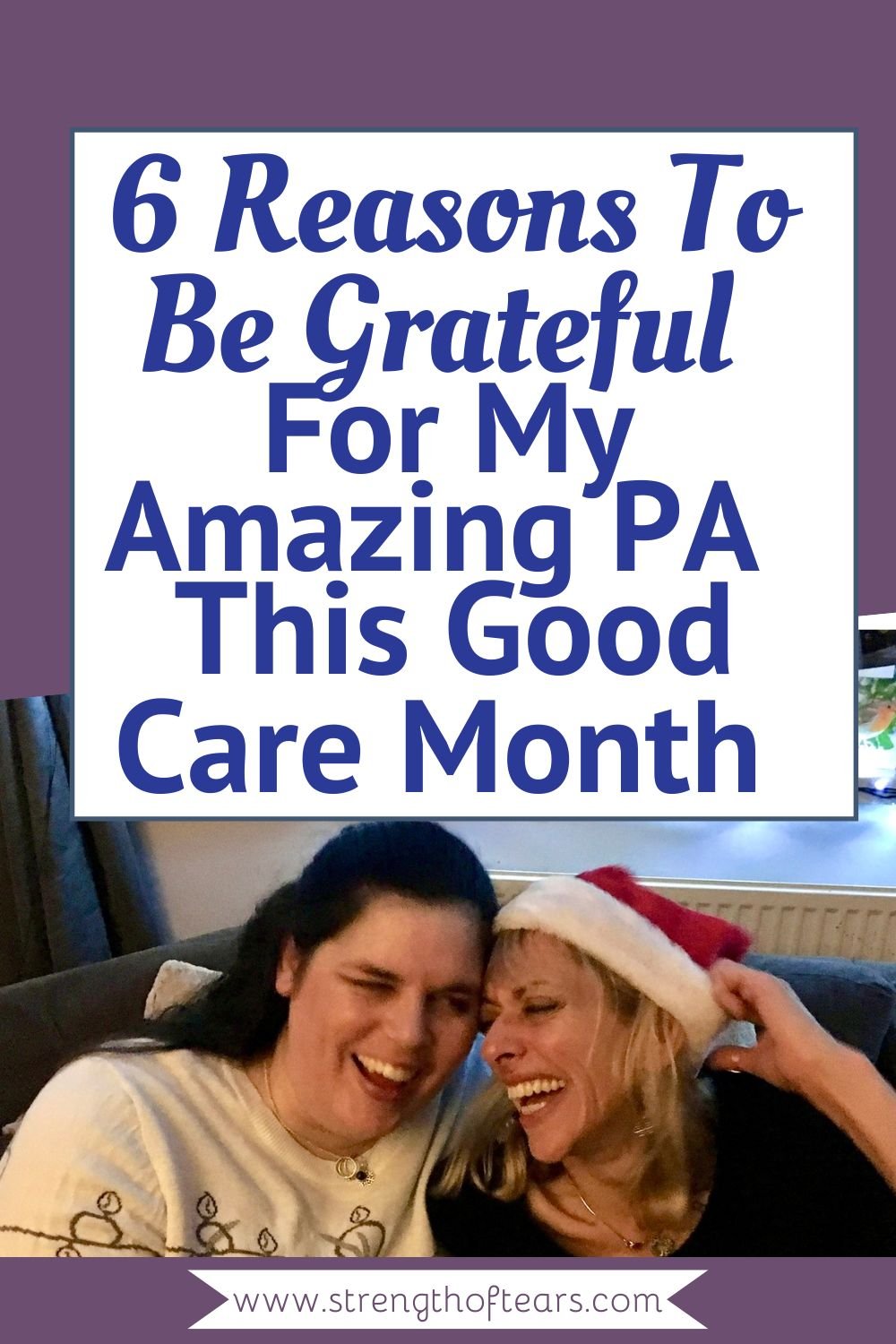
  • 6 Reasons To Be Grateful For My Amazing PA This Good Care Month

    6 Reasons To Be Grateful For My Amazing PA This Good Care Month

    How Will The New Guidelines Affect People With Chronic Pain In The UK

    The NICE guidelines for managing chronic pain in the UK only recommend CBT; ACT; antidepressants; Acupuncture and exercise programmes. Pain relief is no longer recommended, although changes should be managed with the patient. Instead we’re losing quality of life because the guidelines for the chronic pain treatment UK is unclear. 

    6 Reasons To Be Grateful For My Amazing PA This Good Care Month

    Every July Hertfordshire Care Providers Association (HCPA) raises awareness of the caring profession in the UK, hoping to boost recruitment, thank those in social care and break some of the stigma attached to caring. Read about it here.

    During Good Care Month those who are cared for and caregivers share their stories. I want to illuminate Carer’s skills and qualities when working with vulnerable adults. Having a government assisted Carer has changed my family’s lives as it gives everyone a break from the harsh reality of life with a disabling condition.

    Unpaid care is becoming more common with the pressures on the care sector but social care can change lives for everyone, including unpaid carers already in place. This blog is a look at being an unpaid Carer from the perspective of a friend who cares for her husband.

    This blog is mainly a thank you letter to my amazing personal assistant (PA) or Carer, Sam. I share the reasons I’m grateful for her in my examples of the 6 Carer’s skills I see as a gift. My aim is for other Mums to feel that having a Carer isn’t giving in or not an option for them. 

    This open letter will surprise Sam but I want to shout from the rooftops about how she supports me and my family and recognise how grateful I am personally for how she employs her expertise to give me the support and friendship I need as a younger adult client. 

    The guidelines are written for patient care by a committee of healthcare professionals. I’ll break down the guidelines and share how they affect patient’s quality of life from the perspective of medical professionals and those in the chronic illness community

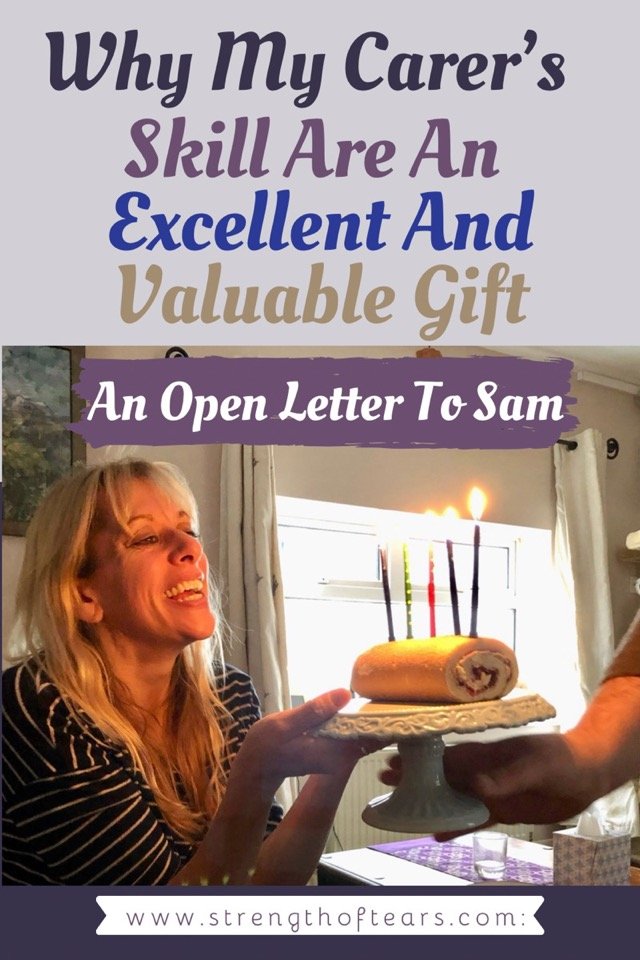
    Why My Carer’s Skills Are An Excellent And Valuable Gift
    The latest NICE guidelines recommend group based exercise, psychological therapies (ACT or CBT), antidepressants and acupuncture. Pain killers are no longer recommended for managing chronic primary pain.

    Dear Sam,

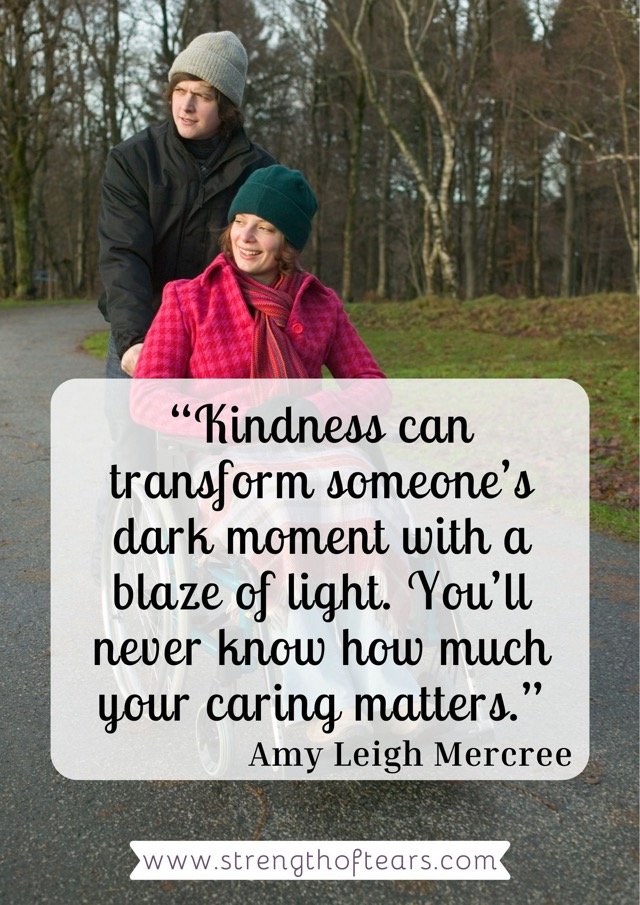
    As the author Amy Leigh Mercree once said “Kindness can transform someone’s dark moment with a blaze of light. You’ll never know how much your caring matters.” These words are so important for you, and every dedicated caregiver, to hear from the person you care for. 

    How often do the people you aid get the chance to tell you exactly how valuable you are to them? I’ve needed care for nearly 8 years, due to a rare and debilitating brain disease. I feel privileged to have the support of a professional Carer and feel incredibly lucky that that person, for the last 5 years, has been you. 

    I learnt of Good Care Month this year. As I feel strongly about shining a light on what Carers do, so when I saw a suggestion to write a thank you note to your Carer, I knew I had to write an open letter. This is my way of raising awareness of Carers skills and worth.

    Accepting you need help as a 37 year old Mum with chronic illness is tough. There are many stigmas around social care and caregivers but those linked to care for those in the 18-64 age group, stand out to me. There’s an even stronger barrier for me as a Disabled Mum. 

    One reason for this is that younger adults are more likely to receive local authority assistance for learning disabilities and mental health issues than physical disabilities. This means that most Carers who’ve worked with me haven’t really known how to engage with me or my family or I’d feel them pitying me. 

    I love that you’ve never done this Sam, you simply treat me like an equal. What you do for me and my family means so much more than I can write. However, some things are just between me and you, and can’t be shared in an open letter. So let’s just say that what I love most about you is our shared filthy sense of humour! 

    This Good Care Month, I’m sharing just 6 of the reasons that make me value you as my Carer:

    1. Building Strong Relationships

      As parents, it means so much that you’ve taken the time to build strong connections with us all, especially our boys. We all feel we can be ourselves and the boys don’t feel like there’s a stranger in their home and safe space. Feeling we can be ourselves is a gift. 

      You’ve thrown yourself into being a part of the team, realising that this is our way of having some control. We take pride in working together and as we prioritise listening to each other and solving problems together, you prioritise this too. Sam, you’re part of our family because, honestly, you’re as much of a weirdo as we are. 

      For others caring for adults under 65, please take the time to look at the family as a whole. One of the most valuable Carer’s skills is to build good relationships. If you’re coming into the family’s space make sure everyone feels comfortable when you’re there. 

    2. Helping With The Little Things

      By taking care of my needs you help me stay organised so I manage to stay on top of things. The small things you do for me matter, such as, getting my clothes out, ensuring I have enough water and helping me get dressed. This allows me to save my energy to use elsewhere. 

      You making lunch for me is the difference between me being able to write or needing rest on my better days. I can be Mum AND focus on my goals when I have energy, which is why this matters. I can’t imagine trying to keep everything straight without your help, although your clumsiness is an add-on I’m not sure I asked for – teehee! 

      Some skills are just a part of the job but this Good Care Month is the perfect time to recognise just how crucial doing the little things are for those of us with chronic illnesses and disabilities. Creating a routine is pivotal so that we don’t have to ask you, which takes energy itself. 

    3. Having Emotional Support

      Sam, you’re a huge support during tough times, whether I’m feeling low, having a pain flare or just need someone to talk to, I know you’re there for me. You’re switched on to how I am when you walk into the room; a rare gift that only those closest to me have. Being aware of this calms me as much as your excellent cuddles do. 

      We’re so lucky to have found the right fit with you, it hasn’t always been this easy. Knowing you’ll make sure I’m taking care of myself takes some of the pressure off of Joel. This just makes me value you more and so you’ve become like a sister to me. 

      Being emotionally supportive is one of the most vital Carer’s skills. As a sick and Disabled Mum, there’s always something to worry about and being ill is exhausting. Being aware that communication with a Carer will be easy helps every family member’s mental health.  

    4. Lending A Hand

      You’re always willing to get stuck in Sam, be it normal jobs around the house or the odd jobs that come up. Being mindful of this helps me take care of myself. I love sending a recipe and being sure you’ll prepare or cook dinner as my proxy, giving Joel one less job.

      However, it’s even more important to notice the things you do for us if Joel has a meeting or is away on business, like cleaning up after the cats, picking the boys up from school or taking me to appointments. Of all these Carer’s skills, this has the biggest impact on family life. 

      In Good Care Month it’s important to appreciate the smaller things as these often just happen. If someone has become part of the family, there’s often an open offer to grab essentials or check in when off duty. As long as boundaries aren’t crossed then this is a real gift. 

    5. Creating More Life Balance

      Sam, you help me create more balance in my life, both emotionally and getting the balance between work, goals and rest. For me, being certain that my family has less chores helps me feel less of a burden, supporting my mental health. It also gives my family more balance. 

      You help me keep a positive attitude by making me laugh, even if it’s you being daft. Yes this hurts when I’m in pain but it’s what I need. If you’re having a bad day you still make sure we giggle at something. Having you around is a tonic and we appreciate you more than you know. 

      A Carer’s skills at bringing more opportunities for life balance into the life of the person they’re caring for is incredible and important to mention in this Good Care Month blog. This is an unexpected outcome for the whole family, especially when things are tough.

    6. Supporting Goals and Dreams

    Sam, you take on board my goals and future vision when I’m speaking to you about unrelated things or even thinking out loud. You know my goals, such as building up my social life, and you’ve seen the frustration I feel when my illness holds me back. 

    This year my social worker helped me get back to swimming again regularly but I can only do that with your support. I look forward to our swim sessions, being confident you’ll keep me safe. To top this all off, you’re an amazing friend and I can’t imagine going through life without you by my side.

    This isn’t something you naturally consider when hiring a PA, but it makes such a difference to my life that I have to mention it. Be it having help with planning a rare trip out, holiday packing or talk of things you dream of or aspire to, a Carer can help you achieve. 

    Beyond these 6 Carer’s skills I want to thank you for the extra gifts you bring that are personal to us, Sam. You listen when I wander down my Wonderland rabbit hole chats, aware that my brain has to get from a to b, even if there’s a long detour. I appreciate your patience. 

    Thank you for driving more slowly when I’m in your car. I know you find it hard because you let me know every 10 minutes of the journey! I’m grateful for the effort you go to (and the panic that follows) when I’m nauseous and ask for something to eat you’ve never made.


    I wish I’d known 8 years ago what I know now. I felt I wasn’t sick enough for support and didn’t know what skills or qualities I needed to look for. Some Carers haven’t been right for us but thankfully you fitted in immediately and it’s a gift that we found you when we did. 

    My aim for this letter is to show how, when these 6 Carer’s skills are used well, a Carer is an invaluable resource. I hope PAs and Carers consider how to develop these in their own practice and that we break the stigma that Carers are only for ‘old people’.

    This Good Care Month, I also want to acknowledge those who could receive care. Your concerns about having a PA as a Mum are valid but know that excellent Carers are out there for us. I now see care as an opportunity to have someone help me be a more engaged Mum. 

    Looking back at the quote I shared at the beginning of this letter, I hope you can all see that having the right support matters. Sam, your kindness does allow light into some of my darkest moments and this means more to me and my family than you’ll ever truly comprehend. 

    I want you to know you’re a vital and valuable member of our team. Thank you Sam for all you do for me, Joel and the boys.

    Yours, Laura 💜💜

    In Conclusion…

    Good Care Month aims to raise the profile of the social care sector and promote career opportunities. It’s important because it’s a chance to give Carers the recognition they deserve. It takes a special kind of person to work in social care with these Carer’s skills. 

    The core qualities a Carer needs are passion, courage, dedication and compassion. One day it could be you needing care or caring for a loved one, so I want to make it clear that caring isn’t just wiping arses. However you may find yourself in strange situations, so a sense of humour is the quality I rank highest.

    Unpaid Carers are another topic but I want to mention it as the 2 hours of support I get each weekday from the local authority gives respite for Joel and my sons. They can take a break without any guilt and Joel feels assured as he knows I’m not alone and isolated. 

    My children have become young Carers and it’s fascinating to hear their perspective, which you can read in this blog I wrote recently. They’ve developed compassion and empathy, which are skills for life, and the way we communicate as a family has evolved greatly.As a family we’re found that the root of good care is in building strong relationships and working as a team so everything else falls into place. I hope I’ve shown that having a paid PA or Carer as a young Mum is worth it, if you take time to find the right fit for you. 

    There are so many Carer’s skills that I haven’t highlighted here but at the core is the ability to listen as everything is built around the needs of that person in their specific situation. Sometimes a Carer is faced with difficult decisions and this deserves our praise and respect. What is key is that the Carer works with us on our goals and priorities.

    If you would like some support with planning your wellbeing priorities please download my free guide to setting achievable goals that you can work on with your Carer.

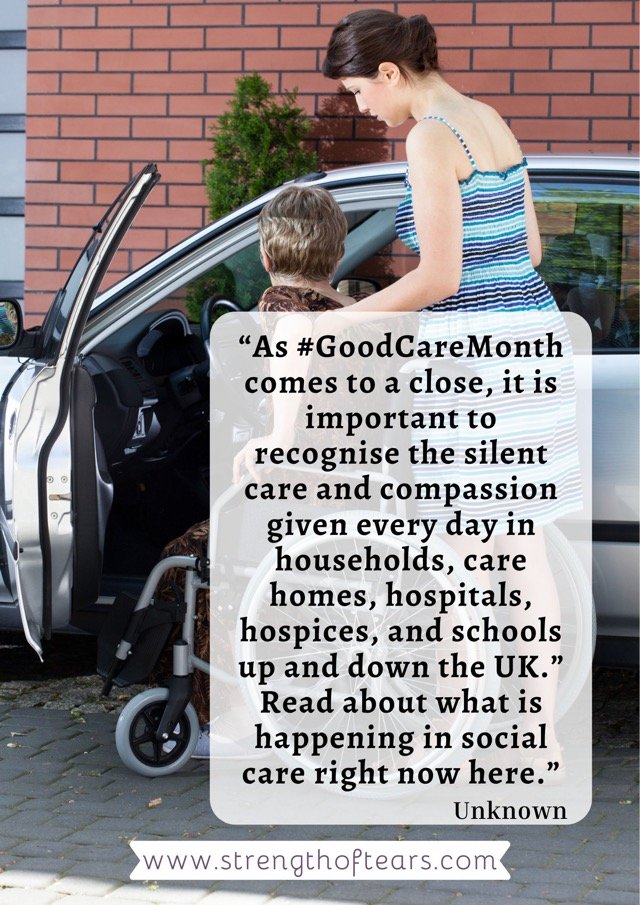
    “As #GoodCareMonth comes to a close, it is important to recognise the silent care and compassion given every day in households, care homes, hospitals, hospices, and schools up and down the UK.” Read about what is happening in social care right now here.

    — Unknown (see link below)

    Read more in this Good Care Month Article by UK Community Foundations

    Carers deserve our appreciation everyday, however, I’m glad to have had this opportunity to show my appreciation for Sam. Learn more about Good Care Month here and find out how to get involved yourselves, I hope these photos show how much joy can be found by having a Carer.

    Best Wishes to you all,

    Laura 💜
    #block-6d92efcbcbe02759f200 .sqs-gallery-block-grid .sqs-gallery-design-grid { margin-right: -20px; }
    #block-6d92efcbcbe02759f200 .sqs-gallery-block-grid .sqs-gallery-design-grid-slide .margin-wrapper { margin-right: 20px; margin-bottom: 20px; }

    ✋ Hey there! I hope you’re feeling stronger now. If so, sharing the love will help me help other mums with chronic invisible illnesses.⬆️  Hit one of those sharing buttons or save these images to Pinterest and I will do a bed-bound happy dance – there’s an image for you!

    P.S. if you’re a Carer or looking to hire a paid Carer or are given the opportunity to do so by your social worker, find out what you need to know with these resources: 

    Are You A Carer – www.england.nhs.uk/commissioning/comm-carers/carers

    Carer’s UK – www.carersuk.org

    Carers Trust – carers.org

    Support for Carers – www.nhs.uk/conditions/social-care-and-support-guide/support-and-benefits-for-carers

    Young Carers – carers.org/about-caring/about-young-carers

    Carers Mental Health www.northtynesideCarers.org.uk/looking-after-your-wellbeing-as-a-Carer
  • How Will New Guidelines Affect People With Chronic Pain In The UK

    How Will New Guidelines Affect People With Chronic Pain In The UK

    How Will The New Guidelines Affect People With Chronic Pain In The UK

    This is the first of two articles I’m writing to highlight concerns about the chronic pain treatment UK. I first became aware of Claire Swain’s campaign to petition the government to review the draft NICE guidelines during the one year consultation period. 

    Although these guidelInes affect millions of patients with chronic pain in the UK, it didn’t get enough signatures in the alloted time. So a new petition was started and helps raise more awareness. 

    The guidelines are written for patient care by a committee of healthcare professionals. I’ll break down the guidelines and share how they affect patient’s quality of life from the perspective of medical professionals and those in the chronic illness community.

    What Are The NICE Guidelines For Chronic Pain Treatment UK

    The National Institute for Health and Care Excellence (NICE) published these guidelines in April 2021 on the assessment of “all chronic pain (chronic primary pain, chronic secondary pain or both)” and the management of chronic primary pain in over 16s.”

    The guidelines clarify that “Chronic primary pain is pain with no clear underlying cause, or pain (or its impact) that is out of proportion to any observable injury or disease.” Chronic pain in the UK is defined as persistent pain, lasting longer than 3 months. 

    Conditions of chronic pain in the UK classed as ‘primary’ pain are given as: “fibromyalgia (chronic widespread pain), complex regional pain syndrome, chronic primary headache and orofacial pain, chronic primary visceral pain and chronic primary musculoskeletal pain.” 

    This response from the British Pain Society concludes that “Chronic primary pain… is difficult to diagnose, even for specialists… Yet the guidance recommends that such patients should only be offered ‘antidepressants’, psychological therapies, acupuncture or group-based exercise.”

    Recommendations for managing chronic primary pain in a “collaborative and supportive relationship” are based on evidence from clinical trials, forming chronic pain treatment UK. However, professionals have raised concerns over the quality of this evidence. 

    The Faculty Of Pain Medicine gave this response to the guidelines. They note their concerns about the risk to patient care for those with chronic pain in the UK, stating the need for ongoing review of “how pain is managed… [for] the full spectrum of patients” 

    Section 1 of the guidelines focus on person-centred assessment, which is largely welcomed for the chronic pain treatment UK. It suggests patients are asked to “describe how chronic pain affects their life, and that of their family, carers and significant others.”

    Sadly, the message that the guidelines for assessing chronic pain in the UK should meet the unique needs of the individual are eclipsed by potential consequences of misinterpreted guidelines. It’s likely that this will become a blanket policy for all with chronic pain in the UK.

    This makes it highly likely that underlying conditions will be missed and pain relief will be withdrawn or not approved for those in desperate need. The guidelines are not mandatory but the chronic pain treatment UK could leave many with little or no quality of life.

    This petition is now closed as there weren’t enough signatures. It said that “A number of commonly used and vital treatments for pain relief and management are no longer recommended, and we believe the new guidelines do not meet the needs of people suffering from chronic pain.”

    Medical Professionals On The Guidelines Impact On Life Quality

    The NICE guidelines have been called out as cruel by experts, such as Pain Concern, who released this response, stating “As we feel the guidance is based upon crafted-together evidence rather than scientifically-strong evidence, then to remove much of the current toolbox seems to be poor timing in our view.”

    The Faculty Of Pain Medicine, The British Pain Society, The Chronic Pain Policy Coalition and the Royal College of General Practitioners released this joint statement in response to the NICE guidelines. It highlights the process for patients with chronic pain in the UK, who already take medication.

    “If the patient declares benefit from the medication then a shared plan can be developed using shared decision making processes, explaining any risks and the lack of evidence. 

    If the patient has no benefit from the medication, then using the same process, a staged reduction plan can be formulated. In all cases, additional or alternative methods of managing pain (as outlined in the guidance) can be explored.”

    This comprehensive response from the Cochrane Pain, Palliative and Supportive Care (PaPaS) focuses on the evidence used by NICE for the chronic pain treatment UK guidelines. It notes how hard it is to measure how treatment affects people with chronic pain.

    Their response says “The committee rightly identified throughout the document that quality of life was of key importance.” But go on to highlight the data chosen and how it was presented in the guidelines, is average due to such a small difference in pain levels.  

    Saying this makes it unlikely to show much difference in areas such as quality of life or sleep for those with chronic pain in the UK. But they add that “There is abundant evidence that large degrees of pain relief are associated with large benefits… in terms of quality of life.”

    They affirm this with clinical trial data from almost 2,000 participants, saying “For fibromyalgia there is good evidence from individual patient-level analysis that those with good pain relief have large benefits in quality of life…(sleep, depression), and their ability to work.” 

    These responses clearly state the potential impact on life quality. It’s clear that the chronic pain treatment UK should be, in most cases, a combination of pain relief and additional methods.

    However, these statements by professional bodies suggest serious concerns about the poor choice of evidence to support these latest NICE guidelines, which is incredibly frustrating. This opens the guidelines up to misinterpretation of the chronic pain treatment UK. 

    The guidelines clearly refer to changes to medication already taken by patients with chronic pain in the UK. Where it’s beneficial, medication shouldn’t be removed. Sadly we’re seeing this isn’t the case for many chronic pain patients, leading to a poorer quality of life.

    How Will Poor Chronic Pain Treatment UK Impact Quality Of Life

    I’m sharing how these guidelines have already affected those with chronic pain in the UK, despite this campaign now being closed. With Claire’s permission I’m using evidence from the campaign, Claire’s experience and comments from my own posts about this. Visit my Instagram here.

    One experience shared via the campaign was a woman who’d experienced medical gaslighting where her pain management team had told her GP to stop her pain medication. In this post she says that her “medication supports her ability to function so she has a quality of life.”

    Here, Spoonie Mama writes “I spoke to my Dr this morning then cried for ages. She was rude and questioned my pain. She told me she wants me off all opiates and I have been taking it for 6 years to help me with breakthrough pain with no problems. On top of that I had major surgery recently and my pain is sky high.”

    These changes in the chronic pain treatment UK, show how the guidelines are being misused and causing distress. There are myriad reports from those who’ve had, or been told, their pain relief will be removed or their pain has been dismissed (Medical Gaslighting). 

    What’s clear from these experiences from the chronic pain in the UK community is that the NICE guidelines are to blame for the impact on patient’s quality of life. When patients, especially women’s, ability to function is questioned they feel the need to prove their pain is real. 

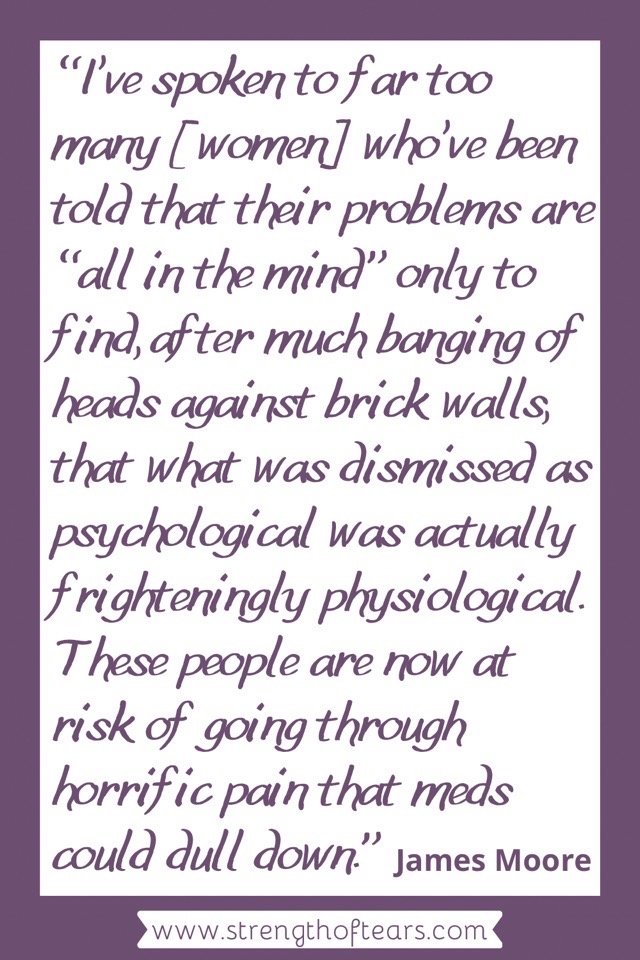
    “I’ve spoken to far too many [women] who’ve been told that their problems are “all in the mind” only to find, after much banging of heads against brick walls, that what was dismissed as psychological was actually frighteningly physiological. These people are now at risk of going through horrific pain that meds could dull down.

    — James Moore

    Writing in the Independent Moore comments on the NICE guidelines recommendations for managing chronic pain in the UK: CBT; ACT; antidepressants; Acupuncture and exercise programmes. He says “the idea that a run around the block will zap the torment of people in chronic pain is patently ridiculous.”

    Claire Swain is navigating and sharing her own experiences. She wants to be clear that it isn’t that the approved treatments are bad as they may work for some, but there’s vast numbers for whom they don’t work or only work in combination with pain relief medicine. In this post she says:

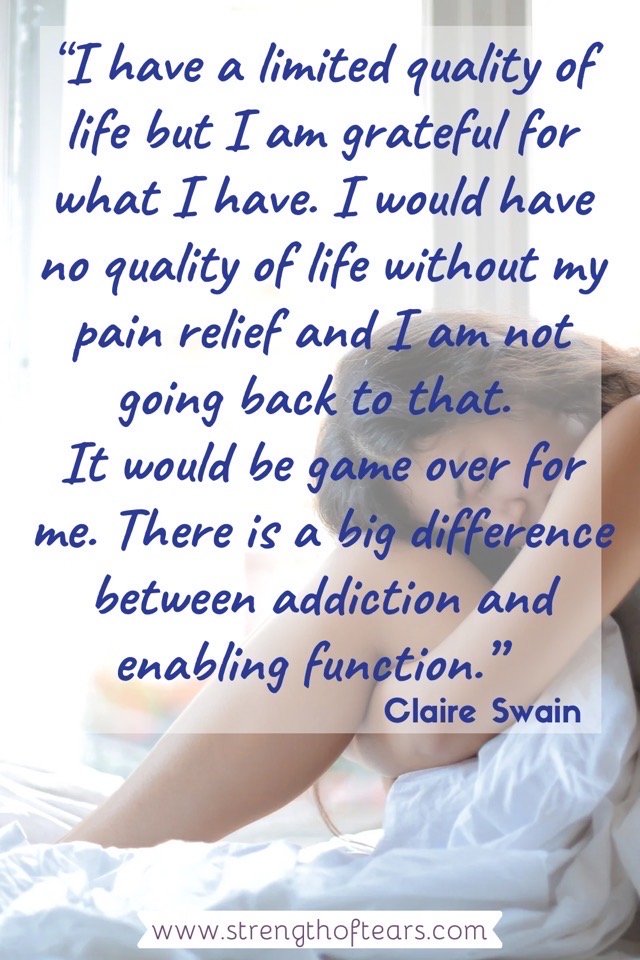
    “I have a limited quality of life but I am grateful for what I have. I would have no quality of life without my pain relief and I am not going back to that. It would be game over for me. There is a big difference between addiction and enabling function.” Claire Swain

    On one of my own posts to raise awareness of this campaign, Karen commented: “Taking these pain medications away has already led to suicides! We are not saying alternatives, such as acupuncture (although it didn’t for me) don’t work but in conjunction with pain relief, not instead of!!” Check out her profile here.

    When I think about what quality of life is for me, I think of being a Mum, wife, writer and friend despite spending most of my days in bed. What’s most important to me is connection, love, laughter and being there for my kids. I can do it all if I have the support I need.

    None of this would be possible for me without pain relief. Managing my pain means that I can be engaged in life. But if I didn’t have this pain relief I wouldn’t be able to move, not even lift my head off the pillow! How’s that for quality of life?

    I’ve experienced chronic pain since 2014, saying in this blog “After I’d blacked out… my pain levels were so high, I was shaking… My GP prescribed a cocktail of pain relief, including Oramorph… My chronic pain conditions [leave] me unable to do anything.

    The Takeaway…

    These testimonies show that patients with chronic pain in the UK are losing their quality of life because the NICE guidelines aren’t clear about the withdrawal of medication. Doctors are already treating the guidelines as a blanket approach and removing pain relief incorrectly.

    This statement from the Faculty Of Pain Medicine highlights that healthcare professionals must make these “decisions appropriate to the circumstances of the individual patient, in consultation with the patient and/or guardian or carer.”

    The recommended alternatives to pain medication won’t work for many patients with chronic pain in the UK but if used alongside pain relief they may enable better function. It’s vital that GPs know chronic pain is torture and for many of us, painkillers are vital for our sanity.

    All we really want from the chronic pain treatment UK is the ability to individualise how we manage our pain with the support of medical professionals. We should not need to prove our pain is real for this to happen. With support we have a quality of life, which is priceless.

    And Finally…

    I’d like to thank Claire and her team who have worked so hard on this campaign. She said “The campaign has a Team that I am beyond grateful for their support and hard work.”

    • Sasha Twinham

    • Ann Sinclair

    • Kelly Brownell

    • Terri Hester

    • Niki Boswell

    • Leanne Robson

    • Jackie Low

    • Georgia Siobhan

    • Julie Andromeda Mao

    Laura 💜

    #block-819524691f83f63e5f85 .sqs-gallery-block-grid .sqs-gallery-design-grid { margin-right: -20px; }
    #block-819524691f83f63e5f85 .sqs-gallery-block-grid .sqs-gallery-design-grid-slide .margin-wrapper { margin-right: 20px; margin-bottom: 20px; }

    ✋ Hey there! I hope you’re feeling stronger now. If so, sharing the love will help me help other mums with chronic invisible illnesses.⬆️  Hit one of those sharing buttons or save these images to Pinterest and I will do a bed-bound happy dance – there’s an image for you!

  • It’s Here: Genuine Support For Strong Instagram Mums

    It’s Here: Genuine Support For Strong Instagram Mums

    It’s Here: Genuine Support For Strong Instagram Mums

    It's Here: Genuine Support For Strong Instagram MumsI’ve been pondering over the group idea for months. I'm not a fan of Facebook and I’m definitely not a fan of a Facebook group. I settled on having an Instagram group but wouldn’t have enough energ…

    So, I’ve been procrastinating all year about whether to start a support group for mums. Should it just be for mums with chronic illness or mental health problems? Should it be a group for mums with teenagers like me or mums with young children, as that’s where my expertise lies? Do I even want to have a group? 

    You see, I’m a member of a business growth membership and we’ve been told that having a group helps to build super fans; that having a Facebook group is a fantastic way to grow our business. The thing is, I’m not a fan of Facebook and I’m definitely not a fan of the idea of running a Facebook group. 

    I’ve had some awful experiences in Facebook groups and, as this weird year of 2020 has transpired, I’ve spent less and less time on the platform. I can’t cope with the moaning that occurs in lots of these groups. I don’t ever want to run a moany group, it’s just not me. I’d also need lots of help to run a Facebook group; another issue. 

    So I started thinking about all the Instagram Mums following me and knew that if I was going to start something, I needed to think outside the box. Instagram seemed a good place to start. So whilst November seemed to rush in and a second lock down in England slapped us in the face, I’d found a way to offer genuine support.

    This blog is part of the November Link Up kindly hosted by Sheryl Chan of A Chronic Voice. Please check out the other great posts in the link up.

    The prompts this month are: 

    • Incorporating

    • Experimenting 

    • Sanitising

    • Launching 

    • Writing

    Incorporating

    As I said, I’ve been pondering over the group idea for months. I know I wouldn’t have enough energy for running a group on my own, something my business peers don’t usually have to consider in the same way I do (I have to keep reminding myself this, due to comparisonitis). Incorporating this into my life was going to be a challenge. 

    The first challenge was finding the support I needed. I needed to find mums I could trust but I couldn’t think of any who had the time or energy to put into a traditional support group. I certainly didn’t have the energy to monitor a group on my own. Knowing this helped me realise that a traditional group really wasn’t for me! 

    I love the feel I get from the Mums who are part of the community following over @strengthoftears_mum. This mostly consists of what I call frazzled mums, a term incorporating mums who are stressed out, have chronic illnesses, anxiety or depression. Despite all this, the positive vibe and support is there when someone needs a rant or has a flare.

    I wanted to bring this energy into my group so I settled on the idea of having an Instagram group. I still needed support to help me get this idea off the ground. They helped me plan as we chatted through ideas. Incorporating self care was particularly important for us all.

    I needed a name. I didn’t want to use the term frazzled mum for this group so incorporating ‘Strong Mums’ from my mailing list name seemed ideal. I use this term as it highlights the strength we build as we face the challenges of motherhood; I want the community to empower women!

    If you’re a mum wanting support and access to my free resources sign up to my Strong Mum’s Mailing List today.

    Motherhood is the biggest gamble in the world. It is the glorious life force. It’s huge and scary-It’s an act of Infinite optimism.

    — Gilda Radner

     Experimenting 

    I knew I’d be experimenting with choosing Instagram for this, but it’s my happy place on social media so it makes sense to me. I don’t find Instagram as moany as other platforms so making this a space for mums to meet other Instagram mums seemed the right choice for me. I set about researching the idea and trying to explain my plan.

    Before starting this I wanted to create a logo, using the teardrop from my Strength Of Tears brand, experimenting with my branding colours. I shared these with my peers in my business growth membership and their comments helped me link my website branding to the group.

    Using Instagram as a platform for a group is experimenting, as this won’t work the same way as a traditional group. Making this group for the audience I already had seemed too restrictive so I’be now broadened the group to mums with kids of any age, including step-mums and carers. 

    I have to remind myself it’s fine to keep experimenting with how the group will run as it builds momentum, and how we grow as an engaged community who lift each other up. I’m excited to be creating a space for Instagram Mums to connect and empower one another.

    I’ve been in similar networking groups but I haven’t come across this. Experimenting with creating a support group in a private group chat, makes me excited by the potential it has to be a positive, inclusive and supportive space.

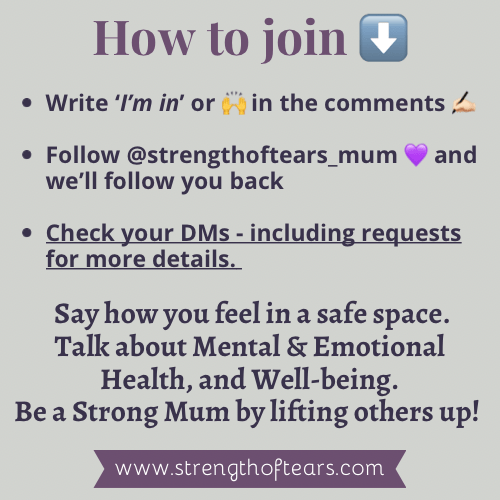
    Image on how to join the Instagram Strong Mums  Social Support Group. Details of  how to join are on this image, click the link and write 'I'm In' on the post. Other instructions say to follow the site and check your DMs for details

    Join on Instagram

    All Mums welcome, just click on the link to head to the Instagram post that gets you into the group!

    Sanitising

    In the year of constantly needing to sanitise, this group has been a welcome distraction for me and I hope this continues under lock down number 2. I hope that the group will provide a welcome distraction for my growing community. Hopefully it will become the place people turn to over the next few weeks and months. 

    Our small following is already engaged and as soon as this recent lock down was announced I had mums in the private group chat sharing their concerns and supporting each other. 

    I want this group to provide genuine connections. I see us offering regular mental health check ins as part of our self care approach, especially as we head to the end of a very tough year. I want mums to be able to find sanctuary from the world in our private group chat, whether they’re kids are tiddly or grown. 

    Mother’s give up so much, so that their children can have so much.

    — Catherine Pulsifer

    Launching 

    Launching this new community has gone better than I hoped. I decided to bite the bullet about 2 weeks ago, kind of by accident, and we already have over 60 followers. It was a quiet launch as I had no idea I was doing it until I was at a zoom networking meeting and I blurted it out, hoping people would spread the word.

    So, I had to launch the account that day! This stopped my procrastination but I had no idea how others would react. Mums are interested but I think many are so used to Facebook that using Instagram is initially confusing. I know it’s not everyone’s cup of tea, but I’m glad I just went for it. 

    For us to grow, I need the Instagram mums who’ve joined the community to tag their mum friends. As I’ve said, the group is for mums from pregnancy to flown the nest. We have mums with babies, teenagers and children who have their own kids in the DM support group. We’re there to lift each other up and the support group is ideal for this.

    Now is an important time to have a support system and as lock down continues it will be increasingly important, as mums face new challenges. I also know that not everyone reading this sees themselves as Instagram Mums but I bet you would really benefit from connecting with others, even if you think you’re not tech savvy. 

    I plan on launching our Join Us day on a Thursday and I’ll continue launching new ideas as the group grows so that there’s something for everyone. [Over time the page became too much for me to manage and so the group is now hosted on my main account.] If you want to come and explore then visit Strength Of Tears_Mum’s ‘JOIN US’ post.

    Writing

    Writing posts for the group will involve changing the way I plan my social media and my style of writing. I also need to make sure I’m not giving myself too much extra work [I did so you can now follow everything from my main account]. 

    My biggest challenge will be writing clear instructions for the mums joining in. They will be asked to share the post to their stories to help spread the word. This sounds easier than it will be; my brain doesn’t like staying focused. I expect to be re-writing it a few times to get it right. 

    With the new challenges, I’ll be writing about topics others have a say in, mainly what my audience want to discuss. This could be news or awareness events or writing more general check in posts. The DM’s additional support group will be monitored for consistent support. 

    How To Join My New Free Instagram Mums Group

    I hope that if you’re still here, you’re a mum interested in joining us. We’d love to have your support in building this community and empowering women. It’s a great place to meet other mums and if you want a support system you’re welcome to join our Strong Mums Social Support in our private DM Group.

    We’re on a mission to connect as many mums as possible. All mums are welcome, including step-mums and carers, whatever age your kids are. Women running businesses that support mums in finding solutions are welcome, however, selling is not. This group lifts mums up so they feel strong enough to face life’s challenges. 

    It’s not a follow loop or a follow to unfollow page, anyone doing this will be removed. You don’t have to follow everyone or a certain number of people on any of our posts. 

    Do you want to be part of this network of Instagram mums supporting each other? 

    #block-5dd4dc34194de8b54d8c .sqs-gallery-block-grid .sqs-gallery-design-grid { margin-right: -20px; }
    #block-5dd4dc34194de8b54d8c .sqs-gallery-block-grid .sqs-gallery-design-grid-slide .margin-wrapper { margin-right: 20px; margin-bottom: 20px; }

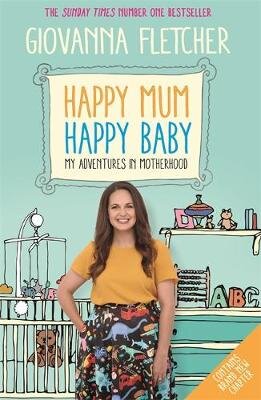
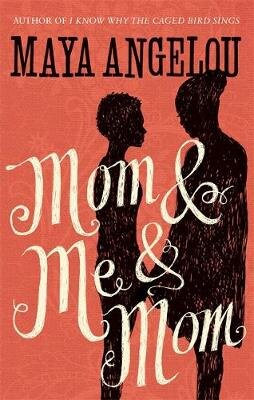
    I want to support mums any way I can, especially around self care, so as well as these book suggestions, I have created a free, simple step by step well-being planner to help you stop chronic illness crushing you!


    How do you like to connect online? What do you look for from a support or social group?

    Tell me in the comments.  

    Stay safe,

    L 💜

    P.S I can help you put yourself as a mama first by creating personalised well-being strategies that work around your life. My free well-being plan will help prioritise your own needs, such as building connections, making time for self care or doing the things you love. Or if you want be the first to know when my well-being journal launches sign up to my Strong Mums mailing list here

    #block-54af845da7fff36a95bd .sqs-gallery-block-grid .sqs-gallery-design-grid { margin-right: -20px; }
    #block-54af845da7fff36a95bd .sqs-gallery-block-grid .sqs-gallery-design-grid-slide .margin-wrapper { margin-right: 20px; margin-bottom: 20px; }

    ✋ Hey there! I hope you’re feeling stronger now. If so, sharing the love will help me help mums with chronic invisible illnesses ⬆ Hit one of those sharing buttons or save these images to Pinterest and I will do a bed-bound happy dance – there’s an image for you!

  • Autumnal Growth: What Happens When Old Relationships Are Burned

    Autumnal Growth: What Happens When Old Relationships Are Burned

    Autumnal Growth: What Happens When Old Relationships Are Burned

    Autumnal Growth: What Happens When Old Relationships Are BurnedThis October has hit me hard with one of those feelings so familiar: chronic illness relationships and trust. I believe we go through seasons of connections and I’ve been burned too many…

    This October has hit me hard with one of those feelings so familiar: chronic illness relationships and trust. I believe we go through seasons of connections and I’ve been burned too many times. So I’ve taken control before suffering any long term damage. 

    As Autumn brought in the harsh weather, I protected myself by starting the bonfire season early; burning the array of gorse and heather. This patchwork quilt of friends living with or without chronic illness, is in need of stimulation for regrowth. 

    These are my thoughts on the consequences of ending old relationships with friends and connections in online communities and changing up other relationships so I only have those that I need in my life.

    This is my first post joining in with the October link up hosted by Sheryl Chan of A Chronic Voice. Thank you to Sheryl for hosting this and I look forward to joining in. Please check out the other great posts in the link up.

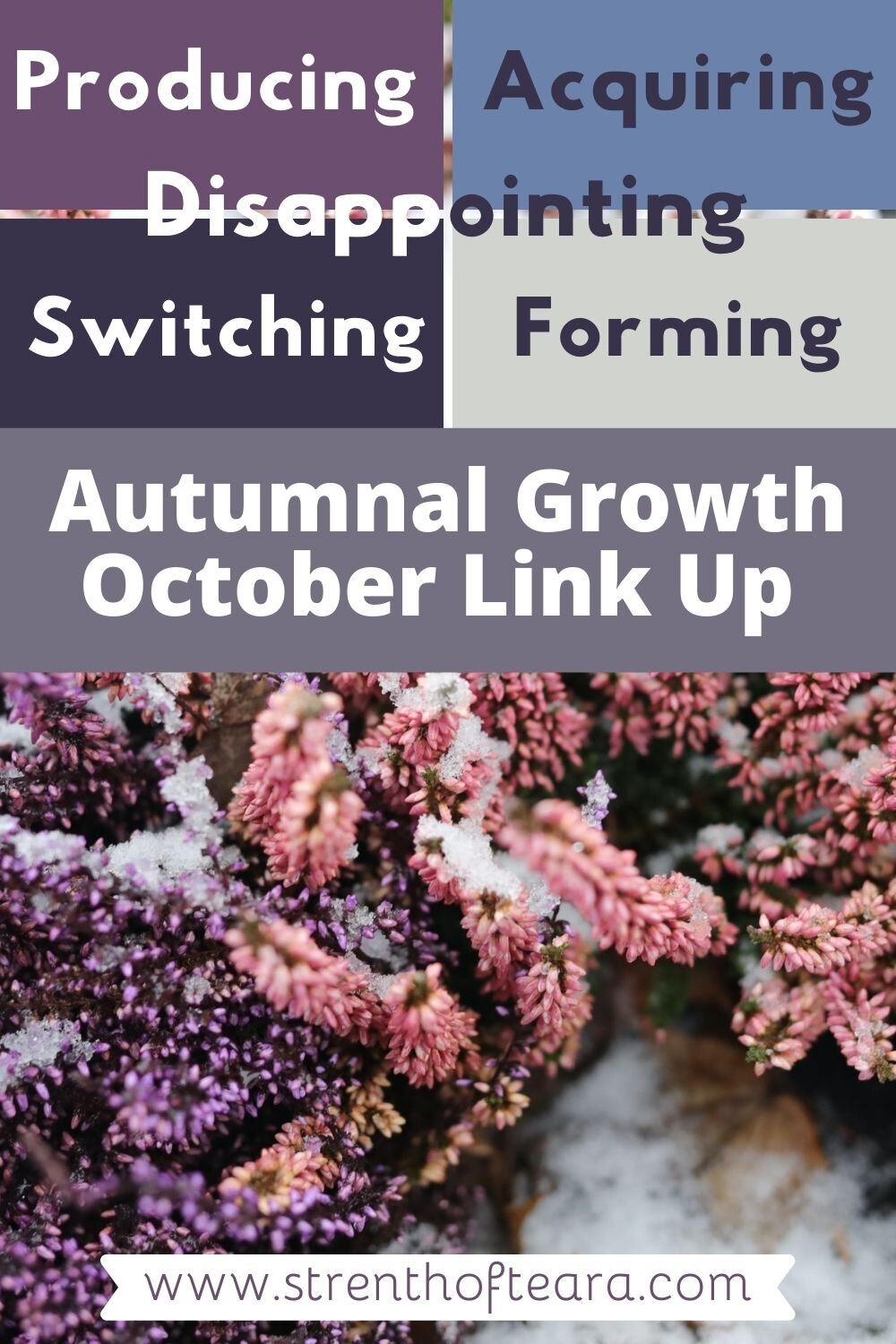
    The prompts this month are: 

    • Producing

    • Acquiring 

    • Switching 

    • Disappointing 

    • Forming

    Producing

    This year has been hard on all relationships. Families aren’t used to spending this much time together, so time to reflect is more important than ever. Improving our weaknesses and celebrating our strengths makes us more productive. 

    Friendships are harder work, especially for those with chronic illness who have more challenges. Friendships fail in normal times because we cancel at the last minute, get unwanted advice or it’s too much work. When mine fail, they usually seem to fade.

    To me a good friend is one who produces some kind of chocolate when you see them or a great GIF online. With chronic illness in the middle, listening is key. Read this article to understand more about losing friendships when you live a chronic illness.

    This month I’m producing my first product to support mums with anxiety and chronic illness. I’ve been procrastinating over it and couldn’t work out why until hang-ups from old relationships triggered my anxiety. Read my blog about coping with anxiety here.

    Sign up to my Strong Mum’s Mailing List to get access to my free guide on grounding techniques to reduce anxiety. Check out my free resources here.

    I’d reached out for support from one online community, but the response gave me flashbacks to the hurt I’d felt in old relationships. I didn’t know I was still harbouring so much pain; a small thing became a big thing and pushed me off my intended path. 

    I didn’t know why this had agitated me so much so I spoke to my husband about it. As we discussed my thoughts, I linked it to a past experience when Joel had had to communicate for me as it blew up rapidly. He protected me and I left that group. 

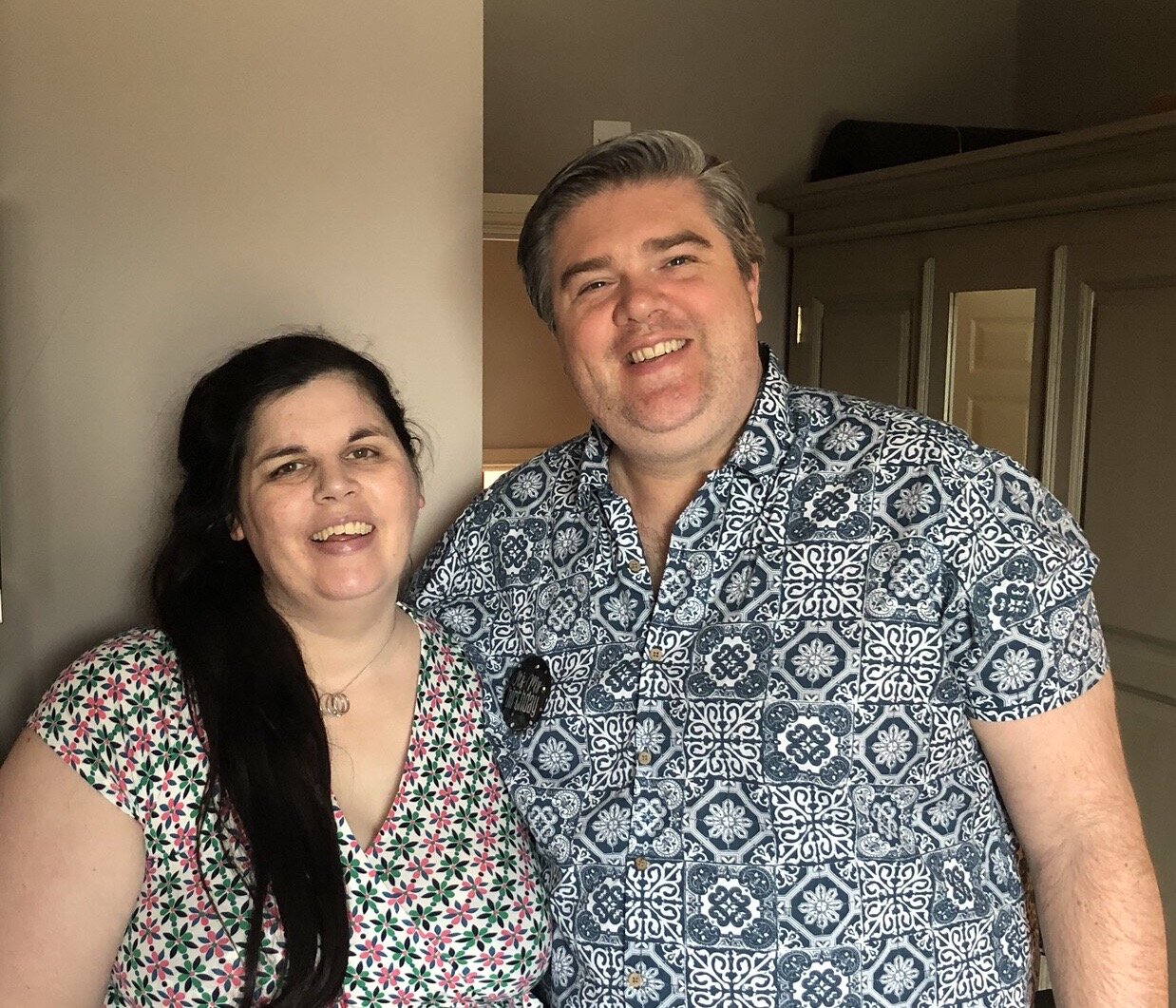
    Joel’s always there for me in times when I’ve struggled to cope. He’s shown such support for what I produce, especially on the blog. He’s proof that relationships can last the change of the seasons of chronic illness, by adapting and growing together.

    Joel and Laura.JPG

    _Disclaimer this blog post contains affiliate links and any purchases made through such links will result in a small reward for me and my crafting habits. Oh and there’s some free recommendations too, Im nice like th.jpg

    Acquiring 

    The expectation of acquiring peace from how I’d been treated in the past, didn’t last long. I remembered how I’d trusted blindly and sought out a confidante. It stung as I relived how they’d discarded me and then rewritten history, with me as the bad guy. 

    The betrayal I’d felt from the breakdown of this and other old relationships is more deep rooted than I thought it was. Read this article on how to actively deal with betrayal. I told Joel and my best friend, Sam, how I felt about both situations.

    They suggested that a group wasn’t the place for me to show such vulnerability. This hit home. I knew I’d let myself trust in a one sided relationship again. This felt like the rug being pulled from under me but I knew deep down that this wasn’t the same as before. 

    I’ve lost so many people that I thought I could trust since becoming ill. I know this happens when chronic illness makes the rules but I struggle to understand it. Saying that, I have acquired a deeper understanding of my role in friendships. 

    I put so much of myself into a relationship and I always put others’ needs before my own and this is a problem. This latest incident really has shown me that I need to put my needs first. So I’m acquiring a more balanced approach to online connections.

    Switching

    Taking time to reflect on these things is the most important way to grow and make better decisions. Learning from my mistakes and successes helps me switch up what’s working and what isn’t. 

    Understanding how old relationships have affected me when they die, has shown me I need to stick to my values. I’ll always be loyal, trustworthy and brutally honest at times but I need to place more emphasis on what I need to flourish. 

    So I’m switching up how much energy I put into the communities that I’m part of. I’m doing a relationship audit to ensure that I stick to the online groups I need and I’m actually being selfish and considering what I get out of being a part of each group. 

    I’m also switching up how I spend my time interacting in these groups. I have so little energy that I need to pace myself and in the past I haven’t done this well. This is where I’ve let myself become vulnerable; offering more to others than I should have. 

    This has left me in a position of weakness as I’ve spent time helping others and ended up with a low stock of energy for myself. This leaves me with so little time to create and now this is my business, I have to plan my time so I can be productive. 

    I’m going to make sure that my time is valued by those I share it with. So I’m switching up the time I spend in groups, focusing on new connections with other chronic illness bloggers, who can help me grow, and with frazzled mums I can give a voice to. 

    There’s only one thing more precious than our time and that’s who we spend it on

    — Leo Christopher

    Disappointing 

    As we go through the seasons of chronic illness we have disappointing periods. Our brains are wired to focus on negatives, which is why we worry about the things we didn’t do instead of what we achieved. Read about my chronic illness in this blog.

    I’ve been disappointed by so many people claiming to support me since I became ill:

    • The ‘best’ friends of 10+ years who’ve abandoned me because I couldn’t go out socially. 

    • The Carers I’ve allowed into nearly every aspect of my life, who ditched me for asking them to change how they did this or that.

    • The owners of the chronic illness group who gave me a ‘safe space’ and used what they knew against me.

    The spiny thorns of these old relationships cut so deep, I had a strong emotional reaction after showing my vulnerability again. Just like Gorse used to be treated, we should only have as many relationships as we can carry, to avoid over-exploitation. 

    I felt dismissed by the lack of understanding of how my IIH affects my understanding, leaving me exposed. It’s disappointing that I didn’t protect myself better. Choosing to use a ‘safe space’ again after my previous betrayal has been a harsh reminder. 

    But I needed to see this from a new perspective. My husband reminded me the group has evolved from its original cluster. I also had a long absence this year due to my new diagnosis, so new members don’t know me. It was disappointing but not harmful.

    I have trusted friendships within this group and from others who are important to me. Having relationships with others living with chronic illness is important. We both know where support is in hard times, so I’ll focus on these to avoid future disappointment

    I was always fraught with guilt and it’s such a waste of an emotion. It keeps you out of the moments of being where you are

    — Kyra Sedgewick

    Forming

    Despite all this disappointment I’ve been reminded of how lucky I am to have formed friendships with people I trust completely. As the unhealthy friendships weeded themselves out of my life, I discovered the friends that would always be there.

    Reminding ourselves that we don’t have to accept the negatives is vital. We can rewire our brains with positive messages, such as making a point of focusing on all of our wins, forming little nuggets of gold. These are my golden moments this October! 

    This Autumn I’m headed towards my 7th year of chronic illness, in the midst of shielding during the pandemic. This year I’ve been forming even tighter bonds with my trusted circle, despite the months that have passed without contact. 

    This Autumn is the 2nd with my carer/best friend. We see each other every weekday and it’s a form of therapy for us both. After forming a support bubble with Sam we’ve developed a relationship more like sisters, which will bring comfort in the months to come, 

    It isn’t just these old relationships that I can rely on. There’s support in many guises so my new focus is on forming new natural friendships within the groups I enjoy being in. It’s important that I stay protected but I need to have that social contact. 

    Make new friends, but keep the old; Those are silver, these are gold.

    — Joseph Parry

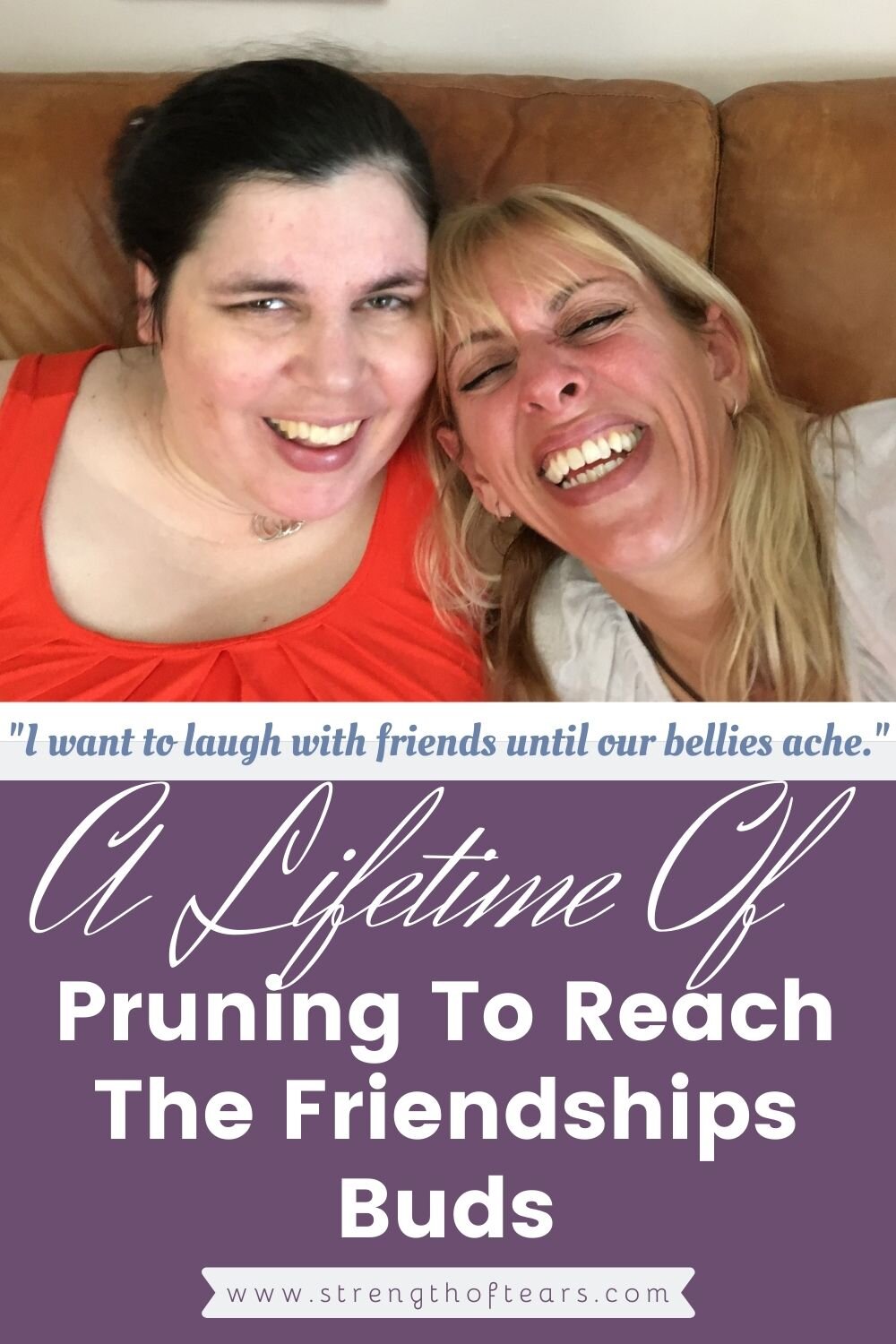
     A Lifetime Of Pruning To Reach The Friendship’s Buds

    a lifetime of pruning to reach the friendship buds.jpg

    It seems that over a lifetime of both new and old relationships; Autumntime is when we prune back what isn’t necessary to make way for the relationships that matter. This helps them grow better in the future months until they come to fruition. 

    I have gone through so many emotions, stemming from one small incident that I blew way out of proportion. Maybe we need these little fires so we learn that we need to protect ourselves and manage our expectations. 

    Having a brain condition is a constant journey. Maybe I spend my life on an avenue of disappointments, acquisitions and productivity, forming new pathways so I can switch up as I grow. This October will allow me time to choose where I head. 

    I know how lucky I am to have Joel in my life, especially as so many don’t make it through the tough times. I believe that being open to positivity and talking about what we want to achieve, as well as what we have, only strengthens our bond. 

    As I assess my connections to replace the dead wood and celebrate my companions, I’ll be surrounded by an arrangement of characters. I want to sense the myriad scents and colours of heathers and bright yellow buds of the gorse.

    I want to laugh with friends until our bellies ache, share sarcastically witty responses and give and receive comfort when sad or angry. I want us to be equally supportive, non-judgemental, loyal and honest to the core. I want to be a good listener and have fun.  

    I want to create strong foundations with new friends and build strength in my old relationships, whilst remembering to protect myself. I desperately want to hold a conversation without wandering off the beaten track and losing my destination.

    I want to head towards this harsh winter knowing I have friends and family I can rely on and make sure I’m a dependable friend for them in return. Maybe it takes adversity to find the real beauty in the relationships we have.

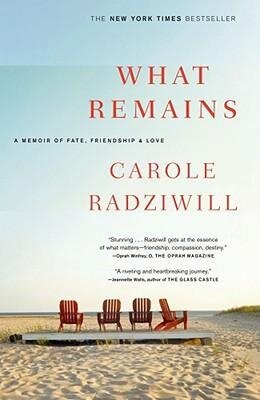
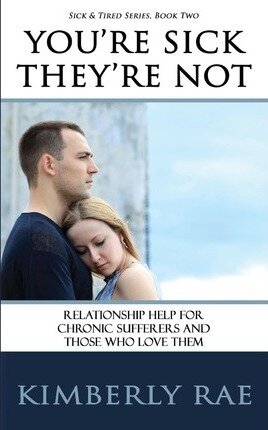
    My Recommended Reading List

    These books are what I recommend related to this topic. These show a range of relationships and I hope that they can support you in your own relationship problems or show you how to build stronger bonds in friendships or with your partner.

    #block-518d9da750ab4c42bd40 .sqs-gallery-block-grid .sqs-gallery-design-grid { margin-right: -20px; }
    #block-518d9da750ab4c42bd40 .sqs-gallery-block-grid .sqs-gallery-design-grid-slide .margin-wrapper { margin-right: 20px; margin-bottom: 20px; }


    How are your friendships? Do you need to do a friend audit? Tell me in the comments.  

    Stay safe,

    L 💜

    P.S I can help you out yourself first by creating personal wellbeing strategies using my free wellbeing plan. This will help prioritise your own needs, such as building self-esteem and making time for self care or doing the things you love. Or if you want to get on a waiting list for updates on my first ever well-being journal, please sign up to my Strong Mums mailing list here

    #block-e20598a00fa27bfedb2a .sqs-gallery-block-grid .sqs-gallery-design-grid { margin-right: -20px; }
    #block-e20598a00fa27bfedb2a .sqs-gallery-block-grid .sqs-gallery-design-grid-slide .margin-wrapper { margin-right: 20px; margin-bottom: 20px; }

    ✋ Hey there! I hope you’re feeling stronger now. If so, sharing the love will help me help other mums with chronic invisible illnesses.⬇  Hit one of those sharing buttons or save the images to Pinterest and I will do a bed-bound happy dance – there’s an image for you!