Tag: coping strategies

  • My Breakthrough To Protect My Sensitive Mind Using Emotional Vulnerability

    My Breakthrough To Protect My Sensitive Mind Using Emotional Vulnerability

    My Breakthrough To Protect My Sensitive Mind Using Emotional Vulnerability

    My Breakthrough To Protect My Sensitive Mind Using Emotional VulnerabilityYour emotions can tell you what others are feeling, especially if we’re highly sensitive. Our emotional vulnerability means that we sense how someone feels without being told.…

    When someone enters the room can you feel when something’s up?

    I can. I feel the vibes as soon as someone walks into the room which makes me a highly sensitive person but I wasn’t always aware of what that meant. My intuition or gut just got me into a pickle as I didn’t understand everything I was feeling. I’d bury my stronger emotions, in a poor attempt to protect my inner self.

    Pushing down our feelings like this only leads to explosive interactions. It can be helpful to think of emotions as different types of weather, some extreme, some mild and some regular, everyday weather that just happens. We have no ability to control the weather and we cannot control our emotions. 

    Just as we study the weather, we can study our emotions so we can protect ourselves from the storms and pollution to make a calm decision about how to react. Stepping outside our comfort zone, embracing emotional vulnerability and facing our fears, leaves us exposed but shows us the courage we actually have.

    Journaling has helped me spot patterns, work through problems and plan how to cope with strong emotions. I’ve created a free journal prompts download as a sneak peek of one section of the journal I’m creating (coming soon). I’ve designed the journal, including these prompts, around what’s helped me during years of experience, research and personal breakthroughs.

    The shaky feeling we get when we step outside on a stormy day is down to physical vulnerability. It makes us want to turn around and go home, escaping the danger, wondering why we ever thought we could do it. But if we just push ourselves to take one step, then another and so on, we’ll feel invigorated for it. 

    That same strange feeling, our heart rate increasing and our palms growing sweaty, is there when we put ourselves in potential emotional harm because of feeling shame or insecurity. It may feel like protection to hold back, but it would prevent us finding joy on a new adventure on an icy path or love from kissing in the pouring rain.

    In this blog I’m going to share my story of learning about emotional vulnerability and the impact this has had on my life choices. I will explore what I’ve learnt about emotions and vulnerability and how stepping outside our comfort zone can help us find belonging, joy, love and courage and how to create a plan to do this yourself. 

    • Empath Or Highly Sensitive Person?

    • Protecting Myself By Setting Boundaries

    • The Path Of Vulnerability

    • Exploring Emotions

    • Creating A Plan For Coping Emotionally
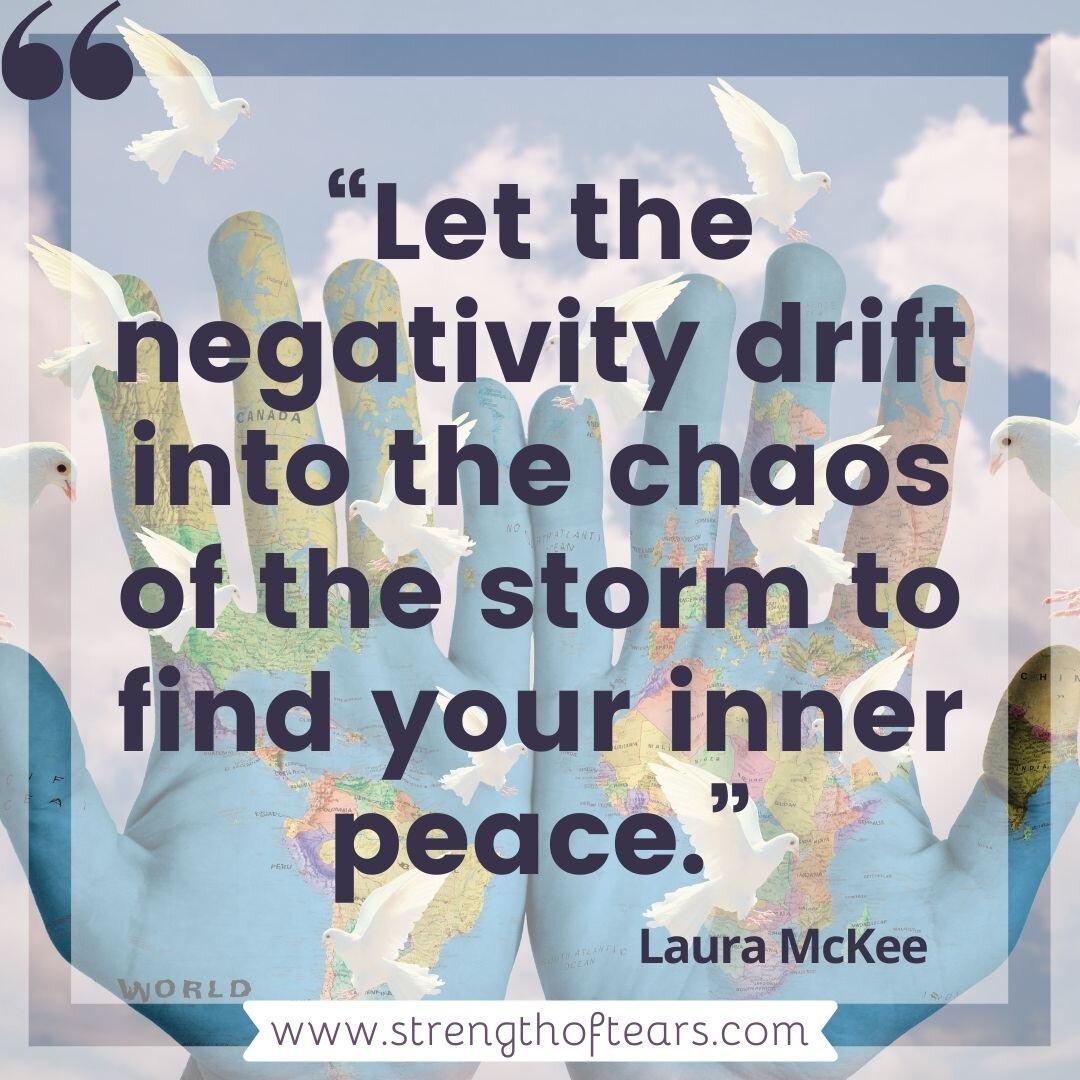
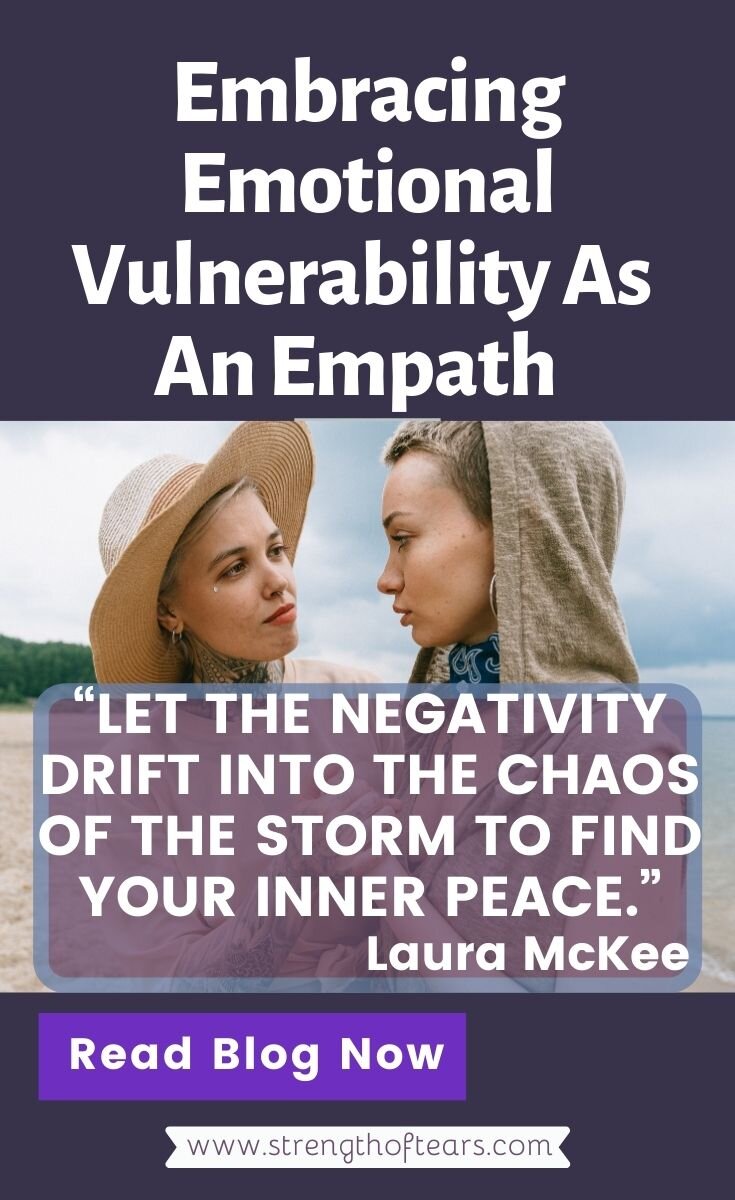
    let the negativity drift own quote.jpg

    Empath Or Highly Sensitive Person?

    My life coach has been crucial to my story, guiding me toward understanding my emotional responses to big life events. Identifying how my highly sensitive nature affects me, allowed me to plan for how to safely be emotionally vulnerable and cope with knowing what a friend or loved one is feeling, before they’ve even said a word. 

    Highly Sensitive People (HSP) can experience empathy and even absorb others’ emotions. This can be incredibly tiring on you, but also an asset when dealing with people. HSPs usually hate drama and conflict because it’s emotionally draining. Read this blog post to see if you’re one of the 20% of the population who are HSP.

    Empaths are highly sensitive too, but not all highly sensitive people are Empaths. Studies show that Empaths are drawn to caring professions, such as counselling or teaching, due to getting others needs. They let their gut lead them through life and may feel they have psychic or healing powers. Read more about Empaths here.

    These labels are useful for understanding our behaviour patterns. Understanding I’m an Empath helped me move out of my comfort zone to face new challenges. Labels themselves don’t define us, they’re just one piece of the puzzle that makes you, you! This information has helped me form a coping plan and create personal boundaries. 

     Protecting Myself By Setting Boundaries

    Being highly sensitive means that when something is wrong with someone in my company, I take on the vibe or mood created by their emotions. This often happens without us being aware. So I’ve had to develop my self awareness and learn how to protect myself by setting boundaries with myself and others.

    Having this trait means I strongly empathise with others but a lack of awareness meant I didn’t always deal with this well and could lead to arguments. With Joel, my husband, this would stem from me asking hiwhat was up? He’d reply ‘nothing’ so I’d tell myself it was my fault and my sensitivities took over until we ended up arguing.

    We’d never argue for long and we’ve now learnt from behaviour patterns and worked on understanding our feelings and changing how we communicate. This helps us know how to take care of how we’re feeling individually and together so we can be more open with each other, especially when we might be wrong. 

    Like many other Empaths, I knew in my gut I had to teach and when my health meant I had to stop teaching, this didn’t go away. I joined chronic illness support groups and would offer to help. However, I didn’t look out for myself and absorbing their emotions was exhausting. I had to learn how to do what I loved without taking a personal hit.

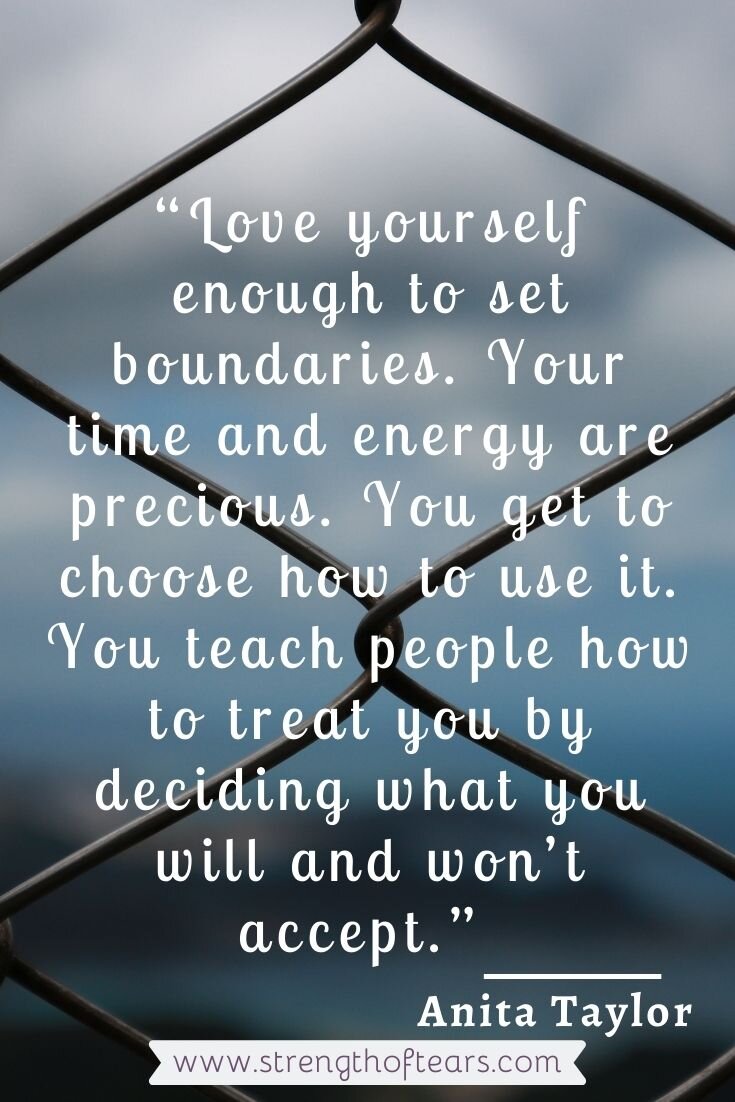
    Love yourself enough to set boundaries. Your time and energy are precious. You get to choose how to use it. You teach people how to treat you by deciding what you will and won’t accept.

    — Anna Taylor

    I’ve put time into learning how to be vulnerable by pushing myself out of my comfort zone, which has allowed me to grow. I had to let go of control and allow negative feelings in, before letting them go to find a sense of calm. Finding this balance has meant protecting myself from burnout whilst still supporting others.

    The Path Of Vulnerability

    Vulnerability is the core of all emotions and feelings, particularly the emotional experiences we crave, even if we don’t know it yet. Too often vulnerability is seen as weakness but if we beat down that wall, we’ll see the path of emotional vulnerability. If we take this path it can lead us to our goals and ambitions or our life’s purpose. 

    It explains her findings as a researcher when her academic work reached across the divide and connected with millions of views. She is now celebrated as a leader in exploring our emotions, particularly shame, guilt, courage, and empathy. 

    Brene Brown Path of Vulnerability.jpg

    The path of vulnerability is my terminology for this concept, as Brené’s words helped me walk this path myself. I believe the path starts with our negative feelings and moves us through a process of working through these, which takes a while. In time, we find we can accept these feelings as part of life and no longer an obstacle in reaching our goal of courage and finally joy. 

    The stepping stones you follow on this path may be small moments that pop up, such as feeling anxious or may be huge life events that reveal strong emotions and change our course. It’s vital we don’t skip the steps that make us feel exposed, but work through the barriers. Being open to fragility allows the path to stay open for you. 

    Emotional vulnerability makes us feel unsteady and off-balance, which can be scary. Most of us put on protective armour to avoid feeling uncertainty, shame, fear and anxiety. This changes from person to person, but Brené says this revolves around a) striving for perfection, b) numbing ourselves or b) self sabotaging joyful moments. 

    Instead of protecting ourselves this leaves us with a build up of negative emotional behaviour patterns. We need to recognise emotions we’d rather avoid and be open to exploring them. Looking at when they appear, why they have such an impact and what triggers the walls going up, means we can learn to break the walls down. 

    This means being more aware of our environment, social interactions, physical and economic factors, which all affect our emotional well-being. This awareness will help us feel more sure about the changes we’d like to see in our life. When we have this knowledge we can remove the barriers and head with confidence to the finish line.

    Exploring Emotions

    To do any of this we need to explore and understand our emotions, which means being mindful of how we’re feeling. This can simply be in those small moments or when strong emotions rush at us during huge life events. Feelings can complicate how your brain reacts to a stressful situation. 

    Initially we need to be able to notice, name and respond appropriately to any emotions we’re feeling. Even if you’ve been raised to talk through your feelings, intense mixed emotions can leave you in a bind if you can’t regulate your emotional response. 

    Knowing how to break down what we’re feeling helps us develop self awareness. We need to explore how to recognise, feel and react to good, bad and in-between feelings before moving on to this with mixed emotions. Strong feelings can confuse our process but we can get there by developing self awareness.

    Read this blog on my top 2 self awareness books.

    Our emotions can tell us what others are feeling, especially if we’re highly sensitive. Our emotional vulnerability allows us to sense how someone feels without being told. This is where our senses come into play. We can compare other’s smiles and frowns and the tension or calm in a room because of our understanding of our own feelings. 

    If we develop self awareness, self control and empathy for others, we will be more effective in all our relationships, both professional and personal. These traits allow us to move out of our comfort zone because we can read a situation and deploy appropriate reactions, helping us to grow in many ways and find emotional wellness. 

    Creating A Plan For Coping Emotionally

    Simply using a two pronged approach can help. Take time during the day to be mindful of how you feel by regularly stopping and taking a few deep breaths to check in with your body and mind. Once present, ask yourself ‘What am I feeling right now?’ ‘How is my body reacting to that feeling?’. Notice calm, chaos, concern, content etc. 

    Using a journal is a great way to make time to explore what works best. It can help us spot patterns, narrow in on the exact feeling we’re experiencing and plan how to react appropriately. It takes time, especially if we’ve not been raised to talk about our feelings, but it’s worth the time and energy.

    This process will make us experience emotional vulnerability so we need to be aware that our brain becomes overwhelmed and we can’t regulate our response. If this happens, use the tools you’ve developed for dealing with your emotions. After doing this regularly we can formulate a plan for dealing with our feelings in all situations. 

    As our feelings are both external and internal we also need to take into account the response from our gut, which can be physical. Being aware of this is very useful for mixed emotions, which can be explosive. This needs to be part of the plan so we can manage stressful situations without becoming overwhelmed or stuck in a rut.
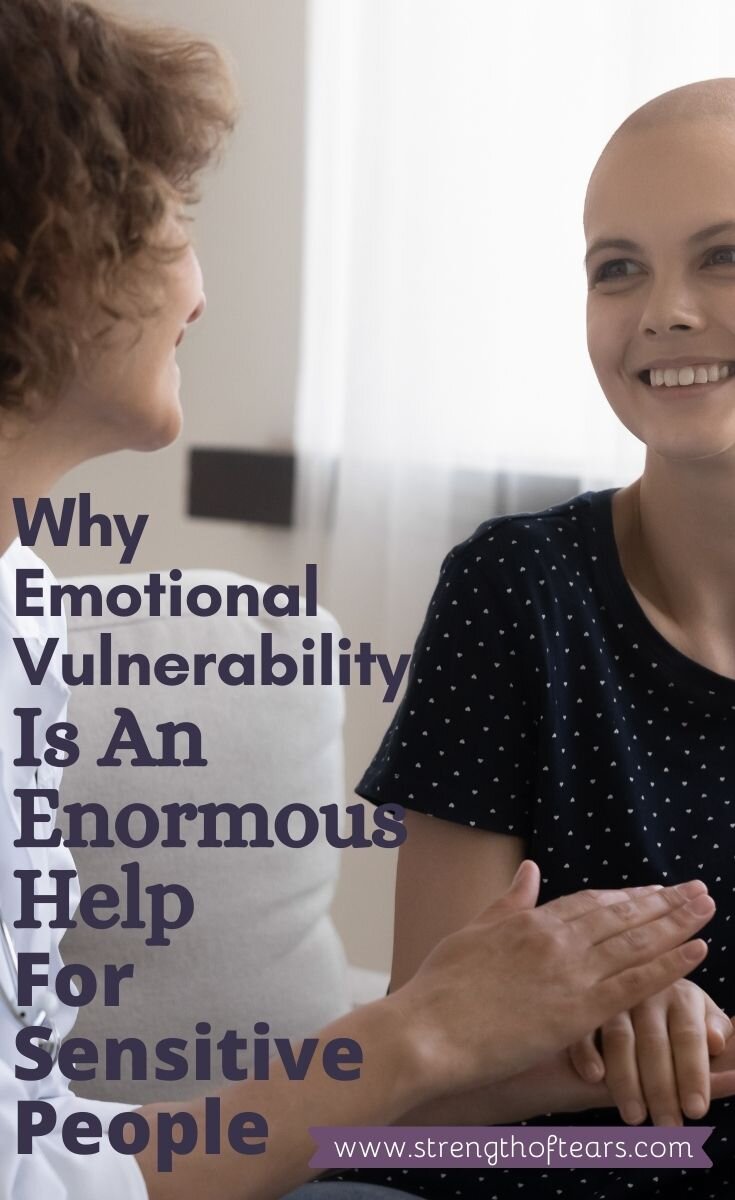
    Why Emotional Vulnerability Is An Enormous Help For Sensitive People 1.jpg

     Why Emotional Vulnerability Is An Enormous Help For Sensitive People

    As a highly sensitive person, it’s so important that I’ve learnt to focus on my own emotions as my spidey sense is most often triggered by other people’s emotions. I’ve always been quicker to pick up on someone else’s emotional confusion than my own, which may be because I’ve always been a people watcher. 

    Knowing that I have someone to check in with me each day to ask how I’m feeling, is vital in my self care routine, as well as asking myself through the day. Over the years my family has developed a habit of daily check-ins, between ourselves and with the boys. This helped us cope with the strong, mixed emotions after I became ill. 

    I’ve learnt not to push what I think they’re feeling and simply ask how they’re feeling, listen fully and then ask how I can help. By being empathetic and being able to accept my emotional vulnerability, I can feel I can support them much better. I need others to show me empathy so I want to offer to others that respect.

    I also need someone to make me level with them, as if the pain is bad I’d hide it or at most say ‘meh’! I still tend to say ‘I’m okay’ as I’m always in some amount of pain and hate being negative. My sensitive mind means I’d tend to feel guilt or shame but I’ve learnt not to protect myself from those feelings. Being more vulnerable has allowed me to reconnect with my feelings and accept that negative emotions are okay.

    In Oprah’s interview with Brené Brown they discuss the importance of talking about feeling shame. “If you want to see a shame cyclone turn deadly, throw one of these at it: ‘Oh, you poor thing.’ Or the incredibly passive-aggressive… version of sympathy: ‘Bless your heart.’” We need friends who show empathy as shame can’t survive that. 

    Having a highly sensitive nature means that emotions are all about how we sense our own and other’s feelings. This makes the weather the perfect metaphor for talking about feelings. Most people are scared of extreme weather conditions which can’t be controlled, which is the same as being afraid to let go of your emotional response. 

    “Being afraid, ashamed of, or embarrassed by your feelings is like being afraid of the weather, because emotions (tears, panic attacks, angry outbursts, withdrawal, depression, elation, lust, romantic excitement, euphoria) are the weather conditions of the inner self.”

    — TIna Tessina

    Read this article where the weather is used to describe different feelings. It says that there are extreme weather conditions, such as volcanoes, earthquakes and floods that we do need to protect ourselves from. However, like the weather, most emotional climates are mild. 

    • Sunshine – your smile, like the sun can come out behind a heavy cloud or after a storm, once pressure is equalised. 

    • Rain – just as rain comes with a change in pressure, tears usually come with an inner release of tension or pain.

    • Rainbows – after tears have streamed down our cheeks we feel hopeful again, just as the rainbow brings hope after the rain.

    • Storms – The build up of emotions coming to their peak can be violent like a storm but when they clear they bring calm. 

    • Fog – we may feel foggy when we don’t really know what we’re feeling. The dark clouds reflect our emotions but can clear quickly.

    • Smog – if we get lost in unclear, dark thoughts we can sink into a depressive spiral when shame or fear pollute our thoughts. 

    This is why we need to explore our emotions and travel the path of emotional vulnerability so that our feelings of shame, guilt and discomfort don’t sink us into a deep depression. Instead it can take us outside of our comfort zone where we can find our sense of belonging, love and courage. 

    We need to take time to understand our emotions and how they affect us. Journaling about how we’re feeling is the perfect way to keep track each day and find our emotional patterns and create our own coping plans. We can even do this with our kids so check out the ideas in this blog from last year.

    Understanding how natural and normal all feelings are is so important and these metaphors and practical ideas can help us find our patterns and forecasts. It’s so important to know that it’s okay to be vulnerable so that difficult emotions are less feared, because we know that this path will help us find our truth. 

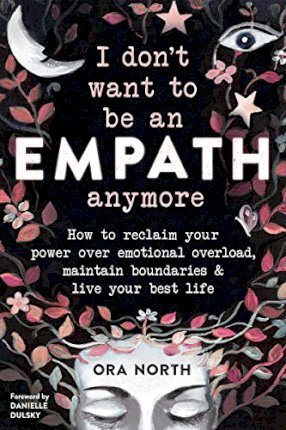
    I’m recommending these books to you, to help you develop your awareness of emotions or emotional intelligence, understand more about the role vulnerability has in us living a balanced life. I’ve also chosen a book for those of you who are highly sensitive so you can build boundaries to protect yourself.
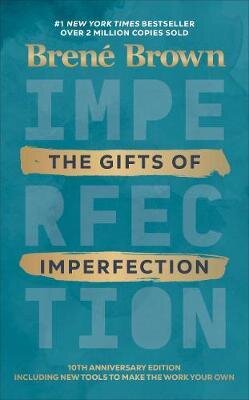
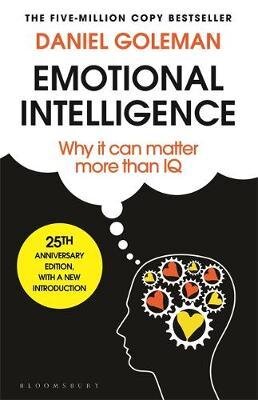
    #block-7a2f74c82c9f09742361 .sqs-gallery-block-grid .sqs-gallery-design-grid { margin-right: -20px; }
    #block-7a2f74c82c9f09742361 .sqs-gallery-block-grid .sqs-gallery-design-grid-slide .margin-wrapper { margin-right: 20px; margin-bottom: 20px; }

    How much time to you spend understanding your emotions and how to respond to them?

    Are you an Empath and if so, how do you cope with absorbing other’s emotions?

    Tell me in the comments.  

    I’ve created a free download of journal prompts for you. These prompts are a taster of one aspect of my unique journal I’m creating for emotional wellness (coming soon). These prompts will help you create a more balanced and purposeful life! So grab a pen and paper now and start using one of these 18 prompts today. 

    Simply click on the link below to get your free copy and access to all my resources. Tell me how you found them in the comments and ask me any questions you have about this topic.

    Stay safe,

    L 💜

    #block-bb979239498f49b30809 .sqs-gallery-block-grid .sqs-gallery-design-grid { margin-right: -20px; }
    #block-bb979239498f49b30809 .sqs-gallery-block-grid .sqs-gallery-design-grid-slide .margin-wrapper { margin-right: 20px; margin-bottom: 20px; }
  • It’s Here: Genuine Support For Strong Instagram Mums

    It’s Here: Genuine Support For Strong Instagram Mums

    It’s Here: Genuine Support For Strong Instagram Mums

    It's Here: Genuine Support For Strong Instagram MumsI’ve been pondering over the group idea for months. I'm not a fan of Facebook and I’m definitely not a fan of a Facebook group. I settled on having an Instagram group but wouldn’t have enough energ…

    So, I’ve been procrastinating all year about whether to start a support group for mums. Should it just be for mums with chronic illness or mental health problems? Should it be a group for mums with teenagers like me or mums with young children, as that’s where my expertise lies? Do I even want to have a group? 

    You see, I’m a member of a business growth membership and we’ve been told that having a group helps to build super fans; that having a Facebook group is a fantastic way to grow our business. The thing is, I’m not a fan of Facebook and I’m definitely not a fan of the idea of running a Facebook group. 

    I’ve had some awful experiences in Facebook groups and, as this weird year of 2020 has transpired, I’ve spent less and less time on the platform. I can’t cope with the moaning that occurs in lots of these groups. I don’t ever want to run a moany group, it’s just not me. I’d also need lots of help to run a Facebook group; another issue. 

    So I started thinking about all the Instagram Mums following me and knew that if I was going to start something, I needed to think outside the box. Instagram seemed a good place to start. So whilst November seemed to rush in and a second lock down in England slapped us in the face, I’d found a way to offer genuine support.

    This blog is part of the November Link Up kindly hosted by Sheryl Chan of A Chronic Voice. Please check out the other great posts in the link up.

    The prompts this month are: 

    • Incorporating

    • Experimenting 

    • Sanitising

    • Launching 

    • Writing

    Incorporating

    As I said, I’ve been pondering over the group idea for months. I know I wouldn’t have enough energy for running a group on my own, something my business peers don’t usually have to consider in the same way I do (I have to keep reminding myself this, due to comparisonitis). Incorporating this into my life was going to be a challenge. 

    The first challenge was finding the support I needed. I needed to find mums I could trust but I couldn’t think of any who had the time or energy to put into a traditional support group. I certainly didn’t have the energy to monitor a group on my own. Knowing this helped me realise that a traditional group really wasn’t for me! 

    I love the feel I get from the Mums who are part of the community following over @strengthoftears_mum. This mostly consists of what I call frazzled mums, a term incorporating mums who are stressed out, have chronic illnesses, anxiety or depression. Despite all this, the positive vibe and support is there when someone needs a rant or has a flare.

    I wanted to bring this energy into my group so I settled on the idea of having an Instagram group. I still needed support to help me get this idea off the ground. They helped me plan as we chatted through ideas. Incorporating self care was particularly important for us all.

    I needed a name. I didn’t want to use the term frazzled mum for this group so incorporating ‘Strong Mums’ from my mailing list name seemed ideal. I use this term as it highlights the strength we build as we face the challenges of motherhood; I want the community to empower women!

    If you’re a mum wanting support and access to my free resources sign up to my Strong Mum’s Mailing List today.

    Motherhood is the biggest gamble in the world. It is the glorious life force. It’s huge and scary-It’s an act of Infinite optimism.

    — Gilda Radner

     Experimenting 

    I knew I’d be experimenting with choosing Instagram for this, but it’s my happy place on social media so it makes sense to me. I don’t find Instagram as moany as other platforms so making this a space for mums to meet other Instagram mums seemed the right choice for me. I set about researching the idea and trying to explain my plan.

    Before starting this I wanted to create a logo, using the teardrop from my Strength Of Tears brand, experimenting with my branding colours. I shared these with my peers in my business growth membership and their comments helped me link my website branding to the group.

    Using Instagram as a platform for a group is experimenting, as this won’t work the same way as a traditional group. Making this group for the audience I already had seemed too restrictive so I’be now broadened the group to mums with kids of any age, including step-mums and carers. 

    I have to remind myself it’s fine to keep experimenting with how the group will run as it builds momentum, and how we grow as an engaged community who lift each other up. I’m excited to be creating a space for Instagram Mums to connect and empower one another.

    I’ve been in similar networking groups but I haven’t come across this. Experimenting with creating a support group in a private group chat, makes me excited by the potential it has to be a positive, inclusive and supportive space.

    Image on how to join the Instagram Strong Mums  Social Support Group. Details of  how to join are on this image, click the link and write 'I'm In' on the post. Other instructions say to follow the site and check your DMs for details

    Join on Instagram

    All Mums welcome, just click on the link to head to the Instagram post that gets you into the group!

    Sanitising

    In the year of constantly needing to sanitise, this group has been a welcome distraction for me and I hope this continues under lock down number 2. I hope that the group will provide a welcome distraction for my growing community. Hopefully it will become the place people turn to over the next few weeks and months. 

    Our small following is already engaged and as soon as this recent lock down was announced I had mums in the private group chat sharing their concerns and supporting each other. 

    I want this group to provide genuine connections. I see us offering regular mental health check ins as part of our self care approach, especially as we head to the end of a very tough year. I want mums to be able to find sanctuary from the world in our private group chat, whether they’re kids are tiddly or grown. 

    Mother’s give up so much, so that their children can have so much.

    — Catherine Pulsifer

    Launching 

    Launching this new community has gone better than I hoped. I decided to bite the bullet about 2 weeks ago, kind of by accident, and we already have over 60 followers. It was a quiet launch as I had no idea I was doing it until I was at a zoom networking meeting and I blurted it out, hoping people would spread the word.

    So, I had to launch the account that day! This stopped my procrastination but I had no idea how others would react. Mums are interested but I think many are so used to Facebook that using Instagram is initially confusing. I know it’s not everyone’s cup of tea, but I’m glad I just went for it. 

    For us to grow, I need the Instagram mums who’ve joined the community to tag their mum friends. As I’ve said, the group is for mums from pregnancy to flown the nest. We have mums with babies, teenagers and children who have their own kids in the DM support group. We’re there to lift each other up and the support group is ideal for this.

    Now is an important time to have a support system and as lock down continues it will be increasingly important, as mums face new challenges. I also know that not everyone reading this sees themselves as Instagram Mums but I bet you would really benefit from connecting with others, even if you think you’re not tech savvy. 

    I plan on launching our Join Us day on a Thursday and I’ll continue launching new ideas as the group grows so that there’s something for everyone. [Over time the page became too much for me to manage and so the group is now hosted on my main account.] If you want to come and explore then visit Strength Of Tears_Mum’s ‘JOIN US’ post.

    Writing

    Writing posts for the group will involve changing the way I plan my social media and my style of writing. I also need to make sure I’m not giving myself too much extra work [I did so you can now follow everything from my main account]. 

    My biggest challenge will be writing clear instructions for the mums joining in. They will be asked to share the post to their stories to help spread the word. This sounds easier than it will be; my brain doesn’t like staying focused. I expect to be re-writing it a few times to get it right. 

    With the new challenges, I’ll be writing about topics others have a say in, mainly what my audience want to discuss. This could be news or awareness events or writing more general check in posts. The DM’s additional support group will be monitored for consistent support. 

    How To Join My New Free Instagram Mums Group

    I hope that if you’re still here, you’re a mum interested in joining us. We’d love to have your support in building this community and empowering women. It’s a great place to meet other mums and if you want a support system you’re welcome to join our Strong Mums Social Support in our private DM Group.

    We’re on a mission to connect as many mums as possible. All mums are welcome, including step-mums and carers, whatever age your kids are. Women running businesses that support mums in finding solutions are welcome, however, selling is not. This group lifts mums up so they feel strong enough to face life’s challenges. 

    It’s not a follow loop or a follow to unfollow page, anyone doing this will be removed. You don’t have to follow everyone or a certain number of people on any of our posts. 

    Do you want to be part of this network of Instagram mums supporting each other? 

    #block-5dd4dc34194de8b54d8c .sqs-gallery-block-grid .sqs-gallery-design-grid { margin-right: -20px; }
    #block-5dd4dc34194de8b54d8c .sqs-gallery-block-grid .sqs-gallery-design-grid-slide .margin-wrapper { margin-right: 20px; margin-bottom: 20px; }

    I want to support mums any way I can, especially around self care, so as well as these book suggestions, I have created a free, simple step by step well-being planner to help you stop chronic illness crushing you!


    How do you like to connect online? What do you look for from a support or social group?

    Tell me in the comments.  

    Stay safe,

    L 💜

    P.S I can help you put yourself as a mama first by creating personalised well-being strategies that work around your life. My free well-being plan will help prioritise your own needs, such as building connections, making time for self care or doing the things you love. Or if you want be the first to know when my well-being journal launches sign up to my Strong Mums mailing list here

    #block-54af845da7fff36a95bd .sqs-gallery-block-grid .sqs-gallery-design-grid { margin-right: -20px; }
    #block-54af845da7fff36a95bd .sqs-gallery-block-grid .sqs-gallery-design-grid-slide .margin-wrapper { margin-right: 20px; margin-bottom: 20px; }

    ✋ Hey there! I hope you’re feeling stronger now. If so, sharing the love will help me help mums with chronic invisible illnesses ⬆ Hit one of those sharing buttons or save these images to Pinterest and I will do a bed-bound happy dance – there’s an image for you!

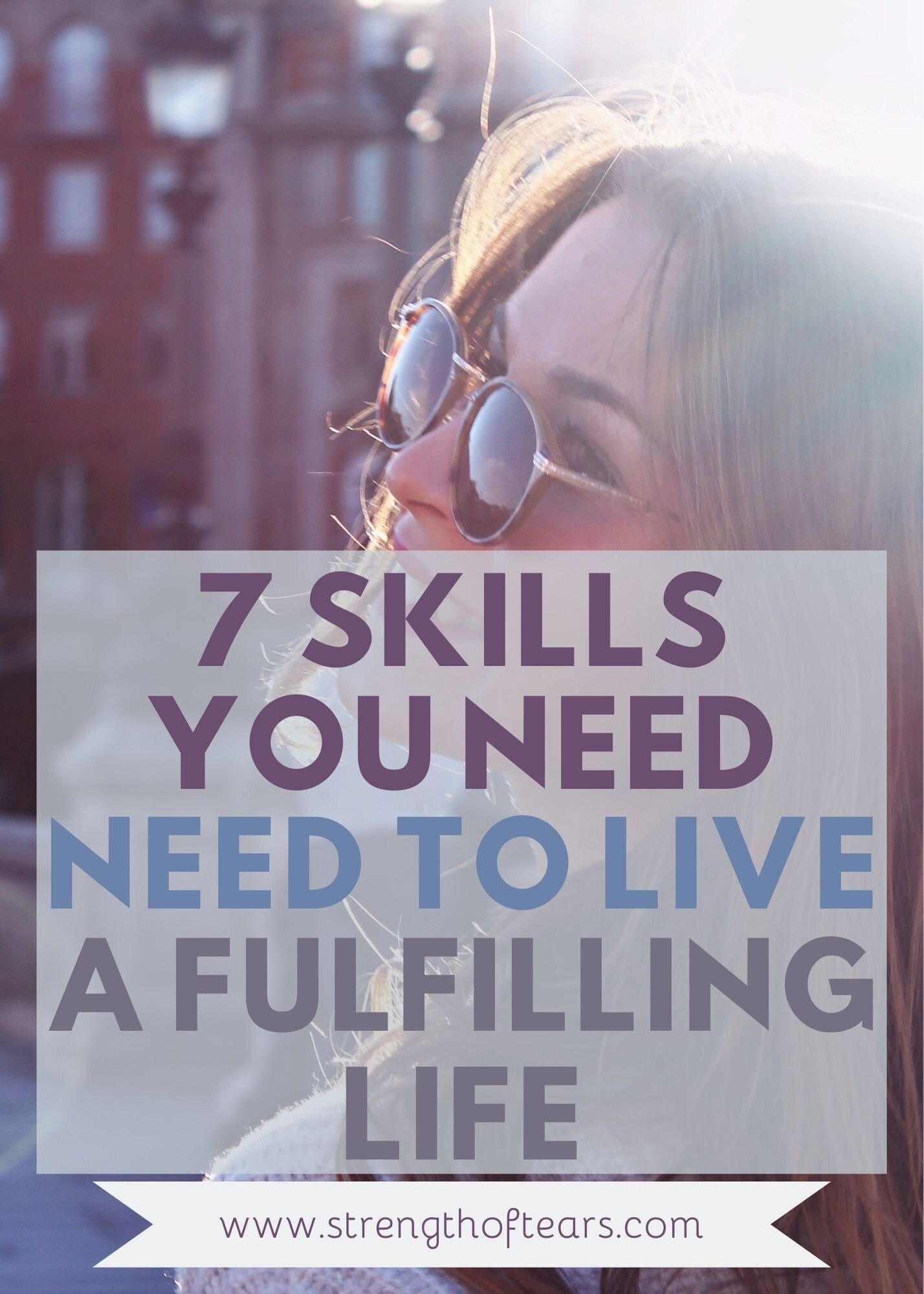
  • 7 Skills You Need To Live A Fulfilling Life

    7 Skills You Need To Live A Fulfilling Life

    7 Skills You Need To Live A Fulfilling Life

    7 Skills You Need To Live A Fulfilling LifeDo you ever wonder if you’ll ever be able to realise your hopes and dreams? In this blog I’m sharing how I got into the right mindset for change to reach my personal goals. I had to understand what I do and…

    Do you ever wonder if you’ll ever be able to realise your hopes and dreams? Maybe you can’t be arsed with it all anymore. I get it, it’s hard work to even think about change when you’re dealing with life and all the shizz that goes with it. But have you ever thought that maybe, just maybe you could achieve more? 

    It would be so easy to just keep on doing what you do, when you live the frazzled mum life. But have you thought about not being such a hot mess Mum? Yeah you look great doing it but you could genuinely be as happy as a pig in shit clover! Aren’t you up for a challenge? Maybe hearing how I came to be that happy pig will help you. 

    My own experiences of being super stubborn meant that it was more like I’d face planted that shit clover at first. I damaged my own and my family’s well-being by being so stuck in my ways, but I was scared! When I started taking notice of my behaviour patterns, I knew I had to make some changes. 

    However, you have to be in the right mindset for change so I needed to do some work on that first. I reflected on past experiences to see what I do and how I act when I’ve achieved and when I’ve failed. I began to understand my behaviours and how this affected my happiness. I had to see my strengths and weaknesses so I could grow.

    I believe that we need to build the foundations of our well-being. Part of that is looking at our tools for personal development. We have to build and develop the skills we need to live a fulfilling life. In this blog I’m sharing how I got into the right mindset to develop the skills to reach my personal goals. The 7 skills are: 

    • Positive Thinking and Self Talk 

    • Setting Boundaries 

    • Building Healthy Relationships 

    • Managing Stress Levels

    • Being Self Aware

    • Drive For Learning

    • Emotional Resilience

    Affiliate links disclaimer. The items I recommend are only products that I love

    Mindset – What shapes you?

    It’s important to have a growth mindset when you go through change. For these skills to be effective tools for leading a fulfilling life, you need to establish an openness to learning. When I was a teacher I lived with anxiety, however, I would try to carry on as usual instead of learning coping skills. This affected my emotional well-being. 

    When I was diagnosed with IIH, a brain condition, I was so headstrong that I spent months crawling up my stairs each night. It would take me ½ an hour, with Joel behind me and the kids at the top of the stairs, all encouraging me as I cried out with each step. I was determined not to have a stair lift, refusing to give in to my illness.

    My stubbornness and denial fused together and I let my ego make the decisions, to my whole family’s detriment. Read more about why we suffer from being stubborn in this article. When I finally stopped fighting, I could focus on my emotional well-being and think more positively as I gradually developed my mindset for change.

    Your mindset is how you view the world from your unique standpoint. Your state of mind is based on what you see, think and believe; influenced by your personality, environment and circumstances. Your mindset is what shapes you and you can retrain the brain to be open to change and turn most negatives into positives.

    “Love challenges, be intrigued by mistakes, enjoy effort, and keep on learning.”

    — Carol S. Dweck

    7 skills you need to lead a fulfilling life.JPG

    The Seven Skills 

    1. Positive Thinking and Self Talk 

    I generally think positively but when I was ill and undiagnosed, I became depressed. It took time but I worked hard on my insecurities through practicing self care. I journaled about the positives in my day and used affirmations. Positive thinking helped me rebuild my self esteem, changing my fears and doubts into hope.

    Occasionally old wounds reappeared and I’d slip back into negativity. I discovered Brené Brown and her study on the stories we tell ourselves. In this video clip she talks about recognising these stories. My own self-talk was a proper Moaning Minnie with crazily creative but false narratives which sabotaged my mindset. 

    Learning not to do this is an ongoing process but it’s so useful in developing self worth. I learnt to check myself if Moaning Minnie tried to get my attention. I’d work on understanding why I was feeling that way and ask myself if what I thought was true. Using a different perspective to look at my thoughts and actions is a powerful tool. 

    Mindfulness encompasses anything that allows you to be present and aware of your mindset. This includes anything that lessens the impact stress has on you. Meditation is a great opportunity to become more self aware and pairing it with gentle yoga helps you create the sense of calm needed to let go of what weighs you down. 

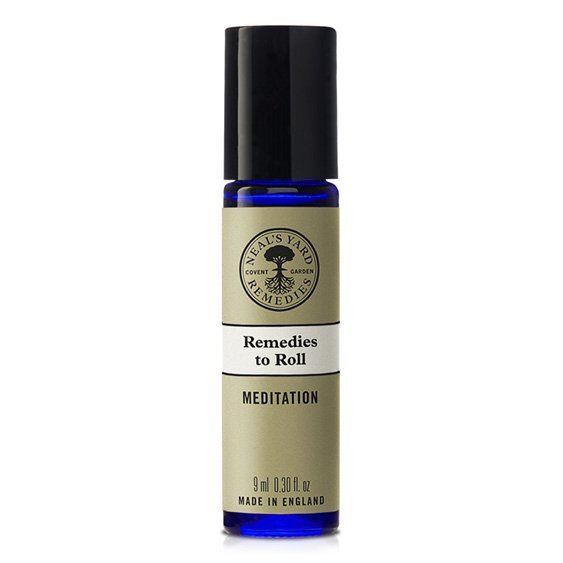
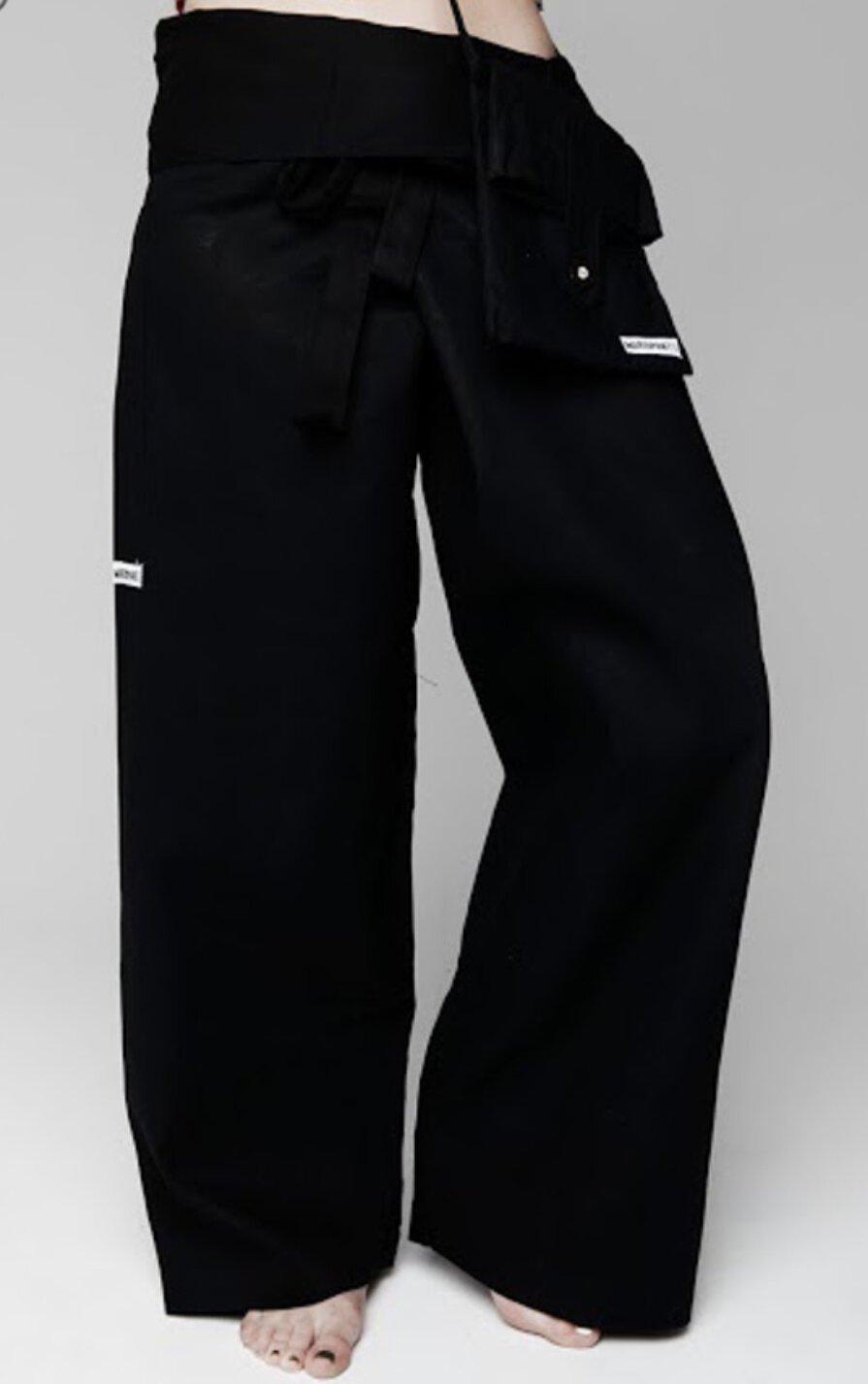
    Yoga also releases endorphins which play an important role in reducing negative emotions. You may see this as being a bit woo-woo, but in 5 minutes you can learn breathing exercises which will help your anxiety. Read how Meditation benefits me in this blog. These yoga pants and essential oil roll-on are great for relaxation .

    #block-yui_3_17_2_1_1602691273642_65091 .sqs-gallery-block-grid .sqs-gallery-design-grid { margin-right: -20px; }
    #block-yui_3_17_2_1_1602691273642_65091 .sqs-gallery-block-grid .sqs-gallery-design-grid-slide .margin-wrapper { margin-right: 20px; margin-bottom: 20px; }

    Sign up to my Strong Mum’s Mailing List to get access to my free guide on meditation. Check out my free resources here.

    2. Setting Boundaries 

    I’ve always had strong personal values and nothing sways me being honest, driven and supporting others. I’ve always worked around these core values, although I have others. When I was teaching I was very self aware and confident in how they fitted into my life.

    But having IIH tested me, when my self confidence wavered I became depressed. I’d put so much of myself into my teaching career, both with supporting the children’s learning and mentoring other teachers. But sitting watching TV all day left me feeling undervalued, this wasn’t the case, it was the stories I was telling myself. 

    As my treatment started to take effect, I was able to reflect on my values. I worked hard to reestablish my self-esteem but when I reflect on this hazy time, I realise I’d been caught in a loop of doing things for others instead of for myself. I reset my boundaries around this to make myself my priority, and no that’s not selfish! 

    To live a fulfilling life you need to know what you stand for and stick to it. If you know what you value, you can set boundaries around what you do, how you act and how you feel. If you haven’t considered your own values, it’s best to focus on a core of 3 or 4. Read this article to learn more about having core values.

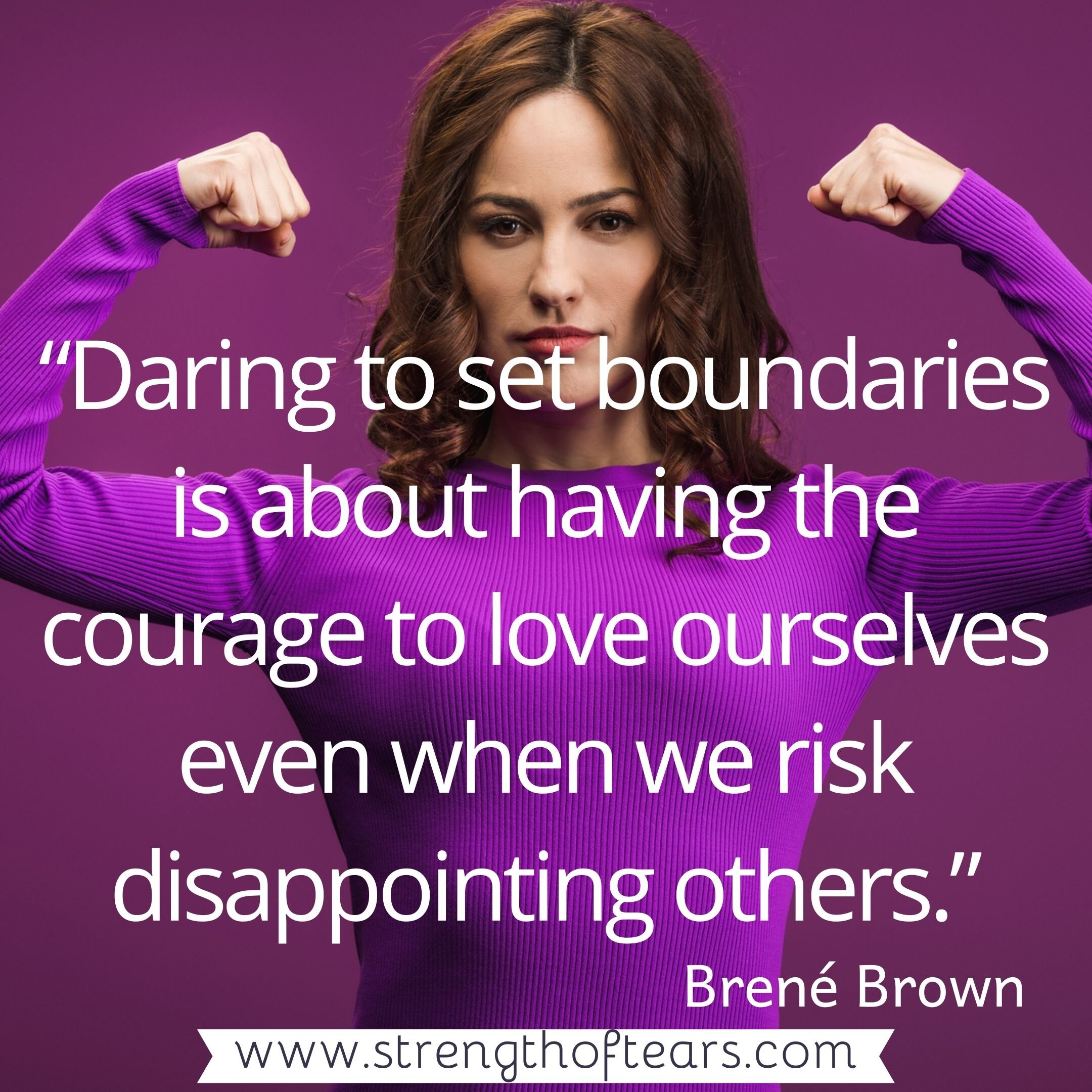
    Daring to set boundaries - Brene Brown Quote.jpg

    3. Building Healthy Relationships 

    When I was younger I didn’t always make great decisions about the relationships I had in my life. When I met my husband Joel at university, we became friends first. He became someone I trusted and he’s shaped my life profoundly. I believe the strong foundations we’d built our relationship on, has helped us deal with my illness as a team. 

    On the other side of this, becoming ill made me question some of my closest friendships, some of these being in my life for years. I’d felt abandoned when I needed support during such an important time in my life. At first I was upset at how they treated me but Joel told me that these had never been two way friendships. 

    It quickly became apparent who my true friends were. I was so grateful to those who had the patience to keep up with conversations with me where I’d forget the point. My situation cemented bonds with newer friends who showed me that they had my back. I always knew I had their support during the hardest times.

    Relationships change as you evolve and some naturally drift apart. It’s important to keep relationships healthy by only making space for the friends who’ ve shown up for you. A healthy relationship is a two-way street, one you can trust in easily and feel confident in, so you can live a fulfilling life. 

    4. Managing Stress Levels 

    Having anxiety means it’s important to manage my stress levels. This means continual reflection on my part to understand what I can’t control and what I can change. Life during a pandemic has heightened my anxiety which is a shame as I’d been doing okay. However, I wouldn’t be human if this time hadn’t gotten to me. 

    My physical and mental health are very closely linked so I have to constantly remind myself to listen to my body and notice signs of stress. I didn’t recognise the unrealistic expectations I put on myself until I had time to reflect and adjust. I have to remind myself most people can’t function on the amount of pain medication I’m on. 

    To look after myself I needed to de-stress and I started to practice self care. Initially just the frilly stuff we recognise, such as pampering and treating myself. But as I learnt more about it I understood that I needed real self care. I started by arranging to talk to a professional about what was going on in my head. 

    I’m still learning to give myself a bit of a break. 

    We live in a busy mind world, trying to juggle everything, being connected and available 24/7. We need to lower our stress levels as our brain reacts to it as if we’re in danger, triggering the fight or flight response. Having the opportunity to be present is important for our happiness but even more so for us to be able to live a fulfilling life.  

    5. Being Self Aware

    Being self aware sounds like such a simple thing, but it comes alongside developing the first four skills. As it is, time on my own has given me the chance to develop an understanding of myself, much deeper than if I’d stuck to watching TV all day!

    I took up making jewellery which gave me time to be present. I developed a habit of daily reflection and realised that I’d always found it hard to say no to people. My boundaries blurred as I’d offer to help others at the detriment to my health. On the other side, I struggled to accept help too, So I made a plan to set myself boundaries.

    As I embraced developing these 7 skills, I wondered how my actions, thoughts and values had changed now that my life was so different. I’d be so hard on myself when I saw what others were achieving compared to me. I still do this but am aware of it so I remind myself that achieving anything at all in a day, is a win for me.

    Self-awareness is “the ability to see ourselves clearly to understand who we are, how others see us, and how we fit into the world around us.” Tasha Eurich.

    You will be conscious of your emotions, beliefs, passions and traits so you can compare this to  your own values. This skill can ultimately lead to a happier life as it’s value focused. 

    To aim towards being able to live a fulfilling life you can set yourself personal value based goals. To avoid stress and anxiety it’s important to write about them and talk to others who see you objectively. This makes you aware of how others see you meaning you’ll be able to have authentic relationships.

    You do not find fulfilment by rearranging the circumstances of your life. You find it by being in touch with who you are at the deepest level and being an expression of that in the world.”

    — Melli O’Brien

    6. Drive For Learning 

    I’ve always been driven. As a teacher I’d push myself to keep learning to know I was doing my best. When pain took the wheel and I was too ill to work, I had to rethink my capability to learn. Despite my mushy brain, I started a blog alongside my online jewellery shop but I think my mindset was fixed and I felt the need to prove myself. 

    As the Laura we all knew started to return after my first surgeries, and I’d grieved my career, I started taking opportunities to seek challenges. I took online workshops learning marketing, how to hone my writing, how to take pro product photos and more. The results were finding my way to here and becoming a freelance writer.

    The biggest chance to grow came when I explored how to cope with the challenges that I now faced. With support I opened myself to healing from the emotional pain I’d dealt with for years. I learnt to be heart centred, putting my own well-being first for the first time in my adult life. 

    Your mindset is formed young, shaping your relationships with success and failure. Growth mindset is when you believe you can adapt, thriving on challenges and seeing failure as an opportunity to grow. You learn to value the process, not just the outcome, and do this for your own satisfaction rather than to receive praise from others. 

    7. Emotional Resilience

    I didn’t know what resilience meant until I was faced with waking every day to the same pounding head, ringing ears and fatigue. Those evenings climbing the stairs took their toll on the whole family but they were there with me every step of the way. I had so much change to cope with that I chose to be stubborn and fight it all at first.

    My first surgery really tested our resilience as a family though; skull surgery kind of does that. As Joel waited with me at the hospital trying to hold it together, Youngest was looking out for his older brother, then just 9 and 11, who was having a total meltdown and didn’t know how to tell my Dad who was looking after them. This hit us hard. 

    As time went on and the surgeries kept coming, we all came together to help each other through it. My illness has affected my husband and boys as much as me. In family therapy we learnt how to communicate better, working as a team. We went on to develop coping strategies for change, building emotional resilience.

    Change and stress is part of life but you can develop emotional resilience by taking these steps: Build connections with the people who understand and support you; build an optimistic outlook, manage your thoughts and make you the priority in your life, mentally and physically. Read this article on developing emotional resilience.

    “Failure is so important. We speak about success all the time but it is the ability to resist or use failure that often leads to greater success.”

    — J. K. Rowling

     How to Live A Fulfilling Life With Hope

    how to live a fulfilling life with hope.JPG

    If you’ve made it this far then I’m guessing that the challenge of being as happy as a pig in shit clover is one you’re willing to take on. Who knows, you could even realise those hopes and dreams that you’ve been trying to forget about, even if they look a little different than you first thought. Happiness isn’t worth it if there’s stress chasing it

    Most of us have everything materialistic we could want but we are living a global mental health crisis. We live the go-go-go lifestyle, chasing our dreams but we’re so stressed and overwhelmed that we don’t even stop to ask ourselves why! Our health, relationships, well being and quality of life suffers. 

    It’s not just me that lost touch with myself. Our awareness of the need to listen to our bodies, minds and hearts, when they are screeching at us to slow down and stop is seen as woo-woo. Well some of it is but some of it helps us cope with the change that we find so hard. We need to understand ourselves to stand any chance. 

    Sometimes change is worth the hassle of learning and shifting our mindset. This type of change is about reaching for our hopes and dreams, it’s worth it. This is happiness as a whole where we feel alive and satisfied. This is happiness that allows you to jump in and thrive and live a fulfilling life.

    You can jump on this ride whenever you’re ready. There’s no height or weight limit but you do need to work for it, just not running at full speed 24/7 as you’ll be too stressed. When all the foundations of your basic needs are sorted, start with one simple goal of being more reflective. Then you can work on these seven skills. 

    These skills will last you the rest of your life and change how you think, act and react. Imagine a more positive, calm and resilient life. Where you’re aware of your own worth and set the boundaries you need to stick to your values. You’ll have the people in your life who support you in every opportunity you take.

    Fulfilment won’t just show up and disappear, it’s a feeling that warms you to your bones and makes you feel at ease. It will make you feel alive as you go through the rollercoaster of life. Fulfilment is a potion that drips into your bloodstream making you feel enough, more than enough.  

    So why not set aside the idea that your dreams will only happen if pigs could fly and learn these seven simple skills and make it happen. 

    My Recommended Reading List

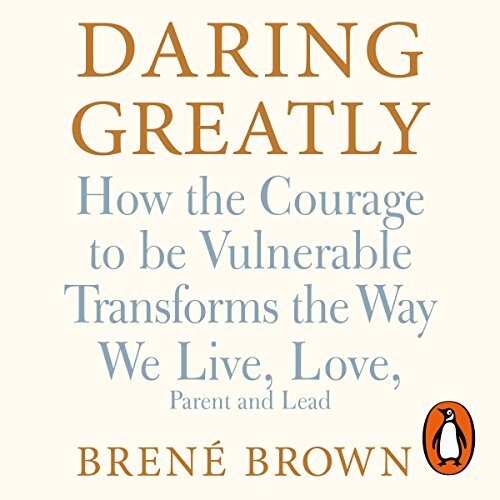
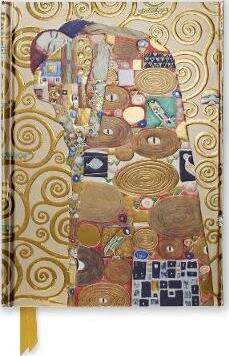
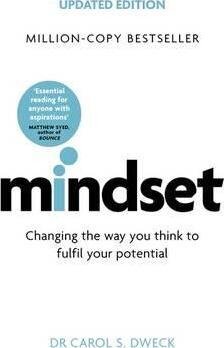
    These books are my recommendations on this topic. The Poetry Pharmacy is a great when you need a boost. Daring Greatly is about transforming your life and Mindset is by Carol Dweck who pioneered Growth Mindset thinking. The beautiful cover of this journal is Klimt’s work called Fulfilment. I hope that they can support you in your own journey to fulfilment.

    #block-24a4f16ebd94bd4e9327 .sqs-gallery-block-grid .sqs-gallery-design-grid { margin-right: -22px; }
    #block-24a4f16ebd94bd4e9327 .sqs-gallery-block-grid .sqs-gallery-design-grid-slide .margin-wrapper { margin-right: 22px; margin-bottom: 22px; }


    Which of these skills are your strengths or weaknesses? Tell me in the comments.  

    Stay safe,

    L 💜

    P.S I can help you out yourself first by creating personal well-being strategies using my free well-being plan. This will help prioritise your own needs, such as building self-esteem and making time for self care or doing the things you love. Or if you want to get on a waiting list for updates on my first ever well-being journal, please sign up to my Strong Mums mailing list here

    #block-2d13e3308091461e9e46 .sqs-gallery-block-grid .sqs-gallery-design-grid { margin-right: -20px; }
    #block-2d13e3308091461e9e46 .sqs-gallery-block-grid .sqs-gallery-design-grid-slide .margin-wrapper { margin-right: 20px; margin-bottom: 20px; }

    ✋ Hey there! I hope you’re feeling stronger now. If so, sharing the love will help me help other mums with chronic invisible illnesses.⬇  Hit one of those sharing buttons or save the images to Pinterest and I will do a bed-bound happy dance – there’s an image for you!

  • Autumnal Growth: What Happens When Old Relationships Are Burned

    Autumnal Growth: What Happens When Old Relationships Are Burned

    Autumnal Growth: What Happens When Old Relationships Are Burned

    Autumnal Growth: What Happens When Old Relationships Are BurnedThis October has hit me hard with one of those feelings so familiar: chronic illness relationships and trust. I believe we go through seasons of connections and I’ve been burned too many…

    This October has hit me hard with one of those feelings so familiar: chronic illness relationships and trust. I believe we go through seasons of connections and I’ve been burned too many times. So I’ve taken control before suffering any long term damage. 

    As Autumn brought in the harsh weather, I protected myself by starting the bonfire season early; burning the array of gorse and heather. This patchwork quilt of friends living with or without chronic illness, is in need of stimulation for regrowth. 

    These are my thoughts on the consequences of ending old relationships with friends and connections in online communities and changing up other relationships so I only have those that I need in my life.

    This is my first post joining in with the October link up hosted by Sheryl Chan of A Chronic Voice. Thank you to Sheryl for hosting this and I look forward to joining in. Please check out the other great posts in the link up.

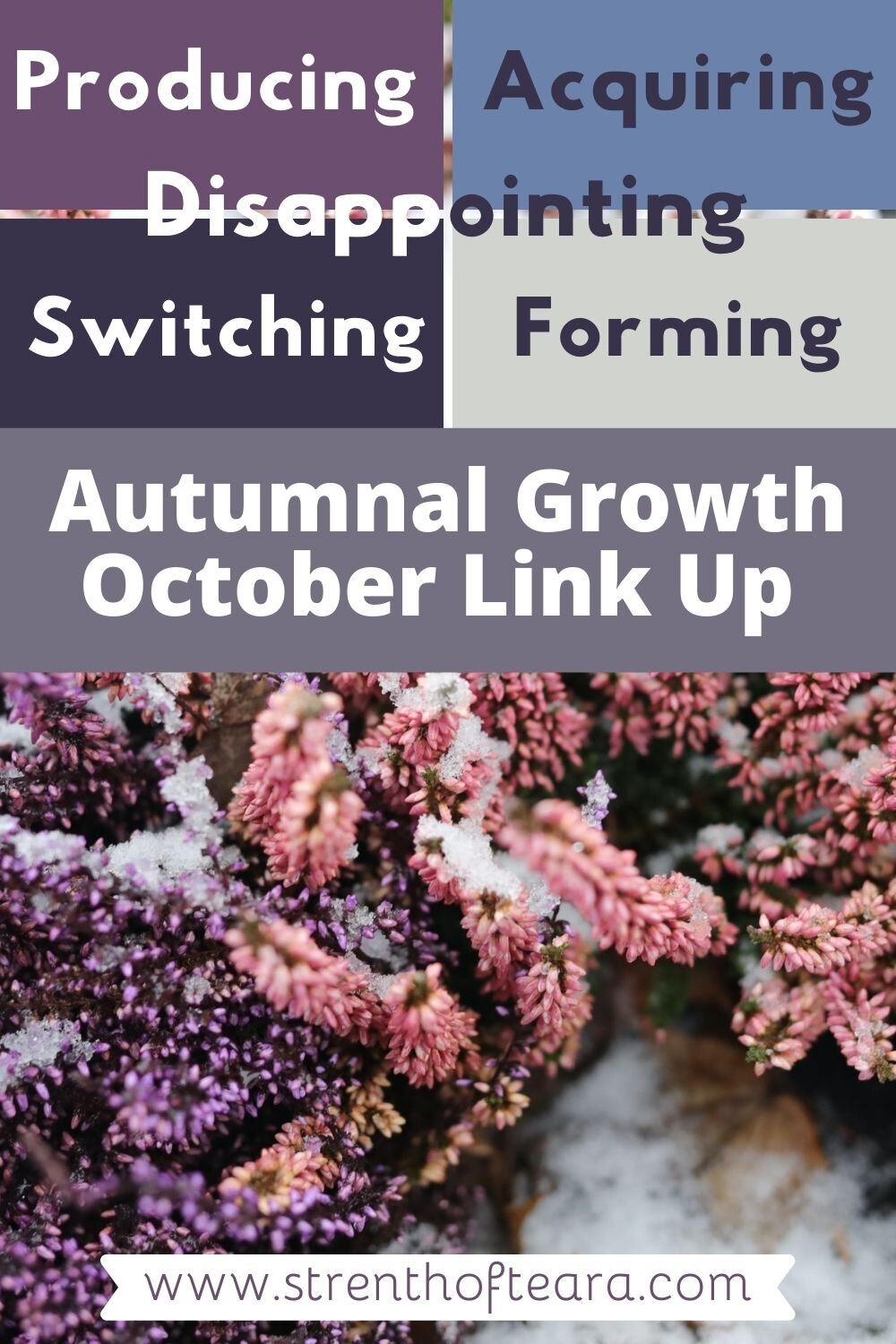
    The prompts this month are: 

    • Producing

    • Acquiring 

    • Switching 

    • Disappointing 

    • Forming

    Producing

    This year has been hard on all relationships. Families aren’t used to spending this much time together, so time to reflect is more important than ever. Improving our weaknesses and celebrating our strengths makes us more productive. 

    Friendships are harder work, especially for those with chronic illness who have more challenges. Friendships fail in normal times because we cancel at the last minute, get unwanted advice or it’s too much work. When mine fail, they usually seem to fade.

    To me a good friend is one who produces some kind of chocolate when you see them or a great GIF online. With chronic illness in the middle, listening is key. Read this article to understand more about losing friendships when you live a chronic illness.

    This month I’m producing my first product to support mums with anxiety and chronic illness. I’ve been procrastinating over it and couldn’t work out why until hang-ups from old relationships triggered my anxiety. Read my blog about coping with anxiety here.

    Sign up to my Strong Mum’s Mailing List to get access to my free guide on grounding techniques to reduce anxiety. Check out my free resources here.

    I’d reached out for support from one online community, but the response gave me flashbacks to the hurt I’d felt in old relationships. I didn’t know I was still harbouring so much pain; a small thing became a big thing and pushed me off my intended path. 

    I didn’t know why this had agitated me so much so I spoke to my husband about it. As we discussed my thoughts, I linked it to a past experience when Joel had had to communicate for me as it blew up rapidly. He protected me and I left that group. 

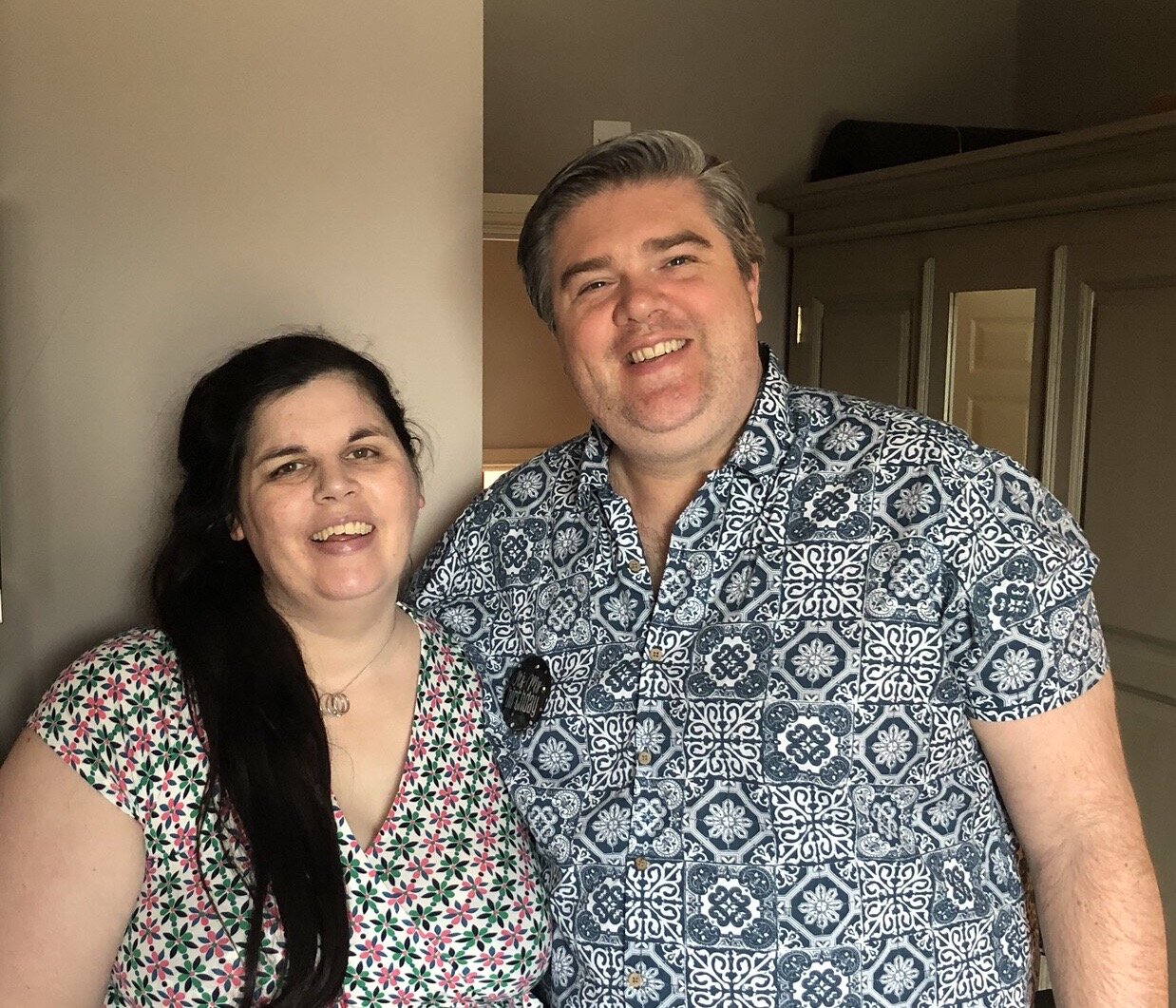
    Joel’s always there for me in times when I’ve struggled to cope. He’s shown such support for what I produce, especially on the blog. He’s proof that relationships can last the change of the seasons of chronic illness, by adapting and growing together.

    Joel and Laura.JPG

    _Disclaimer this blog post contains affiliate links and any purchases made through such links will result in a small reward for me and my crafting habits. Oh and there’s some free recommendations too, Im nice like th.jpg

    Acquiring 

    The expectation of acquiring peace from how I’d been treated in the past, didn’t last long. I remembered how I’d trusted blindly and sought out a confidante. It stung as I relived how they’d discarded me and then rewritten history, with me as the bad guy. 

    The betrayal I’d felt from the breakdown of this and other old relationships is more deep rooted than I thought it was. Read this article on how to actively deal with betrayal. I told Joel and my best friend, Sam, how I felt about both situations.

    They suggested that a group wasn’t the place for me to show such vulnerability. This hit home. I knew I’d let myself trust in a one sided relationship again. This felt like the rug being pulled from under me but I knew deep down that this wasn’t the same as before. 

    I’ve lost so many people that I thought I could trust since becoming ill. I know this happens when chronic illness makes the rules but I struggle to understand it. Saying that, I have acquired a deeper understanding of my role in friendships. 

    I put so much of myself into a relationship and I always put others’ needs before my own and this is a problem. This latest incident really has shown me that I need to put my needs first. So I’m acquiring a more balanced approach to online connections.

    Switching

    Taking time to reflect on these things is the most important way to grow and make better decisions. Learning from my mistakes and successes helps me switch up what’s working and what isn’t. 

    Understanding how old relationships have affected me when they die, has shown me I need to stick to my values. I’ll always be loyal, trustworthy and brutally honest at times but I need to place more emphasis on what I need to flourish. 

    So I’m switching up how much energy I put into the communities that I’m part of. I’m doing a relationship audit to ensure that I stick to the online groups I need and I’m actually being selfish and considering what I get out of being a part of each group. 

    I’m also switching up how I spend my time interacting in these groups. I have so little energy that I need to pace myself and in the past I haven’t done this well. This is where I’ve let myself become vulnerable; offering more to others than I should have. 

    This has left me in a position of weakness as I’ve spent time helping others and ended up with a low stock of energy for myself. This leaves me with so little time to create and now this is my business, I have to plan my time so I can be productive. 

    I’m going to make sure that my time is valued by those I share it with. So I’m switching up the time I spend in groups, focusing on new connections with other chronic illness bloggers, who can help me grow, and with frazzled mums I can give a voice to. 

    There’s only one thing more precious than our time and that’s who we spend it on

    — Leo Christopher

    Disappointing 

    As we go through the seasons of chronic illness we have disappointing periods. Our brains are wired to focus on negatives, which is why we worry about the things we didn’t do instead of what we achieved. Read about my chronic illness in this blog.

    I’ve been disappointed by so many people claiming to support me since I became ill:

    • The ‘best’ friends of 10+ years who’ve abandoned me because I couldn’t go out socially. 

    • The Carers I’ve allowed into nearly every aspect of my life, who ditched me for asking them to change how they did this or that.

    • The owners of the chronic illness group who gave me a ‘safe space’ and used what they knew against me.

    The spiny thorns of these old relationships cut so deep, I had a strong emotional reaction after showing my vulnerability again. Just like Gorse used to be treated, we should only have as many relationships as we can carry, to avoid over-exploitation. 

    I felt dismissed by the lack of understanding of how my IIH affects my understanding, leaving me exposed. It’s disappointing that I didn’t protect myself better. Choosing to use a ‘safe space’ again after my previous betrayal has been a harsh reminder. 

    But I needed to see this from a new perspective. My husband reminded me the group has evolved from its original cluster. I also had a long absence this year due to my new diagnosis, so new members don’t know me. It was disappointing but not harmful.

    I have trusted friendships within this group and from others who are important to me. Having relationships with others living with chronic illness is important. We both know where support is in hard times, so I’ll focus on these to avoid future disappointment

    I was always fraught with guilt and it’s such a waste of an emotion. It keeps you out of the moments of being where you are

    — Kyra Sedgewick

    Forming

    Despite all this disappointment I’ve been reminded of how lucky I am to have formed friendships with people I trust completely. As the unhealthy friendships weeded themselves out of my life, I discovered the friends that would always be there.

    Reminding ourselves that we don’t have to accept the negatives is vital. We can rewire our brains with positive messages, such as making a point of focusing on all of our wins, forming little nuggets of gold. These are my golden moments this October! 

    This Autumn I’m headed towards my 7th year of chronic illness, in the midst of shielding during the pandemic. This year I’ve been forming even tighter bonds with my trusted circle, despite the months that have passed without contact. 

    This Autumn is the 2nd with my carer/best friend. We see each other every weekday and it’s a form of therapy for us both. After forming a support bubble with Sam we’ve developed a relationship more like sisters, which will bring comfort in the months to come, 

    It isn’t just these old relationships that I can rely on. There’s support in many guises so my new focus is on forming new natural friendships within the groups I enjoy being in. It’s important that I stay protected but I need to have that social contact. 

    Make new friends, but keep the old; Those are silver, these are gold.

    — Joseph Parry

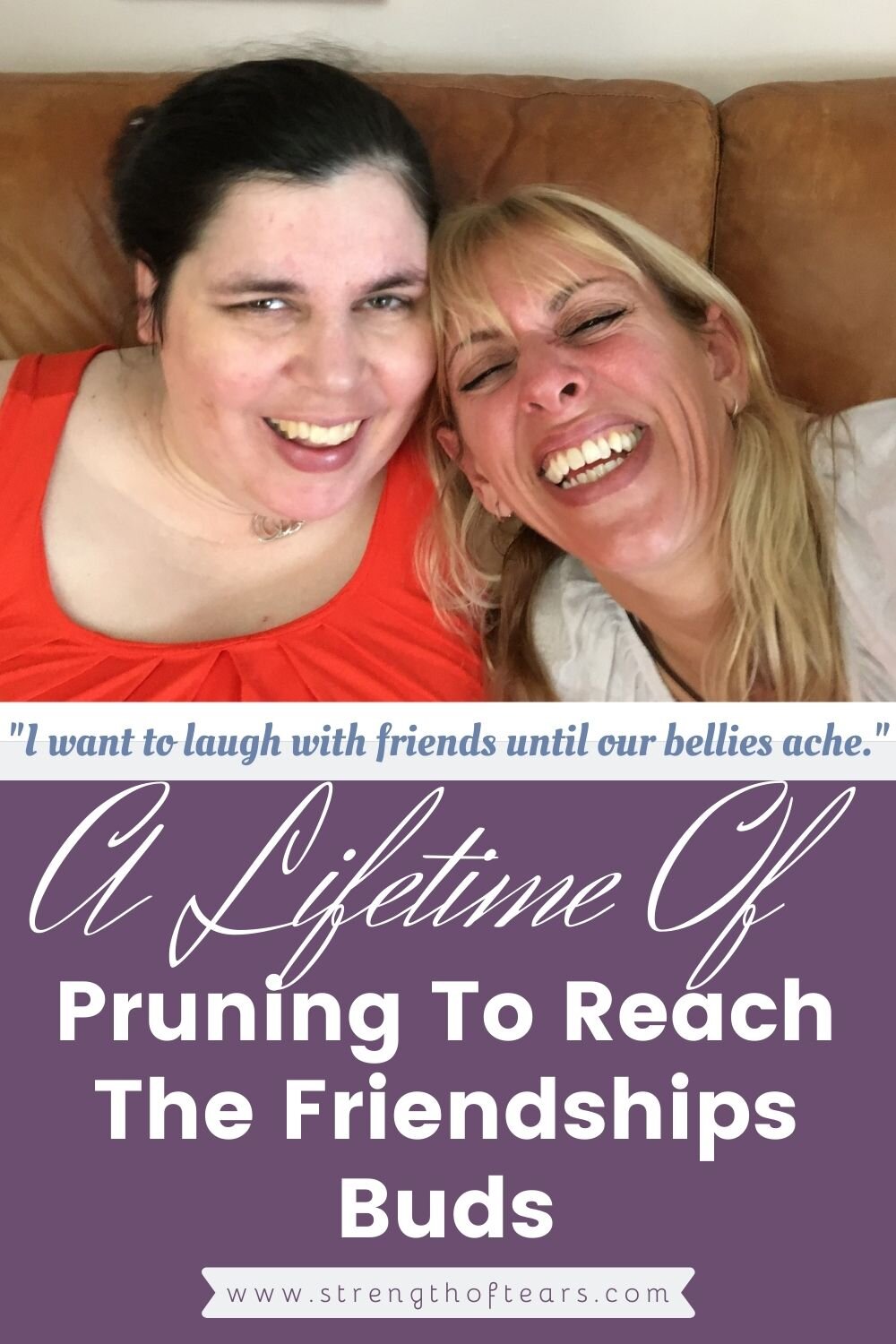
     A Lifetime Of Pruning To Reach The Friendship’s Buds

    a lifetime of pruning to reach the friendship buds.jpg

    It seems that over a lifetime of both new and old relationships; Autumntime is when we prune back what isn’t necessary to make way for the relationships that matter. This helps them grow better in the future months until they come to fruition. 

    I have gone through so many emotions, stemming from one small incident that I blew way out of proportion. Maybe we need these little fires so we learn that we need to protect ourselves and manage our expectations. 

    Having a brain condition is a constant journey. Maybe I spend my life on an avenue of disappointments, acquisitions and productivity, forming new pathways so I can switch up as I grow. This October will allow me time to choose where I head. 

    I know how lucky I am to have Joel in my life, especially as so many don’t make it through the tough times. I believe that being open to positivity and talking about what we want to achieve, as well as what we have, only strengthens our bond. 

    As I assess my connections to replace the dead wood and celebrate my companions, I’ll be surrounded by an arrangement of characters. I want to sense the myriad scents and colours of heathers and bright yellow buds of the gorse.

    I want to laugh with friends until our bellies ache, share sarcastically witty responses and give and receive comfort when sad or angry. I want us to be equally supportive, non-judgemental, loyal and honest to the core. I want to be a good listener and have fun.  

    I want to create strong foundations with new friends and build strength in my old relationships, whilst remembering to protect myself. I desperately want to hold a conversation without wandering off the beaten track and losing my destination.

    I want to head towards this harsh winter knowing I have friends and family I can rely on and make sure I’m a dependable friend for them in return. Maybe it takes adversity to find the real beauty in the relationships we have.

    My Recommended Reading List

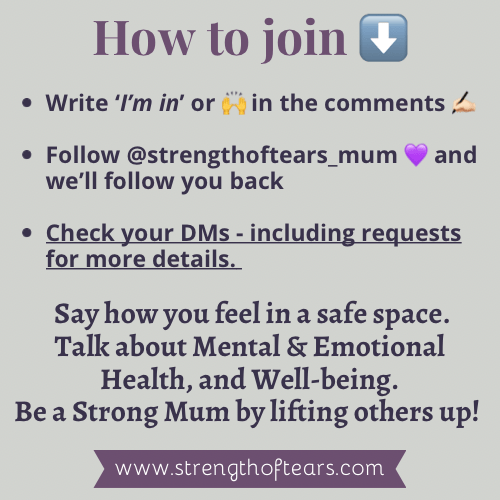
    These books are what I recommend related to this topic. These show a range of relationships and I hope that they can support you in your own relationship problems or show you how to build stronger bonds in friendships or with your partner.

    #block-518d9da750ab4c42bd40 .sqs-gallery-block-grid .sqs-gallery-design-grid { margin-right: -20px; }
    #block-518d9da750ab4c42bd40 .sqs-gallery-block-grid .sqs-gallery-design-grid-slide .margin-wrapper { margin-right: 20px; margin-bottom: 20px; }


    How are your friendships? Do you need to do a friend audit? Tell me in the comments.  

    Stay safe,

    L 💜

    P.S I can help you out yourself first by creating personal wellbeing strategies using my free wellbeing plan. This will help prioritise your own needs, such as building self-esteem and making time for self care or doing the things you love. Or if you want to get on a waiting list for updates on my first ever well-being journal, please sign up to my Strong Mums mailing list here

    #block-e20598a00fa27bfedb2a .sqs-gallery-block-grid .sqs-gallery-design-grid { margin-right: -20px; }
    #block-e20598a00fa27bfedb2a .sqs-gallery-block-grid .sqs-gallery-design-grid-slide .margin-wrapper { margin-right: 20px; margin-bottom: 20px; }
    ✋ Hey there! I hope you’re feeling stronger now. If so, sharing the love will help me help other mums with chronic invisible illnesses.⬇  Hit one of those sharing buttons or save the images to Pinterest and I will do a bed-bound happy dance – there’s an image for you!