What You Need To Know About The Mental Health Benefits Of Journaling
Journaling is a way of recording your thoughts, feelings, habits, and gaining insights for your personal development. It can look different for each individual, some record digitally and some use paper, and it can be written or drawn. It takes work but it’s worth it for the good impact journaling has on mental health.
Journaling has helped me cope with my Mental Health issues since I became chronically ill with migraine disease and was traumatised by the lack of support and, what I now know was, gaslighting from my neurology team.
The stress I was under as I tried for months to get a diagnosis, unable to work as a teacher, was immense. Even when I was diagnosed with IIH, a rare brain disease, I became depressed and had extreme anxiety as I had to wait for over a year for treatment so I had support from a mental health professional.
Whilst facing these challenges I started journaling about my situation as a way of exploring the difficult feelings I had, for example, writing about grieving for the life and career I’d lost.
This helped me work through this extremely emotional phase and I was able to rant without my loved ones being in the crossfire. Writing about my difficult emotions, whilst living with chronic illness, helped me so much that I’ve written about the benefits journaling has on our mental health when done safely.
I have also created an epic coaching journal for mental health that is written to ensure you’re not isolated in the process. The Journey To Balance Journal will help you understand yourself and your mental health needs better. You can buy the journal by clicking here.
You need this 400 page coaching journal!
Forget the trends and get ready for the journal you need as a busy and stressed out mum.
It is split into 4 sections:
Emotional Health Coaching
Goal Setting For Whole Well-being
Undated Monthly and Weekly Planner
Emotion Based Journal Prompt
Journaling is different for everyone, some use it to record parts of everyday life, whilst others use it as an exercise to process experiences, negative thoughts and feelings. Putting these things on the page helps you take back a sense of control. Psych centra says in this article that:
“journaling is a powerful, evidence-based strategy that you may find helpful for managing mental health conditions and stress.”
The mental health benefits of journaling can be powerful, helping you process stress, trauma, and difficult emotions. These are some of the ways that journaling can support you:
Reduces stress and anxiety
Writing about your thoughts and feelings can help you reduce their intensity and therefore loosen their hold over you, reducing symptoms of stress and anxiety.
Improves mood
Journaling can help you focus on the positive aspects of your life, which can improve your mood and increase feelings of gratitude.
Enhances self-awareness
Journaling can help you become more self-aware as you reflect on your thoughts and behaviors. This can help you identify patterns that are causing stress or holding you back.
Boosts creativity
Writing can stimulate the creative parts of your brain and help you come up with new ideas and solutions to problems.
Increases mindfulness
Mindfulness is being present in the moment. Journaling can help you practice this by focusing on your thoughts and feelings in a non-judgmental way.
These mental health benefits of journaling show that it’s simple and effective to use journaling to improve your mental health. Regularly taking time out to reflect on your thoughts and emotions helps you develop strategies for coping with stress.
What Should A Mental Health Journal Feature?
Here are some elements that can are often utilised for each individual’s needs in a mental health journal:
Mood tracking is one of the most important features, involving recording your mood each day so that you can analyse patterns and look at what may affect your mood. By identifying triggers, you can evolve strategies to manage them.
This is a key feature in the Journey To Balance Journal, based on the theme of the journal and the emotion coaching in the self-help section of the journal. Over a month you record your daily mood on this graphic, colouring in using the key. There’s also space to document how triggers impact your mood.
2. Daily gratitude log allows you to practice gratitude, which is important in promoting mental wellbeing. This exercise helps you beat negative self-talk which can stifle your personal development and impact your mood. Learn more about how to overcome this by reading my blog about beating toxic self-talk.
I set out to ensure that the ‘Journey To Balance’ mental health journal encourages positive self-talk by having a segment where you write down what you are grateful for each day. It’s a quick and easy way to help you maintain good mental health.
3. Self-care habits are one of the mental health benefits of journaling, building self worth by tracking your self-care activities. Using a habit tracker can help you set goals for things that make you feel good and improve your well being. You can adopt and keep up habits such as exercise, meditation or any other activities that promote self-care.
Recording your self-care activities on the habit tracker in the Journey To Balance Journal will help you feel motivated and committed to doing self-care. In the long run, achieving your goal to make these activities habits will improve your whole life.
“In a nutshell, your health. wealth, happiness, fitness, and success depend on your habits.” – Joanna Jast
4. Thought records, according to this NHS information, is a common cognitive behavioural therapy (CBT) exercise. It is explained in full here as the practice of recording and studying your thoughts and feelings about a situation so you can understand the link between your thoughts and behaviours.
As explained in the daily gratitude section this is a helpful tool that allows you to identify and challenge negative thought patterns. The gratitude log is part of this section of the Journey To Balance Journal for mental health. Record the thoughts and feelings you have throughout the day, so that you can process your emotions and reframe negative thoughts and feelings.
5. Regular Reflections is a core self care activity. I discuss how this activity and others lead to emotional development in this blog (link). I explain how self reflection is vital for meeting our goals and improving ourselves through regular self care.
In the Journey To Balance Journal for mental health, I’ve ensured that there are activities in the prompts section and space for deep work in the monthly reflection area. This is what makes it a powerful self awareness book as it helps you gain real insight into your thoughts and feelings.
These features should be personalised to your specific needs and goals in a mental health journal. They can be a powerful tool for promoting self-awareness, identifying patterns, and working towards positive mental health outcomes.
Quick Guide: How Is Journaling Good For Mental Health?
From my own experiences with chronic conditions, I have found journaling a helpful tool for balancing my mental health. I used it as an opportunity to explore the difficult feelings I was experiencing as I grieved the life I’d known pre chronic illness.
Journaling helped my mental health during this difficult time period and has continued to do so as I manage the challenges of chronic illness. Journaling gives me space to shout about it without aiming my negative emotions at my loved ones.
It isn’t just me using journaling to process big emotions, in fact it’s well documented that journaling is good for mental health. I found research, such as this WebMD article, that explains that the mental health benefits of journaling include reducing stress, building self-awareness, regulating emotions, and breaking the cycle of obsessing over negative experiences.
In Conclusion…
Journaling is good for your mental health. Recording your thoughts and feelings can be therapeutic, helping you process difficult emotions and experiences. Writing about stressful events can help you make sense of them.
Journaling helps you gain a deeper understanding of yourself, your values, and your priorities. It can help you explore new ideas and perspectives and can be a helpful tool for tracking progress towards goals and reflecting on personal growth.
I know that writing about my difficult emotions whilst living with chronic illness helped me, so I have written the Journey To Balance Journal to include the 5 key features of a good mental health journal: Mood tracking, gratitude journaling, self care habits, thought records and reflections.
This journal for improving mental health puts emotional development front and centre, so that it has a positive impact on your mental health. Chronic illness life comes with many difficult feelings so the Balance Journal allows you to:
Write freely to help you understand yourself better
Rant about difficult situations without it being aimed at loved ones
Use the coaching aspect of the journal to create a safe space to explore your emotions
Overall, journaling can be a valuable tool for improving mental health and well-being. It’s a simple and accessible practice that can be tailored to meet your unique needs and preferences.
✋ Hey there! I hope you’re feeling stronger now. If so, sharing the love will help me help other mums with chronic invisible illnesses.⬆ Hit one of those sharing buttons or save these images to Pinterest and I will do a bed-bound happy dance – there’s an image for you!
How To Know If You Have Significant Mental Health Issues
Trigger Warning: This post discusses mental health problems, including suicidal thoughts, self-harm and eating disorders.
Do you feel as if something isn’t right but can’t pinpoint it? Don’t worry you’re not alone as you may be displaying mental health symptoms. In fact, millions of people struggle with these conditions daily.
Mental illness affects everyone at some point in life, whether it’s for a few days or years. It can be difficult to identify due to the many different types of mental health issues. So it’s important to know what mental illness looks like to get support.
I’m not a mental health expert but I know what it feels like to live with depression, anxiety and trauma. I’ve had bouts of depression since becoming a Mum and when I first became chronically ill, grieving the loss of the life and career I loved.
I want others to know they’re not alone with mental ill health so I share warning signs and a mental health symptoms checklist. Then I explore 3 symptoms that get overlooked which could help you identify what mental health treatment you may need.
Some Warning Signs Of Mental Health Issues
They’re are many different mental illness symptoms, but there are some general warning signs for anxiety, depression, and stress; as symptoms vary between people and sometimes even for an individual. The most common symptoms include changes in sleeping habits, isolation and sudden mood swings.
Self-harming is one of the common mental health symptoms but I haven’t experienced this myself but know people who have. If any of these symptoms persist and interfere with your ability to study, work or relate to others, please seek help.
Anxiety disorders involve excessive fear and worry. Some people feel anxious all the time, while others experience panic attacks that come on suddenly. Anxiety may also cause sleep disruption with people struggling to put the day’s worries away.
Anxiety is when you worry about things you cannot control. It can make you feel tense, nervous, restless, and irritable, and avoid social situations.
I created a free Anxiety Busting Exercises Download based on strategies I use myself. Just click below to get your copy now!
Depression is characterised by unwavering sadness and loss of interest in activities that once brought pleasure, it can take over everything and has a significant impact on your life, affecting your eating habits, energy and concentration.
Many symptoms of depression are well known but it can also make you feel sick with guilt, have low sex drive, and lack of energy. If you worry someone you know may have a mental health issue you need to ask a few times how they are and just listen to them fully. Simply be there. Read more about depression warning signs here so you know.
Mental Health Symptoms Checklist
One or two symptoms alone don’t mean you have a mental illness but it may indicate a need for further evaluation. If you experience several at one time and the symptoms are causing serious problems you should see a doctor or mental health professional.
I was a young teenager when I first experienced anxiety but I had no idea that’s what it was. I struggled in social situations and was argumentative. I worried all the time, often laying awake worrying but I thought I was just being fussy.
Then when my baby was born sick and he was in NICU, I was a mess. My husband tried to take me out for a walk but I had trouble breathing. The Dr checked to see if it was a pulmonary embolism but they said I’d had a panic attack.
Once home, I couldn’t cope and my anxiety spiraled. I couldn’t cope and pushed my husband away so I could be in control of what I had to do, being mum to our boys who were both under 2. The traumatic experience was extended and I began having suicidal thoughts so I got mental illness treatment quickly.
I saw a counsellor immediately, which (I didn’t realise) meant they were genuinely concerned I may try to take my life. I was mostly in a daze but doing the mental health symptoms checklist, helped me see the severity of my situation. My past trauma and this one had collided and triggered my anxiety.
Symptoms vary widely depending on the tests, some being free online test. These are helpful to gain perspective, rather than for self diagnosis. The most common issues are in this mental health symptoms checklist. Please only use it as a kick-start to a professional test for mental illness treatment.
Rate these based on how often and strongly you experience these symptoms. Rate from 0 being never and 5 being always:
Remember you will experience some of these in the course of everyday life. It is meant to help you take a few steps back and look at the bigger picture to see if these signs are likely to be caused by depression, anxiety or other mental health disorder.
Being honest with your health care provider is crucial to improving your mental illness symptoms. But if you rated highly for suicidal thoughts or have had any intention to harm yourself or others, seek immediate medical attention. Call 999 (UK), your doctor or speak to your country’s mental health helpline.
Another symptom on this mental health symptoms checklist that needs fast intervention is feeling numb. This is also called Emotional numbing and can leave you desperate. You may want to feel so much that you self harm or seek danger.
Emotional Numbing
If you relate to this you need urgent care!
If you relate to this not feeling; emotional numbing, you’re not alone but you need urgent care. This feeling can be managed with mental health treatment. Read the full article on here.
3 Toxic Mental Health Symptoms That Are Being Overlooked
Some mental health symptoms can be a warning sign for early intervention, but are often overlooked. Everyone has heard of these aspects of emotional well-being but they are not usually associated with serious mental health problems.
These 3 traits can become toxic. Toxic behaviour is when a person’s behaviour and actions cause harm physically or mentally. This is usually a toxic person spreading negative behaviour, stressors or trauma. Toxic behaviour isn’t considered a mental health disorder but is caused by mental ill health.
Sometimes that person can be you! It can happen because others around you also exhibit toxic characteristics, adding negativity and stress to your life. Here I look into 3 traits that can become toxic to yourself so you can get help quickly.
Toxic Stress
Toxic, or chronic stress, occurs when the brain’s fight or flight response is triggered too often, for too long, or is triggered by multiple sources. Toxic stress normally only happens when there are many, persistent and severe stress factors.
If you experience prolonged stressful events you may find a negative influence on your physical health and mental health symptoms, such as substance abuse and inability to focus.
Research shows that supportive, responsive relationships with caring adults, especially in early life, can prevent the damaging effects of toxic stress. Relaxation, like meditation and yoga, counteract high stress levels and reduce the physical aspects of the stress response such as heart rate and breathing.
Change in appetite
Toxic hunger is a physical addiction to a diet high in processed or ‘junk’ foods that are excessively sugary, salty or oily. These ingredients aren’t found naturally and are designed to give you a dopamine high. You become more likely to avoid natural, nutritious food.
Mental health symptoms can lead to a loss of appetite or to binge eating comfort food for short term relief. Toxic hunger symptoms are usually feelings you’ve learnt to interpret as hunger but are actually signs of your body’s toxicity:
Headaches
Cravings
Dizziness
Nausea
Shakiness
Irritability
Fatigue
Brain fog
Toxic hunger can be accredited to the time of day, food cravings and alcohol intake. It’s very easy to slip an extra snack in, if you eat outside of your normal routine. Cravings can also be linked to activities, such as having popcorn at the movies, or a kebab after a drink at the pub.
Simply put, this means you need to check your hungry status and ask if you’re really hungry as toxic hunger comes from the head and stomach. Don’t replace mental health treatment with eating your feelings or starving your anxiety.
Toxic Perfectionism
This is often only alluded to on mental health symptoms checklists but the 24/7 world of filters and perfect pictures can easily distort your view of an ‘ideal life’. This can lead to setting goals influenced by the outside world, instead of meeting your needs.
Perfectionists often think that ‘perfect’ is an achievable goal so have unrealistic expectations. If there’s any deviation from the perfect end-point it is seen as a grievous failure. Researchers link perfectionism to mental ill healthasyou become convinced that others expect you to be perfect.
Once you set yourself these goals, it inevitably leads to an expectation of everyone around you meeting your standards. As nobody can meet these, it makes it difficult to maintain a healthy relationship.
As a recovering ’perfectionist’, I’ve felt empowered to leave certain practices behind by reading Brené Brown’s work. She talks about perfectionism being a shield we use to stop us being hurt but instead we hide fearing we’re going to be caught out as not perfect.
Perfectionism is not about striving for excellence. [It’s] a way of thinking and feeling that says this: ‘If I look perfect, do it perfect, work perfect and live perfect, I can avoid or minimize shame, blame and judgment.’”
Brené Brown
How Toxic Living Affects Your Mental Illness Treatment?
The hallmarks of a toxic person include unsupportive and unpleasant behaviour, being manipulative, judgemental and controlling. If this is you, you’re living in a cycle of negative self-talk which affects everyone around you.
You will probably experience mental illness symptoms and are likely to have either depression, anxiety, PTSD, BPD, etc. If you recognise this in yourself please seek mental health treatment. You can start practices to kick out toxic behaviour.
My Journey To Balance Journal can help you develop self awareness of your behaviour; develop your values and live by them, grow empathy and compassion; evolve into a person who thinks before they act and explore your vulnerability. Learn more about journaling to re-frame negative self-talk here.
Buy The Gifts Of Imperfection Book
This #1 New York Times bestseller is about effective daily practices are the ten guideposts to wholehearted living.
These practices will change our lives and walk us through our expectations that get in the way.
In conclusion
Mental health symptoms are hard to identify. If you’ve ever felt like there is something wrong with you or tried to combat anxiety or depression, you’re not alone. You can look for warning signs, such as sleep routine or appetite changes, mood swings and irritability; which are all things you can track.
There are many online tests and informative articles to help you. In this article I’ve included a list of the most common issues in a mental health symptoms checklist. However, this is not a replacement for professional mental health support.
Many symptoms get overlooked, here I focused on eating habits, stress management and perfectionism to help you spot if you or a loved one is developing unhealthy or toxic habits that could become toxic and lead to mental health conditions.
I’d like to link to some other key articles that I hope can help you identify the signs and symptoms of mental health issues. This can help anyone experiencing mental illness symptoms so please feel free to share this post with them.
I’m not a mental health professional so this article is based on research and my own experiences. I’ve struggled in the past to ask for help but as soon as I did reach out, I got help. I’ve been lucky to have support at home too so please share this so others can learn what to look out for to be that trusted friend,
If you think it could be time to seek support for your emotional well-being or someone you know may be struggling, it is crucial to seek help from a mental health professional, doctor or by contacting a crisis line. Please check out the links below.
The Mental Health Foundation looks out for people like you, by researching how mental health issues affect an array of different people. Their resources are designed to give you information about how to cope with symptoms and even prevent mental illness developing. Click here to read more.
Most people recover from mental ill health with support. There are many UK services, providing therapies and counselling for free. Help with other aspects of life, such as claiming benefits, services to help is provided by a community mental health team (CMHT). Access this via the Citizens Advice Bureau.
The Samaritans offer emotional support 24 hours a day – in full confidence. Email jo@samaritans.org.uk or Call 116 123, free in the UK.
Why You Need An Instructive Journaling Guide To Beat Toxic Negative Self Talk
Do you ever obsess over a mistake or unkind word? Do you feel shame for being vulnerable or dismiss negative emotions? These are self-talk examples from your inner critic or Judgy McJudge voice – the toxic voice in your head that can hold you back from success.
You’re either an optimistic or pessimistic person, and this determines whether your self-talk is positive or negative. It influences how you see yourself and the world around you. But ‘all or nothing’ thinking is how your inner voice becomes toxic, so you need to find balance.
I can help you identify your first step to change. Learn how to silence the devil on your shoulder by getting down and dirty with your inner critic. The journaling guide I’m writing will help you spot targets for your toxic negativity, use positive self-talk phrases and much more.
This blog explores negative and positive self-talk, negativity bias and how to balance your inner narrative. I share my experience of taking out my toxic thought cycle and discovering my inner guide. Finally I share strategies on how to develop balanced positive self-talk phrases.
Beat Toxic Negativity And Find Positive Self Talk Phrases
Negative self-talk can be suffocating and affect us and those around us. When I was first sick, I felt immense guilt which seeped toxicity into my family life. This guilt came from my inner critic which, to me, sounded like a critical parent, but this sounds different for everyone.
Positive self-talk can also become toxic, if you force positive thinking. Suppressing or dismissing negative emotions is an example of toxic positivity and is not what I’m recommending. We need to find balance and therefore, we know that we learn from making mistakes.
Self-talk is, however, more likely to become toxic negativity so I’m focusing on how to conquer this. It’s probably the most important act of self care you can do. Although it’s manageable, it will take time and patience so using a journaling guide helps you find your way.
Finding your positive inner voice or inner guidance can change how you approach life’s challenges. This isn’t ignoring negative thoughts, rather, reframing your viewpoint. To find the positive self-talk phrases you need, you first need to identify your self-talk styles.
Negative Self-talk can sound like:
Catastrophising – thinking of worst case scenarios all the time or taking what someone has said and going all in e.g. “She was right, I’m not a good mum, I’m always shouting.”
Personalising – where you blame yourself e.g. “I’m unfriendly” if someone communicates badly or ‘I’m a failure’ when you make one tiny error.
Polarising – where you only see the world in black and white, ignoring any positives in a situation e.g. “I messed up that new system at work today so my boss is annoyed with me.”
Magnifying – leading your mind into a fear-based fantasy e.g. “I’m never going to get that promotion.”
Your negative inner voice can be useful, warning you of the negative impact something may have. An instructive journaling guide shows us how this self-talk type can help us achieve a goal. It also ensures that you keep your self-talk balanced with positive self-talk phrases.
However, negative self-talk can have severe affects on your mental health such as increased anxiety, lower motivation, missed opportunities because you talk yourself out of doing something that would be a success. This blog from anxiety-gone.com explores this is more detail.
Positive Self-talk can sound like:
Minimising – reducing the impact of something someone has said or done to you, or of how you feel about something e.g, “It doesn’t matter what she said, I know I’m a good mum.”
Absolution – where you forgive yourself e.g. “It’s not my fault if they didn’t communicate what they wanted to me” or “It’s okay, I’ll try again’ if you make a mistake.
Connecting – where you see the grey areas in a situation, seeing both positives and negatives e.g. “I messed up that new system at work so we can all learn from my mistake.”
Self awareness – talking yourself down from a disaster e.g. “I might embarrass myself, but the interview is experience.” Or it makes you think twice e.g. “I shouldn’t feel like this.”
The journaling guide I’m creating is focused on exploring negative and positive emotions which are interlinked with your inner voice. To find your inner guide; try different approaches to see what works for you, identify patterns and switch it up with positive self-talk phrases.
“When you start paying attention to the type of self-talk you are using, you can take the steps to overcome the effects. With awareness of the self-talking pattern, you can modify your thinking, improve your mental health, and reduce negative feelings.” Heather Rashal
The Negativity Bias And Its Impact On Your Wellbeing
Before self-talk can become your guide, you must be aware of how negative bias affects your inner voice. Subconsciously you’ll lean toward negative thoughts, actions and beliefs from infancy, due to a primal need to focus on the danger all around us, for survival.
Negative bias pushes the pain of disapproval more strongly than the comfort of appreciation. The absence of positive self-talk phrases influences your behaviour, decisions and relationships negatively.
“Our brains are hardwired to remember negative experiences over positive ones, so we recall the times we didn’t quite get it right more than the times we do. We then replay these messages in our minds, fuelling negative feelings.” Gregory L. Jantz – 2016
For example, we will:
Retain memories and sensory links to past traumas.
Hold on to blame, even if we were praised for the same event
Think about negative things more often than positive ones
Learn more from negative events and reactions.
Negative self-talk affects your mental wellbeing, often damaging your confidence, increasing stress levels, triggering feelings of shame or self-blame and crushing your self-love. It can also lead to or worsen mental health issues, such as anxiety, depression and PTSD.
In my case, I had a life-long tendency towards guilt and self-blame, but this worsened considerably when I got sick. My breakthrough was working with my life coach, who used journaling guided exercises to help me gain awareness of my self-blame and guilt.
The work revolved around making my thought process adaptable. I imagined a creature saying these negative phrases and named it the Guilt Goblin. Doing this helped me push the negative away and use positive self-talk phrases to tip the scales for more balance.
My Guilt Goblin
I nicknamed this imaginary figure to tell my brain that I don’t have to agree. It shows me that my critical thoughts are ridiculous.
Using this nickname for the feelings of guilt and self-blame in my negative thought cycle have helped me break from away from this toxic negative self-talk.
Your brain craves stimulation to challenge negative self-talk. Having a journaling guide helps acknowledge these negative thoughts so you can challenge them and create a more positive outlook, which results in inner guidance that builds your self worth.
An effective journaling guide creates space to reflect on your negative experiences, so you can find patterns and learn from them, halting negative toxicity. This allows you to change how you talk to yourself, which has a roll-on effect in how you behave with others.
I’m often asked how I keep positive, living with unrelenting pain. I use positive self-talk phrases or affirmations, to provide inner guidance to help me focus on the journey, not the destination. I learn from the negatives and preserve positive experiences, letting go of the rest.
How Targeted Journaling Can Really Boost Your Positive Self Talk Phrases
Establishing practices to create balance has driven my creation of the targeted journaling guide. Focusing on positive and negative thoughts allows you to tune into your inner guide and believe you can achieve. Initiating positive self-talk phrases promotes an optimistic outlook.
Studies have shown that optimistic thinkers are more successful, do better academically and recover more quickly from surgery. You can develop a positive mindset using a targeted journaling guide that focuses on self-belief and meeting your goals.
Negative bias means you’ll listen more to the devil than the Angel on your shoulder. This allows self-doubt, shame, guilt and misguided worry to tip the scales the wrong way for your mental health. But you can stop toxic negative self-talk dominating your mind if you work at it.
I don’t mean ignoring life’s challenges, rather finding productive ways to cope with stress. By redistributing positive self-talk phrases you can develop a constructive inner dialogue. Balancing your mind and the world around you, enables you to develop a steadier inner guide.
Here’s how to start your journey to reframe your thoughts:
Your internal narrative is constant so you need to develop self awareness of your thoughts. Pause to tune in to your brain’s frequency, remembering that not every thought you have is true.
Learn to recognise negative self-talk or when you dwell on an issue. Don’t try to stop your thoughts, this has the opposite effect, but try to think of solutions. You won’t always need to act but going over the steps you’d take helps you to move on.
Recognise your own negative bias by considering both sides of an argument, then ask if your thoughts are accurate. Make time to reflect on the patterns to show you the opposite is true when your thoughts become overly negative.
Switch gears – when a negative thought enters your mind, stop and think how to flip the phrase using positive language. For example, ‘this is too much change’ to ‘I’ll tackle this one bit at a time’ or ‘I can’t do this’ to ‘I’ll learn the next step.’
Use positive self-talk phrases or affirmations regularly. Such as “I am capable and strong, I can do this’ or ‘I am proud of myself for having the courage to try”. Say these out loud for full effect and have visual cues, such as in a journaling guide.
Consider the advice you’d give a friend in a negative frame of mind. You wouldn’t tell them they’re stupid or a loser, so why say this to yourself? Offer yourself the same kindness and encouragement you’d show a loved one.
Check-in with your emotions regularly, identifying different feelings can be tricky as there are blurred lines. My journaling guide has a system for looking at opposite emotions so you can balance them.
Try “thought-stopping”, where you use an action to change to another thought if you have extremely critical thoughts. Try pinging a rubber band on your wrist, read aloud positive self-talk phrases or affirmation cards or visualise a stop sign.
The following methods are for longer term changes. This is where the Journey To Balance Journal, your targeted journaling guide, will help you plan long term strategies for finding a balanced inner guide.
Identify your negative self-talk traps, such as feeling anxious in large social events. Knowing which areas of your life you lean more negatively to, allows you to make a focused plan of when and how to approach each area more positively.
Create boundaries by reducing or removing contact with people who encourage negative talk. Strong boundaries are essential in life so teach your inner voice how to say no by collecting phrases that help you stick to your own lane.
Go with your worst case scenario so you can see that the catastrophe you’re predicting is very unlikely. Remind yourself of real situations where things haven’t gone well, so you know that you can handle difficult outcomes,
Work on accepting your flaws and plan how to address the things you want to change at the same time. Remember that the process of using this targeted journaling guide is to help you find balance in life and your inner voice.
Plan uplifting activities to break the cycle of negative self-talk. Examples of this – breathing exercises, dancing, singing, going for a walk or talking to a friend about something else.
Show gratitude for positive moments, big or small, using your journaling guide to record them. Your brain needs more positive experiences to make them count so record and make time to re-read your journal often to reinforce this.
Look out for my new journaling guide, coming soon. The core focus is on balancing your emotions but with my top positive self-talk phrases, it’s perfect to kickstart finding your inner voice balance.
Self-talk is the voice in your head and can be positive or negative. Your inner voice is personal but most of us have experienced getting stuck on a thought about your own or another’s actions or comments. It can become all-consuming, leading to toxic negativity.
If you let this voice become heavier on one side it takes much more work to reframe it. Positive self-talk is thought to lead to self-esteem, healthier relationships and problem-solving skills. It has even been linked to lower stress levels and better general wellbeing.
“The mind is like Velcro for negative thoughts and Teflon for positive ones”
— Rick Hanson
Negative bias is where negative interactions stick over positive ones of equal weight. This leaves negative self-talk as the more prominent voice and it can easily become toxic. If you put in the work to reframe your inner narrative you can develop a strong inner guidance.
Dull the devil on your shoulder and develop the strategies you need with your journaling guide. The Journey To Balance Journal engages your inner narrative so you can find your inner guide at your own pace,
Whether you’re fresh faced and fancy free, a contrary, crumbling crank or a ready and raring rebel, pause for a moment. Take every opportunity to check your self-talk and give yourself some love today!
And Finally…
If you are suffering from a toxic negative-self talk cycle you may need more than my advice. I am a trained mentor and because of my own experience, I can guide you from personal experience, in confidence. However I am not a trained, mental health professional.
If you feel unsafe due to persistent and invasive, negative thoughts, or are having difficulty looking after yourself, please seek a medical professional’s opinion:
Talk to your doctor about the first steps to help when negative self-talk takes over. They can connect you with the right help.
Therapists can help you explore how and why you’ve learnt negative ways of thinking, usually from parents or caregivers. They can provide effective and customised ways to improve your relationship with yourself and others.
Cognitive behavior therapy (CBT) or acceptance or commitment therapy (ACT) will teach you the skills you need to manage false logic or overestimated threat.
If you feel that you need support because you’re worrying more than usual, having thoughts and feelings that are difficult to deal with or aren’t enjoying life and need support, I recommend this guide from mind.org.uk.
✋ Hey there! I hope you’re feeling stronger now. If so, sharing the love will help me help other mums with chronic invisible illnesses.⬆️ Hit one of those sharing buttons or save these images to Pinterest and I will do a bed-bound happy dance – there’s an image for you!
My Breakthrough To Protect My Sensitive Mind Using Emotional Vulnerability
When someone enters the room can you feel when something’s up?
I can. I feel the vibes as soon as someone walks into the room which makes me a highly sensitive person but I wasn’t always aware of what that meant. My intuition or gut just got me into a pickle as I didn’t understand everything I was feeling. I’d bury my stronger emotions, in a poor attempt to protect my inner self.
Pushing down our feelings like this only leads to explosive interactions. It can be helpful to think of emotions as different types of weather, some extreme, some mild and some regular, everyday weather that just happens. We have no ability to control the weather and we cannot control our emotions.
Just as we study the weather, we can study our emotions so we can protect ourselves from the storms and pollution to make a calm decision about how to react. Stepping outside our comfort zone, embracing emotional vulnerability and facing our fears, leaves us exposed but shows us the courage we actually have.
Journaling has helped me spot patterns, work through problems and plan how to cope with strong emotions. I’ve created a free journal prompts download as a sneak peek of one section of the journal I’m creating (coming soon). I’ve designed the journal, including these prompts, around what’s helped me during years of experience, research and personal breakthroughs.
The shaky feeling we get when we step outside on a stormy day is down to physical vulnerability. It makes us want to turn around and go home, escaping the danger, wondering why we ever thought we could do it. But if we just push ourselves to take one step, then another and so on, we’ll feel invigorated for it.
That same strange feeling, our heart rate increasing and our palms growing sweaty, is there when we put ourselves in potential emotional harm because of feeling shame or insecurity. It may feel like protection to hold back, but it would prevent us finding joy on a new adventure on an icy path or love from kissing in the pouring rain.
In this blog I’m going to share my story of learning about emotional vulnerability and the impact this has had on my life choices. I will explore what I’ve learnt about emotions and vulnerability and how stepping outside our comfort zone can help us find belonging, joy, love and courage and how to create a plan to do this yourself.
Empath Or Highly Sensitive Person?
Protecting Myself By Setting Boundaries
The Path Of Vulnerability
Exploring Emotions
Creating A Plan For Coping Emotionally
Empath Or Highly Sensitive Person?
My life coach has been crucial to my story, guiding me toward understanding my emotional responses to big life events. Identifying how my highly sensitive nature affects me, allowed me to plan for how to safely be emotionally vulnerable and cope with knowing what a friend or loved one is feeling, before they’ve even said a word.
Empaths are highly sensitive too, but not all highly sensitive people are Empaths. Studies show that Empaths are drawn to caring professions, such as counselling or teaching, due to getting others needs. They let their gut lead them through life and may feel they have psychic or healing powers. Read more about Empaths here.
These labels are useful for understanding our behaviour patterns. Understanding I’m an Empath helped me move out of my comfort zone to face new challenges. Labels themselves don’t define us, they’re just one piece of the puzzle that makes you, you! This information has helped me form a coping plan and create personal boundaries.
Protecting Myself By Setting Boundaries
Being highly sensitive means that when something is wrong with someone in my company, I take on the vibe or mood created by their emotions. This often happens without us being aware. So I’ve had to develop my self awareness and learn how to protect myself by setting boundaries with myself and others.
Having this trait means I strongly empathise with others but a lack of awareness meant I didn’t always deal with this well and could lead to arguments. With Joel, my husband, this would stem from me asking hiwhat was up? He’d reply ‘nothing’ so I’d tell myself it was my fault and my sensitivities took over until we ended up arguing.
We’d never argue for long and we’ve now learnt from behaviour patterns and worked on understanding our feelings and changing how we communicate. This helps us know how to take care of how we’re feeling individually and together so we can be more open with each other, especially when we might be wrong.
Like many other Empaths, I knew in my gut I had to teach and when my health meant I had to stop teaching, this didn’t go away. I joined chronic illness support groups and would offer to help. However, I didn’t look out for myself and absorbing their emotions was exhausting. I had to learn how to do what I loved without taking a personal hit.
“Love yourself enough to set boundaries. Your time and energy are precious. You get to choose how to use it. You teach people how to treat you by deciding what you will and won’t accept.”
— Anna Taylor
I’ve put time into learning how to be vulnerable by pushing myself out of my comfort zone, which has allowed me to grow. I had to let go of control and allow negative feelings in, before letting them go to find a sense of calm. Finding this balance has meant protecting myself from burnout whilst still supporting others.
The Path Of Vulnerability
Vulnerability is the core of all emotions and feelings, particularly the emotional experiences we crave, even if we don’t know it yet. Too often vulnerability is seen as weakness but if we beat down that wall, we’ll see the path of emotional vulnerability. If we take this path it can lead us to our goals and ambitions or our life’s purpose.
It explains her findings as a researcher when her academic work reached across the divide and connected with millions of views. She is now celebrated as a leader in exploring our emotions, particularly shame, guilt, courage, and empathy.
The path of vulnerability is my terminology for this concept, as Brené’s words helped me walk this path myself. I believe the path starts with our negative feelings and moves us through a process of working through these, which takes a while. In time, we find we can accept these feelings as part of life and no longer an obstacle in reaching our goal of courage and finally joy.
The stepping stones you follow on this path may be small moments that pop up, such as feeling anxious or may be huge life events that reveal strong emotions and change our course. It’s vital we don’t skip the steps that make us feel exposed, but work through the barriers. Being open to fragility allows the path to stay open for you.
Emotional vulnerability makes us feel unsteady and off-balance, which can be scary. Most of us put on protective armour to avoid feeling uncertainty, shame, fear and anxiety. This changes from person to person, but Brené says this revolves around a) striving for perfection, b) numbing ourselves or b) self sabotaging joyful moments.
Instead of protecting ourselves this leaves us with a build up of negative emotional behaviour patterns. We need to recognise emotions we’d rather avoid and be open to exploring them. Looking at when they appear, why they have such an impact and what triggers the walls going up, means we can learn to break the walls down.
This means being more aware of our environment, social interactions, physical and economic factors, which all affect our emotional well-being. This awareness will help us feel more sure about the changes we’d like to see in our life. When we have this knowledge we can remove the barriers and head with confidence to the finish line.
Exploring Emotions
To do any of this we need to explore and understand our emotions, which means being mindful of how we’re feeling. This can simply be in those small moments or when strong emotions rush at us during huge life events. Feelings can complicate how your brain reacts to a stressful situation.
Initially we need to be able to notice, name and respond appropriately to any emotions we’re feeling. Even if you’ve been raised to talk through your feelings, intense mixed emotions can leave you in a bind if you can’t regulate your emotional response.
Knowing how to break down what we’re feeling helps us develop self awareness. We need to explore how to recognise, feel and react to good, bad and in-between feelings before moving on to this with mixed emotions. Strong feelings can confuse our process but we can get there by developing self awareness.
Our emotions can tell us what others are feeling, especially if we’re highly sensitive. Our emotional vulnerability allows us to sense how someone feels without being told. This is where our senses come into play. We can compare other’s smiles and frowns and the tension or calm in a room because of our understanding of our own feelings.
If we develop self awareness, self control and empathy for others, we will be more effective in all our relationships, both professional and personal. These traits allow us to move out of our comfort zone because we can read a situation and deploy appropriate reactions, helping us to grow in many ways and find emotional wellness.
Creating A Plan For Coping Emotionally
Simply using a two pronged approach can help. Take time during the day to be mindful of how you feel by regularly stopping and taking a few deep breaths to check in with your body and mind. Once present, ask yourself ‘What am I feeling right now?’ ‘How is my body reacting to that feeling?’. Notice calm, chaos, concern, content etc.
Using a journal is a great way to make time to explore what works best. It can help us spot patterns, narrow in on the exact feeling we’re experiencing and plan how to react appropriately. It takes time, especially if we’ve not been raised to talk about our feelings, but it’s worth the time and energy.
This process will make us experience emotional vulnerability so we need to be aware that our brain becomes overwhelmed and we can’t regulate our response. If this happens, use the tools you’ve developed for dealing with your emotions. After doing this regularly we can formulate a plan for dealing with our feelings in all situations.
As our feelings are both external and internal we also need to take into account the response from our gut, which can be physical. Being aware of this is very useful for mixed emotions, which can be explosive. This needs to be part of the plan so we can manage stressful situations without becoming overwhelmed or stuck in a rut.
Why Emotional Vulnerability Is An Enormous Help For Sensitive People
As a highly sensitive person, it’s so important that I’ve learnt to focus on my own emotions as my spidey sense is most often triggered by other people’s emotions. I’ve always been quicker to pick up on someone else’s emotional confusion than my own, which may be because I’ve always been a people watcher.
Knowing that I have someone to check in with me each day to ask how I’m feeling, is vital in my self care routine, as well as asking myself through the day. Over the years my family has developed a habit of daily check-ins, between ourselves and with the boys. This helped us cope with the strong, mixed emotions after I became ill.
I’ve learnt not to push what I think they’re feeling and simply ask how they’re feeling, listen fully and then ask how I can help. By being empathetic and being able to accept my emotional vulnerability, I can feel I can support them much better. I need others to show me empathy so I want to offer to others that respect.
I also need someone to make me level with them, as if the pain is bad I’d hide it or at most say ‘meh’! I still tend to say ‘I’m okay’ as I’m always in some amount of pain and hate being negative. My sensitive mind means I’d tend to feel guilt or shame but I’ve learnt not to protect myself from those feelings. Being more vulnerable has allowed me to reconnect with my feelings and accept that negative emotions are okay.
In Oprah’s interview with Brené Brown they discuss the importance of talking about feeling shame. “If you want to see a shame cyclone turn deadly, throw one of these at it: ‘Oh, you poor thing.’ Or the incredibly passive-aggressive… version of sympathy: ‘Bless your heart.’” We need friends who show empathy as shame can’t survive that.
Having a highly sensitive nature means that emotions are all about how we sense our own and other’s feelings. This makes the weather the perfect metaphor for talking about feelings. Most people are scared of extreme weather conditions which can’t be controlled, which is the same as being afraid to let go of your emotional response.
““Being afraid, ashamed of, or embarrassed by your feelings is like being afraid of the weather, because emotions (tears, panic attacks, angry outbursts, withdrawal, depression, elation, lust, romantic excitement, euphoria) are the weather conditions of the inner self.””
— TIna Tessina
Read this article where the weather is used to describe different feelings. It says that there are extreme weather conditions, such as volcanoes, earthquakes and floods that we do need to protect ourselves from. However, like the weather, most emotional climates are mild.
Sunshine – your smile, like the sun can come out behind a heavy cloud or after a storm, once pressure is equalised.
Rain – just as rain comes with a change in pressure, tears usually come with an inner release of tension or pain.
Rainbows – after tears have streamed down our cheeks we feel hopeful again, just as the rainbow brings hope after the rain.
Storms – The build up of emotions coming to their peak can be violent like a storm but when they clear they bring calm.
Fog – we may feel foggy when we don’t really know what we’re feeling. The dark clouds reflect our emotions but can clear quickly.
Smog – if we get lost in unclear, dark thoughts we can sink into a depressive spiral when shame or fear pollute our thoughts.
This is why we need to explore our emotions and travel the path of emotional vulnerability so that our feelings of shame, guilt and discomfort don’t sink us into a deep depression. Instead it can take us outside of our comfort zone where we can find our sense of belonging, love and courage.
We need to take time to understand our emotions and how they affect us. Journaling about how we’re feeling is the perfect way to keep track each day and find our emotional patterns and create our own coping plans. We can even do this with our kids so check out the ideas in this blog from last year.
Understanding how natural and normal all feelings are is so important and these metaphors and practical ideas can help us find our patterns and forecasts. It’s so important to know that it’s okay to be vulnerable so that difficult emotions are less feared, because we know that this path will help us find our truth.
I’m recommending these books to you, to help you develop your awareness of emotions or emotional intelligence, understand more about the role vulnerability has in us living a balanced life. I’ve also chosen a book for those of you who are highly sensitive so you can build boundaries to protect yourself.
How much time to you spend understanding your emotions and how to respond to them?
Are you an Empath and if so, how do you cope with absorbing other’s emotions?
Tell me in the comments.
I’ve created a free download of journal prompts for you. These prompts are a taster of one aspect of my unique journal I’m creating for emotional wellness (coming soon). These prompts will help you create a more balanced and purposeful life! So grab a pen and paper now and start using one of these 18 prompts today.
Simply click on the link below to get your free copy and access to all my resources. Tell me how you found them in the comments and ask me any questions you have about this topic.
It’s Here: Genuine Support For Strong Instagram Mums
So, I’ve been procrastinating all year about whether to start a support group for mums. Should it just be for mums with chronic illness or mental health problems? Should it be a group for mums with teenagers like me or mums with young children, as that’s where my expertise lies? Do I even want to have a group?
You see, I’m a member of a business growth membership and we’ve been told that having a group helps to build super fans; that having a Facebook group is a fantastic way to grow our business. The thing is, I’m not a fan of Facebook and I’m definitely not a fan of the idea of running a Facebook group.
I’ve had some awful experiences in Facebook groups and, as this weird year of 2020 has transpired, I’ve spent less and less time on the platform. I can’t cope with the moaning that occurs in lots of these groups. I don’t ever want to run a moany group, it’s just not me. I’d also need lots of help to run a Facebook group; another issue.
So I started thinking about all the Instagram Mums following me and knew that if I was going to start something, I needed to think outside the box. Instagram seemed a good place to start. So whilst November seemed to rush in and a second lock down in England slapped us in the face, I’d found a way to offer genuine support.
This blog is part of the November Link Up kindly hosted by Sheryl Chan of A Chronic Voice. Please check out the other great posts in the link up.
The prompts this month are:
Incorporating
Experimenting
Sanitising
Launching
Writing
Incorporating
As I said, I’ve been pondering over the group idea for months. I know I wouldn’t have enough energy for running a group on my own, something my business peers don’t usually have to consider in the same way I do (I have to keep reminding myself this, due to comparisonitis). Incorporating this into my life was going to be a challenge.
The first challenge was finding the support I needed. I needed to find mums I could trust but I couldn’t think of any who had the time or energy to put into a traditional support group. I certainly didn’t have the energy to monitor a group on my own. Knowing this helped me realise that a traditional group really wasn’t for me!
I love the feel I get from the Mums who are part of the community following over @strengthoftears_mum. This mostly consists of what I call frazzled mums, a term incorporating mums who are stressed out, have chronic illnesses, anxiety or depression. Despite all this, the positive vibe and support is there when someone needs a rant or has a flare.
I wanted to bring this energy into my group so I settled on the idea of having an Instagram group. I still needed support to help me get this idea off the ground. They helped me plan as we chatted through ideas. Incorporating self care was particularly important for us all.
I needed a name. I didn’t want to use the term frazzled mum for this group so incorporating ‘Strong Mums’ from my mailing list name seemed ideal. I use this term as it highlights the strength we build as we face the challenges of motherhood; I want the community to empower women!
If you’re a mum wanting support and access to my free resources sign up to my Strong Mum’s Mailing List today.
“Motherhood is the biggest gamble in the world. It is the glorious life force. It’s huge and scary-It’s an act of Infinite optimism.”
— Gilda Radner
Experimenting
I knew I’d be experimenting with choosing Instagram for this, but it’s my happy place on social media so it makes sense to me. I don’t find Instagram as moany as other platforms so making this a space for mums to meet other Instagram mums seemed the right choice for me. I set about researching the idea and trying to explain my plan.
Before starting this I wanted to create a logo, using the teardrop from my Strength Of Tears brand, experimenting with my branding colours. I shared these with my peers in my business growth membership and their comments helped me link my website branding to the group.
Using Instagram as a platform for a group is experimenting, as this won’t work the same way as a traditional group. Making this group for the audience I already had seemed too restrictive so I’be now broadened the group to mums with kids of any age, including step-mums and carers.
I have to remind myself it’s fine to keep experimenting with how the group will run as it builds momentum, and how we grow as an engaged community who lift each other up. I’m excited to be creating a space for Instagram Mums to connect and empower one another.
I’ve been in similar networking groups but I haven’t come across this. Experimenting with creating a support group in a private group chat, makes me excited by the potential it has to be a positive, inclusive and supportive space.
Join on Instagram
All Mums welcome, just click on the link to head to the Instagram post that gets you into the group!
In the year of constantly needing to sanitise, this group has been a welcome distraction for me and I hope this continues under lock down number 2. I hope that the group will provide a welcome distraction for my growing community. Hopefully it will become the place people turn to over the next few weeks and months.
Our small following is already engaged and as soon as this recent lock down was announced I had mums in the private group chat sharing their concerns and supporting each other.
I want this group to provide genuine connections. I see us offering regular mental health check ins as part of our self care approach, especially as we head to the end of a very tough year. I want mums to be able to find sanctuary from the world in our private group chat, whether they’re kids are tiddly or grown.
“Mother’s give up so much, so that their children can have so much.”
— Catherine Pulsifer
Launching
Launching this new community has gone better than I hoped. I decided to bite the bullet about 2 weeks ago, kind of by accident, and we already have over 60 followers. It was a quiet launch as I had no idea I was doing it until I was at a zoom networking meeting and I blurted it out, hoping people would spread the word.
So, I had to launch the account that day! This stopped my procrastination but I had no idea how others would react. Mums are interested but I think many are so used to Facebook that using Instagram is initially confusing. I know it’s not everyone’s cup of tea, but I’m glad I just went for it.
For us to grow, I need the Instagram mums who’ve joined the community to tag their mum friends. As I’ve said, the group is for mums from pregnancy to flown the nest. We have mums with babies, teenagers and children who have their own kids in the DM support group. We’re there to lift each other up and the support group is ideal for this.
Now is an important time to have a support system and as lock down continues it will be increasingly important, as mums face new challenges. I also know that not everyone reading this sees themselves as Instagram Mums but I bet you would really benefit from connecting with others, even if you think you’re not tech savvy.
I plan on launching our Join Us day on a Thursday and I’ll continue launching new ideas as the group grows so that there’s something for everyone. [Over time the page became too much for me to manage and so the group is now hosted on my main account.] If you want to come and explore then visit Strength Of Tears_Mum’s ‘JOIN US’ post.
Writing
Writing posts for the group will involve changing the way I plan my social media and my style of writing. I also need to make sure I’m not giving myself too much extra work [I did so you can now follow everything from my main account].
My biggest challenge will be writing clear instructions for the mums joining in. They will be asked to share the post to their stories to help spread the word. This sounds easier than it will be; my brain doesn’t like staying focused. I expect to be re-writing it a few times to get it right.
With the new challenges, I’ll be writing about topics others have a say in, mainly what my audience want to discuss. This could be news or awareness events or writing more general check in posts. The DM’s additional support group will be monitored for consistent support.
How To Join My New Free Instagram Mums Group
I hope that if you’re still here, you’re a mum interested in joining us. We’d love to have your support in building this community and empowering women. It’s a great place to meet other mums and if you want a support system you’re welcome to join our Strong Mums Social Support in our private DM Group.
We’re on a mission to connect as many mums as possible. All mums are welcome, including step-mums and carers, whatever age your kids are. Women running businesses that support mums in finding solutions are welcome, however, selling is not. This group lifts mums up so they feel strong enough to face life’s challenges.
It’s not a follow loop or a follow to unfollow page, anyone doing this will be removed. You don’t have to follow everyone or a certain number of people on any of our posts.
Do you want to be part of this network of Instagram mums supporting each other?
I want to support mums any way I can, especially around self care, so as well as these book suggestions, I have created a free, simple step by step well-being planner to help you stop chronic illness crushing you!
How do you like to connect online? What do you look for from a support or social group?
Tell me in the comments.
Stay safe,
L 💜
P.S I can help you put yourself as a mama first by creating personalised well-being strategies that work around your life. My free well-being plan will help prioritise your own needs, such as building connections, making time for self care or doing the things you love. Or if you want be the first to know when my well-being journal launches sign up to my Strong Mums mailing list here
✋ Hey there! I hope you’re feeling stronger now. If so, sharing the love will help me help mums with chronic invisible illnesses ⬆ Hit one of those sharing buttons or save these images to Pinterest and I will do a bed-bound happy dance – there’s an image for you!
How To Make 5 Cheap Family Emotional Well-Being Activities
View fullsize
How we feel as a mum often has a direct impact on our family. If we’re happy and playful then our kids usually are, if we’re calm then our kids are often calm. But life isn’t all happiness and laughter. Sometimes we will feel sad, angry or unmotivated.
So yeah, you’ve guessed it, if you feel down in the dumps or angry then that’s probably going to affect your kids. This isn’t a bad thing, it’s about being realistic not to make you question your mothering. It’s perfectly normal for us to experience a spectrum of different emotions.
Life’s hard for us all at times but some of us may be feeling anxious, depressed or having a high pain day, all of which may leave you feeling snappy or despondent. Trying to make yourself happy isn’t realistic so allow yourself to feel this way. It’s okay not to be okay, the key is knowing how to respond to these feelings.
“Feel the feeling but don’t become the emotion. Witness it. Allow it. Release it.”
— Crystal Andrus
As you can’t change any of this you need to communicate with your children and other family members how you’re feeling, and they need to do the same thing! It’s hard to communicate our feelings whether we’re 8 or 80 but the younger we are the harder it is for us to even understand what we’re feeling.
Have you experienced having no idea why you suddenly feel super grumpy. Think about how this must feel for young children who struggle to even name their feelings. This is one of those times when you have to take action with your family for it to benefit you completely.
This blog has 5 emotional well being activities that can be made cheaply. These activities are things that I’ve used in schools when teaching 4-7 year olds and children with special educational needs or disabilities (SEND). Or we’ve used it as a family to improve our communication skills.
View fullsize
These 5 emotional well-being activities are for you to try with your family:
Mindfulness Moments – Take 5 for some deep breathing, relaxing music etc.
Coping Cards- Use colours or numbers to rate a problem and match to a coping skill.
Calm Down Kit – A way to manage emotions, build self esteem and keep calm.
Feelings Jar – A way to understand and cope with the world of mixed emotions.
Feelings Tracker – A colour coded system to see if there are any patterns to how you’re feeling.
I’ve chosen these 5 activities for a small budget and explained how to use them with children and if necessary how to adapt them for teens and adults, so you can use them as a family. You can add these to a routine easily by using my well-being planner. Download this for free by signing up to my Strong Mum’s mailing list.
There are many ways to practice mindfulness during the day for all family members. Many of us struggle to stay calm when our children misbehave or are being so loud you can’t think. We easily lose our cool and can then make a bad call and overreact with punishment that could dismiss a child’s feelings.
“Everyday in a hundred small ways our children ask, ‘Do you see me? Do you hear me? Do I matter?’ Their behaviour often reflects our response.”
— L.R Knost
These simple activities can help you regulate your child’s behaviour. However, self regulation is usually developed in childhood, when we learn to control impulses and develop a toolkit to reflect our feelings. Learn these exercises for mindfulness with your child so the whole family can grow.
What You Need:
A quiet space
5 minutes
Timer
An outside space such as a garden, park or quiet street
Colouring pens
Colouring book (see below)
Deep Breathing – Sit comfortably and put your hands on your tummy. Take a deep breath in and blow up your tummy like a balloon. Then let all the air out. Repeat – breathe in through your nose and out through your mouth. Breathe in again but hold your breath with a big tummy. Count to 2 then breathe out. Repeat or use as a warm up.
Get Active – Go outside and run in a big circle for 1 minute (use a timer or stopwatch), kids need to stay where they can hear your instructions. Stop and reach to the sky on tiptoes. Then do 10 star jumps. Stop and curl up in a ball. Do 5-10 hops per leg. Stop and stretch wide like a starfish. Repeat with similar actions, using the stop and start pattern.
Body Scan – lie down comfortably with eyes closed and imagine the sun is warming you up all over. Focus that warmth on your feet. Imagine golden sunshine moving slowly up to your knees, warming your legs, hips and up through your torso. Move it slowly down each arm, pausing to let tension go.
Scavenger Hunt – Go out into the garden or down the street and give your children a few things to find. If you only have 5 minutes then give them something you know they’ll find. In autumn it could be leaves, cookers etc. Or choose things they see or touch, rather than collect, e.g. a red door or a tree.
Laughing Yoga – (it’s fun not woo-woo) Sit comfortably and take 3 deep breaths in through your nose, flaring your nostrils. Then breathe out of a wide open mouth. Laugh as though you’re different animals e.g. squeeze your cheeks and nose to laugh like a hyena or scrunch your face to do a lion’s roar.
Have a colouring book and sit with your child and colour whilst listening to calming instrumental music. Setting a timer can help you stay present. You could keep a sketchbook and draw lines, shapes etc. Check out these colouring books for children and adults.
You can do all of these activities with your child or as a family. You can lengthen the time you spend doing these with older children or challenge yourself by adding more ambitious exercises or adding the body stretches in yoga. Expand your knowledge of breathing exercises and body scans by reading this meditation blog.
2. Coping Cards
Learning coping skills is a big task and varies widely as what works for someone will be different to someone else or even changed depending on the day. As children grow they’ll change and adults can probably skip some steps. Before creating your coping cards you’ll need to work with your child to see how they respond.
Firstly, set up a system using colours or numbers to rate each emotion. Paint tester cards are a great way to label, as you can show the steps towards the strongest emotion. If you don’t have these, you can create your own colour chart.
With young children use one feeling per card and label 1-5 (5 being strongest). Older children and teens can add more feelings, using similar words as shown. Discuss how to order them to show how they escalate. Adults can add these to a journal.
Start with five or six widely recognised feelings. With young children I’d use angry, happy, sad, excited, calm and scared. Positive feelings will help to show opposite emotions as what they’d want to feel after calming down. Ask your child what makes them feel this way. Choose a colour for each feeling.
Once you’ve explored these feelings you can create the Coping Cards. Using categories on the downloaded checklist (linked above) to guide you, discuss what helps your child when they’re feeling sad, angry etc. Teenagers can use the checklist to do this themselves.
Help your child create a set of coping cards by matching a coping skill to each feeling. Children respond well to visual prompts, especially when they’re not coping, so take a photo or draw the activity they’ve chosen for each feeling.
Get a postcard or A5 sized card and fill out the top sections as shown,
Fill in the blanks with your child so they get another chance to talk about it. If your child is young you can use feeling emojis so they don’t need to read.
Add the image of the coping skill underneath.
If you can, laminate or cover with clear film so they last longer.
Repeat this for each coping card then punch a hole in the corner before connecting the cards with a split ring or treasury tag.
View fullsize
You’ll need to make everything easily accessible, such as props or toys to support your child’s plan, Teens and adults coping plans could be kept as a phone note, voice memo or in a journal, such as the one I’m creating for well-being. You can sign up to my Strong Mum’s Mailing List to be the first to know when this will be available.
Once we’ve learnt to understand our different feelings we need to build up effective strategies for when strong emotions overwhelm us. By creating a calm down kit with emotional well-being activities, we can access our support system in challenging moments. Anyone can allow emotions to take over so these kits are for all ages.
A calm down kit will look different for everyone but it will work best for kids when it’s personalised to their interests. The kits can be adapted as children grow and their interests change. They can be set up for specific emotions too, for example someone struggling with anxiety. Click here to read my anxiety coping strategies blog.
What You Need:
A box, bag or backpack for organisation
The coping cards you made
Any toys or items you’ve chosen for the coping cards
Other items appropriate for your child or yourself as shown below.
Top tip: get 2 to avoid any upsets.
Yoga Poses Cards – Each card is beautifully illustrated and gives you detailed instructions.
Stuffed Toy like this Fabelab Buddy Fox A perfect gift for a little one to make a friend for life. The corn fibre filling is a well-rounded natural option for easier washing and means it keeps its sturdy shape no matter how much its cuddled and played with.
Don’t Let Your Emotions Run Your Life for Teens By Sheri Van Dijk – For 12-17 years Don’t Let Your Emotions Run Your Life for Teens is a workbook that can help. In this book, you’ll find new ways of managing your feelings so that you’ll be ready to handle anything life sends your way.
These kits are a positive way to deal with behaviour from stressful situations. This helps us teach children to self regulate and develop their self awareness so they can pause between a feeling and reaction. This article explains the psychology and importance of self regulation.
4. Feelings Jar
After learning to self-regulate our emotions we discover the world of mixed emotions. We often experience so many emotions, it can be hard to break down everything we’re feeling. Learning how to respond to this is more complex. The Feelings Jar is an effective way to help kids who struggle to self regulate.
When we were dealing with the huge changes my brain condition brought, we all experienced strong, mixed emotions. As parents in this state of mind, it was hard to make the right judgement call to help our boys self regulate. We were honest about our negative thoughts and used a window to represent the illness.
We screamed and shouted to release our feelings of being embarrassed, angry, scared etc. Once we’d done that, we opened the window to let the feelings go. We celebrated small wins with a positivity jar to remind us there were good feelings too. This wouldn’t work for everyone so I want to share the Feelings Jar idea with you.
What You Need:
2 clean jam jars
A Sharpie pen
Labels
Craft Pom Poms
Draw equal lines of measurement up the side of each jar. Label each line with numbers 1-5. Use labels or coloured lids to show clearly which jar is positive and which is negative.
Using your emotions colour system from the coping cards activity, sort the Pom Poms by colour to match both positive and negative emotions.
Ask your child to choose one colour e.g. red for angry and fill the jar with Pom Poms up to the level (1-5) they’re feeling angry. Talk about what is making them feel like this as they fill the jar.
If the Pom Poms go over the level you’d expect, talk to them about how that emotion grew bigger than it needed to be. Repeat with positive feelings.
Then go back to the negative emotions jar. Ask your child whether they can take any Pom Poms out now they’ve focused on the positives. You can encourage them by making a game of throwing or “exploding” the pom poms.
As our boys grew older we still prioritised time to talk about how they were feeling each day. This could be at a mealtime or after school. We started monthly family meetings to talk about the big picture. Doing this showed the boys how to handle big emotions and mixed feelings. These activities show your child their feelings are valid.
5. Feelings Tracker
A feelings tracker is a colour coded system to look for patterns in how you’re feeling. This is quite a common bullet journal activity and there are apps available to do this too. This is one of the emotional well-being activities you can use with children after they’ve learnt to recognise different emotions.
Our emotions change depending on situations, our personality and temperament. Recording our feelings helps us identify behavioral patterns and give us insight into the way we think. To get accuracy you need to take time to reflect at the best time of day for you. Be specific about what, when and where you were.
What You Need:
Coloured Pens
Paper, worksheet or bullet journal
Stickers (optional)
After deciding on how to record you’ll need to choose the colours which represent your emotions or what you decided in the Coping Cards section.
Add a labelled colour code for easy reference.
Each day record the date and time of your entry
Colour the section of your image or grid with the colour to show how you feel.
Add information about why you or your child felt like this.
Make notes of what you were doing so you can compare habits
Detail how the situation was dealt with so you can make comparisons.
Regularly check your data to look for patterns about what makes you or your child happy, sad, anxious or excited.
Our habits could be adding to our feelings by helping us or hurting us. Tracking this can help us find what we need to change and know the support we need to do that. Another benefit of this is that you are being present and mindful whilst making these entries. We have the power to change and choose how we respond.
How To Make 5 Cheap Family Emotional Well-Being Activities
It’s perfectly normal for us to experience a spectrum of different emotions and due to the stress modern living puts on our brains, we are likely to experience anxiety or worry at some time. Many research projects have shown mindfulness is great at reducing this as these activities are based on being present and self aware.
It is hard for us to communicate our feelings at any age and our personality and experiences affect how well we understand what we’re feeling. These emotional well-being activities help us to understand basic and mixed emotions so we can regulate our responses.
Understanding how the positives can outweigh the negatives we feel, can calm the part of our brain that reacts with strong emotions. Our brains are wired to focus on negatives, which is why we’re more likely to worry or feel stressed. But we can rewire the brain by sending regular positive messages.
One of the most helpful things we can do as a parent is understanding how emotions influence our child’s behaviour. Exploring patterns in their emotions helps us make better judgements about the reactions we have, understanding helps us stay calm during challenging moments and empathise with how our child responds to stress.
The aim of these emotional well-being activities is to filter the negative feelings so we can be calmer. This helps regulate the information that goes to the part of the brain that helps us make good, sensible choices. By teaching and modelling self regulation you and your child will be able to temper your reactions to emotional situations.
Stay safe,
Laura 💜
P.S. I can help you to work on the areas that you need to develop or help your child learn. My free well-being planner is perfect for this with a guide to help you work out what to prioritise.. Sign up to my Strong Mum’s mailing list for access to this free download here.
✋ Hey there! I hope you’re feeling stronger now. If so, sharing the love will help me help other mums with chronic invisible illnesses. ⬆️ Hit one of those sharing buttons or save the images to Pinterest and I will do a bed-bound happy dance – there’s an image for you!
Do you ever wonder if you’ll ever be able to realise your hopes and dreams? Maybe you can’t be arsed with it all anymore. I get it, it’s hard work to even think about change when you’re dealing with life and all the shizz that goes with it. But have you ever thought that maybe, just maybe you could achieve more?
It would be so easy to just keep on doing what you do, when you live the frazzled mum life. But have you thought about not being such a hot mess Mum? Yeah you look great doing it but you could genuinely be as happy as a pig in shit clover! Aren’t you up for a challenge? Maybe hearing how I came to be that happy pig will help you.
My own experiences of being super stubborn meant that it was more like I’d face planted that shit clover at first. I damaged my own and my family’s well-being by being so stuck in my ways, but I was scared! When I started taking notice of my behaviour patterns, I knew I had to make some changes.
However, you have to be in the right mindset for change so I needed to do some work on that first. I reflected on past experiences to see what I do and how I act when I’ve achieved and when I’ve failed. I began to understand my behaviours and how this affected my happiness. I had to see my strengths and weaknesses so I could grow.
I believe that we need to build the foundations of our well-being. Part of that is looking at our tools for personal development. We have to build and develop the skills we need to live a fulfilling life. In this blog I’m sharing how I got into the right mindset to develop the skills to reach my personal goals. The 7 skills are:
Positive Thinking and Self Talk
Setting Boundaries
Building Healthy Relationships
Managing Stress Levels
Being Self Aware
Drive For Learning
Emotional Resilience
Mindset – What shapes you?
It’s important to have a growth mindset when you go through change. For these skills to be effective tools for leading a fulfilling life, you need to establish an openness to learning. When I was a teacher I lived with anxiety, however, I would try to carry on as usual instead of learning coping skills. This affected my emotional well-being.
When I was diagnosed with IIH, a brain condition, I was so headstrong that I spent months crawling up my stairs each night. It would take me ½ an hour, with Joel behind me and the kids at the top of the stairs, all encouraging me as I cried out with each step. I was determined not to have a stair lift, refusing to give in to my illness.
My stubbornness and denial fused together and I let my ego make the decisions, to my whole family’s detriment. Read more about why we suffer from being stubborn in this article. When I finally stopped fighting, I could focus on my emotional well-being and think more positively as I gradually developed my mindset for change.
Your mindset is how you view the world from your unique standpoint. Your state of mind is based on what you see, think and believe; influenced by your personality, environment and circumstances. Your mindset is what shapes you and you can retrain the brain to be open to change and turn most negatives into positives.
““Love challenges, be intrigued by mistakes, enjoy effort, and keep on learning.””
— Carol S. Dweck
The Seven Skills
1. Positive Thinking and Self Talk
I generally think positively but when I was ill and undiagnosed, I became depressed. It took time but I worked hard on my insecurities through practicing self care. I journaled about the positives in my day and used affirmations. Positive thinking helped me rebuild my self esteem, changing my fears and doubts into hope.
Occasionally old wounds reappeared and I’d slip back into negativity. I discovered Brené Brown and her study on the stories we tell ourselves. In this video clip she talks about recognising these stories. My own self-talk was a proper Moaning Minnie with crazily creative but false narratives which sabotaged my mindset.
Learning not to do this is an ongoing process but it’s so useful in developing self worth. I learnt to check myself if Moaning Minnie tried to get my attention. I’d work on understanding why I was feeling that way and ask myself if what I thought was true. Using a different perspective to look at my thoughts and actions is a powerful tool.
Mindfulness encompasses anything that allows you to be present and aware of your mindset. This includes anything that lessens the impact stress has on you. Meditation is a great opportunity to become more self aware and pairing it with gentle yoga helps you create the sense of calm needed to let go of what weighs you down.
Yoga also releases endorphins which play an important role in reducing negative emotions. You may see this as being a bit woo-woo, but in 5 minutes you can learn breathing exercises which will help your anxiety. Read how Meditation benefits me in this blog. These yoga pants and essential oil roll-on are great for relaxation .
I’ve always had strong personal values and nothing sways me being honest, driven and supporting others. I’ve always worked around these core values, although I have others. When I was teaching I was very self aware and confident in how they fitted into my life.
But having IIH tested me, when my self confidence wavered I became depressed. I’d put so much of myself into my teaching career, both with supporting the children’s learning and mentoring other teachers. But sitting watching TV all day left me feeling undervalued, this wasn’t the case, it was the stories I was telling myself.
As my treatment started to take effect, I was able to reflect on my values. I worked hard to reestablish my self-esteem but when I reflect on this hazy time, I realise I’d been caught in a loop of doing things for others instead of for myself. I reset my boundaries around this to make myself my priority, and no that’s not selfish!
To live a fulfilling life you need to know what you stand for and stick to it. If you know what you value, you can set boundaries around what you do, how you act and how you feel. If you haven’t considered your own values, it’s best to focus on a core of 3 or 4. Read this article to learn more about having core values.
3. Building Healthy Relationships
When I was younger I didn’t always make great decisions about the relationships I had in my life. When I met my husband Joel at university, we became friends first. He became someone I trusted and he’s shaped my life profoundly. I believe the strong foundations we’d built our relationship on, has helped us deal with my illness as a team.
On the other side of this, becoming ill made me question some of my closest friendships, some of these being in my life for years. I’d felt abandoned when I needed support during such an important time in my life. At first I was upset at how they treated me but Joel told me that these had never been two way friendships.
It quickly became apparent who my true friends were. I was so grateful to those who had the patience to keep up with conversations with me where I’d forget the point. My situation cemented bonds with newer friends who showed me that they had my back. I always knew I had their support during the hardest times.
Relationships change as you evolve and some naturally drift apart. It’s important to keep relationships healthy by only making space for the friends who’ ve shown up for you. A healthy relationship is a two-way street, one you can trust in easily and feel confident in, so you can live a fulfilling life.
4. Managing Stress Levels
Having anxiety means it’s important to manage my stress levels. This means continual reflection on my part to understand what I can’t control and what I can change. Life during a pandemic has heightened my anxiety which is a shame as I’d been doing okay. However, I wouldn’t be human if this time hadn’t gotten to me.
My physical and mental health are very closely linked so I have to constantly remind myself to listen to my body and notice signs of stress. I didn’t recognise the unrealistic expectations I put on myself until I had time to reflect and adjust. I have to remind myself most people can’t function on the amount of pain medication I’m on.
To look after myself I needed to de-stress and I started to practice self care. Initially just the frilly stuff we recognise, such as pampering and treating myself. But as I learnt more about it I understood that I needed real self care. I started by arranging to talk to a professional about what was going on in my head.
I’m still learning to give myself a bit of a break.
We live in a busy mind world, trying to juggle everything, being connected and available 24/7. We need to lower our stress levels as our brain reacts to it as if we’re in danger, triggering the fight or flight response. Having the opportunity to be present is important for our happiness but even more so for us to be able to live a fulfilling life.
5. Being Self Aware
Being self aware sounds like such a simple thing, but it comes alongside developing the first four skills. As it is, time on my own has given me the chance to develop an understanding of myself, much deeper than if I’d stuck to watching TV all day!
I took up making jewellery which gave me time to be present. I developed a habit of daily reflection and realised that I’d always found it hard to say no to people. My boundaries blurred as I’d offer to help others at the detriment to my health. On the other side, I struggled to accept help too, So I made a plan to set myself boundaries.
As I embraced developing these 7 skills, I wondered how my actions, thoughts and values had changed now that my life was so different. I’d be so hard on myself when I saw what others were achieving compared to me. I still do this but am aware of it so I remind myself that achieving anything at all in a day, is a win for me.
Self-awareness is “the ability to see ourselves clearly to understand who we are, how others see us, and how we fit into the world around us.” Tasha Eurich.
You will be conscious of your emotions, beliefs, passions and traits so you can compare this to your own values. This skill can ultimately lead to a happier life as it’s value focused.
To aim towards being able to live a fulfilling life you can set yourself personal value based goals. To avoid stress and anxiety it’s important to write about them and talk to others who see you objectively. This makes you aware of how others see you meaning you’ll be able to have authentic relationships.
“You do not find fulfilment by rearranging the circumstances of your life. You find it by being in touch with who you are at the deepest level and being an expression of that in the world.” ”
— Melli O’Brien
6. Drive For Learning
I’ve always been driven. As a teacher I’d push myself to keep learning to know I was doing my best. When pain took the wheel and I was too ill to work, I had to rethink my capability to learn. Despite my mushy brain, I started a blog alongside my online jewellery shop but I think my mindset was fixed and I felt the need to prove myself.
As the Laura we all knew started to return after my first surgeries, and I’d grieved my career, I started taking opportunities to seek challenges. I took online workshops learning marketing, how to hone my writing, how to take pro product photos and more. The results were finding my way to here and becoming a freelance writer.
The biggest chance to grow came when I explored how to cope with the challenges that I now faced. With support I opened myself to healing from the emotional pain I’d dealt with for years. I learnt to be heart centred, putting my own well-being first for the first time in my adult life.
Your mindset is formed young, shaping your relationships with success and failure. Growth mindset is when you believe you can adapt, thriving on challenges and seeing failure as an opportunity to grow. You learn to value the process, not just the outcome, and do this for your own satisfaction rather than to receive praise from others.
7. Emotional Resilience
I didn’t know what resilience meant until I was faced with waking every day to the same pounding head, ringing ears and fatigue. Those evenings climbing the stairs took their toll on the whole family but they were there with me every step of the way. I had so much change to cope with that I chose to be stubborn and fight it all at first.
My first surgery really tested our resilience as a family though; skull surgery kind of does that. As Joel waited with me at the hospital trying to hold it together, Youngest was looking out for his older brother, then just 9 and 11, who was having a total meltdown and didn’t know how to tell my Dad who was looking after them. This hit us hard.
As time went on and the surgeries kept coming, we all came together to help each other through it. My illness has affected my husband and boys as much as me. In family therapy we learnt how to communicate better, working as a team. We went on to develop coping strategies for change, building emotional resilience.
Change and stress is part of life but you can develop emotional resilience by taking these steps: Build connections with the people who understand and support you; build an optimistic outlook, manage your thoughts and make you the priority in your life, mentally and physically. Read this article on developing emotional resilience.
““Failure is so important. We speak about success all the time but it is the ability to resist or use failure that often leads to greater success.” ”
— J. K. Rowling
How to Live A Fulfilling Life With Hope
If you’ve made it this far then I’m guessing that the challenge of being as happy as a pig in shit clover is one you’re willing to take on. Who knows, you could even realise those hopes and dreams that you’ve been trying to forget about, even if they look a little different than you first thought. Happiness isn’t worth it if there’s stress chasing it
Most of us have everything materialistic we could want but we are living a global mental health crisis. We live the go-go-go lifestyle, chasing our dreams but we’re so stressed and overwhelmed that we don’t even stop to ask ourselves why! Our health, relationships, well being and quality of life suffers.
It’s not just me that lost touch with myself. Our awareness of the need to listen to our bodies, minds and hearts, when they are screeching at us to slow down and stop is seen as woo-woo. Well some of it is but some of it helps us cope with the change that we find so hard. We need to understand ourselves to stand any chance.
Sometimes change is worth the hassle of learning and shifting our mindset. This type of change is about reaching for our hopes and dreams, it’s worth it. This is happiness as a whole where we feel alive and satisfied. This is happiness that allows you to jump in and thrive and live a fulfilling life.
You can jump on this ride whenever you’re ready. There’s no height or weight limit but you do need to work for it, just not running at full speed 24/7 as you’ll be too stressed. When all the foundations of your basic needs are sorted, start with one simple goal of being more reflective. Then you can work on these seven skills.
These skills will last you the rest of your life and change how you think, act and react. Imagine a more positive, calm and resilient life. Where you’re aware of your own worth and set the boundaries you need to stick to your values. You’ll have the people in your life who support you in every opportunity you take.
Fulfilment won’t just show up and disappear, it’s a feeling that warms you to your bones and makes you feel at ease. It will make you feel alive as you go through the rollercoaster of life. Fulfilment is a potion that drips into your bloodstream making you feel enough, more than enough.
So why not set aside the idea that your dreams will only happen if pigs could fly and learn these seven simple skills and make it happen.
My Recommended Reading List
These books are my recommendations on this topic. The Poetry Pharmacy is a great when you need a boost. Daring Greatly is about transforming your life and Mindset is by Carol Dweck who pioneered Growth Mindset thinking. The beautiful cover of this journal is Klimt’s work called Fulfilment. I hope that they can support you in your own journey to fulfilment.
Which of these skills are your strengths or weaknesses? Tell me in the comments.
Stay safe,
L 💜
P.S I can help you out yourself first by creating personal well-being strategies using my free well-being plan. This will help prioritise your own needs, such as building self-esteem and making time for self care or doing the things you love. Or if you want to get on a waiting list for updates on my first ever well-being journal, please sign up to my Strong Mums mailing list here
✋ Hey there! I hope you’re feeling stronger now. If so, sharing the love will help me help other mums with chronic invisible illnesses.⬇ Hit one of those sharing buttons or save the images to Pinterest and I will do a bed-bound happy dance – there’s an image for you!
Autumnal Growth: What Happens When Old Relationships Are Burned
This October has hit me hard with one of those feelings so familiar: chronic illness relationships and trust. I believe we go through seasons of connections and I’ve been burned too many times. So I’ve taken control before suffering any long term damage.
As Autumn brought in the harsh weather, I protected myself by starting the bonfire season early; burning the array of gorse and heather. This patchwork quilt of friends living with or without chronic illness, is in need of stimulation for regrowth.
These are my thoughts on the consequences of ending old relationships with friends and connections in online communities and changing up other relationships so I only have those that I need in my life.
This is my first post joining in with the October link up hosted by Sheryl Chan of A Chronic Voice. Thank you to Sheryl for hosting this and I look forward to joining in. Please check out the other great posts in the link up.
The prompts this month are:
Producing
Acquiring
Switching
Disappointing
Forming
Producing
This year has been hard on all relationships. Families aren’t used to spending this much time together, so time to reflect is more important than ever. Improving our weaknesses and celebrating our strengths makes us more productive.
Friendships are harder work, especially for those with chronic illness who have more challenges. Friendships fail in normal times because we cancel at the last minute, get unwanted advice or it’s too much work. When mine fail, they usually seem to fade.
This month I’m producing my first product to support mums with anxiety and chronic illness. I’ve been procrastinating over it and couldn’t work out why until hang-ups from old relationships triggered my anxiety. Read my blog about coping with anxiety here.
Sign up to my Strong Mum’s Mailing List to get access to my free guide on grounding techniques to reduce anxiety. Check out my free resources here.
I’d reached out for support from one online community, but the response gave me flashbacks to the hurt I’d felt in old relationships. I didn’t know I was still harbouring so much pain; a small thing became a big thing and pushed me off my intended path.
I didn’t know why this had agitated me so much so I spoke to my husband about it. As we discussed my thoughts, I linked it to a past experience when Joel had had to communicate for me as it blew up rapidly. He protected me and I left that group.
Joel’s always there for me in times when I’ve struggled to cope. He’s shown such support for what I produce, especially on the blog. He’s proof that relationships can last the change of the seasons of chronic illness, by adapting and growing together.
Acquiring
The expectation of acquiring peace from how I’d been treated in the past, didn’t last long. I remembered how I’d trusted blindly and sought out a confidante. It stung as I relived how they’d discarded me and then rewritten history, with me as the bad guy.
The betrayal I’d felt from the breakdown of this and other old relationships is more deep rooted than I thought it was. Read this article on how to actively deal with betrayal. I told Joel and my best friend, Sam, how I felt about both situations.
They suggested that a group wasn’t the place for me to show such vulnerability. This hit home. I knew I’d let myself trust in a one sided relationship again. This felt like the rug being pulled from under me but I knew deep down that this wasn’t the same as before.
I’ve lost so many people that I thought I could trust since becoming ill. I know this happens when chronic illness makes the rules but I struggle to understand it. Saying that, I have acquired a deeper understanding of my role in friendships.
I put so much of myself into a relationship and I always put others’ needs before my own and this is a problem. This latest incident really has shown me that I need to put my needs first. So I’m acquiring a more balanced approach to online connections.
Switching
Taking time to reflect on these things is the most important way to grow and make better decisions. Learning from my mistakes and successes helps me switch up what’s working and what isn’t.
Understanding how old relationships have affected me when they die, has shown me I need to stick to my values. I’ll always be loyal, trustworthy and brutally honest at times but I need to place more emphasis on what I need to flourish.
So I’m switching up how much energy I put into the communities that I’m part of. I’m doing a relationship audit to ensure that I stick to the online groups I need and I’m actually being selfish and considering what I get out of being a part of each group.
I’m also switching up how I spend my time interacting in these groups. I have so little energy that I need to pace myself and in the past I haven’t done this well. This is where I’ve let myself become vulnerable; offering more to others than I should have.
This has left me in a position of weakness as I’ve spent time helping others and ended up with a low stock of energy for myself. This leaves me with so little time to create and now this is my business, I have to plan my time so I can be productive.
I’m going to make sure that my time is valued by those I share it with. So I’m switching up the time I spend in groups, focusing on new connections with other chronic illness bloggers, who can help me grow, and with frazzled mums I can give a voice to.
“There’s only one thing more precious than our time and that’s who we spend it on”
— Leo Christopher
Disappointing
As we go through the seasons of chronic illness we have disappointing periods. Our brains are wired to focus on negatives, which is why we worry about the things we didn’t do instead of what we achieved. Read about my chronic illness in this blog.
I’ve been disappointed by so many people claiming to support me since I became ill:
The ‘best’ friends of 10+ years who’ve abandoned me because I couldn’t go out socially.
The Carers I’ve allowed into nearly every aspect of my life, who ditched me for asking them to change how they did this or that.
The owners of the chronic illness group who gave me a ‘safe space’ and used what they knew against me.
The spiny thorns of these old relationships cut so deep, I had a strong emotional reaction after showing my vulnerability again. Just like Gorse used to be treated, we should only have as many relationships as we can carry, to avoid over-exploitation.
I felt dismissed by the lack of understanding of how my IIH affects my understanding, leaving me exposed. It’s disappointing that I didn’t protect myself better. Choosing to use a ‘safe space’ again after my previous betrayal has been a harsh reminder.
But I needed to see this from a new perspective. My husband reminded me the group has evolved from its original cluster. I also had a long absence this year due to my new diagnosis, so new members don’t know me. It was disappointing but not harmful.
I have trusted friendships within this group and from others who are important to me. Having relationships with others living with chronic illness is important. We both know where support is in hard times, so I’ll focus on these to avoid future disappointment
“I was always fraught with guilt and it’s such a waste of an emotion. It keeps you out of the moments of being where you are”
— Kyra Sedgewick
Forming
Despite all this disappointment I’ve been reminded of how lucky I am to have formed friendships with people I trust completely. As the unhealthy friendships weeded themselves out of my life, I discovered the friends that would always be there.
Reminding ourselves that we don’t have to accept the negatives is vital. We can rewire our brains with positive messages, such as making a point of focusing on all of our wins, forming little nuggets of gold. These are my golden moments this October!
This Autumn I’m headed towards my 7th year of chronic illness, in the midst of shielding during the pandemic. This year I’ve been forming even tighter bonds with my trusted circle, despite the months that have passed without contact.
This Autumn is the 2nd with my carer/best friend. We see each other every weekday and it’s a form of therapy for us both. After forming a support bubble with Sam we’ve developed a relationship more like sisters, which will bring comfort in the months to come,
It isn’t just these old relationships that I can rely on. There’s support in many guises so my new focus is on forming new natural friendships within the groups I enjoy being in. It’s important that I stay protected but I need to have that social contact.
“Make new friends, but keep the old; Those are silver, these are gold.”
— Joseph Parry
A Lifetime Of Pruning To Reach The Friendship’s Buds
It seems that over a lifetime of both new and old relationships; Autumntime is when we prune back what isn’t necessary to make way for the relationships that matter. This helps them grow better in the future months until they come to fruition.
I have gone through so many emotions, stemming from one small incident that I blew way out of proportion. Maybe we need these little fires so we learn that we need to protect ourselves and manage our expectations.
Having a brain condition is a constant journey. Maybe I spend my life on an avenue of disappointments, acquisitions and productivity, forming new pathways so I can switch up as I grow. This October will allow me time to choose where I head.
I know how lucky I am to have Joel in my life, especially as so many don’t make it through the tough times. I believe that being open to positivity and talking about what we want to achieve, as well as what we have, only strengthens our bond.
As I assess my connections to replace the dead wood and celebrate my companions, I’ll be surrounded by an arrangement of characters. I want to sense the myriad scents and colours of heathers and bright yellow buds of the gorse.
I want to laugh with friends until our bellies ache, share sarcastically witty responses and give and receive comfort when sad or angry. I want us to be equally supportive, non-judgemental, loyal and honest to the core. I want to be a good listener and have fun.
I want to create strong foundations with new friends and build strength in my old relationships, whilst remembering to protect myself. I desperately want to hold a conversation without wandering off the beaten track and losing my destination.
I want to head towards this harsh winter knowing I have friends and family I can rely on and make sure I’m a dependable friend for them in return. Maybe it takes adversity to find the real beauty in the relationships we have.
My Recommended Reading List
These books are what I recommend related to this topic. These show a range of relationships and I hope that they can support you in your own relationship problems or show you how to build stronger bonds in friendships or with your partner.
How are your friendships? Do you need to do a friend audit? Tell me in the comments.
Stay safe,
L 💜
P.S I can help you out yourself first by creating personal wellbeing strategies using my free wellbeing plan. This will help prioritise your own needs, such as building self-esteem and making time for self care or doing the things you love. Or if you want to get on a waiting list for updates on my first ever well-being journal, please sign up to my Strong Mums mailing list here
✋ Hey there! I hope you’re feeling stronger now. If so, sharing the love will help me help other mums with chronic invisible illnesses.⬇ Hit one of those sharing buttons or save the images to Pinterest and I will do a bed-bound happy dance – there’s an image for you!
How To Overcome Genuine Anxiety Caused By Mum Guilt
Feeling guilt as a mother is surprisingly common. Most often thinking we’re not with our kids enough or that we’re getting it wrong. Add to that, thinking we’re not Instaworthy or comparing what friends are doing, and we have a problem!
When I was first at home with chronic illness I’d do more than I should because I felt I wasn’t a good enough mum. This would make me feel physically worse and anxious. The biggest adjustment is my own expectations of a mother’s role.
I’ve since worked on being more mindful by journaling about my feelings, such as missing family time or comparing to other mums. This has given me strength to squash meltdowns by not listening to the evil guilt goblin sitting on my shoulder.
Click the image to buy this journal from Not On The Highstreet
I’m sharing my experience and understanding of how mum guilt causes anxiety.
What is Mum Guilt?
Common Concerns Mother’s Have
7 Practical Ways To Overcome Guilt Meltdowns
Conclusion
I’m not a medical professional, this is my personal opinion. Some activities may trigger mental health conditions and I discuss anxiety and depression. See a professional if needed. Please see my full medical disclaimer on the policies page.
What Is Mum Guilt?
Mum Guilt is a term used to describe the inferiority a mum can feel. Guilt is described as a feeling of worry or unhappiness, explaining why so many mums feel this way. But guess what? Mums aren’t perfect, so all mums feel guilty at times, real or not.
Mum guilt is most often experienced by working mums. But it’s as pervasive, if you live with anxiety or depression or have a chronic illness or disability. If your needs hold you back in your parenting role, you can feel guilty. So I wrote this poem.
Get your free wellness plan to balance your actions as a Mum and focus on making the best memories to reduce mum guilt. Click on the image to download.
I don’t have it all sussed regarding mum guilt. But I’ve learnt not to worry about what may have been and focus on what I’m feeling now. I find it hard not to be with my family so a lack of control when I have a bad day makes it hard to put anxiety aside.
My boys were 10 and 11 when I became so unwell I needed support. I felt unable to do what I saw as the role of a mother. I felt I was doing ‘it’ wrong and the ‘I shoulds’ held me hostage in a dark place where I had no control. Anxiety took the wheel!
I’ve worked really hard to manage my anxiety so it couldn’t take full control over me and eclipse what I needed to focus on to be the best mum I could. Download my free anxiety busting exercise guide with amazing grounding techniques to reduce anxiety below.
The pressure we put on ourselves to be the best is a big factor but we can’t be perfect. If you’re worrying about this, then you’re a great mum already. Yes your kids need you to be there but ultimately they need you to be you!
“The very fact that you worry about being a good mom, means that you already are one.”
— Jodi Picoult
Common Concerns Mother’s Have
All mums have at least one of the concerns below and I’m sure there are many others. If your actions ensure your child is protected, you don’t need to worry. If you are, offload to your trusted circle to help you deal with any negative feelings.
Feeling torn between working or staying at home
If you’re neglecting the kids by looking after yourself
The high expectations I have of myself despite being ill, means I can miss that guilt goblin manipulating my self-talk. I’m more aware of him sneaking past my protection and can interrupt him before it leads to an anxiety attack.
“I was always fraught with guilt and it’s such a waste of an emotion. It keeps you out of the moments of being where you are”
— Kyra Sedgewick
7 Practical Ways You Can Beat Mum Guilt Meltdown
Having practical ways to beat mum guilt will help you avoid meltdowns. Being more mindful of these thoughts and emotions can help you have more balance in your life.
“Your emotions are the slaves to your thoughts, and you are the slave to your emotions”
— Elizabeth Gilbert
1. Have a process for dealing with your emotions
Your personality type and parenting style will direct how you work through your feelings. Having a method at your fingertips to use you can break the cycle of negative thinking. Here are a few ideas for processing these thoughts.
Journaling – write your thoughts but find a positive note to end on.
Change perspective – look at it from a neutral viewpoint, what do you see?
If you’re struggling with this concept, imagine how you feel when you can’t get your point across. You’d feel frustrated at not being heard and despair of it when you get unwanted advice instead of empathy.
3. Search for the source
Finding where your feelings of guilt come from can be a game changer. It isn’t a one and done solution, it will take you working at it! Having a solution focused approach means you don’t get stuck on the problem as you’re working to solve it.
Write or draw about your qualities as a mum and what your day looks like.
Highlight 1 or 2 problems and all the positives you have.
Create a goal for one of these problems based on your strengths. Break the goal down into steps to work on over time.
Our parenting is shaped by our childhood, often wanting to improve on or avoid negative memories. We were aware of this but my brain disease led to a breakdown of communication but we restored this and developed resilience and empathy.
My chronic illnesses affected how we worked together as parents. We went to family therapy which shaped our new approach of active listening and being solution focused. We developed a teamwork approach, making celebrating wins priority.
4. Stop comparing yourself to other mums
The way most of us share our lives on social media, with mums showing images of a perfect life and creating a page for their littlies. Most only show rainbows and smiles with ‘DM to collab’ info. I’m not knocking this, it’s a great if you want that.
Even without social media we’ll compare our parenting to others but comparisonitis is at dangerous levels. The pressure about how we look and act as a mum has been linked to the steep rise in mental health problems.
We need to be mindful of our behaviour around other mums and conscious of the message we’re sharing when we post on social media. Instead of forcing your lifestyle on others, lift each other up, sharing each other’s joy. Don’t be that mum!
5. Declutter for less pressure
I do a self audit a few times a year to protect myself. When I became ill, I let people in who hurt me, people I thought understood me and chronic illness. This increased my anxiety levels and I’m still wary. Ask yourself these questions every 2-3 months:
Who has been there to support me recently?
Who have I contacted and not heard back from?
Have I checked to see if they’re okay?
Have friends with chronic illnesses been mutually supportive?
How long has it been since hearing from long term friends?
Have those you’ve confided in been there?
Think carefully before taking action, remembering some people don’t know how to handle chronic illness. Can you show them? To beat mum guilt your circle needs to be trusted and give honest advice.
Text those you believe to be trusted friends, check they’re okay. Chronic illness or mental health problems can make us forgetful so be sure your decisions are solid.
Narrow your trusted circle to your partner, supportive family members, a few proven friends and your doctor/therapist
Remove friends on social media and who don’t support you or your family or haven’t engaged with you.
Delete phone contacts who you haven’t heard from in 12-18 months.
This collection of books are available from The Book Depository. I recommend these for building self-esteem and a sense of purpose. Using journaling exercises and reading to understand your purpose and role, will help you beat Mum guilt.
Either heading back to work after maternity leave, being a stay at home mum and/or have chronic illnesses or mental health problems will leave you conflicted. Working late or staying in bed has repercussions but this is the time to be kind to yourself.
Remove ‘should’ from your vocabulary! Caring what others think you should be doing with your child, takes away from what you offer uniquely as their Mum. Know that you are enough and belong as a loved mother to your child.
“When we can let go of what other people think and own our story, we gain access to our worthiness—the feeling that we are enough just as we are and that we are worthy of love and belonging. Brené Brown ”
— . Brené Brown
We were never meant to raise children single handed so reach out for support. If you can’t play during a flare, it’s okay. If you use a childminder, it’s okay; you deserve a break. You’re worthy of being the best mum for your kids and to be loved for that!
7. Allow yourself time for you
You were someone before you were a mum, and that person is still relevant. You’re the glue that holds everything together, even if someone else adds the sticky tape, so you need to be healthy. Mum guilt can stop you taking care of yourself.
I remember the guilt being amplified when I had depression and anxiety from grieving the life I’d had. I was so hard on myself for it but 6 years on, my kids don’t remember, Time for yourself is a priority and I don’t mean 5 minutes in the loo on your own.
You deserve spa treatments and meeting up for coffee without the kids. You deserve weekends away, date nights and a long soak in the tub. Being a mum is hard so you need balance. You need to enjoy the sun, laughter, sticky hands and puddle jumping.
Conclusion
Guilt is something I’ve carried all my life but letting myself feel it has shown my strength. I’ve worked hard by using my techniques for coping with anxiety. The more I focus on my strengths as a mother I can beat any meltdowns the guilt goblin brings.
My life coach has helped me work through my mum guilt. As a mum you need to be memory maker, entertainer, caregiver and chief giggler. Carrying guilt can stop you being these.
Limiting the influences in my life is a work in progress but taking control of it has helped when my anxiety is high, helping me beat mum guilt meltdowns. This includes time for pursuing my own interests because my children need me to be happy.
Now my boys are older, they can talk to me about their feelings because we’ve made this a priority so we can all feel heard. This has ensured they know I love them unconditionally which in turns shuts the guilt goblin up and helps you beat your guilt.
I can help you do this with my free wellbeing planner that’s perfect for this. Sign up to my Strong Mum’s mailing list for access to this free download by clicking below.
This can help you feel valued by your family and even more so, yourself. You want your kids to accomplish their dreams and beat things holding them back. Who better than you to be a role model for drive and resilience in pursuing their passions?
What makes you feel guilty? Tell me in the comments.
Remember that if you’re asking about mum guilt, you don’t need to worry. You are a good mum!
Stay safe,
L 💜
P.S I can help you beat mum guilt by creating personal wellbeing strategies using my free wellbeing plan. This will help prioritise your own needs, such as building self-esteem and making time for self care or doing the things you love. Or if you want to be on the waiting list for my Journey To Balance Journal, sign up to my mailing list at the bottom of this page. ⤵️
✋ Hey there! I hope you’re feeling stronger now. If so, sharing the love will help me help other mums with chronic invisible illnesses.⬆️ Hit one of those sharing buttons or save the images to Pinterest and I will do a bed-bound happy dance – there’s an image for you!
10 Must Have Opportunities For Time Management Benefits
Lets face it, we’ve all experienced forgetting what day it is or losing sight of our goals, especially during 2020. This affects productivity, meaning a struggle to meet deadlines. In my normal brain fogged life, I experience these minor annoyances daily.
So my aim is to help others cope with this, whilst living with change and uncertainty, by using my own experiences of switching perspective. The emotional wounds from sticking to old routines or being closed to change, can impact our physical health too.
For example, Youngest didn’t know where to start on a task he’d set himself recently. I intervened as I knew his lack of focus was causing him to stress out. Time-stealers like procrastination or overwhelm, may lead to meltdowns but we caught it in time.
Youngest is creative and energetic, which increases dopamine, aka the ‘motivation molecule’, in the brain. But his determination had made him lose focus so he needed a new perspective. Together we made a plan towards him achieving his project.
He loved learning the science that helps us build self worth and focus. We used this and my goal setting style to create a new strategy which transformed his mindset. This change in time management benefits his drive and stopped him procrastinating.
This blog aims to help you assess your time management mindset for your physical and mental well-being. I use my experience as a bed-bound working mum, which will focus on your achievement using these strategies, for creating better life balance.
Toss Out Your To-do List For Epic Time Management Benefits
Why Superior Time Management Benefits Physical Health
10 Must Have Opportunities For Time Management Benefits
The Takeaway – Organising Your Life For Maximum Impact On Your Wellness
Before we further explore my number one time returner, I want you to focus on one thing you’ve been putting off. Keep this in mind whilst you read about and explore whether these ideas could help you manage your time better.
Toss Out Your To-do List For Epic Time Management Benefits
Yes, I know this may be shocking as when I asked my followers, a To-do list seemed to be a necessity. But I want to show how changing one thing can benefit you. For me that’s been throwing out To-do lists and replacing them with a simple strategic plan.
It’s so easy to write a To-do list but we can easily become frustrated when things on the list aren’t finished. Our brains shut down if there are more than 7-8 options, so we’re unable to prioritise when facing a never ending list, struggling to finish anything.
“Think of a filing system…if you merely file papers away with[out a] system, the filing system will have an adverse effect.” From the article Why To-Do Lists Don’t Work (And How to Change That) which you can read by clicking here.
I hope you try planning more strategically so you see how much those To-do lists are holding you back! A small change can give you time management benefits, both emotionally and physically. Why not try changing to something from these ideas:
A To-do list on it’s own can become a long list that’s overwhelming, leading to procrastination and not knowing where to start. Our brains need a simple process for productive thought, such as using categories and organisation.
Psychologists have found that smaller goals get accomplished more often so break large tasks into achievable chunks to make them more motivating. This works just as well with projects as it does for regular household jobs.
You will need a more structured plan than a To-do list for most things, to bring clarity, focus on categories and priorities. Estimate how long each thing takes to manage to complete and explore ways to record within these boundaries,
I create time chunks on my daily planner for how long to spend per action, as this helps me pace myself. I also do similar things at similar times to be more systematic. I follow a timetable to help me focus my mind on being efficient.
However you choose to structure your priorities, you need to review them regularly so you can plan ahead more creatively. Reviews allow you to create specific, personal and simple actionable tasks, that motivate you to succeed.
Download your free Wellbeing Planner and guide to use as a basis for exploring other ideas..
Do you write lists for the lists you need? I fall back into this habit if I don’t use tools like this planner to create systems for my thoughts. If I lose focus now, I write what I’ve done on a list, just to tick them off, but this has zero time management benefits!
However when we see what we’ve achieved, big or small, our brains get a boost of dopamine. This is associated with pleasure and reward and it’s telling your brain: “This is great, let’s keep doing that.” Being aware of this, helps to reassure you.
But the problem with dopamine is it can’t distinguish whether you’re really achieving anything, especially your prime needs. This can be a big problem with To-do lists. Read about this and how to boost productivity here.
We need efficient systems that help us be productive, Simple To-do lists are just not the most effective way to organise our thoughts and things to achieve. I hope you see how to add structure whilst being aware of outside factors affecting our productivity,
Why Superior Time Management Benefits Physical Health
I’m often asked how I can work whilst I’m so unwell I live mostly in my bed. Simply put, I use distractions from the pain such as writing. I need extra support if my illness flares, as I can’t plan for this and it affects my sleep, diet and limits my mobility more.
Pacing my energy levels for work and play is an ongoing balancing act. I’ve learnt to plan rest into my day for time management benefits or I’d keep going when I need to stop. It isn’t easy to pause work for your health, so this hasn’t been natural for me.
When I was asked to write for Teva Life Effects in 2019, I was worried that deadlines would increase my anxiety. Thankfully my editors understand my physical health can vary so my own health needs always comes first. You can visit my author page here.
To ensure time management benefits my physical wellbeing, I plan for work, play exercise, hobbies, reflection and growth. My brain condition affects my awareness of time, so I use these tips and tricks to help me be better organised and more focused:
General
Ask someone to tell you to be ready 30 minutes earlier than needed
Use a playlist that lasts a set amount of time you want to spend on something
Do a time audit – Time regular tasks to work out how long each takes you
Set a limit on the number of tasks you do in one day so you can be flexible
Use an online calendar, synced across devices, for events and special days
Stay on top of or remove notifications and limiting open tabs for a tidy screen
Planning
Plan using a paper or digital planning tool and block similar tasks together
Organise and do tasks, projects, work and jobs at home by using categories
Plan to do the most important things first, at your best time of the day
Plan short breaks after long tasks to do calming meditation or exercises
Create buffers around meetings as the brain can only focus for 90 minutes
Plan set times for checking your emails, social media etc for less distractions
Doing
Set out your day with time for work and play, blocking similar tasks together
Know the importance of tasks to see what to do, delegate, delete or defer
Understand the true cost of time spent so you can reflect it in your pricing
Set a reasonable time to aim to put work down and screens away each day
Keep a record of what you achieve as this will boost your motivation levels
Revamp your schedule to replace bad habits and set up healthy routines
Use these ideas to transform how you focus time and energy. Make changes to your planning slowly, only scheduling 75% (or less) of your time for less pressure. Make ‘me time’ a weekly habit as a great way to reward your achievements.
You may think multitasking is a great way to get lots done but research shows your brain copes better by focusing on one task at a time. Research has shown that multitasking can actually reduce productivity by as much as 40%.
Swap multitasking habits for more focused plans to increase efficiency. This simple swap for better time management benefits your physical health as you’ll feel calmer by eliminating stressful distractions. Read this article on multitasking and the brain.
Your personal body clock impacts your level of focus. We all work better at different times of the day so try swapping something that improves your physical health e.g. moving your exercise time or starting work early and finishing early for better sleep.
Sunrise Alarm Clock
Wake up naturally with 30 minutes of a slowly brightening alarm after sunrise begins.
Create a timeline for what you want to achieve for short and long term targets. This helps us focus on our priorities and set small steps for more realistic goals. Regularly review plans for what works best for you for consistency and increased efficiency.
Good time management benefits our control over our own actions and environment to support us in meeting our goals. Planning helps us prioritise important activities and limit urgent tasks that will have a strong effect on our personal and work life.
10 must have opportunities for time management benefits
These are some of the systems I’ve used to help me pace my life, so I can be a bed-bound working mum. Effective time management allows me to be flexible when I need to be, without losing focus and leaves me with more energy for family time. I’ve ordered these so you can find the strategy you need.
1. Understand Your Priorities
This Eisenhower box helps you understand what you need to focus on. Write the tasks you need to do in a 4 part grid like this to organise your thoughts. Prioritise important but not urgent tasks to limit tasks that become urgent.
The 4 D’s Do, Delegate, Delete and Defer helps you make quick decisions, especially when it comes to opening emails. This box helps you focus on whether you can delegate tasks or decide if you need to do it at all.
You need to limit your list in each box to less than 8 tasks so your brain doesn’t get overwhelmed. Use a timer to stop you procrastinating over these decisions and enjoy the time you have to balance your wellness needs.
I love how simple the structure is and how it makes you organise your thoughts quickly. Delegating tasks is something I don’t have a budget for yet but this helps me see how I’ll have more time when I can hire support.
Is that task from 3 months ago still relevant? This is a simple way to sift your tasks to find what’s important to you? Reviewing your plans regularly keeps you focused, so set a personal time limit for moving items to the delete box.
View fullsize
2. Finding Balance
Nora Roberts, an American author, speaks of the roles and responsibilities we have as mums. These help balance our self worth, which is vital for wellness. Nora uses an analogy about how we have to juggle balls to find life balance.
She speaks of imagining life as a game in which you are juggling 55 glass and rubber balls. Each ball represents an activity you do at work, home or with the family. What you juggle can change each day, depending on the task.
You’re going to drop things every once in a while so you want to focus on catching the glass ones as a rubber ball bounces back. Rubber balls are checking emails, making dinner or meeting a work project’s deadline.
A glass ball represents what makes me happy, giving your kids unconditional love, sharing life lessons and knowing your self worth. It’s knowing you may need to sweep up broken pieces and try again. Read more in this blog post.
I think this is a great way to explain how to prioritise in a visual way. I always want to do things perfectly so I don’t let anyone down. It takes a long time to change mindsets but this analogy struck a chord about how much we do.
It’s made me think about the pressure I feel to catch all the balls. I can give myself a break from the guilt about the small stuff. Dropping some rubber balls will give me a break and I should rethink how many glass balls I have.
“When juggling as much as you are, remember that some balls are glass and some are rubber. You can’t drop the glass balls.”
— Nora Roberts 2008
3. Chunking
I know I need a clear structure to my day but I wanted to try chunking to see if it was more efficient for me. Chunking is when you group information and tasks into manageable-size chunks which can be done in a sequential order.
Plan chunks of time for specific purposes in your schedule or on a timetable, with time for the most demanding tasks when you’re at your most productive. First prioritise what is most important and give it your undivided attention.
Start with sessions of about 20-25 minutes and build this up. Follow this focused time with a short break doing something fun. Stick to your schedule and give yourself deadlines for each task so you can review your results.
I’ve been playing with this way of working for a while and I love focusing my time on the most complex task first each day, just like I leave my favourite part of a dinner until last. This part works really well for me and I love the breaks.
I enjoy focusing on one task but only manage this for a short time. I struggle with memory and concentration so it takes me longer to write a blog like this. I’ll keep working on avoiding task switching as this works well for friends.
4. Say No
When Mum needs to say no!
Click here for 3 simple steps to say no so you can focus on you.
Making room for what matters to us is the most important thing we need to do when managing our time commitments. Streamlining commitments to others and being a little bit selfish is important to set boundaries.
Saying no is one of the hardest decisions you have to make as you may feel you’re letting someone down. Learn the language to say no without hurting anyone’s feelings. Say no to the guilt or worry and be honest, firm and polite.
Once you’ve become clear about your priorities, you’re more confident to stay in your own lane. I’ve found that politely saying no to online friendships and weeding people I don’t connect with out of my life, has been freeing.
I think this is a vital step in creating more time in the day for my loved ones. When someone asks me to take something on I’m usually tempted to say yes because I love helping others. So I’ve tried saying no at home and for work.
Saying no is one of the things I know I need to focus on and stop giving my time away for free by politely saying no. This includes saying no to checking emails on date night, scrolling and being present during your planned breaks.
5. Me Time
When you take on too much, finding time for some little Me Time seems impossible. If you find yourself squeezing this into your schedule, think again! Me time can give you headspace most days and much needed personal time.
If you don’t make a commitment to breathing space into your routine you will burn out! Spend time each day on your thing, be it reading, painting or taking a bath, do something that makes your soul happy for more focus and drive.
You may think it’s impossible to squeeze Me Time into your day, living with small children or constant pain. But all you need is to find 5 minutes to an hour for yourself. You can even use some of that 25% unscheduled time.
Wellness is my number 1 priority and being kind to myself has been my mission for the past few years. I chose one thing to focus at first and used my wellness planner (sign up to my mailing list to get yours) for a month at a time.
This is an easy yes for me. I’ve focused on using this time for meditation or bed yoga. On bad days I binge on box sets or take a break from social media but as long as I switch off from the world, I’m saying yes to me. Try it yourself!
6. Reverse Engineering
This simply means planning your projects by working backwards from the outcome you want. This term comes from reproducing a product but used in this sense it makes you think how to achieve your goal in small steps.
Be clear and specific about your final outcome so you can work towards it. Then implement the small steps that will get you to the finish line. This stops you moving your goal posts, although I suggest you keep flexible deadlines.
The time management benefits from working like this is that you have a clear focus. This will make you work more efficiently and you’ll feel calmer from the dopamine boosts. Take time to analyse and adjust your steps to stay on track.
I’ve worked this way since my teacher days as we’d always have an objective for each piece of work that would build up to a final piece or collection. It’s an easy way to break down a project into small goals with a clear vision.
For my writing I work towards final pieces so I want to know the exact path I’m taking. To do this I record my goals in a variety of ways to help me visualise what I need to do e.g, mind maps, categorising or vision boards.
7. Everything In Its Place
Being tidy and organised is time management 101 but it needs mentioning. It can make a big difference for starting work efficiently if everything’s kept in a way that our brains can access the tools quickly. Create a checklist for this.
Emails and DMs are some of the worst culprits for being a mess. Check all of your accounts daily, remove notifications and arrange them in priority folders. The time management benefits of this offer you emotional freedom.
With regards to storing content, move everything to the cloud, keeping backups of all content such as photos and work from clients. Make sure everything is organised and isn’t taking up storage you may need.
I keep my inbox tidy with folders and flag important emails to find them easily and check you’re on track. I check any links or codes when sending emails or posting on social media. I remove notifications on apps so I can switch off.
Creating systems that all involved can access is important for household jobs and teams at work. Being organised improves my efficiency so using Trello boards for my plans has developed a clear process that a VA could access.
8. Review and Reflect
Reviewing your work and systems and reflecting on their efficiency is important for organisation and adding anything forgotten to plans or systems. Reflection is important to develop a deeper understanding of the project/task.
Regular reflection is one way time management benefits health. You can learn how to improve and create more life balance. Making a list of forgotten tasks or those to carry over helps to clear your mind before you go to sleep.
The benefits of looking back at your day, week, month, etc is to help you reconnect with your long term goals. Reflect on your day and write one thing you’re a) proud of, b) happy about and c) grateful for that day.
At the end of the day, I find it important to look back at what worked and what didn’t so you can make improvements. If things don’t go well I can end up obsessing over it, so I’ve learnt to carry over a task to the next day or week.
In the past I would have gone over and over things I felt went wrong, thinking of what I could have done or said differently. Now I carry it over using a simple code I use in my journal, something I started after researching bullet journals.
9. Rewards
When you make a decision, your choice is certainly influenced by your motivational state. External rewards can sometimes undermine intrinsic or natural motivation. When engaged you find meaning in choice or progress.
Intrinsic rewards are a healthy and sustainable source of motivation with little chance of burnout as you experience more positive than negative feelings. This motivation is focused on a shared desire for the team or family.
The use of rewards increases your serotonin levels, keeping you calm and productive. Serotonin is produced whether you achieve something or simply remember something you’ve achieved. This article explains how this works.
I use rewards to remind myself of my achievements and even reward effort. I have used rewards to motivate my own children and those I teach but they’re not just for children so I plan a small reward each week for my commitment.
I’m motivated to achieve my long and short term goals by planning activities or small gifts to myself that may or may not relate to the goal. Try a pamper day or family time, such as visiting an open air attraction like a zoo. I recommend limiting food related rewards.
10. Stay Inspired
You get a surge of pleasure when you achieve what you set out to do. This triggers the brain to release dopamine, the chemical responsible for the focus and motivation needed to be productive.
You can boost dopamine levels by listening to music, exercising, and good sleep hygiene and eating foods rich in tyrosine (needed to make dopamine) which is found in almonds, bananas, avocados, eggs, beans and fish.
If you’re struggling with energy levels to get through the day you may need to explore natural ways to reduce stress. This can be found through meditation, massage therapy or taking natural supplements to boost energy levels.
I use the SMART system for goal setting (Specific, Measurable, Achievable, Relevant and Time bound) by breaking my down goals into 3-4 small tasks so I have small wins. These inspire me to stay focused and energised to the end.
I’ve more recently understood the science behind setting goals. Now I know that recording my accomplishments and rewarding them will keep me motivated I continue to be inspired and have increased productivity levels.
This is a lot of information but all will support physical and emotional wellness. I suggest focusing on one area at a time for time management benefits. Once chosen reverse engineer what you want to achieve and break it into small action steps.
What one thing can you change this week for better time management?
Last Words – Organising your life for maximum impact on your wellness
I wrote this blog about time management benefits to help you create a process for reassessing your priorities and understanding the sequence of events to do this. By adjusting to your needs you can be more productive in all areas of life.
It takes skill to know exactly what your focus is on any area of your life. Focusing on time management benefits your mental and physical well-being. At different times in life we need to revise or learn new systems to help prioritise what will lift you up.
Feeling overwhelmed can lead to demotivation, procrastination or guilt about how you spend your time. By increasing our energy and creativity we boost our efficiency. Having a clear plan helps you devise new ideas that build a productivity cycle.
I’ve shared my best strategies here for devising a system full of time management benefits. My number one tip is to break goals into small, repetitive tasks and order the day to get the hard stuff done first to create headspace.
I’ve also learnt to focus on being ‘done not perfect’, but as perfectionism is where I go when I’m stressed I need to keep working on this goal. Using small steps and doing one day at a time lowers stress levels and leads to better mental and physical health.
“[Mother]… taught us not to become perfectionists, which is where a lot of procrastination and time-wasting occurs. Nothing is less efficient than perfectionism. Her great adage, which I still adhere to, was: Done is better than good.”
— Elizabeth Gilbert
Overall it’s important to know that you can change your way of working for time management benefits. You may need to use a few tricks and tips or it may be as simple as changing your perspective for maximum impact on your wellness.
In my introduction I asked if you have one thing you’ve been putting off. Now I would love to hear what you’ve been procrastinating over and which strategies you think you could use to get that done, even if it’s not perfect? Tell me in the comments.
Stay safe,
L 💜
P.S I can help you create better wellbeing strategies using my free time management planner to help prioritise your needs. If you want to get on a waiting list for updates on my first ever well-being product, please sign up to my newsletter below.
✋ Hey there! I hope you’re feeling stronger now. If so, sharing the love will help me help other mums with chronic invisible illnesses.⬇ Hit one of those sharing buttons or save the images to Pinterest and I will do a bed-bound happy dance – there’s an image for you!


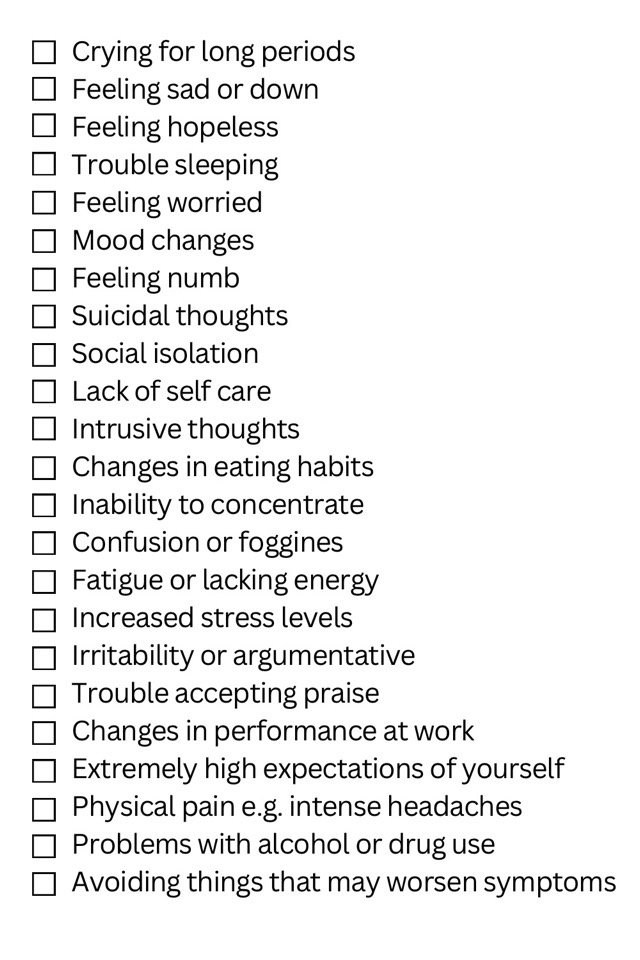
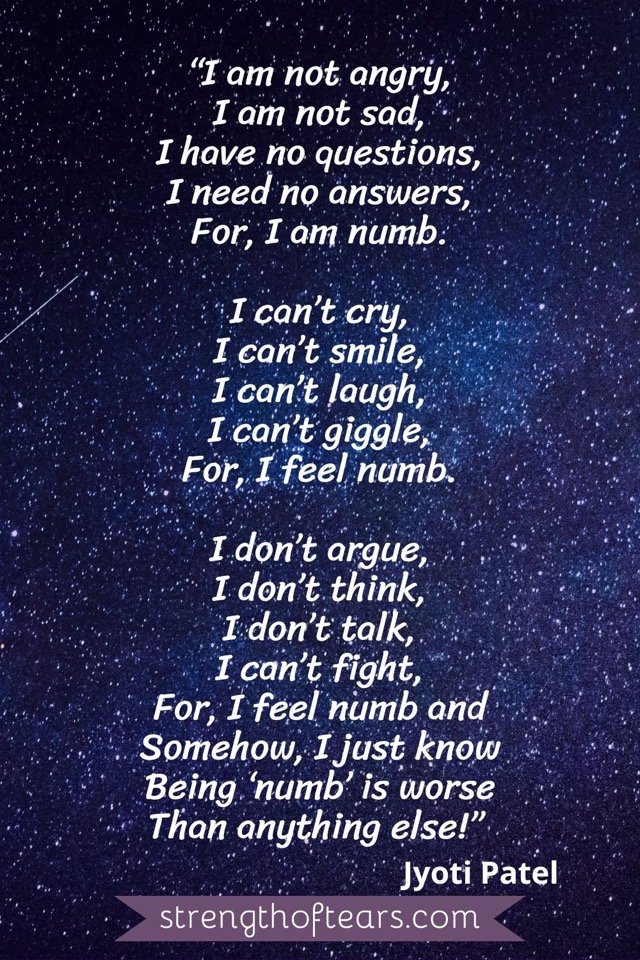
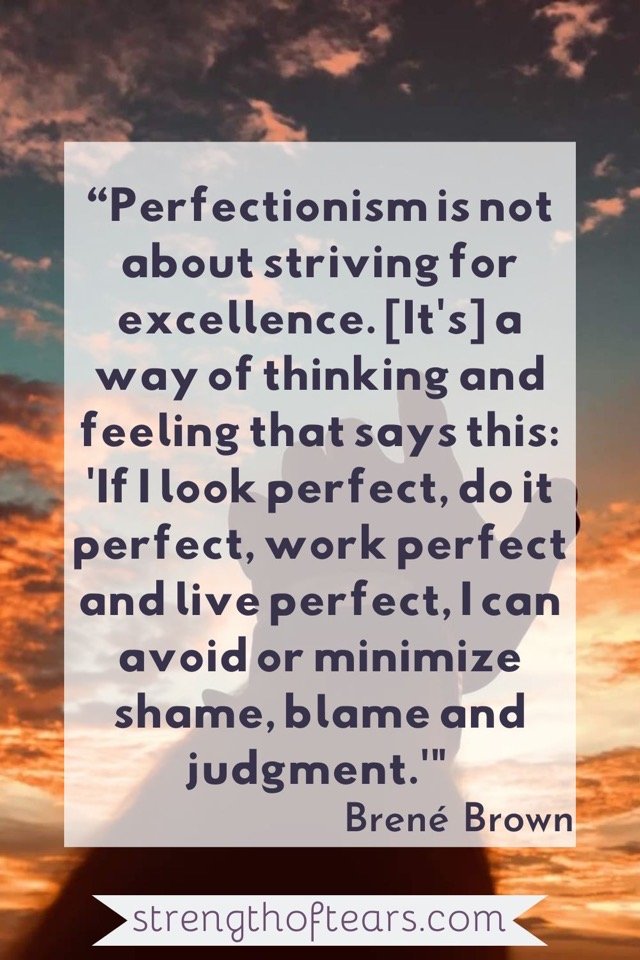
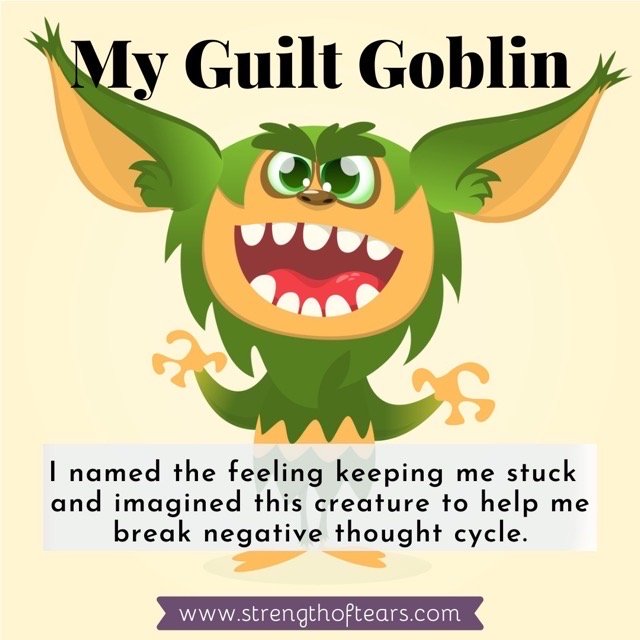
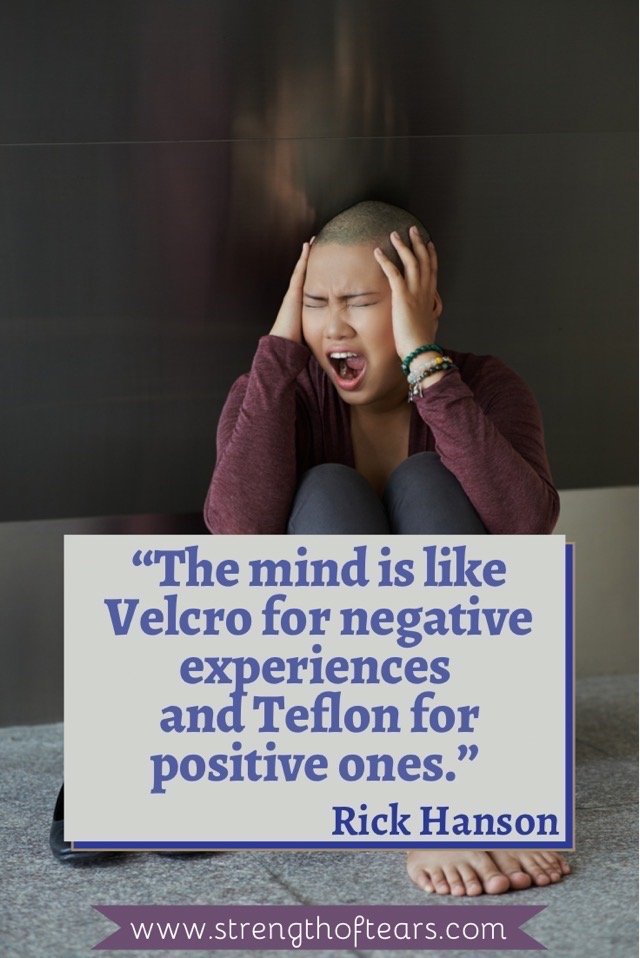




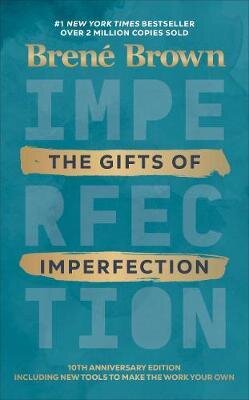

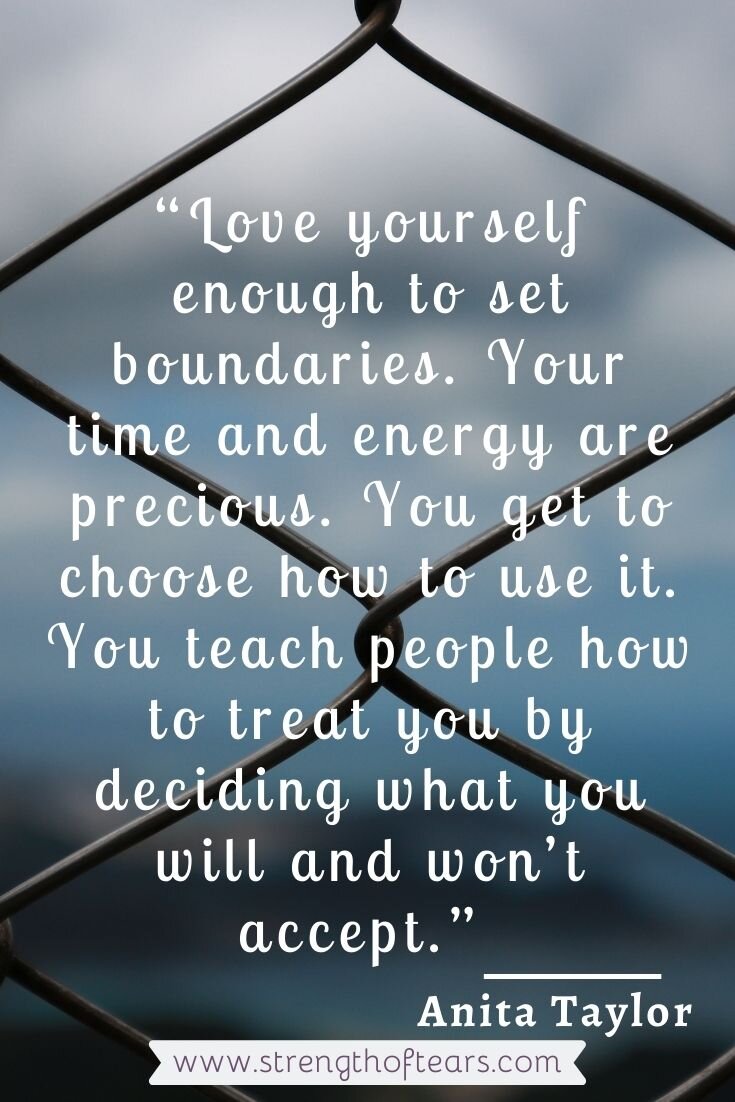


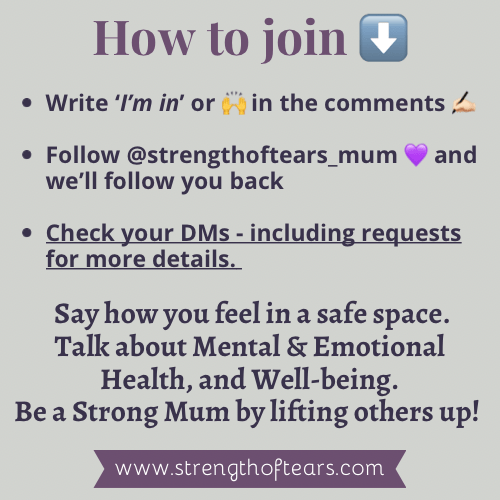


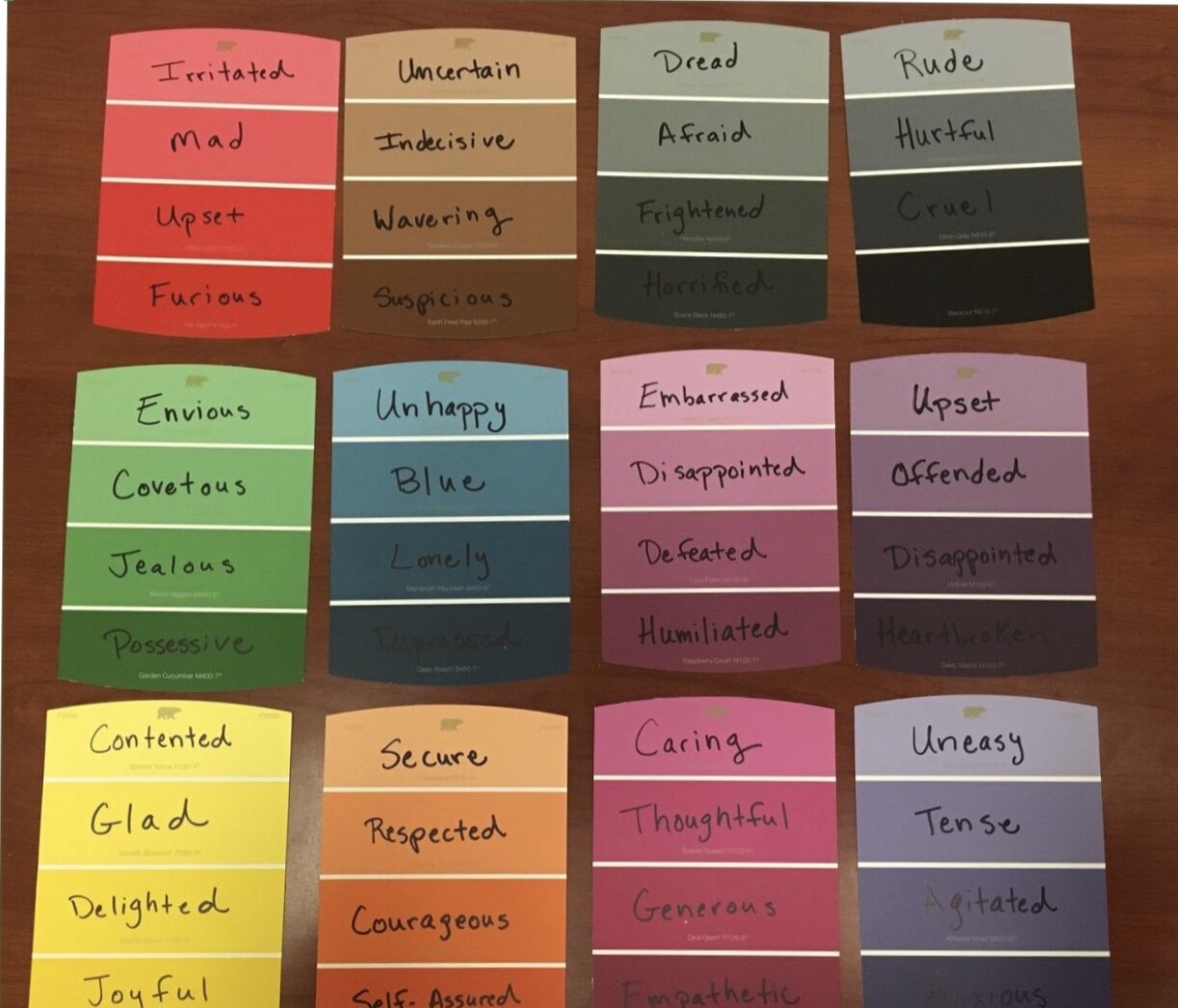
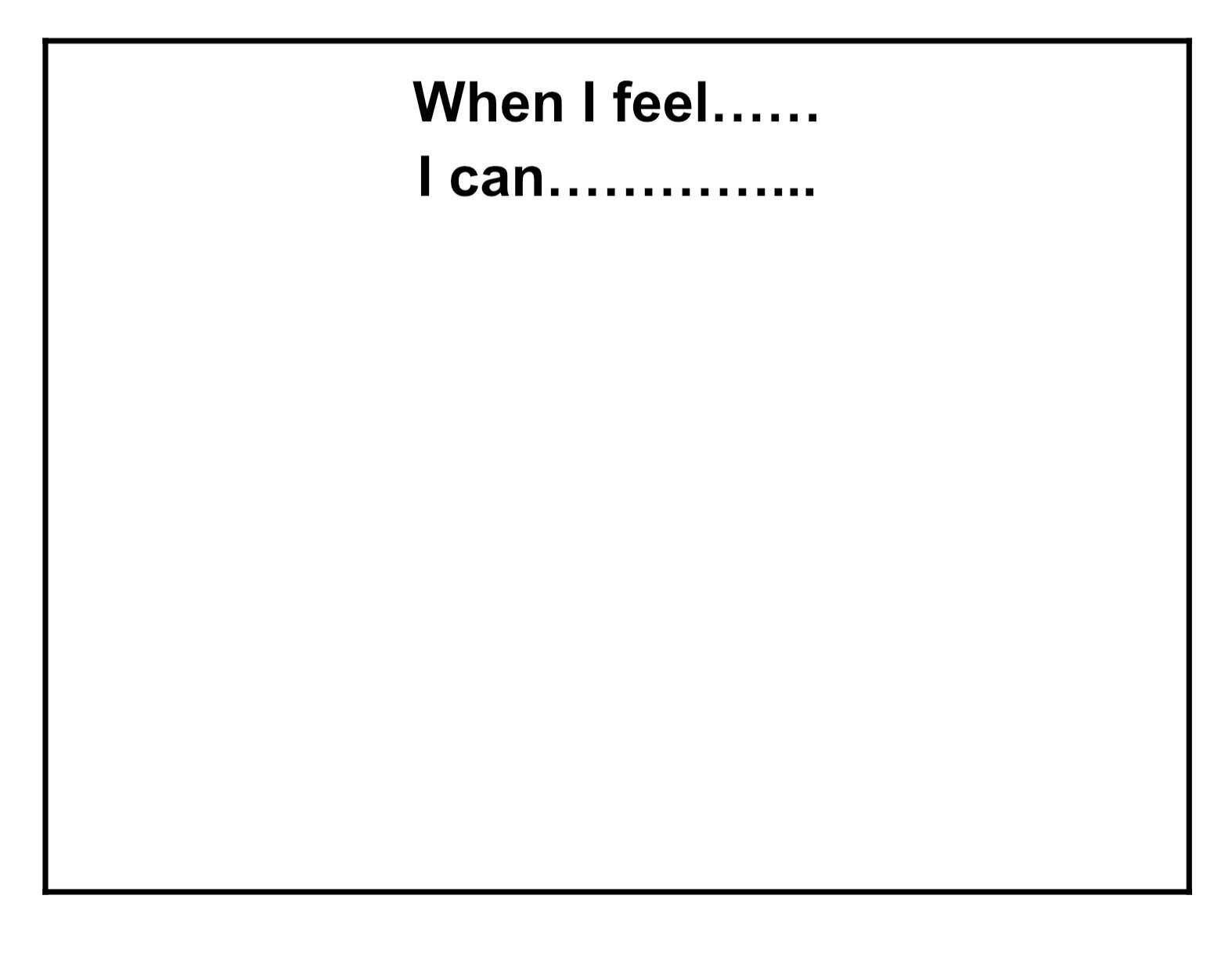




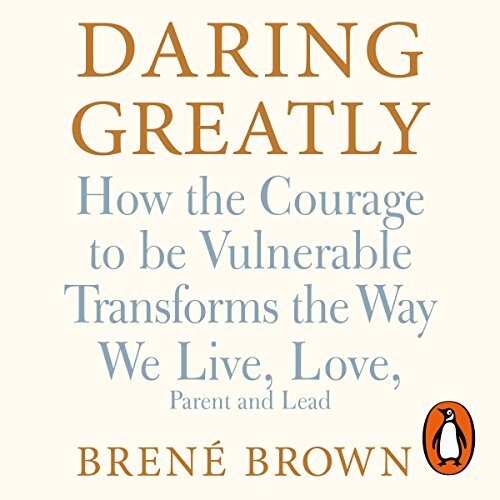

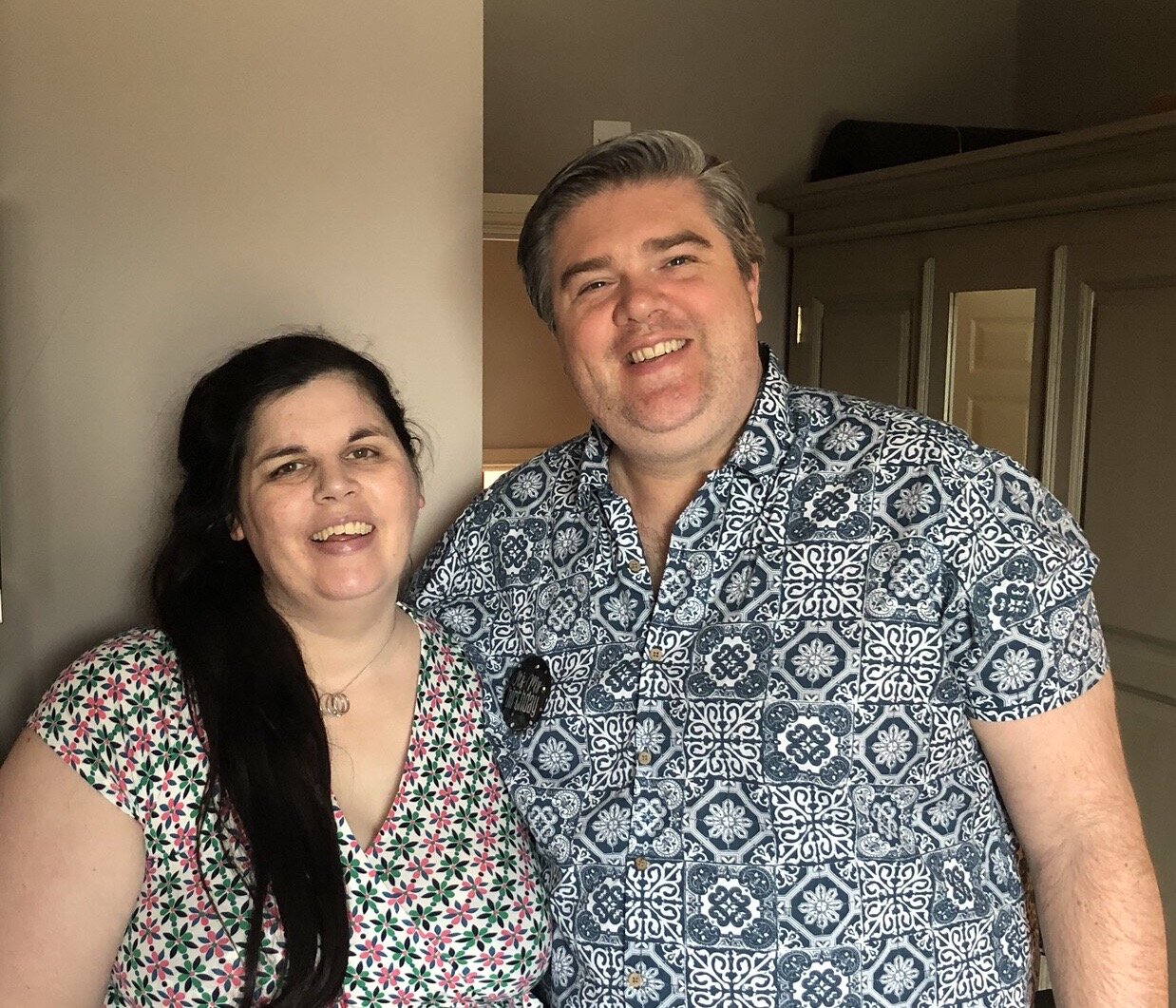



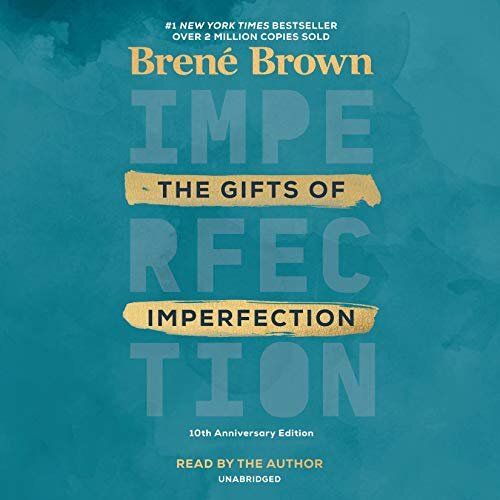
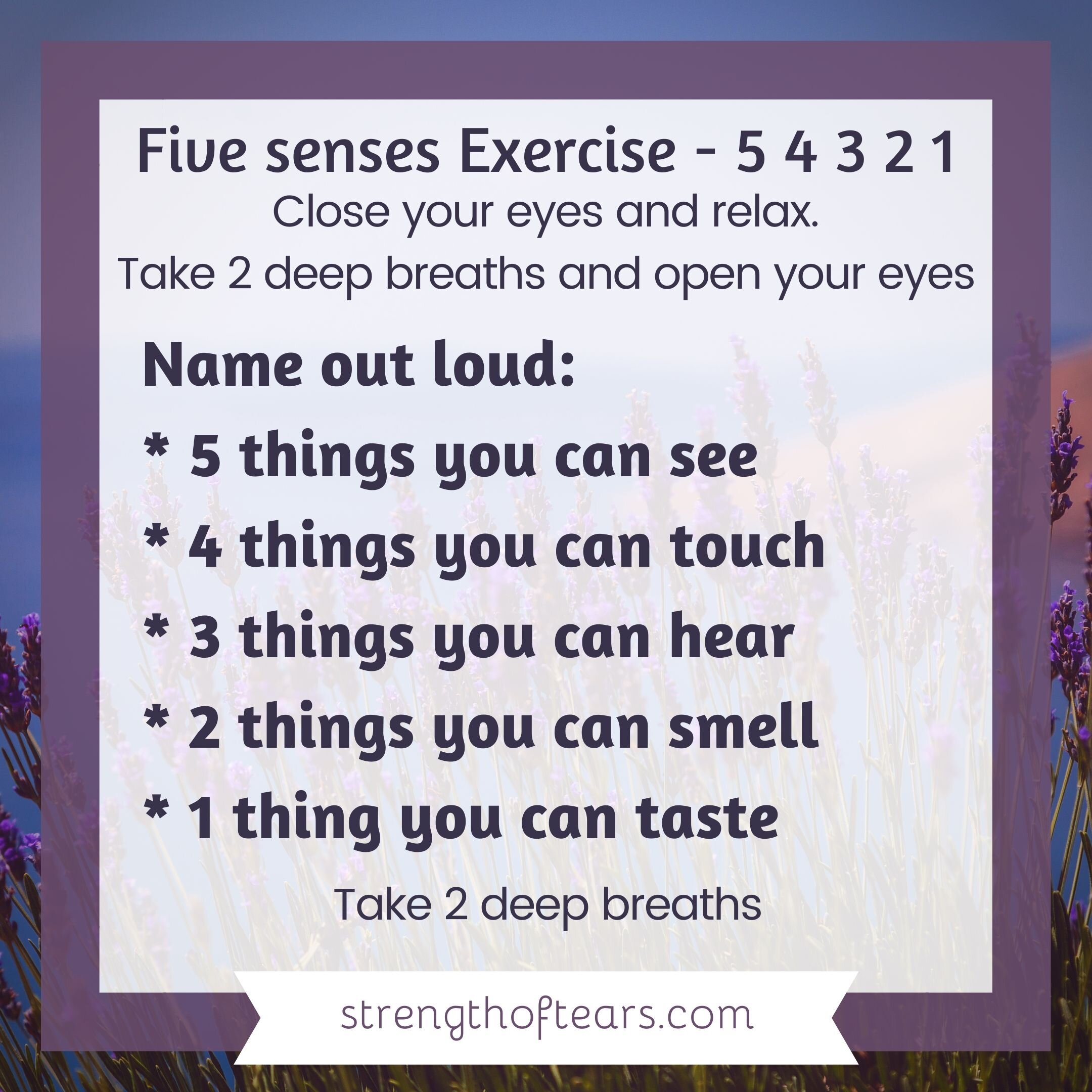
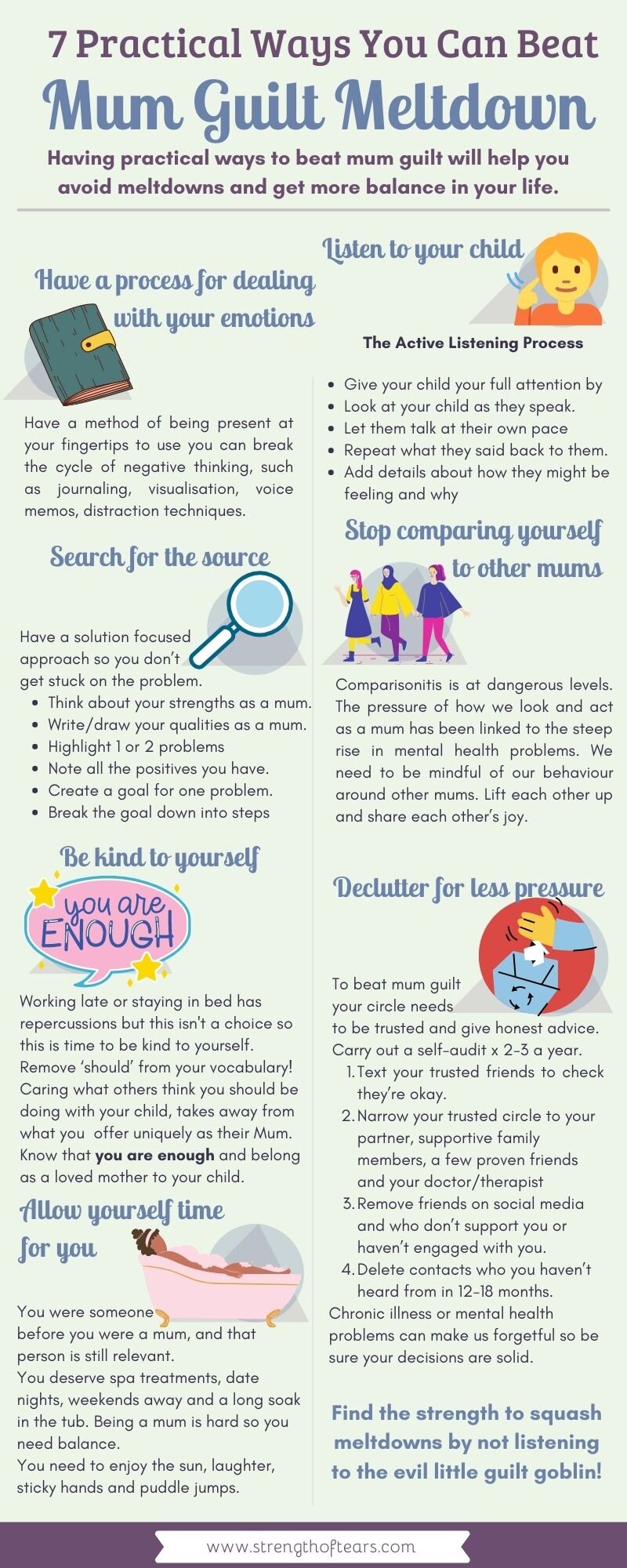
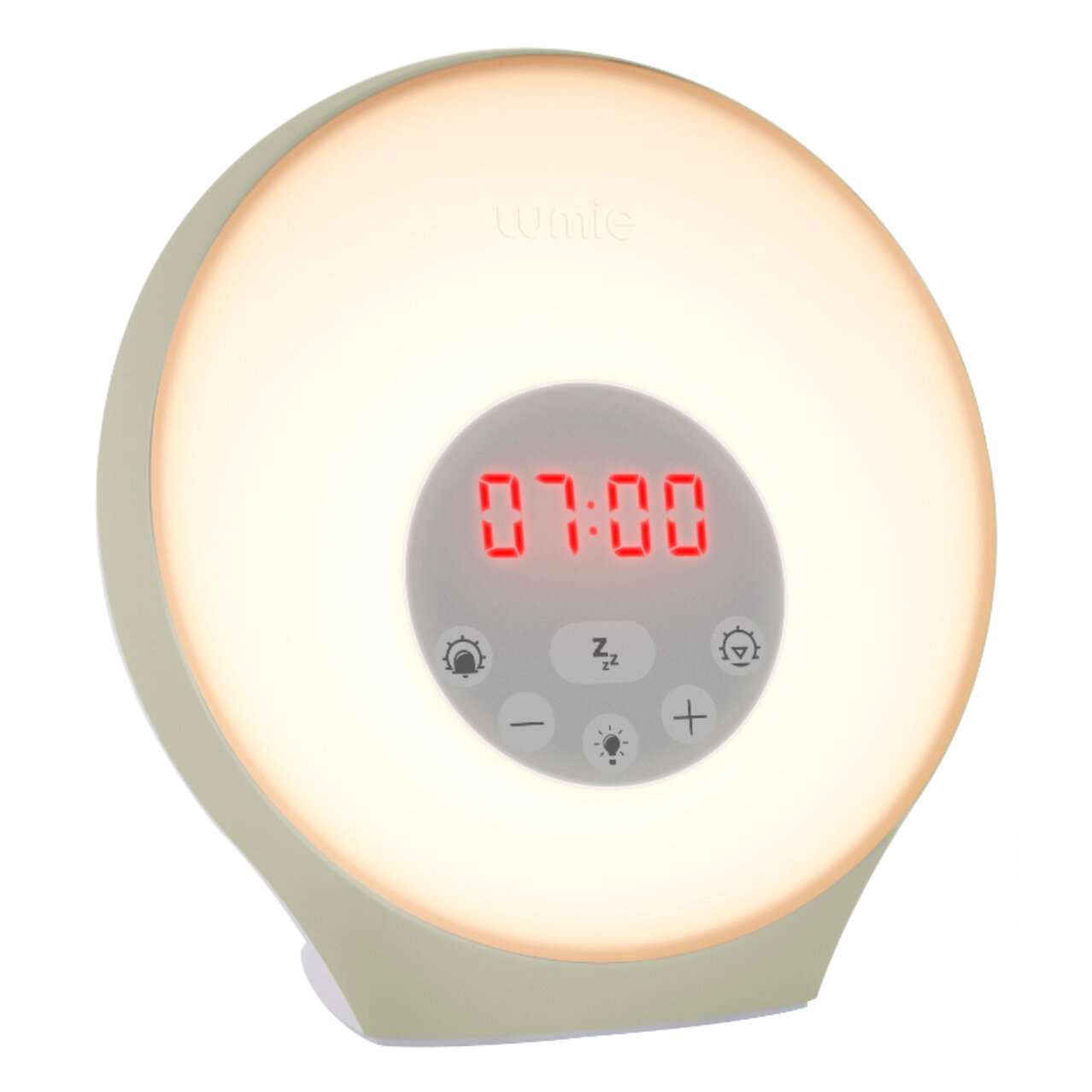
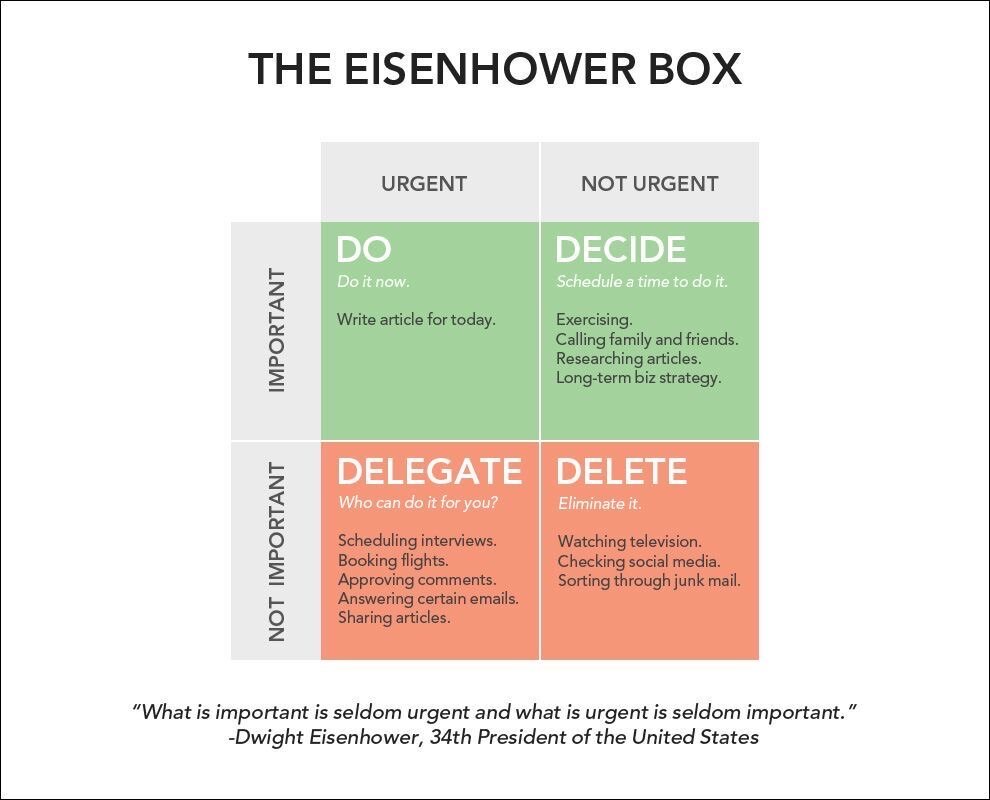


 Strength Of Tears