Tag: emotional wellbeing activities

  • What You Need To Know About The Mental Health Benefits Of Journaling
    What You Need To Know About The Mental Health Benefits Of Journaling

    What You Need To Know About The Mental Health Benefits Of Journaling

    A white woman’s hands and black sleeves show her writing in a journal with a silver pen. The writing over the top says What You Need To Know About The Mental Health Benefits Of Journaling

    Journaling is a way of recording your thoughts, feelings, habits, and gaining insights for your personal development. It can look different for each individual, some record digitally and some use paper, and it can be written or drawn. It takes work but it’s worth it for the good impact journaling has on mental health.

    Journaling has helped me cope with my Mental Health issues since I became chronically ill with migraine disease and was traumatised by the lack of support and, what I now know was, gaslighting from my neurology team. 

    The stress I was under as I tried for months to get a diagnosis, unable to work as a teacher, was immense. Even when I was diagnosed with IIH, a rare brain disease, I became depressed and had extreme anxiety as I had to wait for over a year for treatment so I had support from a mental health professional. 

    Whilst facing these challenges I started journaling about my situation as a way of exploring the difficult feelings I had, for example, writing about grieving for the life and career I’d lost. 

    This helped me work through this extremely emotional phase and I was able to rant without my loved ones being in the crossfire. Writing about my difficult emotions, whilst living with chronic illness, helped me so much that I’ve written about the benefits journaling has on our mental health when done safely. 

    I have also created an epic coaching journal for mental health that is written to ensure you’re not isolated in the process. The Journey To Balance Journal will help you understand yourself and your mental health needs better. You can buy the journal by clicking here. 

    You need this 400 page coaching journal!

    Forget the trends and get ready for the journal you need as a busy and stressed out mum.

    It is split into 4 sections:

    Emotional Health Coaching

    Goal Setting For Whole Well-being

    Undated Monthly and Weekly Planner

    Emotion Based Journal Prompt

    Journaling is different for everyone, some use it to record parts of everyday life, whilst others use it as an exercise to process experiences, negative thoughts and feelings. Putting these things on the page helps you take back a sense of control. Psych centra says in this article that:

    “journaling is a powerful, evidence-based strategy that you may find helpful for managing mental health conditions and stress.”

    The mental health benefits of journaling can be powerful, helping you process stress, trauma, and difficult emotions. These are some of the ways that journaling can support you:

    • Reduces stress and anxiety

    Writing about your thoughts and feelings can help you reduce their intensity and therefore loosen their hold over you, reducing symptoms of stress and anxiety.

    • Improves mood

    Journaling can help you focus on the positive aspects of your life, which can improve your mood and increase feelings of gratitude.

    • Enhances self-awareness

    Journaling can help you become more self-aware as you reflect on your thoughts and behaviors. This can help you identify patterns that are causing stress or holding you back.

    • Boosts creativity

    Writing can stimulate the creative parts of your brain and help you come up with new ideas and solutions to problems.

    • Increases mindfulness

    Mindfulness is being present in the moment. Journaling can help you practice this by focusing on your thoughts and feelings in a non-judgmental way.

    These mental health benefits of journaling show that it’s simple and effective to use journaling to improve your mental health. Regularly taking time out to reflect on your thoughts and emotions helps you develop strategies for coping with stress.

    What Should A Mental Health Journal Feature?

    Here are some elements that can are often utilised for each individual’s needs in a mental health journal:

    1. Mood tracking is one of the most important features, involving recording your mood each day so that you can analyse patterns and look at what may affect your mood. By identifying triggers, you can evolve strategies to manage them.

      This is a key feature in the Journey To Balance Journal, based on the theme of the journal and the emotion coaching in the self-help section of the journal. Over a month you record your daily mood on this graphic, colouring in using the key. There’s also space to document how triggers impact your mood.

    2. Daily gratitude log allows you to practice gratitude, which is important in promoting mental wellbeing. This exercise helps you beat negative self-talk which can stifle your personal development and impact your mood. Learn more about how to overcome this by reading my blog about beating toxic self-talk.

    I set out to ensure that the ‘Journey To Balance’ mental health journal encourages positive self-talk by having a segment where you write down what you are grateful for each day. It’s a quick and easy way to help you maintain good mental health. 

    3. Self-care habits are one of the mental health benefits of journaling, building self worth by tracking your self-care activities. Using a habit tracker can help you set goals for things that make you feel good and improve your well being. You can adopt and keep up habits such as exercise, meditation or any other activities that promote self-care.

    Recording your self-care activities on the habit tracker in the Journey To Balance Journal will help you feel motivated and committed to doing self-care. In the long run, achieving your goal to make these activities habits will improve your whole life.

    “In a nutshell, your health. wealth, happiness, fitness, and success depend on your habits.” – Joanna Jast

    4. Thought records, according to this NHS information, is a common cognitive behavioural therapy (CBT) exercise. It is explained in full here as the practice of recording and studying your thoughts and feelings about a situation so you can understand the link between your thoughts and behaviours. 

    As explained in the daily gratitude section this is a helpful tool that allows you to identify and challenge negative thought patterns. The gratitude log is part of this section of the Journey To Balance Journal for mental health. Record the thoughts and feelings you have throughout the day, so that you can process your emotions and reframe negative thoughts and feelings.

    5. Regular Reflections is a core self care activity. I discuss how this activity and others lead to emotional development in this blog (link). I explain how self reflection is vital for meeting our goals and improving ourselves through regular self care.

    In the Journey To Balance Journal for mental health, I’ve ensured that there are activities in the prompts section and space for deep work in the monthly reflection area. This is what makes it a powerful self awareness book as it helps you gain real insight into your thoughts and feelings. 

    These features should be personalised to your specific needs and goals in a mental health journal. They can be a powerful tool for promoting self-awareness, identifying patterns, and working towards positive mental health outcomes.

    Quick Guide: How Is Journaling Good For Mental Health? 

    From my own experiences with chronic conditions, I have found journaling a helpful tool for balancing my mental health. I used it as an opportunity to explore the difficult feelings I was experiencing as I grieved the life I’d known pre chronic illness. 

    Journaling helped my mental health during this difficult time period and has continued to do so as I manage the challenges of chronic illness. Journaling gives me space to shout about it without aiming my negative emotions at my loved ones. 

    It isn’t just me using journaling to process big emotions, in fact it’s well documented that journaling is good for mental health. I found research, such as this WebMD article, that explains that the mental health benefits of journaling include reducing stress, building self-awareness, regulating emotions, and breaking the cycle of obsessing over negative experiences. 

    In Conclusion…

    Journaling is good for your mental health. Recording your thoughts and feelings can be therapeutic, helping you process difficult emotions and experiences. Writing about stressful events can help you make sense of them. 

    Journaling helps you gain a deeper understanding of yourself, your values, and your priorities. It can help you explore new ideas and perspectives and can be a helpful tool for tracking progress towards goals and reflecting on personal growth.

    I know that writing about my difficult emotions whilst living with chronic illness helped me, so I have written the Journey To Balance Journal to include the 5 key features of a good mental health journal: Mood tracking, gratitude journaling, self care habits, thought records and reflections. 

    This journal for improving mental health puts emotional development front and centre, so that it has a positive impact on your mental health. Chronic illness life comes with many difficult feelings so the Balance Journal allows you to: 

    • Write freely to help you understand yourself better

    • Rant about difficult situations without it being aimed at loved ones

    • Use the coaching aspect of the journal to create a safe space to explore your emotions

    Overall, journaling can be a valuable tool for improving mental health and well-being. It’s a simple and accessible practice that can be tailored to meet your unique needs and preferences.
    #block-cb49c1408f6e510e0199 .sqs-gallery-block-grid .sqs-gallery-design-grid { margin-right: -20px; }
    #block-cb49c1408f6e510e0199 .sqs-gallery-block-grid .sqs-gallery-design-grid-slide .margin-wrapper { margin-right: 20px; margin-bottom: 20px; }

    ✋ Hey there! I hope you’re feeling stronger now. If so, sharing the love will help me help other mums with chronic invisible illnesses.⬆  Hit one of those sharing buttons or save these images to Pinterest and I will do a bed-bound happy dance – there’s an image for you!

  • How To Know If You Have Significant Mental Health Issues

    How To Know If You Have Significant Mental Health Issues

    How To Know If You Have Significant Mental Health Issues

    Trigger Warning: This post discusses mental health problems, including suicidal thoughts, self-harm and eating disorders. 

    Do you feel as if something isn’t right but can’t pinpoint it? Don’t worry you’re not alone as you may be displaying mental health symptoms. In fact, millions of people struggle with these conditions daily. 

    Mental illness affects everyone at some point in life, whether it’s for a few days or years.  It can be difficult to identify due to the many different types of mental health issues. So it’s important to know what mental illness looks like to get support.

    I’m not a mental health expert but I know what it feels like to live with depression, anxiety and trauma. I’ve had bouts of depression since becoming a Mum and when I first became chronically ill, grieving the loss of the life and career I loved. 

    I want others to know they’re not alone with mental ill health so I share warning signs and a mental health symptoms checklist. Then I explore 3 symptoms that get overlooked which could help you identify what mental health treatment you may need. 

    Some Warning Signs Of Mental Health Issues

    They’re are many different mental illness symptoms, but there are some general warning signs for anxiety, depression, and stress; as symptoms vary between people and sometimes even for an individual. The most common symptoms include changes in sleeping habits, isolation and sudden mood swings.

    Self-harming is one of the common mental health symptoms but I haven’t experienced this myself but know people who have. If any of these symptoms persist and interfere with your ability to study, work or relate to others, please seek help.

    Anxiety disorders involve excessive fear and worry. Some people feel anxious all the time, while others experience panic attacks that come on suddenly. Anxiety may also cause sleep disruption with people struggling to put the day’s worries away.

    Anxiety is when you worry about things you cannot control. It can make you feel tense, nervous, restless, and irritable, and avoid social situations.

    I created a free Anxiety Busting Exercises Download based on strategies I use myself. Just click below to get your copy now!


    Depression is characterised by unwavering sadness and loss of interest in activities that once brought pleasure, it can take over everything and has a significant impact on your life, affecting your eating habits, energy and concentration. 

    Many symptoms of depression are well known but it can also make you feel sick with guilt, have low sex drive, and lack of energy. If you worry someone you know may have a mental health issue you need to ask a few times how they are and just listen to them fully. Simply be there. Read more about depression warning signs here so you know.

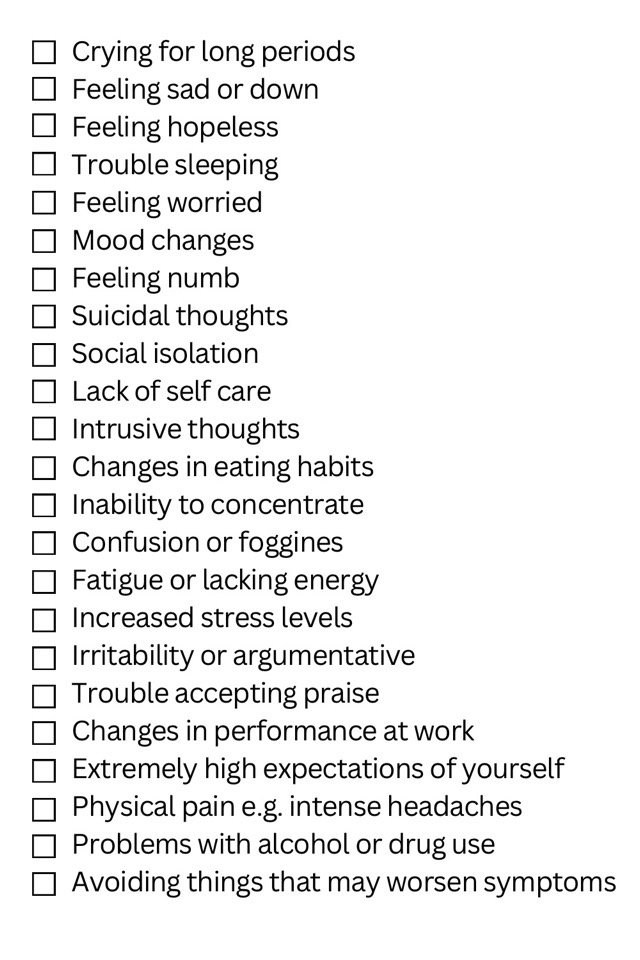
    Mental Health Symptoms Checklist 

    One or two symptoms alone don’t mean you have a mental illness but it may indicate a need for further evaluation. If you experience several at one time and the symptoms are causing serious problems you should see a doctor or mental health professional. 

    I was a young teenager when I first experienced anxiety but I had no idea that’s what it was. I struggled in social situations and was argumentative. I worried all the time, often laying awake worrying but I thought I was just being fussy. 

    Then when my baby was born sick and he was in NICU, I was a mess. My husband tried to take me out for a walk but I had trouble breathing. The Dr checked to see if it was a pulmonary embolism but they said I’d had a panic attack. 

    Once home, I couldn’t cope and my anxiety spiraled. I couldn’t cope and pushed my husband away so I could be in control of what I had to do, being mum to our boys who were both under 2. The traumatic experience was extended and I began having suicidal thoughts so I got mental illness treatment quickly.

    I saw a counsellor immediately, which (I didn’t realise) meant they were genuinely concerned I may try to take my life. I was mostly in a daze but doing the mental health symptoms checklist, helped me see the severity of my situation. My past trauma and this one had collided and triggered my anxiety.

    Symptoms vary widely depending on the tests, some being free online test. These are helpful to gain perspective, rather than for self diagnosis. The most common issues are in this mental health symptoms checklist. Please only use it as a kick-start to a professional test for mental illness treatment.

    Rate these based on how often and strongly you experience these symptoms. Rate from 0 being never and 5 being always:

    Remember you will experience some of these in the course of everyday life. It is meant to help you take a few steps back and look at the bigger picture to see if these signs are likely to be caused by depression, anxiety or other mental health disorder.

    Being honest with your health care provider is crucial to improving your mental illness symptoms. But if you rated highly for suicidal thoughts or have had any intention to harm yourself or others, seek immediate medical attention. Call 999 (UK), your doctor or speak to your country’s mental health helpline. 

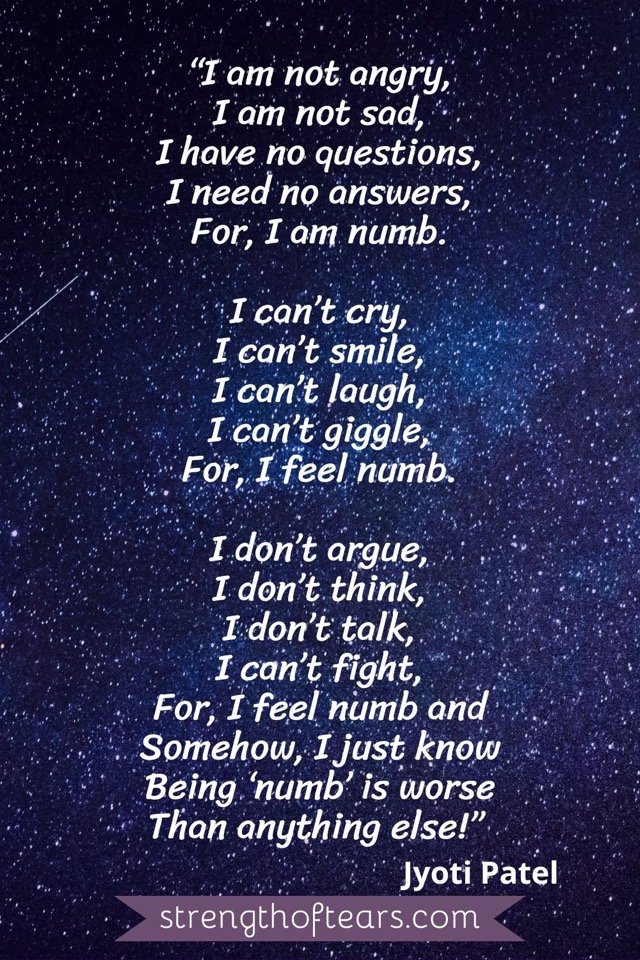
    Another symptom on this mental health symptoms checklist that needs fast intervention is feeling numb. This is also called Emotional numbing and can leave you desperate. You may want to feel so much that you self harm or seek danger.

    Emotional Numbing

    If you relate to this you need urgent care!

    If you relate to this not feeling; emotional numbing, you’re not alone but you need urgent care. This feeling can be managed with mental health treatment. Read the full article on here.

    3 Toxic Mental Health Symptoms That Are Being Overlooked

    Some mental health symptoms can be a warning sign for early intervention, but are often overlooked. Everyone has heard of these aspects of emotional well-being but they are not usually associated with serious mental health problems. 

    These 3 traits can become toxic. Toxic behaviour is when a person’s behaviour and actions cause harm physically or mentally. This is usually a toxic person spreading negative behaviour, stressors or trauma. Toxic behaviour isn’t considered a mental health disorder but is caused by mental ill health. 

    Sometimes that person can be you! It can happen because others around you also exhibit toxic characteristics, adding negativity and stress to your life. Here I look into 3 traits that can become toxic to yourself so you can get help quickly.

    Toxic Stress

    Toxic, or chronic stress, occurs when the brain’s fight or flight response is triggered too often, for too long, or is triggered by multiple sources. Toxic stress normally only happens when there are many, persistent and severe stress factors.

    The stress response is designed to warn us when there is a perceived threat. This activates the release of hormones such as adrenaline and cortisol. Learn more about the stress response in this blog about anxiety.

    If you experience prolonged stressful events you may find a negative influence on your physical health and mental health symptoms, such as substance abuse and inability to focus. 

    Research shows that supportive, responsive relationships with caring adults, especially in early life, can prevent the damaging effects of toxic stress. Relaxation, like meditation and yoga, counteract high stress levels and reduce the physical aspects of the stress response such as heart rate and breathing. 

    Change in appetite

    Toxic hunger is a physical addiction to a diet high in processed or ‘junk’ foods that are excessively sugary, salty or oily. These ingredients aren’t found naturally and are designed to give you a dopamine high. You become more likely to avoid natural, nutritious food. 

    Mental health symptoms can lead to a loss of appetite or to binge eating comfort food for short term relief. Toxic hunger symptoms are usually feelings you’ve learnt to interpret as hunger but are actually signs of your body’s toxicity: 

    • Headaches

    • Cravings

    • Dizziness

    • Nausea

    • Shakiness

    • Irritability

    • Fatigue

    • Brain fog

    Toxic hunger can be accredited to the time of day, food cravings and alcohol intake. It’s very easy to slip an extra snack in, if you eat outside of your normal routine. Cravings can also be linked to activities, such as having popcorn at the movies, or a kebab after a drink at the pub.

    Simply put, this means you need to check your hungry status and ask if you’re really hungry as toxic hunger comes from the head and stomach. Don’t replace mental health treatment with eating your feelings or starving your anxiety. 

     Toxic Perfectionism

    This is often only alluded to on mental health symptoms checklists but the 24/7 world of filters and perfect pictures can easily distort your view of an ‘ideal life’. This can lead to setting goals influenced by the outside world, instead of meeting your needs. 

    Perfectionists often think that ‘perfect’ is an achievable goal so have unrealistic expectations. If there’s any deviation from the perfect end-point it is seen as a grievous failure. Researchers link perfectionism to mental ill health as you become convinced that others expect you to be perfect. 

    Once you set yourself these goals, it inevitably leads to an expectation of everyone around you meeting your standards. As nobody can meet these, it makes it difficult to maintain a healthy relationship. 

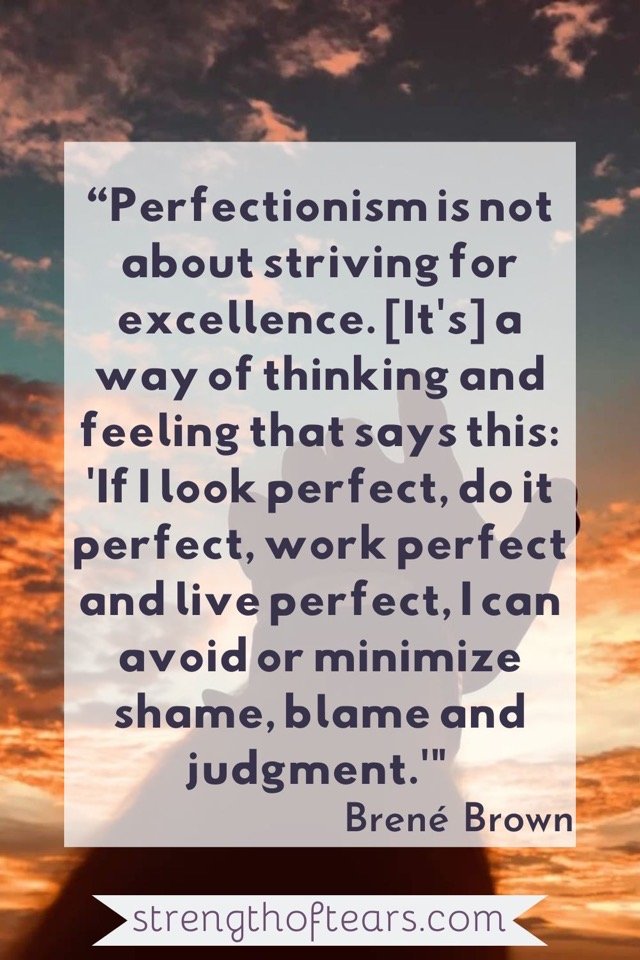
    As a recovering ’perfectionist’, I’ve felt empowered to leave certain practices behind by reading Brené Brown’s work. She talks about perfectionism being a shield we use to stop us being hurt but instead we hide fearing we’re going to be caught out as not perfect. 

    Perfectionism is not about striving for excellence. [It’s] a way of thinking and feeling that says this: ‘If I look perfect, do it perfect, work perfect and live perfect, I can avoid or minimize shame, blame and judgment.’”

    Brené Brown

    How Toxic Living Affects Your Mental Illness Treatment?

    The hallmarks of a toxic person include unsupportive and unpleasant behaviour, being manipulative, judgemental and controlling. If this is you, you’re living in a cycle of negative self-talk which affects everyone around you.

    You will probably experience mental illness symptoms and are likely to have either depression, anxiety, PTSD, BPD, etc. If you recognise this in yourself please seek mental health treatment. You can start practices to kick out toxic behaviour. 

    My Journey To Balance Journal can help you develop self awareness of your behaviour; develop your values and live by them, grow empathy and compassion; evolve into a person who thinks before they act and explore your vulnerability. Learn more about journaling to re-frame negative self-talk here.

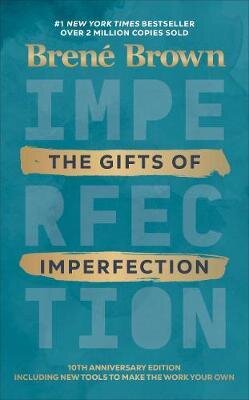
    Buy The Gifts Of Imperfection Book

    This #1 New York Times bestseller is about effective daily practices are the ten guideposts to wholehearted living.

    These practices will change our lives and walk us through our expectations that get in the way.

    In conclusion

    Mental health symptoms are hard to identify. If you’ve ever felt like there is something wrong with you or tried to combat anxiety or depression, you’re not alone. You can look for warning signs, such as sleep routine or appetite changes, mood swings and irritability; which are all things you can track.

    There are many online tests and informative articles to help you. In this article I’ve included a list of the most common issues in a mental health symptoms checklist. However, this is not a replacement for professional mental health support. 

    Many symptoms get overlooked, here I focused on eating habits, stress management and perfectionism to help you spot if you or a loved one is developing unhealthy or toxic habits that could become toxic and lead to mental health conditions. 

    I’d like to link to some other key articles that I hope can help you identify the signs and symptoms of mental health issues. This can help anyone experiencing mental illness symptoms so please feel free to share this post with them.

    I’m not a mental health professional so this article is based on research and my own experiences. I’ve struggled in the past to ask for help but as soon as I did reach out, I got help. I’ve been lucky to have support at home too so please share this so others can learn what to look out for to be that trusted friend,

    If you think it could be time to seek support for your emotional  well-being or someone you know may be struggling, it is crucial to seek help from a mental health professional, doctor or by contacting a crisis line. Please check out the links below. 

    Click here to check out these NHS curated articles and video to help you be kind to your mind. 

    It’s always okay to ask for help. Seeking help is often the first step towards getting and staying well. Click here to read this Mind guide about getting help for a mental health problem.

    The Mental Health Foundation looks out for people like you,  by researching how mental health issues affect an array of different people. Their resources are designed to give you information about how to cope with symptoms and even prevent mental illness developing. Click here to read more. 

    Most people recover from mental ill health with support. There are many UK services, providing therapies and counselling for free. Help with other aspects of life, such as claiming benefits, services to help is provided by a community mental health team (CMHT). Access this via the Citizens Advice Bureau. 

    The Samaritans offer emotional support 24 hours a day – in full confidence. Email jo@samaritans.org.uk or Call 116 123, free in the UK. 

    #block-yui_3_17_2_1_1666020770891_15428 .sqs-gallery-block-grid .sqs-gallery-design-grid { margin-right: -20px; }
    #block-yui_3_17_2_1_1666020770891_15428 .sqs-gallery-block-grid .sqs-gallery-design-grid-slide .margin-wrapper { margin-right: 20px; margin-bottom: 20px; }

  • The Best Emotional Development Examples Of Self Care Activities

    The Best Emotional Development Examples Of Self Care Activities

    The Best Emotional Development Examples Of Self Care Activities

    View fullsize

    The Best Emotional Development Examples Of Self Care ActivitiesEmotional development grows rapidly in under fives, laying the foundation for all learning, but the pandemic has affected this. We need to change how we help them to learn self care skil…

    The pandemic has affected everyone, especially young children, so we need to adapt how we teach them so we address the highlighted issues and the gaps and growth in their learning. Emotional development examples of this may be a lack of self care, managing big feelings or increased anxiety about being left at school or nursery. 

    Emotional and social development grows rapidly in under fives, laying the foundation for all learning. During my 15+ years of teaching, I specialised in the Early Years Foundation Stage (EYFS), working closely with parents to understand each child’s emotional needs. Read the new framework for what a child learns in the EYFS here.

    This blog shares advice and activities I’ve used to help children make progress: 

    • The Skills And Support Needed For Emotional Development

    • 21 Quality Self Care For Emotional Development Examples

    • How Self Care Sets The Foundation For Success

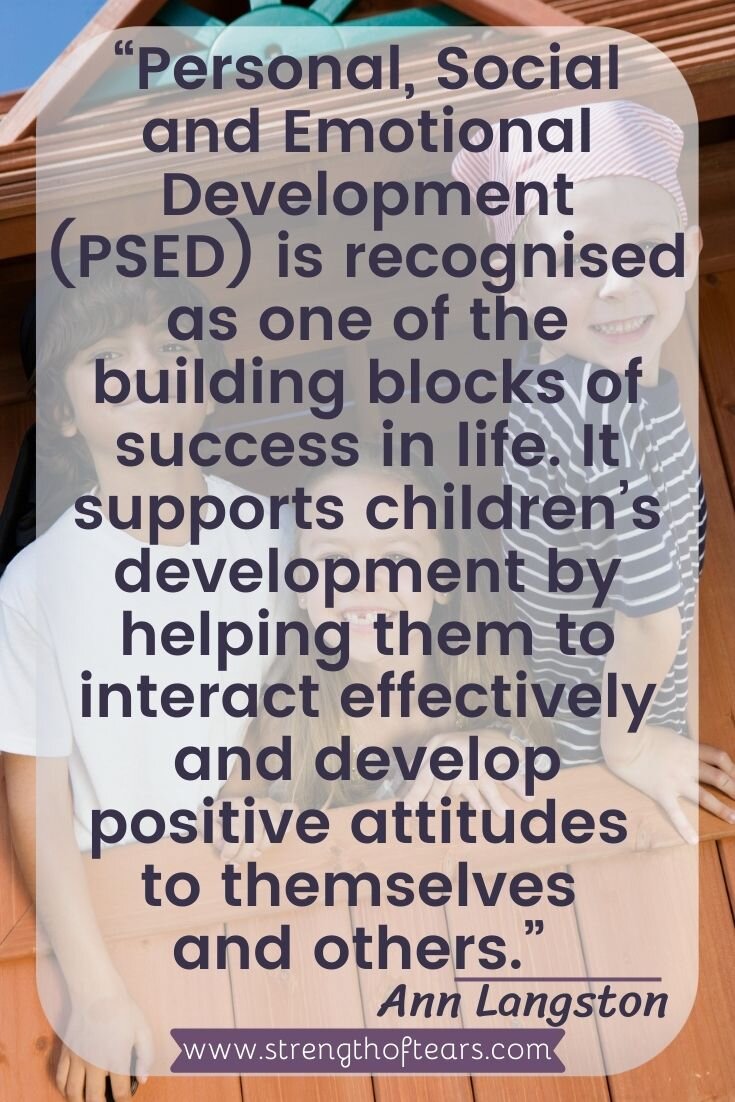
    “Personal, Social and Emotional Development (PSED) is recognised as one of the building blocks of success in life. It supports children’s development by helping them to interact effectively and develop positive attitudes to themselves and others.”

    — Ann Langston

    View fullsize

    This post contains affiliate links for sensory play resources

    The Skills And Support Needed For Emotional Development

    The skills we use to meet an infant or child’s emotional needs are usually instinctive. Having regular interaction with them helps us respond more effectively to their needs. Creating fun experiences to support a child’s emotional growth makes them feel heard. For example, using puppets to teach nervous children how to make friends. 

    These are common emotional development examples of a child needing us: 

    • Crying or screaming 

    • Turning away from someone or something

    • Not making attachments

    • Throwing tantrums

    • Unhealthy relationships 

    • Not cooperating or taking turns 

    • Disruptive behaviour    

    • Distress or anxiety 

    • Unresponsiveness 

    • Fighting with peers or siblings

    Our response to these behaviours needs to be calm, so we need clear boundaries as all kids will test us and we’ll overreact at times. To improve poor behaviour we need to be a consistent example to our children. I’ve developed skills I share with my boys, in managing my emotions better by making time to reflect and write about how I feel. 

    This has reminded me that we can foster children’s self-worth by helping them explore their similarities and differences to others. Choosing books and media representing ability, gender, sexuality, race etc. will help but we also need to talk about this. Read this blog on talking about race with children for ideas.

    “We are each gifted in a unique and important way. It is our privilege and our adventure to discover our own special light.” By Mary Dunbar

    Emotional well-being underpins every area of development. These are areas of the official guidance for PSED for development from birth to 5 years, that affect self care. I’m basing the 21 self care activities around these emotional development examples, of skills to teach your children for future success. 

    Self Regulation 

    1. Managing Feelings – Understand and name feelings and learn to manage emotions by keeping calm. There’s a new focus on 3+ self-regulating. Read more about this here.

    2. Self Control – Give children strategies for staying calm when frustrated. 

    3. Focused Attention – Communicate responses to stress effectively. 

    Managing Self

    1. Self Confidence – Support older children with self reflection so they build resilience to      persevere with challenges. Help children set and achieve a simple goal. 

    2. Self care – Build a sense of self as a valued individual that’s different to others. Develop healthy habits for looking after bodies and minds.

    Building Relationships

    1. Socialising – Build confidence in a variety of quality experiences which build a sense of     belonging to a family or community.

    2. Healthy attachments – Develop attachments in warm, supportive relationships. Manage feeling sad when a parent leaves. This is in response to social change due to Covid19.

    3. Understanding Needs – Show sensitivity to their own and others’ needs. Help children develop a positive attitude to people’s differences. 

    21 Quality Self Care For Emotional Development Examples.JPG

    21 Quality Self Care For Emotional Development Examples

    Bubble baths aside, teaching children self care skills helps them thrive despite any challenges. Self care is anything you do to help yourself feel better or keep yourself feeling good. Dancing, sports, laughing, having pets etc. help your child build trust and learn how to manage strong feelings. I write about other activities that help, here.

    Quality self care routines have played a crucial role in how my family has coped with my illnesses, evident in the resilience my boys have. These emotional development examples of self care for your child, are based on the EYFS skills.

    1. Adult Attachments

    Healthy Attachments make your child feel safe. Building bonds begin with a baby and parent, extending to family and others they spend time with. To build attachments we need to be engaged, sensitive, positive and affectionate to them. Hold them, have chats (gurgles count) and let them know you see them  by responding to their needs.

    2. Frequent Feelings

    With older infants and beyond, we can name a child’s feelings for them to help them understand what is happening to their body. You might say ‘you’re sad because… you hurt yourself or your sister wouldn’t play’. Start with simple games such as, making feelings cards or emoji charts so they can identify and name feelings themselves. 

    3. Constant Calm

    A child’s world is full of stimulation but being calm helps them relax, focus and learn. Strategies to help your child stay calm include; giving them time to eat, think and reflect; tuning in to their needs; using distractions; minimising noise and having time and space to explore. Sign up to my newsletter at the end of this page for my free guide for staying calm.

    4. Routines Rule

    Routines give children certainty and a feeling of control. But changes will happen so we need to teach skills for learning how to cope with unplanned changes.

    • Visual timetables have images showing what’s happening that day, in order. They’re used in childcare settings but you can print this one for the home.

    • Organisation helps them follow rules, such as having coat hooks by the door. 

    • Make changes to this one thing at a time, being guided by the child. 

    • Use a timer or song to help them adjust to routine changes. 

    • Explain changes to them e.g. “After Nursery we’re_,then we are going to_”


    5. Invite Independence 

    Children naturally become independent but as they’re offered more variety, tantrums are more common. We can manage this by encouraging and teaching them how to ask for help respectfully. We can support independence by planning for extra time, asking instead of demanding and offering choices. All kids can learn to do chores if we make them fun e.g. sing whilst making lunch, hop to bed, splash in the bath.

    6. Backing My Behaviour 

    Children aged 4-5 develop self awareness of their behaviour before recognising how their actions can affect others. Support their knowledge by: 

    • Remaining calm and soothing them when upset.

    • Naming and explaining their feelings.

    • Treating your child the way you want them to behave.

    • Pointing out people’s expressions, in life and media, to help them read others.

    • Showing how their words and actions affect someone else. 


    7. Boundary Basics

    All children test limits, the earlier the better for strong foundations. Children need clear boundaries so, a) show them who’s boss; b) have healthy routines that set clear guidelines; c) have zero tolerance rules for safety; d) be consistent.

    8. Clear Communication

    Babies cry to communicate a need, it’s our first non-verbal connection. This develops into expressions and gestures, which we all use more than verbal language. To extend early skills, narrate everything you do and feel and give your child time to talk. Repeat their babble and early words back to them, without correcting it. 

    Widen their vocabulary and interactions by reading and listening to them and use new words as you act out pretend situations with them. Let your child develop at their own pace but seek professional advice if you’re concerned about speech delay. 

    9. Support Self-esteem

    How we feel about ourselves affects our actions, so self-esteem supports mental health and sets us up for success. Helping children feel good about themselves starts by building a strong connection with your child so they trust you to meet their needs.

    Let them initiate play with some creative input, to encourage them to try new activities and experiences. This boosts their confidence to do more without us a safety net.

    10 Personal Practices

    One of the most recognisable self care practices is managing our hygiene and personal needs. Children need to choose the resources they need whilst knowing they can ask for help. We need to encourage and reward their independence.

    • Toddlers will want to dress themselves so allow extra time in your daily routine and make their clothes accessible so they feel in control. 

    • Toilet training should be child led but we can prepare kids by being open and explaining using it. Have everything you need ready for when they are. 

    • Teach them how and when to wash hands, reinforcing this when you wash. 

    • Encourage your child to get what they need to keep clean e.g. a toothbrush. Describe what you do, so they’re ready to slowly take on their personal care.

    Create a varied diet with healthy choices so your child sees how you act around food as a role model. To avoid tantrums, introduce one new flavour at a time and give ‘a or b choices. Get older kids involved in preparing meals.

    11. Healthy Habits

    Self care routines help kids tune into their mind and body. Establishing the activities below early, allows the brain to build habits which prevent mental health problems. 

    • Have regular dental and eye care checks.

    • Eat the rainbow of fruit and vegetables each day, including balanced meals.

    • Balance screen time with playing with your child at home and going outside.

    • Do mindful exercise, such as yoga or karate, to keep them focused on now.

    • Do visualisations together using a calming story, such as being on an island.

    • Do a sport or hobby that requires their commitment.

    • Practice daily quiet time where you connect with nature, exercise or books.

    • Let your child choose activities even if it differs from how you see self care. 

    12. Respectful Relationships

    Having positive relationships helps us develop respect and trust for others. A baby bonds with us through skin to skin contact, creating a foundation of trust and  good communication. When we let young children know we’re thinking of them, it helps to reassure them. Children who have this will feel safer and more secure, equipping them for strong relationships in the future.

    13. Effective Empathy

    Empathy is learnt through experience, from around the age of 4 years old. We teach children to understand others’ feelings by imagining what someone is feeling by playing out ‘real life’ situations. Children with a foundational awareness are more likely to make kind choices, such as looking after a child who’s sad. Empathy is key for learning tolerance and sensitivity towards people who are different to them. 

    14. Benefits Of Belonging

    Children who feel they belong benefit by establishing self confidence and believing in themselves. We teach them the key skills of cooperative play, working with others and having consistent routines. Their relationships with family and friends shapes their self identity, with possible influences from cultural or religious groups. 

    During childhood they are likely to become part of the community through toddler groups, schools and community groups such as Brownies, Football or Music groups. Fostering a child’s sense of belonging allows them to thrive because they feel safe.

    15. Visibly Valued 

    Children need to know that we value everything they are, not what they do. We can help them stand tall by recognising their good points, listening to them and spending one on one time with them. We need to show them we’re there through good and bad by not comparing them to others or overly criticising them. Their self worth depends on knowing they are loved and valued so show them you support their choices. 

    16. Celebrate Differences

    As children reach school age they become more aware of differences in their peer group. Children naturally explore similarities and differences so we can guide their understanding and ensure they know it’s okay to ask questions. Encourage them to learn about race, ability, gender, neurodiversity etc. Learning together and having open dialogue about bias and prejudice as they grow, gives kids the tools to show up. 

    17. Manage My Feelings

    Young children often struggle to manage big feelings, which can lead to meltdowns. Children who understand their emotions have a more successful life. Help them by:

    • Talking about and naming feelings when calm, rather than hiding this.

    • Showing them it’s normal to have different feelings – talk about how you feel.

    • Validating their feelings, however small, to teach them it’s normal to feel that.

    • Encouraging them to express how we feel by helping to put this into words.

    • Seeing what triggers them, so you can help them manage their response.

    • Identifying big feelings to help avoid tantrums; feeling sad or scared is okay. 

    • Letting them see how you manage emotions in a socially acceptable way.

    • Separating emotions from behaviour; its what they do that has consequences. 

    18. Self-Regulation Recipe

    Children build upon managing feelings by learning to self regulate (read about this here). Teach children how to act effectively on their emotions with these skills:

    • Help deal with big emotions by using distractions, adjustments and choices.

    • Explore a range of calm down strategies so your child has different options. 

    • Regularly practice emotional responses to see what works best for them.

    • Provide a safe environment for them to express themselves.

    • Play games that foster control, such as turn taking, to practice self-regulation.

    • Recognise that sometimes we have to let go of control and learn to wait.

    • Plan which tools help them cope and build on this for each new trigger.

    *Remember it takes a lifetime to learn this skill set, so foster emotional development. 

    19. Plain Perseverance

    Waiting isn’t something that comes easy as it takes a lot of willpower. However, the delayed gratification we get is one of the best rewards we can earn. Teaching kids how to persevere with a challenge helps us cope with pressure later in life. Show your child that you put the effort in when something is hard and don’t give up when you fail. Support your child in what they choose to get better at, reminding them how they’ve improved so they see that the effort is worthwhile if they want to succeed. 

    20. Goal Setting

    Setting goals is essential for lifelong learning, but we often expect too much of ourselves. So we need to be a good example to our children, showing them that failure is a healthy part of success. Children need to explore what’s important to them in a safe space, such as creating art or learning spellings, to build self confidence. They need to choose their own simple goals with our support. We can show them how to break a goal into achievable steps and use simple rewards as motivation.

    “Watch your kids. They already have goals. Allow them to unfold and encourage them… What would be a long term goal for them that’s fun as well as challenging?” 

    — Eve Menezes Cunningham

    21. Regular Reflection

    Self reflection is vital for meeting our goals and improving ourselves. True self care takes work and children need to use regular reflection to do this. Show them how by:

    • Celebrating who they are, not what they do.

    • Playing with them to see what they’ve been doing and thinking.

    • Making time and space for self reflection or mindfulness.

    • Mirroring them in play to develop their self-awareness – what do they do/say?

    • Teaching them ways to revisit their day such as drawing, writing or journaling.

    • Making time as a family each day, to talk about our wins and what to improve.

    • Talking through what helped and what interfered with them meeting their goal.

    The skills in the emotional development examples above are arranged so you build the foundations of emotional intelligence, layering up skills before developing the more complex strategies. They can all be adapted to meet your family’s needs.  

    How Self Care Sets The Foundation For Success 

    Our children watch and listen to everything we do as soon as soon as they’re born and develop as they grow. It’s important to reflect on how well you connect with your feelings, build strong relationships, achieve your goals and understand what matters most to you. Reflect on these areas of your self care to spot any gaps. 

    • You understand and healthily manage your emotions

    • You recognise your emotions and how they affect you

    • You communicate clearly and manage conflict

    • You develop and maintain good relationships

    • You have supportive and trusting relationships

    • You know your strengths and weaknesses

    Our children have been affected emotionally and behaviourally by the pandemic. Observing our children helps us assess them and identify gaps and strengths in their emotional development. Ask yourself these questions to understand how your child is coping in a post covid restriction world, so you can support and stretch them.

    • Are you aware of any difficulties they have with attachment, socialising, self-care or general well-being?

    • Do they enjoy playing with others? 

    • Do they engage in varied play and social experiences?

    • Do you know when to help them and when to encourage independence?

    • Do they listen to and cooperate with other children and adults?

    • Do they recognise when they need time to calm down? 

    Strong foundations in emotional intelligence is crucial for us to achieve in life. We can motivate and inspire our children to build up skills in all the emotional development examples mentioned in this blog, so they grow into well-rounded and healthy adults.

    If you have any concerns about your own or your child’s mental health or you’re worried about a developmental delay with your child, please consult a doctor or mental health professional. Click here to understand our mental health needs. 

    Stay Safe

    Laura 💜

    P.S. Download your free home learning resources guide here. These are also great for homework or just to catch up on areas you think they need support with, whilst you play with them.


    ✋ Hey there! I hope you’re feeling stronger now. If so, sharing the love will help me help other mums with chronic invisible illnesses.⬇ Hit one of those sharing buttons or save the images to Pinterest and I will do a bed-bound happy dance – there’s an image for you! 
    #block-7132edc5ea3b4294a9c0 .sqs-gallery-block-grid .sqs-gallery-design-grid { margin-right: -20px; }
    #block-7132edc5ea3b4294a9c0 .sqs-gallery-block-grid .sqs-gallery-design-grid-slide .margin-wrapper { margin-right: 20px; margin-bottom: 20px; }

  • My Breakthrough To Protect My Sensitive Mind Using Emotional Vulnerability

    My Breakthrough To Protect My Sensitive Mind Using Emotional Vulnerability

    My Breakthrough To Protect My Sensitive Mind Using Emotional Vulnerability

    My Breakthrough To Protect My Sensitive Mind Using Emotional VulnerabilityYour emotions can tell you what others are feeling, especially if we’re highly sensitive. Our emotional vulnerability means that we sense how someone feels without being told.…

    When someone enters the room can you feel when something’s up?

    I can. I feel the vibes as soon as someone walks into the room which makes me a highly sensitive person but I wasn’t always aware of what that meant. My intuition or gut just got me into a pickle as I didn’t understand everything I was feeling. I’d bury my stronger emotions, in a poor attempt to protect my inner self.

    Pushing down our feelings like this only leads to explosive interactions. It can be helpful to think of emotions as different types of weather, some extreme, some mild and some regular, everyday weather that just happens. We have no ability to control the weather and we cannot control our emotions. 

    Just as we study the weather, we can study our emotions so we can protect ourselves from the storms and pollution to make a calm decision about how to react. Stepping outside our comfort zone, embracing emotional vulnerability and facing our fears, leaves us exposed but shows us the courage we actually have.

    Journaling has helped me spot patterns, work through problems and plan how to cope with strong emotions. I’ve created a free journal prompts download as a sneak peek of one section of the journal I’m creating (coming soon). I’ve designed the journal, including these prompts, around what’s helped me during years of experience, research and personal breakthroughs.

    The shaky feeling we get when we step outside on a stormy day is down to physical vulnerability. It makes us want to turn around and go home, escaping the danger, wondering why we ever thought we could do it. But if we just push ourselves to take one step, then another and so on, we’ll feel invigorated for it. 

    That same strange feeling, our heart rate increasing and our palms growing sweaty, is there when we put ourselves in potential emotional harm because of feeling shame or insecurity. It may feel like protection to hold back, but it would prevent us finding joy on a new adventure on an icy path or love from kissing in the pouring rain.

    In this blog I’m going to share my story of learning about emotional vulnerability and the impact this has had on my life choices. I will explore what I’ve learnt about emotions and vulnerability and how stepping outside our comfort zone can help us find belonging, joy, love and courage and how to create a plan to do this yourself. 

    • Empath Or Highly Sensitive Person?

    • Protecting Myself By Setting Boundaries

    • The Path Of Vulnerability

    • Exploring Emotions

    • Creating A Plan For Coping Emotionally

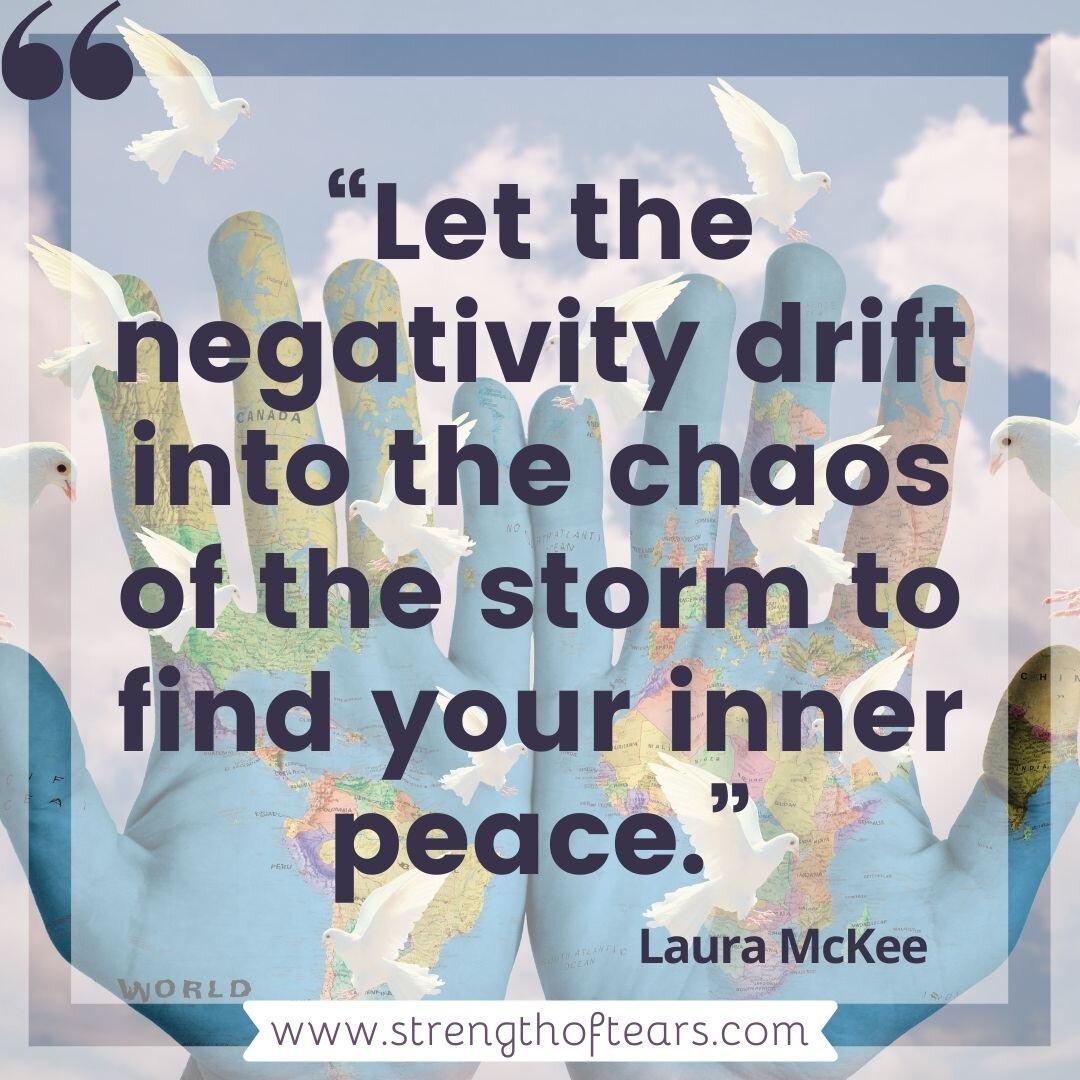
    let the negativity drift own quote.jpg

    Empath Or Highly Sensitive Person?

    My life coach has been crucial to my story, guiding me toward understanding my emotional responses to big life events. Identifying how my highly sensitive nature affects me, allowed me to plan for how to safely be emotionally vulnerable and cope with knowing what a friend or loved one is feeling, before they’ve even said a word. 

    Highly Sensitive People (HSP) can experience empathy and even absorb others’ emotions. This can be incredibly tiring on you, but also an asset when dealing with people. HSPs usually hate drama and conflict because it’s emotionally draining. Read this blog post to see if you’re one of the 20% of the population who are HSP.

    Empaths are highly sensitive too, but not all highly sensitive people are Empaths. Studies show that Empaths are drawn to caring professions, such as counselling or teaching, due to getting others needs. They let their gut lead them through life and may feel they have psychic or healing powers. Read more about Empaths here.

    These labels are useful for understanding our behaviour patterns. Understanding I’m an Empath helped me move out of my comfort zone to face new challenges. Labels themselves don’t define us, they’re just one piece of the puzzle that makes you, you! This information has helped me form a coping plan and create personal boundaries. 
     Protecting Myself By Setting Boundaries

    Being highly sensitive means that when something is wrong with someone in my company, I take on the vibe or mood created by their emotions. This often happens without us being aware. So I’ve had to develop my self awareness and learn how to protect myself by setting boundaries with myself and others.

    Having this trait means I strongly empathise with others but a lack of awareness meant I didn’t always deal with this well and could lead to arguments. With Joel, my husband, this would stem from me asking hiwhat was up? He’d reply ‘nothing’ so I’d tell myself it was my fault and my sensitivities took over until we ended up arguing.

    We’d never argue for long and we’ve now learnt from behaviour patterns and worked on understanding our feelings and changing how we communicate. This helps us know how to take care of how we’re feeling individually and together so we can be more open with each other, especially when we might be wrong. 

    Like many other Empaths, I knew in my gut I had to teach and when my health meant I had to stop teaching, this didn’t go away. I joined chronic illness support groups and would offer to help. However, I didn’t look out for myself and absorbing their emotions was exhausting. I had to learn how to do what I loved without taking a personal hit.

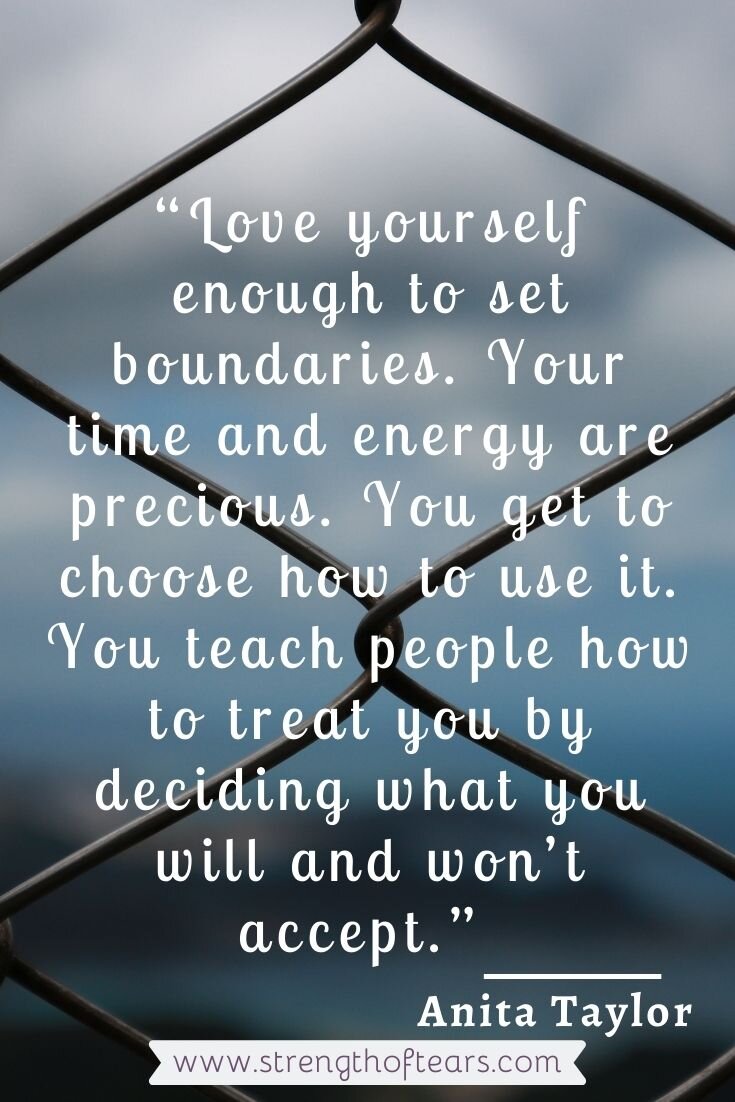
    Love yourself enough to set boundaries. Your time and energy are precious. You get to choose how to use it. You teach people how to treat you by deciding what you will and won’t accept.

    — Anna Taylor

    I’ve put time into learning how to be vulnerable by pushing myself out of my comfort zone, which has allowed me to grow. I had to let go of control and allow negative feelings in, before letting them go to find a sense of calm. Finding this balance has meant protecting myself from burnout whilst still supporting others.

    The Path Of Vulnerability

    Vulnerability is the core of all emotions and feelings, particularly the emotional experiences we crave, even if we don’t know it yet. Too often vulnerability is seen as weakness but if we beat down that wall, we’ll see the path of emotional vulnerability. If we take this path it can lead us to our goals and ambitions or our life’s purpose. 

    It explains her findings as a researcher when her academic work reached across the divide and connected with millions of views. She is now celebrated as a leader in exploring our emotions, particularly shame, guilt, courage, and empathy. 

    Brene Brown Path of Vulnerability.jpg

    The path of vulnerability is my terminology for this concept, as Brené’s words helped me walk this path myself. I believe the path starts with our negative feelings and moves us through a process of working through these, which takes a while. In time, we find we can accept these feelings as part of life and no longer an obstacle in reaching our goal of courage and finally joy. 

    The stepping stones you follow on this path may be small moments that pop up, such as feeling anxious or may be huge life events that reveal strong emotions and change our course. It’s vital we don’t skip the steps that make us feel exposed, but work through the barriers. Being open to fragility allows the path to stay open for you. 

    Emotional vulnerability makes us feel unsteady and off-balance, which can be scary. Most of us put on protective armour to avoid feeling uncertainty, shame, fear and anxiety. This changes from person to person, but Brené says this revolves around a) striving for perfection, b) numbing ourselves or b) self sabotaging joyful moments. 

    Instead of protecting ourselves this leaves us with a build up of negative emotional behaviour patterns. We need to recognise emotions we’d rather avoid and be open to exploring them. Looking at when they appear, why they have such an impact and what triggers the walls going up, means we can learn to break the walls down. 

    This means being more aware of our environment, social interactions, physical and economic factors, which all affect our emotional well-being. This awareness will help us feel more sure about the changes we’d like to see in our life. When we have this knowledge we can remove the barriers and head with confidence to the finish line.

    Exploring Emotions

    To do any of this we need to explore and understand our emotions, which means being mindful of how we’re feeling. This can simply be in those small moments or when strong emotions rush at us during huge life events. Feelings can complicate how your brain reacts to a stressful situation. 

    Initially we need to be able to notice, name and respond appropriately to any emotions we’re feeling. Even if you’ve been raised to talk through your feelings, intense mixed emotions can leave you in a bind if you can’t regulate your emotional response. 

    Knowing how to break down what we’re feeling helps us develop self awareness. We need to explore how to recognise, feel and react to good, bad and in-between feelings before moving on to this with mixed emotions. Strong feelings can confuse our process but we can get there by developing self awareness.

    Read this blog on my top 2 self awareness books.

    Our emotions can tell us what others are feeling, especially if we’re highly sensitive. Our emotional vulnerability allows us to sense how someone feels without being told. This is where our senses come into play. We can compare other’s smiles and frowns and the tension or calm in a room because of our understanding of our own feelings. 

    If we develop self awareness, self control and empathy for others, we will be more effective in all our relationships, both professional and personal. These traits allow us to move out of our comfort zone because we can read a situation and deploy appropriate reactions, helping us to grow in many ways and find emotional wellness. 

    Creating A Plan For Coping Emotionally

    Simply using a two pronged approach can help. Take time during the day to be mindful of how you feel by regularly stopping and taking a few deep breaths to check in with your body and mind. Once present, ask yourself ‘What am I feeling right now?’ ‘How is my body reacting to that feeling?’. Notice calm, chaos, concern, content etc. 

    Using a journal is a great way to make time to explore what works best. It can help us spot patterns, narrow in on the exact feeling we’re experiencing and plan how to react appropriately. It takes time, especially if we’ve not been raised to talk about our feelings, but it’s worth the time and energy.

    This process will make us experience emotional vulnerability so we need to be aware that our brain becomes overwhelmed and we can’t regulate our response. If this happens, use the tools you’ve developed for dealing with your emotions. After doing this regularly we can formulate a plan for dealing with our feelings in all situations. 

    As our feelings are both external and internal we also need to take into account the response from our gut, which can be physical. Being aware of this is very useful for mixed emotions, which can be explosive. This needs to be part of the plan so we can manage stressful situations without becoming overwhelmed or stuck in a rut.

    Why Emotional Vulnerability Is An Enormous Help For Sensitive People 1.jpg

     Why Emotional Vulnerability Is An Enormous Help For Sensitive People

    As a highly sensitive person, it’s so important that I’ve learnt to focus on my own emotions as my spidey sense is most often triggered by other people’s emotions. I’ve always been quicker to pick up on someone else’s emotional confusion than my own, which may be because I’ve always been a people watcher. 

    Knowing that I have someone to check in with me each day to ask how I’m feeling, is vital in my self care routine, as well as asking myself through the day. Over the years my family has developed a habit of daily check-ins, between ourselves and with the boys. This helped us cope with the strong, mixed emotions after I became ill. 

    I’ve learnt not to push what I think they’re feeling and simply ask how they’re feeling, listen fully and then ask how I can help. By being empathetic and being able to accept my emotional vulnerability, I can feel I can support them much better. I need others to show me empathy so I want to offer to others that respect.

    I also need someone to make me level with them, as if the pain is bad I’d hide it or at most say ‘meh’! I still tend to say ‘I’m okay’ as I’m always in some amount of pain and hate being negative. My sensitive mind means I’d tend to feel guilt or shame but I’ve learnt not to protect myself from those feelings. Being more vulnerable has allowed me to reconnect with my feelings and accept that negative emotions are okay.

    In Oprah’s interview with Brené Brown they discuss the importance of talking about feeling shame. “If you want to see a shame cyclone turn deadly, throw one of these at it: ‘Oh, you poor thing.’ Or the incredibly passive-aggressive… version of sympathy: ‘Bless your heart.’” We need friends who show empathy as shame can’t survive that. 

    Having a highly sensitive nature means that emotions are all about how we sense our own and other’s feelings. This makes the weather the perfect metaphor for talking about feelings. Most people are scared of extreme weather conditions which can’t be controlled, which is the same as being afraid to let go of your emotional response. 

    “Being afraid, ashamed of, or embarrassed by your feelings is like being afraid of the weather, because emotions (tears, panic attacks, angry outbursts, withdrawal, depression, elation, lust, romantic excitement, euphoria) are the weather conditions of the inner self.”

    — TIna Tessina

    Read this article where the weather is used to describe different feelings. It says that there are extreme weather conditions, such as volcanoes, earthquakes and floods that we do need to protect ourselves from. However, like the weather, most emotional climates are mild. 

    • Sunshine – your smile, like the sun can come out behind a heavy cloud or after a storm, once pressure is equalised. 

    • Rain – just as rain comes with a change in pressure, tears usually come with an inner release of tension or pain.

    • Rainbows – after tears have streamed down our cheeks we feel hopeful again, just as the rainbow brings hope after the rain.

    • Storms – The build up of emotions coming to their peak can be violent like a storm but when they clear they bring calm. 

    • Fog – we may feel foggy when we don’t really know what we’re feeling. The dark clouds reflect our emotions but can clear quickly.

    • Smog – if we get lost in unclear, dark thoughts we can sink into a depressive spiral when shame or fear pollute our thoughts. 

    This is why we need to explore our emotions and travel the path of emotional vulnerability so that our feelings of shame, guilt and discomfort don’t sink us into a deep depression. Instead it can take us outside of our comfort zone where we can find our sense of belonging, love and courage. 

    We need to take time to understand our emotions and how they affect us. Journaling about how we’re feeling is the perfect way to keep track each day and find our emotional patterns and create our own coping plans. We can even do this with our kids so check out the ideas in this blog from last year.

    Understanding how natural and normal all feelings are is so important and these metaphors and practical ideas can help us find our patterns and forecasts. It’s so important to know that it’s okay to be vulnerable so that difficult emotions are less feared, because we know that this path will help us find our truth. 

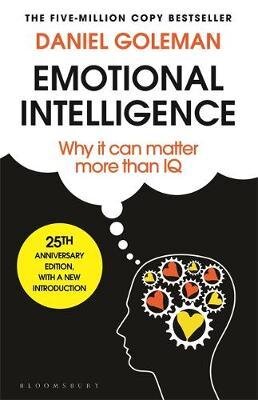
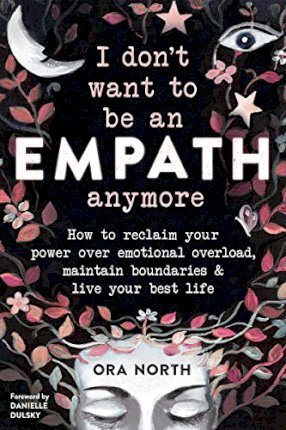
    I’m recommending these books to you, to help you develop your awareness of emotions or emotional intelligence, understand more about the role vulnerability has in us living a balanced life. I’ve also chosen a book for those of you who are highly sensitive so you can build boundaries to protect yourself.

    #block-7a2f74c82c9f09742361 .sqs-gallery-block-grid .sqs-gallery-design-grid { margin-right: -20px; }
    #block-7a2f74c82c9f09742361 .sqs-gallery-block-grid .sqs-gallery-design-grid-slide .margin-wrapper { margin-right: 20px; margin-bottom: 20px; }

    How much time to you spend understanding your emotions and how to respond to them?

    Are you an Empath and if so, how do you cope with absorbing other’s emotions?

    Tell me in the comments.  

    I’ve created a free download of journal prompts for you. These prompts are a taster of one aspect of my unique journal I’m creating for emotional wellness (coming soon). These prompts will help you create a more balanced and purposeful life! So grab a pen and paper now and start using one of these 18 prompts today. 

    Simply click on the link below to get your free copy and access to all my resources. Tell me how you found them in the comments and ask me any questions you have about this topic.

    Stay safe,

    L 💜


    #block-bb979239498f49b30809 .sqs-gallery-block-grid .sqs-gallery-design-grid { margin-right: -20px; }
    #block-bb979239498f49b30809 .sqs-gallery-block-grid .sqs-gallery-design-grid-slide .margin-wrapper { margin-right: 20px; margin-bottom: 20px; }

  • How To Make 5 Cheap Family Emotional Well-Being Activities

    How To Make 5 Cheap Family Emotional Well-Being Activities

    How To Make 5 Cheap Family Emotional Well-Being Activities

    View fullsize

    How To Make 5 Cheap Family Emotional Well-Being ActivitiesHow we feel as a mum often has a direct impact on our family. If we’re happy and playful then our kids usually are. But life isn’t all happiness and laughter. Sometimes we will feel sad, angr…

    How we feel as a mum often has a direct impact on our family. If we’re happy and playful then our kids usually are, if we’re calm then our kids are often calm. But life isn’t all happiness and laughter. Sometimes we will feel sad, angry or unmotivated. 

    So yeah, you’ve guessed it, if you feel down in the dumps or angry then that’s probably going to affect your kids. This isn’t a bad thing, it’s about being realistic not to make you question your mothering. It’s perfectly normal for us to experience a spectrum of different emotions. 

    Life’s hard for us all at times but some of us may be feeling anxious, depressed or having a high pain day, all of which may leave you feeling snappy or despondent. Trying to make yourself happy isn’t realistic so allow yourself to feel this way. It’s okay not to be okay, the key is knowing how to respond to these feelings. 

    Feel the feeling but don’t become the emotion. Witness it. Allow it. Release it.

    — Crystal Andrus

    As you can’t change any of this you need to communicate with your children and other family members how you’re feeling, and they need to do the same thing! It’s hard to communicate our feelings whether we’re 8 or 80 but the younger we are the harder it is for us to even understand what we’re feeling. 

    Have you experienced having no idea why you suddenly feel super grumpy. Think about how this must feel for young children who struggle to even name their feelings. This is one of those times when you have to take action with your family for it to benefit you completely. 

    This blog has 5 emotional well being activities that can be made cheaply. These activities are things that I’ve used in schools when teaching 4-7 year olds and children with special educational needs or disabilities (SEND). Or we’ve used it as a family to improve our communication skills. 

    View fullsize

    This post contains affiliate links for sensory play resources

    These 5 emotional well-being activities are for you to try with your family: 

    1. Mindfulness Moments – Take 5 for some deep breathing, relaxing music etc.

    2. Coping Cards- Use colours or numbers to rate a problem and match to a coping skill.

    3. Calm Down Kit – A way to manage emotions, build self esteem and keep calm.

    4. Feelings Jar – A way to understand and cope with the world of mixed emotions.

    5. Feelings Tracker – A colour coded system to see if there are any patterns to how you’re feeling.

    I’ve chosen these 5 activities for a small budget and explained how to use them with children and if necessary how to adapt them for teens and adults, so you can use them as a family. You can add these to a routine easily by using my well-being planner. Download this for free by signing up to my Strong Mum’s mailing list.

    Five Emotional Well-being Activities

    1. Mindfulness Moments

    There are many ways to practice mindfulness during the day for all family members. Many of us struggle to stay calm when our children misbehave or are being so loud you can’t think. We easily lose our cool and can then make a bad call and overreact with punishment that could dismiss a child’s feelings. 

    Everyday in a hundred small ways our children ask, ‘Do you see me? Do you hear me? Do I matter?’ Their behaviour often reflects our response.

    — L.R Knost

    These simple activities can help you regulate your child’s behaviour. However, self regulation is usually developed in childhood, when we learn to control impulses and develop a toolkit to reflect our feelings. Learn these exercises for mindfulness with your child so the whole family can grow.

     What You Need: 

    • A quiet space

    • 5 minutes

    • Timer

    • An outside space such as a garden, park or quiet street

    • Colouring pens

    • Colouring book (see below) 

      • Deep Breathing – Sit comfortably and put your hands on your tummy. Take a deep breath in and blow up your tummy like a balloon. Then let all the air out. Repeat – breathe in through your nose and out through your mouth. Breathe in again but hold your breath with a big tummy. Count to 2 then breathe out. Repeat or use as a warm up.

      • Get Active – Go outside and run in a big circle for 1 minute (use a timer or stopwatch), kids need to stay where they can hear your instructions. Stop and reach to the sky on tiptoes. Then do 10 star jumps. Stop and curl up in a ball. Do 5-10 hops per leg. Stop and stretch wide like a starfish. Repeat with similar actions, using the stop and start pattern.

      • Body Scan – lie down comfortably with eyes closed and imagine the sun is warming you up all over. Focus that warmth on your feet. Imagine golden sunshine moving slowly up to your knees, warming your legs, hips and up through your torso. Move it slowly down each arm, pausing to let tension go.

      • Scavenger Hunt – Go out into the garden or down the street and give your children a few things to find. If you only have 5 minutes then give them something you know they’ll find. In autumn it could be leaves, cookers etc. Or choose things they see or touch, rather than collect, e.g. a red door or a tree. 

      • Laughing Yoga – (it’s fun not woo-woo) Sit comfortably and take 3 deep breaths in through your nose, flaring your nostrils. Then breathe out of a wide open mouth. Laugh as though you’re different animals e.g. squeeze your cheeks and nose to laugh like a hyena or scrunch your face to do a lion’s roar. 

      • Have a colouring book and sit with your child and colour whilst listening to calming instrumental music. Setting a timer can help you stay present. You could keep a sketchbook and draw lines, shapes etc. Check out these colouring books for children and adults.

    The Mindfulness Colouring Book : Anti-stress Art Therapy for Busy People

    Children’s Coloring Book – Confident You and Fantasy Drawings : Boost Self-Esteem and Creativity

    You can do all of these activities with your child or as a family. You can lengthen the time you spend doing these with older children or challenge yourself by adding more ambitious exercises or adding the body stretches in yoga. Expand your knowledge of breathing exercises and body scans by reading this meditation blog.

    2. Coping Cards

    Learning coping skills is a big task and varies widely as what works for someone will be different to someone else or even changed depending on the day. As children grow they’ll change and adults can probably skip some steps. Before creating your coping cards you’ll need to work with your child to see how they respond. 

    What You Need: 

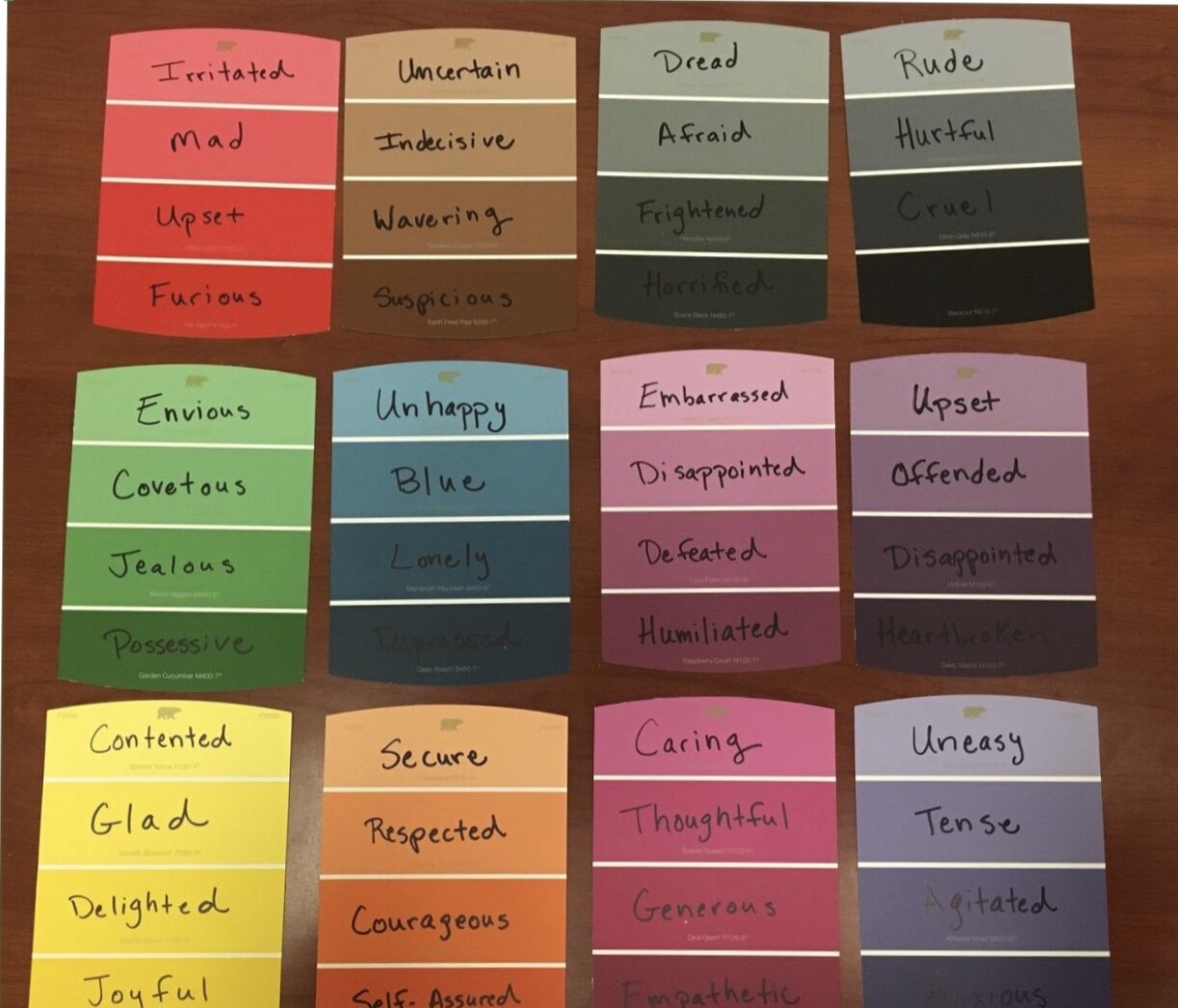
    Firstly, set up a system using colours or numbers to rate each emotion. Paint tester cards are a great way to label, as you can show the steps towards the strongest emotion. If you don’t have these, you can create your own colour chart. 

    With young children use one feeling per card and label 1-5 (5 being strongest). Older children and teens can add more feelings, using similar words as shown. Discuss how to order them to show how they escalate. Adults can add these to a journal. 

    Start with five or six widely recognised feelings. With young children I’d use angry, happy, sad, excited, calm and scared. Positive feelings will help to show opposite emotions as what they’d want to feel after calming down. Ask your child what makes them feel this way. Choose a colour for each feeling. 

    Paint colour tester feelings description cards.jpg

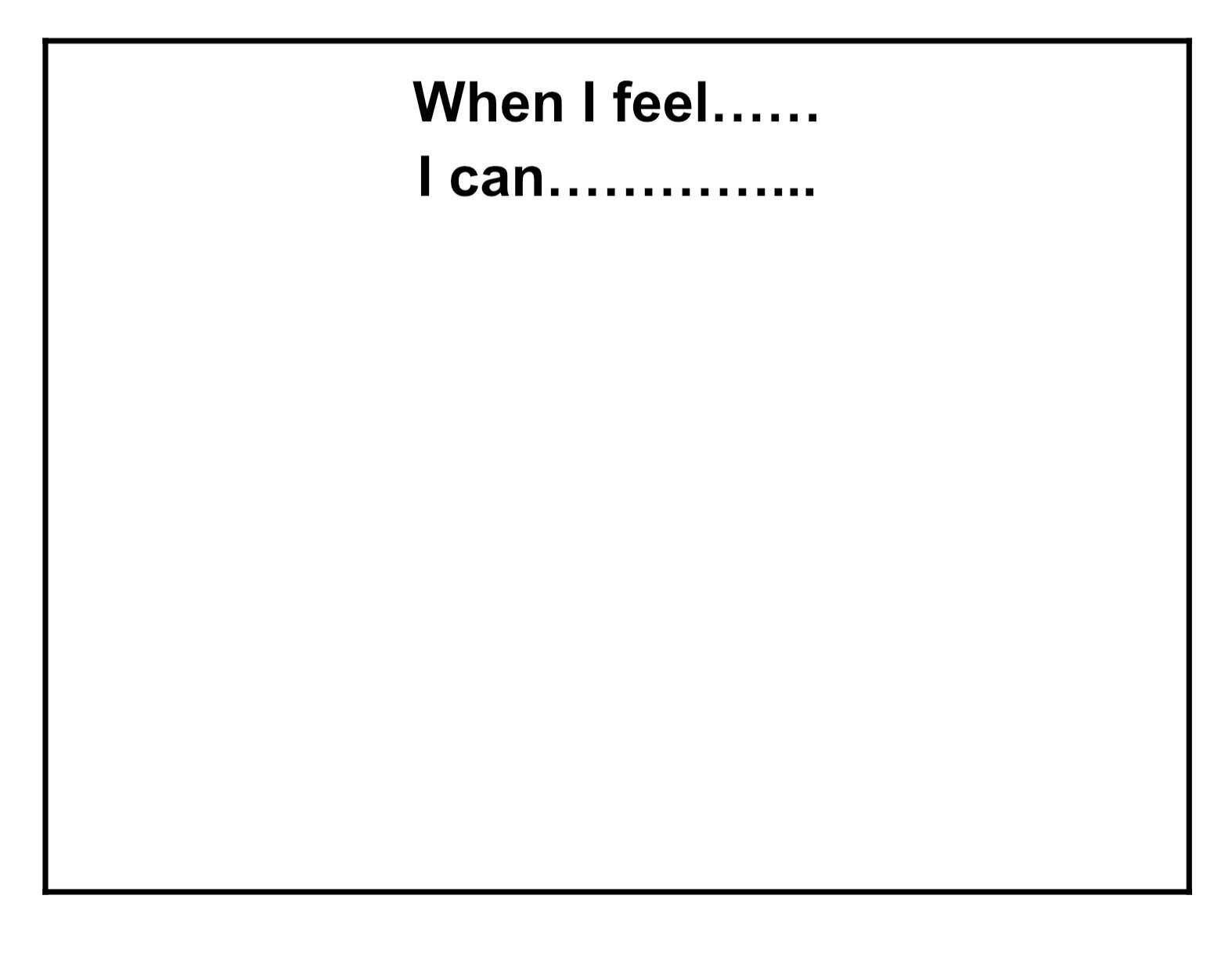
    Once you’ve explored these feelings you can create the Coping Cards. Using categories on the downloaded checklist (linked above) to guide you, discuss what helps your child when they’re feeling sad, angry etc. Teenagers can use the checklist to do this themselves. 

    Help your child create a set of coping cards by matching a coping skill to each feeling. Children respond well to visual prompts, especially when they’re not coping, so take a photo or draw the activity they’ve chosen for each feeling. 

    1. Get a postcard or A5 sized card and fill out the top sections as shown, 

    2. Fill in the blanks with your child so they get another chance to talk about it. If your child is young you can use feeling emojis so they don’t need to read. 

    3. Add the image of the coping skill underneath. 

    4. If you can, laminate or cover with clear film so they last longer. 

    5. Repeat this for each coping card then punch a hole in the corner before connecting the cards with a split ring or treasury tag.

    View fullsize

    Emotions self regulation coping card template.Print onto a postcard or A5 sized card and fill in the blanks with your child so they get another chance to talk about it. If your child is young you can use feeling emojis so they don’t need to read. Ad…

    You’ll need to make everything easily accessible, such as props or toys to support your child’s plan, Teens and adults coping plans could be kept as a phone note, voice memo or in a journal, such as the one I’m creating for well-being. You can sign up to my Strong Mum’s Mailing List to be the first to know when this will be available. 

    3. Calm Down Kit

    Once we’ve learnt to understand our different feelings we need to build up effective strategies for when strong emotions overwhelm us. By creating a calm down kit with emotional well-being activities, we can access our support system in challenging moments. Anyone can allow emotions to take over so these kits are for all ages.

    A calm down kit will look different for everyone but it will work best for kids when it’s personalised to their interests. The kits can be adapted as children grow and their interests change. They can be set up for specific emotions too, for example someone struggling with anxiety. Click here to read my anxiety coping strategies blog. 

    What You Need:

    • A box, bag or backpack for organisation

    • The coping cards you made

    • Any toys or items you’ve chosen for the coping cards

    • Items from the suggested list below

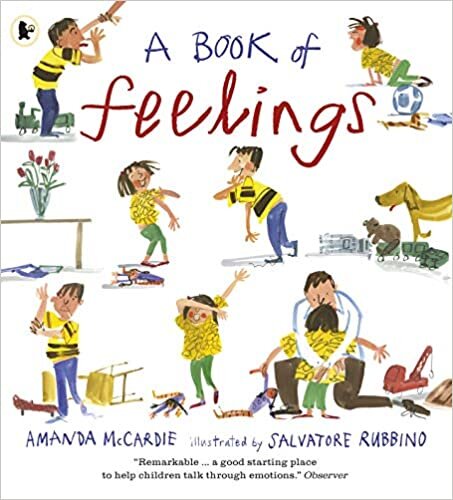
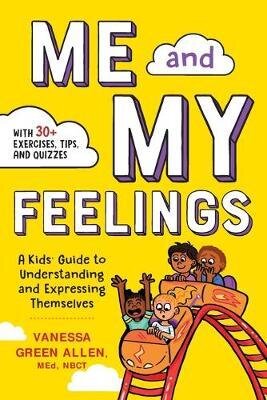
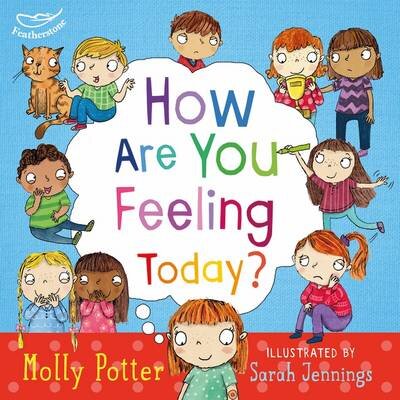
    • Feelings books as suggested below

    • An inviting, accessible area at home, read this article for great ideas

    Other items appropriate for your child or yourself as shown below.

    Top tip: get 2 to avoid any upsets.

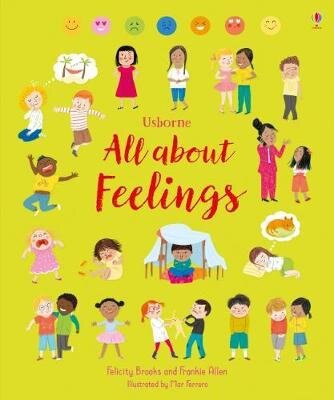
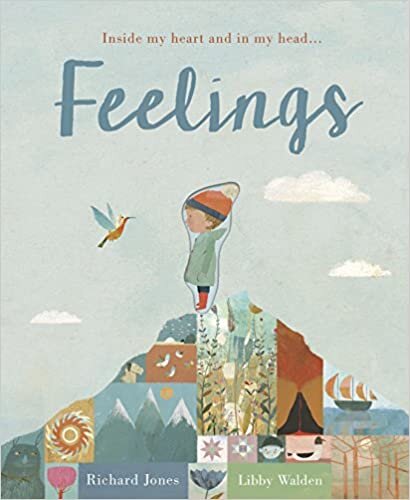
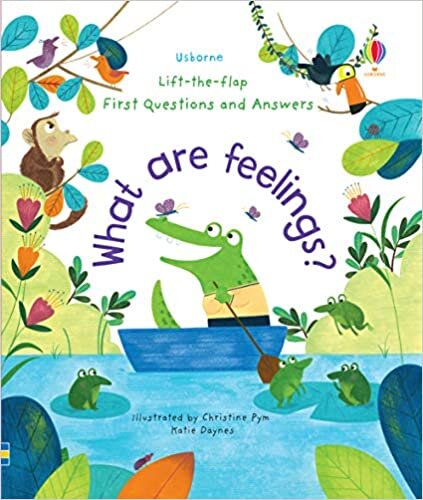
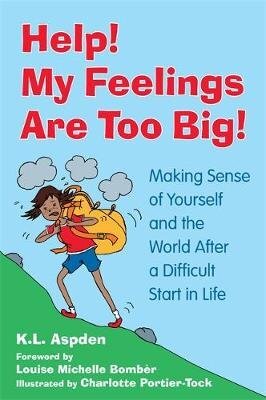
    Add feelings books to your collection for exploring emotions when your child is calm.

    Children 

    #block-yui_3_17_2_1_1604681127193_134015 .sqs-gallery-block-grid .sqs-gallery-design-grid { margin-right: -15px; }
    #block-yui_3_17_2_1_1604681127193_134015 .sqs-gallery-block-grid .sqs-gallery-design-grid-slide .margin-wrapper { margin-right: 15px; margin-bottom: 15px; }

    Teens

    These kits are a positive way to deal with behaviour from stressful situations. This helps us teach children to self regulate and develop their self awareness so they can pause between a feeling and reaction. This article explains the psychology and importance of self regulation.

    
    4. Feelings Jar

    After learning to self-regulate our emotions we discover the world of mixed emotions. We often experience so many emotions, it can be hard to break down everything we’re feeling. Learning how to respond to this is more complex. The Feelings Jar is an effective way to help kids who struggle to self regulate.

    When we were dealing with the huge changes my brain condition brought, we all experienced strong, mixed emotions. As parents in this state of mind, it was hard to make the right judgement call to help our boys self regulate. We were honest about our negative thoughts and used a window to represent the illness. 

    We screamed and shouted to release our feelings of being embarrassed, angry, scared etc. Once we’d done that, we opened the window to let the feelings go. We celebrated small wins with a positivity jar to remind us there were good feelings too. This wouldn’t work for everyone so I want to share the Feelings Jar idea with you.

    What You Need:

    • 2 clean jam jars

    • A Sharpie pen

    • Labels

    • Craft Pom Poms

    1. Draw equal lines of measurement up the side of each jar. Label each line with numbers 1-5. Use labels or coloured lids to show clearly which jar is positive and which is negative.

    2. Using your emotions colour system from the coping cards activity, sort the Pom Poms by colour to match both positive and negative emotions.

    3. Ask your child to choose one colour e.g. red for angry and fill the jar with Pom Poms up to the level (1-5) they’re feeling angry. Talk about what is making them feel like this as they fill the jar. 

    4. If the Pom Poms go over the level you’d expect, talk to them about how that emotion grew bigger than it needed to be. Repeat with positive feelings. 

    5. Then go back to the negative emotions jar. Ask your child whether they can take any Pom Poms out now they’ve focused on the positives. You can encourage them by making a game of throwing or “exploding” the pom poms.

    As our boys grew older we still prioritised time to talk about how they were feeling each day. This could be at a mealtime or after school. We started monthly family meetings to talk about the big picture. Doing this showed the boys how to handle big emotions and mixed feelings. These activities show your child their feelings are valid.

    5. Feelings Tracker

    A feelings tracker is a colour coded system to look for patterns in how you’re feeling. This is quite a common bullet journal activity and there are apps available to do this too. This is one of the emotional well-being activities you can use with children after  they’ve learnt to recognise different emotions. 

    Our emotions change depending on situations, our personality and temperament. Recording our feelings helps us identify behavioral patterns and give us insight into the way we think. To get accuracy you need to take time to reflect at the best time of day for you. Be specific about what, when and where you were. 

    What You Need: 

    • Coloured Pens

    • Paper, worksheet or bullet journal

    • Stickers (optional) 

    1. After deciding on how to record you’ll need to choose the colours which represent your emotions or what you decided in the Coping Cards section. 

    2. Add a labelled colour code for easy reference. 

    3. Each day record the date and time of your entry 

    4. Colour the section of your image or grid with the colour to show how you feel.

    5. Add information about why you or your child felt like this. 

    6. Make notes of what you were doing so you can compare habits

    7. Detail how the situation was dealt with so you can make comparisons.

    8. Regularly check your data to look for patterns about what makes you or your child happy, sad, anxious or excited. 

    Our habits could be adding to our feelings by helping us or hurting us. Tracking this can help us find what we need to change and know the support we need to do that. Another benefit of this is that you are being present and mindful whilst making these entries. We have the power to change and choose how we respond.

    25 Simple Messy Play Secrets To Delight Your Kids (1).jpg

    How To Make 5 Cheap Family Emotional Well-Being Activities

    It’s perfectly normal for us to experience a spectrum of different emotions and due to the stress modern living puts on our brains, we are likely to experience anxiety or worry at some time. Many research projects have shown mindfulness is great at reducing this as these activities are based on being present and self aware. 

    It is hard for us to communicate our feelings at any age and our personality and experiences affect how well we understand what we’re feeling. These emotional well-being activities help us to understand basic and mixed emotions so we can regulate our responses. 

    Understanding how the positives can outweigh the negatives we feel, can calm the part of our brain that reacts with strong emotions. Our brains are wired to focus on negatives, which is why we’re more likely to worry or feel stressed. But we can rewire the brain by sending regular positive messages. 

    One of the most helpful things we can do as a parent is understanding how emotions influence our child’s behaviour. Exploring patterns in their emotions helps us make better judgements about the reactions we have, understanding helps us stay calm during challenging moments and empathise with how our child responds to stress. 

    The aim of these emotional well-being activities is to filter the negative feelings so we can be calmer. This helps regulate the information that goes to the part of the brain that helps us make good, sensible choices. By teaching and modelling self regulation you and your child will be able to temper your reactions to emotional situations.

    Stay safe,

    Laura 💜

    P.S. I can help you to work on the areas that you need to develop or help your child learn. My free well-being planner is perfect for this with a guide to help you work out what to prioritise.. Sign up to my Strong Mum’s mailing list for access to this free download here.


    #block-8050075727503a545a79 .sqs-gallery-block-grid .sqs-gallery-design-grid { margin-right: -20px; }
    #block-8050075727503a545a79 .sqs-gallery-block-grid .sqs-gallery-design-grid-slide .margin-wrapper { margin-right: 20px; margin-bottom: 20px; }

    ✋ Hey there! I hope you’re feeling stronger now. If so, sharing the love will help me help other mums with chronic invisible illnesses. ⬆️ Hit one of those sharing buttons or save the images to Pinterest and I will do a bed-bound happy dance – there’s an image for you!