Tag: Is journaling good for mental health?

  • How To Boost Self Confidence With Inexpensive Activities

    How To Boost Self Confidence With Inexpensive Activities

    How To Boost Self Confidence With Inexpensive Activities

    Every woman should have access to valuable and inexpensive tools and techniques to help them navigate life’s struggles and boost self-esteem. Many of us don’t ever access these though, instead, struggle on with low self confidence because there’s always someone or something that we feel we need to put first.

    When we face challenges, such as chronic illness, our body and mind work together, in what often feels like a plot against us. This often results in our mental health being put last, which makes it so easy to get stuck in a negative mindset.

    Simply put this can lead to a disastrous knock on effect where we actually fail to build self confidence due to negative thinking. This triggers high stress, low self-belief and impacts relationships amongst other outcomes.

    Journaling can help you to change your mindset so I have written a self awareness book dedicated to understanding your emotions so that you can engage with your inner voice. The journal prompts in the book are designed to nurture a positive mindset. Find out more by visiting my Strength Of Tears Shop.

    It’s so important that you feel empowered to take back control of your mental wellbeing and break through any barriers that may be preventing you from reaching your goals. It doesn’t have to be expensive to build self-confidence so in this blog I’m sharing 10 ways that you can do this. 

    5 Ways You Can Fail To Build Self Confidence

    Before we can discuss activities to build self-confidence, we need to look at what the barriers to doing this are. By this, I mean, our inner talk and thought processes. Negative thoughts are a common companion to chronic illness and can erode your self-esteem, making you feel unworthy. 

    When negative thoughts and self-talk build up over time, they can have significant effects on your mental and emotional well-being. This can lead to a lack of belief in your abilities and you may begin to doubt yourself. so we have to recognise these thoughts and learn how to build self confidence. 

    When you engage in negative self-talk, you engage in an internal conversation that can hinder your self worth and prevent you from believing in your own abilities. Negative self-talk is stressful, but journaling can help you. Read this blog about how to identify and change negative self talk. 

    Negative self-talk could be any thought that undermines your ability and faith to bring positive change in your life. Here are five potential consequences:

    1. Increased stress and anxiety: Negative thoughts and self-talk often revolve around self-criticism, doubt, and pessimism. Constantly bombarding yourself with such thoughts raises stress levels and leads to heightened anxiety.

    2. Persistent negative mindset: A buildup of negative thoughts can form a pattern of thinking that becomes a habit. This can influence how you see the world, causing you to focus on the negatives and overlook the positives. This can lead to a distorted view of reality and further reinforce negativity.

    3. Impaired problem-solving: Negative self-talk can cloud your judgment, affecting your ability to make effective decisions or find solutions. When your mind is overwhelmed by negativity, it becomes challenging to think clearly which can lead to a host of unsolved problems.

    4. Impact on relationships: Negative self-talk will affect your relationships as you are likely to project your negativity onto others. It becomes challenging to connect with others, leading to strained relationships and potential isolation.

    5. Mental health issues: Left unaddressed negative thoughts and self-talk contributes to the development or worsening of mental health conditions such as depression or anxiety disorders. Seeking professional help is crucial if you find yourself struggling with persistent negative thoughts.

    It’s essential to be aware of the impact that negative thoughts and self-talk can have on your overall well-being. Recognising and addressing these patterns is an important step towards cultivating a more positive and constructive mindset.

    10 Self Confidence Boosting Activities

    These inexpensive activities are easy to access but may need to be adapted according to your chronic illness and mental health. But if you want to build your confidence you will need to make it and yourself a priority so that you can engage in these suggested exercises:

    1. Exercise:

    Engaging in physical activity releases endorphins, improves your mood, and enhances your overall well-being. You can go for a walk, swim or do home workouts using online resources where you can adapt the exercises to your needs.

    2. Practice positive affirmations:

    This is a way to kickstart some self-love where you need to repeat positive statements to yourself daily, such as “I am confident,” or “I believe in myself.” This can help rewire your mindset and boost self-confidence.

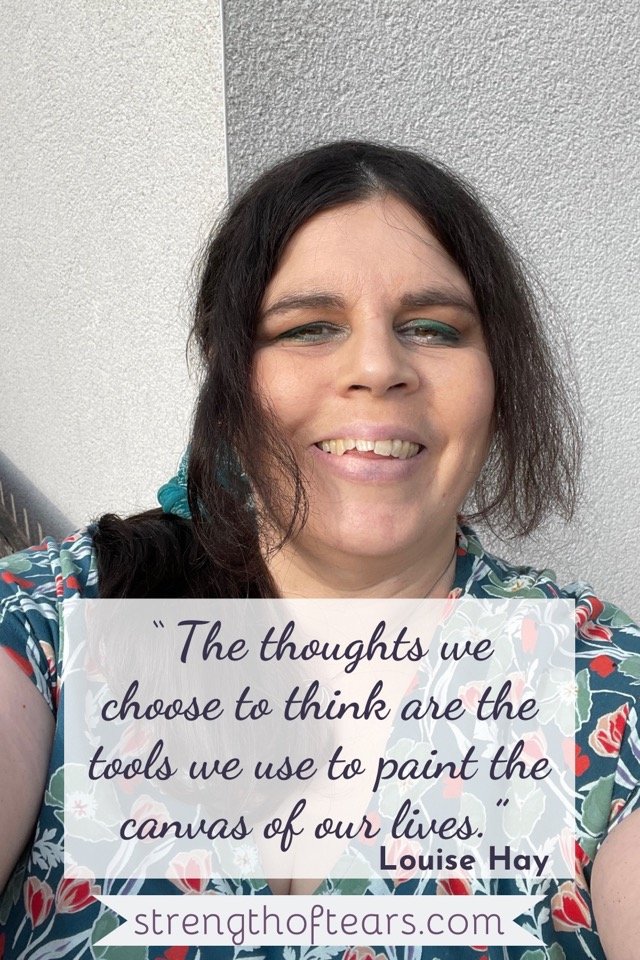
    “The thoughts we choose to think are the tools we use to paint the canvas of our lives.” Louise Hay

    3. Set achievable goals:

    Break down your larger goals into smaller, manageable tasks. If you need support with this, download my free guide to setting well-being goals here. Accomplishing these smaller tasks gives you a sense of achievement and boosts your confidence.

    4. Learn something new:

    Taking up a new hobby or learning a new skill is an act of self-care that is so important, yet many of us don’t make time for this. There are many free online resources that can help you learn something new and build your confidence in the process.

    5. Rewarding success:

    Celebrating successes, however small, boosts confidence and self-esteem. Recognising your achievements and focusing on the things you’ve done well can help you develop more confidence in your abilities.

    6. Create a support network:

    Spend time with supportive and positive individuals who uplift you and believe in your abilities. Their encouragement can significantly boost your self-esteem.

    7. Improve your body language:

    Power poses are a fun way to do this as written about in this article. Stand tall with your feet wide apart, hands on your hips, and shoulders back before doing something you’re anxious about. Research shows that these postures have a positive impact on your self-confidence.

    8. Dress for success:

    Wear clothes that make you feel good about yourself. I find this one of the most effective ways to boost my self-confidence and have even started wearing make-up on a regular basis again. Dressing well can positively influence your self-perception and boost your confidence.

    9. Celebrate your achievements:

    Take time to acknowledge and celebrate your successes, no matter how small. I plan rewards for completing goals, triggering a dopamine rush which gives a surge of pleasure. This article explains how rewarding your accomplishments boosts your self-confidence.

    10. Practice self-care:

    Take care of your physical, mental, and emotional well-being. Prioritise activities that make you feel good, such as your sleep routine, practicing mindfulness or meditation, journaling or getting creative.

    In conclusion 

    Building your self-confidence is not something that will happen overnight but with small steps, time and effort you will develop feelings of self assurance. Remember to be patient with yourself, practice self-care and smile.

    Be kind to yourself whilst you work on changing a negative inner narrative to one that supports your growth. Years of negative self-talk can’t be undone quickly but by being aware of what is holding you back from having positive thoughts, you will be able to address and gradually change your mindset.

    By grabbing the issues holding you back with both hands you will allow yourself more success. These 10 inexpensive or free activities are crucial for your journey of growth and will boost self esteem. Remember that this isn’t a quick fix so you have reasonable expectations for your progress and you’ll get there.

    You can find a variety of activities to increase your self-esteem in the Strength Of Tears resources, such as my self-awareness journal and life coaching to help you build healthy habits, improve communication skills, and manage stress levels. 

    #block-yui_3_17_2_1_1686704569563_18210 .sqs-gallery-block-grid .sqs-gallery-design-grid { margin-right: -20px; }
    #block-yui_3_17_2_1_1686704569563_18210 .sqs-gallery-block-grid .sqs-gallery-design-grid-slide .margin-wrapper { margin-right: 20px; margin-bottom: 20px; }

    ✋ Hey there! I hope you’re feeling stronger now. If so, sharing the love will help me help other mums with chronic invisible illnesses.⬆  Hit one of those sharing buttons or save these images to Pinterest and I will do a bed-bound happy dance – there’s an image for you!

  • What You Need To Know About The Mental Health Benefits Of Journaling

    What You Need To Know About The Mental Health Benefits Of Journaling

    What You Need To Know About The Mental Health Benefits Of Journaling

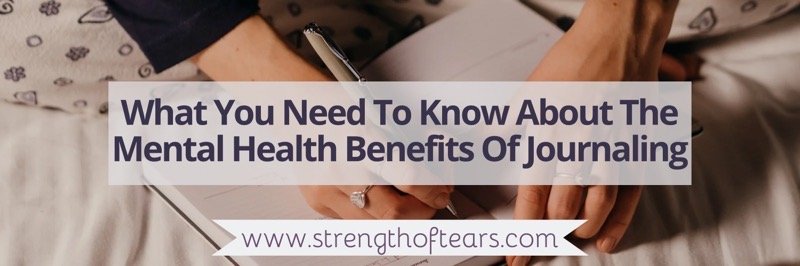
    A white woman’s hands and black sleeves show her writing in a journal with a silver pen. The writing over the top says What You Need To Know About The Mental Health Benefits Of Journaling

    Journaling is a way of recording your thoughts, feelings, habits, and gaining insights for your personal development. It can look different for each individual, some record digitally and some use paper, and it can be written or drawn. It takes work but it’s worth it for the good impact journaling has on mental health.

    Journaling has helped me cope with my Mental Health issues since I became chronically ill with migraine disease and was traumatised by the lack of support and, what I now know was, gaslighting from my neurology team. 

    The stress I was under as I tried for months to get a diagnosis, unable to work as a teacher, was immense. Even when I was diagnosed with IIH, a rare brain disease, I became depressed and had extreme anxiety as I had to wait for over a year for treatment so I had support from a mental health professional. 

    Whilst facing these challenges I started journaling about my situation as a way of exploring the difficult feelings I had, for example, writing about grieving for the life and career I’d lost. 

    This helped me work through this extremely emotional phase and I was able to rant without my loved ones being in the crossfire. Writing about my difficult emotions, whilst living with chronic illness, helped me so much that I’ve written about the benefits journaling has on our mental health when done safely. 

    I have also created an epic coaching journal for mental health that is written to ensure you’re not isolated in the process. The Journey To Balance Journal will help you understand yourself and your mental health needs better. You can buy the journal by clicking here. 

    You need this 400 page coaching journal!

    Forget the trends and get ready for the journal you need as a busy and stressed out mum.

    It is split into 4 sections:

    Emotional Health Coaching

    Goal Setting For Whole Well-being

    Undated Monthly and Weekly Planner

    Emotion Based Journal Prompt

    Journaling is different for everyone, some use it to record parts of everyday life, whilst others use it as an exercise to process experiences, negative thoughts and feelings. Putting these things on the page helps you take back a sense of control. Psych centra says in this article that:

    “journaling is a powerful, evidence-based strategy that you may find helpful for managing mental health conditions and stress.”

    The mental health benefits of journaling can be powerful, helping you process stress, trauma, and difficult emotions. These are some of the ways that journaling can support you:

    • Reduces stress and anxiety

    Writing about your thoughts and feelings can help you reduce their intensity and therefore loosen their hold over you, reducing symptoms of stress and anxiety.

    • Improves mood

    Journaling can help you focus on the positive aspects of your life, which can improve your mood and increase feelings of gratitude.

    • Enhances self-awareness

    Journaling can help you become more self-aware as you reflect on your thoughts and behaviors. This can help you identify patterns that are causing stress or holding you back.

    • Boosts creativity

    Writing can stimulate the creative parts of your brain and help you come up with new ideas and solutions to problems.

    • Increases mindfulness

    Mindfulness is being present in the moment. Journaling can help you practice this by focusing on your thoughts and feelings in a non-judgmental way.

    These mental health benefits of journaling show that it’s simple and effective to use journaling to improve your mental health. Regularly taking time out to reflect on your thoughts and emotions helps you develop strategies for coping with stress.

    What Should A Mental Health Journal Feature?

    Here are some elements that can are often utilised for each individual’s needs in a mental health journal:

    1. Mood tracking is one of the most important features, involving recording your mood each day so that you can analyse patterns and look at what may affect your mood. By identifying triggers, you can evolve strategies to manage them.

      This is a key feature in the Journey To Balance Journal, based on the theme of the journal and the emotion coaching in the self-help section of the journal. Over a month you record your daily mood on this graphic, colouring in using the key. There’s also space to document how triggers impact your mood.

    2. Daily gratitude log allows you to practice gratitude, which is important in promoting mental wellbeing. This exercise helps you beat negative self-talk which can stifle your personal development and impact your mood. Learn more about how to overcome this by reading my blog about beating toxic self-talk.

    I set out to ensure that the ‘Journey To Balance’ mental health journal encourages positive self-talk by having a segment where you write down what you are grateful for each day. It’s a quick and easy way to help you maintain good mental health. 

    3. Self-care habits are one of the mental health benefits of journaling, building self worth by tracking your self-care activities. Using a habit tracker can help you set goals for things that make you feel good and improve your well being. You can adopt and keep up habits such as exercise, meditation or any other activities that promote self-care.

    Recording your self-care activities on the habit tracker in the Journey To Balance Journal will help you feel motivated and committed to doing self-care. In the long run, achieving your goal to make these activities habits will improve your whole life.

    “In a nutshell, your health. wealth, happiness, fitness, and success depend on your habits.” – Joanna Jast

    4. Thought records, according to this NHS information, is a common cognitive behavioural therapy (CBT) exercise. It is explained in full here as the practice of recording and studying your thoughts and feelings about a situation so you can understand the link between your thoughts and behaviours. 

    As explained in the daily gratitude section this is a helpful tool that allows you to identify and challenge negative thought patterns. The gratitude log is part of this section of the Journey To Balance Journal for mental health. Record the thoughts and feelings you have throughout the day, so that you can process your emotions and reframe negative thoughts and feelings.

    5. Regular Reflections is a core self care activity. I discuss how this activity and others lead to emotional development in this blog (link). I explain how self reflection is vital for meeting our goals and improving ourselves through regular self care.

    In the Journey To Balance Journal for mental health, I’ve ensured that there are activities in the prompts section and space for deep work in the monthly reflection area. This is what makes it a powerful self awareness book as it helps you gain real insight into your thoughts and feelings. 

    These features should be personalised to your specific needs and goals in a mental health journal. They can be a powerful tool for promoting self-awareness, identifying patterns, and working towards positive mental health outcomes.

    Quick Guide: How Is Journaling Good For Mental Health? 

    From my own experiences with chronic conditions, I have found journaling a helpful tool for balancing my mental health. I used it as an opportunity to explore the difficult feelings I was experiencing as I grieved the life I’d known pre chronic illness. 

    Journaling helped my mental health during this difficult time period and has continued to do so as I manage the challenges of chronic illness. Journaling gives me space to shout about it without aiming my negative emotions at my loved ones. 

    It isn’t just me using journaling to process big emotions, in fact it’s well documented that journaling is good for mental health. I found research, such as this WebMD article, that explains that the mental health benefits of journaling include reducing stress, building self-awareness, regulating emotions, and breaking the cycle of obsessing over negative experiences. 

    In Conclusion…

    Journaling is good for your mental health. Recording your thoughts and feelings can be therapeutic, helping you process difficult emotions and experiences. Writing about stressful events can help you make sense of them. 

    Journaling helps you gain a deeper understanding of yourself, your values, and your priorities. It can help you explore new ideas and perspectives and can be a helpful tool for tracking progress towards goals and reflecting on personal growth.

    I know that writing about my difficult emotions whilst living with chronic illness helped me, so I have written the Journey To Balance Journal to include the 5 key features of a good mental health journal: Mood tracking, gratitude journaling, self care habits, thought records and reflections. 

    This journal for improving mental health puts emotional development front and centre, so that it has a positive impact on your mental health. Chronic illness life comes with many difficult feelings so the Balance Journal allows you to: 

    • Write freely to help you understand yourself better

    • Rant about difficult situations without it being aimed at loved ones

    • Use the coaching aspect of the journal to create a safe space to explore your emotions

    Overall, journaling can be a valuable tool for improving mental health and well-being. It’s a simple and accessible practice that can be tailored to meet your unique needs and preferences.

    #block-cb49c1408f6e510e0199 .sqs-gallery-block-grid .sqs-gallery-design-grid { margin-right: -20px; }
    #block-cb49c1408f6e510e0199 .sqs-gallery-block-grid .sqs-gallery-design-grid-slide .margin-wrapper { margin-right: 20px; margin-bottom: 20px; }

    ✋ Hey there! I hope you’re feeling stronger now. If so, sharing the love will help me help other mums with chronic invisible illnesses.⬆  Hit one of those sharing buttons or save these images to Pinterest and I will do a bed-bound happy dance – there’s an image for you!