
Tag: Life challenges

  • 6 Reasons To Be Grateful For My Amazing PA This Good Care Month

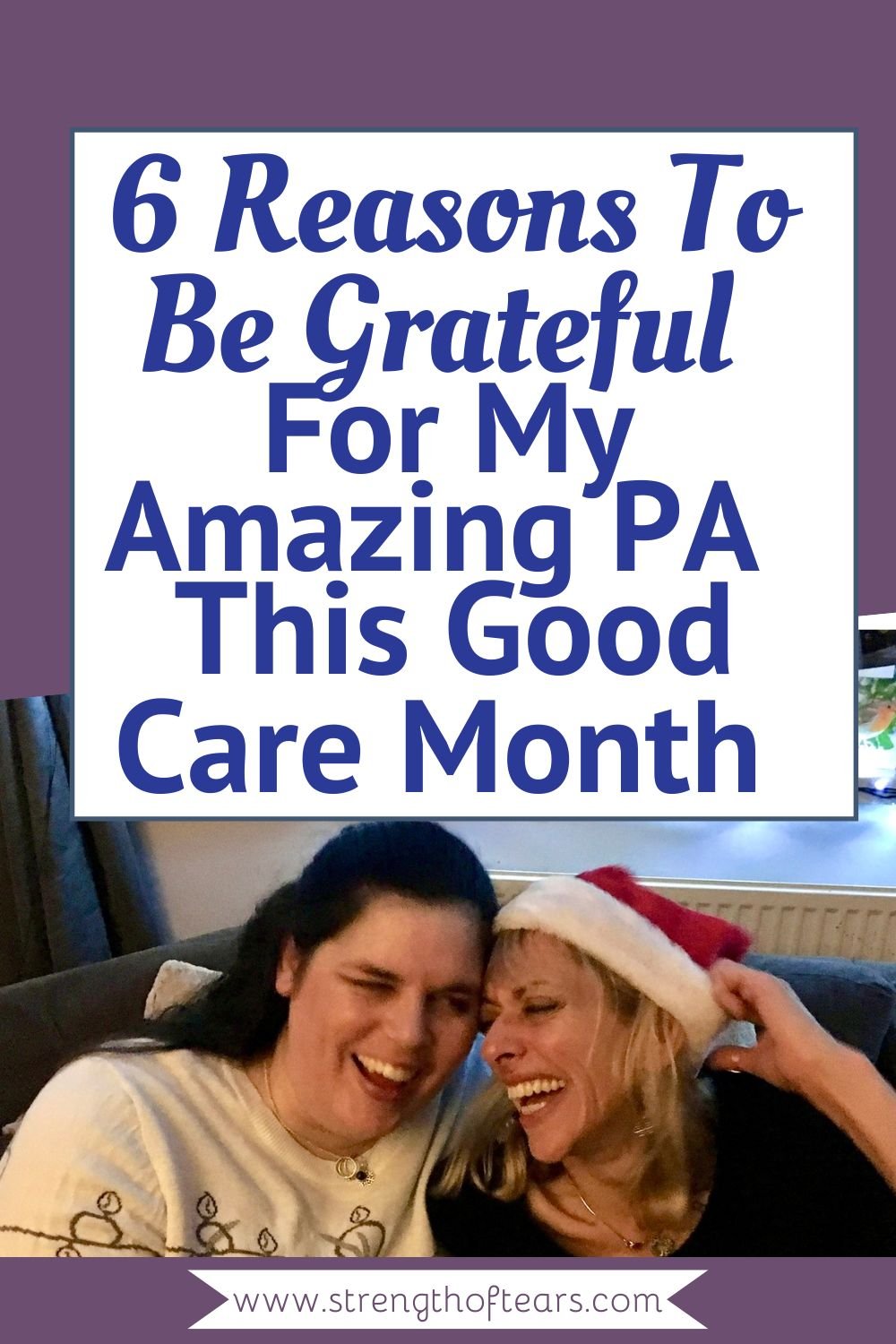
    6 Reasons To Be Grateful For My Amazing PA This Good Care Month

    How Will The New Guidelines Affect People With Chronic Pain In The UK

    The NICE guidelines for managing chronic pain in the UK only recommend CBT; ACT; antidepressants; Acupuncture and exercise programmes. Pain relief is no longer recommended, although changes should be managed with the patient. Instead we’re losing quality of life because the guidelines for the chronic pain treatment UK is unclear. 

    6 Reasons To Be Grateful For My Amazing PA This Good Care Month

    Every July Hertfordshire Care Providers Association (HCPA) raises awareness of the caring profession in the UK, hoping to boost recruitment, thank those in social care and break some of the stigma attached to caring. Read about it here.

    During Good Care Month those who are cared for and caregivers share their stories. I want to illuminate Carer’s skills and qualities when working with vulnerable adults. Having a government assisted Carer has changed my family’s lives as it gives everyone a break from the harsh reality of life with a disabling condition.

    Unpaid care is becoming more common with the pressures on the care sector but social care can change lives for everyone, including unpaid carers already in place. This blog is a look at being an unpaid Carer from the perspective of a friend who cares for her husband.

    This blog is mainly a thank you letter to my amazing personal assistant (PA) or Carer, Sam. I share the reasons I’m grateful for her in my examples of the 6 Carer’s skills I see as a gift. My aim is for other Mums to feel that having a Carer isn’t giving in or not an option for them. 

    This open letter will surprise Sam but I want to shout from the rooftops about how she supports me and my family and recognise how grateful I am personally for how she employs her expertise to give me the support and friendship I need as a younger adult client. 

    The guidelines are written for patient care by a committee of healthcare professionals. I’ll break down the guidelines and share how they affect patient’s quality of life from the perspective of medical professionals and those in the chronic illness community

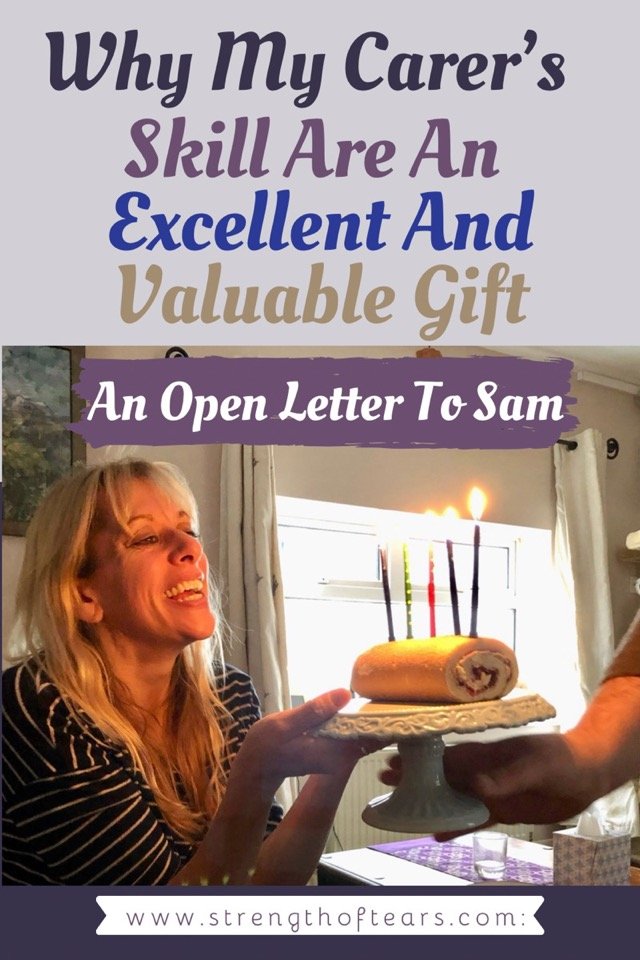
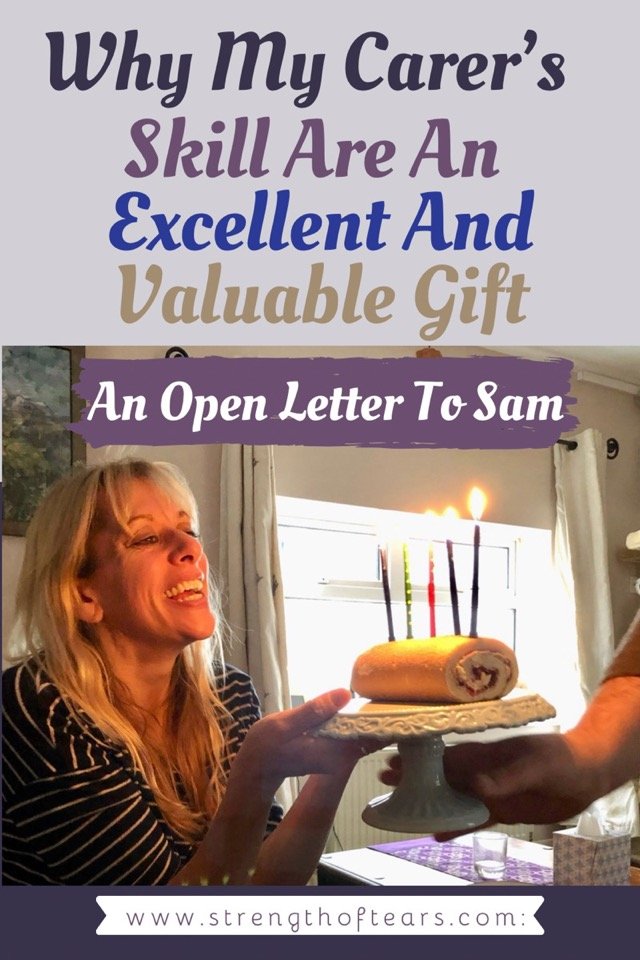
    Why My Carer’s Skills Are An Excellent And Valuable Gift
    The latest NICE guidelines recommend group based exercise, psychological therapies (ACT or CBT), antidepressants and acupuncture. Pain killers are no longer recommended for managing chronic primary pain.

    Dear Sam,

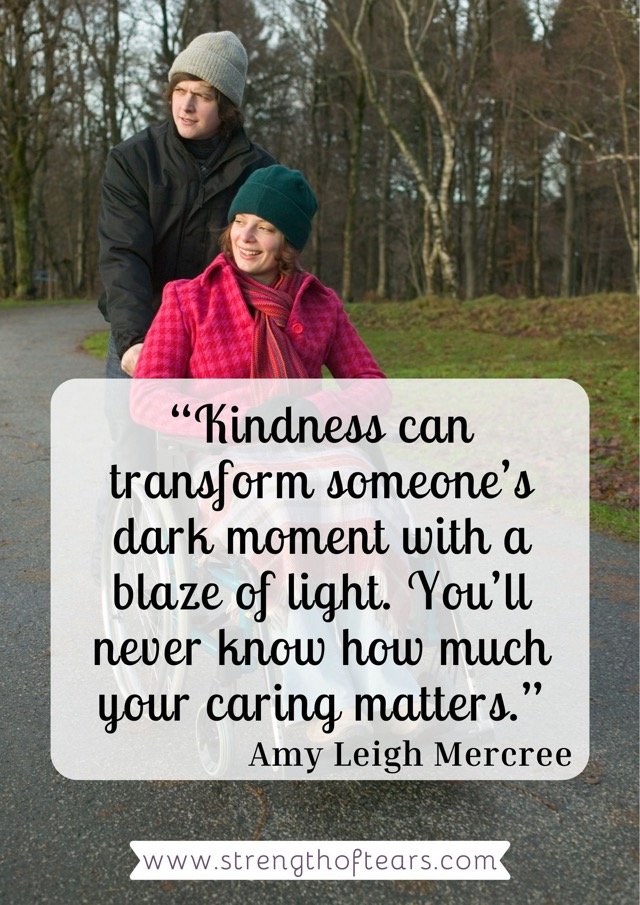
    As the author Amy Leigh Mercree once said “Kindness can transform someone’s dark moment with a blaze of light. You’ll never know how much your caring matters.” These words are so important for you, and every dedicated caregiver, to hear from the person you care for. 

    How often do the people you aid get the chance to tell you exactly how valuable you are to them? I’ve needed care for nearly 8 years, due to a rare and debilitating brain disease. I feel privileged to have the support of a professional Carer and feel incredibly lucky that that person, for the last 5 years, has been you. 

    I learnt of Good Care Month this year. As I feel strongly about shining a light on what Carers do, so when I saw a suggestion to write a thank you note to your Carer, I knew I had to write an open letter. This is my way of raising awareness of Carers skills and worth.

    Accepting you need help as a 37 year old Mum with chronic illness is tough. There are many stigmas around social care and caregivers but those linked to care for those in the 18-64 age group, stand out to me. There’s an even stronger barrier for me as a Disabled Mum. 

    One reason for this is that younger adults are more likely to receive local authority assistance for learning disabilities and mental health issues than physical disabilities. This means that most Carers who’ve worked with me haven’t really known how to engage with me or my family or I’d feel them pitying me. 

    I love that you’ve never done this Sam, you simply treat me like an equal. What you do for me and my family means so much more than I can write. However, some things are just between me and you, and can’t be shared in an open letter. So let’s just say that what I love most about you is our shared filthy sense of humour! 

    This Good Care Month, I’m sharing just 6 of the reasons that make me value you as my Carer:

    1. Building Strong Relationships

      As parents, it means so much that you’ve taken the time to build strong connections with us all, especially our boys. We all feel we can be ourselves and the boys don’t feel like there’s a stranger in their home and safe space. Feeling we can be ourselves is a gift. 

      You’ve thrown yourself into being a part of the team, realising that this is our way of having some control. We take pride in working together and as we prioritise listening to each other and solving problems together, you prioritise this too. Sam, you’re part of our family because, honestly, you’re as much of a weirdo as we are. 

      For others caring for adults under 65, please take the time to look at the family as a whole. One of the most valuable Carer’s skills is to build good relationships. If you’re coming into the family’s space make sure everyone feels comfortable when you’re there. 

    2. Helping With The Little Things

      By taking care of my needs you help me stay organised so I manage to stay on top of things. The small things you do for me matter, such as, getting my clothes out, ensuring I have enough water and helping me get dressed. This allows me to save my energy to use elsewhere. 

      You making lunch for me is the difference between me being able to write or needing rest on my better days. I can be Mum AND focus on my goals when I have energy, which is why this matters. I can’t imagine trying to keep everything straight without your help, although your clumsiness is an add-on I’m not sure I asked for – teehee! 

      Some skills are just a part of the job but this Good Care Month is the perfect time to recognise just how crucial doing the little things are for those of us with chronic illnesses and disabilities. Creating a routine is pivotal so that we don’t have to ask you, which takes energy itself. 

    3. Having Emotional Support

      Sam, you’re a huge support during tough times, whether I’m feeling low, having a pain flare or just need someone to talk to, I know you’re there for me. You’re switched on to how I am when you walk into the room; a rare gift that only those closest to me have. Being aware of this calms me as much as your excellent cuddles do. 

      We’re so lucky to have found the right fit with you, it hasn’t always been this easy. Knowing you’ll make sure I’m taking care of myself takes some of the pressure off of Joel. This just makes me value you more and so you’ve become like a sister to me. 

      Being emotionally supportive is one of the most vital Carer’s skills. As a sick and Disabled Mum, there’s always something to worry about and being ill is exhausting. Being aware that communication with a Carer will be easy helps every family member’s mental health.  

    4. Lending A Hand

      You’re always willing to get stuck in Sam, be it normal jobs around the house or the odd jobs that come up. Being mindful of this helps me take care of myself. I love sending a recipe and being sure you’ll prepare or cook dinner as my proxy, giving Joel one less job.

      However, it’s even more important to notice the things you do for us if Joel has a meeting or is away on business, like cleaning up after the cats, picking the boys up from school or taking me to appointments. Of all these Carer’s skills, this has the biggest impact on family life. 

      In Good Care Month it’s important to appreciate the smaller things as these often just happen. If someone has become part of the family, there’s often an open offer to grab essentials or check in when off duty. As long as boundaries aren’t crossed then this is a real gift. 

    5. Creating More Life Balance

      Sam, you help me create more balance in my life, both emotionally and getting the balance between work, goals and rest. For me, being certain that my family has less chores helps me feel less of a burden, supporting my mental health. It also gives my family more balance. 

      You help me keep a positive attitude by making me laugh, even if it’s you being daft. Yes this hurts when I’m in pain but it’s what I need. If you’re having a bad day you still make sure we giggle at something. Having you around is a tonic and we appreciate you more than you know. 

      A Carer’s skills at bringing more opportunities for life balance into the life of the person they’re caring for is incredible and important to mention in this Good Care Month blog. This is an unexpected outcome for the whole family, especially when things are tough.

    6. Supporting Goals and Dreams

    Sam, you take on board my goals and future vision when I’m speaking to you about unrelated things or even thinking out loud. You know my goals, such as building up my social life, and you’ve seen the frustration I feel when my illness holds me back. 

    This year my social worker helped me get back to swimming again regularly but I can only do that with your support. I look forward to our swim sessions, being confident you’ll keep me safe. To top this all off, you’re an amazing friend and I can’t imagine going through life without you by my side.

    This isn’t something you naturally consider when hiring a PA, but it makes such a difference to my life that I have to mention it. Be it having help with planning a rare trip out, holiday packing or talk of things you dream of or aspire to, a Carer can help you achieve. 

    Beyond these 6 Carer’s skills I want to thank you for the extra gifts you bring that are personal to us, Sam. You listen when I wander down my Wonderland rabbit hole chats, aware that my brain has to get from a to b, even if there’s a long detour. I appreciate your patience. 

    Thank you for driving more slowly when I’m in your car. I know you find it hard because you let me know every 10 minutes of the journey! I’m grateful for the effort you go to (and the panic that follows) when I’m nauseous and ask for something to eat you’ve never made.


    I wish I’d known 8 years ago what I know now. I felt I wasn’t sick enough for support and didn’t know what skills or qualities I needed to look for. Some Carers haven’t been right for us but thankfully you fitted in immediately and it’s a gift that we found you when we did. 

    My aim for this letter is to show how, when these 6 Carer’s skills are used well, a Carer is an invaluable resource. I hope PAs and Carers consider how to develop these in their own practice and that we break the stigma that Carers are only for ‘old people’.

    This Good Care Month, I also want to acknowledge those who could receive care. Your concerns about having a PA as a Mum are valid but know that excellent Carers are out there for us. I now see care as an opportunity to have someone help me be a more engaged Mum. 

    Looking back at the quote I shared at the beginning of this letter, I hope you can all see that having the right support matters. Sam, your kindness does allow light into some of my darkest moments and this means more to me and my family than you’ll ever truly comprehend. 

    I want you to know you’re a vital and valuable member of our team. Thank you Sam for all you do for me, Joel and the boys.

    Yours, Laura 💜💜

    In Conclusion…

    Good Care Month aims to raise the profile of the social care sector and promote career opportunities. It’s important because it’s a chance to give Carers the recognition they deserve. It takes a special kind of person to work in social care with these Carer’s skills. 

    The core qualities a Carer needs are passion, courage, dedication and compassion. One day it could be you needing care or caring for a loved one, so I want to make it clear that caring isn’t just wiping arses. However you may find yourself in strange situations, so a sense of humour is the quality I rank highest.

    Unpaid Carers are another topic but I want to mention it as the 2 hours of support I get each weekday from the local authority gives respite for Joel and my sons. They can take a break without any guilt and Joel feels assured as he knows I’m not alone and isolated. 

    My children have become young Carers and it’s fascinating to hear their perspective, which you can read in this blog I wrote recently. They’ve developed compassion and empathy, which are skills for life, and the way we communicate as a family has evolved greatly.As a family we’re found that the root of good care is in building strong relationships and working as a team so everything else falls into place. I hope I’ve shown that having a paid PA or Carer as a young Mum is worth it, if you take time to find the right fit for you. 

    There are so many Carer’s skills that I haven’t highlighted here but at the core is the ability to listen as everything is built around the needs of that person in their specific situation. Sometimes a Carer is faced with difficult decisions and this deserves our praise and respect. What is key is that the Carer works with us on our goals and priorities.

    If you would like some support with planning your wellbeing priorities please download my free guide to setting achievable goals that you can work on with your Carer.

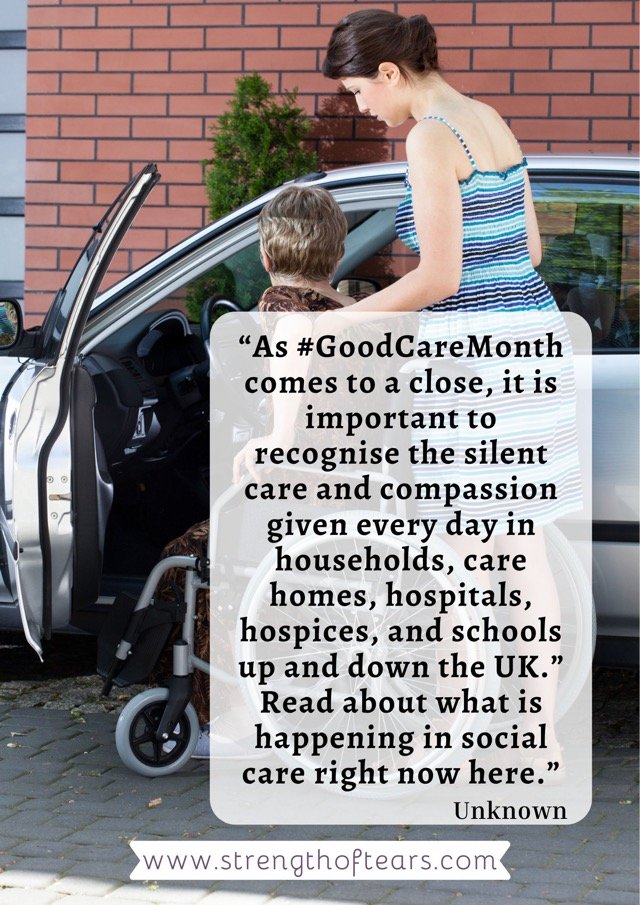
    “As #GoodCareMonth comes to a close, it is important to recognise the silent care and compassion given every day in households, care homes, hospitals, hospices, and schools up and down the UK.” Read about what is happening in social care right now here.

    — Unknown (see link below)

    Read more in this Good Care Month Article by UK Community Foundations

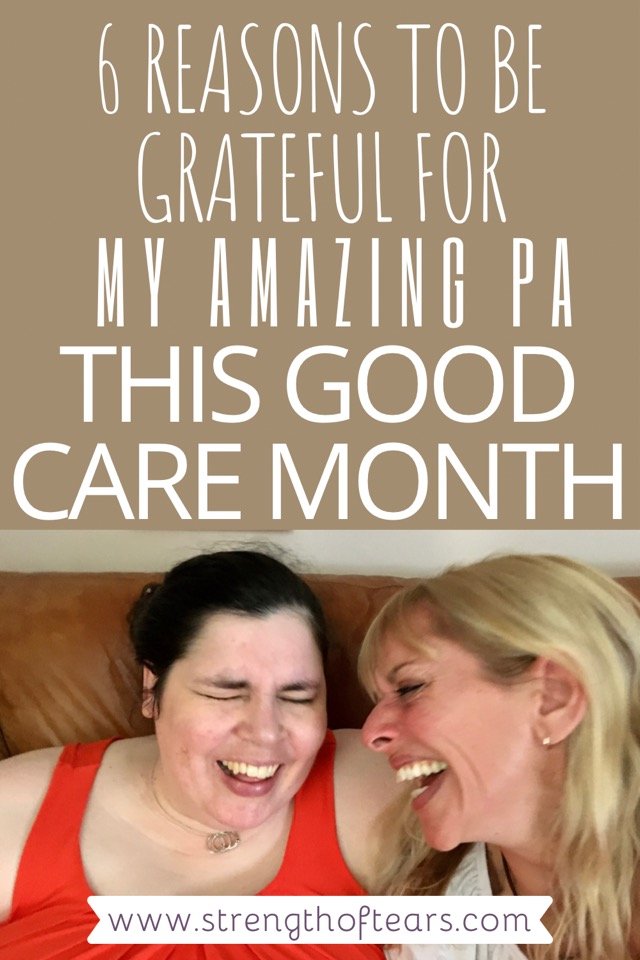
    Carers deserve our appreciation everyday, however, I’m glad to have had this opportunity to show my appreciation for Sam. Learn more about Good Care Month here and find out how to get involved yourselves, I hope these photos show how much joy can be found by having a Carer.

    Best Wishes to you all,

    Laura 💜
    #block-6d92efcbcbe02759f200 .sqs-gallery-block-grid .sqs-gallery-design-grid { margin-right: -20px; }
    #block-6d92efcbcbe02759f200 .sqs-gallery-block-grid .sqs-gallery-design-grid-slide .margin-wrapper { margin-right: 20px; margin-bottom: 20px; }

    ✋ Hey there! I hope you’re feeling stronger now. If so, sharing the love will help me help other mums with chronic invisible illnesses.⬆️  Hit one of those sharing buttons or save these images to Pinterest and I will do a bed-bound happy dance – there’s an image for you!

    P.S. if you’re a Carer or looking to hire a paid Carer or are given the opportunity to do so by your social worker, find out what you need to know with these resources: 

    Are You A Carer – www.england.nhs.uk/commissioning/comm-carers/carers

    Carer’s UK – www.carersuk.org

    Carers Trust – carers.org

    Support for Carers – www.nhs.uk/conditions/social-care-and-support-guide/support-and-benefits-for-carers

    Young Carers – carers.org/about-caring/about-young-carers

    Carers Mental Health www.northtynesideCarers.org.uk/looking-after-your-wellbeing-as-a-Carer
  • How Will New Guidelines Affect People With Chronic Pain In The UK

    How Will New Guidelines Affect People With Chronic Pain In The UK

    How Will The New Guidelines Affect People With Chronic Pain In The UK

    This is the first of two articles I’m writing to highlight concerns about the chronic pain treatment UK. I first became aware of Claire Swain’s campaign to petition the government to review the draft NICE guidelines during the one year consultation period. 

    Although these guidelInes affect millions of patients with chronic pain in the UK, it didn’t get enough signatures in the alloted time. So a new petition was started and helps raise more awareness. 

    The guidelines are written for patient care by a committee of healthcare professionals. I’ll break down the guidelines and share how they affect patient’s quality of life from the perspective of medical professionals and those in the chronic illness community.

    What Are The NICE Guidelines For Chronic Pain Treatment UK

    The National Institute for Health and Care Excellence (NICE) published these guidelines in April 2021 on the assessment of “all chronic pain (chronic primary pain, chronic secondary pain or both)” and the management of chronic primary pain in over 16s.”

    The guidelines clarify that “Chronic primary pain is pain with no clear underlying cause, or pain (or its impact) that is out of proportion to any observable injury or disease.” Chronic pain in the UK is defined as persistent pain, lasting longer than 3 months. 

    Conditions of chronic pain in the UK classed as ‘primary’ pain are given as: “fibromyalgia (chronic widespread pain), complex regional pain syndrome, chronic primary headache and orofacial pain, chronic primary visceral pain and chronic primary musculoskeletal pain.” 

    This response from the British Pain Society concludes that “Chronic primary pain… is difficult to diagnose, even for specialists… Yet the guidance recommends that such patients should only be offered ‘antidepressants’, psychological therapies, acupuncture or group-based exercise.”

    Recommendations for managing chronic primary pain in a “collaborative and supportive relationship” are based on evidence from clinical trials, forming chronic pain treatment UK. However, professionals have raised concerns over the quality of this evidence. 

    The Faculty Of Pain Medicine gave this response to the guidelines. They note their concerns about the risk to patient care for those with chronic pain in the UK, stating the need for ongoing review of “how pain is managed… [for] the full spectrum of patients” 

    Section 1 of the guidelines focus on person-centred assessment, which is largely welcomed for the chronic pain treatment UK. It suggests patients are asked to “describe how chronic pain affects their life, and that of their family, carers and significant others.”

    Sadly, the message that the guidelines for assessing chronic pain in the UK should meet the unique needs of the individual are eclipsed by potential consequences of misinterpreted guidelines. It’s likely that this will become a blanket policy for all with chronic pain in the UK.

    This makes it highly likely that underlying conditions will be missed and pain relief will be withdrawn or not approved for those in desperate need. The guidelines are not mandatory but the chronic pain treatment UK could leave many with little or no quality of life.

    This petition is now closed as there weren’t enough signatures. It said that “A number of commonly used and vital treatments for pain relief and management are no longer recommended, and we believe the new guidelines do not meet the needs of people suffering from chronic pain.”

    Medical Professionals On The Guidelines Impact On Life Quality

    The NICE guidelines have been called out as cruel by experts, such as Pain Concern, who released this response, stating “As we feel the guidance is based upon crafted-together evidence rather than scientifically-strong evidence, then to remove much of the current toolbox seems to be poor timing in our view.”

    The Faculty Of Pain Medicine, The British Pain Society, The Chronic Pain Policy Coalition and the Royal College of General Practitioners released this joint statement in response to the NICE guidelines. It highlights the process for patients with chronic pain in the UK, who already take medication.

    “If the patient declares benefit from the medication then a shared plan can be developed using shared decision making processes, explaining any risks and the lack of evidence. 

    If the patient has no benefit from the medication, then using the same process, a staged reduction plan can be formulated. In all cases, additional or alternative methods of managing pain (as outlined in the guidance) can be explored.”

    This comprehensive response from the Cochrane Pain, Palliative and Supportive Care (PaPaS) focuses on the evidence used by NICE for the chronic pain treatment UK guidelines. It notes how hard it is to measure how treatment affects people with chronic pain.

    Their response says “The committee rightly identified throughout the document that quality of life was of key importance.” But go on to highlight the data chosen and how it was presented in the guidelines, is average due to such a small difference in pain levels.  

    Saying this makes it unlikely to show much difference in areas such as quality of life or sleep for those with chronic pain in the UK. But they add that “There is abundant evidence that large degrees of pain relief are associated with large benefits… in terms of quality of life.”

    They affirm this with clinical trial data from almost 2,000 participants, saying “For fibromyalgia there is good evidence from individual patient-level analysis that those with good pain relief have large benefits in quality of life…(sleep, depression), and their ability to work.” 

    These responses clearly state the potential impact on life quality. It’s clear that the chronic pain treatment UK should be, in most cases, a combination of pain relief and additional methods.

    However, these statements by professional bodies suggest serious concerns about the poor choice of evidence to support these latest NICE guidelines, which is incredibly frustrating. This opens the guidelines up to misinterpretation of the chronic pain treatment UK. 

    The guidelines clearly refer to changes to medication already taken by patients with chronic pain in the UK. Where it’s beneficial, medication shouldn’t be removed. Sadly we’re seeing this isn’t the case for many chronic pain patients, leading to a poorer quality of life.

    How Will Poor Chronic Pain Treatment UK Impact Quality Of Life

    I’m sharing how these guidelines have already affected those with chronic pain in the UK, despite this campaign now being closed. With Claire’s permission I’m using evidence from the campaign, Claire’s experience and comments from my own posts about this. Visit my Instagram here.

    One experience shared via the campaign was a woman who’d experienced medical gaslighting where her pain management team had told her GP to stop her pain medication. In this post she says that her “medication supports her ability to function so she has a quality of life.”

    Here, Spoonie Mama writes “I spoke to my Dr this morning then cried for ages. She was rude and questioned my pain. She told me she wants me off all opiates and I have been taking it for 6 years to help me with breakthrough pain with no problems. On top of that I had major surgery recently and my pain is sky high.”

    These changes in the chronic pain treatment UK, show how the guidelines are being misused and causing distress. There are myriad reports from those who’ve had, or been told, their pain relief will be removed or their pain has been dismissed (Medical Gaslighting). 

    What’s clear from these experiences from the chronic pain in the UK community is that the NICE guidelines are to blame for the impact on patient’s quality of life. When patients, especially women’s, ability to function is questioned they feel the need to prove their pain is real. 

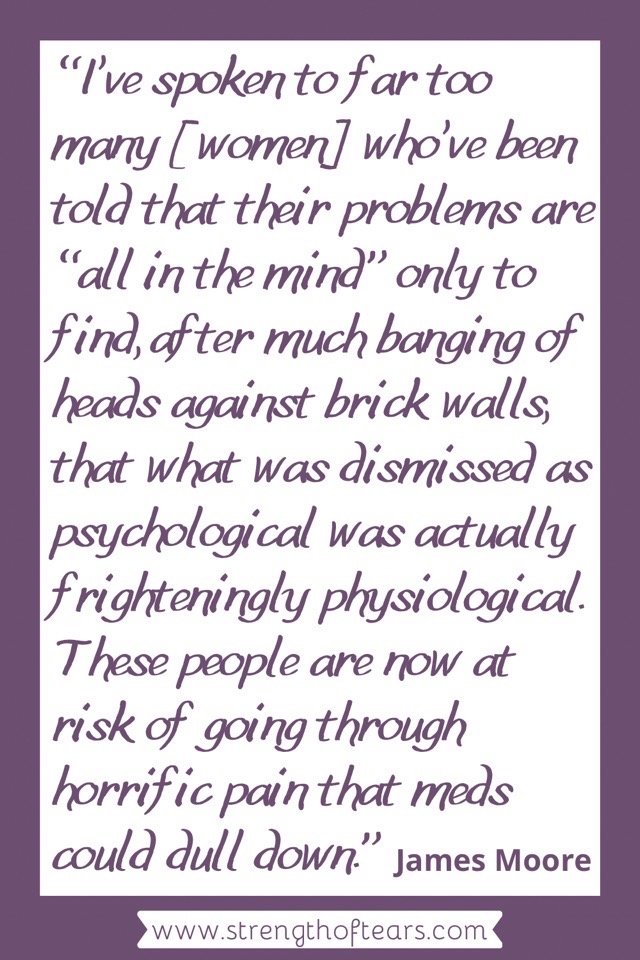
    “I’ve spoken to far too many [women] who’ve been told that their problems are “all in the mind” only to find, after much banging of heads against brick walls, that what was dismissed as psychological was actually frighteningly physiological. These people are now at risk of going through horrific pain that meds could dull down.

    — James Moore

    Writing in the Independent Moore comments on the NICE guidelines recommendations for managing chronic pain in the UK: CBT; ACT; antidepressants; Acupuncture and exercise programmes. He says “the idea that a run around the block will zap the torment of people in chronic pain is patently ridiculous.”

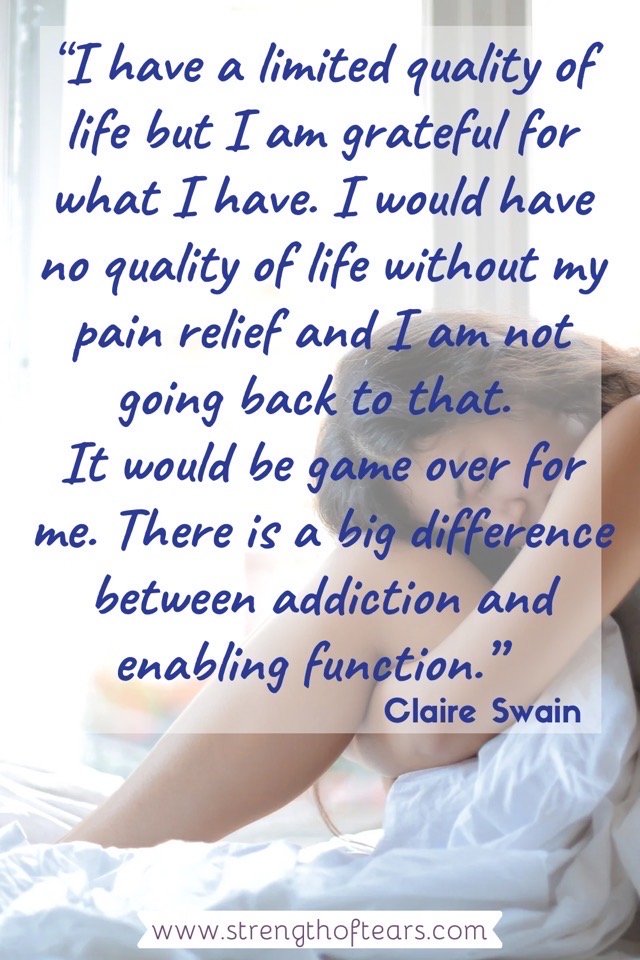
    Claire Swain is navigating and sharing her own experiences. She wants to be clear that it isn’t that the approved treatments are bad as they may work for some, but there’s vast numbers for whom they don’t work or only work in combination with pain relief medicine. In this post she says:

    “I have a limited quality of life but I am grateful for what I have. I would have no quality of life without my pain relief and I am not going back to that. It would be game over for me. There is a big difference between addiction and enabling function.” Claire Swain

    On one of my own posts to raise awareness of this campaign, Karen commented: “Taking these pain medications away has already led to suicides! We are not saying alternatives, such as acupuncture (although it didn’t for me) don’t work but in conjunction with pain relief, not instead of!!” Check out her profile here.

    When I think about what quality of life is for me, I think of being a Mum, wife, writer and friend despite spending most of my days in bed. What’s most important to me is connection, love, laughter and being there for my kids. I can do it all if I have the support I need.

    None of this would be possible for me without pain relief. Managing my pain means that I can be engaged in life. But if I didn’t have this pain relief I wouldn’t be able to move, not even lift my head off the pillow! How’s that for quality of life?

    I’ve experienced chronic pain since 2014, saying in this blog “After I’d blacked out… my pain levels were so high, I was shaking… My GP prescribed a cocktail of pain relief, including Oramorph… My chronic pain conditions [leave] me unable to do anything.

    The Takeaway…

    These testimonies show that patients with chronic pain in the UK are losing their quality of life because the NICE guidelines aren’t clear about the withdrawal of medication. Doctors are already treating the guidelines as a blanket approach and removing pain relief incorrectly.

    This statement from the Faculty Of Pain Medicine highlights that healthcare professionals must make these “decisions appropriate to the circumstances of the individual patient, in consultation with the patient and/or guardian or carer.”

    The recommended alternatives to pain medication won’t work for many patients with chronic pain in the UK but if used alongside pain relief they may enable better function. It’s vital that GPs know chronic pain is torture and for many of us, painkillers are vital for our sanity.

    All we really want from the chronic pain treatment UK is the ability to individualise how we manage our pain with the support of medical professionals. We should not need to prove our pain is real for this to happen. With support we have a quality of life, which is priceless.

    And Finally…

    I’d like to thank Claire and her team who have worked so hard on this campaign. She said “The campaign has a Team that I am beyond grateful for their support and hard work.”

    • Sasha Twinham

    • Ann Sinclair

    • Kelly Brownell

    • Terri Hester

    • Niki Boswell

    • Leanne Robson

    • Jackie Low

    • Georgia Siobhan

    • Julie Andromeda Mao

    Laura 💜

    #block-819524691f83f63e5f85 .sqs-gallery-block-grid .sqs-gallery-design-grid { margin-right: -20px; }
    #block-819524691f83f63e5f85 .sqs-gallery-block-grid .sqs-gallery-design-grid-slide .margin-wrapper { margin-right: 20px; margin-bottom: 20px; }

    ✋ Hey there! I hope you’re feeling stronger now. If so, sharing the love will help me help other mums with chronic invisible illnesses.⬆️  Hit one of those sharing buttons or save these images to Pinterest and I will do a bed-bound happy dance – there’s an image for you!

  • Emerging Strong From My Chronic Pain Conditions Challenge

    Emerging Strong From My Chronic Pain Conditions Challenge

    Emerging Strong From My Chronic Pain Conditions Challenge

    Emerging Strong From My Chronic Pain Conditions Challenge This story is about the impact chronic pain conditions have had on my life. I have a rare brain disease called Idiopathic Intracranial Hypertension or IIH, as well as Migraine and Hypothyroid…

    This story is about the impact chronic pain conditions have had on my life. I have a rare brain disease called Idiopathic Intracranial Hypertension or IIH. I also have Migraine and Hypothyroidism and have bouts of depression and anxiety.

    I’ve worried about an unknown future as I’ve had the challenge of a rare condition and misunderstood diseases. I felt frustrated by the doctors who didn’t listen to me. Knowledge is power so I became my own advocate to find the right treatment plan.

    I feel like a strong Mum as I emerge with my story today. However, the reality is that I still face challenges every day. I do still have wobbles and mini meltdowns making occasional appearances but I have the strength to get through it, 

    My family and friend’s love enables me to embrace every day. I want you to feel empowered to raise awareness of your condition and challenges you face too. Anxiety is still what challenges me the most so read about my coping strategies here.

    Living with chronic pain or illness is different for everyone but by reassuring you and giving practical advice, I hope I can support you on your journey. The solutions and strategies I’ve tried, help me and my family live a mostly balanced life. 

    Disclaimer.jpeg

    My Life Before Chronic Illness

    I met my husband Joel at University when I was training to be a Primary School Teacher. I’d already trained and worked as a nanny and I loved being in the classroom, seeing the children grow. Joel’s ability to draw at midnight was a bonus. 

    We moved to Hove when I got my first job, teaching children ages 4-8 from mixed backgrounds. I stayed at the school for 11 years, working with multicultural children, children with special needs and integrating kids with autism from the specialist unit.

    Joel and I married in 2003 and had a baby boy a year later. Eldest taught me how different looking after other people’s children is than your own, but I was still strict in both roles. I adored being a mum and we had another baby boy 21 months later.

    We nearly lost Youngest at birth who was born quickly with the cord tight around his neck. He was taken to the special care ward whilst I was sent back to the maternity ward, surrounded by mums with their babies. I’d never felt a sense of loss like it. 

    That night he had a 4 hour seizure and we were told to prepare for the worst. Thankfully he just pulled through but they couldn’t find a cause. It was put down to trauma and 11 days later we came home. We had another 5 day stay weeks later. 

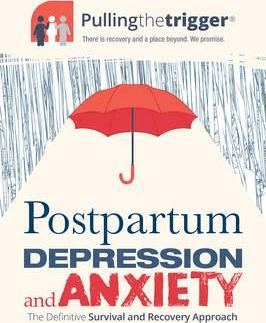
    Youngest was given the all clear aged one but it had taken its toll on Joel and I. I developed postnatal depression and severe panic attacks. I asked for help and went to counselling. Since then we’ve valued and always worked on our mental health.  Read this easy to use self help book about postnatal depression. 

    Postpartum Depression and Anxiety : The Definitive Survival and Recovery Approach

    Postpartum Depression and Anxiety : The Definitive Survival and Recovery Approach

    The Day My Physical Health Changed

    One day in 2009, aged 32, I woke with a sudden sharp pain around and behind my right eye. Standard painkillers didn’t help the pain, which was so severe I cried with every movement. I was signed off work for two months whilst my GP tried to help me. 

    I was misdiagnosed with infections and 2 chronic pain conditions before I was finally diagnosed with atypical migraine. I was given strong, preventative medication which my body took months to get used to. I had a phased return to my part time hours.

    Although the medication worked I still had low level constant pain, affecting family life and interfering with weekend plans. So I explored alternative therapies until I found a cranial osteopath who helped me live less painfully and our family more happily. 

    We could travel again and had many family adventures. The best thing was not being sensitive to sound so I could go to gigs, swim and watch the boy’s school shows. I aimed high and was promoted to an Early Years specialist and Senior teacher.

    Becoming A Chronic Pain Sufferer

    I started having migraine attacks every weekend. Then in January 2014 I had an attack that wouldn’t ease so my GP did an urgent referral to a neurologist who said my migraine had become chronic. Sadly that pain’s still with me years later. 

    I tried to push on but it was unbearable, I took sick leave, thinking I’d find a solution with traditional medication and natural therapies. Over the next 8 months I tried every migraine medication, elimination diets, reiki, reflexology and more but nothing helped.

    I couldn’t teach and began worrying about the future for myself and my family. I kept fighting it but the neurology team didn’t seem to care. I’d be upset on the phone to the nurse due to unbearable pain and she’d tell me to talk to my GP about ‘my mood’. 

    My tears fell from frustration of being unheard and the unrelenting pain that seemed different to the migraines I knew. So I researched constant headaches and a new symptom jumped out at me; the ‘whooshing’ in my ears was pulsatile tinnitus (PT).

    This was the first piece of the puzzle so I joined an online support group. I heard of a PT specialist in Cambridge and boy was that long car journey to see him worth it. He took my situation seriously and suspected Idiopathic Intracranial Hypertension or IIH

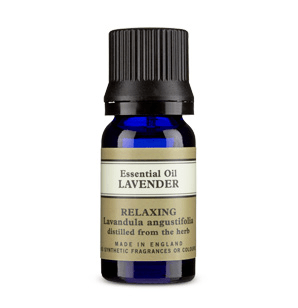
    I had to wait for the tests to confirm this and was told this would be a long process. I was on the migraine medication Merry Go Round, spending months weaning myself on and off of high doses of preventative medicine. Nothing improved my symptoms, although I got a little relief from using aromatherapy oils, especially this Neals Yard Lavender Essential Oil.

    My neurologist found out that I’d sought this second opinion and he refused to treat me. I knew I still had migraine so I was devastated. As the months went on, the ‘long process’ felt like forever. The pain lay heavy on me so I became severely depressed.

    I was losing my sense of self and felt left to rot. My GP was concerned so ran blood tests which showed I’d also developed Hypothyroidism. This explained the amplified feelings of hopelessness. My life became a chronic pain conditions balancing act.

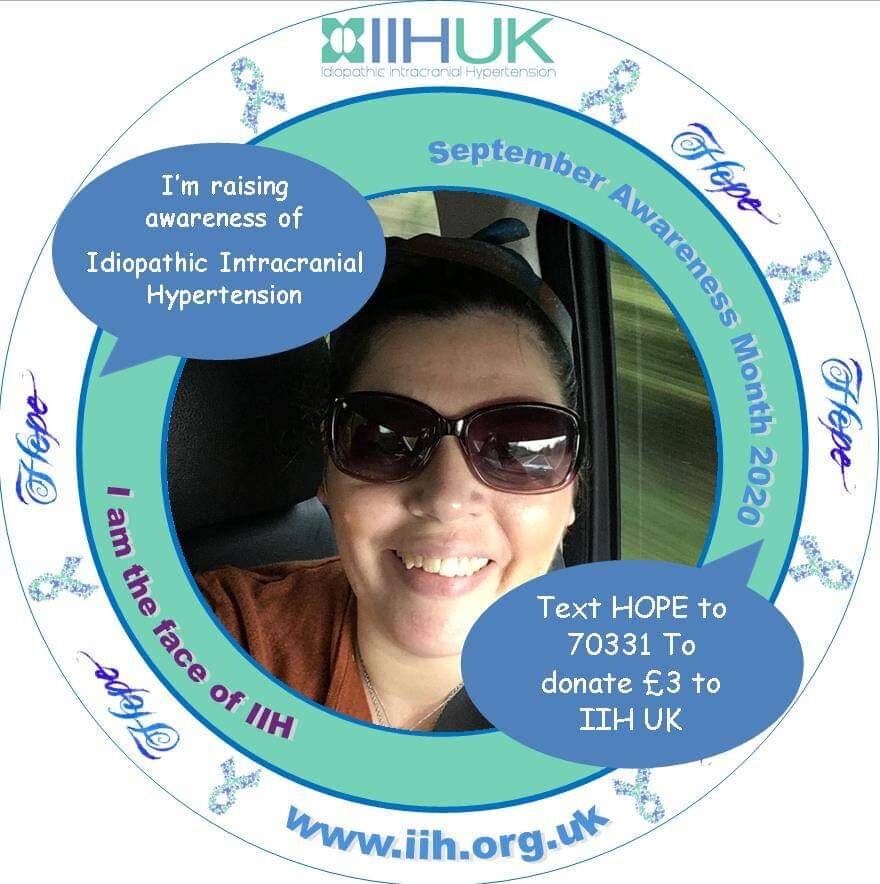
    Idiopathic Intracranial Hypertension IIH Donate.jpeg

    Donate To IIH UK

    Improve the lives of sufferers

    What is IIH And Could I Have It? 

    IIH is associated with raised fluid pressure around the brain. The fluid that cushions the brain is called cerebrospinal fluid (CSF). It can cause disabling daily headaches and visual loss, which can be permanent.

    — iihuk.org.uk

    I started researching the symptoms of IIH, although I knew I didn’t have eye (optic) nerve swelling, called papilloedema. I was convinced I had it despite the headache specialist I saw shutting down my questions about IIH, as I didn’t have papilloedema. 

    IIH without Papilloedema (IIHWOP), is a very rare type of IIH. Less is known about it and many Doctors deny it exists. But the Cambridge team were working with other patients with similar symptoms to me so sticking with them was the best decision. 

    To be diagnosed with IIHWOP you need brain scans and a lumbar puncture (LP). Your explanation about the details of your symptoms is vital so I needed to document my experiences so I could give the specialists a clear picture of what was happening. 

    IIHWOP affects people differently so someone may have some or all of these most common symptoms. They may have additional symptoms too but all impact your quality of life. These are the most reported symptoms – read more about this here.

    • Headaches

    • Pulsatile tinnitus (PT)

    • Visual obscurations – temporary black outs or grey outs

    • Blurred or double vision 

    • Photopsias – short term flashes of light

    I still suffer with the same symptoms I had originally although the intensity changes. As well as PT, I have constant pain in my head, neck and around my right eye. I get very nauseous and have poor mobility; I can get dizzy, black out and stumble or fall. 

    I also suffer with brain fog, a type of cognitive dysfunction involving memory problems, lack of mental clarity and an inability to focus. This is linked to all of the chronic pain conditions I have but it has  improved with each surgery I’ve had for IIH. 

    IIH has left me disabled and bed-bound most of the time. I used to feel guilty about how this limits what I do but now I live day by day, saving my energy for family and friends. My family is about living a happy life, full of laughter and making memories.

    The Challenge To Get Treatment 

    My CT scans showed narrowing of blood vessels in the transverse sinus. This is part of the system acting as a conduit for the blood needed to oxygenate the brain. Watch how blood should drain into the dural sinuses through the internal jugular vein.

    This means I have restricted venous outflow so fluid builds up in my skull, causing a pressure cooker feeling. Headaches are a symptom of all my chronic pain conditions, so I’ve documented how they affect me to help me get the treatment I need. 

    However, getting the treatment for such a rare disease isn’t easy. Nothing was worse than a trip to A&E in late 2014 at the end of an intense weekend after I’d blacked out for the first time. When I finally saw a doctor she would only give me paracetamol! 

    My pain levels were so high, I was shaking as my legs felt like jelly.My GP prescribed a cocktail of pain relief, including oramorph, the following day. Of all my chronic pain conditions, IIH was the hardest to control, often leaving me I able to do anything. 

    This was a new level so Joel pushed for Cambridge to do the diagnostic tests. I was officially diagnosed with IIHWOP after the consultant listened carefully to how well the LP had temporarily reduced my pain levels, despite my LP result being low.

    My treatment plan, however, was delayed for over a year as their trial was under review. In 2017 I had my first of six surgical treatments. I’ve had skull and spine surgeries to create room for my veins and brain stents to reduce CSF build up. 

    The Truth About Living With Chronic Illness.jpeg

    The Truth About Living With Chronic Illness

    The truth is that living with chronic pain conditions tests your limits. We knew it would be a marathon, not a 10k race but I’ve had to accept that I need walkers, a stairlift, a wheelchair, and my gig ear plugs, to make it possible for me to go out on better days. 

    Joel’s my main carer and my boys are young carers for me. I also have a PA here each weekday lunchtime who is like a family member now. She ensures I eat and wash. She cooks, does laundry, keeps things tidy and is perfect company for me.

    Joel, myself and the boys have had to adjust how we live day to day with chronic illness in the mix. But by learning how to communicate effectively we’ve developed a stronger bond. The boys have become independent and resilient. 

    This is key to being able to thrive despite challenges. We work as a team to develop and encourage personal growth. My teaching skills have helped me facilitate finding solutions by making time to reflect on life whilst being mindful. 

    Joel’s always been more spontaneous than me so I’ve learnt how to make the best of my good days. I still love seeing friends or going out to eat but I have to be aware that all activity has consequences with high pain and sleep disturbances afterwards.

    We’ve created new routines to make the most of the time we have. We plan time together, such as family get-togethers and date nights. The boys tell me about their day and Joel and I make time to talk about how we’re feeling. This pays off long term.

    I know I’m so lucky to have Joel guide and stand by me through the toughest times and enjoy the good when we can. Chronic pain conditions impact your relationships so you have to make time for each other and find ways to release the stress. 

    The Chronic Pain Conditions Lifestyle Lowdown 

    Life can change overnight when you develop chronic pain conditions or mental health problems. When that involves family, your relationships change too. My story shows this and how we’ve succeeded by mixing plans with a day by day attitude. 

    Some people are diagnosed quickly with fairly common conditions, some spend years searching for a diagnosis. Wherever you are on your journey, it’s vital to learn about your condition and its symptoms so you make informed choices for treatment. 

    Any diagnosis leads to questions and concerns about the future. I believe that this is when you need a sense of purpose, especially when facing big changes and decisions. This is why I began blogging about my journey to raise awareness. 

    I’ve worked hard on my well-being to cope with the depression and pain that can hold me back. I refuse to let it win so I use distraction tactics. I am creative, I meditate and try to put myself first. Read about how I prioritise my wellness needs here.

    My husband struggled with his mental health and as our boys were young we chose to do family therapy. Thankfully my husband and children supported me in the good, bad and horrendous times. We built strategies to build good mental health for us all.

    Developing routines and structure leads to healthy communication which has made our family an awesome team. With their support I’m now emerging strong with hope and determination to get through hard times and enjoy the good.

    Stay safe
    L 💜

    P.S I can help you create better wellbeing strategies for living with chronic pain conditions. Download my free well-being planner here to prioritise your needs. If you want to get on a waiting list for updates on my first ever well-being product, please sign up to my newsletter below.


    ✋ Hey there! I hope you’re feeling stronger now. If so, sharing the love will help me help other mums with chronic invisible illnesses.⬇  Hit one of those sharing buttons or save the images to Pinterest and I will do a bed-bound happy dance – there’s an image for you!

    #block-yui_3_17_2_1_1599483536273_21920 .sqs-gallery-block-grid .sqs-gallery-design-grid { margin-right: -20px; }
    #block-yui_3_17_2_1_1599483536273_21920 .sqs-gallery-block-grid .sqs-gallery-design-grid-slide .margin-wrapper { margin-right: 20px; margin-bottom: 20px; }