Tag: mental health issues

  • What You Need To Know About The Mental Health Benefits Of Journaling
    What You Need To Know About The Mental Health Benefits Of Journaling

    What You Need To Know About The Mental Health Benefits Of Journaling

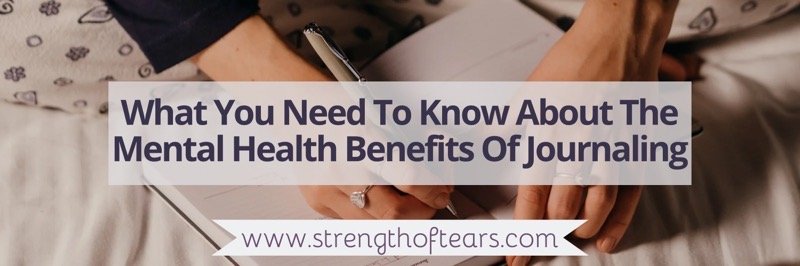
    A white woman’s hands and black sleeves show her writing in a journal with a silver pen. The writing over the top says What You Need To Know About The Mental Health Benefits Of Journaling

    Journaling is a way of recording your thoughts, feelings, habits, and gaining insights for your personal development. It can look different for each individual, some record digitally and some use paper, and it can be written or drawn. It takes work but it’s worth it for the good impact journaling has on mental health.

    Journaling has helped me cope with my Mental Health issues since I became chronically ill with migraine disease and was traumatised by the lack of support and, what I now know was, gaslighting from my neurology team. 

    The stress I was under as I tried for months to get a diagnosis, unable to work as a teacher, was immense. Even when I was diagnosed with IIH, a rare brain disease, I became depressed and had extreme anxiety as I had to wait for over a year for treatment so I had support from a mental health professional. 

    Whilst facing these challenges I started journaling about my situation as a way of exploring the difficult feelings I had, for example, writing about grieving for the life and career I’d lost. 

    This helped me work through this extremely emotional phase and I was able to rant without my loved ones being in the crossfire. Writing about my difficult emotions, whilst living with chronic illness, helped me so much that I’ve written about the benefits journaling has on our mental health when done safely. 

    I have also created an epic coaching journal for mental health that is written to ensure you’re not isolated in the process. The Journey To Balance Journal will help you understand yourself and your mental health needs better. You can buy the journal by clicking here. 

    You need this 400 page coaching journal!

    Forget the trends and get ready for the journal you need as a busy and stressed out mum.

    It is split into 4 sections:

    Emotional Health Coaching

    Goal Setting For Whole Well-being

    Undated Monthly and Weekly Planner

    Emotion Based Journal Prompt

    Journaling is different for everyone, some use it to record parts of everyday life, whilst others use it as an exercise to process experiences, negative thoughts and feelings. Putting these things on the page helps you take back a sense of control. Psych centra says in this article that:

    “journaling is a powerful, evidence-based strategy that you may find helpful for managing mental health conditions and stress.”

    The mental health benefits of journaling can be powerful, helping you process stress, trauma, and difficult emotions. These are some of the ways that journaling can support you:

    • Reduces stress and anxiety

    Writing about your thoughts and feelings can help you reduce their intensity and therefore loosen their hold over you, reducing symptoms of stress and anxiety.

    • Improves mood

    Journaling can help you focus on the positive aspects of your life, which can improve your mood and increase feelings of gratitude.

    • Enhances self-awareness

    Journaling can help you become more self-aware as you reflect on your thoughts and behaviors. This can help you identify patterns that are causing stress or holding you back.

    • Boosts creativity

    Writing can stimulate the creative parts of your brain and help you come up with new ideas and solutions to problems.

    • Increases mindfulness

    Mindfulness is being present in the moment. Journaling can help you practice this by focusing on your thoughts and feelings in a non-judgmental way.

    These mental health benefits of journaling show that it’s simple and effective to use journaling to improve your mental health. Regularly taking time out to reflect on your thoughts and emotions helps you develop strategies for coping with stress.

    What Should A Mental Health Journal Feature?

    Here are some elements that can are often utilised for each individual’s needs in a mental health journal:

    1. Mood tracking is one of the most important features, involving recording your mood each day so that you can analyse patterns and look at what may affect your mood. By identifying triggers, you can evolve strategies to manage them.

      This is a key feature in the Journey To Balance Journal, based on the theme of the journal and the emotion coaching in the self-help section of the journal. Over a month you record your daily mood on this graphic, colouring in using the key. There’s also space to document how triggers impact your mood.

    2. Daily gratitude log allows you to practice gratitude, which is important in promoting mental wellbeing. This exercise helps you beat negative self-talk which can stifle your personal development and impact your mood. Learn more about how to overcome this by reading my blog about beating toxic self-talk.

    I set out to ensure that the ‘Journey To Balance’ mental health journal encourages positive self-talk by having a segment where you write down what you are grateful for each day. It’s a quick and easy way to help you maintain good mental health. 

    3. Self-care habits are one of the mental health benefits of journaling, building self worth by tracking your self-care activities. Using a habit tracker can help you set goals for things that make you feel good and improve your well being. You can adopt and keep up habits such as exercise, meditation or any other activities that promote self-care.

    Recording your self-care activities on the habit tracker in the Journey To Balance Journal will help you feel motivated and committed to doing self-care. In the long run, achieving your goal to make these activities habits will improve your whole life.

    “In a nutshell, your health. wealth, happiness, fitness, and success depend on your habits.” – Joanna Jast

    4. Thought records, according to this NHS information, is a common cognitive behavioural therapy (CBT) exercise. It is explained in full here as the practice of recording and studying your thoughts and feelings about a situation so you can understand the link between your thoughts and behaviours. 

    As explained in the daily gratitude section this is a helpful tool that allows you to identify and challenge negative thought patterns. The gratitude log is part of this section of the Journey To Balance Journal for mental health. Record the thoughts and feelings you have throughout the day, so that you can process your emotions and reframe negative thoughts and feelings.

    5. Regular Reflections is a core self care activity. I discuss how this activity and others lead to emotional development in this blog (link). I explain how self reflection is vital for meeting our goals and improving ourselves through regular self care.

    In the Journey To Balance Journal for mental health, I’ve ensured that there are activities in the prompts section and space for deep work in the monthly reflection area. This is what makes it a powerful self awareness book as it helps you gain real insight into your thoughts and feelings. 

    These features should be personalised to your specific needs and goals in a mental health journal. They can be a powerful tool for promoting self-awareness, identifying patterns, and working towards positive mental health outcomes.

    Quick Guide: How Is Journaling Good For Mental Health? 

    From my own experiences with chronic conditions, I have found journaling a helpful tool for balancing my mental health. I used it as an opportunity to explore the difficult feelings I was experiencing as I grieved the life I’d known pre chronic illness. 

    Journaling helped my mental health during this difficult time period and has continued to do so as I manage the challenges of chronic illness. Journaling gives me space to shout about it without aiming my negative emotions at my loved ones. 

    It isn’t just me using journaling to process big emotions, in fact it’s well documented that journaling is good for mental health. I found research, such as this WebMD article, that explains that the mental health benefits of journaling include reducing stress, building self-awareness, regulating emotions, and breaking the cycle of obsessing over negative experiences. 

    In Conclusion…

    Journaling is good for your mental health. Recording your thoughts and feelings can be therapeutic, helping you process difficult emotions and experiences. Writing about stressful events can help you make sense of them. 

    Journaling helps you gain a deeper understanding of yourself, your values, and your priorities. It can help you explore new ideas and perspectives and can be a helpful tool for tracking progress towards goals and reflecting on personal growth.

    I know that writing about my difficult emotions whilst living with chronic illness helped me, so I have written the Journey To Balance Journal to include the 5 key features of a good mental health journal: Mood tracking, gratitude journaling, self care habits, thought records and reflections. 

    This journal for improving mental health puts emotional development front and centre, so that it has a positive impact on your mental health. Chronic illness life comes with many difficult feelings so the Balance Journal allows you to: 

    • Write freely to help you understand yourself better

    • Rant about difficult situations without it being aimed at loved ones

    • Use the coaching aspect of the journal to create a safe space to explore your emotions

    Overall, journaling can be a valuable tool for improving mental health and well-being. It’s a simple and accessible practice that can be tailored to meet your unique needs and preferences.
    #block-cb49c1408f6e510e0199 .sqs-gallery-block-grid .sqs-gallery-design-grid { margin-right: -20px; }
    #block-cb49c1408f6e510e0199 .sqs-gallery-block-grid .sqs-gallery-design-grid-slide .margin-wrapper { margin-right: 20px; margin-bottom: 20px; }

    ✋ Hey there! I hope you’re feeling stronger now. If so, sharing the love will help me help other mums with chronic invisible illnesses.⬆  Hit one of those sharing buttons or save these images to Pinterest and I will do a bed-bound happy dance – there’s an image for you!
  • How To Know If You Have Significant Mental Health Issues

    How To Know If You Have Significant Mental Health Issues

    How To Know If You Have Significant Mental Health Issues

    Trigger Warning: This post discusses mental health problems, including suicidal thoughts, self-harm and eating disorders. 

    Do you feel as if something isn’t right but can’t pinpoint it? Don’t worry you’re not alone as you may be displaying mental health symptoms. In fact, millions of people struggle with these conditions daily. 

    Mental illness affects everyone at some point in life, whether it’s for a few days or years.  It can be difficult to identify due to the many different types of mental health issues. So it’s important to know what mental illness looks like to get support.

    I’m not a mental health expert but I know what it feels like to live with depression, anxiety and trauma. I’ve had bouts of depression since becoming a Mum and when I first became chronically ill, grieving the loss of the life and career I loved. 

    I want others to know they’re not alone with mental ill health so I share warning signs and a mental health symptoms checklist. Then I explore 3 symptoms that get overlooked which could help you identify what mental health treatment you may need. 

    Some Warning Signs Of Mental Health Issues

    They’re are many different mental illness symptoms, but there are some general warning signs for anxiety, depression, and stress; as symptoms vary between people and sometimes even for an individual. The most common symptoms include changes in sleeping habits, isolation and sudden mood swings.

    Self-harming is one of the common mental health symptoms but I haven’t experienced this myself but know people who have. If any of these symptoms persist and interfere with your ability to study, work or relate to others, please seek help.

    Anxiety disorders involve excessive fear and worry. Some people feel anxious all the time, while others experience panic attacks that come on suddenly. Anxiety may also cause sleep disruption with people struggling to put the day’s worries away.

    Anxiety is when you worry about things you cannot control. It can make you feel tense, nervous, restless, and irritable, and avoid social situations.

    I created a free Anxiety Busting Exercises Download based on strategies I use myself. Just click below to get your copy now!


    Depression is characterised by unwavering sadness and loss of interest in activities that once brought pleasure, it can take over everything and has a significant impact on your life, affecting your eating habits, energy and concentration. 

    Many symptoms of depression are well known but it can also make you feel sick with guilt, have low sex drive, and lack of energy. If you worry someone you know may have a mental health issue you need to ask a few times how they are and just listen to them fully. Simply be there. Read more about depression warning signs here so you know.

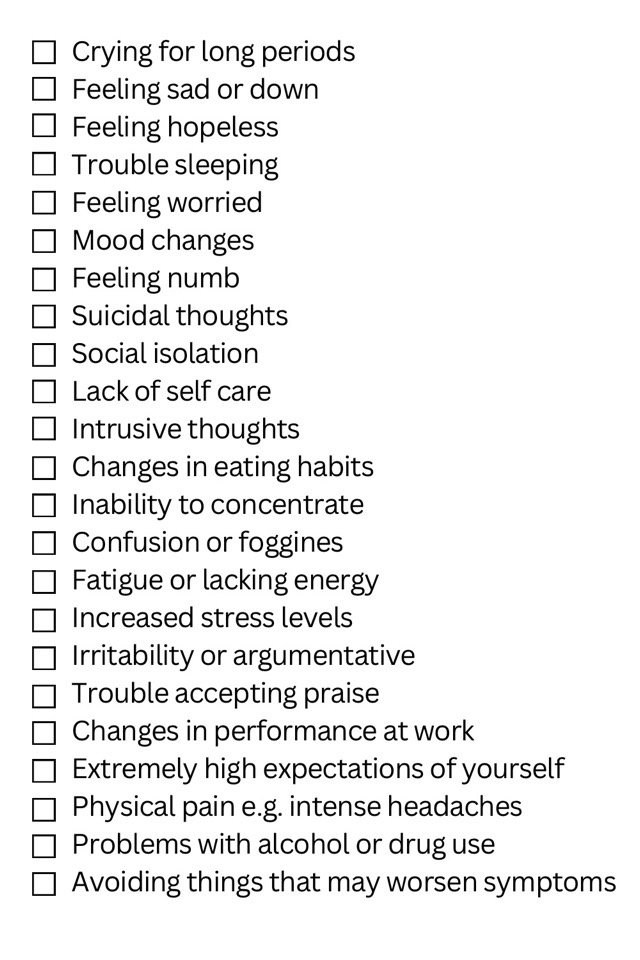
    Mental Health Symptoms Checklist 

    One or two symptoms alone don’t mean you have a mental illness but it may indicate a need for further evaluation. If you experience several at one time and the symptoms are causing serious problems you should see a doctor or mental health professional. 

    I was a young teenager when I first experienced anxiety but I had no idea that’s what it was. I struggled in social situations and was argumentative. I worried all the time, often laying awake worrying but I thought I was just being fussy. 

    Then when my baby was born sick and he was in NICU, I was a mess. My husband tried to take me out for a walk but I had trouble breathing. The Dr checked to see if it was a pulmonary embolism but they said I’d had a panic attack. 

    Once home, I couldn’t cope and my anxiety spiraled. I couldn’t cope and pushed my husband away so I could be in control of what I had to do, being mum to our boys who were both under 2. The traumatic experience was extended and I began having suicidal thoughts so I got mental illness treatment quickly.

    I saw a counsellor immediately, which (I didn’t realise) meant they were genuinely concerned I may try to take my life. I was mostly in a daze but doing the mental health symptoms checklist, helped me see the severity of my situation. My past trauma and this one had collided and triggered my anxiety.

    Symptoms vary widely depending on the tests, some being free online test. These are helpful to gain perspective, rather than for self diagnosis. The most common issues are in this mental health symptoms checklist. Please only use it as a kick-start to a professional test for mental illness treatment.

    Rate these based on how often and strongly you experience these symptoms. Rate from 0 being never and 5 being always:

    Remember you will experience some of these in the course of everyday life. It is meant to help you take a few steps back and look at the bigger picture to see if these signs are likely to be caused by depression, anxiety or other mental health disorder.

    Being honest with your health care provider is crucial to improving your mental illness symptoms. But if you rated highly for suicidal thoughts or have had any intention to harm yourself or others, seek immediate medical attention. Call 999 (UK), your doctor or speak to your country’s mental health helpline. 

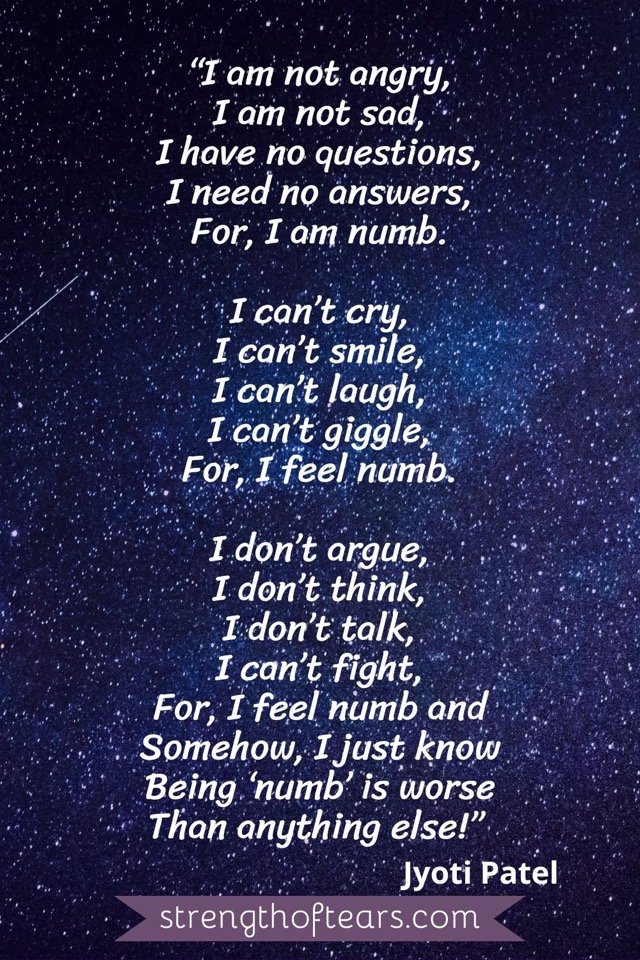
    Another symptom on this mental health symptoms checklist that needs fast intervention is feeling numb. This is also called Emotional numbing and can leave you desperate. You may want to feel so much that you self harm or seek danger.

    Emotional Numbing

    If you relate to this you need urgent care!

    If you relate to this not feeling; emotional numbing, you’re not alone but you need urgent care. This feeling can be managed with mental health treatment. Read the full article on here.

    3 Toxic Mental Health Symptoms That Are Being Overlooked

    Some mental health symptoms can be a warning sign for early intervention, but are often overlooked. Everyone has heard of these aspects of emotional well-being but they are not usually associated with serious mental health problems. 

    These 3 traits can become toxic. Toxic behaviour is when a person’s behaviour and actions cause harm physically or mentally. This is usually a toxic person spreading negative behaviour, stressors or trauma. Toxic behaviour isn’t considered a mental health disorder but is caused by mental ill health. 

    Sometimes that person can be you! It can happen because others around you also exhibit toxic characteristics, adding negativity and stress to your life. Here I look into 3 traits that can become toxic to yourself so you can get help quickly.

    Toxic Stress

    Toxic, or chronic stress, occurs when the brain’s fight or flight response is triggered too often, for too long, or is triggered by multiple sources. Toxic stress normally only happens when there are many, persistent and severe stress factors.

    The stress response is designed to warn us when there is a perceived threat. This activates the release of hormones such as adrenaline and cortisol. Learn more about the stress response in this blog about anxiety.

    If you experience prolonged stressful events you may find a negative influence on your physical health and mental health symptoms, such as substance abuse and inability to focus. 

    Research shows that supportive, responsive relationships with caring adults, especially in early life, can prevent the damaging effects of toxic stress. Relaxation, like meditation and yoga, counteract high stress levels and reduce the physical aspects of the stress response such as heart rate and breathing. 

    Change in appetite

    Toxic hunger is a physical addiction to a diet high in processed or ‘junk’ foods that are excessively sugary, salty or oily. These ingredients aren’t found naturally and are designed to give you a dopamine high. You become more likely to avoid natural, nutritious food. 

    Mental health symptoms can lead to a loss of appetite or to binge eating comfort food for short term relief. Toxic hunger symptoms are usually feelings you’ve learnt to interpret as hunger but are actually signs of your body’s toxicity: 

    • Headaches

    • Cravings

    • Dizziness

    • Nausea

    • Shakiness

    • Irritability

    • Fatigue

    • Brain fog

    Toxic hunger can be accredited to the time of day, food cravings and alcohol intake. It’s very easy to slip an extra snack in, if you eat outside of your normal routine. Cravings can also be linked to activities, such as having popcorn at the movies, or a kebab after a drink at the pub.

    Simply put, this means you need to check your hungry status and ask if you’re really hungry as toxic hunger comes from the head and stomach. Don’t replace mental health treatment with eating your feelings or starving your anxiety. 

     Toxic Perfectionism

    This is often only alluded to on mental health symptoms checklists but the 24/7 world of filters and perfect pictures can easily distort your view of an ‘ideal life’. This can lead to setting goals influenced by the outside world, instead of meeting your needs. 

    Perfectionists often think that ‘perfect’ is an achievable goal so have unrealistic expectations. If there’s any deviation from the perfect end-point it is seen as a grievous failure. Researchers link perfectionism to mental ill health as you become convinced that others expect you to be perfect. 

    Once you set yourself these goals, it inevitably leads to an expectation of everyone around you meeting your standards. As nobody can meet these, it makes it difficult to maintain a healthy relationship. 

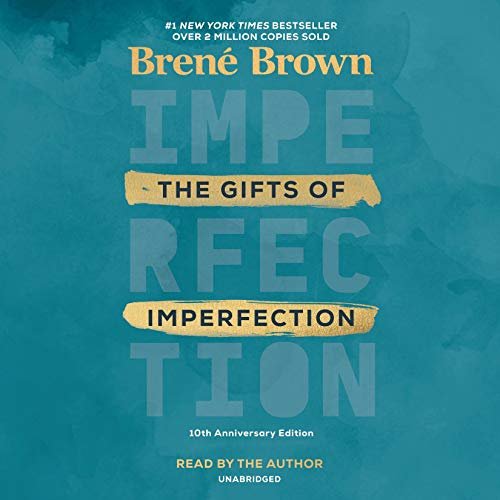
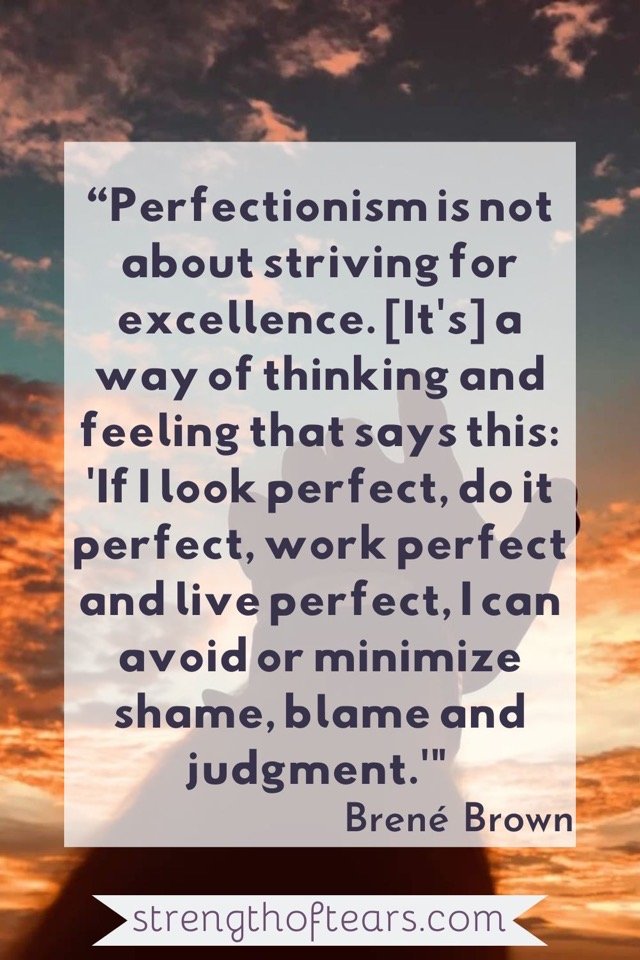
    As a recovering ’perfectionist’, I’ve felt empowered to leave certain practices behind by reading Brené Brown’s work. She talks about perfectionism being a shield we use to stop us being hurt but instead we hide fearing we’re going to be caught out as not perfect. 

    Perfectionism is not about striving for excellence. [It’s] a way of thinking and feeling that says this: ‘If I look perfect, do it perfect, work perfect and live perfect, I can avoid or minimize shame, blame and judgment.’”

    Brené Brown

    How Toxic Living Affects Your Mental Illness Treatment?

    The hallmarks of a toxic person include unsupportive and unpleasant behaviour, being manipulative, judgemental and controlling. If this is you, you’re living in a cycle of negative self-talk which affects everyone around you.

    You will probably experience mental illness symptoms and are likely to have either depression, anxiety, PTSD, BPD, etc. If you recognise this in yourself please seek mental health treatment. You can start practices to kick out toxic behaviour. 

    My Journey To Balance Journal can help you develop self awareness of your behaviour; develop your values and live by them, grow empathy and compassion; evolve into a person who thinks before they act and explore your vulnerability. Learn more about journaling to re-frame negative self-talk here.

    Buy The Gifts Of Imperfection Book

    This #1 New York Times bestseller is about effective daily practices are the ten guideposts to wholehearted living.

    These practices will change our lives and walk us through our expectations that get in the way.

    In conclusion

    Mental health symptoms are hard to identify. If you’ve ever felt like there is something wrong with you or tried to combat anxiety or depression, you’re not alone. You can look for warning signs, such as sleep routine or appetite changes, mood swings and irritability; which are all things you can track.

    There are many online tests and informative articles to help you. In this article I’ve included a list of the most common issues in a mental health symptoms checklist. However, this is not a replacement for professional mental health support. 

    Many symptoms get overlooked, here I focused on eating habits, stress management and perfectionism to help you spot if you or a loved one is developing unhealthy or toxic habits that could become toxic and lead to mental health conditions. 

    I’d like to link to some other key articles that I hope can help you identify the signs and symptoms of mental health issues. This can help anyone experiencing mental illness symptoms so please feel free to share this post with them.

    I’m not a mental health professional so this article is based on research and my own experiences. I’ve struggled in the past to ask for help but as soon as I did reach out, I got help. I’ve been lucky to have support at home too so please share this so others can learn what to look out for to be that trusted friend,

    If you think it could be time to seek support for your emotional  well-being or someone you know may be struggling, it is crucial to seek help from a mental health professional, doctor or by contacting a crisis line. Please check out the links below. 

    Click here to check out these NHS curated articles and video to help you be kind to your mind. 

    It’s always okay to ask for help. Seeking help is often the first step towards getting and staying well. Click here to read this Mind guide about getting help for a mental health problem.

    The Mental Health Foundation looks out for people like you,  by researching how mental health issues affect an array of different people. Their resources are designed to give you information about how to cope with symptoms and even prevent mental illness developing. Click here to read more. 

    Most people recover from mental ill health with support. There are many UK services, providing therapies and counselling for free. Help with other aspects of life, such as claiming benefits, services to help is provided by a community mental health team (CMHT). Access this via the Citizens Advice Bureau. 

    The Samaritans offer emotional support 24 hours a day – in full confidence. Email jo@samaritans.org.uk or Call 116 123, free in the UK. 

    #block-yui_3_17_2_1_1666020770891_15428 .sqs-gallery-block-grid .sqs-gallery-design-grid { margin-right: -20px; }
    #block-yui_3_17_2_1_1666020770891_15428 .sqs-gallery-block-grid .sqs-gallery-design-grid-slide .margin-wrapper { margin-right: 20px; margin-bottom: 20px; }