Tag: Personal Development

  • Why You Need An Instructive Journaling Guide To Beat Toxic Negative Self Talk

    Why You Need An Instructive Journaling Guide To Beat Toxic Negative Self Talk

    Why You Need An Instructive Journaling Guide To Beat Toxic Negative Self Talk

    Do you ever obsess over a mistake or unkind word? Do you feel shame for being vulnerable or dismiss negative emotions? These are self-talk examples from your inner critic or Judgy McJudge voice – the toxic voice in your head that can hold you back from success.

    You’re either an optimistic or pessimistic person, and this determines whether your self-talk is positive or negative. It influences how you see yourself and the world around you. But ‘all or nothing’ thinking is how your inner voice becomes toxic, so you need to find balance. 

    I can help you identify your first step to change. Learn how to silence the devil on your shoulder by getting down and dirty with your inner critic. The journaling guide I’m writing will help you spot targets for your toxic negativity, use positive self-talk phrases and much more.

    This blog explores negative and positive self-talk, negativity bias and how to balance your inner narrative. I share my experience of taking out my toxic thought cycle and discovering my inner guide. Finally I share strategies on how to develop balanced positive self-talk phrases. 

    Beat Toxic Negativity And Find Positive Self Talk Phrases 

    Negative self-talk can be suffocating and affect us and those around us. When I was first sick, I felt immense guilt which seeped toxicity into my family life. This guilt came from my inner critic which, to me, sounded like a critical parent, but this sounds different for everyone. 

    Positive self-talk can also become toxic, if you force positive thinking. Suppressing or dismissing negative emotions is an example of toxic positivity and is not what I’m recommending. We need to find balance and therefore, we know that we learn from making mistakes. 

    Self-talk is, however, more likely to become toxic negativity so I’m focusing on how to conquer this. It’s probably the most important act of self care you can do. Although it’s manageable, it will take time and patience so using a journaling guide helps you find your way.

    Finding your positive inner voice or inner guidance can change how you approach life’s challenges. This isn’t ignoring negative thoughts, rather, reframing your viewpoint. To find the positive self-talk phrases you need, you first need to identify your self-talk styles. 

    Negative Self-talk can sound like:

    • Catastrophising – thinking of worst case scenarios all the time or taking what someone has said and going all in e.g. “She was right, I’m not a good mum, I’m always shouting.”

    • Personalising – where you blame yourself e.g. “I’m unfriendly” if someone communicates badly or ‘I’m a failure’ when you make one tiny error. 

    • Polarising – where you only see the world in black and white, ignoring any positives in a situation e.g. “I messed up that new system at work today so my boss is annoyed with me.”

    • Magnifying – leading your mind into a fear-based fantasy e.g. “I’m never going to get that promotion.”

    Your negative inner voice can be useful, warning you of the negative impact something may have. An instructive journaling guide shows us how this self-talk type can help us achieve a goal. It also ensures that you keep your self-talk balanced with positive self-talk phrases. 

    However, negative self-talk can have severe affects on your mental health such as increased anxiety, lower motivation, missed opportunities because you talk yourself out of doing something that would be a success. This blog from anxiety-gone.com explores this is more detail.

    Positive Self-talk can sound like: 

    • Minimising – reducing the impact of something someone has said or done to you, or of how you feel about something e.g, “It doesn’t matter what she said, I know I’m a good mum.”

    • Absolution – where you forgive yourself e.g. “It’s not my fault if they didn’t communicate what they wanted to me” or “It’s okay, I’ll try again’ if you make a mistake. 

    • Connecting – where you see the grey areas in a situation, seeing both positives and negatives e.g. “I messed up that new system at work so we can all learn from my mistake.”

    • Self awareness – talking yourself down from a disaster e.g. “I might embarrass myself, but the interview is experience.” Or it makes you think twice e.g. “I shouldn’t feel like this.”

    The journaling guide I’m creating is focused on exploring negative and positive emotions which are interlinked with your inner voice. To find your inner guide; try different approaches to see what works for you, identify patterns and switch it up with positive self-talk phrases. 

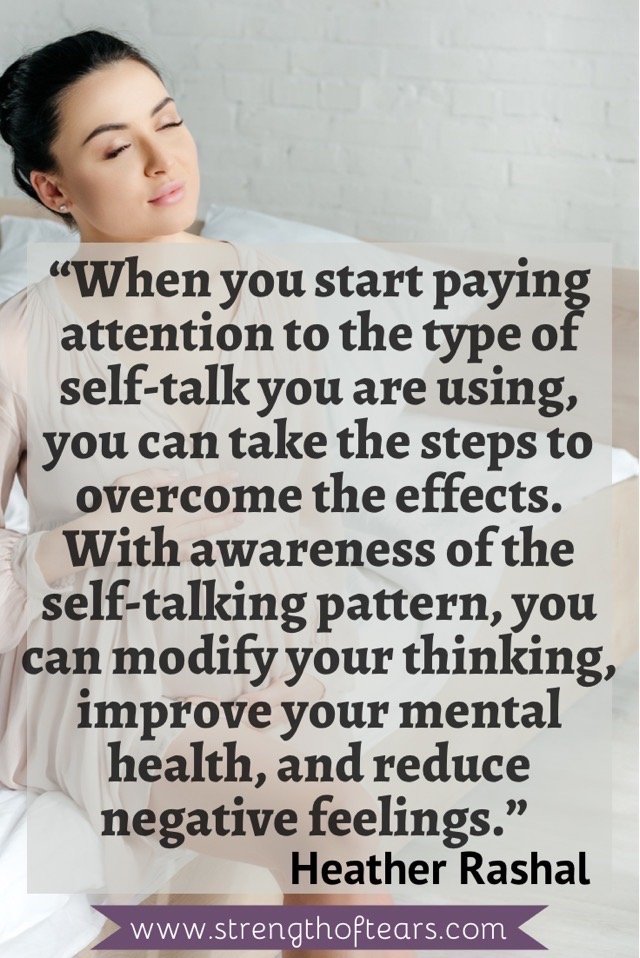
    “When you start paying attention to the type of self-talk you are using, you can take the steps to overcome the effects.
    With awareness of the self-talking pattern, you can modify your thinking, improve your mental health, and reduce negative feelings.”
    Heather Rashal

    The Negativity Bias And Its Impact On Your Wellbeing  

    Before self-talk can become your guide, you must be aware of how negative bias affects your inner voice. Subconsciously you’ll lean toward negative thoughts, actions and beliefs from infancy, due to a primal need to focus on the danger all around us, for survival. 

    Negative bias pushes the pain of disapproval more strongly than the comfort of appreciation. The absence of positive self-talk phrases influences your behaviour, decisions and relationships negatively. 

    “Our brains are hardwired to remember negative experiences over positive ones, so we recall the times we didn’t quite get it right more than the times we do. We then replay these messages in our minds, fuelling negative feelings.” Gregory L. Jantz – 2016

    For example, we will: 

    • Retain memories and sensory links to past traumas.

    • Hold on to blame, even if we were praised for the same event

    • Think about negative things more often than positive ones

    • Learn more from negative events and reactions.

    Negative self-talk affects your mental wellbeing, often damaging your confidence, increasing stress levels, triggering feelings of shame or self-blame and crushing your self-love. It can also lead to or worsen mental health issues, such as anxiety, depression and PTSD. 

    In my case, I had a life-long tendency towards guilt and self-blame, but this worsened considerably when I got sick. My breakthrough was working with my life coach, who used journaling guided exercises to help me gain awareness of my self-blame and guilt. 

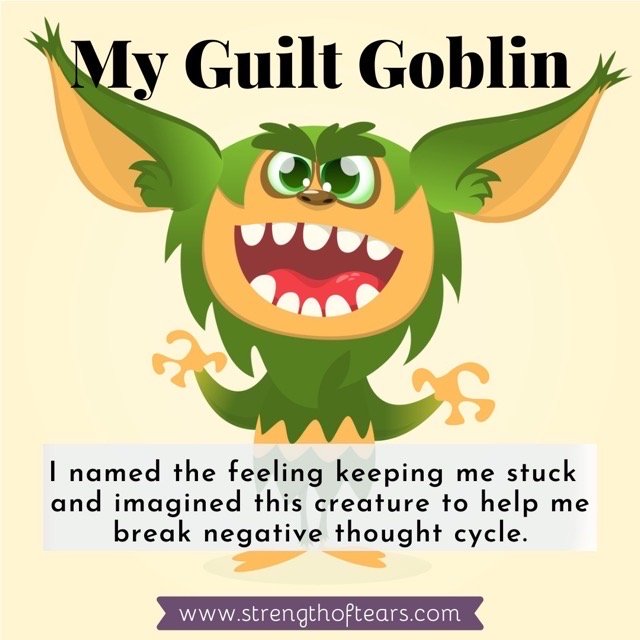
    The work revolved around making my thought process adaptable. I imagined a creature saying these negative phrases and named it the Guilt Goblin. Doing this helped me push the negative away and use positive self-talk phrases to tip the scales for more balance. 
    My Guilt Goblin

    I nicknamed this imaginary figure to tell my brain that I don’t have to agree.
    It shows me that my critical thoughts are ridiculous.

    Using this nickname for the feelings of guilt and self-blame in my negative thought cycle have helped me break from away from this toxic negative self-talk.

    Your brain craves stimulation to challenge negative self-talk. Having a journaling guide helps acknowledge these negative thoughts so you can challenge them and create a more positive outlook, which results in inner guidance that builds your self worth. 

    An effective journaling guide creates space to reflect on your negative experiences, so you can find patterns and learn from them, halting negative toxicity. This allows you to change how you talk to yourself, which has a roll-on effect in how you behave with others.

    I’m often asked how I keep positive, living with unrelenting pain. I use positive self-talk phrases or affirmations, to provide inner guidance to help me focus on the journey, not the destination. I learn from the negatives and preserve positive experiences, letting go of the rest. 

    How Targeted Journaling Can Really Boost Your Positive Self Talk Phrases

    Establishing practices to create balance has driven my creation of the targeted journaling guide. Focusing on positive and negative thoughts allows you to tune into your inner guide and believe you can achieve. Initiating positive self-talk phrases promotes an optimistic outlook.

    Studies have shown that optimistic thinkers are more successful, do better academically and recover more quickly from surgery. You can develop a positive mindset using a targeted journaling guide that focuses on self-belief and meeting your goals.

     Negative bias means you’ll listen more to the devil than the Angel on your shoulder. This allows self-doubt, shame, guilt and misguided worry to tip the scales the wrong way for your mental health. But you can stop toxic negative self-talk dominating your mind if you work at it. 

    I don’t mean ignoring life’s challenges, rather finding productive ways to cope with stress. By redistributing positive self-talk phrases you can develop a constructive inner dialogue. Balancing your mind and the world around you, enables you to develop a steadier inner guide. 

    Here’s how to start your journey to reframe your thoughts: 

    1. Your internal narrative is constant so you need to develop self awareness of your thoughts. Pause to tune in to your brain’s frequency, remembering that not every thought you have is true. 

    2. Learn to recognise negative self-talk or when you dwell on an issue. Don’t try to stop your thoughts, this has the opposite effect, but try to think of solutions. You won’t always need to act but going over the steps you’d take helps you to move on.

    3. Recognise your own negative bias by considering both sides of an argument, then ask if your thoughts are accurate. Make time to reflect on the patterns to show you the opposite is true when your thoughts become overly negative. 

    4. Switch gears – when a negative thought enters your mind, stop and think how to flip the phrase using positive language. For example, ‘this is too much change’ to ‘I’ll tackle this one bit at a time’ or ‘I can’t do this’ to ‘I’ll learn the next step.’ 

    5. Use positive self-talk phrases or affirmations regularly. Such as “I am capable and strong, I can do this’ or ‘I am proud of myself for having the courage to try”. Say these out loud for full effect and have visual cues, such as in a journaling guide.

    6. Consider the advice you’d give a friend in a negative frame of mind. You wouldn’t tell them they’re stupid or a loser, so why say this to yourself? Offer yourself the same kindness and encouragement you’d show a loved one.

    7. Check-in with your emotions regularly, identifying different feelings can be tricky as there are blurred lines. My journaling guide has a system for looking at opposite emotions so you can balance them. 

    8. Try “thought-stopping”, where you use an action to change to another thought if you have extremely critical thoughts. Try pinging a rubber band on your wrist, read aloud positive self-talk phrases or affirmation cards or visualise a stop sign.

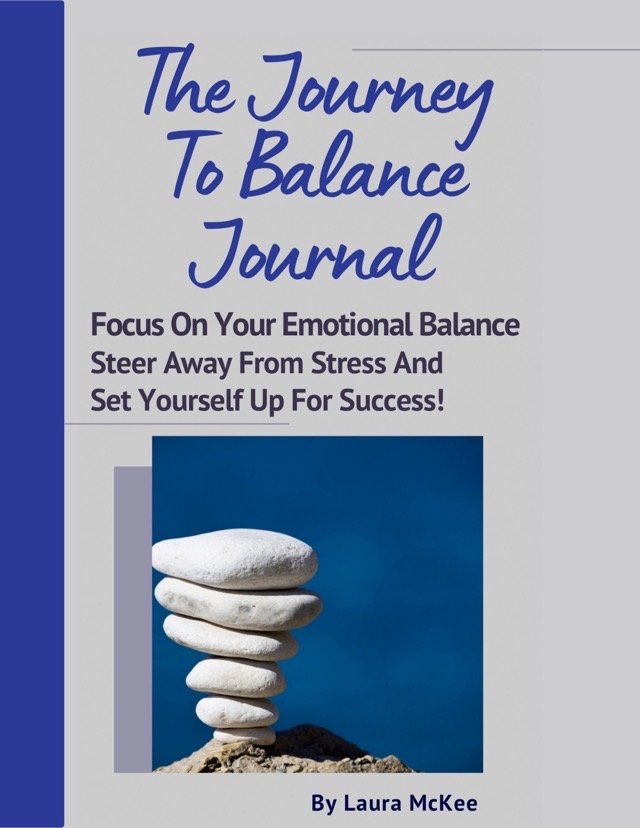
      The following methods are for longer term changes. This is where the Journey To Balance Journal, your targeted journaling guide, will help you plan long term strategies for finding a balanced inner guide.

    • Identify your negative self-talk traps, such as feeling anxious in large social events. Knowing which areas of your life you lean more negatively to, allows you to make a focused plan of when and how to approach each area more positively.

    • Create boundaries by reducing or removing contact with people who encourage negative talk. Strong boundaries are essential in life so teach your inner voice how to say no by collecting phrases that help you stick to your own lane.

    • Go with your worst case scenario so you can see that the catastrophe you’re predicting is very unlikely. Remind yourself of real situations where things haven’t gone well, so you know that you can handle difficult outcomes, 

    • Work on accepting your flaws and plan how to address the things you want to change at the same time. Remember that the process of using this targeted journaling guide is to help you find balance in life and your inner voice. 

    • Plan uplifting activities to break the cycle of negative self-talk. Examples of this – breathing exercises, dancing, singing, going for a walk or talking to a friend about something else.

    • Show gratitude for positive moments, big or small, using your journaling guide to record them. Your brain needs more positive experiences to make them count so record and make time to re-read your journal often to reinforce this.

    Look out for my new journaling guide, coming soon. The core focus is on balancing your emotions but with my top positive self-talk phrases, it’s perfect to kickstart finding your inner voice balance. 
    If You’re Still Wondering…

    What is self-talk and why does it matter? 

    Self-talk is the voice in your head and can be positive or negative. Your inner voice is personal but most of us have experienced getting stuck on a thought about your own or another’s actions or comments. It can become all-consuming, leading to toxic negativity. 

    If you let this voice become heavier on one side it takes much more work to reframe it. Positive self-talk is thought to lead to self-esteem, healthier relationships and problem-solving skills. It has even been linked to lower stress levels and better general wellbeing. 

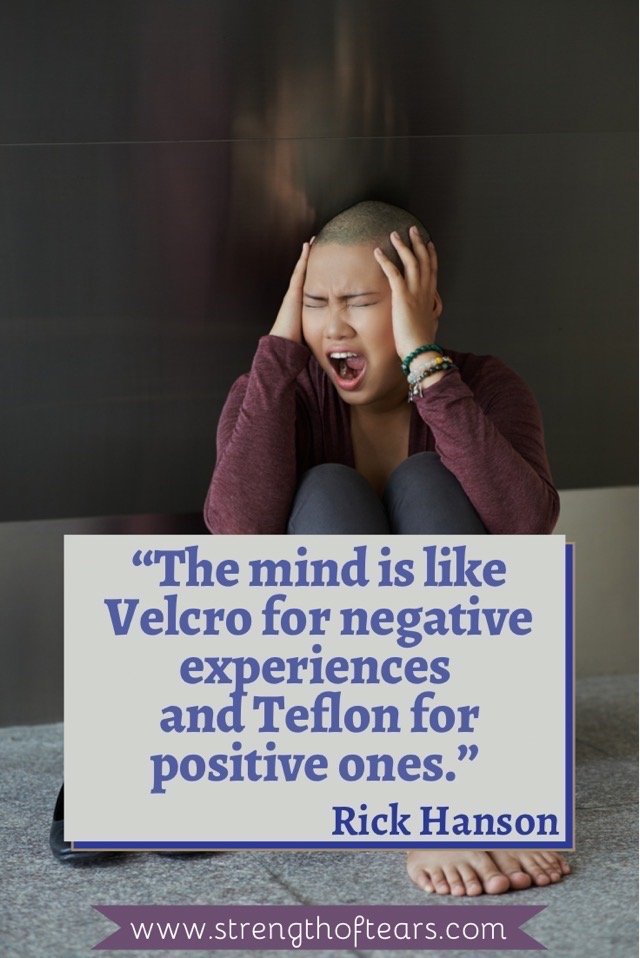
    The mind is like Velcro for negative thoughts and Teflon for positive ones

    — Rick Hanson

    Negative bias is where negative interactions stick over positive ones of equal weight. This leaves negative self-talk as the more prominent voice and it can easily become toxic. If you put in the work to reframe your inner narrative you can develop a strong inner guidance.

    Dull the devil on your shoulder and develop the strategies you need with your journaling guide. The Journey To Balance Journal engages your inner narrative so you can find your inner guide at your own pace, 

    Whether you’re fresh faced and fancy free, a contrary, crumbling crank or a ready and raring rebel, pause for a moment. Take every opportunity to check your self-talk and give yourself some love today! 

    And Finally…

    If you are suffering from a toxic negative-self talk cycle you may need more than my advice. I am a trained mentor and because of my own experience, I can guide you from personal experience, in confidence. However I am not a trained, mental health professional.

    If you feel unsafe due to persistent and invasive, negative thoughts, or are having difficulty looking after yourself, please seek a medical professional’s opinion:

    • Talk to your doctor about the first steps to help when negative self-talk takes over. They can connect you with the right help.

    • Therapists can help you explore how and why you’ve learnt negative ways of thinking, usually from parents or caregivers. They can provide effective and customised ways to improve your relationship with yourself and others. 

    • Cognitive behavior therapy (CBT) or acceptance or commitment therapy (ACT) will teach you the skills you need to manage false logic or overestimated threat.

    • If you feel that you need support because you’re worrying more than usual, having thoughts and feelings that are difficult to deal with or aren’t enjoying life and need support, I recommend this guide from mind.org.uk.
    #block-yui_3_17_2_1_1651422700122_25194 .sqs-gallery-block-grid .sqs-gallery-design-grid { margin-right: -20px; }
    #block-yui_3_17_2_1_1651422700122_25194 .sqs-gallery-block-grid .sqs-gallery-design-grid-slide .margin-wrapper { margin-right: 20px; margin-bottom: 20px; }

    ✋ Hey there! I hope you’re feeling stronger now. If so, sharing the love will help me help other mums with chronic invisible illnesses.⬆️  Hit one of those sharing buttons or save these images to Pinterest and I will do a bed-bound happy dance – there’s an image for you!
  • The Best Emotional Development Examples Of Self Care Activities

    The Best Emotional Development Examples Of Self Care Activities

    The Best Emotional Development Examples Of Self Care Activities

    View fullsize

    The Best Emotional Development Examples Of Self Care ActivitiesEmotional development grows rapidly in under fives, laying the foundation for all learning, but the pandemic has affected this. We need to change how we help them to learn self care skil…

    The pandemic has affected everyone, especially young children, so we need to adapt how we teach them so we address the highlighted issues and the gaps and growth in their learning. Emotional development examples of this may be a lack of self care, managing big feelings or increased anxiety about being left at school or nursery. 

    Emotional and social development grows rapidly in under fives, laying the foundation for all learning. During my 15+ years of teaching, I specialised in the Early Years Foundation Stage (EYFS), working closely with parents to understand each child’s emotional needs. Read the new framework for what a child learns in the EYFS here.

    This blog shares advice and activities I’ve used to help children make progress: 

    • The Skills And Support Needed For Emotional Development

    • 21 Quality Self Care For Emotional Development Examples

    • How Self Care Sets The Foundation For Success

    “Personal, Social and Emotional Development (PSED) is recognised as one of the building blocks of success in life. It supports children’s development by helping them to interact effectively and develop positive attitudes to themselves and others.”

    — Ann Langston

    View fullsize

    This post contains affiliate links for sensory play resources

    The Skills And Support Needed For Emotional Development

    The skills we use to meet an infant or child’s emotional needs are usually instinctive. Having regular interaction with them helps us respond more effectively to their needs. Creating fun experiences to support a child’s emotional growth makes them feel heard. For example, using puppets to teach nervous children how to make friends. 

    These are common emotional development examples of a child needing us: 

    • Crying or screaming 

    • Turning away from someone or something

    • Not making attachments

    • Throwing tantrums

    • Unhealthy relationships 

    • Not cooperating or taking turns 

    • Disruptive behaviour    

    • Distress or anxiety 

    • Unresponsiveness 

    • Fighting with peers or siblings

    Our response to these behaviours needs to be calm, so we need clear boundaries as all kids will test us and we’ll overreact at times. To improve poor behaviour we need to be a consistent example to our children. I’ve developed skills I share with my boys, in managing my emotions better by making time to reflect and write about how I feel. 

    This has reminded me that we can foster children’s self-worth by helping them explore their similarities and differences to others. Choosing books and media representing ability, gender, sexuality, race etc. will help but we also need to talk about this. Read this blog on talking about race with children for ideas.

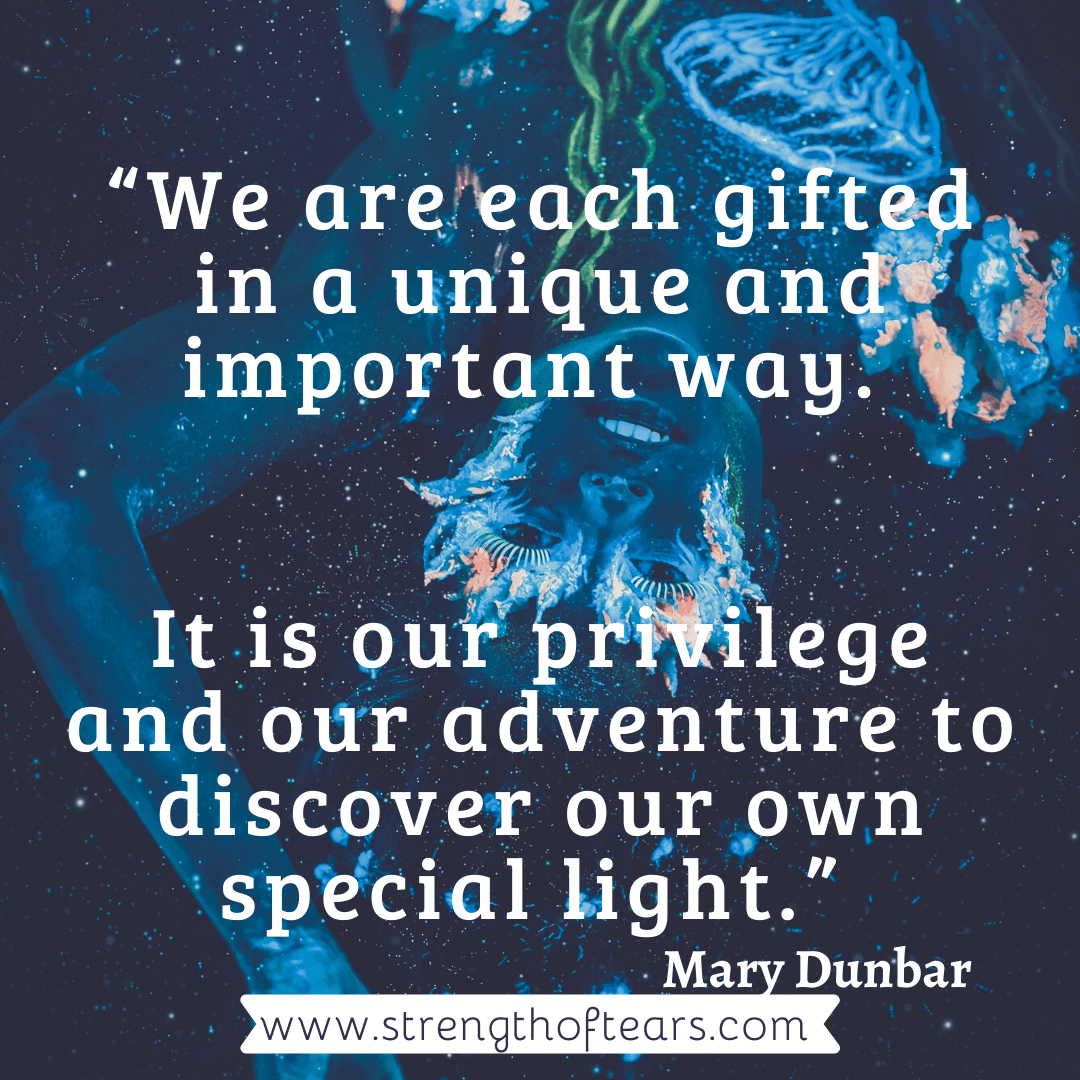
    “We are each gifted in a unique and important way. It is our privilege and our adventure to discover our own special light.” By Mary Dunbar

    Emotional well-being underpins every area of development. These are areas of the official guidance for PSED for development from birth to 5 years, that affect self care. I’m basing the 21 self care activities around these emotional development examples, of skills to teach your children for future success. 

    Self Regulation 

    1. Managing Feelings – Understand and name feelings and learn to manage emotions by keeping calm. There’s a new focus on 3+ self-regulating. Read more about this here.

    2. Self Control – Give children strategies for staying calm when frustrated. 

    3. Focused Attention – Communicate responses to stress effectively. 

    Managing Self

    1. Self Confidence – Support older children with self reflection so they build resilience to      persevere with challenges. Help children set and achieve a simple goal. 

    2. Self care – Build a sense of self as a valued individual that’s different to others. Develop healthy habits for looking after bodies and minds.

    Building Relationships

    1. Socialising – Build confidence in a variety of quality experiences which build a sense of     belonging to a family or community.

    2. Healthy attachments – Develop attachments in warm, supportive relationships. Manage feeling sad when a parent leaves. This is in response to social change due to Covid19.

    3. Understanding Needs – Show sensitivity to their own and others’ needs. Help children develop a positive attitude to people’s differences. 

    21 Quality Self Care For Emotional Development Examples.JPG

    21 Quality Self Care For Emotional Development Examples

    Bubble baths aside, teaching children self care skills helps them thrive despite any challenges. Self care is anything you do to help yourself feel better or keep yourself feeling good. Dancing, sports, laughing, having pets etc. help your child build trust and learn how to manage strong feelings. I write about other activities that help, here.

    Quality self care routines have played a crucial role in how my family has coped with my illnesses, evident in the resilience my boys have. These emotional development examples of self care for your child, are based on the EYFS skills.

    1. Adult Attachments

    Healthy Attachments make your child feel safe. Building bonds begin with a baby and parent, extending to family and others they spend time with. To build attachments we need to be engaged, sensitive, positive and affectionate to them. Hold them, have chats (gurgles count) and let them know you see them  by responding to their needs.

    2. Frequent Feelings

    With older infants and beyond, we can name a child’s feelings for them to help them understand what is happening to their body. You might say ‘you’re sad because… you hurt yourself or your sister wouldn’t play’. Start with simple games such as, making feelings cards or emoji charts so they can identify and name feelings themselves. 

    3. Constant Calm

    A child’s world is full of stimulation but being calm helps them relax, focus and learn. Strategies to help your child stay calm include; giving them time to eat, think and reflect; tuning in to their needs; using distractions; minimising noise and having time and space to explore. Sign up to my newsletter at the end of this page for my free guide for staying calm.

    4. Routines Rule

    Routines give children certainty and a feeling of control. But changes will happen so we need to teach skills for learning how to cope with unplanned changes.

    • Visual timetables have images showing what’s happening that day, in order. They’re used in childcare settings but you can print this one for the home.

    • Organisation helps them follow rules, such as having coat hooks by the door. 

    • Make changes to this one thing at a time, being guided by the child. 

    • Use a timer or song to help them adjust to routine changes. 

    • Explain changes to them e.g. “After Nursery we’re_,then we are going to_”


    5. Invite Independence 

    Children naturally become independent but as they’re offered more variety, tantrums are more common. We can manage this by encouraging and teaching them how to ask for help respectfully. We can support independence by planning for extra time, asking instead of demanding and offering choices. All kids can learn to do chores if we make them fun e.g. sing whilst making lunch, hop to bed, splash in the bath.

    6. Backing My Behaviour 

    Children aged 4-5 develop self awareness of their behaviour before recognising how their actions can affect others. Support their knowledge by: 

    • Remaining calm and soothing them when upset.

    • Naming and explaining their feelings.

    • Treating your child the way you want them to behave.

    • Pointing out people’s expressions, in life and media, to help them read others.

    • Showing how their words and actions affect someone else. 


    7. Boundary Basics

    All children test limits, the earlier the better for strong foundations. Children need clear boundaries so, a) show them who’s boss; b) have healthy routines that set clear guidelines; c) have zero tolerance rules for safety; d) be consistent.

    8. Clear Communication

    Babies cry to communicate a need, it’s our first non-verbal connection. This develops into expressions and gestures, which we all use more than verbal language. To extend early skills, narrate everything you do and feel and give your child time to talk. Repeat their babble and early words back to them, without correcting it. 

    Widen their vocabulary and interactions by reading and listening to them and use new words as you act out pretend situations with them. Let your child develop at their own pace but seek professional advice if you’re concerned about speech delay. 

    9. Support Self-esteem

    How we feel about ourselves affects our actions, so self-esteem supports mental health and sets us up for success. Helping children feel good about themselves starts by building a strong connection with your child so they trust you to meet their needs.

    Let them initiate play with some creative input, to encourage them to try new activities and experiences. This boosts their confidence to do more without us a safety net.

    10 Personal Practices

    One of the most recognisable self care practices is managing our hygiene and personal needs. Children need to choose the resources they need whilst knowing they can ask for help. We need to encourage and reward their independence.

    • Toddlers will want to dress themselves so allow extra time in your daily routine and make their clothes accessible so they feel in control. 

    • Toilet training should be child led but we can prepare kids by being open and explaining using it. Have everything you need ready for when they are. 

    • Teach them how and when to wash hands, reinforcing this when you wash. 

    • Encourage your child to get what they need to keep clean e.g. a toothbrush. Describe what you do, so they’re ready to slowly take on their personal care.

    Create a varied diet with healthy choices so your child sees how you act around food as a role model. To avoid tantrums, introduce one new flavour at a time and give ‘a or b choices. Get older kids involved in preparing meals.

    11. Healthy Habits

    Self care routines help kids tune into their mind and body. Establishing the activities below early, allows the brain to build habits which prevent mental health problems. 

    • Have regular dental and eye care checks.

    • Eat the rainbow of fruit and vegetables each day, including balanced meals.

    • Balance screen time with playing with your child at home and going outside.

    • Do mindful exercise, such as yoga or karate, to keep them focused on now.

    • Do visualisations together using a calming story, such as being on an island.

    • Do a sport or hobby that requires their commitment.

    • Practice daily quiet time where you connect with nature, exercise or books.

    • Let your child choose activities even if it differs from how you see self care. 

    12. Respectful Relationships

    Having positive relationships helps us develop respect and trust for others. A baby bonds with us through skin to skin contact, creating a foundation of trust and  good communication. When we let young children know we’re thinking of them, it helps to reassure them. Children who have this will feel safer and more secure, equipping them for strong relationships in the future.

    13. Effective Empathy

    Empathy is learnt through experience, from around the age of 4 years old. We teach children to understand others’ feelings by imagining what someone is feeling by playing out ‘real life’ situations. Children with a foundational awareness are more likely to make kind choices, such as looking after a child who’s sad. Empathy is key for learning tolerance and sensitivity towards people who are different to them. 

    14. Benefits Of Belonging

    Children who feel they belong benefit by establishing self confidence and believing in themselves. We teach them the key skills of cooperative play, working with others and having consistent routines. Their relationships with family and friends shapes their self identity, with possible influences from cultural or religious groups. 

    During childhood they are likely to become part of the community through toddler groups, schools and community groups such as Brownies, Football or Music groups. Fostering a child’s sense of belonging allows them to thrive because they feel safe.

    15. Visibly Valued 

    Children need to know that we value everything they are, not what they do. We can help them stand tall by recognising their good points, listening to them and spending one on one time with them. We need to show them we’re there through good and bad by not comparing them to others or overly criticising them. Their self worth depends on knowing they are loved and valued so show them you support their choices. 

    16. Celebrate Differences

    As children reach school age they become more aware of differences in their peer group. Children naturally explore similarities and differences so we can guide their understanding and ensure they know it’s okay to ask questions. Encourage them to learn about race, ability, gender, neurodiversity etc. Learning together and having open dialogue about bias and prejudice as they grow, gives kids the tools to show up. 

    17. Manage My Feelings

    Young children often struggle to manage big feelings, which can lead to meltdowns. Children who understand their emotions have a more successful life. Help them by:

    • Talking about and naming feelings when calm, rather than hiding this.

    • Showing them it’s normal to have different feelings – talk about how you feel.

    • Validating their feelings, however small, to teach them it’s normal to feel that.

    • Encouraging them to express how we feel by helping to put this into words.

    • Seeing what triggers them, so you can help them manage their response.

    • Identifying big feelings to help avoid tantrums; feeling sad or scared is okay. 

    • Letting them see how you manage emotions in a socially acceptable way.

    • Separating emotions from behaviour; its what they do that has consequences. 

    18. Self-Regulation Recipe

    Children build upon managing feelings by learning to self regulate (read about this here). Teach children how to act effectively on their emotions with these skills:

    • Help deal with big emotions by using distractions, adjustments and choices.

    • Explore a range of calm down strategies so your child has different options. 

    • Regularly practice emotional responses to see what works best for them.

    • Provide a safe environment for them to express themselves.

    • Play games that foster control, such as turn taking, to practice self-regulation.

    • Recognise that sometimes we have to let go of control and learn to wait.

    • Plan which tools help them cope and build on this for each new trigger.

    *Remember it takes a lifetime to learn this skill set, so foster emotional development. 

    19. Plain Perseverance

    Waiting isn’t something that comes easy as it takes a lot of willpower. However, the delayed gratification we get is one of the best rewards we can earn. Teaching kids how to persevere with a challenge helps us cope with pressure later in life. Show your child that you put the effort in when something is hard and don’t give up when you fail. Support your child in what they choose to get better at, reminding them how they’ve improved so they see that the effort is worthwhile if they want to succeed. 

    20. Goal Setting

    Setting goals is essential for lifelong learning, but we often expect too much of ourselves. So we need to be a good example to our children, showing them that failure is a healthy part of success. Children need to explore what’s important to them in a safe space, such as creating art or learning spellings, to build self confidence. They need to choose their own simple goals with our support. We can show them how to break a goal into achievable steps and use simple rewards as motivation.

    “Watch your kids. They already have goals. Allow them to unfold and encourage them… What would be a long term goal for them that’s fun as well as challenging?” 

    — Eve Menezes Cunningham

    21. Regular Reflection

    Self reflection is vital for meeting our goals and improving ourselves. True self care takes work and children need to use regular reflection to do this. Show them how by:

    • Celebrating who they are, not what they do.

    • Playing with them to see what they’ve been doing and thinking.

    • Making time and space for self reflection or mindfulness.

    • Mirroring them in play to develop their self-awareness – what do they do/say?

    • Teaching them ways to revisit their day such as drawing, writing or journaling.

    • Making time as a family each day, to talk about our wins and what to improve.

    • Talking through what helped and what interfered with them meeting their goal.

    The skills in the emotional development examples above are arranged so you build the foundations of emotional intelligence, layering up skills before developing the more complex strategies. They can all be adapted to meet your family’s needs.  

    How Self Care Sets The Foundation For Success 

    Our children watch and listen to everything we do as soon as soon as they’re born and develop as they grow. It’s important to reflect on how well you connect with your feelings, build strong relationships, achieve your goals and understand what matters most to you. Reflect on these areas of your self care to spot any gaps. 

    • You understand and healthily manage your emotions

    • You recognise your emotions and how they affect you

    • You communicate clearly and manage conflict

    • You develop and maintain good relationships

    • You have supportive and trusting relationships

    • You know your strengths and weaknesses

    Our children have been affected emotionally and behaviourally by the pandemic. Observing our children helps us assess them and identify gaps and strengths in their emotional development. Ask yourself these questions to understand how your child is coping in a post covid restriction world, so you can support and stretch them.

    • Are you aware of any difficulties they have with attachment, socialising, self-care or general well-being?

    • Do they enjoy playing with others? 

    • Do they engage in varied play and social experiences?

    • Do you know when to help them and when to encourage independence?

    • Do they listen to and cooperate with other children and adults?

    • Do they recognise when they need time to calm down? 

    Strong foundations in emotional intelligence is crucial for us to achieve in life. We can motivate and inspire our children to build up skills in all the emotional development examples mentioned in this blog, so they grow into well-rounded and healthy adults.

    If you have any concerns about your own or your child’s mental health or you’re worried about a developmental delay with your child, please consult a doctor or mental health professional. Click here to understand our mental health needs. 

    Stay Safe

    Laura 💜

    P.S. Download your free home learning resources guide here. These are also great for homework or just to catch up on areas you think they need support with, whilst you play with them.


    ✋ Hey there! I hope you’re feeling stronger now. If so, sharing the love will help me help other mums with chronic invisible illnesses.⬇ Hit one of those sharing buttons or save the images to Pinterest and I will do a bed-bound happy dance – there’s an image for you! 
    #block-7132edc5ea3b4294a9c0 .sqs-gallery-block-grid .sqs-gallery-design-grid { margin-right: -20px; }
    #block-7132edc5ea3b4294a9c0 .sqs-gallery-block-grid .sqs-gallery-design-grid-slide .margin-wrapper { margin-right: 20px; margin-bottom: 20px; }

  • 7 Skills You Need To Live A Fulfilling Life

    7 Skills You Need To Live A Fulfilling Life

    7 Skills You Need To Live A Fulfilling Life

    7 Skills You Need To Live A Fulfilling LifeDo you ever wonder if you’ll ever be able to realise your hopes and dreams? In this blog I’m sharing how I got into the right mindset for change to reach my personal goals. I had to understand what I do and…

    Do you ever wonder if you’ll ever be able to realise your hopes and dreams? Maybe you can’t be arsed with it all anymore. I get it, it’s hard work to even think about change when you’re dealing with life and all the shizz that goes with it. But have you ever thought that maybe, just maybe you could achieve more? 

    It would be so easy to just keep on doing what you do, when you live the frazzled mum life. But have you thought about not being such a hot mess Mum? Yeah you look great doing it but you could genuinely be as happy as a pig in shit clover! Aren’t you up for a challenge? Maybe hearing how I came to be that happy pig will help you. 

    My own experiences of being super stubborn meant that it was more like I’d face planted that shit clover at first. I damaged my own and my family’s well-being by being so stuck in my ways, but I was scared! When I started taking notice of my behaviour patterns, I knew I had to make some changes. 

    However, you have to be in the right mindset for change so I needed to do some work on that first. I reflected on past experiences to see what I do and how I act when I’ve achieved and when I’ve failed. I began to understand my behaviours and how this affected my happiness. I had to see my strengths and weaknesses so I could grow.

    I believe that we need to build the foundations of our well-being. Part of that is looking at our tools for personal development. We have to build and develop the skills we need to live a fulfilling life. In this blog I’m sharing how I got into the right mindset to develop the skills to reach my personal goals. The 7 skills are: 

    • Positive Thinking and Self Talk 

    • Setting Boundaries 

    • Building Healthy Relationships 

    • Managing Stress Levels

    • Being Self Aware

    • Drive For Learning

    • Emotional Resilience

    Affiliate links disclaimer. The items I recommend are only products that I love

    Mindset – What shapes you?

    It’s important to have a growth mindset when you go through change. For these skills to be effective tools for leading a fulfilling life, you need to establish an openness to learning. When I was a teacher I lived with anxiety, however, I would try to carry on as usual instead of learning coping skills. This affected my emotional well-being. 

    When I was diagnosed with IIH, a brain condition, I was so headstrong that I spent months crawling up my stairs each night. It would take me ½ an hour, with Joel behind me and the kids at the top of the stairs, all encouraging me as I cried out with each step. I was determined not to have a stair lift, refusing to give in to my illness.

    My stubbornness and denial fused together and I let my ego make the decisions, to my whole family’s detriment. Read more about why we suffer from being stubborn in this article. When I finally stopped fighting, I could focus on my emotional well-being and think more positively as I gradually developed my mindset for change.

    Your mindset is how you view the world from your unique standpoint. Your state of mind is based on what you see, think and believe; influenced by your personality, environment and circumstances. Your mindset is what shapes you and you can retrain the brain to be open to change and turn most negatives into positives.

    “Love challenges, be intrigued by mistakes, enjoy effort, and keep on learning.”

    — Carol S. Dweck

    7 skills you need to lead a fulfilling life.JPG

    The Seven Skills 

    1. Positive Thinking and Self Talk 

    I generally think positively but when I was ill and undiagnosed, I became depressed. It took time but I worked hard on my insecurities through practicing self care. I journaled about the positives in my day and used affirmations. Positive thinking helped me rebuild my self esteem, changing my fears and doubts into hope.

    Occasionally old wounds reappeared and I’d slip back into negativity. I discovered Brené Brown and her study on the stories we tell ourselves. In this video clip she talks about recognising these stories. My own self-talk was a proper Moaning Minnie with crazily creative but false narratives which sabotaged my mindset. 

    Learning not to do this is an ongoing process but it’s so useful in developing self worth. I learnt to check myself if Moaning Minnie tried to get my attention. I’d work on understanding why I was feeling that way and ask myself if what I thought was true. Using a different perspective to look at my thoughts and actions is a powerful tool. 

    Mindfulness encompasses anything that allows you to be present and aware of your mindset. This includes anything that lessens the impact stress has on you. Meditation is a great opportunity to become more self aware and pairing it with gentle yoga helps you create the sense of calm needed to let go of what weighs you down. 

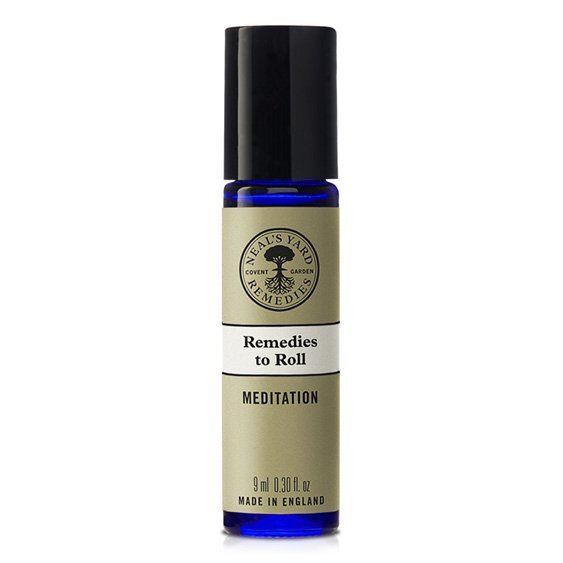
    Yoga also releases endorphins which play an important role in reducing negative emotions. You may see this as being a bit woo-woo, but in 5 minutes you can learn breathing exercises which will help your anxiety. Read how Meditation benefits me in this blog. These yoga pants and essential oil roll-on are great for relaxation .

    #block-yui_3_17_2_1_1602691273642_65091 .sqs-gallery-block-grid .sqs-gallery-design-grid { margin-right: -20px; }
    #block-yui_3_17_2_1_1602691273642_65091 .sqs-gallery-block-grid .sqs-gallery-design-grid-slide .margin-wrapper { margin-right: 20px; margin-bottom: 20px; }

    Sign up to my Strong Mum’s Mailing List to get access to my free guide on meditation. Check out my free resources here.

    2. Setting Boundaries 

    I’ve always had strong personal values and nothing sways me being honest, driven and supporting others. I’ve always worked around these core values, although I have others. When I was teaching I was very self aware and confident in how they fitted into my life.

    But having IIH tested me, when my self confidence wavered I became depressed. I’d put so much of myself into my teaching career, both with supporting the children’s learning and mentoring other teachers. But sitting watching TV all day left me feeling undervalued, this wasn’t the case, it was the stories I was telling myself. 

    As my treatment started to take effect, I was able to reflect on my values. I worked hard to reestablish my self-esteem but when I reflect on this hazy time, I realise I’d been caught in a loop of doing things for others instead of for myself. I reset my boundaries around this to make myself my priority, and no that’s not selfish! 

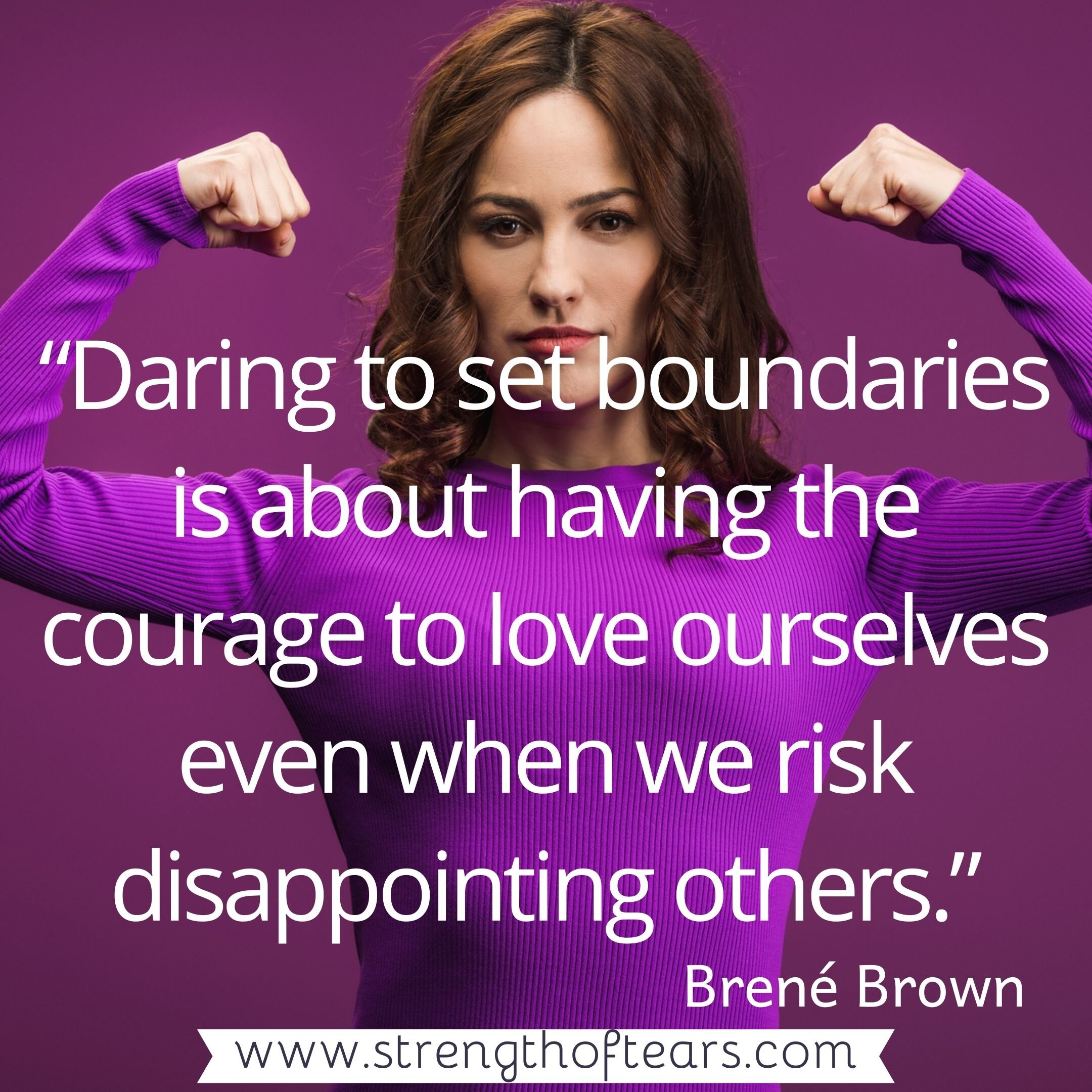
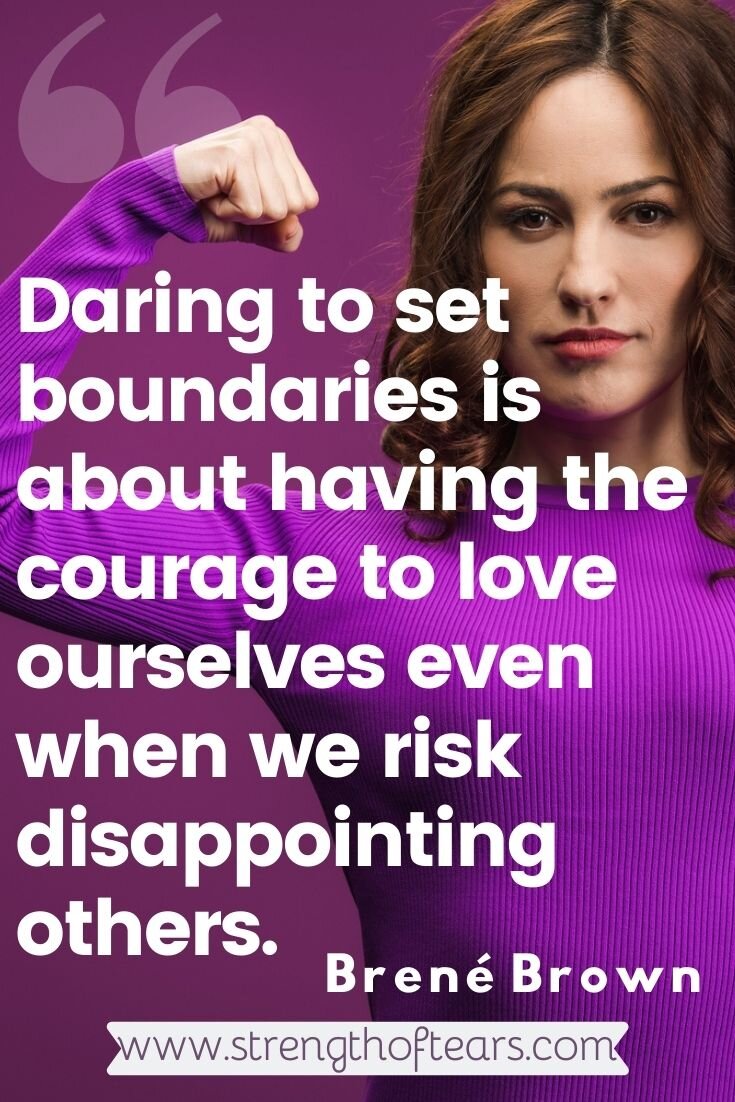
    To live a fulfilling life you need to know what you stand for and stick to it. If you know what you value, you can set boundaries around what you do, how you act and how you feel. If you haven’t considered your own values, it’s best to focus on a core of 3 or 4. Read this article to learn more about having core values.

    Daring to set boundaries - Brene Brown Quote.jpg

    3. Building Healthy Relationships 

    When I was younger I didn’t always make great decisions about the relationships I had in my life. When I met my husband Joel at university, we became friends first. He became someone I trusted and he’s shaped my life profoundly. I believe the strong foundations we’d built our relationship on, has helped us deal with my illness as a team. 

    On the other side of this, becoming ill made me question some of my closest friendships, some of these being in my life for years. I’d felt abandoned when I needed support during such an important time in my life. At first I was upset at how they treated me but Joel told me that these had never been two way friendships. 

    It quickly became apparent who my true friends were. I was so grateful to those who had the patience to keep up with conversations with me where I’d forget the point. My situation cemented bonds with newer friends who showed me that they had my back. I always knew I had their support during the hardest times.

    Relationships change as you evolve and some naturally drift apart. It’s important to keep relationships healthy by only making space for the friends who’ ve shown up for you. A healthy relationship is a two-way street, one you can trust in easily and feel confident in, so you can live a fulfilling life. 

    4. Managing Stress Levels 

    Having anxiety means it’s important to manage my stress levels. This means continual reflection on my part to understand what I can’t control and what I can change. Life during a pandemic has heightened my anxiety which is a shame as I’d been doing okay. However, I wouldn’t be human if this time hadn’t gotten to me. 

    My physical and mental health are very closely linked so I have to constantly remind myself to listen to my body and notice signs of stress. I didn’t recognise the unrealistic expectations I put on myself until I had time to reflect and adjust. I have to remind myself most people can’t function on the amount of pain medication I’m on. 

    To look after myself I needed to de-stress and I started to practice self care. Initially just the frilly stuff we recognise, such as pampering and treating myself. But as I learnt more about it I understood that I needed real self care. I started by arranging to talk to a professional about what was going on in my head. 

    I’m still learning to give myself a bit of a break. 

    We live in a busy mind world, trying to juggle everything, being connected and available 24/7. We need to lower our stress levels as our brain reacts to it as if we’re in danger, triggering the fight or flight response. Having the opportunity to be present is important for our happiness but even more so for us to be able to live a fulfilling life.  

    5. Being Self Aware

    Being self aware sounds like such a simple thing, but it comes alongside developing the first four skills. As it is, time on my own has given me the chance to develop an understanding of myself, much deeper than if I’d stuck to watching TV all day!

    I took up making jewellery which gave me time to be present. I developed a habit of daily reflection and realised that I’d always found it hard to say no to people. My boundaries blurred as I’d offer to help others at the detriment to my health. On the other side, I struggled to accept help too, So I made a plan to set myself boundaries.

    As I embraced developing these 7 skills, I wondered how my actions, thoughts and values had changed now that my life was so different. I’d be so hard on myself when I saw what others were achieving compared to me. I still do this but am aware of it so I remind myself that achieving anything at all in a day, is a win for me.

    Self-awareness is “the ability to see ourselves clearly to understand who we are, how others see us, and how we fit into the world around us.” Tasha Eurich.

    You will be conscious of your emotions, beliefs, passions and traits so you can compare this to  your own values. This skill can ultimately lead to a happier life as it’s value focused. 

    To aim towards being able to live a fulfilling life you can set yourself personal value based goals. To avoid stress and anxiety it’s important to write about them and talk to others who see you objectively. This makes you aware of how others see you meaning you’ll be able to have authentic relationships.

    You do not find fulfilment by rearranging the circumstances of your life. You find it by being in touch with who you are at the deepest level and being an expression of that in the world.”

    — Melli O’Brien

    6. Drive For Learning 

    I’ve always been driven. As a teacher I’d push myself to keep learning to know I was doing my best. When pain took the wheel and I was too ill to work, I had to rethink my capability to learn. Despite my mushy brain, I started a blog alongside my online jewellery shop but I think my mindset was fixed and I felt the need to prove myself. 

    As the Laura we all knew started to return after my first surgeries, and I’d grieved my career, I started taking opportunities to seek challenges. I took online workshops learning marketing, how to hone my writing, how to take pro product photos and more. The results were finding my way to here and becoming a freelance writer.

    The biggest chance to grow came when I explored how to cope with the challenges that I now faced. With support I opened myself to healing from the emotional pain I’d dealt with for years. I learnt to be heart centred, putting my own well-being first for the first time in my adult life. 

    Your mindset is formed young, shaping your relationships with success and failure. Growth mindset is when you believe you can adapt, thriving on challenges and seeing failure as an opportunity to grow. You learn to value the process, not just the outcome, and do this for your own satisfaction rather than to receive praise from others. 

    7. Emotional Resilience

    I didn’t know what resilience meant until I was faced with waking every day to the same pounding head, ringing ears and fatigue. Those evenings climbing the stairs took their toll on the whole family but they were there with me every step of the way. I had so much change to cope with that I chose to be stubborn and fight it all at first.

    My first surgery really tested our resilience as a family though; skull surgery kind of does that. As Joel waited with me at the hospital trying to hold it together, Youngest was looking out for his older brother, then just 9 and 11, who was having a total meltdown and didn’t know how to tell my Dad who was looking after them. This hit us hard. 

    As time went on and the surgeries kept coming, we all came together to help each other through it. My illness has affected my husband and boys as much as me. In family therapy we learnt how to communicate better, working as a team. We went on to develop coping strategies for change, building emotional resilience.

    Change and stress is part of life but you can develop emotional resilience by taking these steps: Build connections with the people who understand and support you; build an optimistic outlook, manage your thoughts and make you the priority in your life, mentally and physically. Read this article on developing emotional resilience.

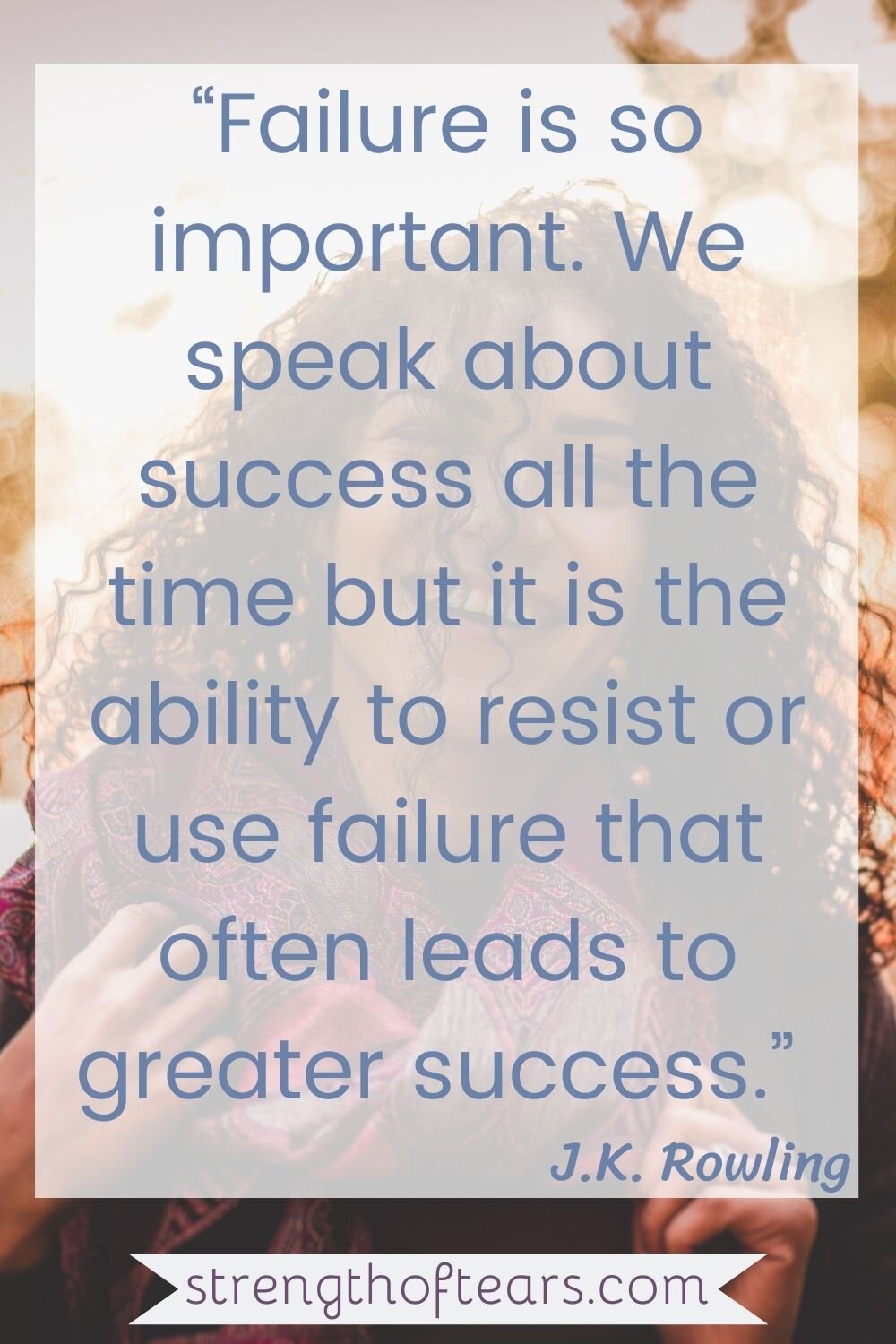
    “Failure is so important. We speak about success all the time but it is the ability to resist or use failure that often leads to greater success.”

    — J. K. Rowling

     How to Live A Fulfilling Life With Hope

    how to live a fulfilling life with hope.JPG

    If you’ve made it this far then I’m guessing that the challenge of being as happy as a pig in shit clover is one you’re willing to take on. Who knows, you could even realise those hopes and dreams that you’ve been trying to forget about, even if they look a little different than you first thought. Happiness isn’t worth it if there’s stress chasing it

    Most of us have everything materialistic we could want but we are living a global mental health crisis. We live the go-go-go lifestyle, chasing our dreams but we’re so stressed and overwhelmed that we don’t even stop to ask ourselves why! Our health, relationships, well being and quality of life suffers. 

    It’s not just me that lost touch with myself. Our awareness of the need to listen to our bodies, minds and hearts, when they are screeching at us to slow down and stop is seen as woo-woo. Well some of it is but some of it helps us cope with the change that we find so hard. We need to understand ourselves to stand any chance. 

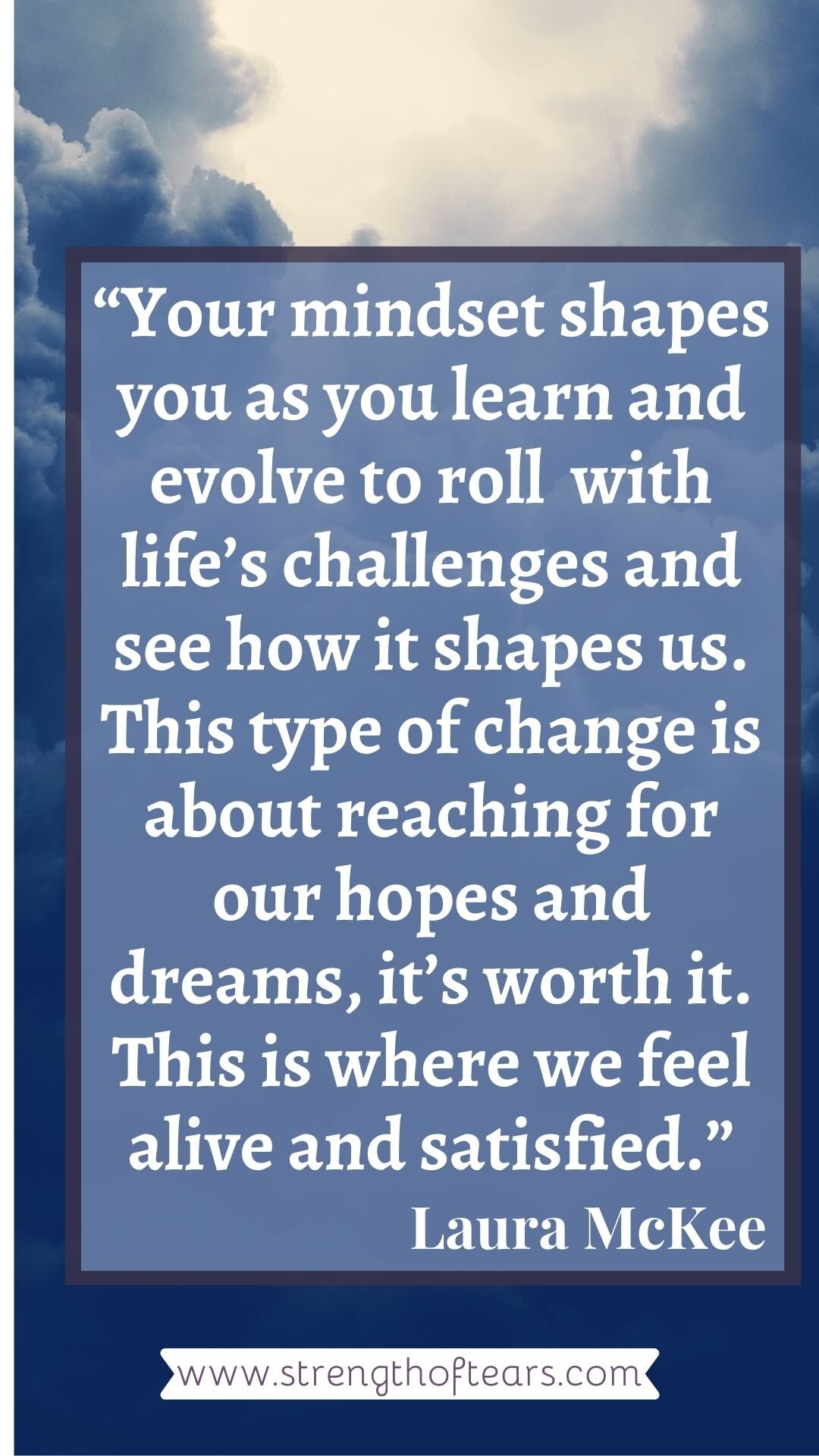
    Sometimes change is worth the hassle of learning and shifting our mindset. This type of change is about reaching for our hopes and dreams, it’s worth it. This is happiness as a whole where we feel alive and satisfied. This is happiness that allows you to jump in and thrive and live a fulfilling life.

    You can jump on this ride whenever you’re ready. There’s no height or weight limit but you do need to work for it, just not running at full speed 24/7 as you’ll be too stressed. When all the foundations of your basic needs are sorted, start with one simple goal of being more reflective. Then you can work on these seven skills. 

    These skills will last you the rest of your life and change how you think, act and react. Imagine a more positive, calm and resilient life. Where you’re aware of your own worth and set the boundaries you need to stick to your values. You’ll have the people in your life who support you in every opportunity you take.

    Fulfilment won’t just show up and disappear, it’s a feeling that warms you to your bones and makes you feel at ease. It will make you feel alive as you go through the rollercoaster of life. Fulfilment is a potion that drips into your bloodstream making you feel enough, more than enough.  

    So why not set aside the idea that your dreams will only happen if pigs could fly and learn these seven simple skills and make it happen. 

    My Recommended Reading List

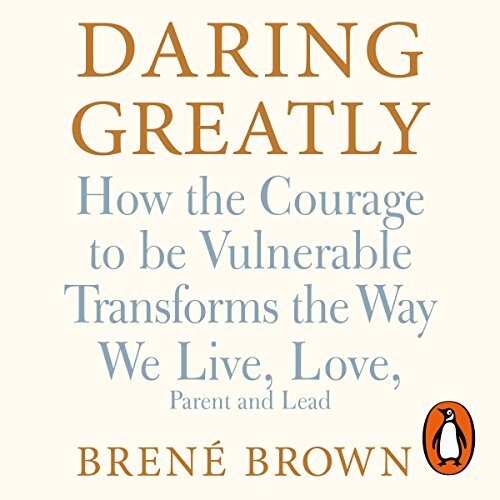
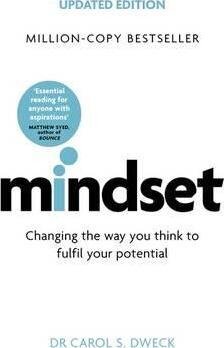
    These books are my recommendations on this topic. The Poetry Pharmacy is a great when you need a boost. Daring Greatly is about transforming your life and Mindset is by Carol Dweck who pioneered Growth Mindset thinking. The beautiful cover of this journal is Klimt’s work called Fulfilment. I hope that they can support you in your own journey to fulfilment.

    #block-24a4f16ebd94bd4e9327 .sqs-gallery-block-grid .sqs-gallery-design-grid { margin-right: -22px; }
    #block-24a4f16ebd94bd4e9327 .sqs-gallery-block-grid .sqs-gallery-design-grid-slide .margin-wrapper { margin-right: 22px; margin-bottom: 22px; }


    Which of these skills are your strengths or weaknesses? Tell me in the comments.  

    Stay safe,

    L 💜

    P.S I can help you out yourself first by creating personal well-being strategies using my free well-being plan. This will help prioritise your own needs, such as building self-esteem and making time for self care or doing the things you love. Or if you want to get on a waiting list for updates on my first ever well-being journal, please sign up to my Strong Mums mailing list here

    #block-2d13e3308091461e9e46 .sqs-gallery-block-grid .sqs-gallery-design-grid { margin-right: -20px; }
    #block-2d13e3308091461e9e46 .sqs-gallery-block-grid .sqs-gallery-design-grid-slide .margin-wrapper { margin-right: 20px; margin-bottom: 20px; }

    ✋ Hey there! I hope you’re feeling stronger now. If so, sharing the love will help me help other mums with chronic invisible illnesses.⬇  Hit one of those sharing buttons or save the images to Pinterest and I will do a bed-bound happy dance – there’s an image for you!