10 Must Have Opportunities For Time Management Benefits
Lets face it, we’ve all experienced forgetting what day it is or losing sight of our goals, especially during 2020. This affects productivity, meaning a struggle to meet deadlines. In my normal brain fogged life, I experience these minor annoyances daily.
So my aim is to help others cope with this, whilst living with change and uncertainty, by using my own experiences of switching perspective. The emotional wounds from sticking to old routines or being closed to change, can impact our physical health too.
For example, Youngest didn’t know where to start on a task he’d set himself recently. I intervened as I knew his lack of focus was causing him to stress out. Time-stealers like procrastination or overwhelm, may lead to meltdowns but we caught it in time.
Youngest is creative and energetic, which increases dopamine, aka the ‘motivation molecule’, in the brain. But his determination had made him lose focus so he needed a new perspective. Together we made a plan towards him achieving his project.
He loved learning the science that helps us build self worth and focus. We used this and my goal setting style to create a new strategy which transformed his mindset. This change in time management benefits his drive and stopped him procrastinating.
This blog aims to help you assess your time management mindset for your physical and mental well-being. I use my experience as a bed-bound working mum, which will focus on your achievement using these strategies, for creating better life balance.
-
Toss Out Your To-do List For Epic Time Management Benefits
-
Why Superior Time Management Benefits Physical Health
-
10 Must Have Opportunities For Time Management Benefits
-
The Takeaway – Organising Your Life For Maximum Impact On Your Wellness
Before we further explore my number one time returner, I want you to focus on one thing you’ve been putting off. Keep this in mind whilst you read about and explore whether these ideas could help you manage your time better.
Toss Out Your To-do List For Epic Time Management Benefits
Yes, I know this may be shocking as when I asked my followers, a To-do list seemed to be a necessity. But I want to show how changing one thing can benefit you. For me that’s been throwing out To-do lists and replacing them with a simple strategic plan.
It’s so easy to write a To-do list but we can easily become frustrated when things on the list aren’t finished. Our brains shut down if there are more than 7-8 options, so we’re unable to prioritise when facing a never ending list, struggling to finish anything.
Read about how to prioritise in my Exclusive Guide To Wellbeing blog here. My wellbeing plan is an example of an alternative way to record a To-do list, as it helps the brain focus.
“Think of a filing system…if you merely file papers away with[out a] system, the filing system will have an adverse effect.” From the article Why To-Do Lists Don’t Work (And How to Change That) which you can read by clicking here.
I hope you try planning more strategically so you see how much those To-do lists are holding you back! A small change can give you time management benefits, both emotionally and physically. Why not try changing to something from these ideas:
-
A To-do list on it’s own can become a long list that’s overwhelming, leading to procrastination and not knowing where to start. Our brains need a simple process for productive thought, such as using categories and organisation.
-
Psychologists have found that smaller goals get accomplished more often so break large tasks into achievable chunks to make them more motivating. This works just as well with projects as it does for regular household jobs.
-
You will need a more structured plan than a To-do list for most things, to bring clarity, focus on categories and priorities. Estimate how long each thing takes to manage to complete and explore ways to record within these boundaries,
-
I create time chunks on my daily planner for how long to spend per action, as this helps me pace myself. I also do similar things at similar times to be more systematic. I follow a timetable to help me focus my mind on being efficient.
-
However you choose to structure your priorities, you need to review them regularly so you can plan ahead more creatively. Reviews allow you to create specific, personal and simple actionable tasks, that motivate you to succeed.
Download your free Wellbeing Planner and guide to use as a basis for exploring other ideas..
Do you write lists for the lists you need? I fall back into this habit if I don’t use tools like this planner to create systems for my thoughts. If I lose focus now, I write what I’ve done on a list, just to tick them off, but this has zero time management benefits!
However when we see what we’ve achieved, big or small, our brains get a boost of dopamine. This is associated with pleasure and reward and it’s telling your brain: “This is great, let’s keep doing that.” Being aware of this, helps to reassure you.
But the problem with dopamine is it can’t distinguish whether you’re really achieving anything, especially your prime needs. This can be a big problem with To-do lists. Read about this and how to boost productivity here.
We need efficient systems that help us be productive, Simple To-do lists are just not the most effective way to organise our thoughts and things to achieve. I hope you see how to add structure whilst being aware of outside factors affecting our productivity,
Why Superior Time Management Benefits Physical Health
-
I’m often asked how I can work whilst I’m so unwell I live mostly in my bed. Simply put, I use distractions from the pain such as writing. I need extra support if my illness flares, as I can’t plan for this and it affects my sleep, diet and limits my mobility more.
Pacing my energy levels for work and play is an ongoing balancing act. I’ve learnt to plan rest into my day for time management benefits or I’d keep going when I need to stop. It isn’t easy to pause work for your health, so this hasn’t been natural for me.
When I was asked to write for Teva Life Effects in 2019, I was worried that deadlines would increase my anxiety. Thankfully my editors understand my physical health can vary so my own health needs always comes first. You can visit my author page here.
Learning the strategies that help me plan and prioritise has decreased my anxiety, so I’m working on a project to help you implement strategies that limit increased physical stress. You can read how I cope with my own stress and anxiety on this blog post.
To ensure time management benefits my physical wellbeing, I plan for work, play exercise, hobbies, reflection and growth. My brain condition affects my awareness of time, so I use these tips and tricks to help me be better organised and more focused:
General
-
Ask someone to tell you to be ready 30 minutes earlier than needed
-
Use a playlist that lasts a set amount of time you want to spend on something
-
Do a time audit – Time regular tasks to work out how long each takes you
-
Set a limit on the number of tasks you do in one day so you can be flexible
-
Use an online calendar, synced across devices, for events and special days
-
Stay on top of or remove notifications and limiting open tabs for a tidy screen
Planning
-
Plan using a paper or digital planning tool and block similar tasks together
-
Organise and do tasks, projects, work and jobs at home by using categories
-
Plan to do the most important things first, at your best time of the day
-
Plan short breaks after long tasks to do calming meditation or exercises
-
Create buffers around meetings as the brain can only focus for 90 minutes
-
Plan set times for checking your emails, social media etc for less distractions
Doing
-
Set out your day with time for work and play, blocking similar tasks together
-
Know the importance of tasks to see what to do, delegate, delete or defer
-
Understand the true cost of time spent so you can reflect it in your pricing
-
Set a reasonable time to aim to put work down and screens away each day
-
Keep a record of what you achieve as this will boost your motivation levels
-
Revamp your schedule to replace bad habits and set up healthy routines
Use these ideas to transform how you focus time and energy. Make changes to your planning slowly, only scheduling 75% (or less) of your time for less pressure. Make ‘me time’ a weekly habit as a great way to reward your achievements.
You may think multitasking is a great way to get lots done but research shows your brain copes better by focusing on one task at a time. Research has shown that multitasking can actually reduce productivity by as much as 40%.
Swap multitasking habits for more focused plans to increase efficiency. This simple swap for better time management benefits your physical health as you’ll feel calmer by eliminating stressful distractions. Read this article on multitasking and the brain.
Your personal body clock impacts your level of focus. We all work better at different times of the day so try swapping something that improves your physical health e.g. moving your exercise time or starting work early and finishing early for better sleep.
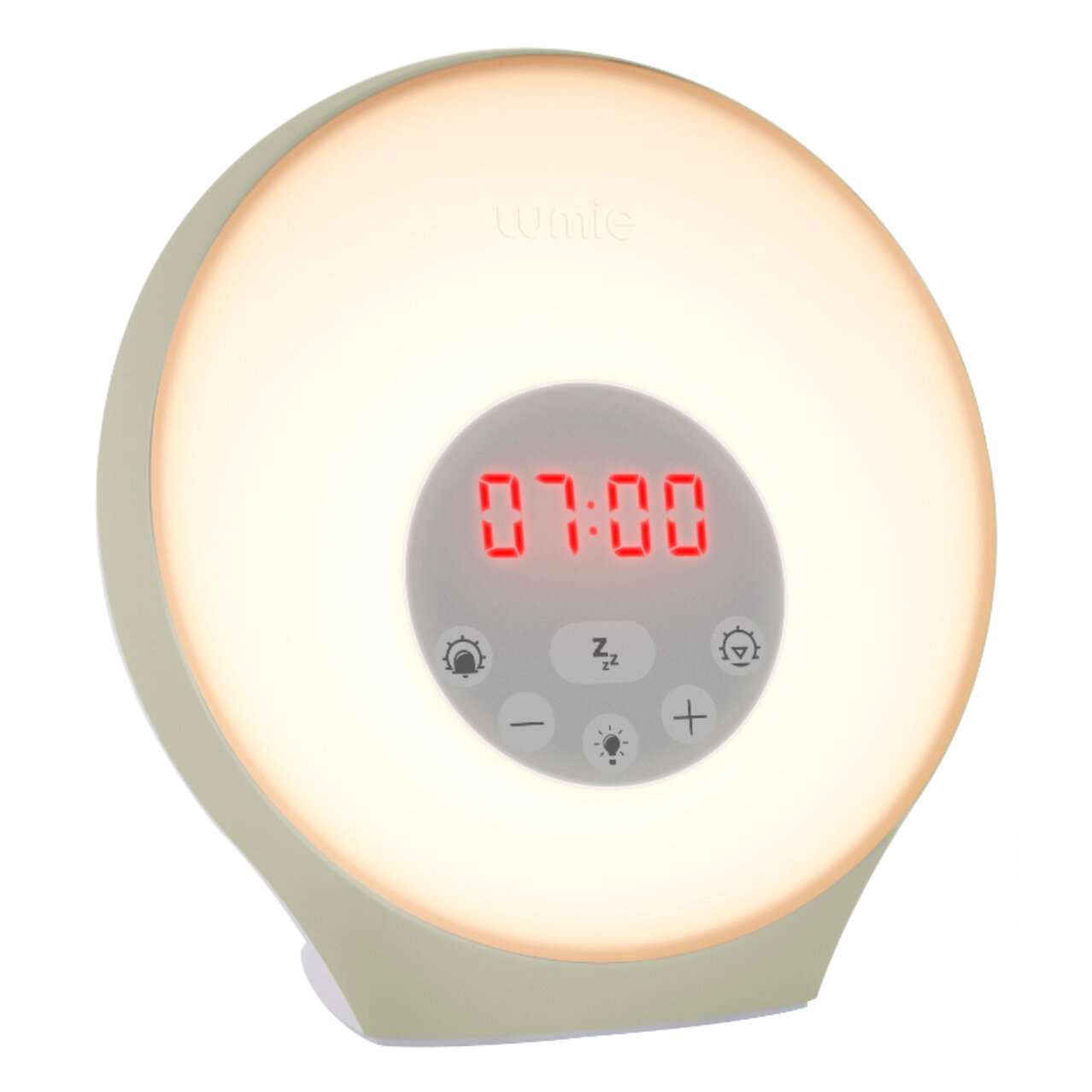
Sunrise Alarm Clock
Wake up naturally with 30 minutes of a slowly brightening alarm after sunrise begins.
Create a timeline for what you want to achieve for short and long term targets. This helps us focus on our priorities and set small steps for more realistic goals. Regularly review plans for what works best for you for consistency and increased efficiency.
Good time management benefits our control over our own actions and environment to support us in meeting our goals. Planning helps us prioritise important activities and limit urgent tasks that will have a strong effect on our personal and work life.
10 must have opportunities for time management benefits
These are some of the systems I’ve used to help me pace my life, so I can be a bed-bound working mum. Effective time management allows me to be flexible when I need to be, without losing focus and leaves me with more energy for family time. I’ve ordered these so you can find the strategy you need.
1. Understand Your Priorities
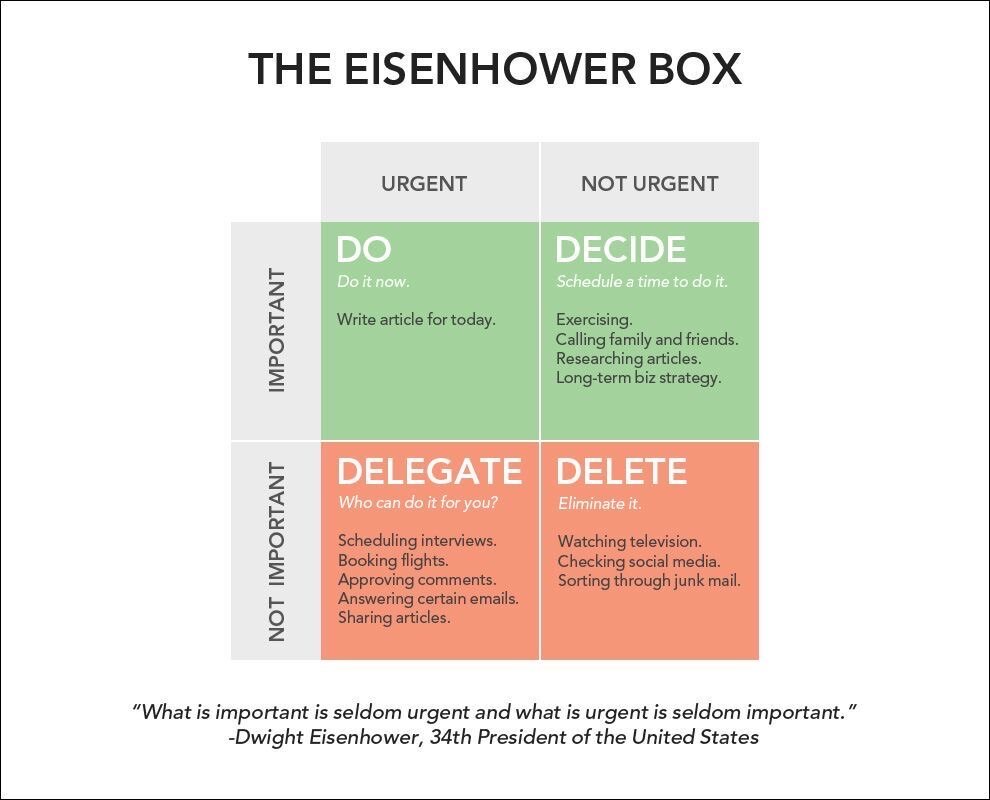
This Eisenhower box helps you understand what you need to focus on. Write the tasks you need to do in a 4 part grid like this to organise your thoughts. Prioritise important but not urgent tasks to limit tasks that become urgent.
The 4 D’s Do, Delegate, Delete and Defer helps you make quick decisions, especially when it comes to opening emails. This box helps you focus on whether you can delegate tasks or decide if you need to do it at all.
You need to limit your list in each box to less than 8 tasks so your brain doesn’t get overwhelmed. Use a timer to stop you procrastinating over these decisions and enjoy the time you have to balance your wellness needs.
I love how simple the structure is and how it makes you organise your thoughts quickly. Delegating tasks is something I don’t have a budget for yet but this helps me see how I’ll have more time when I can hire support.
Is that task from 3 months ago still relevant? This is a simple way to sift your tasks to find what’s important to you? Reviewing your plans regularly keeps you focused, so set a personal time limit for moving items to the delete box.
View fullsize
2. Finding Balance
Nora Roberts, an American author, speaks of the roles and responsibilities we have as mums. These help balance our self worth, which is vital for wellness. Nora uses an analogy about how we have to juggle balls to find life balance.
She speaks of imagining life as a game in which you are juggling 55 glass and rubber balls. Each ball represents an activity you do at work, home or with the family. What you juggle can change each day, depending on the task.
You’re going to drop things every once in a while so you want to focus on catching the glass ones as a rubber ball bounces back. Rubber balls are checking emails, making dinner or meeting a work project’s deadline.
A glass ball represents what makes me happy, giving your kids unconditional love, sharing life lessons and knowing your self worth. It’s knowing you may need to sweep up broken pieces and try again. Read more in this blog post.
I think this is a great way to explain how to prioritise in a visual way. I always want to do things perfectly so I don’t let anyone down. It takes a long time to change mindsets but this analogy struck a chord about how much we do.
It’s made me think about the pressure I feel to catch all the balls. I can give myself a break from the guilt about the small stuff. Dropping some rubber balls will give me a break and I should rethink how many glass balls I have.
“When juggling as much as you are, remember that some balls are glass and some are rubber. You can’t drop the glass balls.”
3. Chunking
I know I need a clear structure to my day but I wanted to try chunking to see if it was more efficient for me. Chunking is when you group information and tasks into manageable-size chunks which can be done in a sequential order.
Plan chunks of time for specific purposes in your schedule or on a timetable, with time for the most demanding tasks when you’re at your most productive. First prioritise what is most important and give it your undivided attention.
Start with sessions of about 20-25 minutes and build this up. Follow this focused time with a short break doing something fun. Stick to your schedule and give yourself deadlines for each task so you can review your results.
I’ve been playing with this way of working for a while and I love focusing my time on the most complex task first each day, just like I leave my favourite part of a dinner until last. This part works really well for me and I love the breaks.
I enjoy focusing on one task but only manage this for a short time. I struggle with memory and concentration so it takes me longer to write a blog like this. I’ll keep working on avoiding task switching as this works well for friends.
4. Say No

When Mum needs to say no!
Click here for 3 simple steps to say no so you can focus on you.
Making room for what matters to us is the most important thing we need to do when managing our time commitments. Streamlining commitments to others and being a little bit selfish is important to set boundaries.
Saying no is one of the hardest decisions you have to make as you may feel you’re letting someone down. Learn the language to say no without hurting anyone’s feelings. Say no to the guilt or worry and be honest, firm and polite.
Once you’ve become clear about your priorities, you’re more confident to stay in your own lane. I’ve found that politely saying no to online friendships and weeding people I don’t connect with out of my life, has been freeing.
I think this is a vital step in creating more time in the day for my loved ones. When someone asks me to take something on I’m usually tempted to say yes because I love helping others. So I’ve tried saying no at home and for work.
Saying no is one of the things I know I need to focus on and stop giving my time away for free by politely saying no. This includes saying no to checking emails on date night, scrolling and being present during your planned breaks.
5. Me Time
When you take on too much, finding time for some little Me Time seems impossible. If you find yourself squeezing this into your schedule, think again! Me time can give you headspace most days and much needed personal time.
If you don’t make a commitment to breathing space into your routine you will burn out! Spend time each day on your thing, be it reading, painting or taking a bath, do something that makes your soul happy for more focus and drive.
You may think it’s impossible to squeeze Me Time into your day, living with small children or constant pain. But all you need is to find 5 minutes to an hour for yourself. You can even use some of that 25% unscheduled time.
Wellness is my number 1 priority and being kind to myself has been my mission for the past few years. I chose one thing to focus at first and used my wellness planner (sign up to my mailing list to get yours) for a month at a time.
This is an easy yes for me. I’ve focused on using this time for meditation or bed yoga. On bad days I binge on box sets or take a break from social media but as long as I switch off from the world, I’m saying yes to me. Try it yourself!
6. Reverse Engineering
This simply means planning your projects by working backwards from the outcome you want. This term comes from reproducing a product but used in this sense it makes you think how to achieve your goal in small steps.
Be clear and specific about your final outcome so you can work towards it. Then implement the small steps that will get you to the finish line. This stops you moving your goal posts, although I suggest you keep flexible deadlines.
The time management benefits from working like this is that you have a clear focus. This will make you work more efficiently and you’ll feel calmer from the dopamine boosts. Take time to analyse and adjust your steps to stay on track.
I’ve worked this way since my teacher days as we’d always have an objective for each piece of work that would build up to a final piece or collection. It’s an easy way to break down a project into small goals with a clear vision.
For my writing I work towards final pieces so I want to know the exact path I’m taking. To do this I record my goals in a variety of ways to help me visualise what I need to do e.g, mind maps, categorising or vision boards.
7. Everything In Its Place
Being tidy and organised is time management 101 but it needs mentioning. It can make a big difference for starting work efficiently if everything’s kept in a way that our brains can access the tools quickly. Create a checklist for this.
Emails and DMs are some of the worst culprits for being a mess. Check all of your accounts daily, remove notifications and arrange them in priority folders. The time management benefits of this offer you emotional freedom.
With regards to storing content, move everything to the cloud, keeping backups of all content such as photos and work from clients. Make sure everything is organised and isn’t taking up storage you may need.
I keep my inbox tidy with folders and flag important emails to find them easily and check you’re on track. I check any links or codes when sending emails or posting on social media. I remove notifications on apps so I can switch off.
Creating systems that all involved can access is important for household jobs and teams at work. Being organised improves my efficiency so using Trello boards for my plans has developed a clear process that a VA could access.
8. Review and Reflect
Reviewing your work and systems and reflecting on their efficiency is important for organisation and adding anything forgotten to plans or systems. Reflection is important to develop a deeper understanding of the project/task.
Regular reflection is one way time management benefits health. You can learn how to improve and create more life balance. Making a list of forgotten tasks or those to carry over helps to clear your mind before you go to sleep.
The benefits of looking back at your day, week, month, etc is to help you reconnect with your long term goals. Reflect on your day and write one thing you’re a) proud of, b) happy about and c) grateful for that day.
At the end of the day, I find it important to look back at what worked and what didn’t so you can make improvements. If things don’t go well I can end up obsessing over it, so I’ve learnt to carry over a task to the next day or week.
In the past I would have gone over and over things I felt went wrong, thinking of what I could have done or said differently. Now I carry it over using a simple code I use in my journal, something I started after researching bullet journals.
9. Rewards
When you make a decision, your choice is certainly influenced by your motivational state. External rewards can sometimes undermine intrinsic or natural motivation. When engaged you find meaning in choice or progress.
Intrinsic rewards are a healthy and sustainable source of motivation with little chance of burnout as you experience more positive than negative feelings. This motivation is focused on a shared desire for the team or family.
The use of rewards increases your serotonin levels, keeping you calm and productive. Serotonin is produced whether you achieve something or simply remember something you’ve achieved. This article explains how this works.
I use rewards to remind myself of my achievements and even reward effort. I have used rewards to motivate my own children and those I teach but they’re not just for children so I plan a small reward each week for my commitment.
I’m motivated to achieve my long and short term goals by planning activities or small gifts to myself that may or may not relate to the goal. Try a pamper day or family time, such as visiting an open air attraction like a zoo. I recommend limiting food related rewards.
10. Stay Inspired
You get a surge of pleasure when you achieve what you set out to do. This triggers the brain to release dopamine, the chemical responsible for the focus and motivation needed to be productive.
You can boost dopamine levels by listening to music, exercising, and good sleep hygiene and eating foods rich in tyrosine (needed to make dopamine) which is found in almonds, bananas, avocados, eggs, beans and fish.
If you’re struggling with energy levels to get through the day you may need to explore natural ways to reduce stress. This can be found through meditation, massage therapy or taking natural supplements to boost energy levels.
I use the SMART system for goal setting (Specific, Measurable, Achievable, Relevant and Time bound) by breaking my down goals into 3-4 small tasks so I have small wins. These inspire me to stay focused and energised to the end.
I’ve more recently understood the science behind setting goals. Now I know that recording my accomplishments and rewarding them will keep me motivated I continue to be inspired and have increased productivity levels.
This is a lot of information but all will support physical and emotional wellness. I suggest focusing on one area at a time for time management benefits. Once chosen reverse engineer what you want to achieve and break it into small action steps.
What one thing can you change this week for better time management?
Last Words – Organising your life for maximum impact on your wellness
I wrote this blog about time management benefits to help you create a process for reassessing your priorities and understanding the sequence of events to do this. By adjusting to your needs you can be more productive in all areas of life.
It takes skill to know exactly what your focus is on any area of your life. Focusing on time management benefits your mental and physical well-being. At different times in life we need to revise or learn new systems to help prioritise what will lift you up.
Feeling overwhelmed can lead to demotivation, procrastination or guilt about how you spend your time. By increasing our energy and creativity we boost our efficiency. Having a clear plan helps you devise new ideas that build a productivity cycle.
I’ve shared my best strategies here for devising a system full of time management benefits. My number one tip is to break goals into small, repetitive tasks and order the day to get the hard stuff done first to create headspace.
I’ve also learnt to focus on being ‘done not perfect’, but as perfectionism is where I go when I’m stressed I need to keep working on this goal. Using small steps and doing one day at a time lowers stress levels and leads to better mental and physical health.
“[Mother]… taught us not to become perfectionists, which is where a lot of procrastination and time-wasting occurs. Nothing is less efficient than perfectionism. Her great adage, which I still adhere to, was: Done is better than good.”
Overall it’s important to know that you can change your way of working for time management benefits. You may need to use a few tricks and tips or it may be as simple as changing your perspective for maximum impact on your wellness.
In my introduction I asked if you have one thing you’ve been putting off. Now I would love to hear what you’ve been procrastinating over and which strategies you think you could use to get that done, even if it’s not perfect? Tell me in the comments.
Stay safe,
L 💜
P.S I can help you create better wellbeing strategies using my free time management planner to help prioritise your needs. If you want to get on a waiting list for updates on my first ever well-being product, please sign up to my newsletter below.

#block-yui_3_17_2_1_1598122800671_108906 .sqs-gallery-block-grid .sqs-gallery-design-grid { margin-right: -20px; }
#block-yui_3_17_2_1_1598122800671_108906 .sqs-gallery-block-grid .sqs-gallery-design-grid-slide .margin-wrapper { margin-right: 20px; margin-bottom: 20px; }
✋ Hey there! I hope you’re feeling stronger now. If so, sharing the love will help me help other mums with chronic invisible illnesses.⬇ Hit one of those sharing buttons or save the images to Pinterest and I will do a bed-bound happy dance – there’s an image for you!


 Strength Of Tears