Tag: raise awareness

  • A Powerful Exclusive: A Carers Mental Health Exposed
    A Powerful Exclusive: A Carers Mental Health Exposed

    A Powerful Exclusive: A Carers Mental Health Exposed

    A Powerful Exclusive: A Carers Mental Health ExposedCarers Rights Day is a day for making Carers aware of their rights, where they can get help and support, as well as raising awareness of the impact caring has. The theme for Carers Rights Day 2020 …

    An Introduction To Lesley’s Interview

    Carers Rights Day 2020 is on Thursday 26 November. It’s an important way to ensure Carers are aware of their rights, where they can get help and support, as well as raising awareness of the impact caring has. The theme for Carers Rights Day 2020 is ‘Know Your Rights’. Read more about it by clicking here.

    This year I wanted to raise awareness of Carers mental health by talking directly to a Carer other than my husband. It’s important that I do this for myself to understand the impact caring has, so that I can bring a more objective viewpoint for my readers. 

    Lesley offered to be interviewed about the stress she experiences as a Carer. She’s always shown me kindness and empathy so I was interested to see how she coped with being a Carer, and share her viewpoint in this exclusive interview. 

    Lesley, who lives in Preston, is mum to Maddie (15) and Xander (11). She is a Carer to her husband Jerry, who is mainly affected by chronic osteoarthritis. After a work incident 2 years ago, Jerry had to stop work and their lives changed completely. 

    Lesley now runs her business, Digital Fixers, from home with her work-wife, Nic. They help small businesses grow using digital platforms, which is how we met. Read Lesley’s Blogs for Digital Fixers here, where she talks in more detail about how they support small businesses with Websites, SEO and Digital Growth.

    This blog will share: 

    • Information about Carers Rights Day

    • The Interview

    • Why It’s An Important Time To Spotlight Carers Mental Health

    • How You Can Help Raise Awareness And Donate To Support Carers

    _Disclaimer this blog post contains affiliate links and any purchases made through such links will result in a small reward for me and my crafting habits. Oh and there’s some free recommendations too, Im nice like th - Edited (1).JPG

    About Carers Rights Day

    Carers Rights Day is a specific campaign that Carers UK runs annually to help make life better for Carers. They “believe that it’s important that you understand your rights and are able to access the support that is available to you as soon as you need it.” This is vital for a Carers mental health, even if they don’t feel they need it now. 

    When my husband Joel first started caring for me, it was on top of his full time job, being a dad, doing all of my jobs and dealing with all my medical appointments. I recognised this, although my brain condition was so bad I couldn’t see the full extent of the stress it put on him. 

    We had no idea of the support available for a Carer’s mental health but I spoke to my GP to see what help was available and we were lucky enough to get funding for a part time Carer. This relieved some of the stress Joel was under. Read more in this blog about my story and how caring affected Joel and my boys.

    In both mine and Lesley’s families, the Carers are providing care for their partner. A recent survey found that four out of five Carers care for a relative. This makes the campaign even more important so Carers know how to stand up for their rights if they’re not being met. 

    It’s been equally fascinating and devastating to read Lesley’s exclusive interview and find out about her background, the circumstances that led to her becoming a Carer, and how it’s changed the lives of her entire family. 
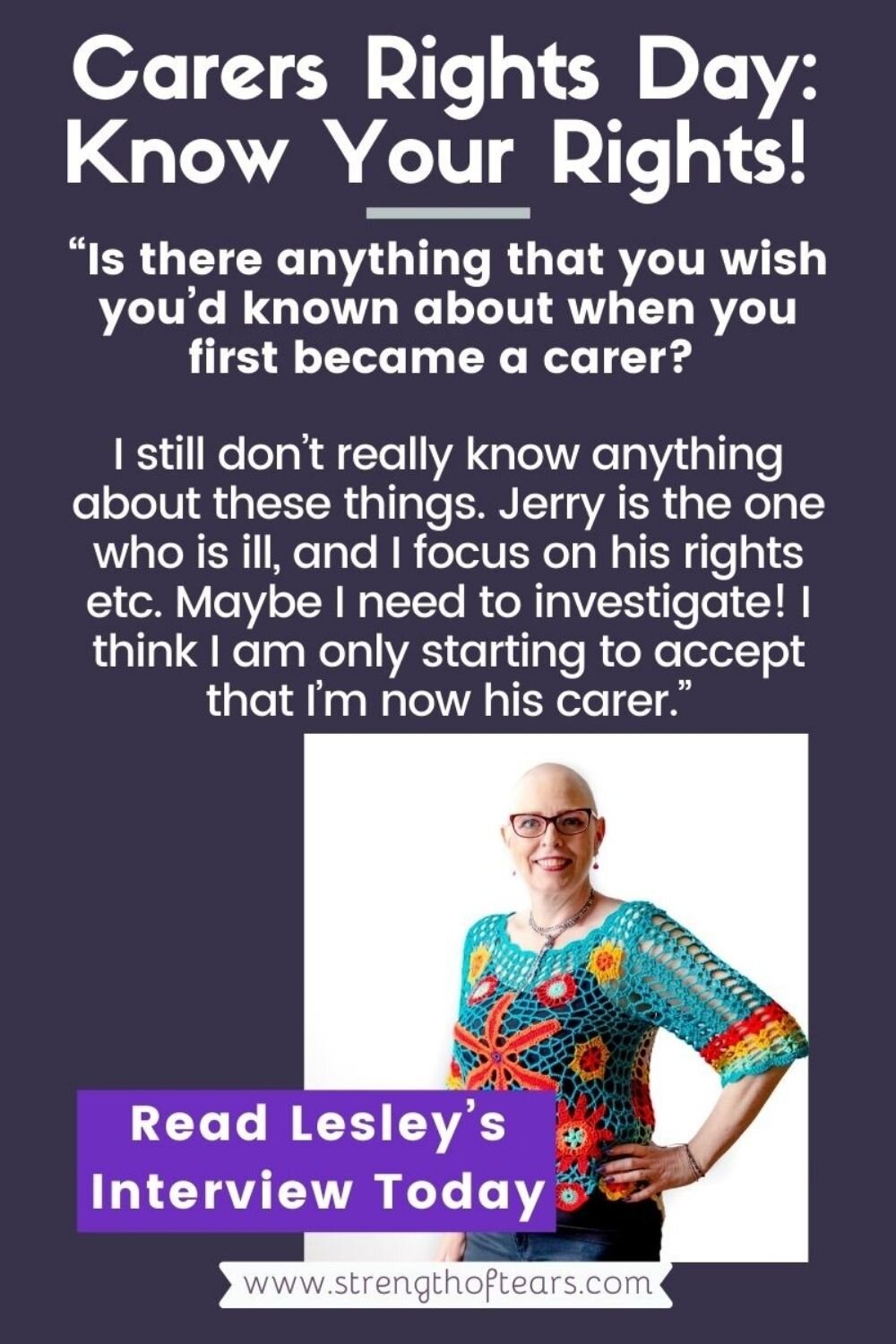
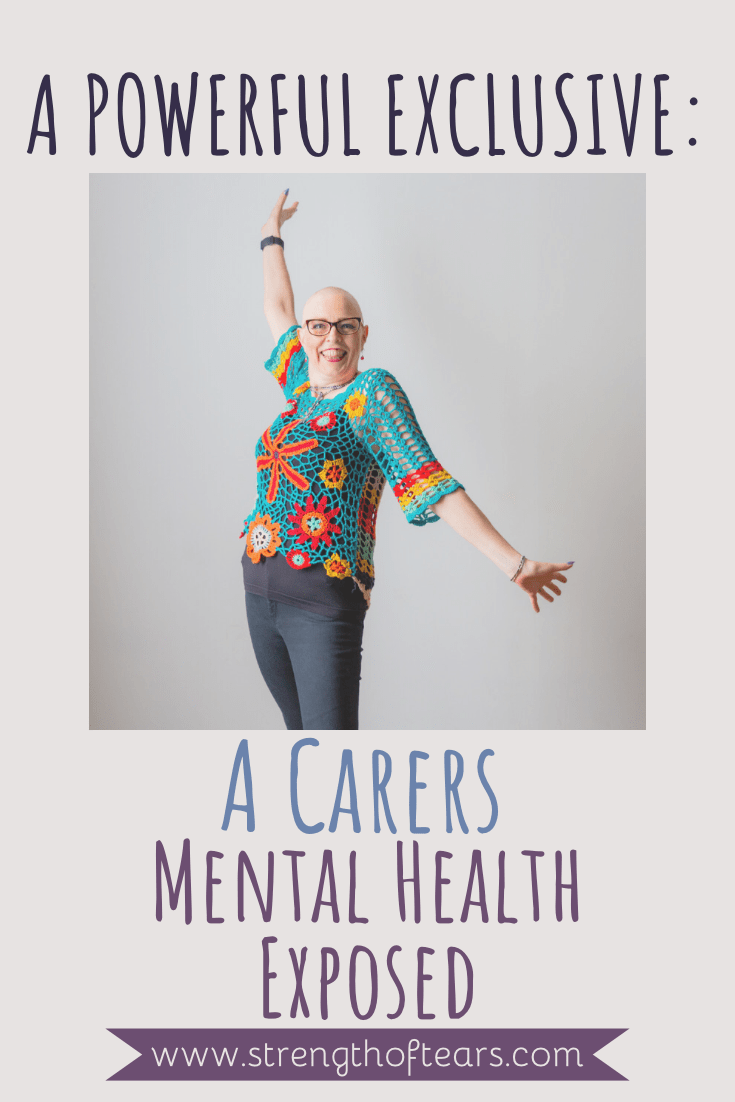
    An Interview with Lesley from Digital Fixers for Carers Rights Day 2020.jpg

    The Interview

    Tell me a little about you

    I was born in Edinburgh but moved around England after moving to Milton Keynes as an 11-year-old, before moving to Preston with Jerry at 31 years old. I spend a lot of time online, both for business and socialising and my guilty pleasure is true crime podcasts.  

    How did you meet your husband and how did you get married? 

    Jerry and I met when I was 30 and he was 31, so quite late really.  His ex was my workmate who tried to set us up, then we met at a work’s do. A week later we ran into each other in a pub in Shepherds Bush and moved in with each other the next day.   

    We were never going to get married, aiming to be the non-conformists who lived together forever.  When Maddie was 2, Jerry had a mad moment and proposed! I said yes but wasn’t sure I’d made the right decision – we were OK, why change it! But then we went to find his decree nisi and they couldn’t find it. 

    I suddenly realised how much I did want to marry him!  So, we waited a couple of hours while they searched, and they found it. It had been misfiled. We’d also set out a very fine timeline with 5 weeks until we had a weekend away booked, with Maddie staying with my in-laws for the weekend.  

    What are your husband’s illnesses? 

    Jerry’s first illness was a Hiatus Hernia that took 2 years to diagnose. By the time he had the operation he was so ill, physically and mentally, it took 6 months for him to recover to a point where he could work again. Xander was a baby so he hadn’t really had a great deal of quality time with his dad.  

    About 5 years ago he had to have a shoulder replacement due to chronic osteoarthritis. The surgeon had only done it on 1 younger person – a tennis pro! He doesn’t have much mobility in it anymore, and the other one is going too.  His back hips and ankles are also bad.  

    The final straw, which almost broke the camel’s back, came two years ago. While doing a part time job, in an effort to feel like he was still contributing, Jerry was involved in an accident. An alloy wheel was spinning in a CNC lathe and it flew out and hit him on the head and chest. 

    When did you become a Carer and what do you do in your role? 

    The last two years have been when the caring has kicked in. I was working full time, doing the school stuff, cooking, DIY, and generally holding everyone together. Doing everything got too much and although it meant a reduction in income, I quit.  

    As well as Jerry and his illness, one of the kids has Dyspraxia and Hypermobility and that means hospital appointments most months. We can’t go for walks anymore, and we had to get rid of all the motorbikes, this has been the hardest part for Jerry.

    What is an average day like for you? 

    I get the kids up and get them to school. When I’m back I try to cram an hour of work in before I wake Jerry with his tablets.  He used to take them himself, but started forgetting and if he doesn’t take them on time, he gets very groggy very quickly, but doesn’t realise why!  

    I try to spend some time each day chatting as I know he gets lonely but it’s hard as I’m busy. Some days he comes downstairs for lunch, so we can spend time together but he mostly stays upstairs as he can’t keep going up and downstairs. When the kids get in from school he’ll come down again, sometimes waiting until dinner time.  

    He wants to try and do things he used to, like car jobs and DIY. But he can’t, so finds it frustrating, and I can’t do a lot of them. We end up trying to do them together, which can cause hilarity, or arguments, in equal measure. Afterwards he has to sleep and is in pain for 2-3 days so it makes me wonder if it was worth it? 

    How has being a Carer changed you? 

    I’ve always been the caregiver. I hadn’t planned to have to take such a big role on so soon after finishing caring for babies, but it is what it is. I’d like to say it has made me more patient, but it hasn’t; I just bite my tongue more when he is trying to do something I could do quicker! 

    A Carer’s mental health can be affected by these changes, how are you? 

    I find it hard caring for the person I assumed would care for me equally. 

    Have you been given support in any way as a Carer and are you aware of your rights and how to get help? 

    I’m not sure I qualify for much in the way of financial support. We’re still fighting to get more than basic PIP (Personal Independence Payment). I’m lucky to have friends that I can talk to and support me, as that’s what I need the most.

    What things do you need to make your life easier and help with your Carer’s mental health? 

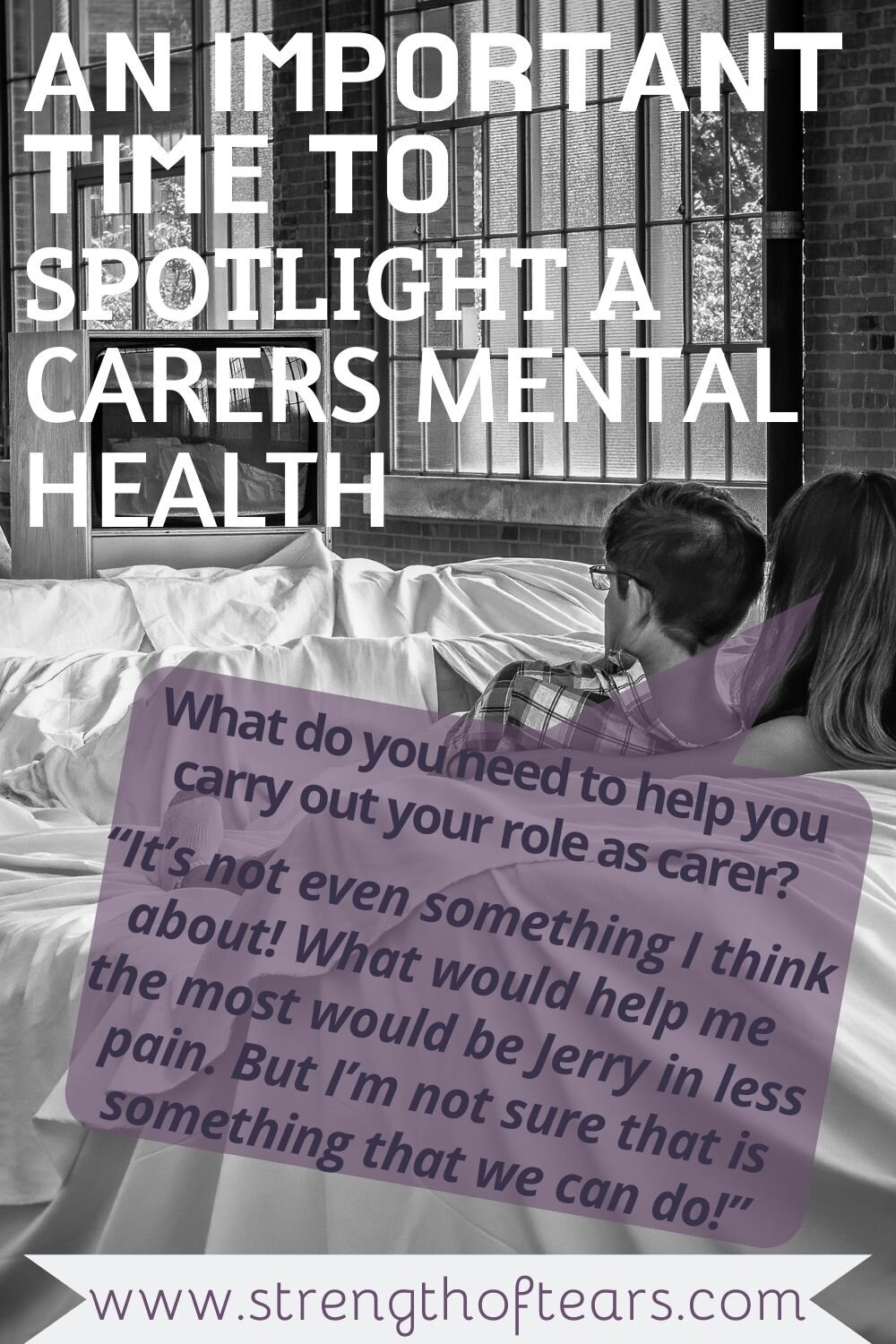
    It’s not even something I think about! What would help me most would be Jerry being in less pain but I’m not sure that’s something we can do. 

    My caregiver mantra is to remember: The only control you have is over the changes you choose to make.

    — Nancy L. Kriseman,

    I recently suggested discussing hip surgery with the doctor now that he’s a bit older, but he admitted that he fears the surgery. Unfortunately it took him a while to recover from his second surgery. As both major surgeries have had such a devastating effect, he really doesn’t want to have more. 

    What’s been the biggest change in your life since you became a Carer? 

    Everything has changed.  We ran a business for 15 years, but we lost it and then lost the house. We were very lucky to get a brand-new housing association house. But a depression set in over Jerry as he blames himself.  

    We used to go for walks daily, and often went to the Lake District for long weekends.  We also went to Motorsports events on a regular basis, but that involved camping, or at the very least a day of being on your feet. 

    It’s hard on the kids too. Xander can’t remember his dad being well and as the gaming computer is in our room, he can only game when Jerry’s up. Maddie sees a counsellor at school, which has really helped. She’s talking more to me about it, but I can’t change it. I can’t give them back the life we had, and that is the hardest thing.

    How does your business and your role as a Carer affect your working life? 

    I run Digital Fixers, with my great friend Nic, from home. We help small businesses who often have to change plans and ideas at the last minute, which I can totally sympathise with! To find out more about what Digital Fixers do, click here to check out their website.

    I don’t feel too much pressure to get things done now, so what works for me is doing a bit of work, caring for Jerry, or doing house stuff, more work, sorting the kids and dinner, then doing more work. Some days nothing tangible has been done work wise at the end of the day. I have to learn to live with that and hope the next day is better.

    Regarding Carers mental health, how do you cope with the stress?

    I just do, I don’t know how sometimes. I think you don’t know how strong you are until the shit shizz actually hits the fan, and then most people find they’re stronger than they ever thought they could be. I’m a problem solver, so I find it difficult when it’s a problem I can’t solve.
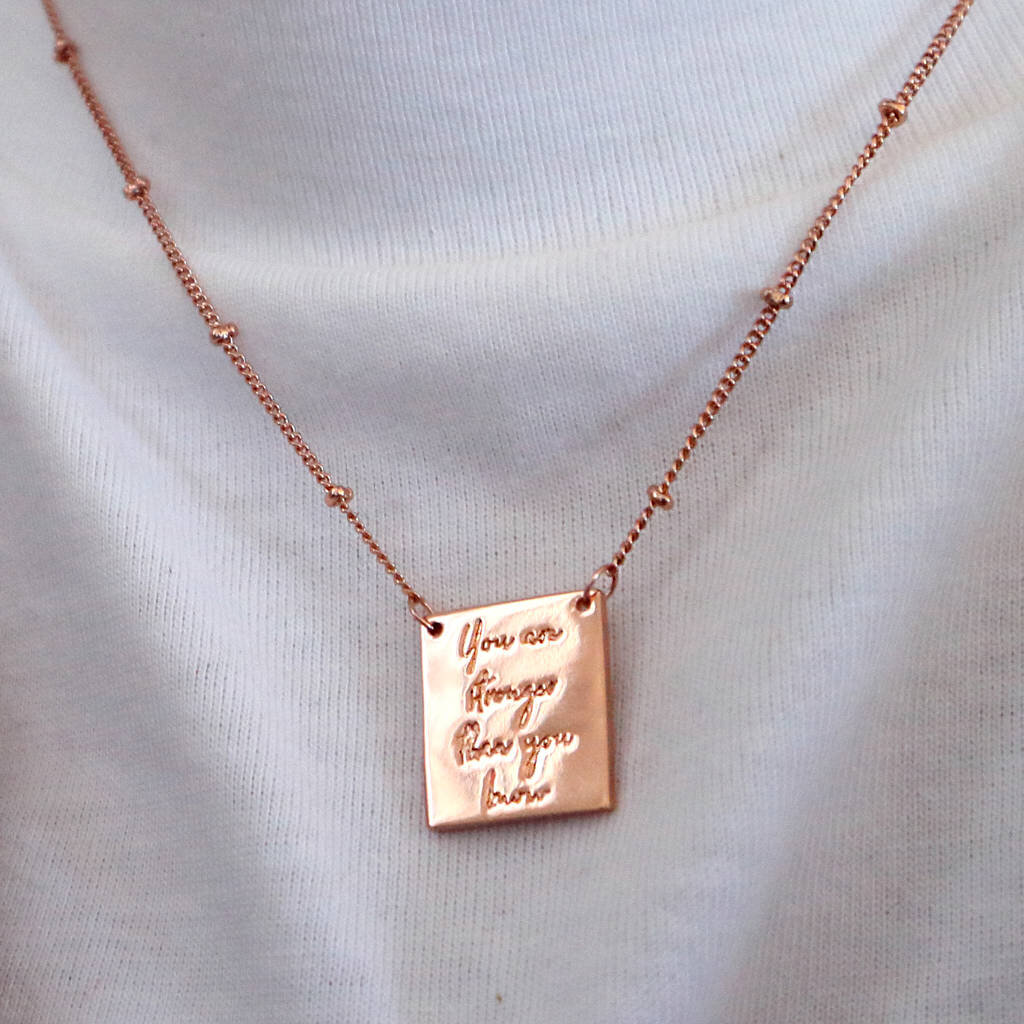
    You Are Stronger Than You Know' Tag Necklace.jpeg

    ‘You Are Stronger Than You Know’ Tag Necklace

    You never know how strong you are until being strong is your only choice.

    — Bob Marley

    Does being a Carer affect your relationships? 

    I believe a couple’s relationship changes throughout their life, and you have to grow and change to survive. We’ve switched roles back and forward over the years as to who is the stronger and who needs support.  This feels more permanent though. 

    My parents live in Spain but we can’t get out to see them very often. The last time I went I was on my own, just 2 weeks after Jerry’s head injury accident, so I worried a lot when I was away. The kids are great and help a lot but I feel bad that they have to do that.  

    Most friends are online these days, especially since the kids started high school. We talk daily in WhatsApp groups and I have a couple of friends I meet for actual coffee (before lockdown).  Sometimes I feel I do nothing but moan to some friends, but they moan to me about their problems. We all need someone we can vent to!

    How do you find other people react to you having a chronically ill husband? 

    Hmmm! I’m not sure this is even something I think about. My friends are supportive but if they weren’t they wouldn’t really be friends! I have people I call if I can’t get out and need something, others if I can’t do the school run. If I need help I ask, people feel good helping others. Once I learned that, I was more open to asking for help. 

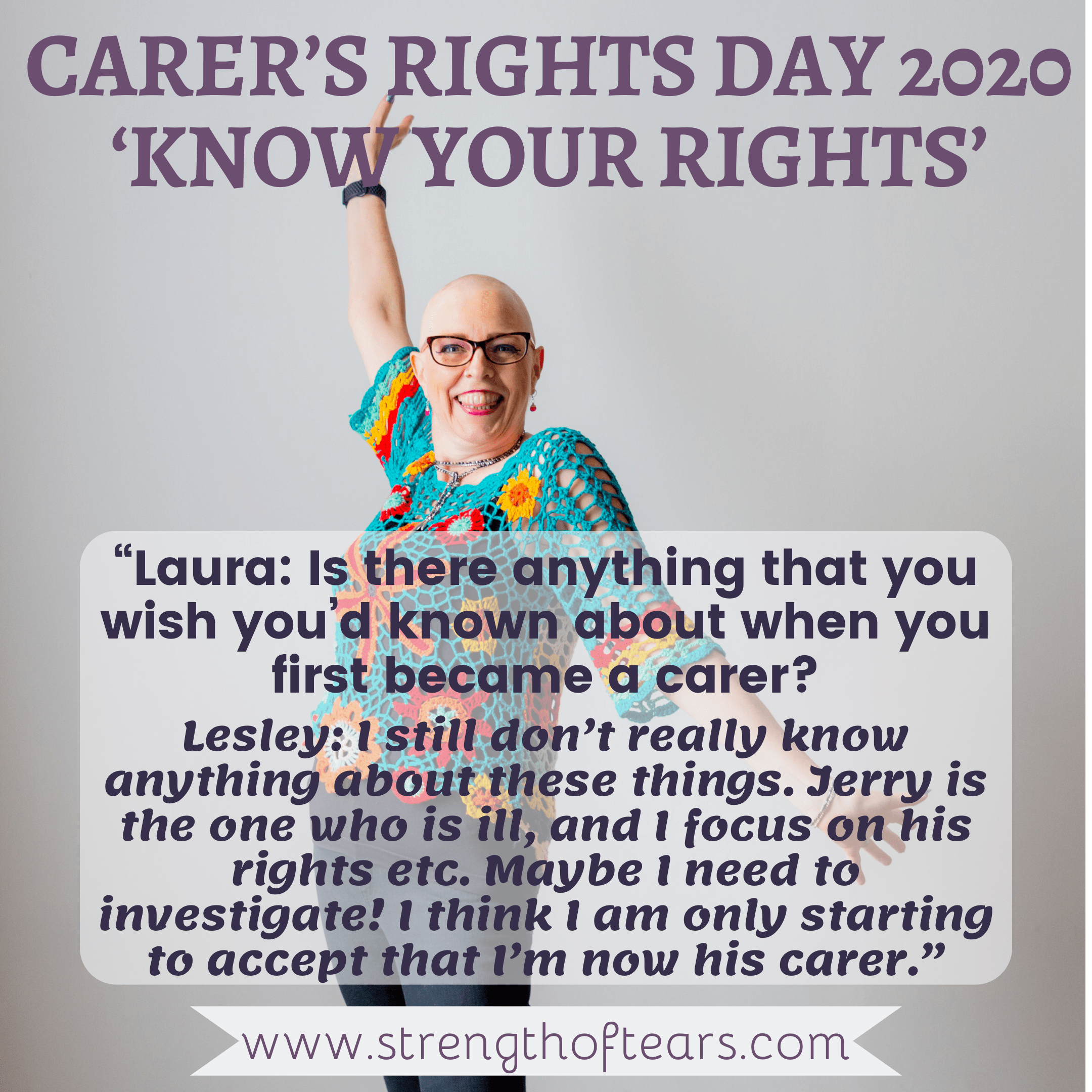
    Is there anything that you wish you’d known when you first became a Carer and do you know your rights?

    I still don’t really know anything about these things. Jerry is the one who is ill so I focus on his rights. Maybe I need to investigate! I think I’m only starting to accept that now I am his Carer.

    If you had a superpower what would it be and why? 

    I have a superpower – it’s holding everything together single handed! The only other superpower I would like, would be the power to fix Jerry.  

    Not All Heroes Wear Capes' Thank You Gift.jpeg

    Buy this Gift for your superhero

    Not All Heroes Wear Capes’ Thank You Gift.

    What do you want to achieve in life that you think may be difficult now you’re a Carer?

    To travel. I really hadn’t finished that.

    Is there anything else you want to say about being a Carer? 

    It sneaked up on me. I didn’t realise. Even now, I just see everything I do as a part of being his wife, so am I his Carer or his wife? 
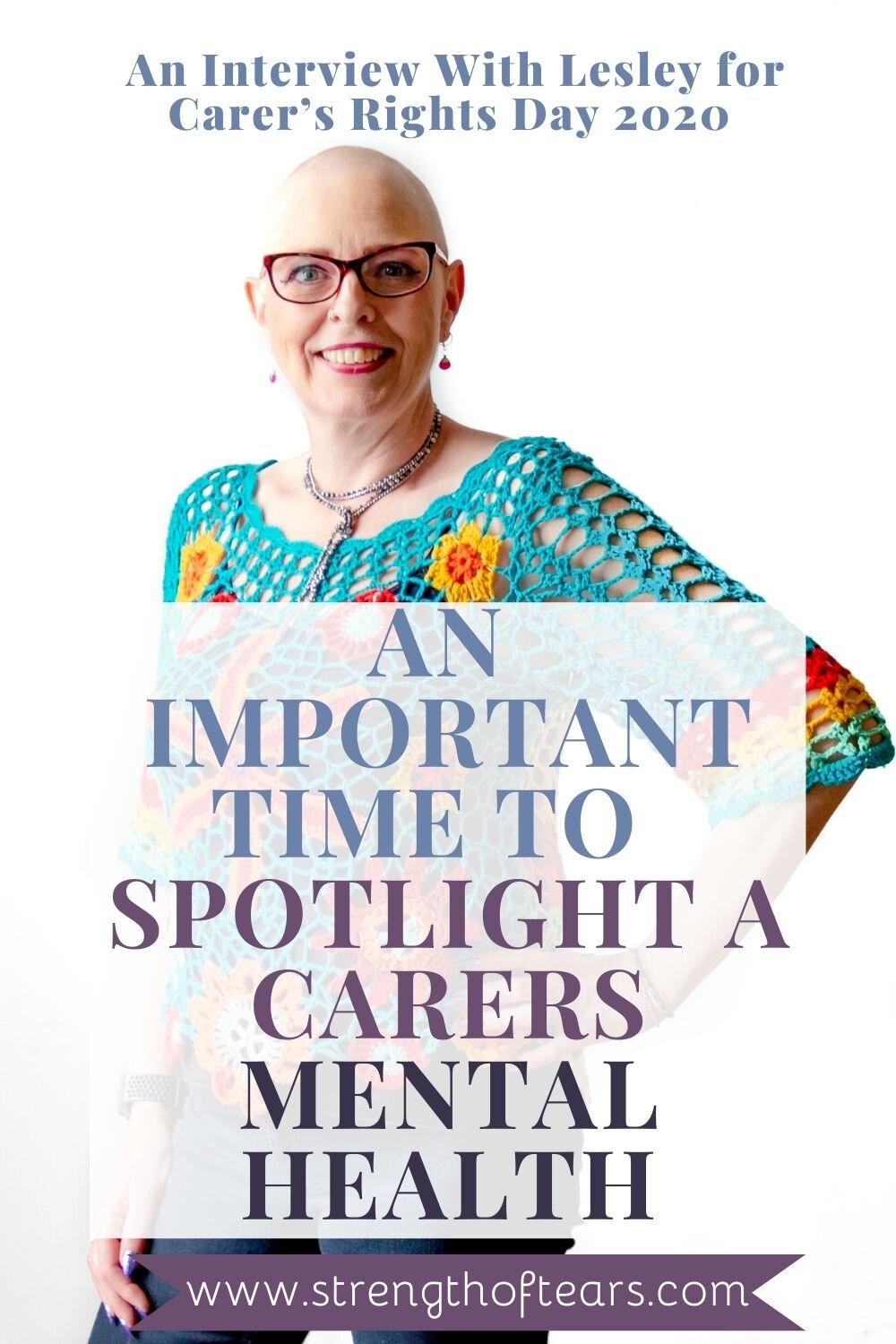
    An Important Time To Spotlight A Carers Mental Health.jpeg

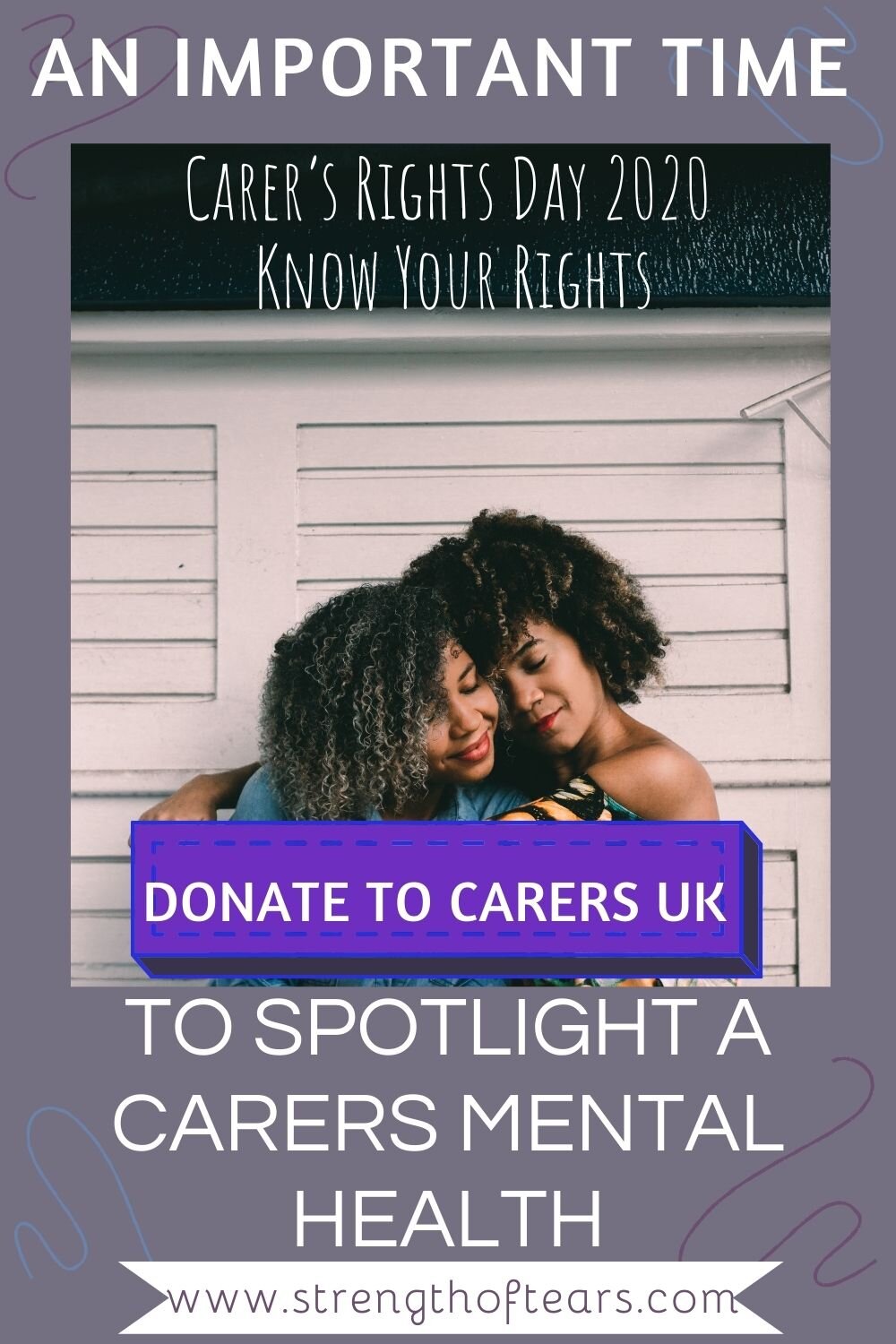
    A Important Time To Spotlight A Carers Mental Health

    Lesley’s been kind enough to answer my questions about her role as a Carer. They got her thinking about some aspects of her role for the first time. After sending me her answers she went on the Carers UK website to start investigating what might be available for her. 

    Lesley has a great network of friends that make up her support system which is so important for a Carers mental health. The impact of caring for a partner within a family, can also affect the children’s mental health. Lesley’s comment about not being able to give her kids the life they had before, hit home for me. 

    However her teenage daughter is seeing a counsellor which helps her communicate her feelings, so important for her emotional well-being. Joel, myself and the boys had family therapy which gave us tools to communicate how we feel in a constructive way. To read more about emotional well-being for families, click here to read my blog.

    Caring can place a big strain on families. Carers sometimes say that friends and family disappear once caring begins. This can lead to feelings of isolation and resentment.”

    — Carers UK

    We have to recognise the strain caring can put on a relationship. When we commit to one another we think we have all the time in the world, so when a partner’s health changes and they need care, the other is never ready to take on the role. Like Lesley’s travelling plans, both partners’ lives change, which may lead to feeling bitter.

    However, many couples are brought closer and Lesley’s love for Jerry shines through this interview. I totally agree that her superpower is holding everything together, in a way that works for her family. But we all differ and Carers juggle so much, they often don’t find time for themselves. This is why a Carers mental health is so important. 

    As we head towards the end of 2020, it is more important than ever that we shine a spotlight on the support available for Carers. A recent survey found that 78% reported “the needs of the person they care for have increased during the pandemic” with worries it would worsen with further Lockdowns and restrictions.

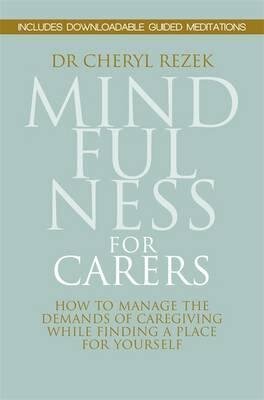
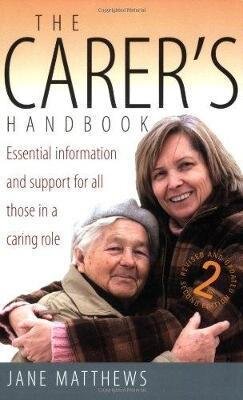
    My Recommended Reading List

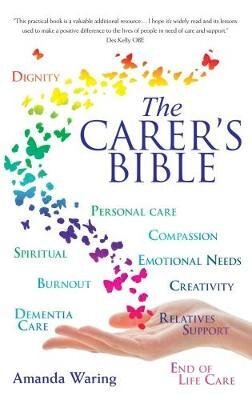
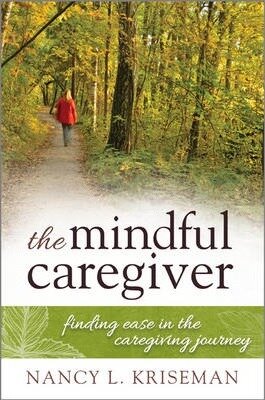
    These books are my recommendations on this topic. These books are all about a Carer’s well-being which will help any Carers mental health. Mindfulness may sound a bit woo-woo but t’s just spending some time being present. For extra ideas refer to my emotional well-being blogs to get started. I hope these help you as a carer or you can pass these ideas on to your carer, to cope with the stress of being a carer.
    #block-yui_3_17_2_1_1606249649953_43498 .sqs-gallery-block-grid .sqs-gallery-design-grid { margin-right: -20px; }
    #block-yui_3_17_2_1_1606249649953_43498 .sqs-gallery-block-grid .sqs-gallery-design-grid-slide .margin-wrapper { margin-right: 20px; margin-bottom: 20px; }

    How You Can Help Raise Awareness And Donate To Support Carers

    “This Carers Rights Day, we want to empower Carers with information and support, so they can feel confident asking for what they need.” This information to support Carers Mental Health and more, is for Carers in any setting. If you want to know more, click here to read the Carers UK guide to looking after someone.

    We would both love this blog to do even more than raise awareness so would both be very grateful if you could donate whatever you can to the charity Carers UK. To donate please click on this button and follow the instructions. Thank you so much. 

    Lesley has shared her story in the hope of raising awareness of the stress that being a Carer has on you. We would both be so grateful if you could share this blog on your social media using the links at the end of this post.  A note from the Carers UK website about how your donation can help them support Carers in the UK.

    Across the UK today 6.5 million people are carers, supporting a loved one who is older, disabled or seriously ill. That’s 1 in 8 adults who care, unpaid, for family and friends… Carers UK makes life better for carers. Caring will affect us all at some point in our lives. We’ll be here for you when that happens. With your help, we can be there for the 6,000 people who start looking after someone each day.

    How Carers UK supports carers:

    • We give expert advice, information and support.

    • We connect carers so no-one has to care alone.

    •  We campaign together for lasting change.

    • We innovate to find new ways to reach and support carers.

    To enable CARERS UK to do this please follow the instructions on their DONATE page by clicking here. 

    To help us raise awareness please share this blog on your social media with friends and use #CarersRightsDay. To help us raise money for Carers UK on Facebook please add the donate button and choose Carers UK when you share this post.

    Stay safe,

    Laura 💜

    P.S

    If you care for someone and find it hard to prioritise your own needs, I can help you create better well-being strategies using my free well-being plan. This will help prioritise your own needs, such as better sleep patterns, self care or doing the things you love. Or if you want to get on a waiting list for updates on my first ever well-being journal, please sign up to my Strong Mums mailing list here.
    #block-4d8af7fb6b72bf879948 .sqs-gallery-block-grid .sqs-gallery-design-grid { margin-right: -20px; }
    #block-4d8af7fb6b72bf879948 .sqs-gallery-block-grid .sqs-gallery-design-grid-slide .margin-wrapper { margin-right: 20px; margin-bottom: 20px; }
    ✋ Hey there! I hope you’re feeling stronger now. If so, sharing the love will help me help other mums with mental health and/or chronic invisible illnesses and those who care for them.⬇ Hit one of those sharing buttons or save the images to Pinterest and I will do a bed-bound happy dance – there’s an image for you.

  • MS Awareness Week: Insider Advice For A Quality Life

    MS Awareness Week: Insider Advice For A Quality Life

    MS Awareness Week: Insider Advice For A Quality Life

    MS Awareness Week 2020 began on Monday 20th April and finishes on the 26th. This week is a chance to raise awareness of Multiple Sclerosis or MS, so I’m sharing information about what MS is, the symptoms and how it affects those living with this invisible chronic condition. 

    This is the first of my awareness blog posts that I’ll be sharing regularly with you. So why do I want to start with MS?  As a young adult one of my best friends cared for her mother who had advanced MS. I remember the last day I visited clearly as she passed away soon after. 

    Our friendship gradually drifted apart but I’ve had other friends who’ve had a parent with MS and I’ve seen first hand some of the amazing fundraising efforts. Now I have a few friends (some of the first friends I made as a chronic warrior) who are fighting their own battles with MS. 

    This one’s personal so I’d love it if you share this blog, visit the blogs I recommend or look out for #ThisIsMS or #MSWeek on social media. I want to do what I can to help spread the word and would be thrilled if you too pass this on? For more details click here to visit this MS Society Awareness Week page.

    View fullsize

    MS Awareness Week Insider advice for a quality life. This MS Awareness Week the MS Society wants to raise awareness of life with MS.

    This MS Awareness Week the MS Society wants to raise awareness of life with MS. They want to show how someone may be feeling on the inside, when from the outside they ‘don’t look ill’. For all of us living with chronic invisible illnesses, we may struggle with anxiety or stress so I’m giving away my free grounding exercises for anxiety at the end of this post.

    If you just can’t wait, grab my free grounding techniques guide now. You’ll get this and all my free resources to help you develop your own coping strategies for your family well-being/living with chronic invisible illness. Click the button to download this guide from my VIP Resources Library now.

    An Overview of MS

    MS or Multiple Sclerosis is a disease affecting the central nervous system (the brain and spinal cord) and is a chronic or life long condition. Everyone affected by MS will experience it differently and will have varying degrees of symptoms across the three main types of MS.

    Approximately 130,000 people in the UK have MS, with nearly three times more women diagnosed with the condition than Men. Approximately 100 people are diagnosed each week, with most of these in their 20s and 30s, making it the most common Central Nervous System condition in young adults. 

    Our central nervous system consists of the brain and spinal cord and plays a vital role in the control of most bodily functions. Nerve cells exit the brainstem and spinal cord, processing information and sending messages to and from different areas of your body. 

    In MS patients, the central nervous system is attacked by mistake. The immune system attacks myelin, a membrane that insulates your nerves, causing lesions. These cause MS symptoms, due to the damage stopping messages from the brain travelling smoothly.

    When new MS lesions develop, you may experience a relapse. In the earlier stages, the body naturally repairs most of the damage and symptoms go away but eventually most people develop symptoms that worsen over time. 

    “Most people will usually experience only a small number [of symptoms] around the time of diagnosis… Symptoms vary from person to person and from day to day. This can make…MS rather unpredictable.”

    — The MS Society

    What are the symptoms of MS?

    MS Awareness Week 2020 wants to raise awareness of more than the physical symptoms that are experienced during an MS relapse so this is a short list of symptoms. If you wish to know more about symptoms and relapses then visit this section on the MS Trust’s website.

    Common symptoms around the time of diagnosis:

    • Fatigue

    • Pins and needles or numbness

    • Pain

    • Problems with eyesight

    • Memory problems

    • Walking difficulties e.g. tripping, stumbling, weakness or a heavy legs

    • Dizziness and vertigo

    Other possible symptoms:

    • Muscle stiffness and spasms

    • Bladder and bowel problems

    • Difficulty swallowing

    • Sexual difficulties

    • Migraines

    • Seizures

    • Speech problems

    • Hearing loss

    • Mood changes

    Medical Disclaimer - I am not a medical professional therefore the content on this blog is for informational purposes only.

    MS Awareness Week 2020

    This MS Awareness Week, the MS society wants to focus on raising awareness of the hidden side of this invisible illness, by asking people to share their stories of living with MS. They’re asking you to share what MS means to you, how it impacts your life and makes you feel.

    If you’re struggling due to living with a chronic illness and need support to cope with anxiety then please grab a copy of this free guide to grounding exercises for anxiety. It helps you to explore 5 simple exercises and learn which you want to recall during an anxiety or panic attack. 

    If you want to join in head to Get Involved MS Awareness Week for more details on how to share your story. If you want to read these stories then use the hashtags #ThisIsMS and #MSWeek on Twitter, Facebook or Instagram this week. 

    To help raise awareness I’m sharing my favourite articles about living with this condition by my top 5 MS bloggers. MS has many symptoms but not everyone will experience all of them, so I’m sharing stories from bloggers who experience a range of symptoms.

    The main message of MS Awareness Week is to show what is going on beneath the surface. As I can’t explain this to you myself, I’m going to leave that up to these 5 MS advocates. I hope you get an increased understanding of the impact MS has. This is MS…

    View fullsize

    5 Experts Share A Behind The Scenes Hope - MS Awareness Week. raising awareness of Multiple Sclerosis. information about what MS is, the symptoms and how it affects those living with this invisible chronic condition.

    5 Experts Share A Behind The Scenes Hope – MS Awareness Week

    1. https://stumblinginflats.com – Barbara from Stumbling In Flats is an established writer, author and blogger. I first came across her as a fellow Teva Life Effects contributor. She lives with ‘The Teenager’ in Cardiff and has been diagnosed with MS for 9 years. Her book, Stumbling In Flats, was short-listed for the International Rubery Book Award 2015.

    ‘We’ll Do What We Do Best’ seems like the perfect blog post to share for MS Awareness Week. She writes about how the MS community has come together, at a time when MS patients are ‘shielding’. This post has definitely made me think.

    Her observation on ‘doling out advice to normally-healthy people stuck at home, climbing the walls’, is familiar as I feel like I’ve been training for lockdown. Everyone is getting a glimpse of our lifestyle but we wish the many resources, like theatre at home, were available for us all the time. 

    Click here to read her post

    2. http://trippingthroughtreacle.com – Jen’s award winning blog – Tripping Through Treacle is about her attempt at a healthy lifestyle, parenting, mental health and more. She’s had MS for over 25 years and tries to stay positive with support from her family and friends.

    I recommend Jenny’s post – ‘Bravery’ in Chronic Illness which talks about both points of view on being told you’re brave, amongst the chronic illness community. I feel that I’m just living the hand I was dealt but I do understand how some feel like people are pitying you when they tell you you’re brave. 

    Others take it as a compliment, feeling like it gives them strength, especially on those days when they feel anything but brave. Jen observes that there’s actually a spectrum of opinion on how being called brave makes people feel.

    Personally I don’t feel that people are pitying me, rather that they cannot see themselves in my position so cannot envisage how they would cope. I struggle more with being called ‘inspirational’, for similar reasons but that’s a post for another day. 

    Click here to read her post

    3. https://www.anempoweredspirit.com – An Empowered Spirit is an award winning blog written by Cathy, who’s been living with MS since 1986. She wants to empower, inspire, and educate her readers so they can live a healthy and informed life while living with MS.

    As this year’s MS Awareness Week is aiming to raise awareness of the invisible side of MS, I’ve chosen to highlight her blog about relationships and MS. She writes of how having a support network reduces anxiety and stress but sadly many people lose this, after a chronic illness diagnosis. 


    After my diagnosis, my husband and I took action and asked for support. Through this we found how, as a family, we needed to work as a team. It’s made us all more resilient and empathetic. 

    I agree with Cathy when she says that successful relationships require learning how to voice your feelings in a caring way. Having this skill is vital to how we cope as a couple and as a family, with the strains of chronic illness life.

    Click here to read her post

    4. https://www.lifeonaseesaw.co.uk – Kat from Life On A Seesaw is also a contributor to Teva Life Effects. I recently saw that she lived near me so I messaged her and discovered she lives in the same village we moved from, just before I was diagnosed.

    Kat lives with her husband and young son and was diagnosed with Multiple Sclerosis in 2016. She loves photography, writing and being in nature. Her message is that we are much more than our diagnosis and hopes to provide empowering articles.

    I recommend reading her Just Diagnosed? Tips For Patients post. She says that “When you are diagnosed with MS, so is everyone in your family.” Her post is intended to answer some of the questions Kat had when she was diagnosed. 

    Regardless of how you come to be diagnosed with MS, Kat say that it’s still a shock. She talks about you and your loved ones all needing time to digest your diagnosis. I feel this is a universally important tip for anyone diagnosed with a life changing condition.

    Click here to read her post

    5. https://fightmsdaily.com – Alyssa from Fight MS Daily is an award winning, inspirational chronic illness blogger. She has been diagnosed with MS for over 19 years but still pushes the barriers that MS puts in front of her. She says “In my heart and mind, I believe maintaining a positive outlook on all situations in life will carry us through to much better times!”

    I recommend reading her post Fight the Battle & Win the War! She acknowledges that although life with a chronic illness with painful symptoms is not easy. However she has vowed not to let pain win the battle. 

    She comments on the things we can do to fight the pain we may feel, acknowledging that what works for her might not work for anyone else. For example, she finds that her pain lessens if she keeps moving, despite that not making much sense to her. 

    Click here to read her post

    charity ribbon basic.jpg

    MS Awareness Week 20220

    MS FAQs

    I hope, as do the writers of the blogs above, that you’ve found this information useful. I also hope that by signposting these blogs for you that you get the answers you need and the support that we as bloggers, hope to provide you with. 

    I’ve added FAQs to the end of the blog for those of you looking for a quick answer to your questions. However if you want non-urgent medical advice, please visit these sites for support:

    https://www.mssociety.org.uk

    https://www.mstrust.org.uk

    https://www.nationalmssociety.org

    https://msfocus.org

    https://mymsaa.org

    Is there a cure for MS? 

    No there isn’t a cure for MS, but there are treatments for some of the physical symptoms and medications which reduce the amount and severity of relapses. 

    What causes MS? 

    It’s still unknown what causes Multiple Sclerosis but it’s being actively researched. There seems to be a number of different factors that when put together, trigger MS. Genes may make up around half the risk of getting MS.

    Can I treat myself by eating healthily?

    It is really important that you take any medication prescribed by your physician. There are complementary therapies that some people find helps reduce the severity of relapses.

    It’s also thought that a lack of sunshine or exposure to some viruses, smoking, obesity and long-term solvent exposure may be a factor. Being healthy is a good choice but it cannot replace your medical treatment plan.

    Can I have children?

    “MS rarely affects a woman’s ability to get pregnant, carry a child or give birth. A woman with MS is less likely to have a relapse during pregnancy, although the risk of relapse increases during the six months after the birth.”  It is important that you discuss this with your doctor because of the risk that some medications could have on a foetus.

    Is MS hereditary ?

    Some genes do make it more likely but this on it’s own is not enough to trigger the condition. The risk of another member of your family getting MS is small. The cause of MS is a vital area of research and it’s thought that a number of factors come together to trigger MS.

    Will I become disabled?

    MS may impact your ability to do certain things in the future and you’ll need to adapt with these changes. MS can cause disability, however, most people won’t need to use a wheelchair permanently.

    What is the prognosis?

    MS is a lifelong condition but it’s rarely fatal due to advances in treatments but as everyone has a different experience of symptoms,cno-one can predict how MS will affect you. Most people with MS have a long life, with an lifespan estimate of six years less than the general population. 

    Final Thoughts

    By writing this blog, I’ve learnt that you wouldn’t know someone was experiencing almost all the symptoms of MS. Therefore we must all remember that we never know what someone is going through underneath the surface, so please choose kindness. In light of this, if you feel that you aren’t coping well with anxiety or panic attacks, please head to my blog post – How To Develop Easy Strategies For Coping With Anxiety.

    Just a reminder that this MS Awareness Week, the MS Society wants to raise awareness of life with MS. They want to show how someone may be feeling on the inside, when from the outside they ‘don’t look ill’.  Help make sure that no one has to suffer MS alone by sharing your story on social media using the hashtag #ThisIsMS. Find out more detail by visiting the MS Society’s MS Week page.

    To help raise awareness for MS, please share this blog and look out for #ThisIsMS or #MSWeek on social media. If you’d like me to see it then please tag me in it (see my links below). I’d love to hear from you in the comments if you visited any of my 5 blog recommendations or if any of this spoke to you

    Thank you so much to the ladies who kindly let me share their blogs with you today. If you have MS and are shielding or in self isolation now, I send you my best wishes and positive energy to help get you through.

    Stay Safe,

    Laura 💜

    P.S Don’t forget to download my grounding exercises for coping with anxiety free guide from my Strong Mum’s Resource Area when you sign up to my mailing list. This guide will help you develop your own coping strategies for your own and your family’s well-being/living with chronic invisible illness. 

    ✋ Hey there! I hope you’re feeling stronger now. If so, sharing the love will help me help other mums with chronic invisible illnesses.⬇  Hit one of those sharing buttons or save the images to Pinterest and I will do a bed-bound happy dance – there’s an image for you! 

    #block-yui_3_17_2_1_1587569280280_79035 .sqs-gallery-block-grid .sqs-gallery-design-grid { margin-right: -20px; }
    #block-yui_3_17_2_1_1587569280280_79035 .sqs-gallery-block-grid .sqs-gallery-design-grid-slide .margin-wrapper { margin-right: 20px; margin-bottom: 20px; }