Tag: understanding feelings

  • My Breakthrough To Protect My Sensitive Mind Using Emotional Vulnerability

    My Breakthrough To Protect My Sensitive Mind Using Emotional Vulnerability

    My Breakthrough To Protect My Sensitive Mind Using Emotional Vulnerability

    My Breakthrough To Protect My Sensitive Mind Using Emotional VulnerabilityYour emotions can tell you what others are feeling, especially if we’re highly sensitive. Our emotional vulnerability means that we sense how someone feels without being told.…

    When someone enters the room can you feel when something’s up?

    I can. I feel the vibes as soon as someone walks into the room which makes me a highly sensitive person but I wasn’t always aware of what that meant. My intuition or gut just got me into a pickle as I didn’t understand everything I was feeling. I’d bury my stronger emotions, in a poor attempt to protect my inner self.

    Pushing down our feelings like this only leads to explosive interactions. It can be helpful to think of emotions as different types of weather, some extreme, some mild and some regular, everyday weather that just happens. We have no ability to control the weather and we cannot control our emotions. 

    Just as we study the weather, we can study our emotions so we can protect ourselves from the storms and pollution to make a calm decision about how to react. Stepping outside our comfort zone, embracing emotional vulnerability and facing our fears, leaves us exposed but shows us the courage we actually have.

    Journaling has helped me spot patterns, work through problems and plan how to cope with strong emotions. I’ve created a free journal prompts download as a sneak peek of one section of the journal I’m creating (coming soon). I’ve designed the journal, including these prompts, around what’s helped me during years of experience, research and personal breakthroughs.

    The shaky feeling we get when we step outside on a stormy day is down to physical vulnerability. It makes us want to turn around and go home, escaping the danger, wondering why we ever thought we could do it. But if we just push ourselves to take one step, then another and so on, we’ll feel invigorated for it. 

    That same strange feeling, our heart rate increasing and our palms growing sweaty, is there when we put ourselves in potential emotional harm because of feeling shame or insecurity. It may feel like protection to hold back, but it would prevent us finding joy on a new adventure on an icy path or love from kissing in the pouring rain.

    In this blog I’m going to share my story of learning about emotional vulnerability and the impact this has had on my life choices. I will explore what I’ve learnt about emotions and vulnerability and how stepping outside our comfort zone can help us find belonging, joy, love and courage and how to create a plan to do this yourself. 

    • Empath Or Highly Sensitive Person?

    • Protecting Myself By Setting Boundaries

    • The Path Of Vulnerability

    • Exploring Emotions

    • Creating A Plan For Coping Emotionally
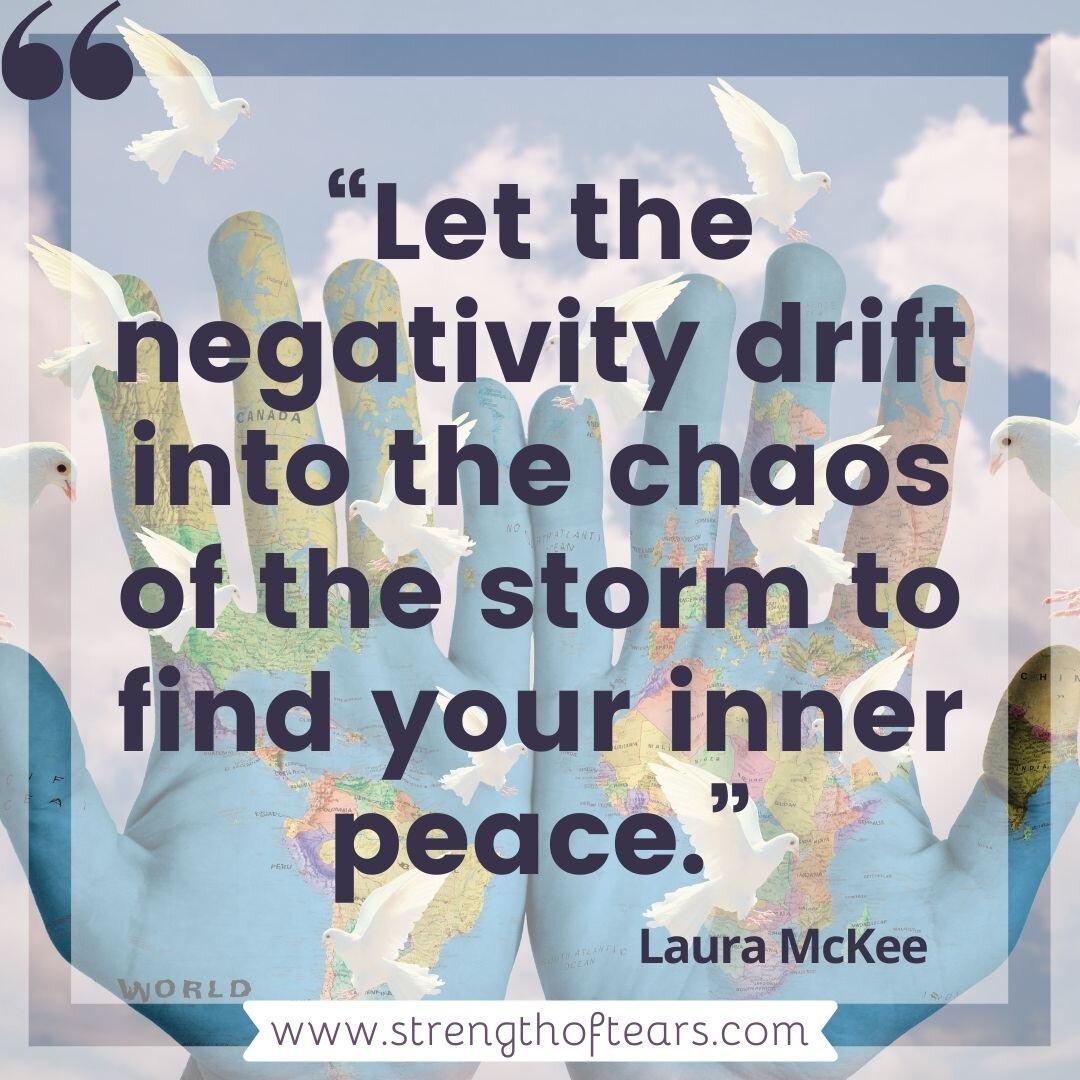
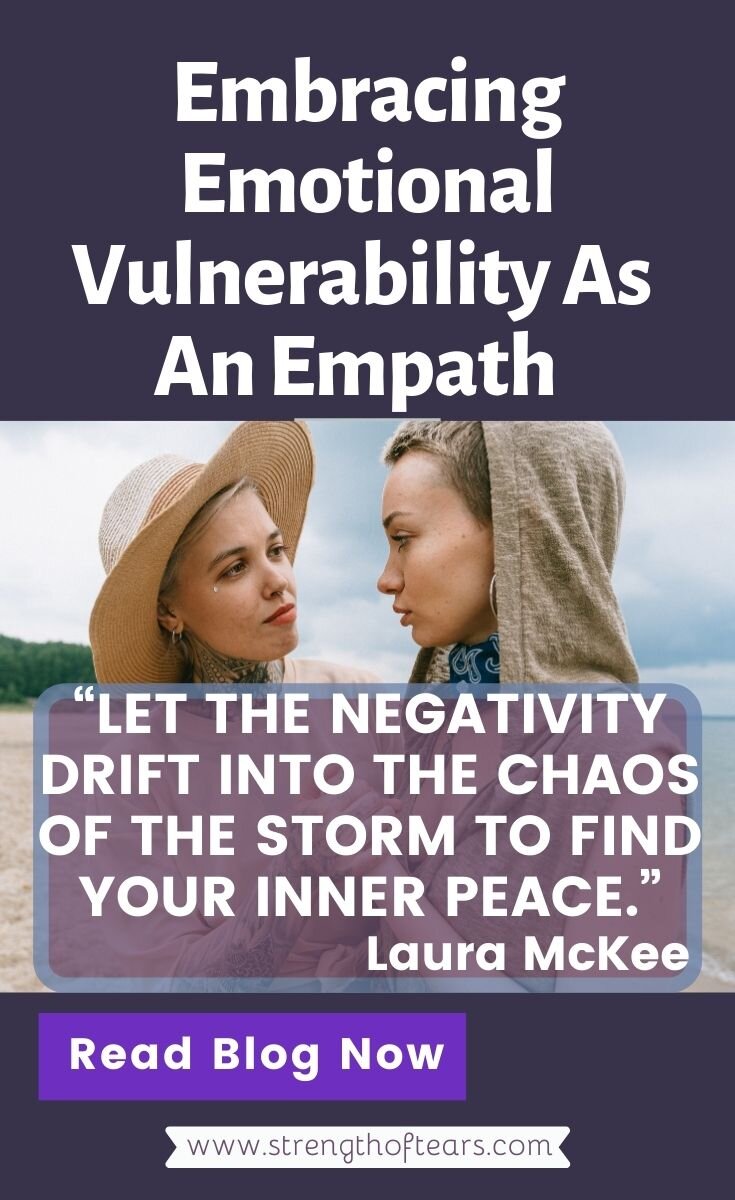
    let the negativity drift own quote.jpg

    Empath Or Highly Sensitive Person?

    My life coach has been crucial to my story, guiding me toward understanding my emotional responses to big life events. Identifying how my highly sensitive nature affects me, allowed me to plan for how to safely be emotionally vulnerable and cope with knowing what a friend or loved one is feeling, before they’ve even said a word. 

    Highly Sensitive People (HSP) can experience empathy and even absorb others’ emotions. This can be incredibly tiring on you, but also an asset when dealing with people. HSPs usually hate drama and conflict because it’s emotionally draining. Read this blog post to see if you’re one of the 20% of the population who are HSP.

    Empaths are highly sensitive too, but not all highly sensitive people are Empaths. Studies show that Empaths are drawn to caring professions, such as counselling or teaching, due to getting others needs. They let their gut lead them through life and may feel they have psychic or healing powers. Read more about Empaths here.

    These labels are useful for understanding our behaviour patterns. Understanding I’m an Empath helped me move out of my comfort zone to face new challenges. Labels themselves don’t define us, they’re just one piece of the puzzle that makes you, you! This information has helped me form a coping plan and create personal boundaries. 

     Protecting Myself By Setting Boundaries

    Being highly sensitive means that when something is wrong with someone in my company, I take on the vibe or mood created by their emotions. This often happens without us being aware. So I’ve had to develop my self awareness and learn how to protect myself by setting boundaries with myself and others.

    Having this trait means I strongly empathise with others but a lack of awareness meant I didn’t always deal with this well and could lead to arguments. With Joel, my husband, this would stem from me asking hiwhat was up? He’d reply ‘nothing’ so I’d tell myself it was my fault and my sensitivities took over until we ended up arguing.

    We’d never argue for long and we’ve now learnt from behaviour patterns and worked on understanding our feelings and changing how we communicate. This helps us know how to take care of how we’re feeling individually and together so we can be more open with each other, especially when we might be wrong. 

    Like many other Empaths, I knew in my gut I had to teach and when my health meant I had to stop teaching, this didn’t go away. I joined chronic illness support groups and would offer to help. However, I didn’t look out for myself and absorbing their emotions was exhausting. I had to learn how to do what I loved without taking a personal hit.

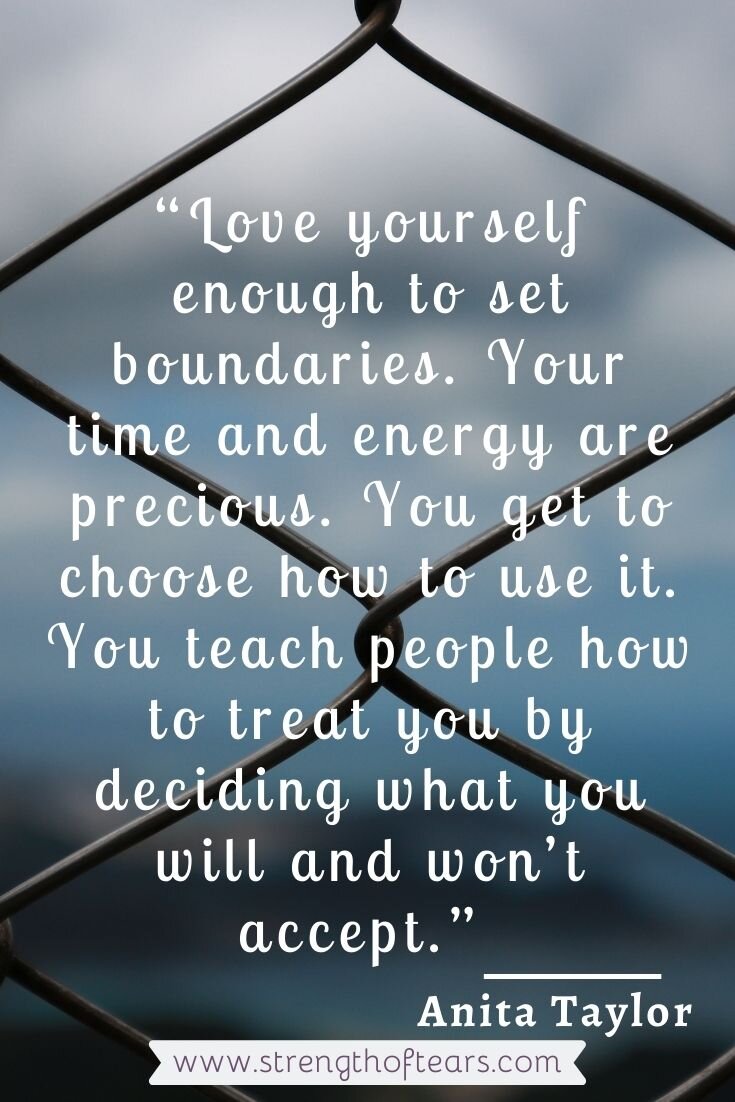
    Love yourself enough to set boundaries. Your time and energy are precious. You get to choose how to use it. You teach people how to treat you by deciding what you will and won’t accept.

    — Anna Taylor

    I’ve put time into learning how to be vulnerable by pushing myself out of my comfort zone, which has allowed me to grow. I had to let go of control and allow negative feelings in, before letting them go to find a sense of calm. Finding this balance has meant protecting myself from burnout whilst still supporting others.

    The Path Of Vulnerability

    Vulnerability is the core of all emotions and feelings, particularly the emotional experiences we crave, even if we don’t know it yet. Too often vulnerability is seen as weakness but if we beat down that wall, we’ll see the path of emotional vulnerability. If we take this path it can lead us to our goals and ambitions or our life’s purpose. 

    It explains her findings as a researcher when her academic work reached across the divide and connected with millions of views. She is now celebrated as a leader in exploring our emotions, particularly shame, guilt, courage, and empathy. 

    Brene Brown Path of Vulnerability.jpg

    The path of vulnerability is my terminology for this concept, as Brené’s words helped me walk this path myself. I believe the path starts with our negative feelings and moves us through a process of working through these, which takes a while. In time, we find we can accept these feelings as part of life and no longer an obstacle in reaching our goal of courage and finally joy. 

    The stepping stones you follow on this path may be small moments that pop up, such as feeling anxious or may be huge life events that reveal strong emotions and change our course. It’s vital we don’t skip the steps that make us feel exposed, but work through the barriers. Being open to fragility allows the path to stay open for you. 

    Emotional vulnerability makes us feel unsteady and off-balance, which can be scary. Most of us put on protective armour to avoid feeling uncertainty, shame, fear and anxiety. This changes from person to person, but Brené says this revolves around a) striving for perfection, b) numbing ourselves or b) self sabotaging joyful moments. 

    Instead of protecting ourselves this leaves us with a build up of negative emotional behaviour patterns. We need to recognise emotions we’d rather avoid and be open to exploring them. Looking at when they appear, why they have such an impact and what triggers the walls going up, means we can learn to break the walls down. 

    This means being more aware of our environment, social interactions, physical and economic factors, which all affect our emotional well-being. This awareness will help us feel more sure about the changes we’d like to see in our life. When we have this knowledge we can remove the barriers and head with confidence to the finish line.

    Exploring Emotions

    To do any of this we need to explore and understand our emotions, which means being mindful of how we’re feeling. This can simply be in those small moments or when strong emotions rush at us during huge life events. Feelings can complicate how your brain reacts to a stressful situation. 

    Initially we need to be able to notice, name and respond appropriately to any emotions we’re feeling. Even if you’ve been raised to talk through your feelings, intense mixed emotions can leave you in a bind if you can’t regulate your emotional response. 

    Knowing how to break down what we’re feeling helps us develop self awareness. We need to explore how to recognise, feel and react to good, bad and in-between feelings before moving on to this with mixed emotions. Strong feelings can confuse our process but we can get there by developing self awareness.

    Read this blog on my top 2 self awareness books.

    Our emotions can tell us what others are feeling, especially if we’re highly sensitive. Our emotional vulnerability allows us to sense how someone feels without being told. This is where our senses come into play. We can compare other’s smiles and frowns and the tension or calm in a room because of our understanding of our own feelings. 

    If we develop self awareness, self control and empathy for others, we will be more effective in all our relationships, both professional and personal. These traits allow us to move out of our comfort zone because we can read a situation and deploy appropriate reactions, helping us to grow in many ways and find emotional wellness. 

    Creating A Plan For Coping Emotionally

    Simply using a two pronged approach can help. Take time during the day to be mindful of how you feel by regularly stopping and taking a few deep breaths to check in with your body and mind. Once present, ask yourself ‘What am I feeling right now?’ ‘How is my body reacting to that feeling?’. Notice calm, chaos, concern, content etc. 

    Using a journal is a great way to make time to explore what works best. It can help us spot patterns, narrow in on the exact feeling we’re experiencing and plan how to react appropriately. It takes time, especially if we’ve not been raised to talk about our feelings, but it’s worth the time and energy.

    This process will make us experience emotional vulnerability so we need to be aware that our brain becomes overwhelmed and we can’t regulate our response. If this happens, use the tools you’ve developed for dealing with your emotions. After doing this regularly we can formulate a plan for dealing with our feelings in all situations. 

    As our feelings are both external and internal we also need to take into account the response from our gut, which can be physical. Being aware of this is very useful for mixed emotions, which can be explosive. This needs to be part of the plan so we can manage stressful situations without becoming overwhelmed or stuck in a rut.
    Why Emotional Vulnerability Is An Enormous Help For Sensitive People 1.jpg

     Why Emotional Vulnerability Is An Enormous Help For Sensitive People

    As a highly sensitive person, it’s so important that I’ve learnt to focus on my own emotions as my spidey sense is most often triggered by other people’s emotions. I’ve always been quicker to pick up on someone else’s emotional confusion than my own, which may be because I’ve always been a people watcher. 

    Knowing that I have someone to check in with me each day to ask how I’m feeling, is vital in my self care routine, as well as asking myself through the day. Over the years my family has developed a habit of daily check-ins, between ourselves and with the boys. This helped us cope with the strong, mixed emotions after I became ill. 

    I’ve learnt not to push what I think they’re feeling and simply ask how they’re feeling, listen fully and then ask how I can help. By being empathetic and being able to accept my emotional vulnerability, I can feel I can support them much better. I need others to show me empathy so I want to offer to others that respect.

    I also need someone to make me level with them, as if the pain is bad I’d hide it or at most say ‘meh’! I still tend to say ‘I’m okay’ as I’m always in some amount of pain and hate being negative. My sensitive mind means I’d tend to feel guilt or shame but I’ve learnt not to protect myself from those feelings. Being more vulnerable has allowed me to reconnect with my feelings and accept that negative emotions are okay.

    In Oprah’s interview with Brené Brown they discuss the importance of talking about feeling shame. “If you want to see a shame cyclone turn deadly, throw one of these at it: ‘Oh, you poor thing.’ Or the incredibly passive-aggressive… version of sympathy: ‘Bless your heart.’” We need friends who show empathy as shame can’t survive that. 

    Having a highly sensitive nature means that emotions are all about how we sense our own and other’s feelings. This makes the weather the perfect metaphor for talking about feelings. Most people are scared of extreme weather conditions which can’t be controlled, which is the same as being afraid to let go of your emotional response. 

    “Being afraid, ashamed of, or embarrassed by your feelings is like being afraid of the weather, because emotions (tears, panic attacks, angry outbursts, withdrawal, depression, elation, lust, romantic excitement, euphoria) are the weather conditions of the inner self.”

    — TIna Tessina

    Read this article where the weather is used to describe different feelings. It says that there are extreme weather conditions, such as volcanoes, earthquakes and floods that we do need to protect ourselves from. However, like the weather, most emotional climates are mild. 

    • Sunshine – your smile, like the sun can come out behind a heavy cloud or after a storm, once pressure is equalised. 

    • Rain – just as rain comes with a change in pressure, tears usually come with an inner release of tension or pain.

    • Rainbows – after tears have streamed down our cheeks we feel hopeful again, just as the rainbow brings hope after the rain.

    • Storms – The build up of emotions coming to their peak can be violent like a storm but when they clear they bring calm. 

    • Fog – we may feel foggy when we don’t really know what we’re feeling. The dark clouds reflect our emotions but can clear quickly.

    • Smog – if we get lost in unclear, dark thoughts we can sink into a depressive spiral when shame or fear pollute our thoughts. 

    This is why we need to explore our emotions and travel the path of emotional vulnerability so that our feelings of shame, guilt and discomfort don’t sink us into a deep depression. Instead it can take us outside of our comfort zone where we can find our sense of belonging, love and courage. 

    We need to take time to understand our emotions and how they affect us. Journaling about how we’re feeling is the perfect way to keep track each day and find our emotional patterns and create our own coping plans. We can even do this with our kids so check out the ideas in this blog from last year.

    Understanding how natural and normal all feelings are is so important and these metaphors and practical ideas can help us find our patterns and forecasts. It’s so important to know that it’s okay to be vulnerable so that difficult emotions are less feared, because we know that this path will help us find our truth. 

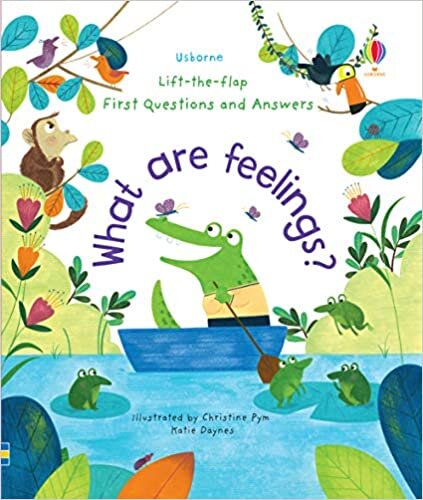
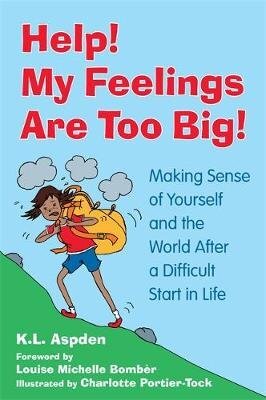
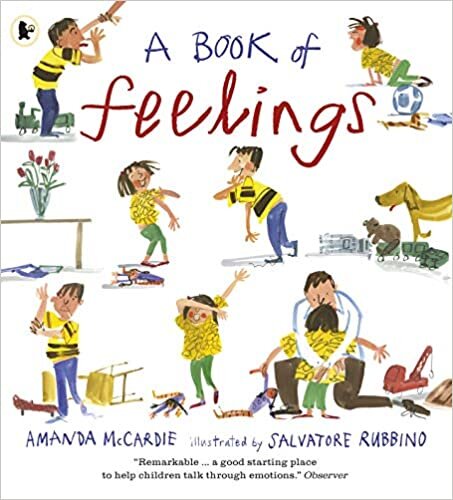
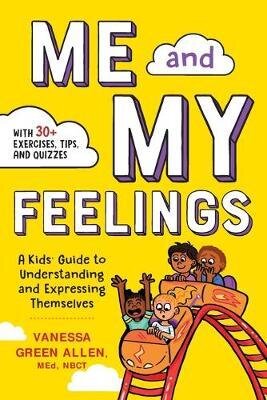
    I’m recommending these books to you, to help you develop your awareness of emotions or emotional intelligence, understand more about the role vulnerability has in us living a balanced life. I’ve also chosen a book for those of you who are highly sensitive so you can build boundaries to protect yourself.

    #block-7a2f74c82c9f09742361 .sqs-gallery-block-grid .sqs-gallery-design-grid { margin-right: -20px; }
    #block-7a2f74c82c9f09742361 .sqs-gallery-block-grid .sqs-gallery-design-grid-slide .margin-wrapper { margin-right: 20px; margin-bottom: 20px; }

    How much time to you spend understanding your emotions and how to respond to them?

    Are you an Empath and if so, how do you cope with absorbing other’s emotions?

    Tell me in the comments.  

    I’ve created a free download of journal prompts for you. These prompts are a taster of one aspect of my unique journal I’m creating for emotional wellness (coming soon). These prompts will help you create a more balanced and purposeful life! So grab a pen and paper now and start using one of these 18 prompts today. 

    Simply click on the link below to get your free copy and access to all my resources. Tell me how you found them in the comments and ask me any questions you have about this topic.

    Stay safe,

    L 💜

    #block-bb979239498f49b30809 .sqs-gallery-block-grid .sqs-gallery-design-grid { margin-right: -20px; }
    #block-bb979239498f49b30809 .sqs-gallery-block-grid .sqs-gallery-design-grid-slide .margin-wrapper { margin-right: 20px; margin-bottom: 20px; }
  • How To Make 5 Cheap Family Emotional Well-Being Activities

    How To Make 5 Cheap Family Emotional Well-Being Activities

    How To Make 5 Cheap Family Emotional Well-Being Activities

    View fullsize

    How To Make 5 Cheap Family Emotional Well-Being ActivitiesHow we feel as a mum often has a direct impact on our family. If we’re happy and playful then our kids usually are. But life isn’t all happiness and laughter. Sometimes we will feel sad, angr…

    How we feel as a mum often has a direct impact on our family. If we’re happy and playful then our kids usually are, if we’re calm then our kids are often calm. But life isn’t all happiness and laughter. Sometimes we will feel sad, angry or unmotivated. 

    So yeah, you’ve guessed it, if you feel down in the dumps or angry then that’s probably going to affect your kids. This isn’t a bad thing, it’s about being realistic not to make you question your mothering. It’s perfectly normal for us to experience a spectrum of different emotions. 

    Life’s hard for us all at times but some of us may be feeling anxious, depressed or having a high pain day, all of which may leave you feeling snappy or despondent. Trying to make yourself happy isn’t realistic so allow yourself to feel this way. It’s okay not to be okay, the key is knowing how to respond to these feelings. 

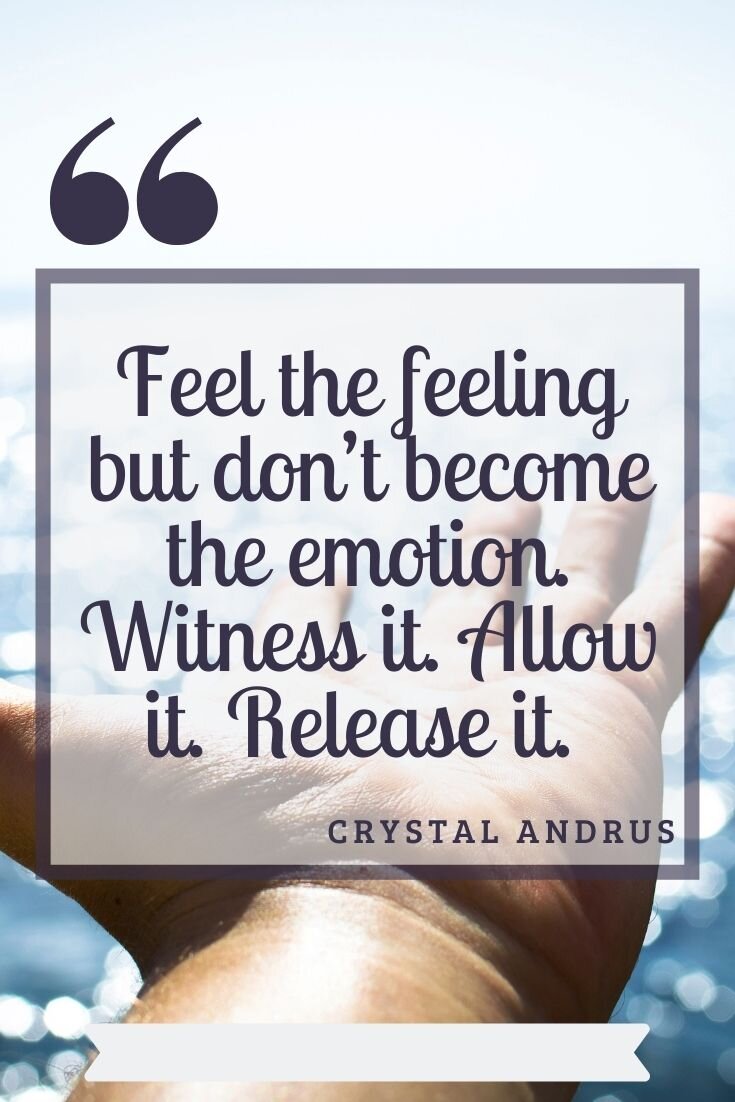
    Feel the feeling but don’t become the emotion. Witness it. Allow it. Release it.

    — Crystal Andrus

    As you can’t change any of this you need to communicate with your children and other family members how you’re feeling, and they need to do the same thing! It’s hard to communicate our feelings whether we’re 8 or 80 but the younger we are the harder it is for us to even understand what we’re feeling. 

    Have you experienced having no idea why you suddenly feel super grumpy. Think about how this must feel for young children who struggle to even name their feelings. This is one of those times when you have to take action with your family for it to benefit you completely. 

    This blog has 5 emotional well being activities that can be made cheaply. These activities are things that I’ve used in schools when teaching 4-7 year olds and children with special educational needs or disabilities (SEND). Or we’ve used it as a family to improve our communication skills. 

    View fullsize

    This post contains affiliate links for sensory play resources

    These 5 emotional well-being activities are for you to try with your family: 

    1. Mindfulness Moments – Take 5 for some deep breathing, relaxing music etc.

    2. Coping Cards- Use colours or numbers to rate a problem and match to a coping skill.

    3. Calm Down Kit – A way to manage emotions, build self esteem and keep calm.

    4. Feelings Jar – A way to understand and cope with the world of mixed emotions.

    5. Feelings Tracker – A colour coded system to see if there are any patterns to how you’re feeling.

    I’ve chosen these 5 activities for a small budget and explained how to use them with children and if necessary how to adapt them for teens and adults, so you can use them as a family. You can add these to a routine easily by using my well-being planner. Download this for free by signing up to my Strong Mum’s mailing list.

    Five Emotional Well-being Activities

    1. Mindfulness Moments

    There are many ways to practice mindfulness during the day for all family members. Many of us struggle to stay calm when our children misbehave or are being so loud you can’t think. We easily lose our cool and can then make a bad call and overreact with punishment that could dismiss a child’s feelings. 

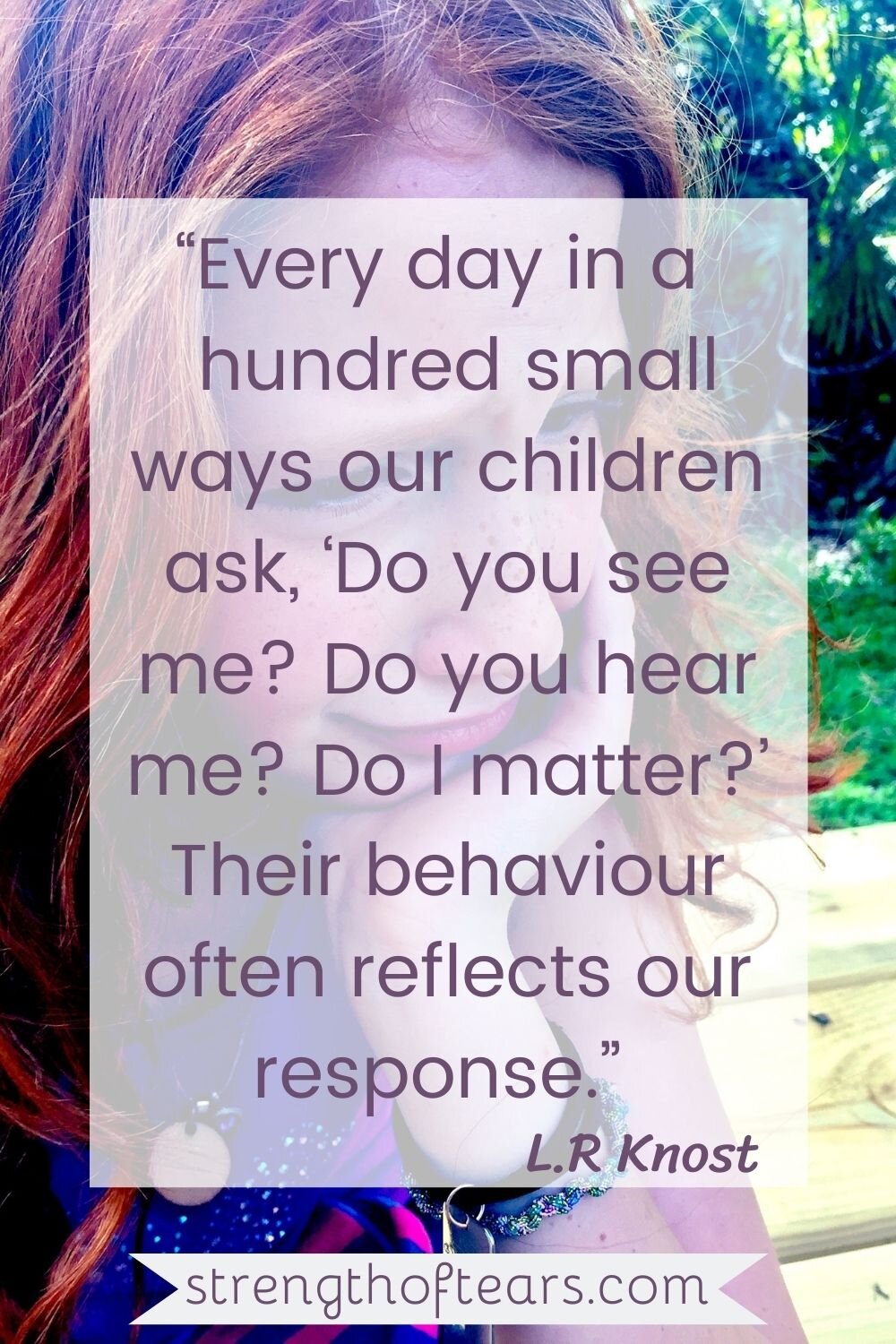
    Everyday in a hundred small ways our children ask, ‘Do you see me? Do you hear me? Do I matter?’ Their behaviour often reflects our response.

    — L.R Knost

    These simple activities can help you regulate your child’s behaviour. However, self regulation is usually developed in childhood, when we learn to control impulses and develop a toolkit to reflect our feelings. Learn these exercises for mindfulness with your child so the whole family can grow.

     What You Need: 

    • A quiet space

    • 5 minutes

    • Timer

    • An outside space such as a garden, park or quiet street

    • Colouring pens

    • Colouring book (see below) 

      • Deep Breathing – Sit comfortably and put your hands on your tummy. Take a deep breath in and blow up your tummy like a balloon. Then let all the air out. Repeat – breathe in through your nose and out through your mouth. Breathe in again but hold your breath with a big tummy. Count to 2 then breathe out. Repeat or use as a warm up.

      • Get Active – Go outside and run in a big circle for 1 minute (use a timer or stopwatch), kids need to stay where they can hear your instructions. Stop and reach to the sky on tiptoes. Then do 10 star jumps. Stop and curl up in a ball. Do 5-10 hops per leg. Stop and stretch wide like a starfish. Repeat with similar actions, using the stop and start pattern.

      • Body Scan – lie down comfortably with eyes closed and imagine the sun is warming you up all over. Focus that warmth on your feet. Imagine golden sunshine moving slowly up to your knees, warming your legs, hips and up through your torso. Move it slowly down each arm, pausing to let tension go.

      • Scavenger Hunt – Go out into the garden or down the street and give your children a few things to find. If you only have 5 minutes then give them something you know they’ll find. In autumn it could be leaves, cookers etc. Or choose things they see or touch, rather than collect, e.g. a red door or a tree. 

      • Laughing Yoga – (it’s fun not woo-woo) Sit comfortably and take 3 deep breaths in through your nose, flaring your nostrils. Then breathe out of a wide open mouth. Laugh as though you’re different animals e.g. squeeze your cheeks and nose to laugh like a hyena or scrunch your face to do a lion’s roar. 

      • Have a colouring book and sit with your child and colour whilst listening to calming instrumental music. Setting a timer can help you stay present. You could keep a sketchbook and draw lines, shapes etc. Check out these colouring books for children and adults.

    The Mindfulness Colouring Book : Anti-stress Art Therapy for Busy People

    Children’s Coloring Book – Confident You and Fantasy Drawings : Boost Self-Esteem and Creativity

    You can do all of these activities with your child or as a family. You can lengthen the time you spend doing these with older children or challenge yourself by adding more ambitious exercises or adding the body stretches in yoga. Expand your knowledge of breathing exercises and body scans by reading this meditation blog.

    2. Coping Cards

    Learning coping skills is a big task and varies widely as what works for someone will be different to someone else or even changed depending on the day. As children grow they’ll change and adults can probably skip some steps. Before creating your coping cards you’ll need to work with your child to see how they respond. 

    What You Need: 

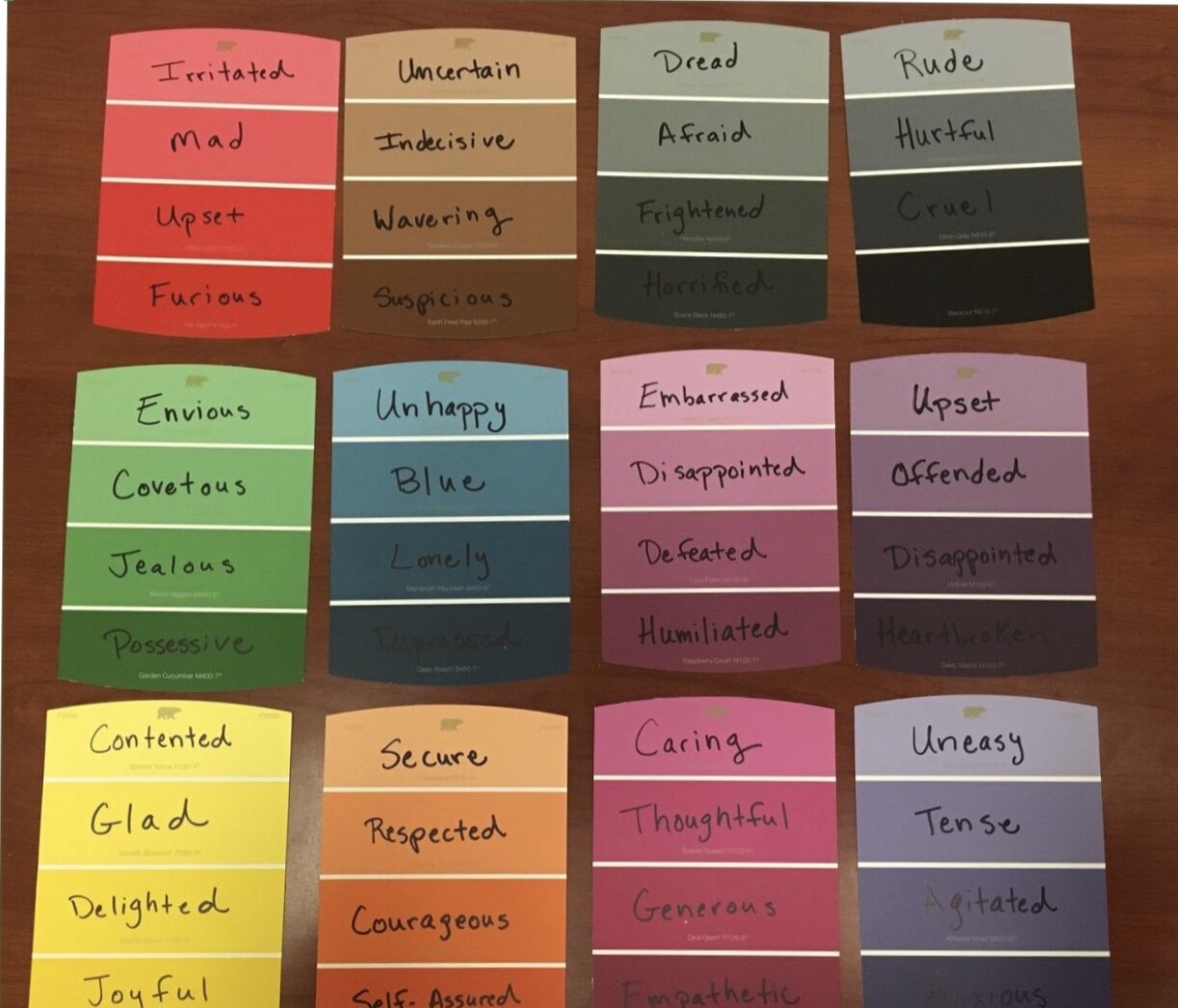
    Firstly, set up a system using colours or numbers to rate each emotion. Paint tester cards are a great way to label, as you can show the steps towards the strongest emotion. If you don’t have these, you can create your own colour chart. 

    With young children use one feeling per card and label 1-5 (5 being strongest). Older children and teens can add more feelings, using similar words as shown. Discuss how to order them to show how they escalate. Adults can add these to a journal. 

    Start with five or six widely recognised feelings. With young children I’d use angry, happy, sad, excited, calm and scared. Positive feelings will help to show opposite emotions as what they’d want to feel after calming down. Ask your child what makes them feel this way. Choose a colour for each feeling. 

    Paint colour tester feelings description cards.jpg

    Once you’ve explored these feelings you can create the Coping Cards. Using categories on the downloaded checklist (linked above) to guide you, discuss what helps your child when they’re feeling sad, angry etc. Teenagers can use the checklist to do this themselves. 

    Help your child create a set of coping cards by matching a coping skill to each feeling. Children respond well to visual prompts, especially when they’re not coping, so take a photo or draw the activity they’ve chosen for each feeling. 

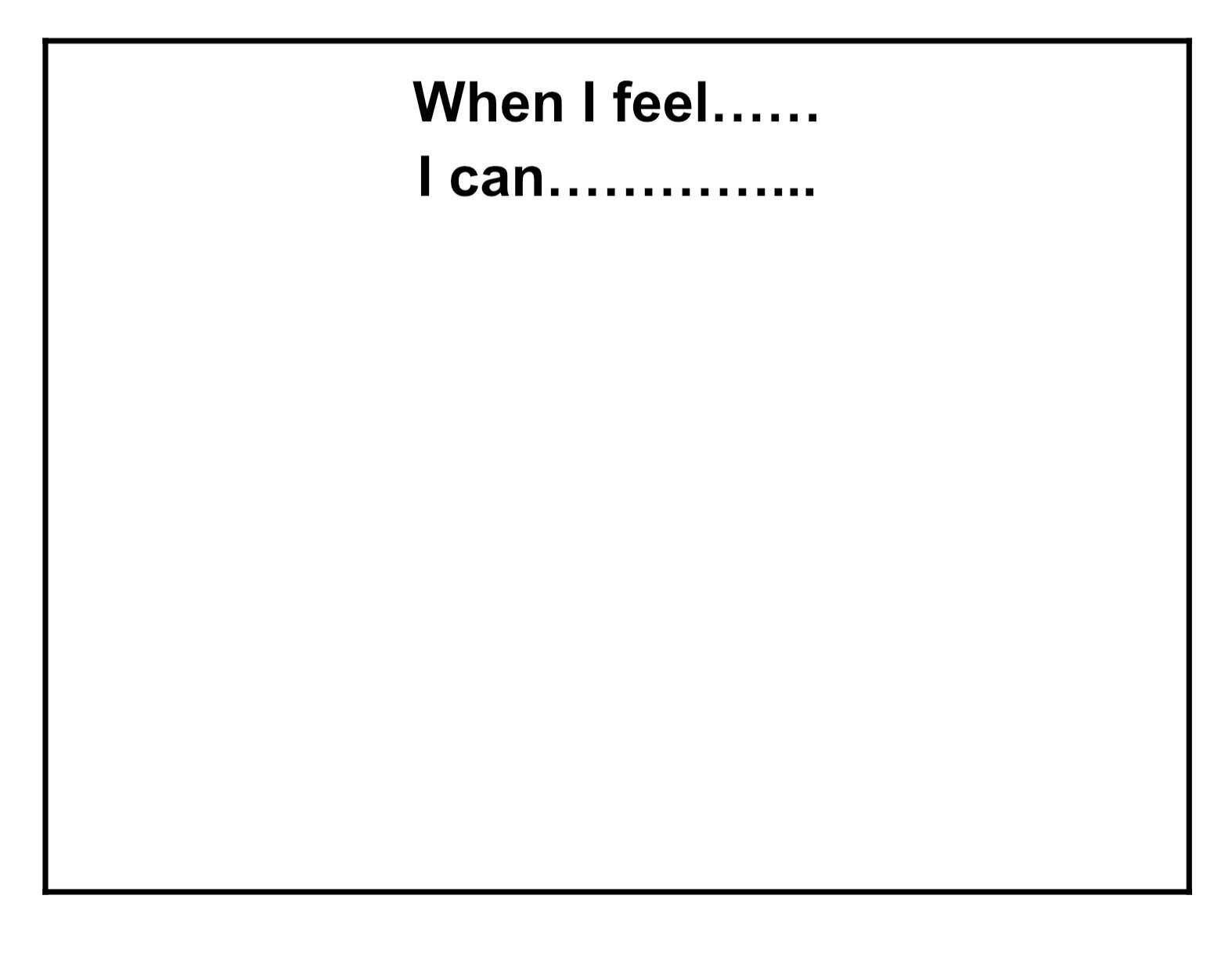
    1. Get a postcard or A5 sized card and fill out the top sections as shown, 

    2. Fill in the blanks with your child so they get another chance to talk about it. If your child is young you can use feeling emojis so they don’t need to read. 

    3. Add the image of the coping skill underneath. 

    4. If you can, laminate or cover with clear film so they last longer. 

    5. Repeat this for each coping card then punch a hole in the corner before connecting the cards with a split ring or treasury tag.

    View fullsize

    Emotions self regulation coping card template.Print onto a postcard or A5 sized card and fill in the blanks with your child so they get another chance to talk about it. If your child is young you can use feeling emojis so they don’t need to read. Ad…

    You’ll need to make everything easily accessible, such as props or toys to support your child’s plan, Teens and adults coping plans could be kept as a phone note, voice memo or in a journal, such as the one I’m creating for well-being. You can sign up to my Strong Mum’s Mailing List to be the first to know when this will be available. 

    3. Calm Down Kit

    Once we’ve learnt to understand our different feelings we need to build up effective strategies for when strong emotions overwhelm us. By creating a calm down kit with emotional well-being activities, we can access our support system in challenging moments. Anyone can allow emotions to take over so these kits are for all ages.

    A calm down kit will look different for everyone but it will work best for kids when it’s personalised to their interests. The kits can be adapted as children grow and their interests change. They can be set up for specific emotions too, for example someone struggling with anxiety. Click here to read my anxiety coping strategies blog. 

    What You Need:

    • A box, bag or backpack for organisation

    • The coping cards you made

    • Any toys or items you’ve chosen for the coping cards

    • Items from the suggested list below

    • Feelings books as suggested below

    • An inviting, accessible area at home, read this article for great ideas

    Other items appropriate for your child or yourself as shown below.

    Top tip: get 2 to avoid any upsets.

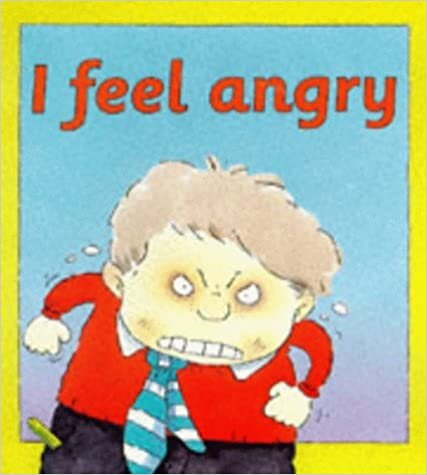
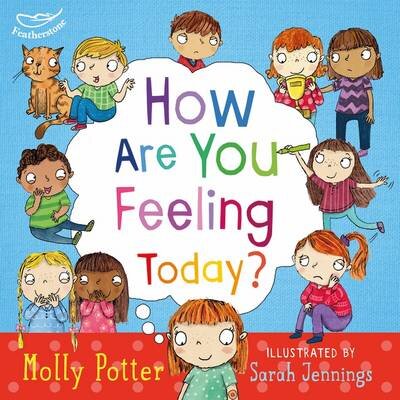
    Add feelings books to your collection for exploring emotions when your child is calm.

    Children 

    #block-yui_3_17_2_1_1604681127193_134015 .sqs-gallery-block-grid .sqs-gallery-design-grid { margin-right: -15px; }
    #block-yui_3_17_2_1_1604681127193_134015 .sqs-gallery-block-grid .sqs-gallery-design-grid-slide .margin-wrapper { margin-right: 15px; margin-bottom: 15px; }

    Teens

    These kits are a positive way to deal with behaviour from stressful situations. This helps us teach children to self regulate and develop their self awareness so they can pause between a feeling and reaction. This article explains the psychology and importance of self regulation.

    
    4. Feelings Jar

    After learning to self-regulate our emotions we discover the world of mixed emotions. We often experience so many emotions, it can be hard to break down everything we’re feeling. Learning how to respond to this is more complex. The Feelings Jar is an effective way to help kids who struggle to self regulate.

    When we were dealing with the huge changes my brain condition brought, we all experienced strong, mixed emotions. As parents in this state of mind, it was hard to make the right judgement call to help our boys self regulate. We were honest about our negative thoughts and used a window to represent the illness. 

    We screamed and shouted to release our feelings of being embarrassed, angry, scared etc. Once we’d done that, we opened the window to let the feelings go. We celebrated small wins with a positivity jar to remind us there were good feelings too. This wouldn’t work for everyone so I want to share the Feelings Jar idea with you.

    What You Need:

    • 2 clean jam jars

    • A Sharpie pen

    • Labels

    • Craft Pom Poms

    1. Draw equal lines of measurement up the side of each jar. Label each line with numbers 1-5. Use labels or coloured lids to show clearly which jar is positive and which is negative.

    2. Using your emotions colour system from the coping cards activity, sort the Pom Poms by colour to match both positive and negative emotions.

    3. Ask your child to choose one colour e.g. red for angry and fill the jar with Pom Poms up to the level (1-5) they’re feeling angry. Talk about what is making them feel like this as they fill the jar. 

    4. If the Pom Poms go over the level you’d expect, talk to them about how that emotion grew bigger than it needed to be. Repeat with positive feelings. 

    5. Then go back to the negative emotions jar. Ask your child whether they can take any Pom Poms out now they’ve focused on the positives. You can encourage them by making a game of throwing or “exploding” the pom poms.

    As our boys grew older we still prioritised time to talk about how they were feeling each day. This could be at a mealtime or after school. We started monthly family meetings to talk about the big picture. Doing this showed the boys how to handle big emotions and mixed feelings. These activities show your child their feelings are valid.

    5. Feelings Tracker

    A feelings tracker is a colour coded system to look for patterns in how you’re feeling. This is quite a common bullet journal activity and there are apps available to do this too. This is one of the emotional well-being activities you can use with children after  they’ve learnt to recognise different emotions. 

    Our emotions change depending on situations, our personality and temperament. Recording our feelings helps us identify behavioral patterns and give us insight into the way we think. To get accuracy you need to take time to reflect at the best time of day for you. Be specific about what, when and where you were. 

    What You Need: 

    • Coloured Pens

    • Paper, worksheet or bullet journal

    • Stickers (optional) 

    1. After deciding on how to record you’ll need to choose the colours which represent your emotions or what you decided in the Coping Cards section. 

    2. Add a labelled colour code for easy reference. 

    3. Each day record the date and time of your entry 

    4. Colour the section of your image or grid with the colour to show how you feel.

    5. Add information about why you or your child felt like this. 

    6. Make notes of what you were doing so you can compare habits

    7. Detail how the situation was dealt with so you can make comparisons.

    8. Regularly check your data to look for patterns about what makes you or your child happy, sad, anxious or excited. 

    Our habits could be adding to our feelings by helping us or hurting us. Tracking this can help us find what we need to change and know the support we need to do that. Another benefit of this is that you are being present and mindful whilst making these entries. We have the power to change and choose how we respond.

    25 Simple Messy Play Secrets To Delight Your Kids (1).jpg

    How To Make 5 Cheap Family Emotional Well-Being Activities

    It’s perfectly normal for us to experience a spectrum of different emotions and due to the stress modern living puts on our brains, we are likely to experience anxiety or worry at some time. Many research projects have shown mindfulness is great at reducing this as these activities are based on being present and self aware. 

    It is hard for us to communicate our feelings at any age and our personality and experiences affect how well we understand what we’re feeling. These emotional well-being activities help us to understand basic and mixed emotions so we can regulate our responses. 

    Understanding how the positives can outweigh the negatives we feel, can calm the part of our brain that reacts with strong emotions. Our brains are wired to focus on negatives, which is why we’re more likely to worry or feel stressed. But we can rewire the brain by sending regular positive messages. 

    One of the most helpful things we can do as a parent is understanding how emotions influence our child’s behaviour. Exploring patterns in their emotions helps us make better judgements about the reactions we have, understanding helps us stay calm during challenging moments and empathise with how our child responds to stress. 

    The aim of these emotional well-being activities is to filter the negative feelings so we can be calmer. This helps regulate the information that goes to the part of the brain that helps us make good, sensible choices. By teaching and modelling self regulation you and your child will be able to temper your reactions to emotional situations.

    Stay safe,

    Laura 💜

    P.S. I can help you to work on the areas that you need to develop or help your child learn. My free well-being planner is perfect for this with a guide to help you work out what to prioritise.. Sign up to my Strong Mum’s mailing list for access to this free download here.


    #block-8050075727503a545a79 .sqs-gallery-block-grid .sqs-gallery-design-grid { margin-right: -20px; }
    #block-8050075727503a545a79 .sqs-gallery-block-grid .sqs-gallery-design-grid-slide .margin-wrapper { margin-right: 20px; margin-bottom: 20px; }
    ✋ Hey there! I hope you’re feeling stronger now. If so, sharing the love will help me help other mums with chronic invisible illnesses. ⬆️ Hit one of those sharing buttons or save the images to Pinterest and I will do a bed-bound happy dance – there’s an image for you!